
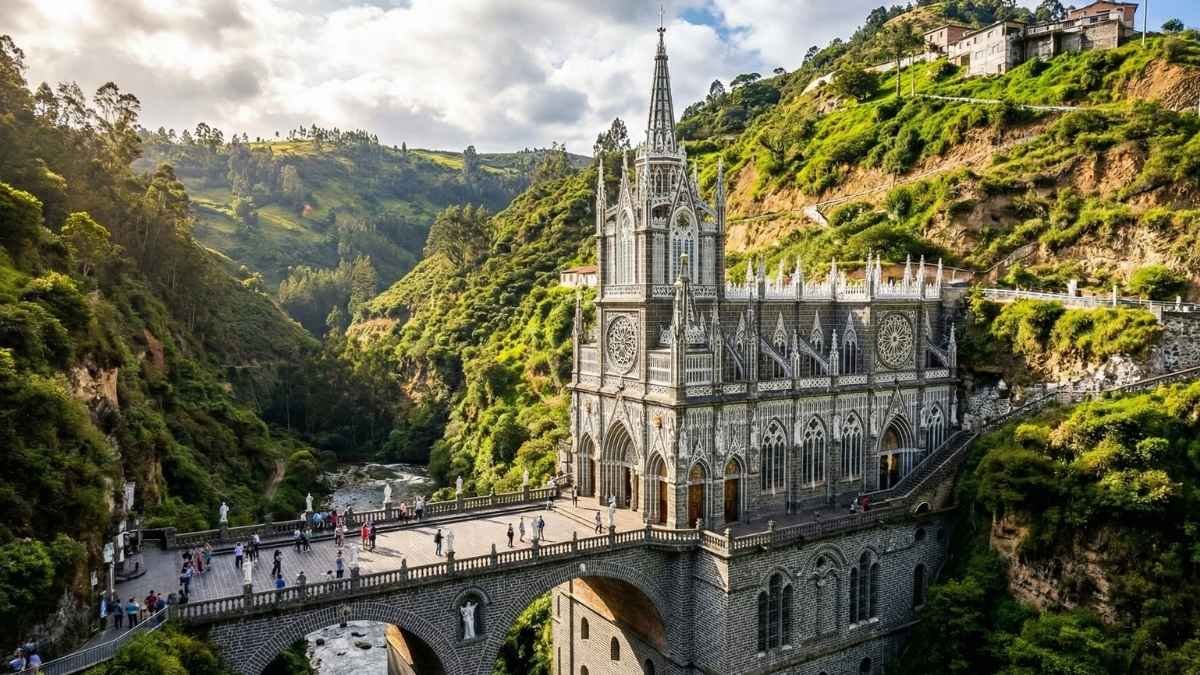

Currency crashes have a way of turning faraway dreams into urgent possibilities. Suddenly, trips that felt out of reach are within grasp, meals that once felt luxurious become everyday treats, and entire adventures stretch your dollar farther than you thought possible.
It’s a rare moment when timing meets opportunity, where wandering the world doesn’t just satisfy curiosity — it rewards your wallet too. For travelers craving big experiences without breaking the bank, this is the moment to act.
Every alley, mountain trail, and bustling street now whispers an invitation, urging you to explore more, spend less, and savor every step.
1. Japan — Where a Weak Yen Equals Big Savings
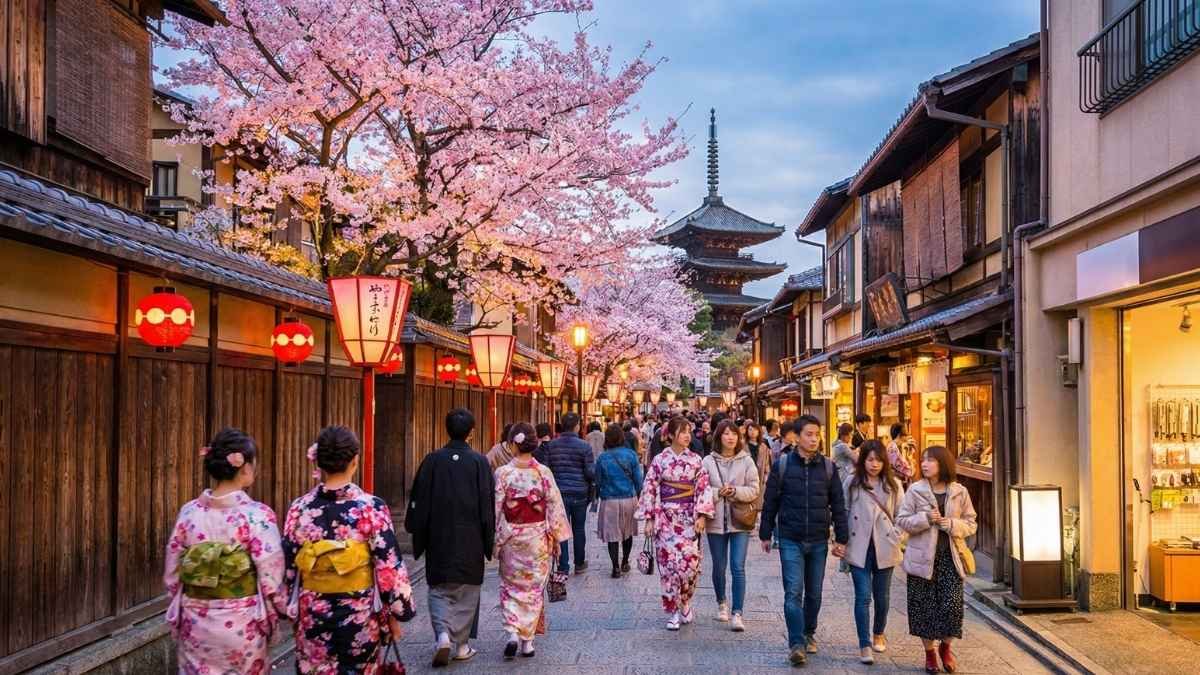
Japan isn’t typically what people think of first when they imagine a budget destination, but the weakened yen has flipped that perception in 2026. Because the Japanese yen has been significantly weaker against major currencies, many travel costs — from meals to transport — now feel much more affordable for visitors. That’s a huge deal for people from Europe, the U.S., or other strong‑currency countries looking to stretch their travel budgets.
What’s great is that your money doesn’t just go far in the big cities — whether you’re sipping matcha in Kyoto, wandering Shibuya’s neon streets in Tokyo, or cycling through rural Japan’s scenic countryside, you’ll notice the difference when you pay for food, trains, and accommodation. Do note that some core tourism expenses like hotel rates and rail passes have climbed due to demand, but overall purchasing power still swings in favor of travelers compared with a few years ago.
If there’s one bit of friendly advice I’d add from travelers’ shared experiences, it’s this: plan your transport and accommodation early — you’ll see the best room rates and train passes when you book sooner rather than later, especially for spring and autumn dates when Japan’s landscapes are at their most beautiful.
Other Useful Info
- Best Months: May–June & September–October (great weather, lower crowds than peak summer).
- Daily Budget: Moderate budget travelers might spend less than many Western destinations on meals and local transport.
- Don’t Miss: Rural JR passes (save big on trains), konbini meals under €5, and free temple gardens.
2. Iran — Deep Discounts Thanks to Currency Collapse
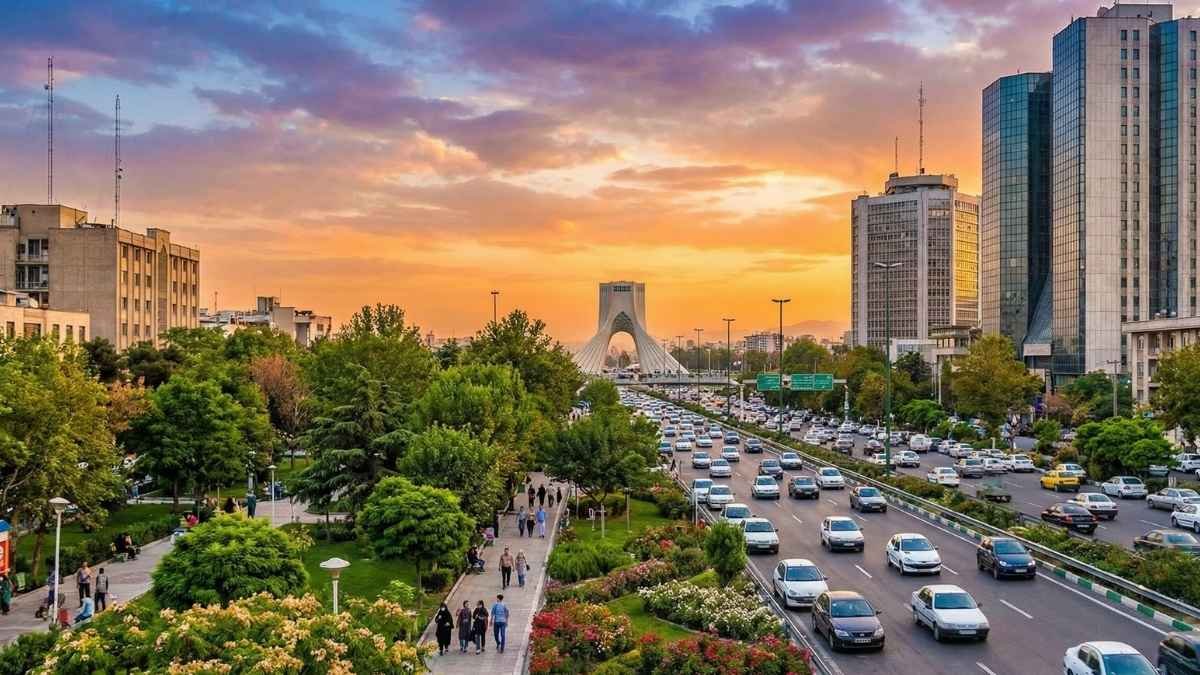
Iran stands out in 2026 as one of the most dramatic examples of currency‑driven affordability. Due to the continued depreciation of the Iranian rial, reports estimate the currency has lost roughly 40% of its value in recent months. Travelers with strong foreign currencies can enjoy historically affordable prices across the country.
That exchange gap means some experiences that might cost you a small fortune in neighboring countries — like boutique hotel stays, cultural tours, or multi‑day transport — can now be found for a fraction of the price in Iran. Whether you’re wandering UNESCO World Heritage sites like Persepolis, sipping tea in Shiraz’s classic gardens, or exploring the bazaar alleys of Isfahan, your budget simply stretches further.
One thing I’ve noticed from real travel budgets is that you can comfortably plan a two‑week experience in Iran at prices that make longer trips more feasible. There’s a lot here for history buffs, food lovers, and people who enjoy off‑the‑beaten‑path destinations that haven’t been overrun by tourists yet.
Other Useful Info
- Best Months: Spring (Apr–May) & Autumn (Sep–Oct) — pleasant weather and fewer extremes. expedia
- Typical Costs: Budget tours and basic itineraries can be very affordable.
- Tips: Exchange money via official channels and be mindful of domestic cash needs (credit cards aren’t widely accepted).
3. Colombia — South American Variety at a Fraction of the Cost
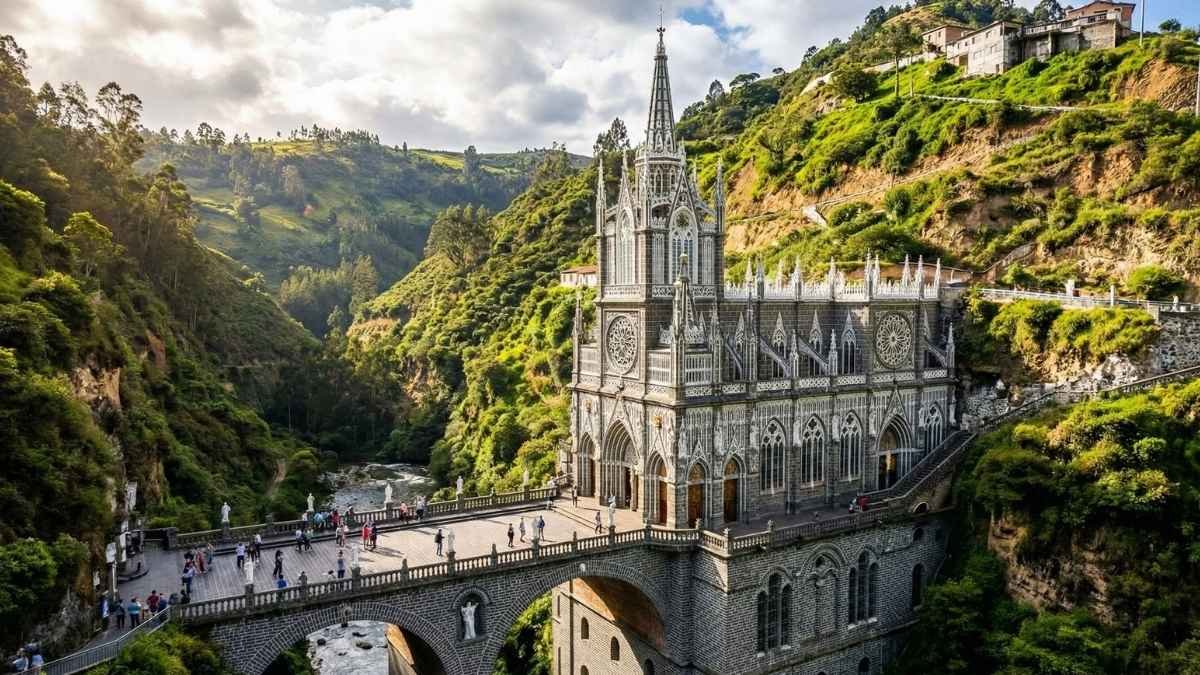
Colombia has quietly grown into one of South America’s most compelling and budget‑friendly destinations for 2026. Thanks to a favorable Colombian peso and steadily improving travel infrastructure, everyday expenses for accommodation, food, and transport remain substantially lower than in many European or North American cities.
Take Bogotá, for example: budget travelers can navigate the city with daily expenses around $30–$45 USD, including affordable public transport and plenty of free or low‑cost attractions like walking tours, parks, and museums. Machupicchu.org Beyond the capital, cities like Medellín, with its year‑round spring climate, and Cartagena’s colorful colonial charm offer distinct flavors without a heavy price tag.
It’s especially good news for outdoors enthusiasts: from coffee region hikes to jungle lodges and Caribbean beaches, Colombia’s diversity doesn’t inflate prices the way it might elsewhere. And if you plan or travel slightly off‑peak, you’ll find flight and hotel deals that make a multi‑city South American itinerary feel entirely reasonable.
Other Useful Info
- Best Months: December–March (drier season; higher prices) — or off‑season April–May & Sep–Oct for lower rates.
- Daily Budget: $30–$60 on a moderate budget in major cities.
- Highlights: Coffee region tours, Medellín nightlife, Cartagena’s old town.
4. Vietnam — Southeast Asia’s Wallet‑Friendly Powerhouse
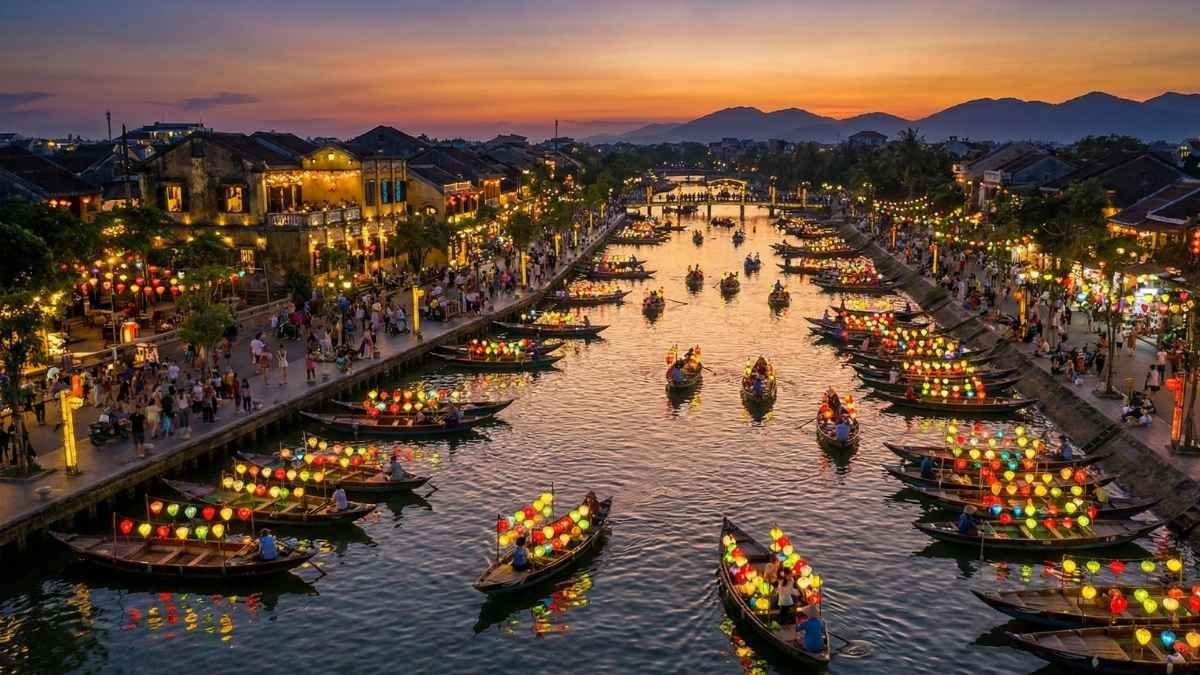
Vietnam has long been loved by backpackers and budget travelers, but in 2026, its value is even more pronounced thanks to exchange rates and steady living costs. Whether it’s pho on Hanoi’s streets, motorbike adventures in the Mekong Delta, or limestone karst cruises in Ha Long Bay, Vietnam delivers big experiences without big price tags.
Food here is a standout: meals at local markets or casual eateries are often astonishingly affordable, and you can find plenty of lodging options from homestays to boutique hotels that fit any budget. Tourism growth hasn’t erased the value either — it’s given travelers more choices without driving prices beyond reach.
If you’ve ever had a Southeast Asia trip on your dream list but worried about cost, Vietnam’s 2026 pricing environment might be your chance to go big on experiences — from motorbike loops to UNESCO towns — while keeping the budget tight.
Other Useful Info
- Best Months: February–April & August–October (pleasant weather across most regions).
- Daily Budget: Often around $30–$55 for food, lodging, and transport.
- Don’t forget: Try local street food markets and off‑peak flight deals for extra savings.
5. Indonesia — More than Just Bali’s Beaches
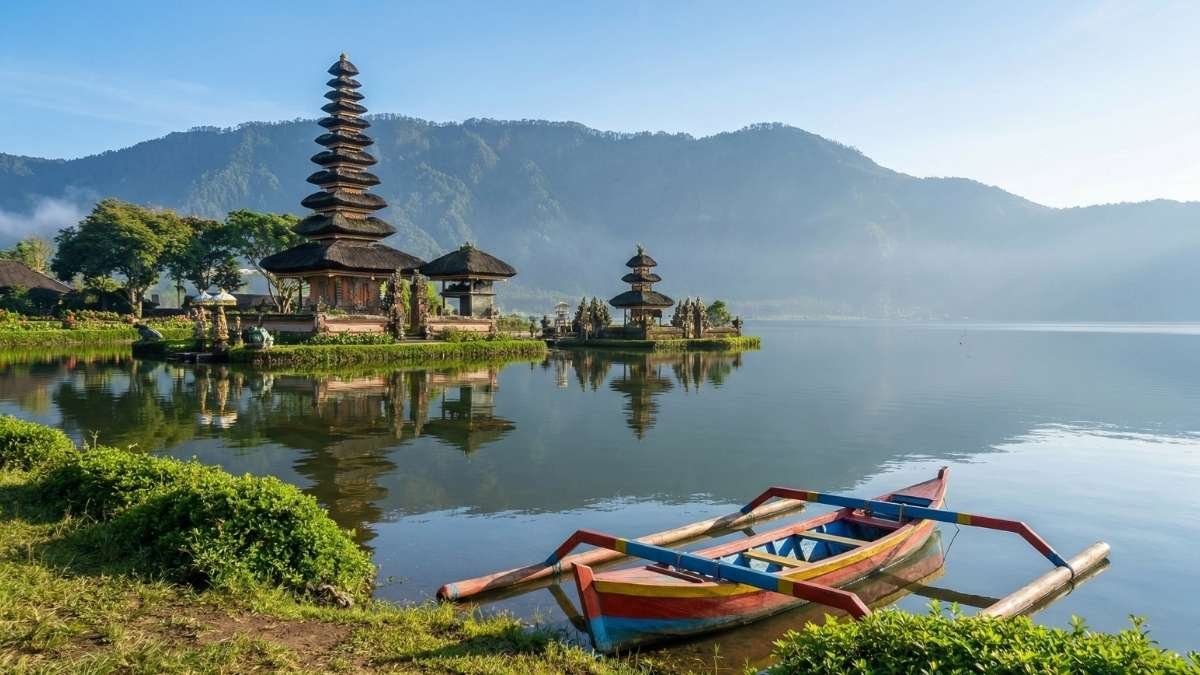
Indonesia is massive — and beyond the familiar draw of Bali, there’s a whole world of islands, temples, volcanoes, and cultures that remain incredibly affordable for world travelers in 2026. With a weak rupiah and under‑the‑radar destinations like Lombok, Yogyakarta, and Sumatra, you’ll find your travel budget goes far here.
Flights between islands can be cheap, and once on the ground, transport and accommodation often cost just a fraction of Western equivalents. This makes Indonesia not only perfect for short getaways but great for longer explorations if you’re willing to dive deeper than the usual tourist trail.
One of the joys of traveling here is how rich the experiences feel against such low costs — think volcano hikes, coffee plantations, traditional dance performances, and pristine beaches. That mix of culture and nature at such wallet‑friendly prices keeps Indonesia high on many travelers’ lists in 2026.
Other Useful Info
- Best Months: May–September (dry season across most islands).
- Daily Budget: $30–$60 for most of the country (excluding luxury stays).
- Tips: Skip peak Bali zones if budget is a priority; explore lesser‑visited islands.
6. South Africa — Big Experiences, Small Prices (Relative to Many Western Countries)
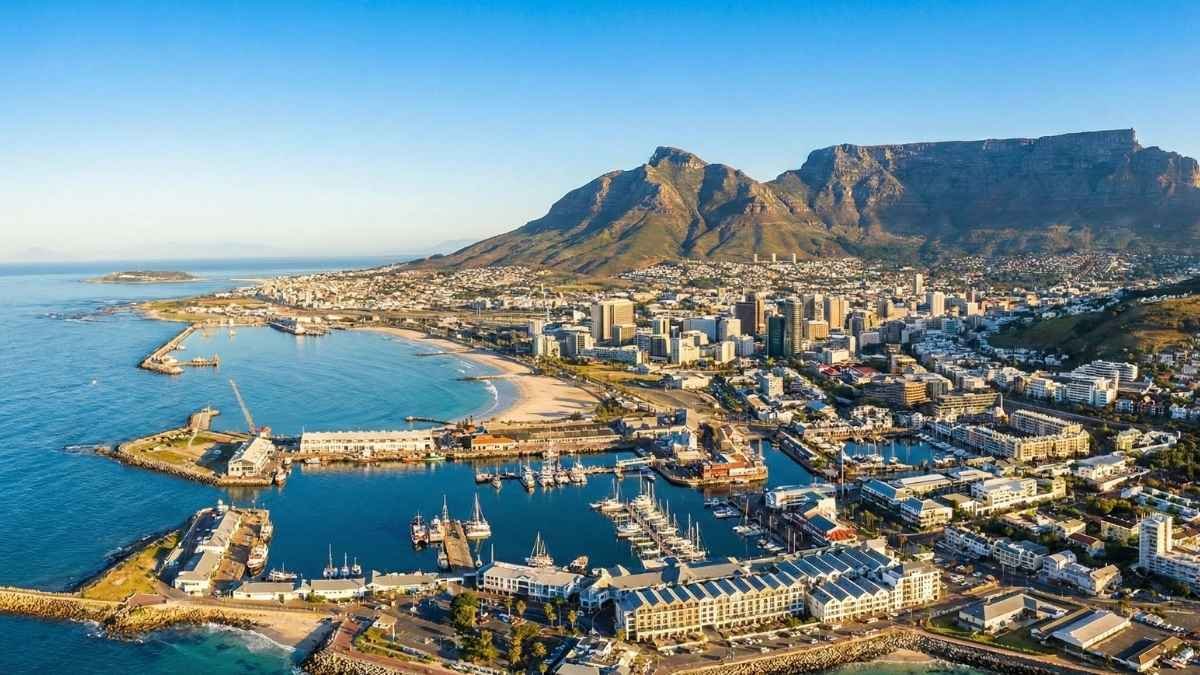
South Africa has long been a favorite for travelers who want diverse scenery and culture without bleeding their budgets, and in 2026, the currency situation makes it even more appealing. Thanks to the weaker South African rand, everyday costs like meals, transport, tours, and accommodation are significantly more affordable for visitors holding stronger currencies like USD, EUR, or GBP. Whether you’re sipping wine in Stellenbosch, watching wildlife on safari, or exploring Johannesburg’s vibrant art scenes, the value for money is remarkable.
One thing that consistently surprises travelers is just how much you can do here on a moderate budget without feeling “cheap.” Safaris, which historically were considered a luxury, can now be found at more accessible price points, and domestic flights or car rentals are easier on the wallet compared to many other destinations. Cities like Cape Town offer a stunning blend of outdoor adventure (Table Mountain, beaches) and urban culture — all at prices that often undercut major Western cities.
The flipside? Some tourism services can vary in quality and cost widely depending on season and spot — so booking ahead, comparing operators, and reading recent traveler reviews pays off. Local guides and experiences often add unbeatable context and value without huge costs.
Other Useful Info
- Best Months: May–September for wildlife viewing (dry season), Nov–Mar for beaches.
- Must‑Do: Safari in Kruger or private reserves, Cape Winelands tasting, Garden Route road trip.
- Tips: Book key tours early; fly domestic to save time/costs.
7. Turkey — Historic Routes, Budget Prices
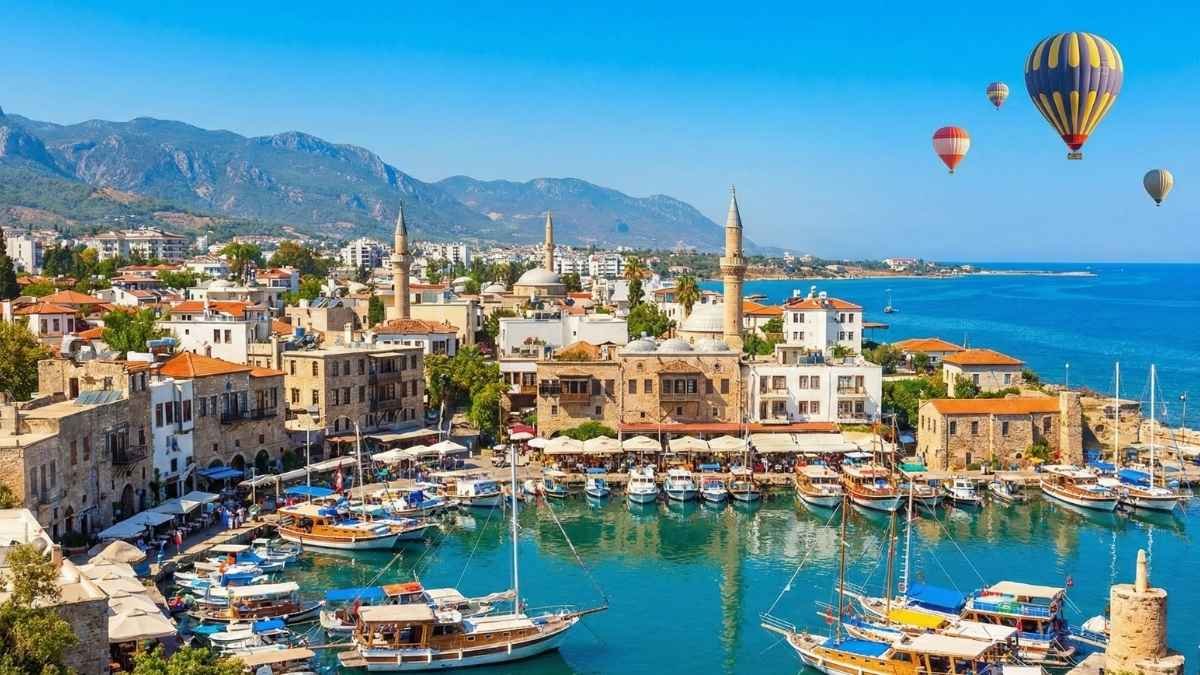
Turkey’s currency weakness has been a major traveler advantage in 2026, meaning your dollars or euros go much further on everything from Turkish delight to boutique stays. The Turkish lira’s depreciation offers excellent value in cities like Istanbul, Cappadocia, and Antalya, where world‑class history and hospitality now cost a lot less for inbound tourists.
This isn’t just about low prices — it’s about value. You can explore iconic sites like Hagia Sophia and Ephesus, take scenic hot‑air balloon rides over Cappadocia, stroll seaside promenades, and dine on layers of mezze and kebabs without feeling budget‑strapped. Food market meals or local eateries often cost a fraction of similar experiences in Western Europe, making Turkey one of the most appealing destinations for 2026 travelers.
Real traveler feedback often highlights how easy it is to pack rich cultural immersion into a trip here: friendly locals, robust transit between regions, and incredible diversity in landscapes and history. Remember that peak crowd seasons see higher accommodation costs, so timing your trip outside major holidays can add to your savings.
Other Useful Info
- Best Months: April–June & September–October (pleasant weather, smaller crowds).
- Top Spots: Istanbul’s bazaars, Cappadocia’s valleys, Antalya’s turquoise coast.
- Budget Tips: Eat where locals eat; use buses & trains between cities.
8. Laos — Southeast Asia’s Quiet, Ultra‑Affordable Gem
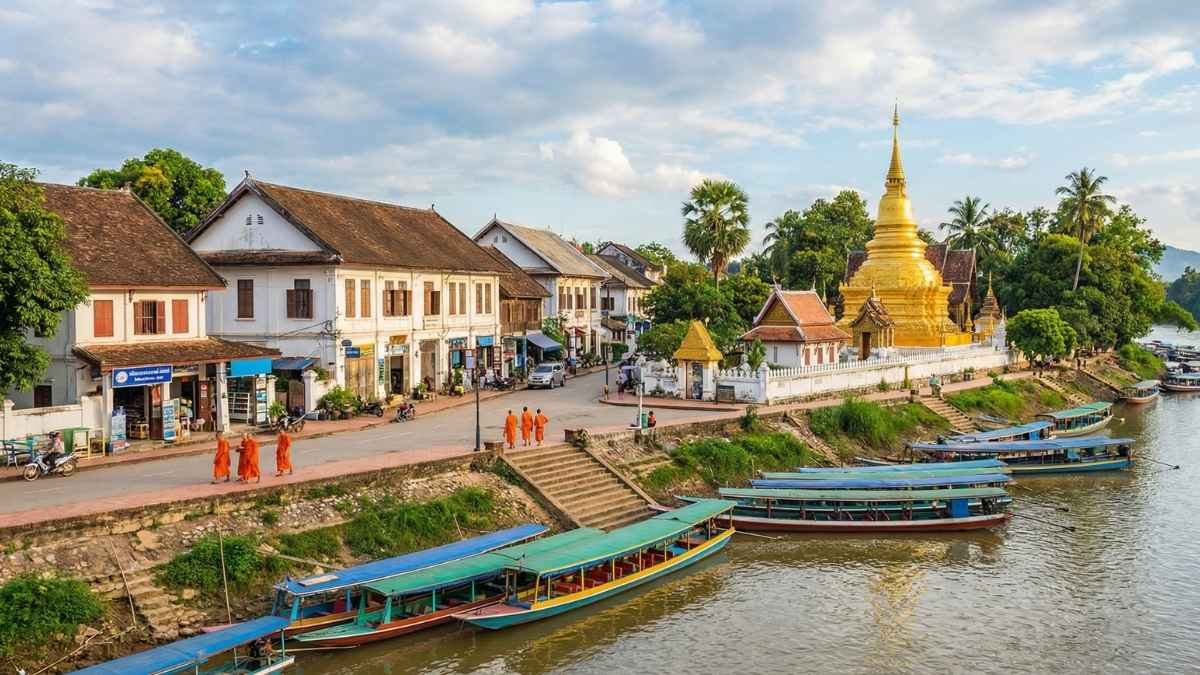
Laos consistently ranks as one of the world’s cheapest travel destinations, with daily budgets often far below those of many of its neighbors. Multiple travel cost surveys find that expenses, including accommodation, food, and transport, can land as low as ~$15–$25 per day — making Laos extremely attractive for travelers who want Southeast Asian culture on a shoestring.
What you’ll notice right away is how simple, serene, and unhurried Laos feels compared with the more touristed parts of Thailand or Vietnam. There’s a calmness to exploring towns like Luang Prabang, Vang Vieng, the river valleys along the Mekong, and hidden waterfalls like Kuang Si — all while spending far less. Guesthouses and homestays are incredibly affordable, and local food markets offer tasty meals that don’t break the bank.
Despite its reputation as a “budget choice,” Laos still offers rich cultural experiences, ancient temples, stunning landscapes, and welcoming locals. It’s the perfect choice if you’re the kind of traveler who wants quiet adventure and authentic experiences without the tourist crowds or high prices.
Other Useful Info
- Best Months: November–April (dry season, great trekking).
- Daily Budget: Often $15–$25, including food and lodging.
- Don’t Miss: Kuang Si Falls, Mekong river cruises, and local markets.
9. Cambodia — Ancient History Meets Wallet‑Friendly Travel
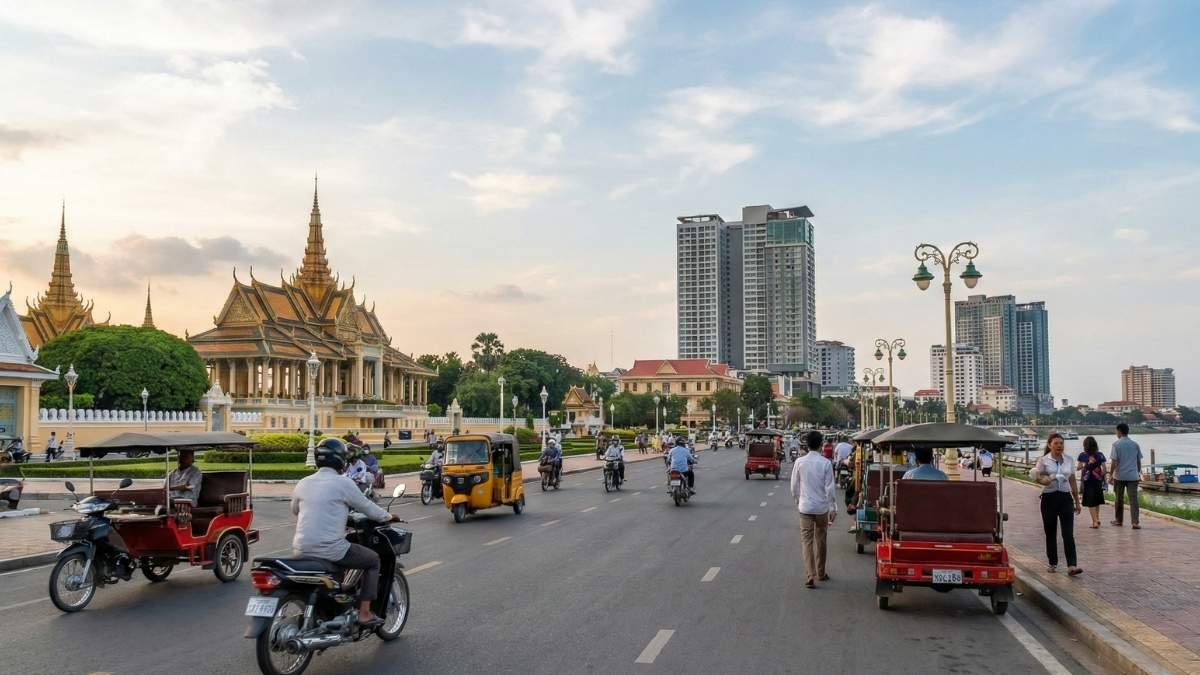
Cambodia has had a reputation for being incredibly affordable for years, and in 2026, that reputation only continues. Daily budgets of around $20–$30 are common, making it easy to explore everything from the world‑famous Angkor Wat temple complex to lively Phnom Penh streets without feeling the pinch.
One of the most rewarding parts of travel here is the mix of deep history and vibrant daily life. Early mornings watching Angkor sunrise are a bucket‑list favorite, while bustling markets, riverside walks, and local food stalls offer budget experiences with high cultural payoff. Tuk‑tuks and local buses keep transport costs low, and many guesthouses offer comfortable stays at prices that feel astonishing compared to Western standards.
Travelers often share that it’s easy to stretch a modest budget into an extended stay here — especially if you time visits to smaller towns or explore the countryside beyond the main temples. Cambodia’s affordability really shines when you balance iconic sites with daily local life.
Other Useful Info
- Best Months: November–March (dry, cooler).
- Typical Daily Budget: $20–$35 USD including food & lodging.
- Must‑See: Angkor Wat, Tonlé Sap lake, coastal Sihanoukville.
10. Georgia — Europe Meets Asia on a Budget
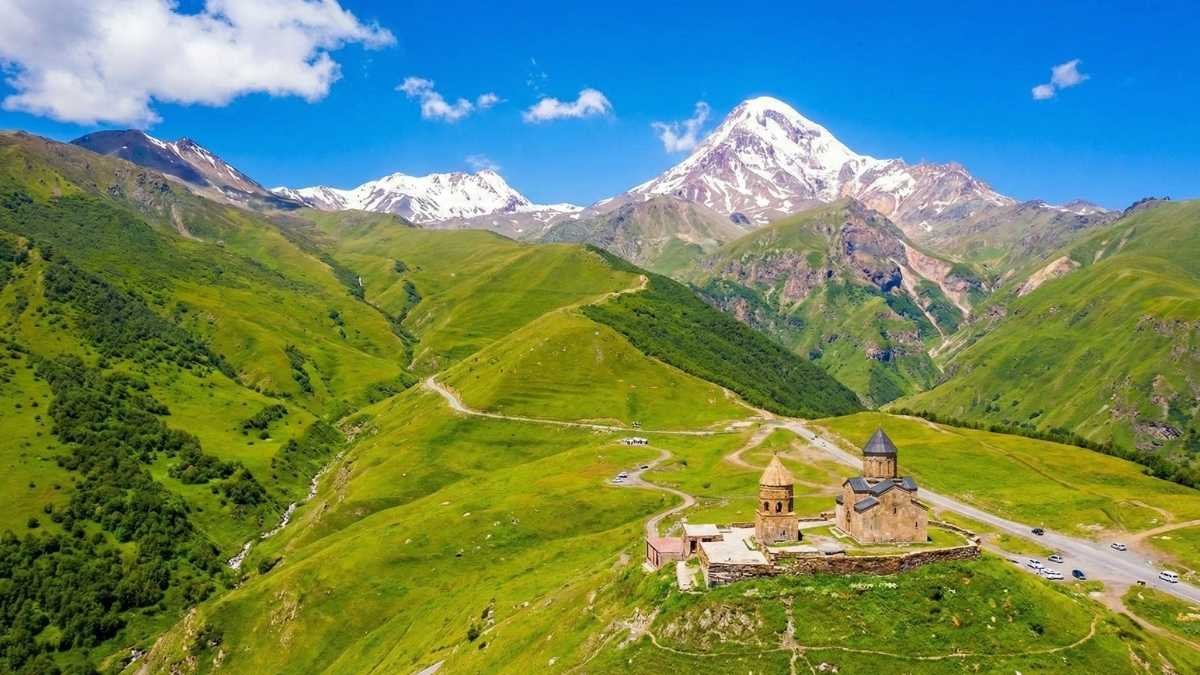
Georgia — the country nestled between Europe and Asia — blends incredible landscapes, hearty cuisine, ancient monasteries, and some of the best value in travel today. Daily budgets of $25–$40 are realistic for most visitors, covering meals, guesthouses, and plenty of activities without stress.
Tbilisi, Georgia’s capital, is one of the continent’s most underrated cities — a place where historic alleyways meet lively cafes, and local wine dinners are both delicious and affordable. Beyond the city, you’ll find dramatic mountain ranges, wine regions like Kakheti, Black Sea beaches, and medieval fortresses, all easily accessible at reasonable costs.
What makes Georgia especially relatable for travelers is how rich the experience feels for the money spent. Local feasts (supras), wine tastings, and friendly guesthouses make it a destination that doesn’t feel “cheap” — just wonderfully good value, especially compared to much of Europe.
Other Useful Info
- Best Months: May–June & Sep–Oct (pleasant weather).
- Daily Budget: Around $25–$40, including food & transport.
- Highlights: Tbilisi old town, Kazbegi mountains, Georgian wine tours.
11. Brazil — Big Adventure, Better Value with a Weaker Real

Brazil often feels like a “once‑in‑a‑lifetime” destination — from samba rhythms to sprawling rainforests — and in **2026, the weakened Brazilian real makes that dream much more affordable. With the real trading lower against key global currencies, many everyday travel costs like dining, transport, and mid‑range hotels have become noticeably easier on the wallet for visitors. That’s not just good news for beach lovers heading to Copacabana or Ipanema — it’s also a boon for anyone wanting to explore the Amazon, Pantanal wetlands, or colonial towns like Ouro Preto without the usual sticker shock.
Unlike some places where only basic expenses get cheap, Brazil’s exchange advantage touches many parts of the trip. Street food bites, local transport, and even guided excursions into nature can come in well below what you’d expect in Europe or North America. That gives you the freedom to do more — perhaps a coastal drive down the Atlantic Road, a favela art tour in Rio, or a wildlife boat trip in the Pantanal — without constantly worrying about costs.
One thing seasoned travelers mention again and again is how varied Brazil feels region to region: coastal beaches and gentle surf aren’t the same as the lush jungle or the buzzing city nightlife of São Paulo. And because the cost of living has softened with the currency, it’s easier to tailor your trip to your style — whether that’s active adventures, cultural deep dives, or pure beach downtime.
Other Useful Info
- Best Months: December–March (summer beach season) & May–October (drier inland).
- Daily Budget: Mid‑range comfort can be very doable with the weak real.
- Tips: Book tours/activities locally rather than in advance from abroad to take advantage of lower local prices.
12. Pakistan — Surprisingly Affordable Depth and Diversity

Pakistan might not be on everyone’s travel radar yet, but for 2026, it’s among the most wallet‑friendly destinations globally, thanks to the exchange rate and low local costs. Daily expenses in many regions — from food to transport — are some of the lowest you’ll find anywhere, especially when compared to Western prices. Travelers have found delicious street meals for cents, rickshaws and buses for pocket change, and guesthouses that feel comfortable yet cost only a fraction of what a similar stay would run elsewhere.
What makes Pakistan really stand out is its extraordinary variety. You can go from towering mountain landscapes in the north (think Hunza, Skardu, and Fairy Meadows) to rich Mughal history in Lahore, from serene lakes like Attabad to cultural bazaars and Sufi shrines. That blend of nature, history, and culture — combined with low prices — makes it more than just a cheap trip, but a deeply rewarding one.
Of course, the Pakistan travel experience can vary widely depending on where you go and how you plan it — but that’s exactly what makes it interesting. Backpackers can explore valleys and markets on very lean budgets, while mid‑range travelers can enjoy comfortable hotels and guided expeditions that still cost far less than similar experiences in other parts of the world. If you’re open to genuine local interaction and off‑the‑beaten‑path adventure, 2026 might be your year to discover Pakistan.
Other Useful Info
- Best Months: March–May & Sep–Nov (pleasant weather across many regions).
- Typical Daily Budget: Extremely low — meals and stays can be very inexpensive in many towns.
- Don’t Miss: Hunza Valley peaks, Islamabad’s museums and food markets, and Swat Valley scenic hikes.
