

Turning 25 feels like the perfect blend of energy and confusion—enough optimism to believe everything is possible, and enough uncertainty to not know where to begin. These are the books I genuinely wish someone had dropped in my lap back then. They would have saved me years of unnecessary mistakes, overthinking, bad decisions, and most importantly, time.
Below are the my top recommendations. Each one carries a lesson most people don’t fully understand until their 30s or 40s—but if you get them early, everything becomes easier.
1. “Deep Work” — Cal Newport

If there’s one book I genuinely wish someone had shoved into my hands at 25, it’s this one. “Deep Work” explains why your best opportunities in life come from intense, distraction-free focus, not from juggling endless tasks or doing work half-attentively. Newport breaks down something we all know but rarely articulate: most careers plateau because people never build the rare, hard skills that set them apart. The book isn’t just about productivity—it’s about reclaiming your mind from noise, creating a professional identity you’re proud of, and choosing depth over digital chaos. If your 20s felt scattered or directionless, this book shows that clarity isn’t luck—it’s built deliberately.
The best part is how practical it is. Newport gives frameworks you can use within a single day, especially if your attention span has been eaten alive by apps. It’s a call to become someone who does meaningful work instead of someone who stays “busy.”
2. “The Psychology of Money” — Morgan Housel

You don’t truly understand money in your 20s—you just think you do. This book reshapes that completely. Housel explains that your relationship with money isn’t mathematical; it’s emotional, and most financial mistakes come from behavior, not lack of information. He goes deep into how wealth is built quietly, through patience and consistency rather than flashy decisions. The stories are short, sharp, and relatable, and they make you rethink years of financial habits you never challenged. It’s also a book that makes you feel less guilty about not having “figured everything out” by 25.
The second half drives home one truth: your financial life doesn’t need to be optimized—it needs to be stable, resilient, and human. If you’ve ever felt behind financially, this book is like a calm voice saying, “You’re not behind. You’re just early in the story.”
3. “Mastery” — Robert Greene
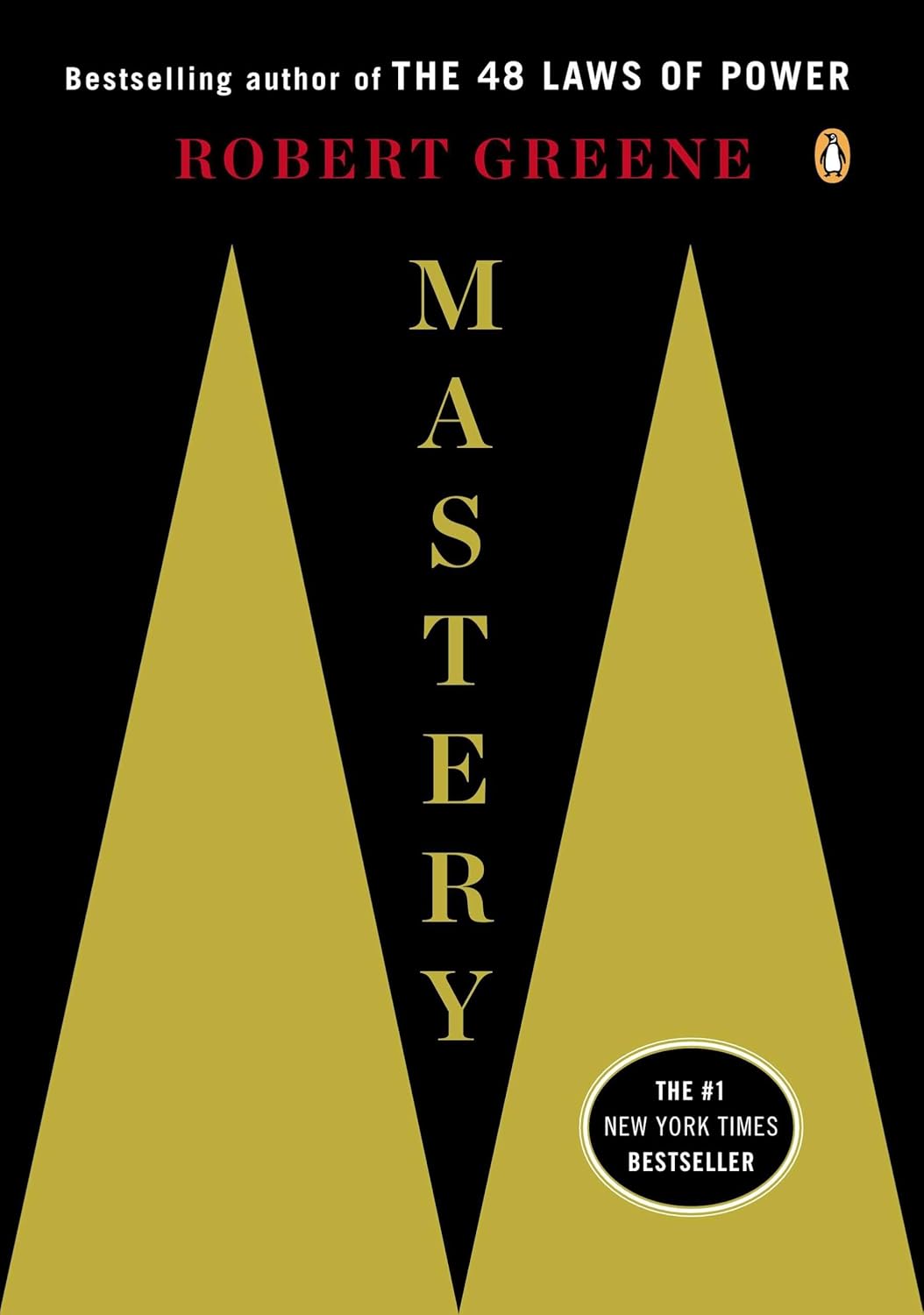
In your 20s, you chase shortcuts. In your 30s, you crave depth. Greene’s “Mastery” explains exactly why the shortcut mindset sabotages your potential. He explores the path of historical and modern masters—artists, scientists, innovators—and shows that mastery is the combination of long-term apprenticeship + relentless curiosity, not raw talent. Greene’s biggest lesson is this: your life changes when you commit to one direction long enough to develop rare skills, instead of bouncing between options hoping one magically works. It’s a book that teaches patience while making patience feel powerful instead of boring.
The stories alone are worth the read—they show you what a decade of consistent focus can do. For anyone who ever thought “I’m late,” Greene quietly and convincingly says: you’re not late at all. You just haven’t begun the real path.
4. “The Courage to Be Disliked” — Ichiro Kishimi & Fumitake Koga

This one hits you in the ego first, then in the heart. Based on Adlerian psychology, the book unpacks the idea that your life transforms the moment you stop living for approval, and that most of our suffering comes from believing we must earn love or permission from others. The dialogue format makes the concepts simple—even the heavy ones like emotional separation, responsibility, and freedom. The core message is radical: your past doesn’t define you; your choices right now do. It’s the kind of message you don’t fully understand at 25 but desperately need to.
What sticks most is the idea that interpersonal peace begins when you stop trying to control others’ opinions of you. It’s such a freeing mindset that rereading it years later feels even more powerful.
5. “The Defining Decade” — Meg Jay

If your twenties felt like a blur of “figuring it out later,” this book politely—but firmly—shakes you awake. Clinical psychologist Meg Jay explains why your twenties are not a throwaway decade, despite what society (and sometimes friends) try to convince you. She argues that identity, career, love, confidence, and clarity are formed earlier than we think, and postponing life decisions can quietly shape your 30s and 40s more than you’d expect. Jay uses real therapy stories—each one a mirror we don’t want but often need.
The tone is gentle but direct. It’s not about pressure; it’s about awareness. If you’ve ever wondered whether you “wasted time” in your 20s, this book reassures you while still challenging you to step up.
6. “Essentialism: The Disciplined Pursuit of Less” — Greg McKeown

If “Deep Work” teaches focus, “Essentialism” teaches direction. McKeown shows why doing more is rarely the path to better results. At 25, it feels responsible to say yes to everything—work opportunities, social events, side projects—but that’s exactly how people burn out. This book reshapes your definition of success by helping you identify “the vital few versus the trivial many.” It doesn’t just talk about simplifying your schedule; it shows you how to simplify your life so your time aligns with what actually matters.
McKeown’s greatest contribution is exposing how much of our stress comes from things we never needed to commit to in the first place. You learn to protect your energy, set boundaries without guilt, and stop drowning in obligations that don’t help you become who you want to be.
7. “So Good They Can’t Ignore You” — Cal Newport

This book should be required reading for anyone in their 20s. Newport dismantles the myth that you need to “follow your passion” to build a meaningful life. Instead, he argues that passion grows from mastery—not the other way around. At 25, most people feel behind because they haven’t “found their calling,” but Newport explains how rare skills create freedom, income, and confidence. The idea that “career capital matters more than blind passion” frees you from the pressure to magically know your life purpose at a young age.
The case studies are surprisingly empowering because they show how ordinary people built extraordinary careers by focusing on getting good, not finding perfect. It’s practical, grounded, and shockingly comforting.
8. “The Mountain Is You” — Brianna Wiest
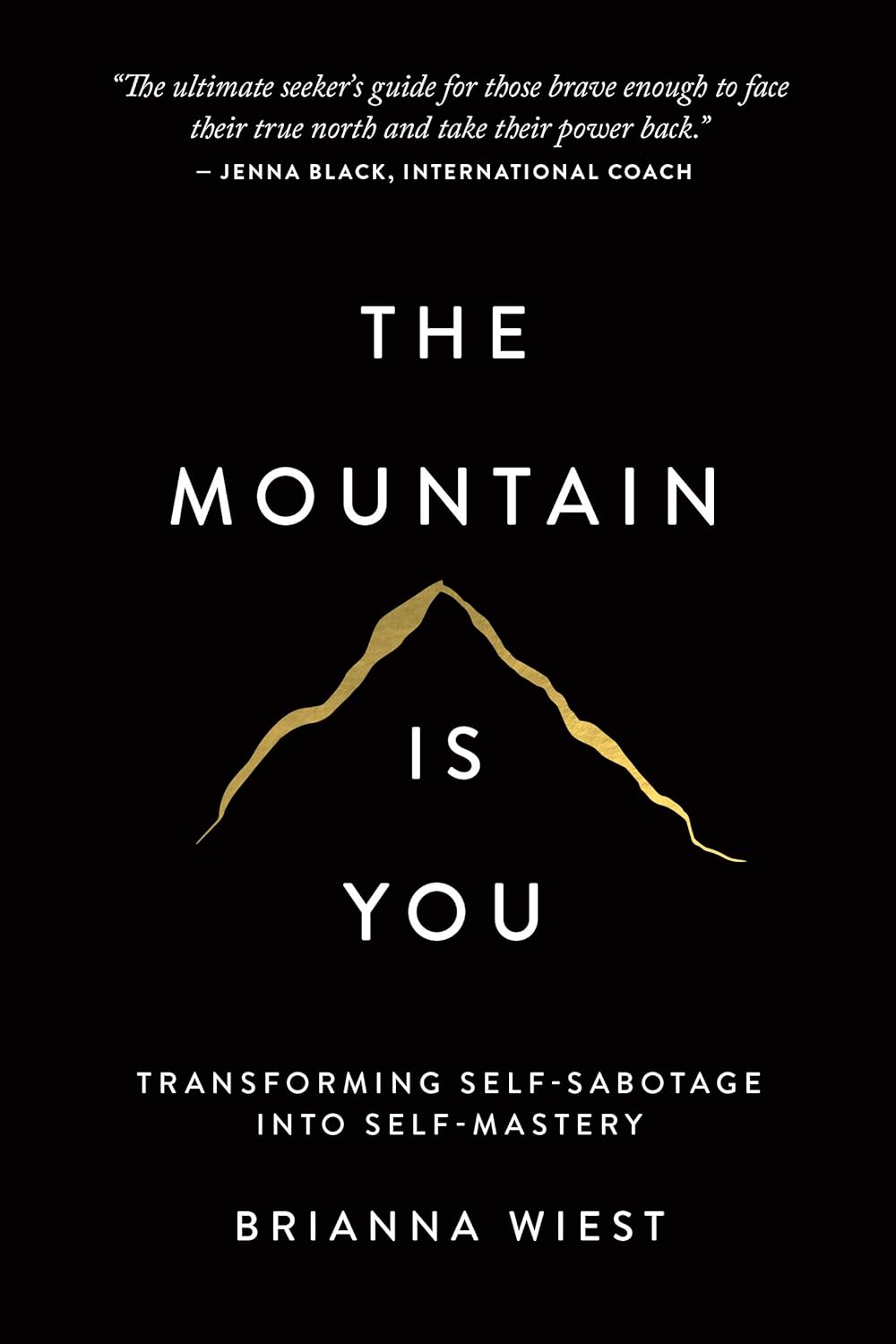
This is the book that reveals the uncomfortable truth: sometimes the biggest obstacle in your life is… you. Wiest explains self-sabotage in a way that finally makes sense—not as weakness, but as a survival strategy your mind developed to protect you from old wounds. She breaks down why “your patterns are just outdated systems” that once kept you safe but now limit your growth. At 25, when you’re transitioning between who you were and who you want to be, this understanding is life-changing.
The book blends psychology, emotional healing, and grounded advice without becoming too soft or too abstract. It gives language to things you feel but can’t articulate—fear of failure, fear of success, perfectionism, avoidance—and shows how they’re all connected.
9. “Think Again” — Adam Grant

This is the book that teaches you how to unlearn. At 25, you’re forming strong opinions, habits, and beliefs—but that doesn’t mean they’re the right ones. Grant shows how being confident enough to rethink and flexible enough to update your ideas is one of the most valuable life skills you can develop. He breaks down why “the ability to rethink is a competitive advantage”, especially in a world where people cling to outdated mindsets out of ego or fear. The stories and research make you rethink how you argue, how you listen, and how you grow.
What makes this stand out is how practical it feels. Grant teaches you how to let go of stubbornness without losing your sense of self, and why “you’re strongest when you’re willing to be wrong.”
10. “Grit” — Angela Duckworth

At 25, talent feels like everything—you feel pressure to be naturally good at your job, relationships, or creative pursuits. Duckworth shatters that myth by proving that long-term success comes from grit: “a blend of passion and perseverance over years.” The book explains why some people succeed despite average beginnings, while others with more talent burn out or stall. Duckworth uses psychology and real-world stories to show how consistency beats intensity, how sticking with something eventually builds mastery, and why commitment compounds like interest over time.
The message is both grounding and motivating: you don’t need perfect skills; you need staying power. Duckworth reminds you that “effort counts twice,” and understanding that at 25 changes how you approach everything.
11. “The Art of Thinking Clearly” — Rolf Dobelli

This book should’ve been part of adulthood orientation. Dobelli reveals dozens of mental biases we all fall for—overconfidence, sunk cost fallacy, confirmation bias—and shows how these distort everyday decisions without us realizing it. The chapters are short but sharp, explaining why “your brain’s shortcuts can quietly sabotage your choices.” At 25, when you’re making life-shaping decisions in career, relationships, and finances, seeing these patterns gives you a huge advantage. It’s like someone finally turns on the overhead light in a room you’ve been stumbling around in.
What makes the book especially useful is how applicable it is to normal life, not theory. It shows you how “better thinking leads to better outcomes,” and learning these biases early saves you from mistakes most people don’t understand until much later.
12. “The Almanack of Naval Ravikant” — Eric Jorgenson

If there’s any book that compresses decades of wisdom about wealth, happiness, leverage, and decision-making into a single, readable guide, it’s this one. Naval has a way of simplifying life’s biggest questions into frameworks that actually stick. At 25, when you’re pulled between ambition and overwhelm, this book gives you clarity on how to build freedom—financially and mentally. He explains why “specific knowledge beats generic effort” and why learning to leverage your skills is more powerful than chasing endless tasks. It trains you to think long-term, choose high-quality opportunities, and detach your self-worth from external metrics.
The book also helps you understand peace—not as laziness, but as competence. Naval’s reminder that “a calm mind is a superpower” is the kind of lesson that would’ve saved years of stress if learned earlier.
13. “The Millionaire Fastlane” — MJ DeMarco

This is not a traditional finance book—it’s a slap in the face to conventional career advice. DeMarco argues that the slow, traditional path to wealth (work 40 years, save diligently, hope for retirement) is outdated and often ineffective. He breaks down why “time is your most valuable currency”, and why you should build systems, businesses, or skills that disconnect your income from your working hours. At 25, this mindset is transformative because it pushes you to think about leverage, scalable value, and ownership—not just salary.
Whether or not you become an entrepreneur, the book forces you to question limiting beliefs about money and success. DeMarco’s reminder that “control is the foundation of freedom” encourages you to take your financial life seriously while you still have decades ahead.
14. “Attached” — Amir Levine & Rachel Heller

At 25, relationships feel both exciting and confusing. “Attached” explains why your romantic patterns aren’t random—they’re rooted in your attachment style. This book breaks down the behaviors of anxious, avoidant, and secure attachment in a way that finally makes dating make sense. Understanding “why you love the way you love” helps you avoid partners who trigger your worst instincts, and teaches you how to build relationships that strengthen rather than drain you. It’s the kind of psychological clarity that saves years of repeating the same emotional mistakes.
The book also shows how compatibility is less about chemistry and more about emotional safety. Once you grasp that “secure love is the real shorthand for stability,” your dating choices change dramatically.
15. “The War of Art” — Steven Pressfield

Pressfield describes resistance—the force that stops you from pursuing your goals—with such accuracy that it feels like he’s reading your mind. At 25, resistance shows up as procrastination, self-doubt, perfectionism, and the constant urge to postpone your dreams for “later.” This book names those barriers and shows how they operate, making it easier to fight them. Pressfield argues that “the professional mindset beats the amateur mindset”, not just in creative fields but in life. He teaches you how to show up consistently, even when you don’t feel inspired, motivated, or ready.
The book is short but powerful. Pressfield’s reminder that “you don’t need permission to start” is a mindset shift many people don’t learn until decades later.
16. “Range: Why Generalists Triumph in a Specialized World” — David Epstein

In your twenties, you’re told to specialize early, focus narrowly, and stay in one lane. Epstein dismantles that myth. He makes a compelling case that being curious, trying different fields, exploring multiple interests, and building varied experiences actually make you more capable in the long run. He shows how “broad learning creates deeper problem-solving abilities” and why generalists often excel in careers that require creativity, adaptability, and strategic thinking. For a 25-year-old feeling “behind” or unfocused, this book is a relief—it proves that exploring is not wasting time.
Epstein reminds you that the most successful people often had winding paths. Understanding that “sampling widely leads to better long-term fit” permits you to build your life thoughtfully instead of rushing into the wrong path.
