

Retirement has a way of revealing what all the podcasts, spreadsheets, and morning motivations never mentioned: the questions that matter most don’t show up in yearly contribution limits or side-by-side budget charts. People who’ve already walked through the transition say the real challenge isn’t only the money—it’s figuring out how to build a life you actually want to wake up to. The shift can feel liberating and disorienting at the same time. Suddenly, the calendar is yours, the pace is yours, and so is the responsibility of shaping a chapter that doesn’t accidentally become a long stretch of drifting.
The nine books in this list come straight from retirees who swear they changed the way they plan, spend, think, and even age. They aren’t fluffy, and they don’t pretend retirement is a vacation. They offer practical frameworks, mindset shifts, and stories that make you rethink how to approach the years ahead—whether you’re five months or fifteen years away.
1. “How to Retire Happy, Wild, and Free” — Ernie J. Zelinski
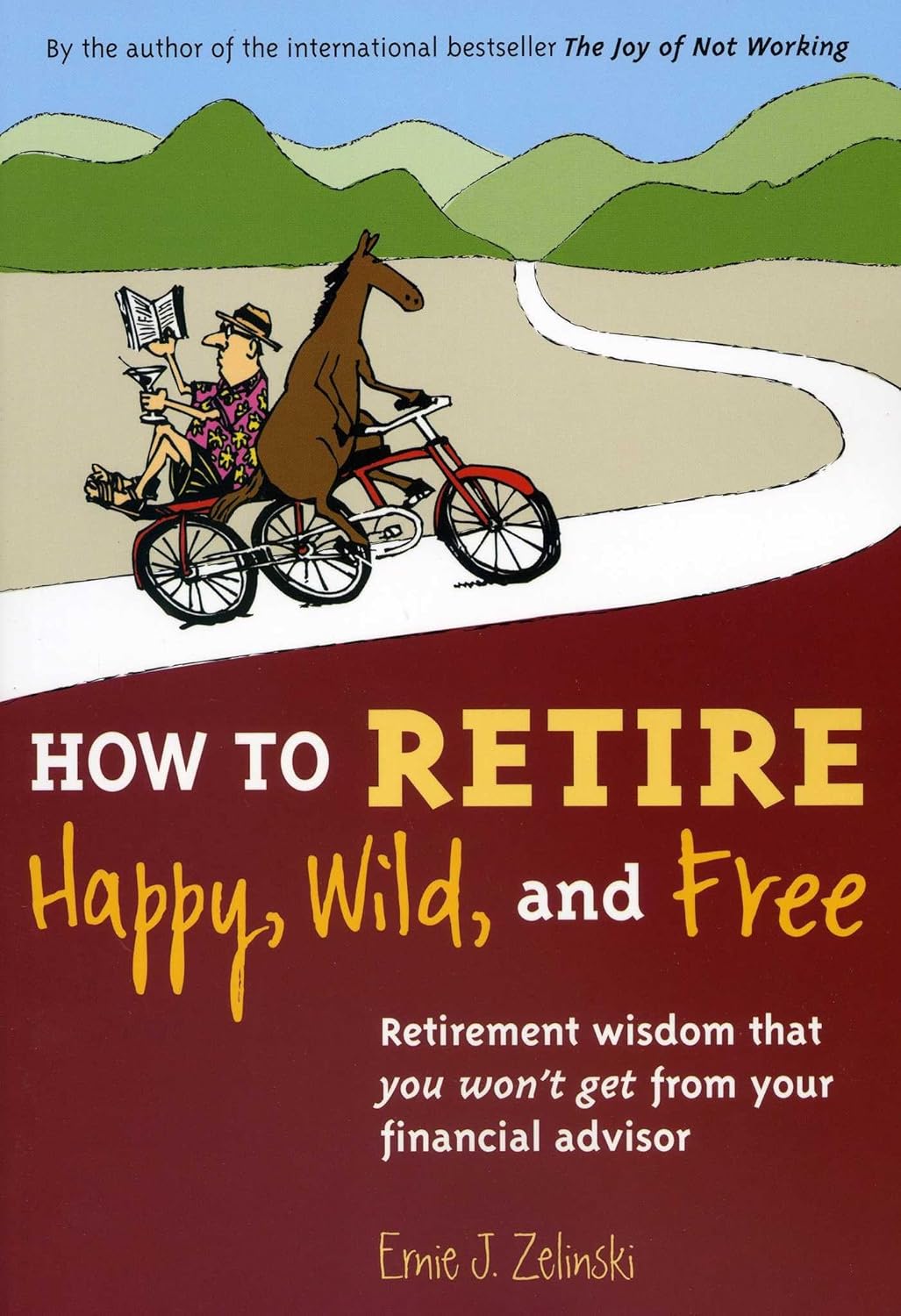
If retirees consistently recommend one book above all others, it’s this one. Zelinski focuses on the emotional and lifestyle side of retirement, which is the part most people underestimate until they’re already in it. He explores what happens after the paychecks stop and the structure vanishes, pushing readers to develop “purposeful leisure,” friendships, routines, and activities that provide meaning. Many retirees say they wish they had read this book before they retired because it would’ve saved them from the early-period slump, where the novelty wears off and the “What now?” feeling sets in.
The book is breezy but substantial. A shorter second read-through often hits differently because it highlights things you didn’t notice until you’d experienced them—especially the reminder to “invest in your spirit as much as your savings.”
2. “The New Retirementality” — Mitch Anthony
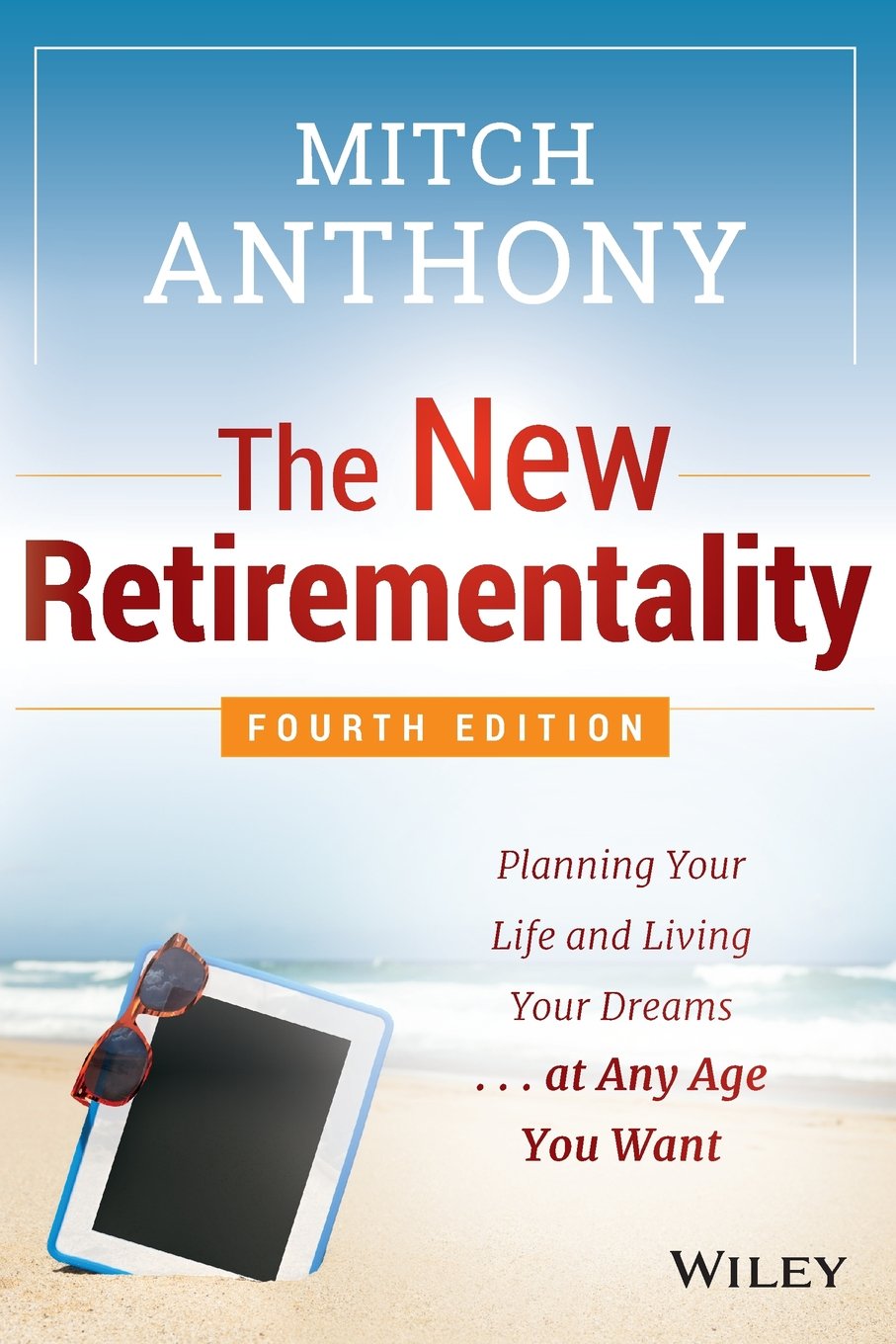
Mitch Anthony is famous for being blunt: old-school retirement planning doesn’t match modern life. People are living longer, working differently, and redefining what “retirement age” even means. His central argument is that retirement shouldn’t be about escape—it should be about designing a life aligned with your energy, values, and goals. Retirees love this book because it helps dismantle the outdated narrative that retirement is the finish line. Instead, he reframes it as a new phase of growth, contribution, and flexibility.
The book’s shorter sections make it great for dipping into, especially when you’re overwhelmed by decisions. It sticks with you because of lines like his call to build a “life portfolio, not just a financial portfolio.”
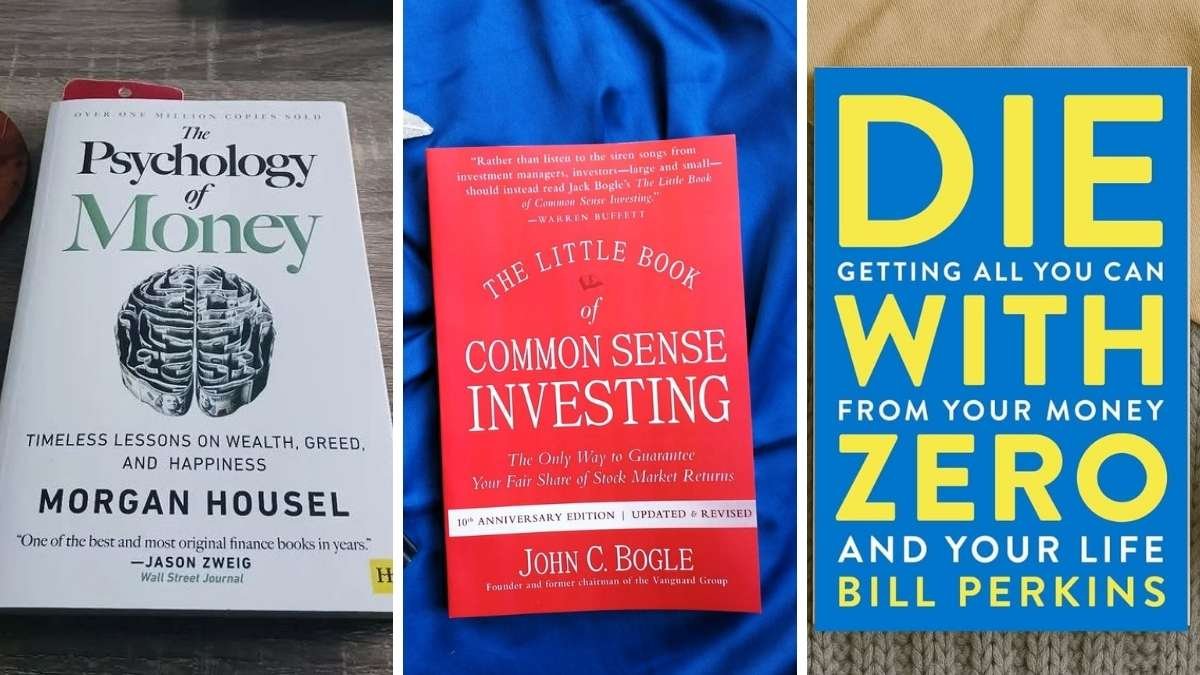
3. “The Psychology of Money” — Morgan Housel

Although not a traditional retirement book, retirees overwhelmingly recommend it because it reframes how money actually works in real human lives—not theoretical models. Housel explains that behavior plays a bigger role in financial success than math and that your relationship with money evolves with each decade. Many retirees say this book helped them finally understand why they saved (or didn’t), spent (or regretted), stressed, and compared themselves to others for so long. It provides oddly comforting clarity: you aren’t irrational—you’re human.
The second read hits even harder after age 40 or 50, when you start understanding that money decisions have emotional roots. His section on “enough” is frequently highlighted by retirees who say it helped them “stop moving the finish line.”
4. “Die With Zero” — Bill Perkins

This one is controversial but eye-opening. Perkins argues that maximizing life satisfaction—not net worth—should be the goal. The book challenges the idea that the best retirement plan is to hoard as much as possible “just in case.” Instead, he urges people to allocate time, money, and energy deliberately across life’s stages, so you’re not too old to enjoy what you spent decades saving for. Many retirees say the book permitted them to spend more intentionally on experiences, health, travel, and relationships while they’re still active.
The big takeaway is simple but rarely practiced: your life has seasons, and money is most valuable when spent in the season where it creates the most joy, not the most leftovers.
5. “The Blue Zones: Lessons for Living Longer From the People Who’ve Lived the Longest” — Dan Buettner

This isn’t a financial book, but retirees insist it belongs on every retirement list because what good is money if you’re not healthy enough to enjoy the years ahead? Buettner studies communities worldwide where people live into their 90s and beyond with remarkable vitality and purpose. The book’s insights—natural movement, plant-forward eating, social circles, community engagement—often become small lifestyle tweaks that dramatically improve quality of life in retirement. Retirees frequently say this book helped them rethink health not as a chore but as a blueprint for aging well.
The read is uplifting and practical, with a shorter second pass that reinforces one theme: longevity is built, not lucked into.
6. “The 5 Years Before You Retire” — Emily Guy Birken

Retirees love this book because it focuses on the most critical window—the final stretch before you actually leave full-time work. Birken breaks down everything people wish someone had warned them about earlier: healthcare choices, Social Security optimization, long-term income planning, lifestyle shifts, tax traps, and how your expenses truly evolve once the 9–5 ends. What retirees appreciate most is the clarity—everything is laid out so you can stop guessing and start structuring your final working years with intention. It’s one of those books that gives you “do-this-first” practicality instead of vague theory. Many readers say it saved them from costly last-minute decisions.
The shorter second read helps lock in the big ideas, especially the reminder that “your last five years set the tone for your next twenty.”
7. “Retire Before Mom and Dad” — Rob Berger

While it sounds like a book for early retirees, older adults say it helped them rethink their spending and saving habits in ways that immediately improved their retirement readiness. Berger’s strength is simplifying investing without talking down to the reader. He pushes for small, consistent decisions that compound into big security, especially when retirement feels close enough to touch. Retirees often say this book helped them fix financial blind spots—fees, lifestyle creep, bad allocation, and the emotional side of investing that no one likes admitting affects them.
The brief second read-through is even more impactful because it underlines his strongest point: “simplicity beats sophistication when the goal is freedom.”
8. “The Little Book of Common Sense Investing” — John C. Bogle

A retirement list would feel incomplete without at least one book from the founder of Vanguard. Bogle created the index fund for a reason: almost no one beats the market over time, but everyone pays fees for trying. Retirees recommend this book because it strips investing back to its fundamentals—low-cost index funds, long-term horizons, broad diversification, and getting out of the way. Many people say the book gave them the confidence to simplify, especially after years of feeling pressured to keep up with complicated strategies. It’s the book that helps you stop treating investing like a puzzle.
The shorter second paragraph hits the core message hard: “stay the course, because time—not tricks—is what grows your retirement.”
9. “The Joy of Not Working” — Ernie J. Zelinski

This companion to his famous retirement classic focuses on the identity crisis many retirees don’t expect. Zelinski challenges the belief that self-worth must be tied to work and productivity. Retirees say the book helped them embrace unstructured time without guilt, something surprisingly difficult for people who have lived by calendars their entire lives. It pushes readers to explore hobbies, friendships, creativity, and personal growth with the same seriousness they once devoted to their jobs. Many readers credit this book with helping them avoid the well-known “retirement slump,” where the excitement fades and the uncertainty shows up.
A quick second read-through often brings out a comforting reminder: “your value doesn’t disappear just because your job does.”
