
Stop Making These Mistakes: 18 Things You’re Doing Wrong When You Travel in Europe

We’ve all been there: You finally land in Rome, Paris, or Athens, ready for that magical, restorative vacation you’ve been dreaming of for months. But instead of feeling refreshed, you feel heavy, bloated, incredibly stiff, and irritable. Your digestion is off, your feet hurt so much you want to cry, and you honestly just want a nap and a bag of familiar chips. The problem isn’t the continent; the problem is us.
We import our rushed, hyper-scheduled, and physically demanding habits into a culture that thrives on flow, natural movement, and unhurried enjoyment. And, honestly, that’s why your European trip feels harder than it should.
Look, this isn’t about being perfect. This is about making a few strategic adjustments—mistakes that compromise your health, drain your energy, and actively sabotage the joy of immersion.
Here are the 18 critical mistakes you need to stop making right now if you want a truly regenerative European journey.
The Flight & Physiological Shock

This is where the trouble starts. We treat the flight like a temporary inconvenience, but those hours in the air trigger a kind of metabolic chaos that takes days to resolve.
1. Treating Jet Lag as Simple Tiredness
You know that feeling when you arrive and you’re just spent? We call it jet lag and assume a long sleep will fix it. But here’s what I mean: jet lag is medically defined as a temporary sleep disorder caused by crossing time zones, sure, but the underlying issue is circadian misalignment. It’s not just brain fog; it’s a full-body system error.
And get this: this misalignment actually impairs your insulin sensitivity and reduces your glucose tolerance. Think of it like a temporary risk factor for diabetes. This is why eating simple carbs and scrolling through Instagram on your blue-light-emitting phone late on arrival night is such a huge mistake—you’re actively spiking your blood sugar when your body is least prepared to handle it. You need to treat jet lag like a complex metabolic problem, not just a sleep deficit.
2. Starting Your Trip Critically Dehydrated
The air in an airplane cabin is brutally dry. On long-haul flights, especially those over four hours, you are literally flying in a highly dehydrating environment. If you’re not actively drinking at least two glasses of water per segment of the flight, you’re arriving hypohydrated.
But why does this matter so much? Because the first few days of a European trip involve an immediate, huge spike in physical activity (Mistake 8). Starting that marathon of sightseeing with low fluid balance means your muscles and joints are compromised. It’s a precursor to physical performance loss and injury. Bring the nasal spray, the eye drops, and the big water bottle. Hydration isn’t about thirst; it’s about physical readiness.
3. Remaining Immobile and Risking DVT
This one is serious, and it’s about more than just a little stiffness. Prolonged sitting leads to circulatory stagnation and risks Deep Vein Thrombosis (DVT)—those nasty blood clots in your legs that can be life-threatening if they travel.
Here’s the non-negotiable rule: Move your legs every two to three hours. Get up. Walk the aisle. If you can’t get up, you need to be doing seated micro-movements to keep the blood flowing.
| Micro-Movement | Action | Frequency |
| Toe Raises | Keep heels grounded, lift toes and front of foot high. | 10-15 reps per leg, hourly. |
| Ankle Circles | Lift foot slightly, rotate ankle clockwise, then counter-clockwise. | 10 rotations per direction. |
| Shoulder Rolls | Gentle rolls backward and forward. | 5 reps per direction. |
Remember, if you experience unexplainable pain, swelling, redness, or warmth in your leg, you need immediate medical help! Prioritizing continuous circulation is actually the starting point for adopting the European philosophy of “natural movement”—activity built seamlessly into your day.
4. Ignoring the Time Change for Critical Medications
Traveling across multiple time zones complicates everything, especially if you rely on time-sensitive medications—think thyroid regulators, heart medications, or insulin. Taking these at the wrong interval can lead to therapeutic failure or adverse events.
The Fix: You need to talk to your doctor or pharmacist before you leave. They can map out an adjusted schedule for you. While a deviation of one to two hours is often okay, you absolutely cannot double up doses to compensate. And please, keep all prescriptions in their original containers with a written list of dosages. It’s an emergency checklist, not just a suggestion.
The Musculoskeletal Self-Sabotage
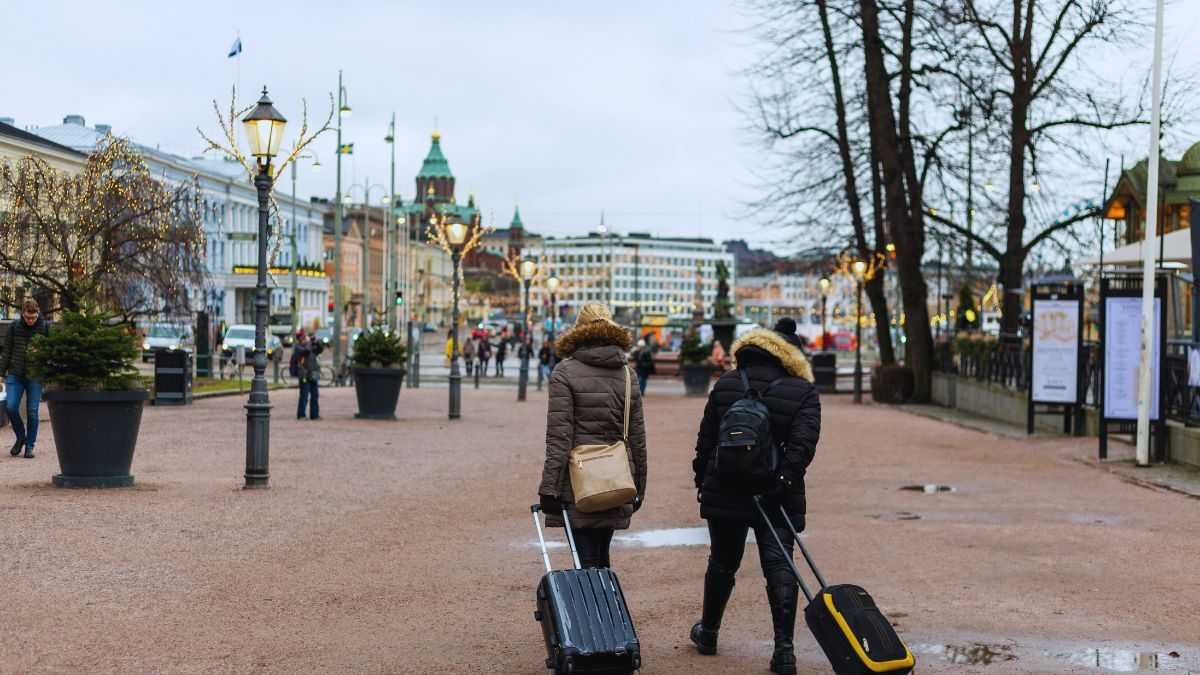
European cities are designed for walking, but they were built centuries ago. Cobblestones, uneven paths, and staircases are the norm. You must be prepared for the physical workload.
5. The Luggage Triple Threat (Weight, Lift, Mobility)
This is three mistakes in one:
- Overpacking: An excessively heavy bag puts cumulative strain on your spine and increases your risk of acute back pain. Distribute that weight across smaller, manageable bags.
- Bad Lifting Ergonomics: This is where injuries happen. Never twist while lifting! Twisting is strongly correlated with acute back pain. Instead, execute a pivot so your toes and entire body point in the direction of movement. Lift with your legs, bending at the knees, not your waist.
- Restricting Independence: The burden of heavy luggage forces you to rely on taxis and elevators, restricting the spontaneous walking that makes European travel so healthy (Mistake 8).
6. Choosing Fashion Over Function in Footwear
Your cute little flat sandals are a terrible idea. I’m sorry, but it’s the truth. European sightseeing is standing, standing, and more standing on concrete and unforgiving surfaces. Choosing poorly structured shoes guarantees pain and contributes to knee and back issues.
Physical therapists emphasize that proper footwear must prioritize specific biomechanical factors: arch height, heel stack, and cushioning. You need a shoe designed for long shifts on hard floors. Think thick, substantial cushioning for unrivaled relief—the kind of specialized shoe recommended for people who stand all day. Fit supersedes all other considerations; a bad fit causes everything from blisters to serious foot problems. Unrelieved, constant foot pain will drain your mental energy and lead directly to travel burnout.
7. Neglecting to Condition Your Body for “Tourist Activity”
We train for marathons, but we don’t train for European travel, which often involves marathon-like walking distances, intense hill climbing, and navigating unpredictable surfaces. This lack of pre-conditioning leads to preventable musculoskeletal trauma—fractures and dislocations—which are significant concerns for tourists.
The implication is severe: orthopaedic injuries require specialized care, and in remote or less-resourced tourist spots, that specialized care is often unavailable, complicated by language barriers. Proactive physical conditioning—walking, climbing stairs—is your best form of travel insurance.
8. Treating Movement as Solely “Fitness”
This is the big one. We often try to shoehorn our analytical fitness routine—you know, “I need to get 30 minutes on the elliptical”—into our vacation. Meanwhile, the European model is far simpler: movement is just life.
You see people walking and biking everywhere, not because they’re “getting a workout,” but because they’re getting to the market, meeting a friend, or enjoying the process. This functional movement forces a slower, observational pace, which is the secret to mental vigor and true cultural immersion. Stop looking for the hotel gym and start looking for the long walk to dinner.
The Mindful Meal Misunderstanding

We bring our analytical, fast-paced eating habits to a culture that reveres the table. And we wonder why we feel bloated all the time.
9. Rushing Meals and Eating on the Go
You know that moment when you eat a sandwich standing up or rush a pasta dish in 15 minutes to get to the next museum? That’s considered odd behavior in Europe. Culturally, meals are meant to be unhurried, seated, and social.
A dietitian who spent five weeks traveling through Europe noted her digestion was “impeccable” despite eating a huge variety of foods. Her conclusion? It was about how she was eating—slowly and mindfully—more than what she was eating. Rushing impairs your body’s ability to signal satiety and digest efficiently, leading to common tourist complaints like bloating and digestive upset. Slow down. Put the fork down between bites. Make the meal a memory.
10. Over-Analyzing Food and Dieting Excessively
We import our rigid calorie counting, macro tracking, and habit of labeling foods as “good” or “bad” into a culture that simply prioritizes taste and enjoyment.
The mistake is that this hyper-vigilance creates cognitive friction and anxiety, directly undermining the relaxation you sought in the first place. You end up treating food as data to be managed, rather than culture to be experienced. Forget the scale for a week. Embrace the local focus on pleasure over precision. It fosters deeper cultural connection, and honestly, you’ll probably feel less stressed and more satisfied.
11. Ignoring the Value of Resourceful Nutrition
You’re missing out on a key nutritional strategy if you overlook traditional European resourcefulness. Historically, and still in many regions, they minimize waste by creatively using scraps and leftovers.
A powerful, often missed strategy is the traditional use of food scraps and meat trimmings to create nutrient-dense, broth-based soups. This broth provides essential minerals and electrolytes that you are burning through with all that walking and travel stress. It forces you to slow down, and it adds hydration and volume to your meal. This resourcefulness isn’t just about saving money; it’s an integrated wellness strategy.
12. Making Dangerous Assumptions About Water Safety
The mistake here is holding one of two extreme beliefs: either that European tap water is universally unsafe (a myth propagated by the bottled water industry) or that all tap water is fine everywhere.
- The Myth: In many regulated European areas, tap water purity is comparable to, or sometimes superior to, commercially bottled water. The “hard water” high in calcium and magnesium? It’s not harmful.
- The Caution: However, in some regions, you need prudence not because the water is contaminated, but because you haven’t developed local immunity to the microflora. A quick search is essential.
| Type of Water/Concern | Wellness Rationale | Expert Assessment/Destination Examples |
| Hardness (Calcium/Magnesium) | Belief that high mineral content is harmful | Myth: These minerals are not harmful to health and are regulated. |
| Purity vs. Bottled Water | Belief that bottled water is inherently purer | Myth: Bottled water is often no purer than regulated tap water. |
| Local Immunity Risk | Traveler has not developed local immunity to the specific water content/microflora | Caution areas: The Greek Islands, Albania, Bulgaria, Montenegro, Romania, Serbia, and Ukraine. |
13. Neglecting Basic Foodborne Illness Prevention
We focus so much on enjoying the food, we underestimate the high prevalence of foodborne infections. We’re talking about Norovirus (estimated 15 million cases annually) and Campylobacter spp. (almost 5 million cases) being highly common.
But the critical mistake is ignoring the rise in severe infections. Notification rates for Listeriosis and Shigatoxigenic E. coli (STEC) were at the highest levels in over 10 years in 2022. STEC can cause life-threatening complications like kidney failure, and Listeriosis can cause meningitis. Your immune system is already compromised by travel stress and jet lag (Mistake 1). When combined with actively seeking new culinary experiences, your risk of severe illness rises sharply. Heightened vigilance, especially for the elderly or immunocompromised, is essential.
The Pressure Trap & Psychological Load

The modern vacation has become a competitive sport. We feel pressured to optimize every second, which leads to mental depletion and burnout.
14. Over-Scheduling and Creating Rigid Itineraries
This mistake is driven by the fear of missing out (FOMO). You try to pack in five museums, a castle, and a full three-course dinner in one day. This actively leads to exhaustion and prevents you from actually enjoying the moment.
Psychological research confirms that highly detailed, yet flexible, itineraries are associated with significantly lower anxiety levels—a benefit reported by 72% of travelers. Rigid schedules, conversely, exacerbate anxiety and cognitive load. The solution is to build in breathing room: pick only one or two primary activities per day and give yourself explicit permission to scrap the rest if you need to.
15. Falling Prey to Travel Burnout Guilt
Travel burnout is a real psychological state, separate from just being tired. It’s defined by emotional detachment, mental fog, malaise, and that baffling feeling of craving familiar comfort food when surrounded by incredible cuisine.
The underlying mechanism? Travel is often intensely idealized in media. When you feel this indifference or dissatisfaction, you feel guilty for not appreciating the idealized trip. That self-criticism compounds the distress, turning depletion into a crisis. Recognizing that this is a common, real phenomenon is the first step. Give yourself a break.
16. Ignoring the Stressors Inherent to Vacation Planning
We assume vacation is a pure escape, but we overlook the stress involved in getting there. Research shows that planning the trip, especially international travel, is the most stressful phase for many people.
The failure to acknowledge these preparatory stressors is a missed opportunity for mental health management. Travel anxiety is fueled by uncertainty. The antidote is logistical preparation. Compile all necessary trip information—flights, hotels, reservations, and emergency contacts—into one easily accessible place. This organizational rigor reduces cognitive load, transforming potential anxiety into meaningful certainty.
Safety, Preparedness, and Rest Lapses

Core wellness begins with security and deliberate inaction. Failing these steps can turn a minor issue into a major crisis.
17. Failing the “Pre-Trip Audit” (Safety, Warnings, Toolkit)
This is a comprehensive failure to prepare for foreseeable threats, both external and internal.
- Ignoring Warnings: The World Health Organization (WHO) advises seeking comprehensive information on health and safety risks before departure. This extends beyond diseases to air pollution, security, and climate changes. You’re already dealing with jet lag (Mistake 1); adding manageable external stressors increases your total physiological load.
- No Comprehensive Toolkit: Disorganization leads to stress. You need a robust travel medication kit. This should include basic OTCs (pain relievers, antacids) but, crucially, all your prescriptions in their original containers with a written list of dosages. This organizational rigor is your first line of defense against travel anxiety (Mistake 16).
18. Traveling Without Adequate Medical Insurance Coverage
This is perhaps the gravest logistical error, capable of transforming an acute medical incident into a long-term financial catastrophe.
You cannot rely on limited mechanisms like the European Health Insurance Card (EHIC), which only covers temporary visits. US travelers especially, accustomed to incredibly high per capita healthcare spending, cannot assume affordability in private European systems.
For example, an appendectomy in a private UK facility can cost an estimated $8,000 to $20,000 USD for an uninsured foreign tourist. If you contract a serious foodborne illness (Mistake 13) or suffer a musculoskeletal trauma (Mistake 7), your recovery will be compromised by intense financial anxiety. Comprehensive international medical insurance is non-negotiable.
The Simple Reframing
You don’t have to adopt an entirely new personality to enjoy Europe; you just need to adopt its pace.
Stop chasing the “Go-Go-Go” mentality. View flexibility and rest as active components of your itinerary (Mistake 14), not failures. Strategic rest allows your body to recover from metabolic chaos and prevents the deep depletion that causes burnout.
Give yourself permission to slow down, to savor, to simply walk from place to place without a destination in mind. Because the greatest reward of travel, as Seneca wisely said, is the “new vigor to the mind” you receive from the movement.
Stop making these mistakes. Go slow, pack light, sit down for lunch, and enjoy the adventure you worked so hard for.
Need a Little Gear Assist? Look Into These Wellness Helpers
1. Physix Gear Sport Compression Socks

Designed to increase blood flow and support your lower legs, these are essential for minimizing the risk of DVT (Mistake 3) and reducing muscle fatigue during long flights or train rides. They’re comfortable, breathable, and a non-negotiable part of your pre-flight preparation.
2. Brooks Ghost Max 3 Running Shoe

While we focus on supportive shoes in general, this specific model is often highlighted by experts for its exceptional, thick cushioning, making it ideal for the continuous pounding your feet take on unforgiving European cobblestones and concrete (Mistake 6). Prioritize foot comfort for mental longevity.
3. Benicci Stylish Blue Light Blocking Glasses

Remember how evening blue light negatively affects your metabolic function and delays jet lag recovery (Mistake 1)? Slip these on a few hours before you intend to sleep on your first night in Europe. They help signal to your brain that it’s nighttime, assisting your body’s circadian rhythm adjustment.
4. Travel Inspira Digital Luggage Scale

The fastest way to ruin your back and restrict your walking freedom is to carry an excessively heavy bag (Mistake 5). This simple, accurate digital scale ensures you know exactly what you’re hauling before you leave the hotel, encouraging you to redistribute or shed weight before it becomes a literal pain.
5. Aozita AM/PM Pill Organizer

Dealing with medication timing across time zones (Mistake 4) and ensuring you have your supplies (Mistake 17) is crucial. This organizer allows you to clearly separate your daily doses into morning and evening compartments, helping you maintain consistency and reducing the stress of searching for bottles in an unfamiliar place.