12 Books That’ll Change How You Think About Death (In a Surprisingly Good Way)


Death sits quietly in the background of our lives—always present, rarely discussed, often feared more than understood. But the truth is that people who have spent time studying death, witnessing death, or exploring its meaning often describe an unexpected outcome: life gets brighter when we stop running from the topic. And that’s what the books on this list do—they open a door you didn’t know you needed to walk through, offering clarity, courage, and sometimes even comfort.
These titles don’t try to romanticize loss or pretend grief is simple. Instead, they nudge you into a deeper awareness of what it means to live fully. They help you confront the hard questions without sinking under them. And more importantly, they do what the best books always do: expand your lens, so you walk away feeling more grounded, more human, and strangely more alive.
Below are the first five books—each one chosen because it shifts your perspective in a surprisingly good way.
1. “When Breath Becomes Air” — Paul Kalanithi

Paul Kalanithi’s memoir remains one of the most profoundly human accounts of facing mortality. Written by a neurosurgeon who suddenly becomes a patient after a terminal cancer diagnosis, it describes the uneasy transition from diagnosing others to confronting his own brief timeline. Kalanithi writes with both intellectual precision and emotional vulnerability, so you feel each step of his journey. He reflects on what gives a life meaning, how purpose changes when time shrinks, and the strange beauty in accepting the reality we spend most of our lives avoiding. It’s the kind of book that rearranges your priorities without asking for your permission.
The shorter second half of the book, written by his wife after his death, adds a deeply personal closing that gently reminds you that love stretches beyond someone’s final day. It leaves you thinking about the quiet bravery of everyday living long after the last page.
2. “Being Mortal: Medicine and What Matters in the End” — Atul Gawande

This book is often recommended by doctors, caregivers, and anyone who’s navigated aging or end-of-life decisions with family. Gawande—both a surgeon and a gifted storyteller—looks honestly at the limits of modern medicine. He discusses how we treat death like a technical failure instead of a natural process, and how this mindset often leads to more suffering instead of more life. What makes the book so powerful is how it blends research, real experiences, and intimate stories of patients who wrestle with what “a good ending” actually means.
The shorter second half emphasizes the importance of autonomy—helping loved ones make choices that allow them to maintain dignity rather than simply prolonging decline. It’s a book that quietly shifts your beliefs about what matters most in someone’s final season.
3. “The Denial of Death” — Ernest Becker

A heavier read but deeply rewarding, Becker’s Pulitzer Prize–winning book argues that most of human behavior—our ambitions, our fears, our compulsions—can be traced back to one thing: we know we’re going to die, and we don’t know what to do with that knowledge. His core idea is that people construct “immortality projects” (like careers, legacies, families, or beliefs) to give themselves the illusion of permanence. This isn’t a depressing concept; it’s a liberating one. Once you see how much of your life is shaped by unconscious fear, you can start choosing your motivations more intentionally.
The final sections nudge the reader to adopt a more honest relationship with mortality, one that can actually free you from the exhausting pressure to “outrun” death. The book is challenging at times, but it rewards you with a new psychological lens on daily life.
4. “The Top Five Regrets of the Dying” — Bronnie Ware

Bronnie Ware spent years working in palliative care, caring for people in the final chapters of their lives. During that time, she noticed patterns—regrets that surfaced again and again from people of different backgrounds, ages, and beliefs. The most common ones weren’t about achievements or success; they were about authenticity, connection, and courage. Ware captures these lessons with tenderness, not judgment. Each regret becomes a kind of roadmap for the living, showing where we often drift off course and how to gently steer back.
The second half circles back to how making small daily changes—like speaking honestly, prioritizing relationships, or permitting yourself to be yourself—can eventually shape a life you won’t want to apologize for at the end. Its wisdom sneaks up on you because it feels both universal and incredibly personal.
5. “Staring at the Sun: Overcoming the Terror of Death” — Irvin D. Yalom

Few authors write about death with the clarity and compassion that Yalom does. As a therapist specializing in existential psychology, he focuses on the anxiety we carry beneath the surface—the fear of losing life, losing control, and losing time. Instead of trying to erase that fear, he offers tools to understand it and transform it into something strengthening. His stories from therapy sessions feel intimate; they show people wrestling with mortality in raw and relatable ways, and the breakthroughs feel like lessons we all can borrow.
The later chapters explore how confronting death directly can help you live more authentically, deepen relationships, and reduce the “background anxiety” you might not even realize is shaping your decisions. It’s both philosophical and practical, and surprisingly comforting.
6. “Being with Dying: Cultivating Compassion and Fearlessness in the Presence of Death” — Joan Halifax

Joan Halifax, a Buddhist teacher and longtime caregiver, offers a rare blend of spiritual insight and grounded wisdom gathered from decades spent at the bedsides of the dying. Her writing is gentle but unflinching, and she explores how we can respond to mortality with compassion instead of paralysis. She shows how emotional resilience, presence, and honesty allow people to face death without collapsing into despair. What makes the book stand out is how it teaches not only how to support others but also how to prepare yourself in a way that feels dignified and deeply human.
The closing sections highlight simple practices for softening fear, strengthening awareness, and reducing the emotional chaos that often accompanies illness or loss. It’s a calm, steady guide for anyone seeking a wiser relationship with mortality.
7. “Advice for Future Corpses (and Those Who Love Them)” — Sallie Tisdale

Sallie Tisdale writes with a voice that’s frank, warm, and refreshingly direct. She dismantles the cultural silence around dying by explaining what actually happens—physically, emotionally, and practically—when a person approaches the end of life. Instead of sugarcoating, she leans into honesty, but always with care. By the time you finish, you understand how knowledge can be its own form of comfort, reducing the fear that comes from mystery and misinformation. Tisdale also shares thoughtful stories from her work as a hospice nurse, giving real-world context to all the difficult questions people rarely ask out loud.
The final chapters focus on how to support loved ones through decline without losing yourself in panic or guilt. It’s beautifully grounded and unexpectedly reassuring, even when the topics are tough.
8. “Smoke Gets in Your Eyes & Other Lessons from the Crematory” — Caitlin Doughty

If you prefer your difficult topics delivered with wit, candor, and cultural curiosity, Caitlin Doughty is the author for you. This memoir chronicles her early years working in a crematory, revealing what most people think they don’t want to know. But her storytelling is so engaging that you quickly find yourself fascinated. Along the way, she challenges the modern Western approach to death—especially its tendency toward secrecy and avoidance—and argues that facing mortality head-on reduces fear rather than amplifying it. She blends humor with insight in a way that feels lively rather than morbid.
In the shorter closing section, she emphasizes how accepting the reality of death can actually help you live with more awareness and less anxiety. It’s surprisingly fun for a book about cremation, and far more enlightening than you’d expect.
9. “The Year of Magical Thinking” — Joan Didion

Joan Didion’s memoir is not just about death—it’s about the strange and often disorienting terrain of grief. When her husband dies suddenly, Didion begins documenting the mental loops, emotional reflexes, and irrational beliefs that take over during loss. She describes how the mind tries to protect itself by slipping into what she calls “magical thinking,” where part of you believes the person might still return. Her vulnerability and sharp self-observation help readers understand why grief rarely unfolds in the clean stages we read about, and why healing is rarely linear.
The later chapters carry quiet reflections on resilience and the slow return of clarity. It’s not a guidebook but rather an intimate map of the heart in crisis—offering companionship to anyone who has felt stunned by loss.
10. “Death: An Inside Story” — Sadhguru
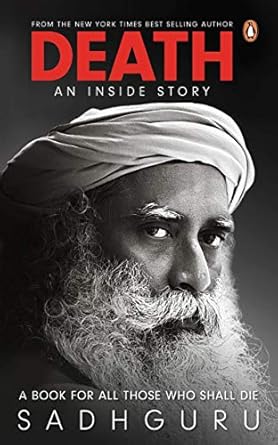
Sadhguru approaches the topic of death from a philosophical and spiritual angle, blending ancient yogic perspectives with modern curiosity. He explains what many cultures believe happens before, during, and after death—but he does so without dogma. His tone is conversational and occasionally humorous, which makes complex ideas feel accessible. The heart of the book lies in its exploration of how understanding death transforms the way we approach life, especially our attachments, fears, and sense of identity. It’s a rare book that manages to be mystical without drifting into abstraction.
The final sections explore how awareness of mortality can encourage emotional freedom and practical wisdom in daily life. It’s a thoughtful, reflective read that leaves you more grounded than when you started.
11. “No Death, No Fear” — Thich Nhat Hanh

Thich Nhat Hanh has a way of making the hardest subjects feel gentle without ever reducing their importance. In this book, he strips away the layers of fear surrounding death and reframes it through the lens of mindfulness. His central teaching is that life and death are not opposites—they’re deeply interconnected, like waves returning to the ocean. He explains how understanding this relationship can dissolve the anxiety that shadows so many of our thoughts. What makes his writing so powerful is the way he introduces simple but transformative perspectives that shift your emotional relationship with loss and impermanence.
The shorter closing chapters offer clear, calming practices to help readers soften fear, stay present, and cultivate acceptance. It leaves you with a sense of peace rather than dread, reminding you that mortality isn’t a threat but a natural part of being alive.
12. “The Worm at the Core: On the Role of Death in Life” — Sheldon Solomon, Jeff Greenberg & Tom Pyszczynski
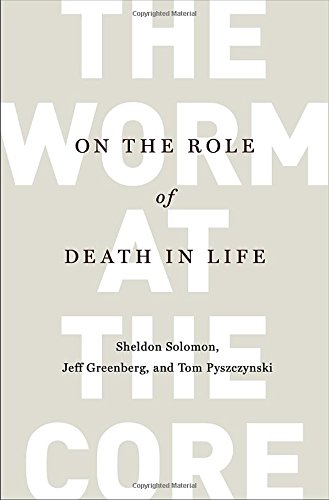
Based on decades of research in terror management theory, this book explores a fascinating (and often unsettling) idea: that nearly everything humans do—from our cultural beliefs to our personal habits—is influenced by our awareness of death. The authors weave psychology, anthropology, and modern experiments into a compelling narrative that shows how deeply fear shapes our behavior, often without us realizing it. Yet the book doesn’t leave you feeling helpless—it shows how acknowledging this inner tension can help you make decisions driven by values instead of unconscious fear. It’s eye-opening in a way that subtly shifts how you interpret your own reactions.
Later sections focus on how developing a more conscious relationship with mortality can improve emotional health, relationships, and even social harmony. It turns a dense scientific theory into a practical, life-enhancing insight that stays with you long after reading.