
11 Things You Should Always Buy Generic (And 5 You Should Never Skimp On).


You know that feeling. You’re standing in the middle of the pharmacy aisle, staring at two boxes of ibuprofen. One is shiny, silver, and costs $14.99. The other is a dull beige store brand sitting on the bottom shelf for $4.99.
Your brain starts doing this frantic calculus: “Is the cheap one going to work? Is my headache worth the extra ten bucks? Does the silver box know something the beige box doesn’t?”
Here’s the truth: For decades, marketing psychology has trained us to believe that price equals quality. They call it the “quality signal.” If it costs more, it must be safer, purer, or more effective. But when you strip away the shiny packaging and look at the molecular biochemistry, that signal is often just noise.
I’ve combed through FDA bioequivalence data, toxicology reports, and materials science studies to build you a cheat sheet. We’re going to look at where you can ruthlessly cut costs, and—more importantly—where skimping could actually hurt you.
The “Always Generic” List (Save Your Money)
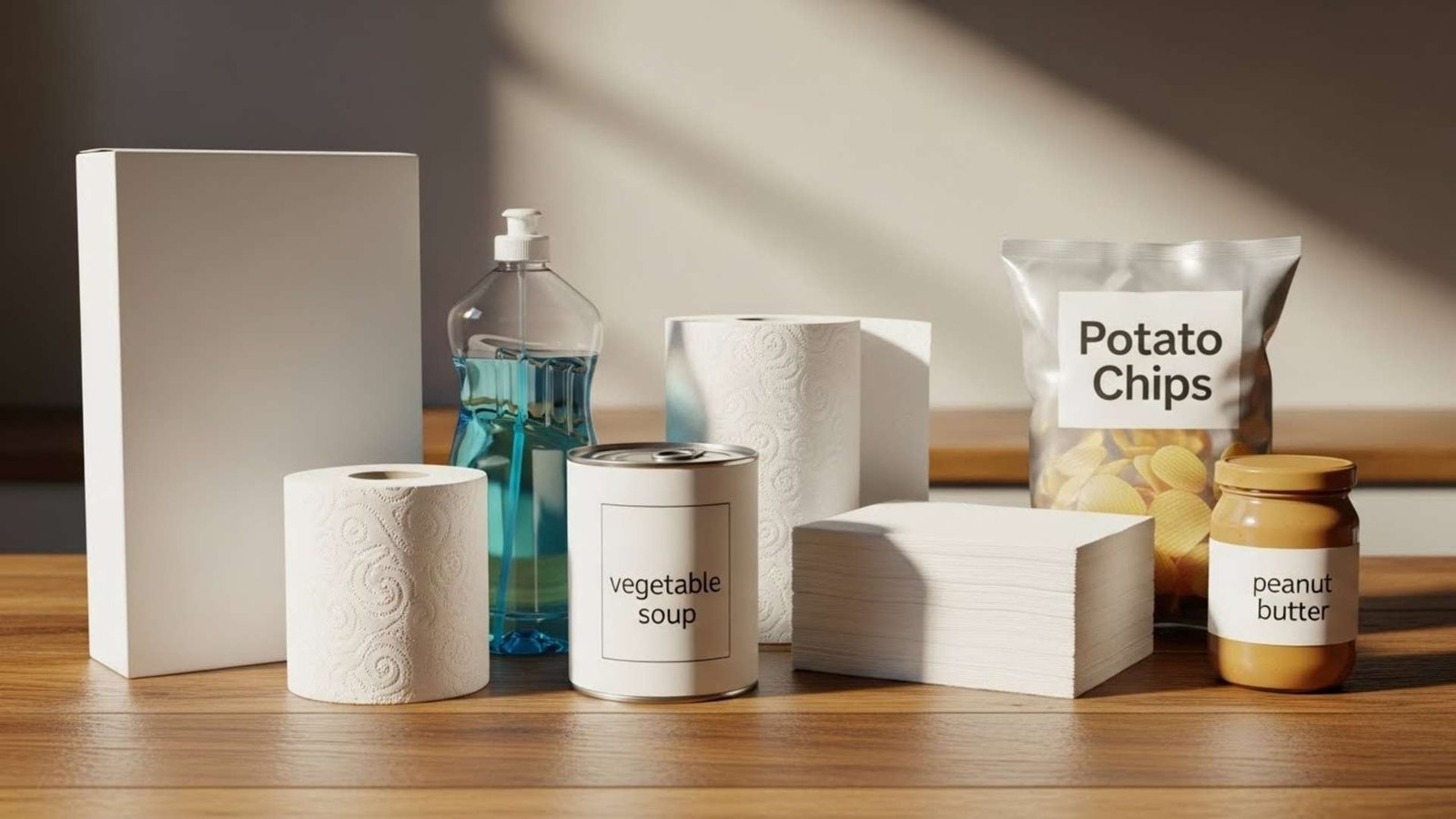
In these eleven categories, the “Brand Name” is essentially a tax on your lack of chemical knowledge. The government and the laws of chemistry have done the heavy lifting for you here.
1. Medication (The Pharmacist’s Secret)

Let’s start with the big one. We often buy brand-name drugs because we’re in pain or we’re scared, and we want the “best.” But here’s a statistic that should cure you of that habit: 90% of pharmacists and doctors buy generic drugs for their own families.
Why? Because they know about the Hatch-Waxman Act. This federal law mandates that generic drugs must be “bioequivalent” to the brand name. They must have the:
- Same active ingredient.
- Same dosage strength.
- Same route of administration.
The “3.5%” Reality Check
You might hear rumors that generics can vary wildly in strength. That’s a misunderstanding of statistics. The FDA requires a “confidence interval” of 80-125%, which sounds scary, but in practice, actual FDA studies of over 2,000 drugs showed the real difference in absorption between brand and generic is about 3.5%.
- Context: You get a bigger variance in absorption just by taking a pill with a glass of milk instead of water.
- The Verdict: Buy the generic. The only difference is the shape, the color, and the inactive “glue” holding the pill together.
2. Infant Formula (The “Fear Tax”)

This is the hardest aisle for parents. You’re sleep-deprived, you want the best for your baby, and the expensive tub says “Neuro-Builder” on it.
Here’s the reality: The FDA doesn’t mess around with babies. Under the Infant Formula Act, every formula sold in the U.S.—whether it’s Similac or Walmart’s Parent’s Choice—must meet the exact same minimum and maximum requirements for 29 essential nutrients.
- The “Magic” Ingredients: Brands love to advertise DHA and ARA (fatty acids for brain/eye health) as premium features. The truth? Almost all store brands now source these exact same fatty acids from the same algae/fungal sources as the big guys.
- The Verdict: Unless your pediatrician prescribes a specific therapeutic formula for an allergy, the generic is nutritionally identical.
3. Bleach and Cleaning Solvents

Flip the bottle over. Look for Sodium Hypochlorite. That’s bleach. It’s a commodity chemical.
- The Trick: Check the concentration. Standard bleach is usually around 6.0% to 7.5%. As long as the generic bottle has the same percentage as the Clorox bottle, the cleaning power is identical.
- Pro Tip: Bleach degrades over time. A dusty bottle of expensive bleach from a hardware store is actually weaker than a fresh bottle of generic bleach from a busy supermarket. Buy the cheap stuff, but buy it fresh.
4. Pregnancy Tests

If you’re trying to conceive (or terrified that you might have), you might be tempted to spend $20 on a digital test that spells out “PREGNANT.”
- The Teardown: If you crack open that expensive digital test, you’ll often find… the exact same paper strip found in the $1 generic test. The “digital” part is just a tiny optical sensor reading the lines for you.
- The Science: They all detect the same hormone (HCG). While some “Early Detection” brands are slightly more sensitive, standard generics are over 99% accurate from the first day of a missed period.
5. Spices and Dried Herbs

Unless you are buying single-origin saffron or vanilla beans, the stuff in the jars usually comes from the same massive global importers.
- The Real Factor: Flavor in spices comes from volatile oils, which evaporate over time. The “fancy” brand that has been sitting on the shelf for two years is flavorless dust. The high-turnover store brand (generic) is often fresher and more potent because it gets restocked faster.
6. Sunscreen (The FDA Drug Fact)

Sunscreen isn’t a cosmetic; it’s an over-the-counter drug. That means if a bottle says “SPF 50,” it has to prove it blocks 98% of UVB rays in a lab.
- Consumer Reports Wins: In blind testing, store brands like Equate (Walmart) and Trader Joe’s consistently beat out expensive brands like La Roche-Posay or Supergoop in terms of actually meeting their SPF claims after getting wet. You’re paying for the smell and the texture, not the protection.
7. Pantry Staples (Salt, Sugar, Flour)

- Salt: It’s NaCl. Sodium Chloride. It’s a rock. The molecule doesn’t know if it’s in a Morton’s box or a generic bag.
- Sugar: It’s 99.9% sucrose.
- Flour: In the U.S., “All-Purpose Flour” has a standardized protein content (10-12%). For your Tuesday night cookies, the generic is indistinguishable.
8. Frozen Fruits and Vegetables

We have this bias that “fresh is best.” But “fresh” produce in the supermarket was often picked weeks ago and ripened on a truck, losing nutrients every hour.
- The Flash-Freeze: Frozen veggies are picked at peak ripeness and flash-frozen immediately. Studies show frozen broccoli and berries often have higher Vitamin C levels than the wilting “fresh” stuff in the produce aisle.
- The Verdict: Buy generic frozen. Just check the label to make sure the only ingredient is the veggie itself (no added “butter sauce”).
9. Bottled Water

About 64% of bottled water is just filtered municipal tap water. If you’re buying “Purified Water,” the generic store brand has gone through the same reverse osmosis process as Dasani or Aquafina. You’re paying for the plastic bottle, not the water.
10. Alkaline Batteries (For Remotes)

For low-drain devices like TV remotes or wall clocks, Alkaline is Alkaline. Testing shows generic batteries (like Kirkland or Amazon Basics) often deliver 85-95% of the lifespan of Duracell for half the price.
- Caveat: For high-drain stuff like digital cameras, spend the money on Lithium batteries. But for your remote? Go cheap.
11. Paper Products (Plates & Napkins)

Paper pulp is a global commodity. The “Heavy Duty” store-brand plate is often made in the same mill as the Dixie plate.
- Note: Toilet paper is the exception. That’s a personal comfort choice where “skimping” can be… rough. But for plates? Generic all the way.
The “Never Skimp” List
1. Paint
The Coverage Equation2. Protein Powder
The Heavy Metal Problem3. Safety Gear
Helmets & Car Seats4. Vitamin C Serums
The Oxidation Trap5. Contact Solution
The Chemistry ClashThis is where the “Quality Signal” is real. In these categories, cheap manufacturing processes, lack of testing, or unstable chemistry can actually endanger your health or safety.
1. Paint (The Coverage Equation)

I added this one because the difference is shocking. Cheap paint is mostly water and solvents. Premium paint is loaded with Titanium Dioxide (pigment) and high-quality resins (binders).
- The Math: Cheap paint ($25/gallon) requires 3 coats to cover and lasts 3-5 years before fading. Premium paint ($60/gallon) covers in 1 coat and lasts 12-15 years.
- The Reality: The labor of painting is the hard part. Don’t do it twice just to save $30 on the can.
2. Protein Powder (The Heavy Metal Problem)
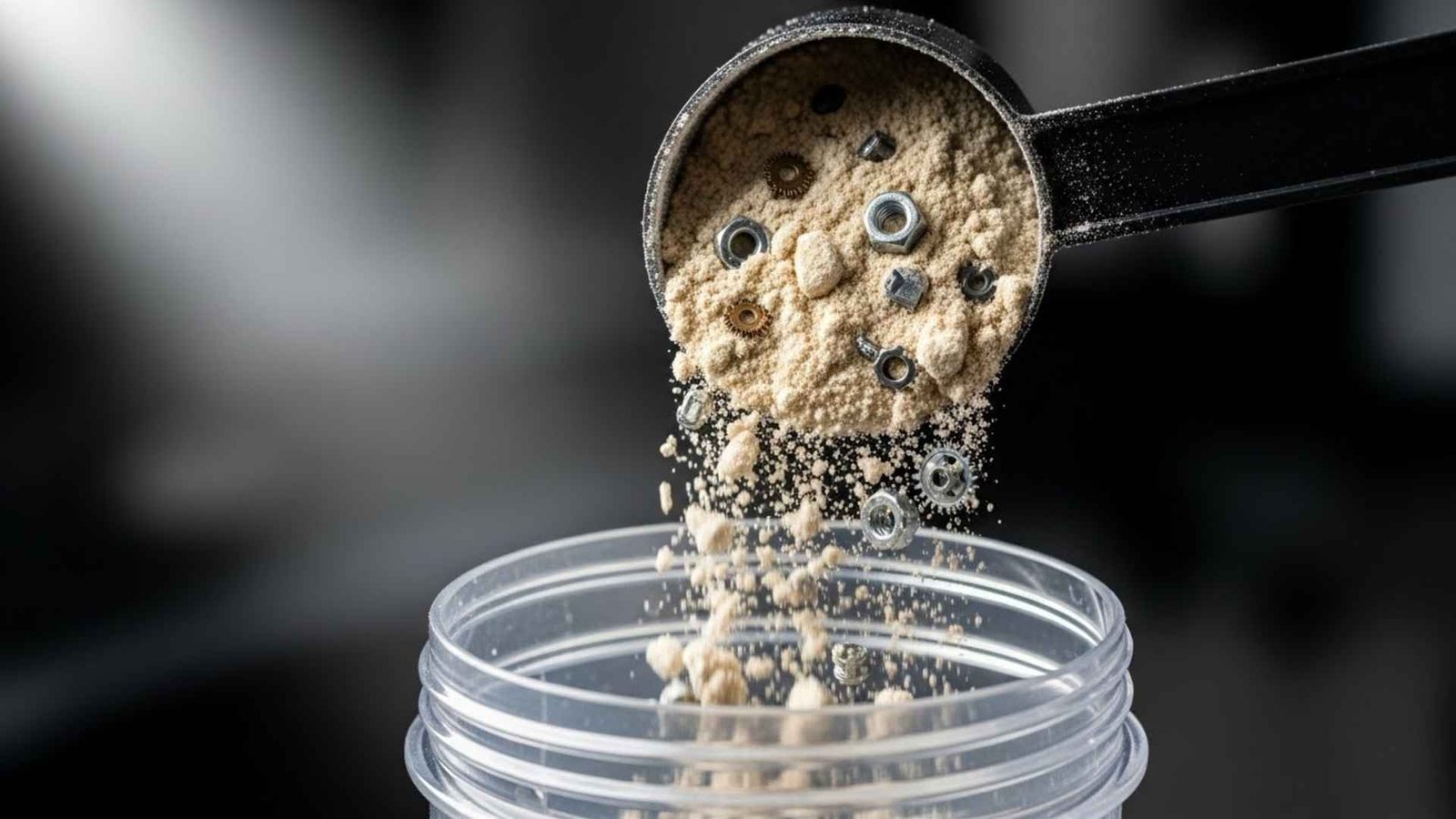
The supplement industry is the Wild West. They don’t have to prove safety before selling to you.
- The Data: The Clean Label Project tested 134 top-selling protein powders and found that many cheap, plant-based powders were loaded with lead, arsenic, and BPA. Why? Because cheap brands source ingredients from industrial regions with contaminated soil.
- What to Buy: Ignore the flashy label. Look for a third-party seal: NSF Certified for Sport or Informed Choice. These people actually test the powder to make sure it’s not toxic. If it doesn’t have the seal, don’t put it in your body.
3. Safety Gear (Helmets & Car Seats)
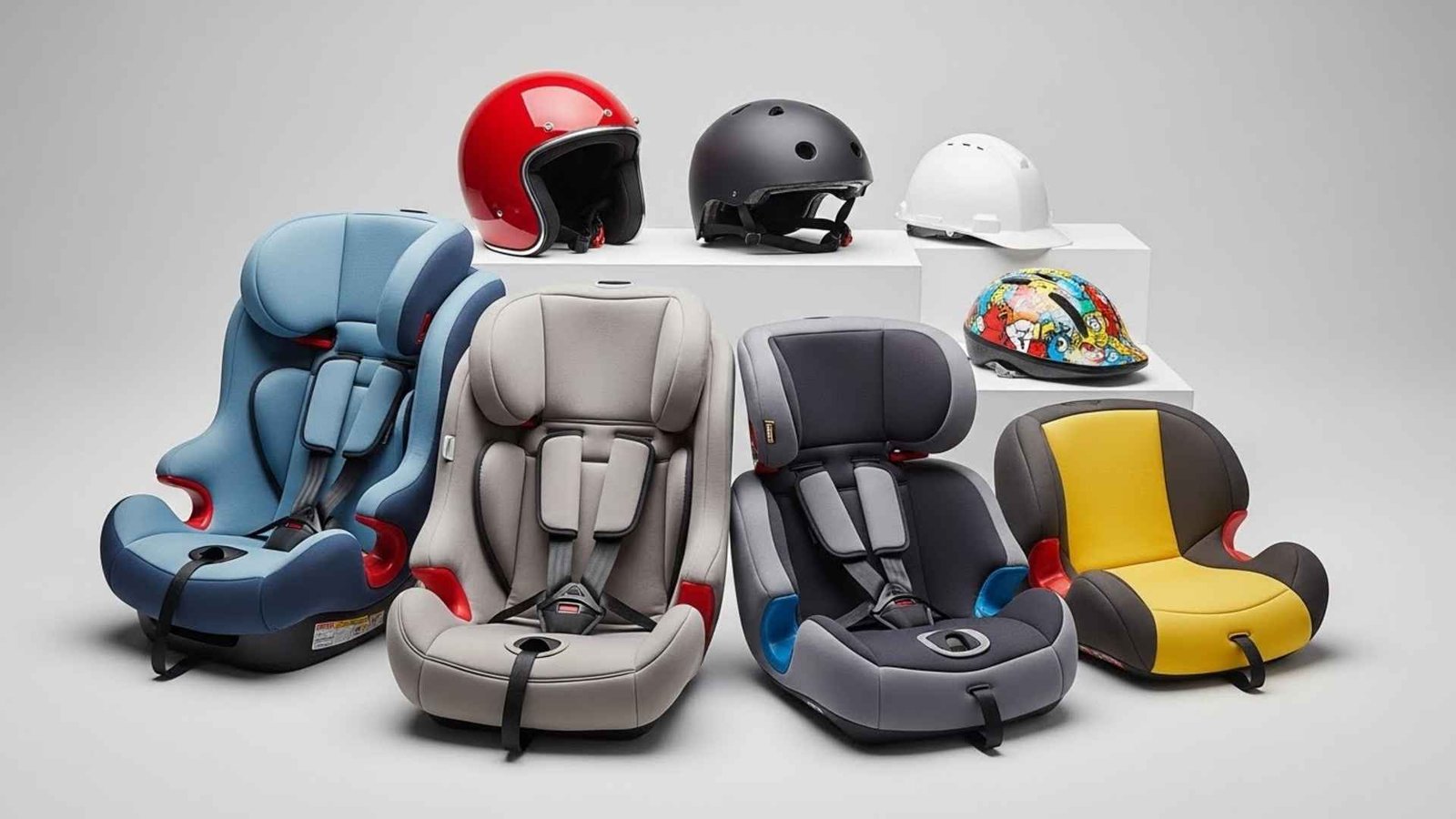
Never, ever buy these used.
- The Physics: Helmets and car seats use Expanded Polystyrene (EPS) foam to save your life. This foam degrades with heat and time. A used helmet might look fine, but if it has hairline micro-fractures from a previous drop, it will fail when you need it.
- The Upgrade: Look for MIPS (Multi-directional Impact Protection System) in helmets. It’s a slip-plane technology that allows the helmet to rotate slightly on impact, protecting your brain from rotational violence (concussions). Cheap helmets rarely have this.
4. Vitamin C Serums (The Oxidation Trap)

Vitamin C (L-Ascorbic Acid) is amazing for your skin, but it is incredibly unstable. If you buy a cheap serum in a clear bottle, it has likely already oxidized (turned brown) before you even opened it. At that point, it’s not an antioxidant; it’s a pro-oxidant that can actually cause inflammation.
- The Spend: You are paying for the stabilization technology (like combining it with Ferulic Acid and Vitamin E) and the dark, air-tight glass packaging. If your Vitamin C serum is brown, throw it out.
5. Contact Lens Solution
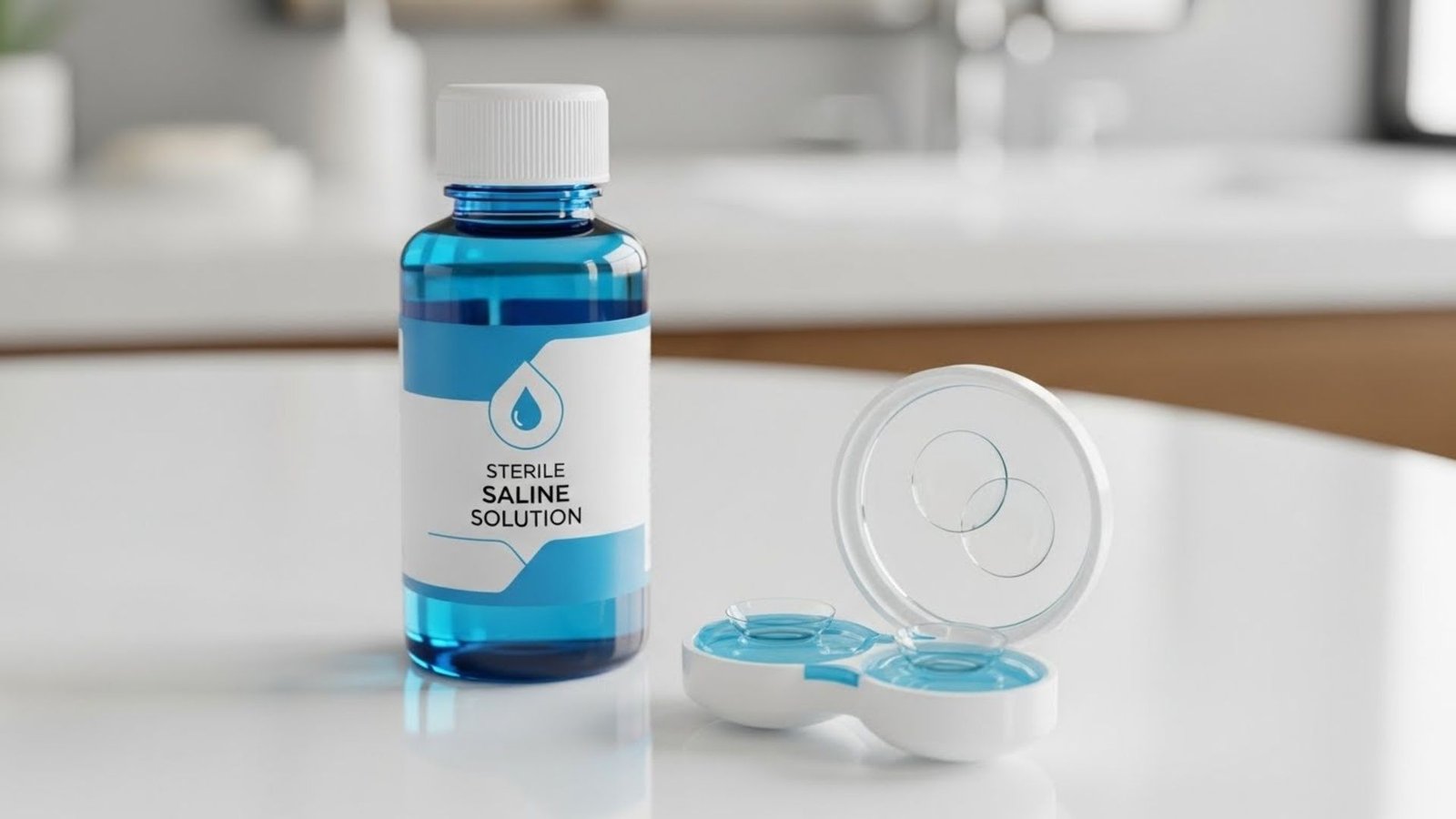
This is a hidden danger. Modern “Silicone Hydrogel” contacts are very porous.
- The Chemistry Clash: Some generic solutions use older preservatives (like PHMB) that can get absorbed into the lens and then released into your eye all day, causing “Solution-Induced Corneal Staining” (basically, chemical scratches on your eye).
- The Verdict: Stick to the brand your optometrist recommended. The compatibility between the plastic of your lens and the chemistry of the solution actually matters.
The “It Depends” Files
Case #1: Running Shoes
Case #2: Trash Bags
Kitchen? Spend the extra $2. The emotional cost of cleaning “garbage juice” off the floor is not worth the 50 cents saved.
Running Shoes
You don’t need the $250 “Super Shoe” unless you are running a marathon under 3 hours.
- The Research: Studies show that mid-range shoes ($80-$120) prevent injuries just as well as expensive ones.
- The Strategy: Don’t buy one expensive pair; buy two mid-range pairs and rotate them. Allowing the foam to “rest” and decompress for 48 hours between runs actually extends the life of the shoe and protects your joints better than one luxury shoe worn daily.
Trash Bags
This is about risk tolerance.
- The Test: Consumer Reports found that top-tier bags (Hefty/Glad) could hold ~50 lbs before failure, while cheap generics failed at ~35 lbs.
- The Logic: If it’s for bathroom tissues, buy generic. If it’s for the kitchen where you’re stuffing coffee grounds and chicken bones? Spend the extra $2. The emotional cost of cleaning “garbage juice” off your kitchen floor is not worth the 50 cents you saved.
But… There Are 5 Things You Should Never Skimp On
Alright. Now let’s flip it.
Sometimes generic just doesn’t cut it — not because it’s “bad,” but because the brand version legitimately lasts longer, works better, or saves your sanity. Here are the five places where the upgrade is worth it.
1. Batteries
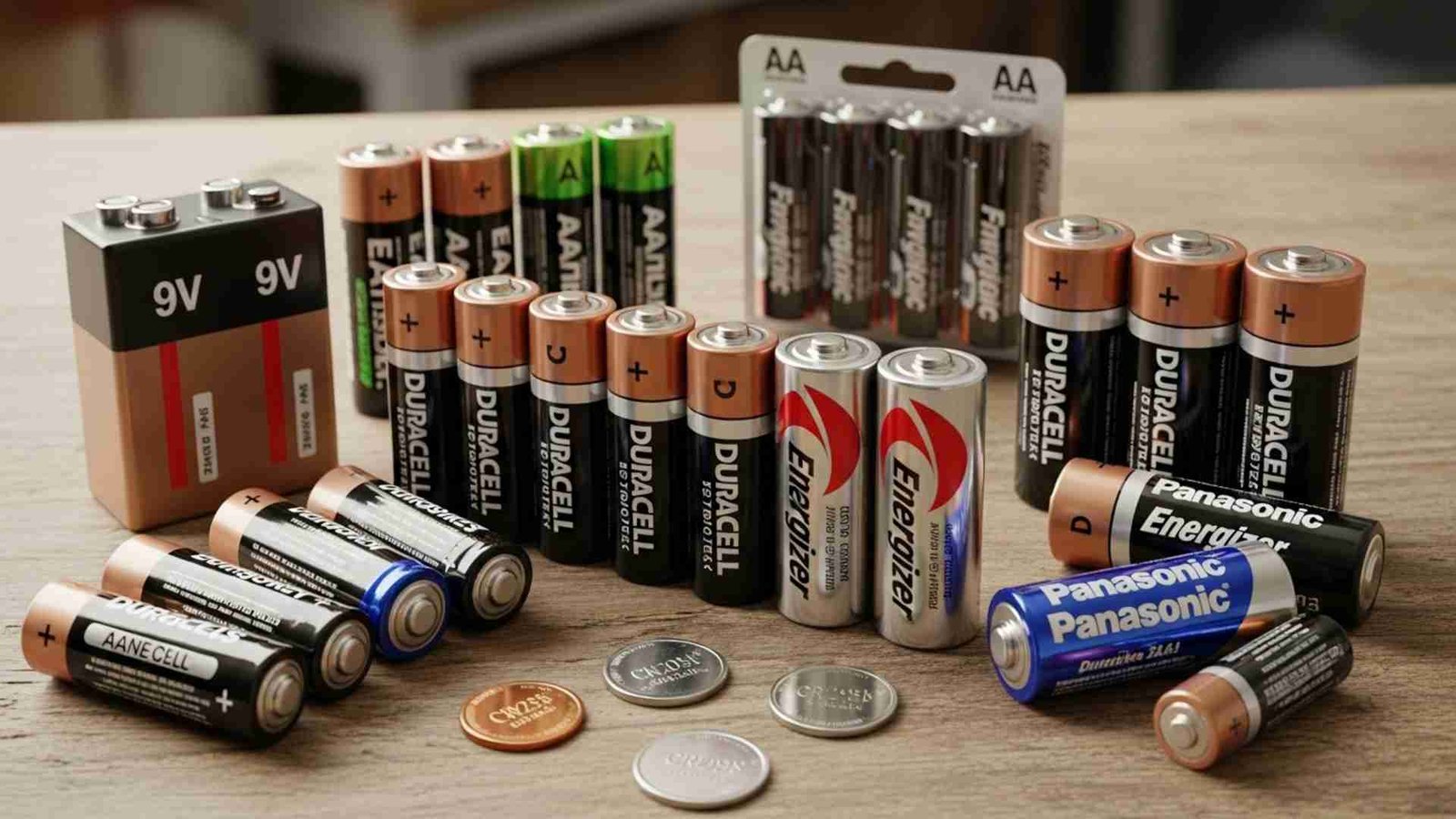
You know that moment when you’re using cheap batteries and your TV remote dies mid-episode right at the big reveal? That’s why.
Cheap batteries drain faster, leak more often, and cost more in the long run because you replace them constantly.
Name-brand batteries are like buying reliability. Especially for things like smoke detectors or kids’ toys that run 24/7.
2. Phone Chargers & Tech Cables
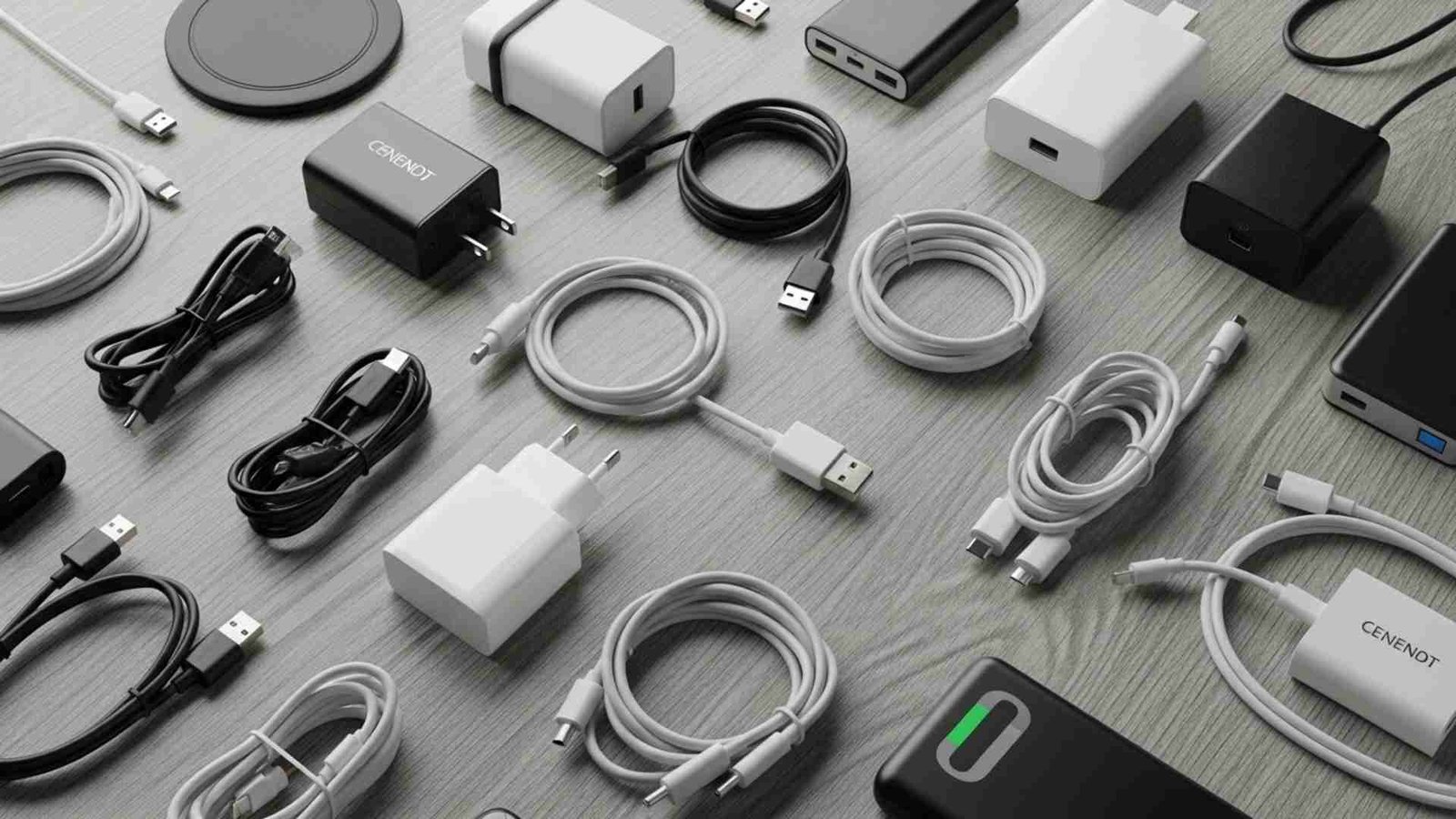
Please. I’m begging you. Don’t buy the sketchy $4 charger in the grocery store checkout lane. The one in the plastic baggy that looks like it’s been repackaged six times.
Cheap chargers overheat. They break. They fry ports. They can literally spark.
Go with reputable brands. Your phone will thank you. Your house probably will too.
3. Skincare & Sunscreen

Here’s the thing: generic moisturizers and cleansers are sometimes totally fine. But sunscreen? Active serums? Retinols?
If you can, get reputable brands with proven testing. Your skin is your largest organ. This is one place where cutting corners can show — literally.
And for sunscreen, cheap formulas often leave streaks, break down faster in the sun, or don’t apply evenly.
Spend the extra.
4. Shoes You’ll Wear Constantly
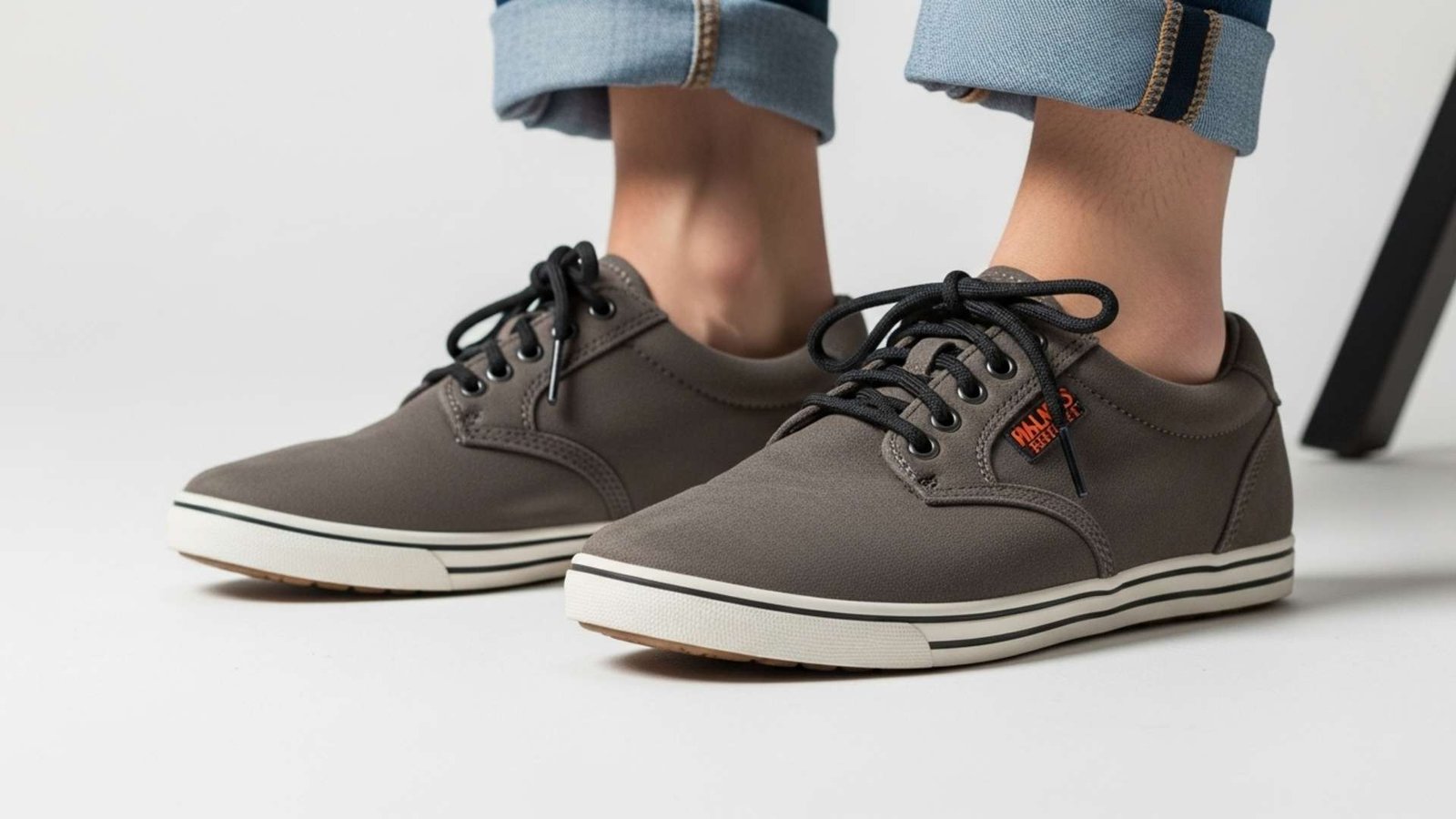
Look, you can absolutely buy generic sandals for the beach or cute flats you’ll wear for one dinner.
But shoes you’ll be in every day — work sneakers, running shoes, boots — those matter.
Your feet carry your whole life. Literally. They deserve cushioning, structure, and materials that won’t leave you limping by noon.
High-quality shoes pay you back in comfort, posture, and not needing to replace them in three months.
5. Coffee (If You’re a Coffee Person)

Maybe this is controversial, but… life’s too short for bad coffee.
If you’re someone who deeply cares about that first sip in the morning — the one that kind of brings your soul back online — then skimping isn’t worth it.
Generic ground coffee often tastes flat or stale because it’s been sitting longer. Freshly roasted or brand-name blends? They hit different.
And honestly, starting your day with something you actually enjoy is one of the best returns on investment you’ll ever get.
So… What Do You Do With All This?
Think of spending like a conversation with your future self.
Where will she thank you for choosing quality?
And where will she laugh because she got the exact same thing for half the price?
Because here’s the real truth: buying generic isn’t about being cheap. It’s about being smart. It’s about not letting marketing tell you what’s worth your money. It’s about choosing where to invest and where to save so you can live better, not just spend better.
You don’t need to overhaul everything at once. Just start noticing. That’s all.
Next time you’re standing in the aisle holding two look-alike items, take a breath. Ask yourself:
“Is the brand really better… or just louder?”
And trust yourself.
Your wallet — and your life — will feel a whole lot lighter.
Need Some Help Picking Smarter? Try These Useful (Generic-Friendly) Products
If you’re ready to put your money where it counts — not on marketing fluff — here are five Amazon Basics / Amazon-brand items that deliver solid value. These are not gimmicks. They’re things lots of people actually depend on, and buying the more generic version helps stretch your budget without compromising function.
1. Amazon Basic Care Ibuprofen Tablets, 200 mg (500-count)

A large bottle of pain reliever / fever reducer, same active ingredient as many name-brand NSAIDs. Buying in bulk as this Amazon-brand version can save you a ton — especially if you use it regularly or want something reliable for your first-aid kit.
2. Amazon Basics 48-Pack AA Alkaline Batteries

Classic, everyday alkaline batteries. Great for remotes, toys, clocks — low-to-medium drain devices where you don’t really need the “premium brand” magic. Comes with a 10-year shelf life so you can stock up.
3. Amazon Basics 12-Pack Rechargeable AAA NiMH Batteries (800 mAh)

If you want to go greener (and cheaper in the long run), these rechargeable AAA batteries are a great pick. Pre-charged, and you can recharge them up to ~1,000 times — ideal for remotes, toys, or small gadgets.
4. Amazon Basics 12-Pack Rechargeable AA NiMH Batteries (2000 mAh)
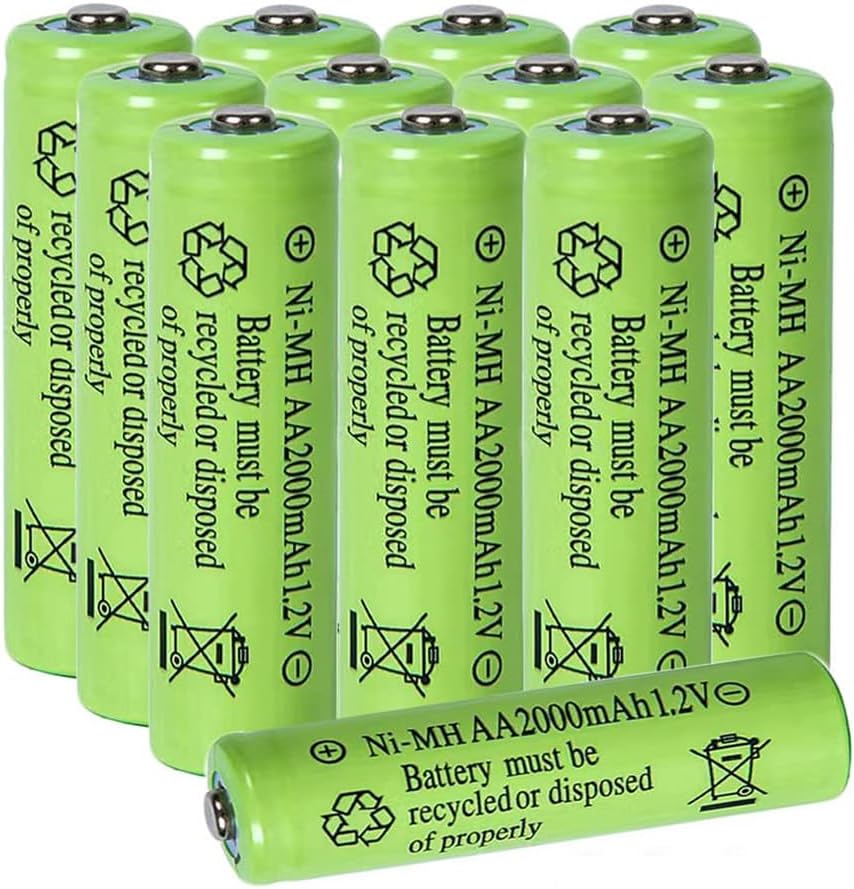
Similar idea but with AA size and more capacity. Great for flashlights, wireless devices, or anything you want to power long-term without throwing away batteries.
5. Amazon Basics 108-Count Alkaline Battery Super Value Pack
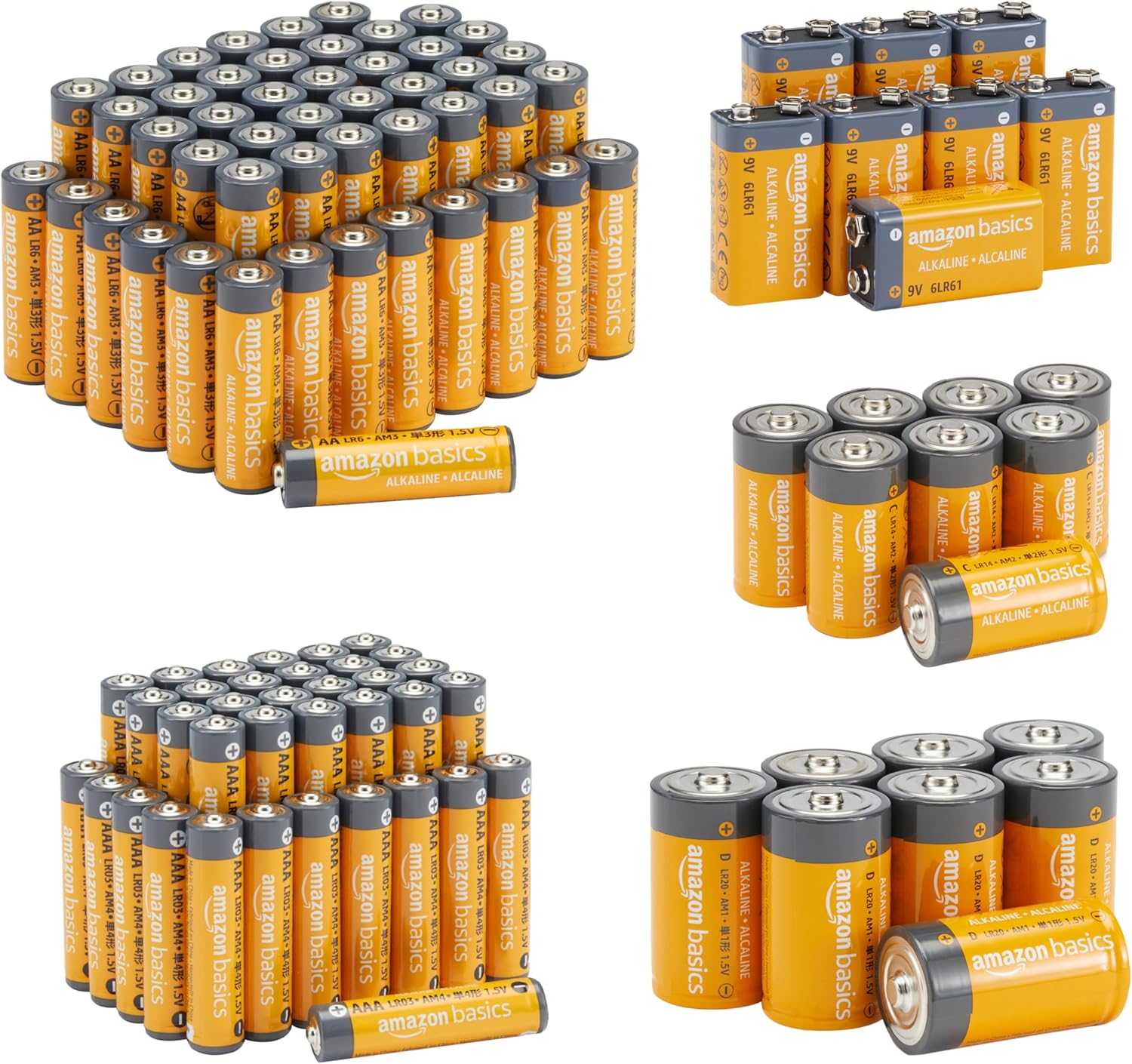
If you’re serious about stocking up, this is the ultimate value pack: 48 AA + 36 AAA + 8 C + 8 D + 8 9V. For all those gadgets in the house + emergency / backup needs — this pack helps you avoid frequent reorders.