15 Best Books Ever Written, According to 25,000 Readers Who’ve Read 100+ Books Each

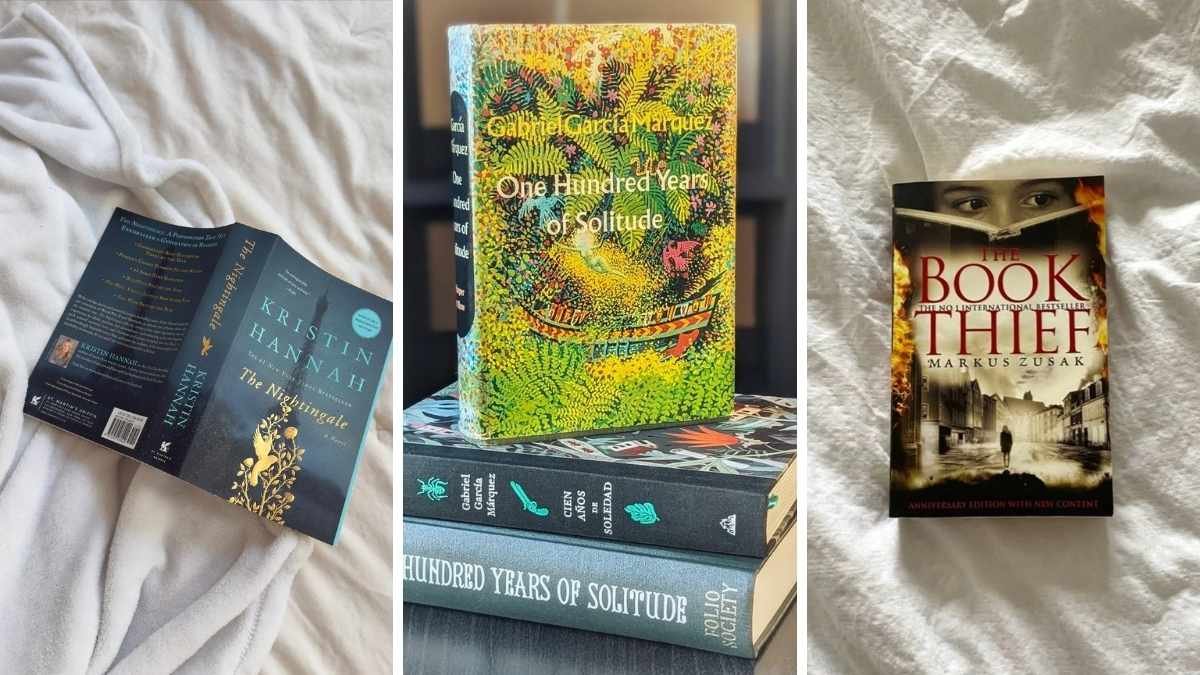
When 25,000 serious readers—people who’ve each devoured hundreds of books—agree on something, you pay attention. Their collective reading experience covers classics, modern masterpieces, obscure gems, and the kinds of books that linger in your head for months. What follows isn’t just another “best books ever” list—it’s the list readers kept returning to, recommending, and rereading long after the last page.
These are the books that changed perspectives, defined eras, delivered emotional gut-punches, and earned their place in literary history. Let’s start with the first 5.
1. To Kill a Mockingbird — Harper Lee

Few books have achieved the rare blend of storytelling power and moral clarity that Harper Lee reached in To Kill a Mockingbird. Readers consistently point to its unshakable sense of empathy and its ability to tackle racism, injustice, and innocence without ever feeling like a lecture. Told through the eyes of young Scout Finch, the novel captures the fragile intersection of childhood wonder and harsh societal realities in a way that stays with you. Atticus Finch’s quiet courage and unrelenting fairness remain a benchmark for readers who believe in standing for what’s right—even when it’s unpopular.
What readers love most is how accessible the book feels even decades later. It’s one of those novels that grows with you; the older you get, the more you realize how many layers Lee wove in. The moral weight of the story hits differently every time you return to it.
Shorter paragraph:
Many seasoned readers said they wished more people would revisit this book as adults, because its lessons land differently with age. Harper Lee managed to create a novel that is both gentle and devastating, and that balance is why it still feels timeless.
2. 1984 — George Orwell

Orwell didn’t write 1984 as a mere dystopian story; he wrote it as a warning. And decades later, readers say it feels uncomfortably relevant. Set in a world of psychological manipulation, permanent surveillance, and the erasure of truth, the novel forces you to confront what happens when power becomes absolute. Winston Smith’s journey isn’t uplifting—it’s a slow unraveling—but it’s this raw honesty that makes the book unforgettable for people who’ve read hundreds of titles. They often cite its boldness: Orwell dared to explore the darkest possibilities of human governance without softening the edges.
The reason high-volume readers rank it so highly? It forces you to think critically about freedom, media, and truth itself. It’s a book people often say they wish they’d read earlier, but also one they believe should be revisited with a more mature mind.
Shorter paragraph:
Readers consistently describe 1984 as a book that “changes the way you see the world,” and they’re not exaggerating. Its psychological intensity stays with you long after the final scene—making it one of the most powerful novels ever written.
3. Pride and Prejudice — Jane Austen

If you think you know Pride and Prejudice because of pop culture references, readers who’ve read hundreds of books will tell you: you’re missing out. Austen crafted a novel that’s sharp, emotionally layered, and surprisingly modern in its portrayal of relationships. Elizabeth Bennet remains one of literature’s most beloved protagonists because of her wit, depth, and independence—qualities that were groundbreaking in her era and still refreshing today. Meanwhile, Mr. Darcy’s quiet integrity and slow-burning character arc have set the standard for the emotionally complex love interest.
What sets this novel apart, according to seasoned readers, is Austen’s mastery of human behavior. Beneath the romance is a razor-sharp social commentary on class, reputation, and assumptions. The book reads easily, but it thinks hard, making it a lifelong favorite for people who read widely.
Shorter paragraph:
Many readers say that Austen’s writing feels effortless yet profound, and that’s why the story resonates across generations. It’s not just a love story—it’s a novel about personal growth, humility, and seeing people fully.
4. The Catcher in the Rye — J.D. Salinger

Few novels capture the messy, unfiltered swirl of adolescence like The Catcher in the Rye. Experienced readers often call it the most honest portrayal of teenage alienation ever written. Holden Caulfield’s voice—equal parts sarcastic, wounded, and searching—hits differently depending on when you read it. For some, it’s the book that made them feel seen at 16; for others, it’s the book that helps them understand who they used to be. Salinger’s genius lies in making readers feel like Holden is talking directly to them.
This novel stands out because it blends emotional vulnerability with a distinct narrative voice—raw, flawed, and deeply human. For many well-read readers, it’s the kind of book that stays in your bloodstream long after you’ve closed it.
Shorter paragraph:
Readers often revisit it in adulthood and find new meaning in Holden’s struggle. The book’s emotional honesty and vulnerability make it a perennial favorite, even for people who usually avoid coming-of-age stories.
5. The Great Gatsby — F. Scott Fitzgerald
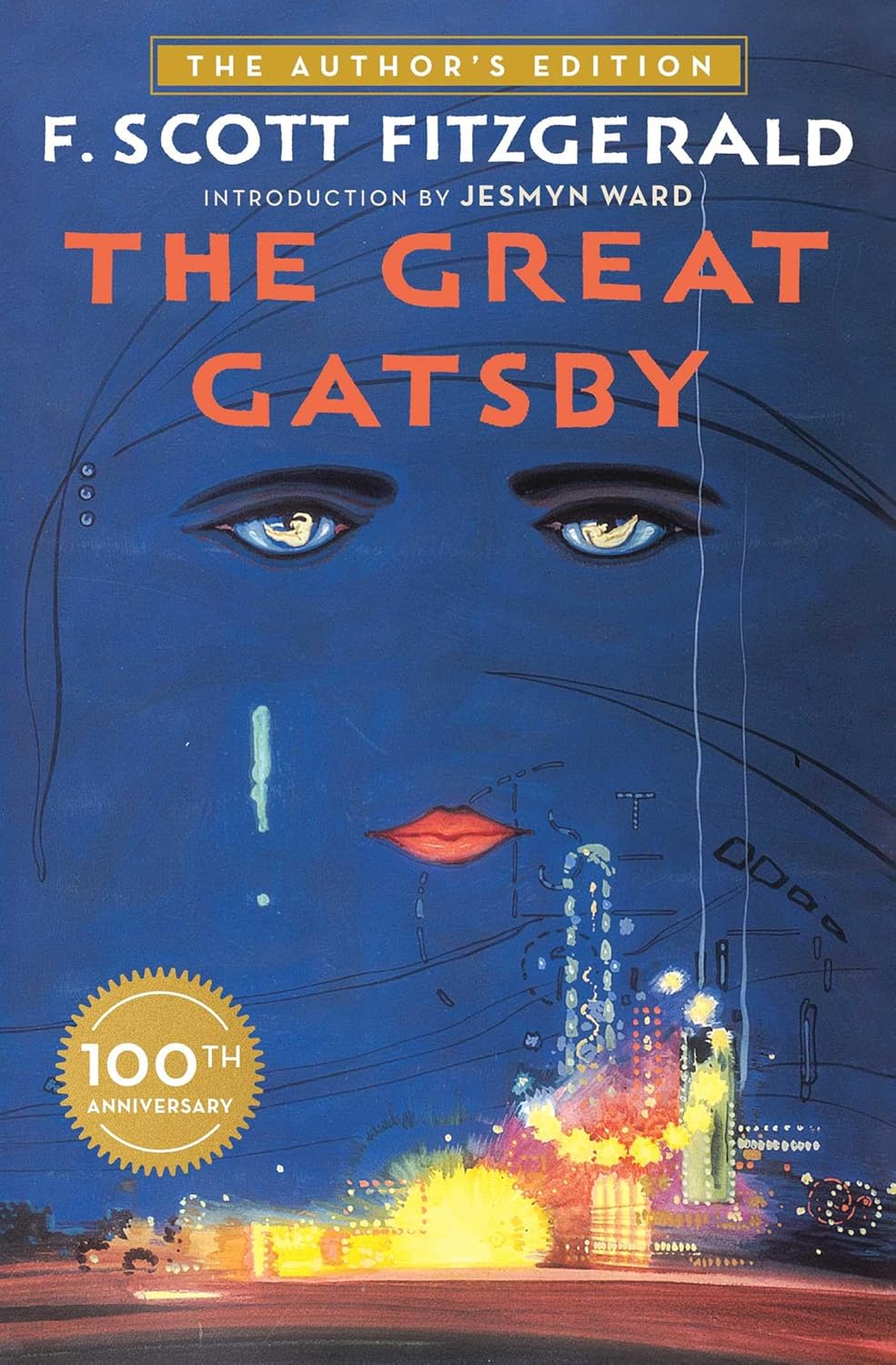
Fitzgerald’s masterpiece continues to mesmerize readers who’ve consumed countless books because it operates on two levels: dazzling surface beauty and quiet emotional devastation. Set during the roaring 1920s, the novel explores ambition, love, wealth, and the aching gap between who we are and who we pretend to be. Readers frequently highlight its haunting sense of longing, especially in Gatsby’s desperate pursuit of a dream that was doomed from the start. The writing is lush, lyrical, and deceptively compact—every sentence feels like it was carved, polished, and perfectly placed.
For readers who’ve encountered thousands of characters, Jay Gatsby remains one of the most emotionally complex. His hopefulness is both admirable and tragic. And through Nick Carraway, we get a narrator who’s simultaneously inside and outside the glittering world he describes—an angle that gives the book its subtle power.
Shorter paragraph:
Seasoned readers say the book becomes richer every time you return to it. Its quiet heartbreak and poetic restraint make it one of the most enduring novels in American literature.
6. Crime and Punishment — Fyodor Dostoevsky

Among readers who have consumed hundreds of books, Crime and Punishment earns its place because it dives into the darkest corners of human psychology without losing the thread of humanity. Dostoevsky takes you inside the mind of Raskolnikov, a brilliant yet tortured man who convinces himself he’s above morality—until his own conscience tears him apart. The novel explores guilt, redemption, and moral philosophy with a depth that even modern writers struggle to match. Seasoned readers often say this is the book that taught them the difference between a “good story” and true literary depth. It’s intense, introspective, and relentlessly honest.
What impresses long-time readers most is how Dostoevsky turns internal conflict into gripping drama. Even when the plot slows, the psychological tension never does, which is why so many people say this novel altered their understanding of right and wrong.
Shorter paragraph:
Readers consistently rank it among the best because it blends the complexity of human emotion with storytelling that still feels relevant. It’s demanding—but incredibly rewarding.
7. The Lord of the Rings — J.R.R. Tolkien

Even among people who’ve read thousands of books, Tolkien’s trilogy stands out as a literary landmark. The Lord of the Rings isn’t just fantasy—it’s an entire mythology built with meticulous care, linguistic brilliance, and emotional resonance. Readers praise it for its world-building, so rich it feels like a real place you could step into, along with characters who embody courage, loyalty, doubt, and sacrifice. What makes it exceptional is how Tolkien ties epic battles and ancient lore to very human struggles: friendship, temptation, and the weight of destiny.
For many well-read fans, this trilogy is the benchmark against which all fantasy is judged. It’s the rare work that appeals even to those who don’t typically enjoy the genre, thanks to its grounded themes and timeless emotional pull.
Shorter paragraph:
Readers often return to Tolkien not just for the adventure, but for the deep emotional core of the story. It’s a masterpiece that shaped modern storytelling across countless genres.
8. The Book Thief — Markus Zusak

The Book Thief is one of the most universally loved modern novels among heavy readers. Set in Nazi Germany and narrated by Death, the story follows Liesel, a young girl who discovers the power of words in a world falling apart. Readers praise the book’s quiet emotional intensity—it’s heartbreaking, but never manipulative. Zusak’s lyrical writing captures both the beauty and brutality of life under horrific circumstances, creating a novel that feels intimate despite its sweeping historical backdrop. Many readers say it’s one of the few books that made them stop and sit with their feelings afterward.
What makes this novel so enduring among seasoned readers is its humanity. It portrays the small acts of courage, kindness, and resilience that allow people to hold onto hope in impossible situations.
Shorter paragraph:
Readers often call it a “modern classic” because it balances tenderness and tragedy in a way that sticks with you long after you finish. It’s a rare book that feels both accessible and profound.
9. Jane Eyre — Charlotte Brontë

Charlotte Brontë’s Jane Eyre continues to resonate with readers who’ve explored every corner of literature because it’s emotionally raw, fiercely independent, and quietly revolutionary. The character of Jane stands out for her unwavering sense of self-respect—something extraordinary for a heroine written in the 1840s. The novel blends gothic atmosphere, moral complexity, and a deeply personal narrative voice that pulls readers into Jane’s inner world. Even after reading hundreds of novels, people often say Jane Eyre’s journey is one of the most compelling arcs they’ve ever encountered.
What seasoned readers appreciate most is the balance between darkness and resilience. Jane faces abandonment, isolation, and temptation, yet holds firm to her integrity in a way that feels both human and inspiring.
Shorter paragraph:
Readers revisit this novel for its emotional honesty and the strength of its heroine. It’s a story that grows richer the more life experience you bring to it.
10. The Kite Runner — Khaled Hosseini

Among modern novels, The Kite Runner is one that high-volume readers mention again and again because of its emotional impact and complex exploration of friendship, guilt, and redemption. The story follows Amir and Hassan—two boys growing up in Afghanistan whose lives diverge after a traumatic event. Readers consistently highlight Hosseini’s ability to write with deep emotional clarity, showing both the beauty of childhood bonds and the high cost of betrayal. The narrative carries a sense of longing and forgiveness that hits especially hard for readers who gravitate toward character-driven stories.
What sets this book apart among widely read audiences is its unfiltered vulnerability. Hosseini doesn’t shy away from painful truths, yet he never loses touch with the humanity at the center of the story.
Shorter paragraph:
Readers say the novel leaves an imprint that’s difficult to shake because of its haunting emotional weight. It’s one of the most powerful contemporary novels of the last two decades.
11. One Hundred Years of Solitude — Gabriel García Márquez

Readers who’ve consumed hundreds of books often describe One Hundred Years of Solitude as one of the most astonishing feats of literary imagination. Márquez blends everyday life with the extraordinary through magical realism that feels strangely believable, turning the story of the Buendía family into a sweeping multi-generational epic. What makes the novel unforgettable is how it tackles love, loss, memory, and history while keeping you emotionally grounded. Even seasoned readers—those not typically drawn to magical realism—say they were taken by the sheer beauty and rhythm of Márquez’s writing. It’s the kind of novel where every chapter feels like a world of its own.
Readers also praise how it captures the cyclical nature of human experience without losing its emotional center. The book is dense, yes, but its lyrical storytelling is what pulls people back to it again and again.
Shorter paragraph:
Those who read widely often call it a masterpiece because it challenges the mind while speaking directly to the heart. Its blend of myth and reality is unlike anything else in literature.
12. The Brothers Karamazov — Fyodor Dostoevsky

Among people who’ve read hundreds of books, Dostoevsky’s The Brothers Karamazov is frequently ranked as one of the deepest philosophical novels ever written. It’s a complex exploration of faith, morality, free will, and human desire—all wrapped in a gripping family drama. Readers admire how Dostoevsky creates characters who feel painfully real in their flaws and passions, and how he confronts life’s most difficult questions without offering easy solutions. The emotional intensity is matched by intellectual depth, elevating the book far beyond typical storytelling.
What seasoned readers appreciate most is how the novel forces them into self-reflection. It doesn’t just tell a story—it challenges your worldview. Despite its weight, many readers find it surprisingly engaging because each chapter adds layers rather than just length.
Shorter paragraph:
Readers rank this as a top-tier novel for those who want literature that wrestles with the human soul. It’s demanding, but it rewards you more than almost anything else you’ll ever read.
13. The Handmaid’s Tale — Margaret Atwood

Few dystopian novels have struck readers as powerfully—or as enduringly—as The Handmaid’s Tale. Among heavy readers, this book is frequently cited as one of the most unsettling yet important works of modern fiction. Atwood’s world feels chillingly familiar, built on subtle power shifts that reflect real historical patterns, which is exactly what makes it so haunting. Through Offred’s story, Atwood explores autonomy, control, resistance, and the fragility of women’s rights with precision and emotional depth. The quiet dread running through every chapter is what seasoned readers say makes it impossible to forget.
The novel stands out for its restraint; Atwood never dramatizes unnecessarily, which makes the horror of the world even more striking. Readers often mention how the book lingers in the mind because of its realism—not despite it.
Shorter paragraph:
Many widely read fans call it one of the most thought-provoking dystopias ever written. It’s unsettling, insightful, and frighteningly relevant.
14. The Nightingale — Kristin Hannah

Even among people who typically read heavier classics, The Nightingale earns a strong reputation for its emotional impact and powerful storytelling. Set in Nazi-occupied France, the novel follows two sisters navigating survival, resistance, sacrifice, and the moral complexities of war. Readers praise its emotional authenticity—it doesn’t sensationalize war, but instead highlights the extraordinary bravery found in ordinary people. Kristin Hannah’s writing pulls readers into the personal side of World War II in a way that feels intimate and deeply human, which is why this book is widely recommended by those who read extensively.
Seasoned readers love that it’s both accessible and profound. It captures heroism without romanticizing it, turning the story into a tribute to the countless women whose roles in resistance movements are often overlooked.
Shorter paragraph:
Readers often say this novel left them emotionally stunned because of its raw depiction of courage. It’s one of the most powerful WWII novels of the modern era.
15. East of Eden — John Steinbeck

John Steinbeck’s East of Eden is often described by well-read audiences as his greatest masterpiece—an expansive, emotionally charged story that examines good and evil through generations of a single family. What readers love most is Steinbeck’s fearless exploration of human nature, from jealousy and love to guilt and redemption. The writing is bold, immersive, and full of symbolism, but it remains grounded in intimate character moments. Many experienced readers say this is the kind of book that reshapes how you see human relationships and the choices we make.
What elevates the novel is how Steinbeck intertwines philosophical depth with an engaging, highly readable narrative. Even at nearly 600 pages, it never feels unnecessarily long. Readers call it one of the few books that feels like an entire life lived within its pages.
Shorter paragraph:
Fans with decades of reading behind them say the story’s emotional and moral complexity makes it unforgettable. It’s Steinbeck at his most ambitious and most human.