These 10 Books So Beautifully Written, Readers Say They Had to Stop and Stare at the Wall

Some books entertain. Some books teach. And then there are the rare ones — the books so beautifully written, so emotionally pointed, so difficult to shake — that readers physically pause, close the cover, and stare at the nearest blank surface just to process what they’ve read. These are the books that feel less like stories and more like moments of perspective, the ones that catch you off guard with a line so sharp or a truth so gentle you have to sit with it before moving on.
What makes these books special isn’t just the plot. It’s the way the authors use language as if it were something alive — bending it, stretching it, slowing it down — until you’re no longer reading, you’re absorbing. And in that absorption comes the pause: the “wow,” the “wait,” the “hold on, what did I just read?” moment.
Below are the first five books on this list — the ones readers consistently say forced them to stop, breathe, and stare at the wall for a minute because of how unexpectedly human, achingly honest, or devastatingly gorgeous the writing is.
1. A Little Life — Hanya Yanagihara

Few novels have earned such a universal reputation for emotional devastation. A Little Life is often described as a modern epic of friendship, trauma, and the lifelong ripple effects of both love and harm. Yanagihara’s prose is rich in detail and uncomfortably intimate — the kind of writing that pulls you straight into the interior lives of the characters. Readers say they had to stop multiple times, not because the plot was hard to follow, but because the author forces you to sit with the fragile machinery of human pain. The pacing is slow by design, allowing each emotional blow to land with precision. It’s one of the very few books where the writing is so painfully beautiful that you feel it more than you read it.
The shorter moments — especially the quiet scenes between Jude and Willem — hit even harder. Yanagihara knows how to distill an entire emotional world into a single line or gesture, and those are the moments readers say caused them to stare into space, processing the heavy tenderness of it all.
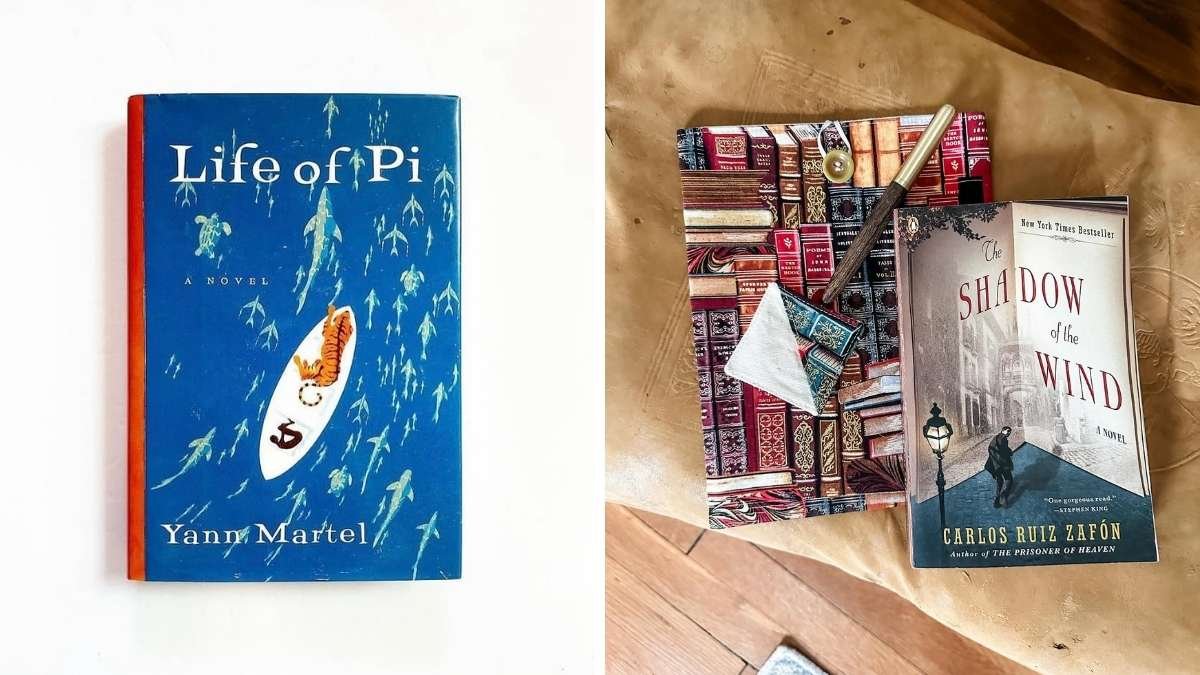
2. The Shadow of the Wind — Carlos Ruiz Zafón

Zafón’s writing doesn’t just tell a story; it reshapes your mood. Set in post–Civil War Barcelona, this novel is drenched in atmosphere — misty streets, hidden libraries, mysterious authors, and secrets that span decades. The prose feels cinematic yet intimate, filled with lines that make readers stop mid-sentence because of how lyrically haunting they are. It’s a book about books, about memory, and about how stories follow us longer than we expect. Readers often say they read certain passages twice simply because the language feels like a rare treat, a kind of writing that respects the reader’s hunger for beauty.
The emotional core — Daniel’s journey to uncover the truth behind the forgotten author Julián Carax — is written with quiet emotional intelligence, which makes the quieter chapters unexpectedly moving. Even people who don’t normally read literary fiction say this book made them pause in silence more than once.
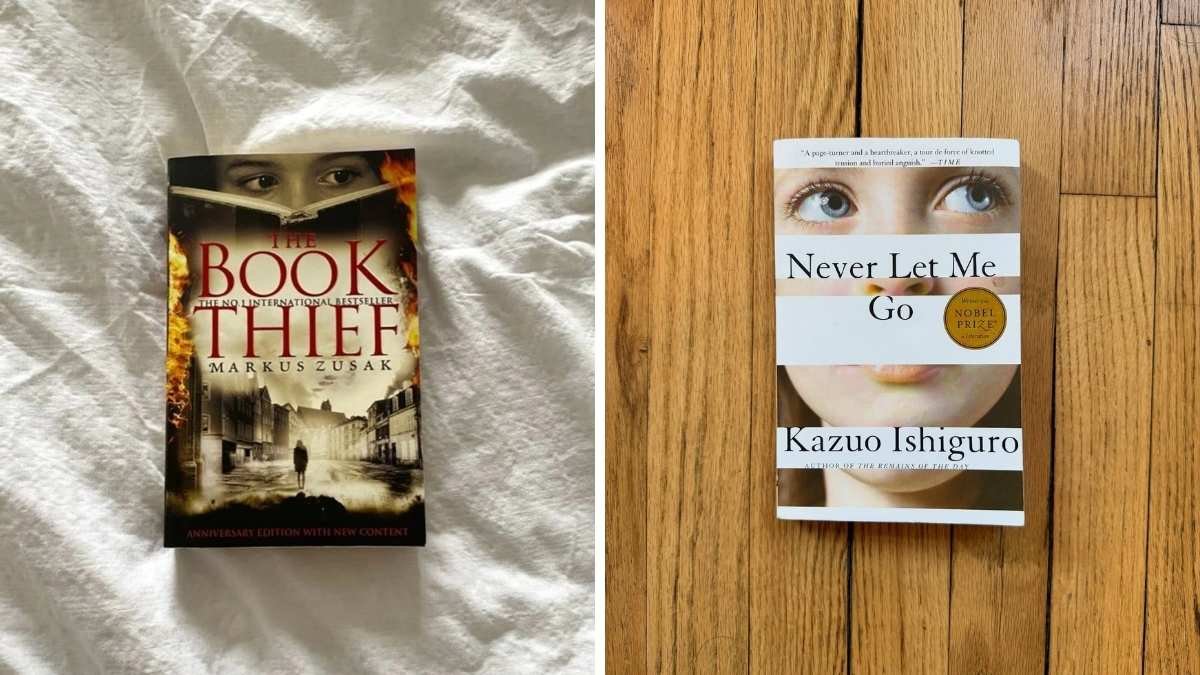
3. Never Let Me Go — Kazuo Ishiguro

Ishiguro has a gift for understatement — and ironically, that’s what hits hardest. Never Let Me Go unfolds like a soft-spoken memory, slowly revealing truths that are far more disturbing than the characters allow themselves to express. The writing is deceptively gentle, but beneath that softness is a profound meditation on mortality, identity, and what it means to be human. Readers say the most devastating lines are the quiet ones, the ones Ishiguro writes so simply that the emotional impact sneaks up on you. This is the kind of book where a single calm paragraph can leave you staring at the wall because of how deeply unsettling and beautifully restrained it is.
The final third of the novel is especially known for its emotional force. Ishiguro’s prose becomes sharper yet sadder, and readers report needing a moment — or several — to sit with the raw simplicity of its ending.
4. The Book Thief — Markus Zusak

It’s not easy to write about war in a way that feels both poetic and grounded, but Zusak manages exactly that. Narrated by Death — a bold choice that pays off beautifully — the novel moves with a rhythm that feels almost like spoken poetry. Readers often highlight the way Zusak uses unusual metaphors, surprising images, and a voice that feels emotionally wise beyond its years. The writing is beautiful without being pretentious, and devastating without being manipulative. Some passages are so striking that readers stop not because they’re overwhelmed, but because the words are simply that good.
The smaller character moments — Liesel learning to read, Hans playing the accordion — are where the book’s writing becomes even more affecting. These quiet scenes carry gentle emotional gravity, the kind that makes you pause before turning the page.
5. The Road — Cormac McCarthy

Sparse. Brutal. Beautiful. The Road is one of those novels where every word feels hand-selected. McCarthy’s minimalist style strips away everything unnecessary, leaving only the father, the son, and the broken world around them. But it’s that minimalism that makes the writing so powerful. Readers often say they paused not from sadness but from the sheer weight of McCarthy’s stark clarity. He says so much with so little, and the quiet horror of the setting is amplified by the tenderness between the two main characters. This contrast — devastation paired with love — is what makes the writing unforgettable.
In the shorter scenes, especially the exchanges between father and son, McCarthy uses bare-boned sentences that carry more emotional force than entire chapters of other novels. Readers say these moments linger long after the book is closed.
6. The Night Circus — Erin Morgenstern

This is one of those rare novels where the atmosphere becomes a character in itself. Morgenstern writes with a sense of lush, slow-burning magic that feels both elegant and strangely comforting. The story unfolds through interwoven timelines and perspectives, but what readers remember most is the prose — dreamy, delicate, and full of sensory detail. People repeatedly say they had to pause at certain lines because of how unexpectedly graceful the language is. Even readers who don’t normally gravitate toward fantasy fall in love with the world of the circus, because the writing doesn’t just describe enchantment — it creates it on the page.
The quieter emotional beats between the characters make the writing even more affecting. The subtle tension, the quiet devotion, the unspoken yearning — these moments carry soft emotional precision, the kind that makes you stop for a second before reading on.
7. All the Light We Cannot See — Anthony Doerr

Doerr’s writing feels like it’s carved from glass — clean, sharp, and full of light. This WWII novel follows two young characters on opposite sides of the conflict, yet the tone remains deeply human and surprisingly tender. Many readers say they paused repeatedly not because of the plot, but because of how Doerr captures the fragility of human resilience using only a handful of carefully chosen words. He has a way of making ordinary scenes — a radio broadcast, a walk through a quiet street — feel layered and meaningful. It’s the kind of prose that rewards slow reading, because every sentence is crafted with intention.
As the story narrows toward its emotional core, the writing becomes even more focused, carrying quiet emotional force that settles into the reader’s chest and lingers long after the chapter ends.
8. The Secret History — Donna Tartt

Tartt writes like someone unafraid to linger on ideas most authors would rush past. The Secret History is filled with philosophical tension, moral ambiguity, and the slow unraveling of characters who are both brilliant and deeply flawed. Readers say they paused often because Tartt delivers intense psychological insight in the middle of otherwise calm scenes. Her prose is elegant but sharp, the kind that cuts without warning. The book feels like a classical tragedy retold through modern eyes, and it’s that mixture of beauty and coldness that makes the writing so immersive — and so hard to shake off.
The final chapters, especially, carry a heaviness that is beautifully written. Tartt uses quiet but powerful prose to explore guilt, desire, and consequence, and readers often say these lines stayed with them for years.
9. Kite Runner — Khaled Hosseini

Hosseini writes with a kind of emotional clarity that feels simultaneously simple and devastating. The Kite Runner is filled with themes of guilt, redemption, and the lifelong consequences of childhood decisions, but what stands out most is the stunning emotional honesty in his prose. Even small scenes become impactful because of how straightforwardly he presents pain, regret, and love. Readers say they had to pause because Hosseini expresses truths about human relationships in ways that feel both intensely personal and universally recognizable. The cultural details and historical backdrop add depth without overshadowing the emotional core.
Near the end, the writing grows even more poignant. Hosseini uses quiet, reflective lines to show the weight of forgiveness, and many readers say these final chapters forced them into a moment of silence before continuing.
10. The Song of Achilles — Madeline Miller

Miller has a rare gift: she writes myth with the tenderness of contemporary literary fiction. The Song of Achilles reimagines the Trojan War through a deeply emotional lens, giving voice to Patroclus in a way that feels both intimate and epic. The prose is filled with lyrical vulnerability, the kind of writing that makes ancient stories feel painfully human. Readers say they stopped multiple times, not because the plot surprised them — many already know how it ends — but because Miller expresses love, loyalty, and grief with heartbreaking clarity. Her sentences flow like poetry, yet never lose their emotional weight.
The final chapters hit with exceptional intensity. Miller’s ability to render grief through minimal, elegant lines gives the ending an emotional stillness that leaves readers staring at the wall long after closing the book.