Your Knees Shouldn’t Sound Like Bubble Wrap: 10 Joint Warning Signs You’re Treating as “Normal Aging”

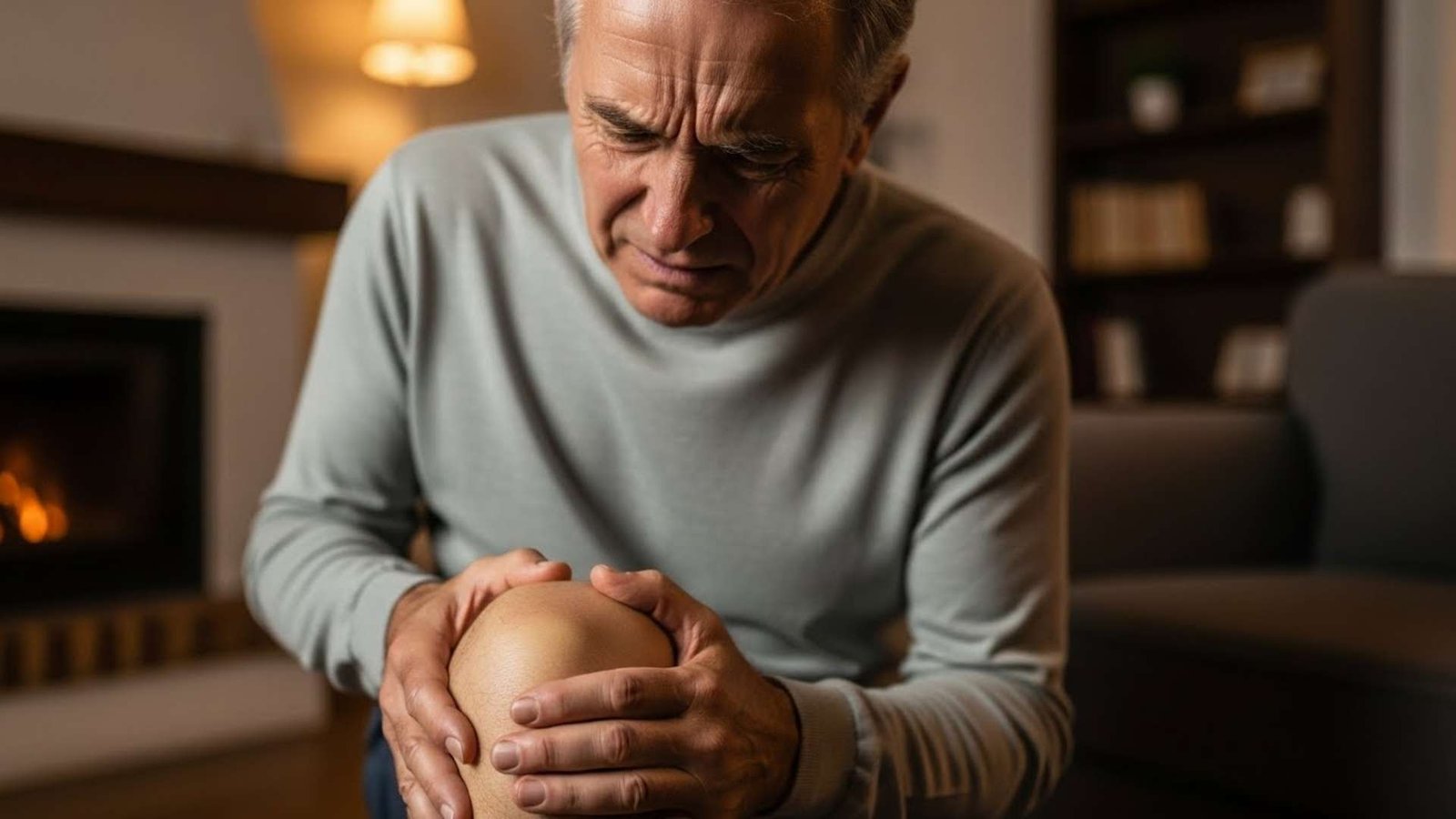
You know the moment.
Maybe you’re trying to sneak out of a child’s bedroom after finally getting them to sleep, or you’re just crouching down to pick up a dropped set of keys. You bend your knees and— CRACK. SNAP. POP.
It sounds like someone stepped on a packet of dry ramen noodles inside your leg.
You wince, look around to see if anyone heard, and probably mutter the same excuse we all use: “Man, I’m just getting old.”
And honestly? I got it. It’s easier to blame the calendar than to admit that something under the hood might be failing. But here’s the thing—and I want you to really hear this because it changes how you treat your body— pain is not a tax you have to pay just for having a birthday.
While wrinkles and gray hair are normal parts of aging, joints that scream at you are not. They are dashboard warning lights. And just like you wouldn’t ignore a “Check Engine” light because your car has high mileage, you shouldn’t ignore what your knees are trying to tell you.
I’ve dug through the latest research—from the British Journal of Sports Medicine to the Cleveland Clinic —to help you decode exactly what those whispers mean. We’re going to look at the 10 specific signs that separate “normal wear and tear” from “mechanic needed.”
The Noisemakers (Is It Just Gas?)
Let’s start with the sound effects, because that’s what freaks people out the most. Doctors call it crepitus. We call it “Rice Krispies knees.”
1: The “Painful” Pop
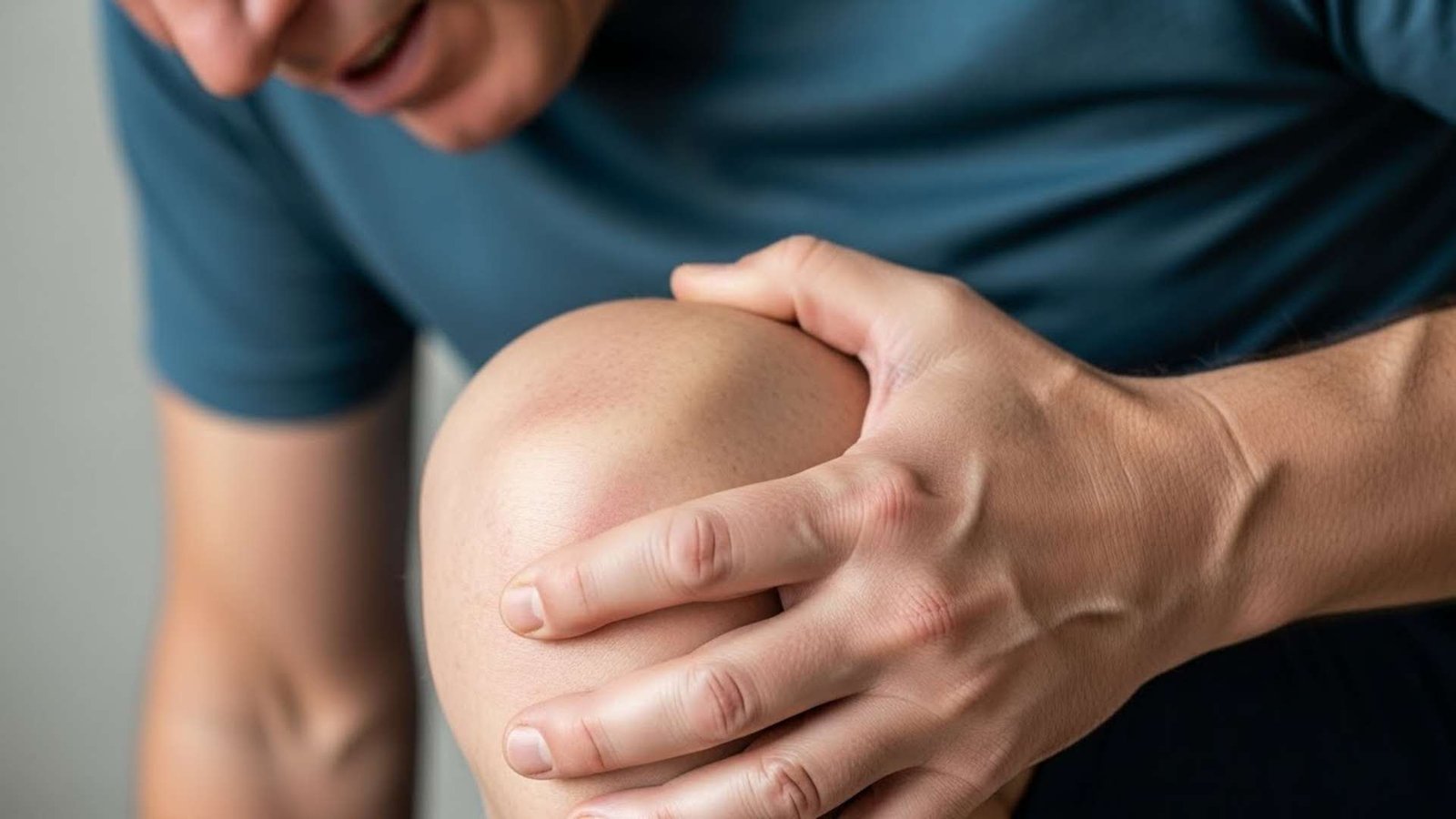
First, a little reassurance. If your knees crack but don’t hurt, you’re likely in the clear. A 2024 systematic review found that 41% of the general population has noisy knees with zero pain.
Usually, that loud POP is just Cavitation. Think of your joint like a sealed capsule filled with fluid. When you move suddenly, pressure drops, and gas bubbles (nitrogen/CO2) burst. It’s the exact same physics as cracking your knuckles. It’s dramatic, but harmless.
The Warning Sign: If that pop comes with a sharp wince. Research indicates that if you have crepitus combined with pain, your odds of having symptomatic osteoarthritis jump by 300%. If it hurts when it clicks, the “bubble wrap” isn’t gas—it’s friction.
2: The Grating Sensation (Sandpaper Knees)
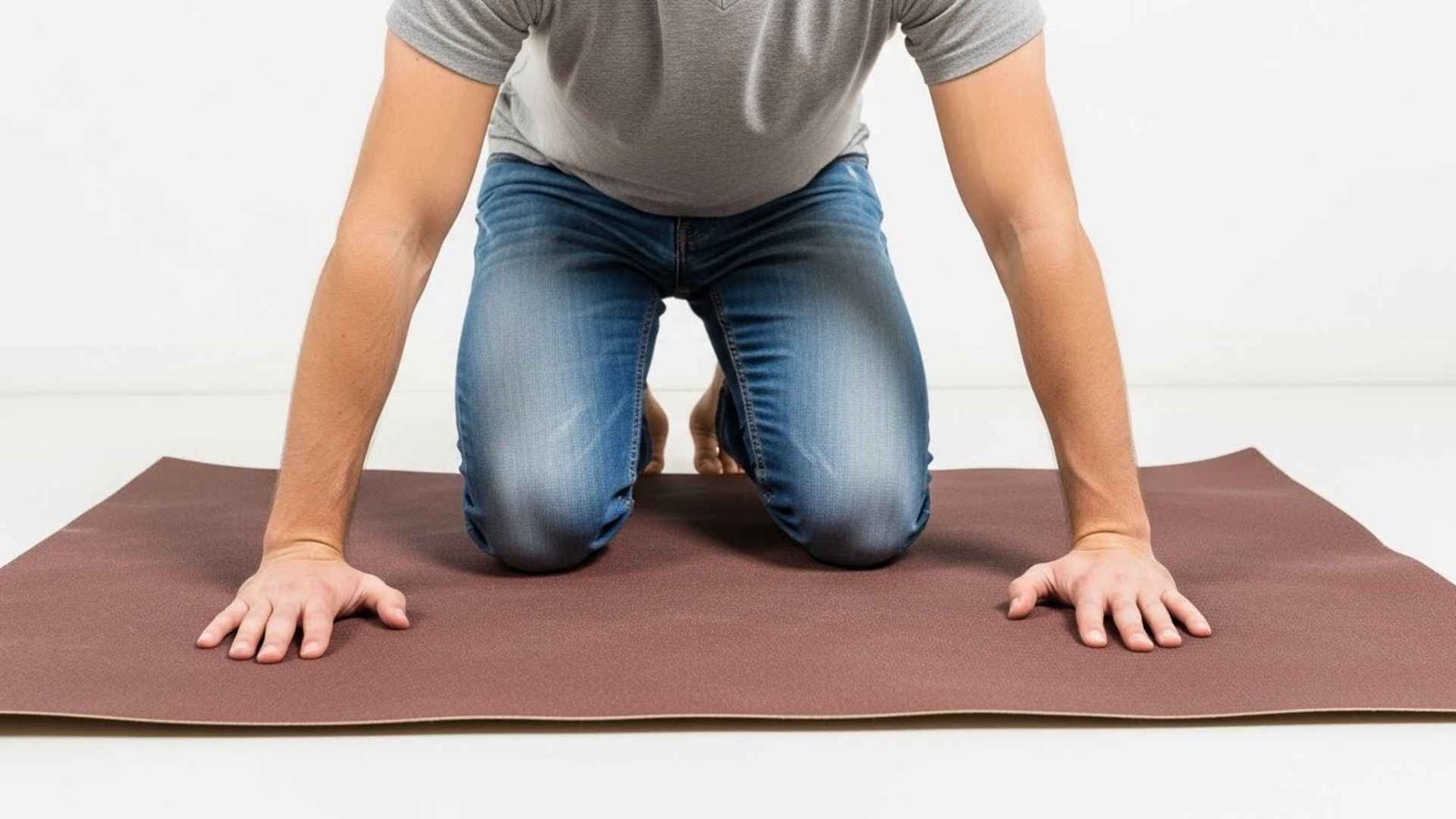
This is different. This isn’t a pop; it’s a grind. Put your hand over your kneecap and bend your leg. Do you feel a vibration? Does it feel like there’s gravel or sandpaper under the skin?
The Warning Sign: That vibration is tactile evidence that the “Teflon” coating on your bones (cartilage) is wearing thin. You are feeling rough bone rubbing against rough bone.
Quick Decoder: What’s That Sound?
| Sound / Sensation | Likely Cause | Worry Level |
| Loud Pop (No Pain) | Gas bubbles bursting (Cavitation) | Low (Party trick) |
| Recurring Snap | Tendon snapping over bone | Medium (Check form) |
| Grating / Sandpaper | e-cigarettes | High (See a pro) |
| Pop + Sharp Pain | Meniscus tear or injury | High (Doctor. Now.) |
The “Tin Man” Syndrome (Stiffness)
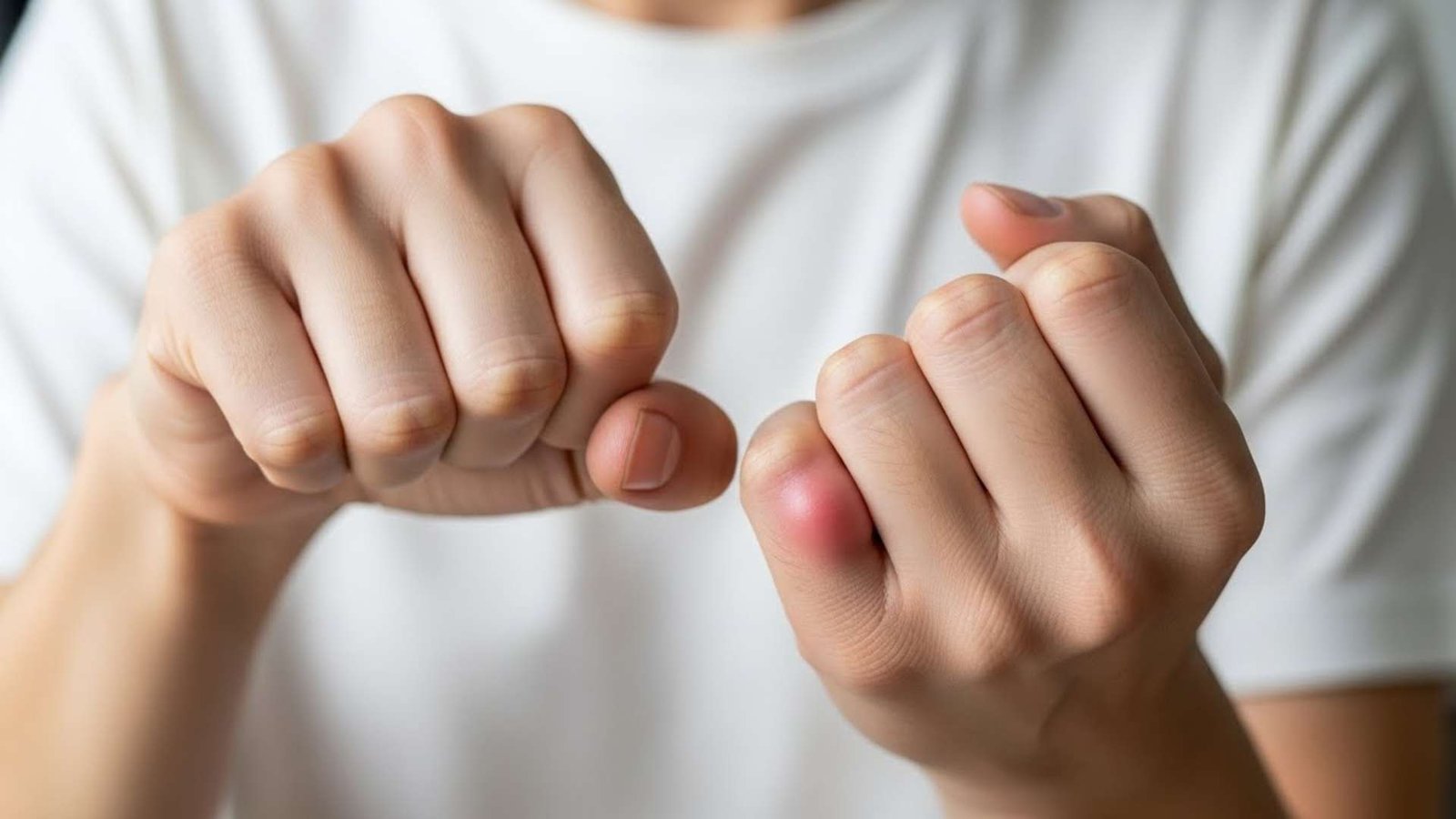
You know how the Tin Man in The Wizard of Oz needed his oil can before he could walk? Your joints are the same way. But there’s a timeline that separates “normal” from “inflammatory.”
3: The 30-Minute Timer
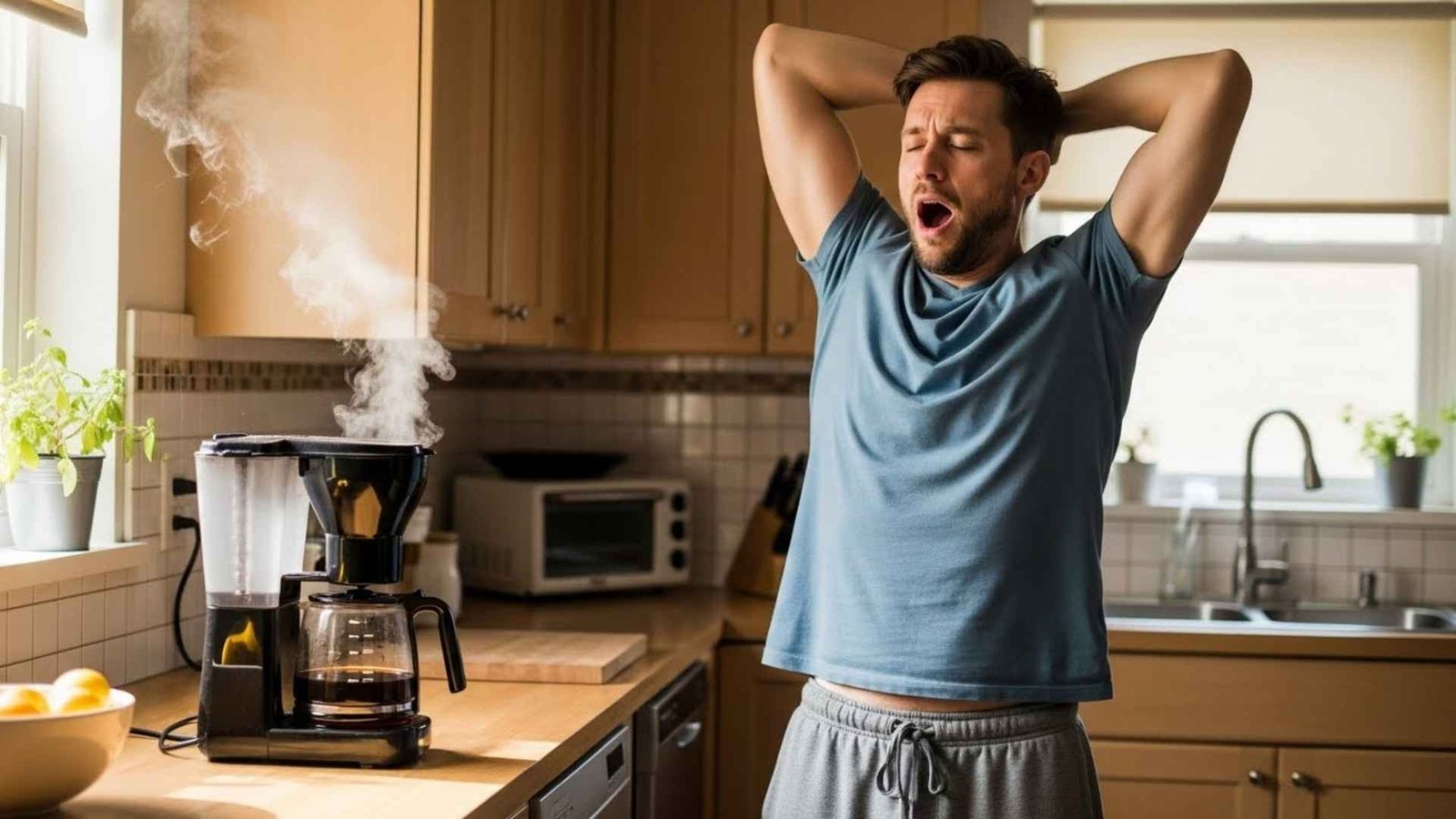
This is the golden rule rheumatologists use.
- Normal Aging: You wake up, you feel a bit rusty. You walk to the kitchen, and by the time the coffee is brewed (10–15 mins), you’re loose. This is just “morning gel.”
- The Warning Sign: The stiffness hangs around for 30 minutes or more. If it takes an hour to “grease the gears,” that is a hallmark of inflammation. It means your body is fighting something active, not just dealing with old injuries.
4: The “Movie Theater” Sign

Have you ever sat through a two-hour movie, and when you stood up, your knees felt like they had turned into concrete blocks? You literally have to stand there for five seconds waiting for them to “unlock”?
The Science: Doctors call this the Gel Phenomenon. Your joint fluid is thixotropic —a fancy word that just means it acts like ketchup or cold honey.
- When static: It turns into a thick gel.
- When moving: It warms up and becomes thin and oily.
The Warning Sign: If your “gel phase” is happening faster and feeling thicker—if sitting for just 20 minutes makes you lock up—your lubrication system is struggling.
5: Loss of Extension
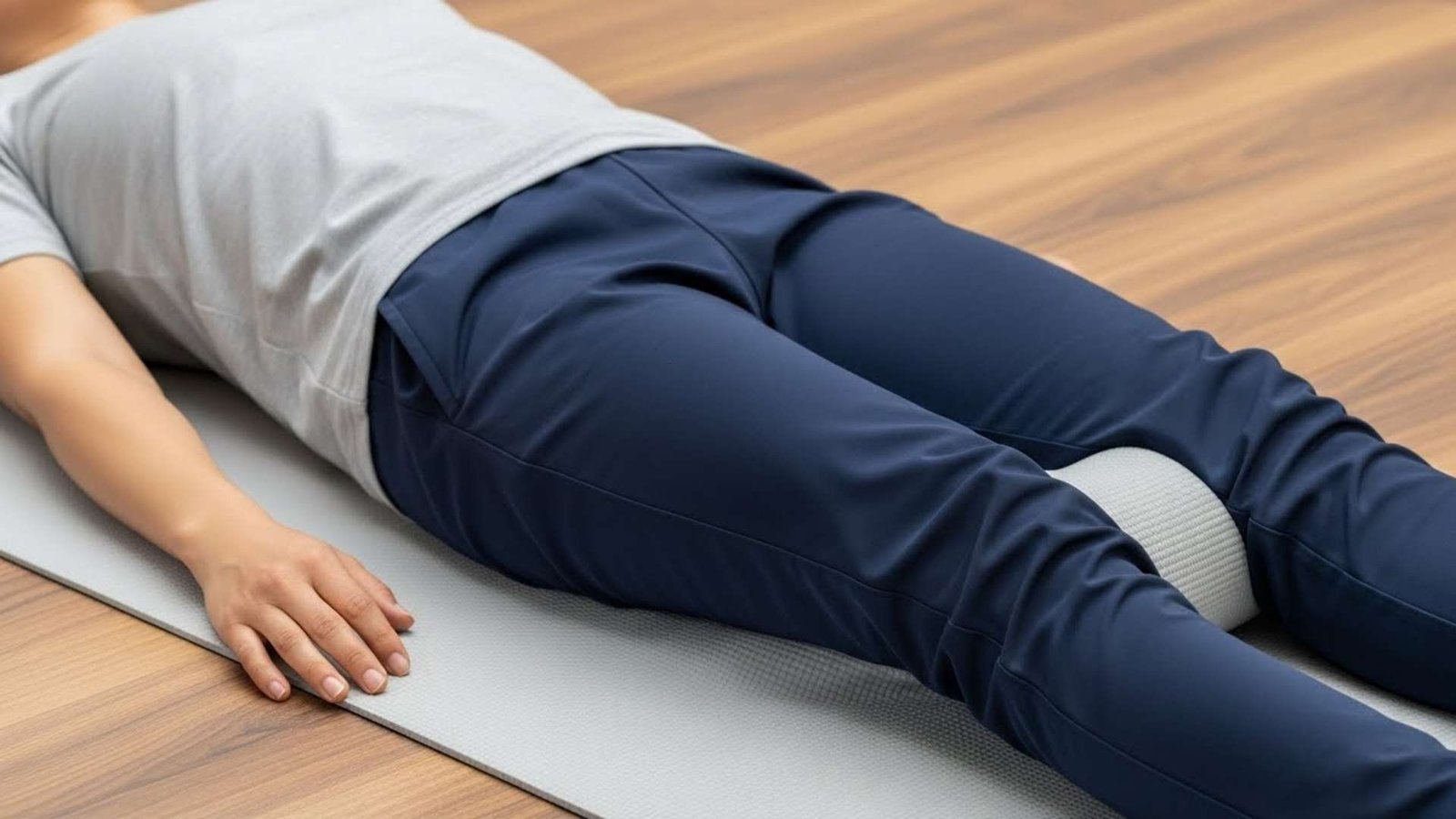
Try this right now. Lie flat on your back on the floor (or bed). Can you push the back of your knees down so they touch the surface?
The Warning Sign: If one leg goes flat and the other has a little gap, pay attention. This is often the first subtle sign of fluid swelling inside the joint capsule physically preventing the hinge from opening fully.
Mechanical Failures (The Scary Stuff)
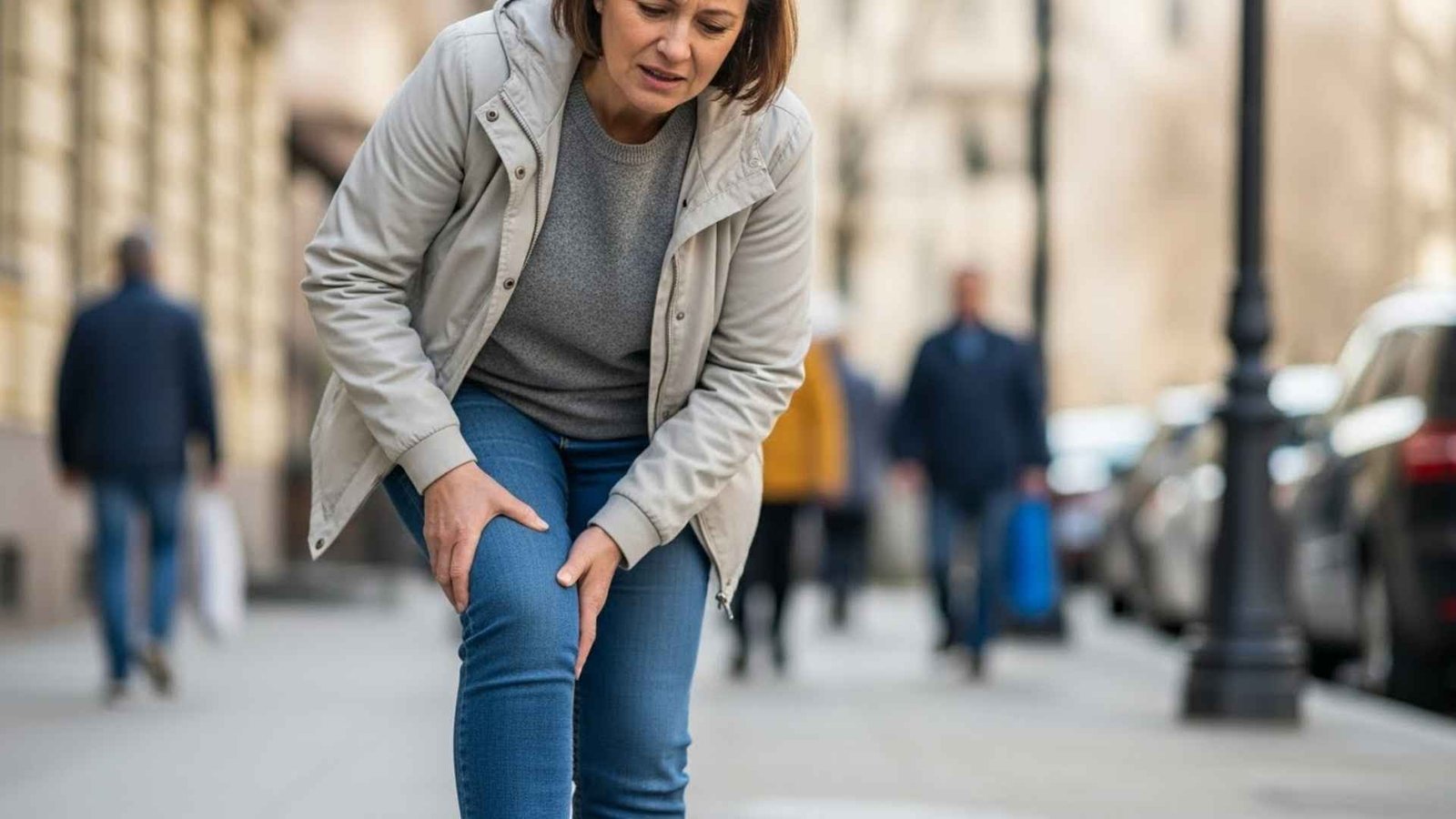
This is where we stop joking about aging. If your car’s steering wheel suddenly locked up while driving, you wouldn’t say, “Well, it’s an old car.” You’d go to a mechanic. Don’t ignore these in your legs.
6: The “Lock Up”
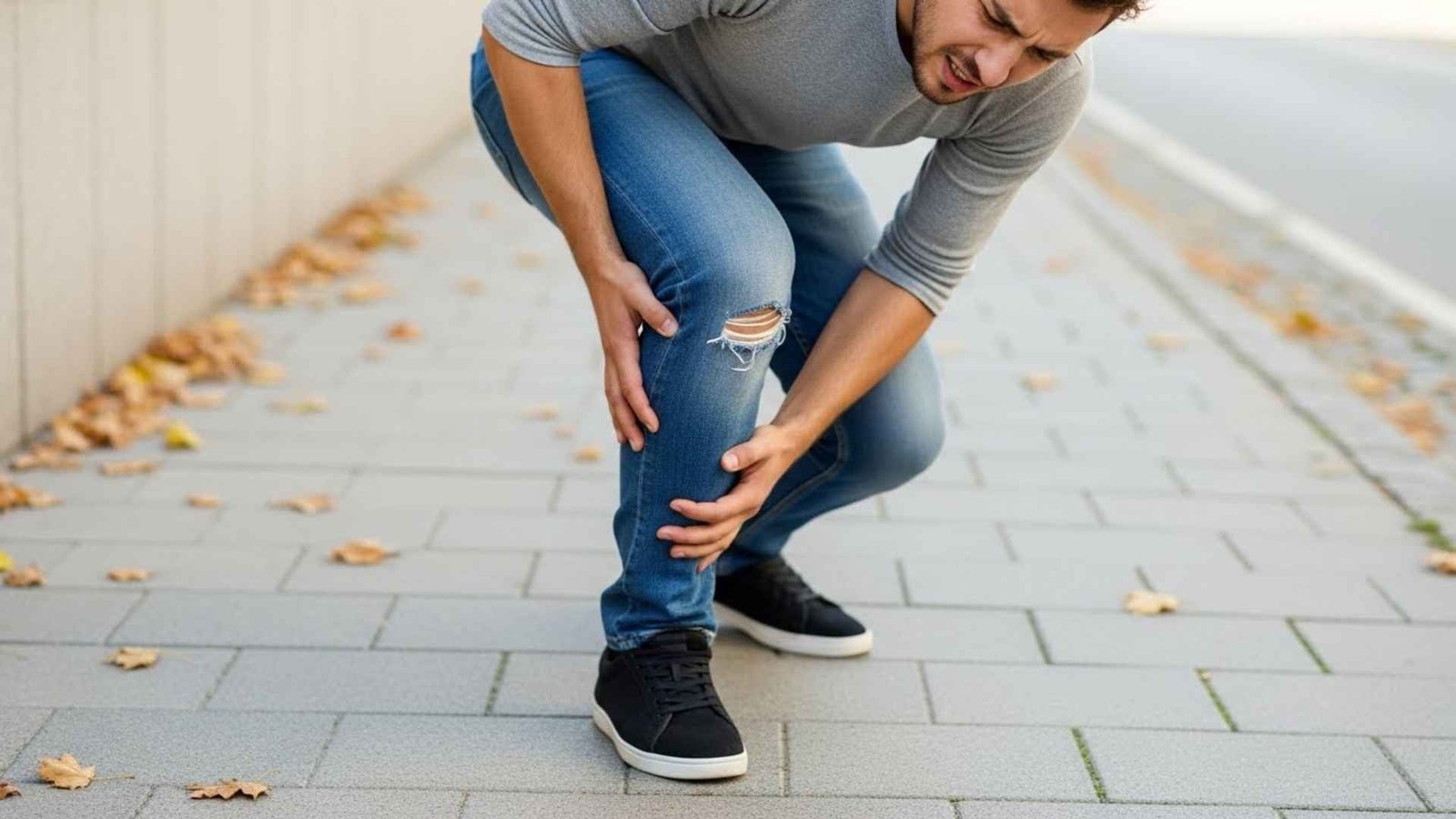
You’re walking, and suddenly your knees physically catches. You cannot straighten it. You have to wiggle it around to “clunk” it back into place.
The Cause: This is almost never aging. This is usually a mechanical block—like a torn flap of meniscus or a loose chip of bone floating around in the hinge like a pebble in a door jamb.
7: The “Give Way” (Buckling)

You step, and your knees just… disappear. It gives out.
The Cause: This is instability. It means your ligaments aren’t holding the fort, or your muscles (specifically the quads) have effectively “shut down” because of pain signals. It’s a major fall risk.
(Timing Is Everything)
The Downward Spiral
Pain specifically when going down stairs or hills? This is the classic sign of Runner’s Knee (Patellofemoral Pain).
“Painsomnia”
If knees throb at 2:00 AM and wake you up, it’s a chemical fire inside the joint (Inflammatory Pain).
Phantom Swelling
Doctors call this “effusion.” It’s your body’s airbag deploying to cushion a damaged area.
8. The Downward Spiral (Stairs)
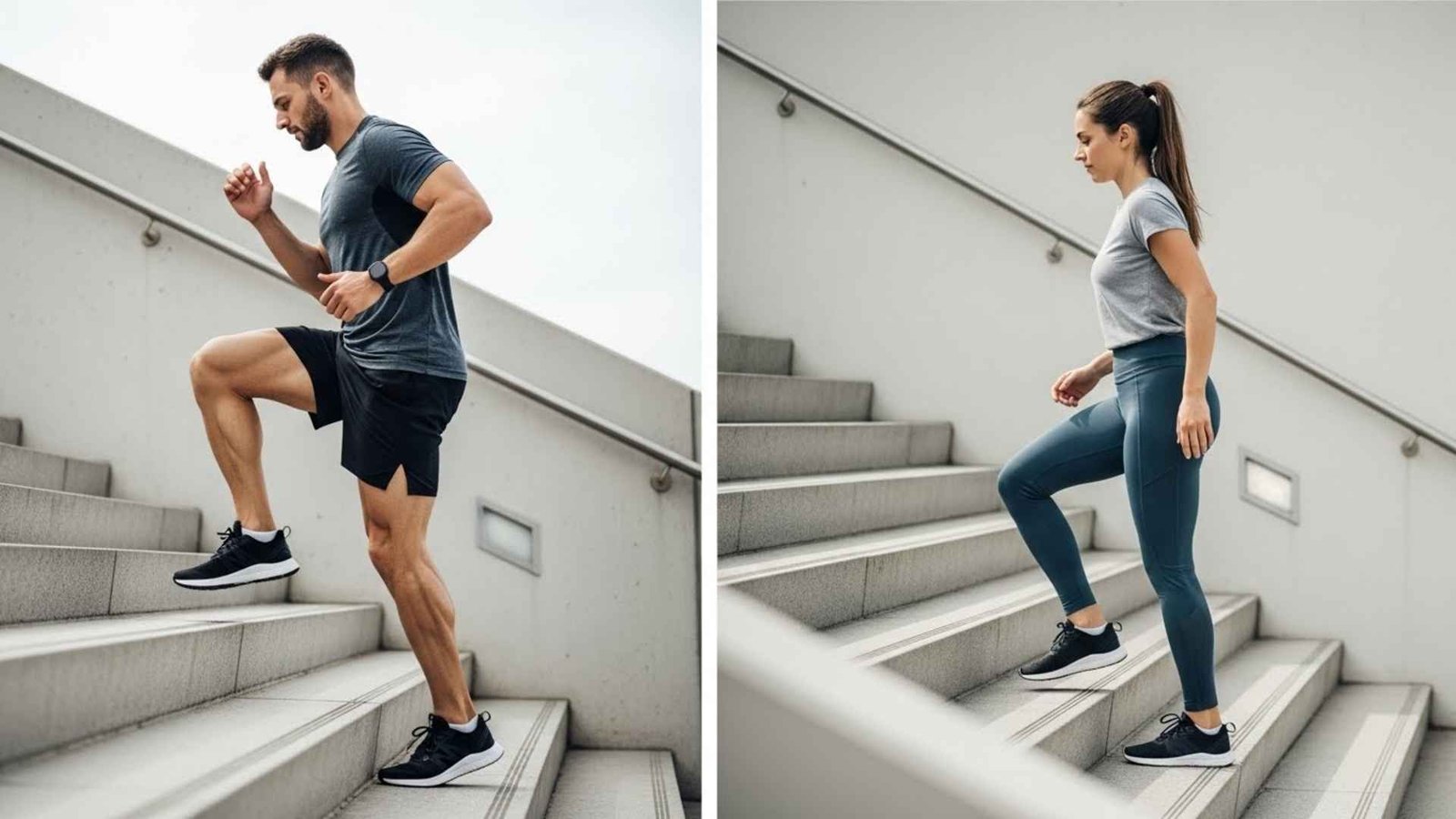
Going up stairs requires muscle. Going down stairs requires joint mechanics.
The Warning Sign: If you are fine walking flat but wince especially when going down stairs or hills. This is the classic sign of Patellofemoral Pain (Runner’s Knee). Gravity is driving your body weight into the worn-out cartilage behind your kneecap.
9. “Painsomnia” (Night Pain)

Mechanical aches (wear and tear) usually settle down when you rest.
The Warning Sign: If your knees start throbbing at 2:00 AM and wake you up, that is Inflammatory Pain . It doesn’t care that you’re resting. It’s a chemical fire inside the joint.
10. Phantom Swelling
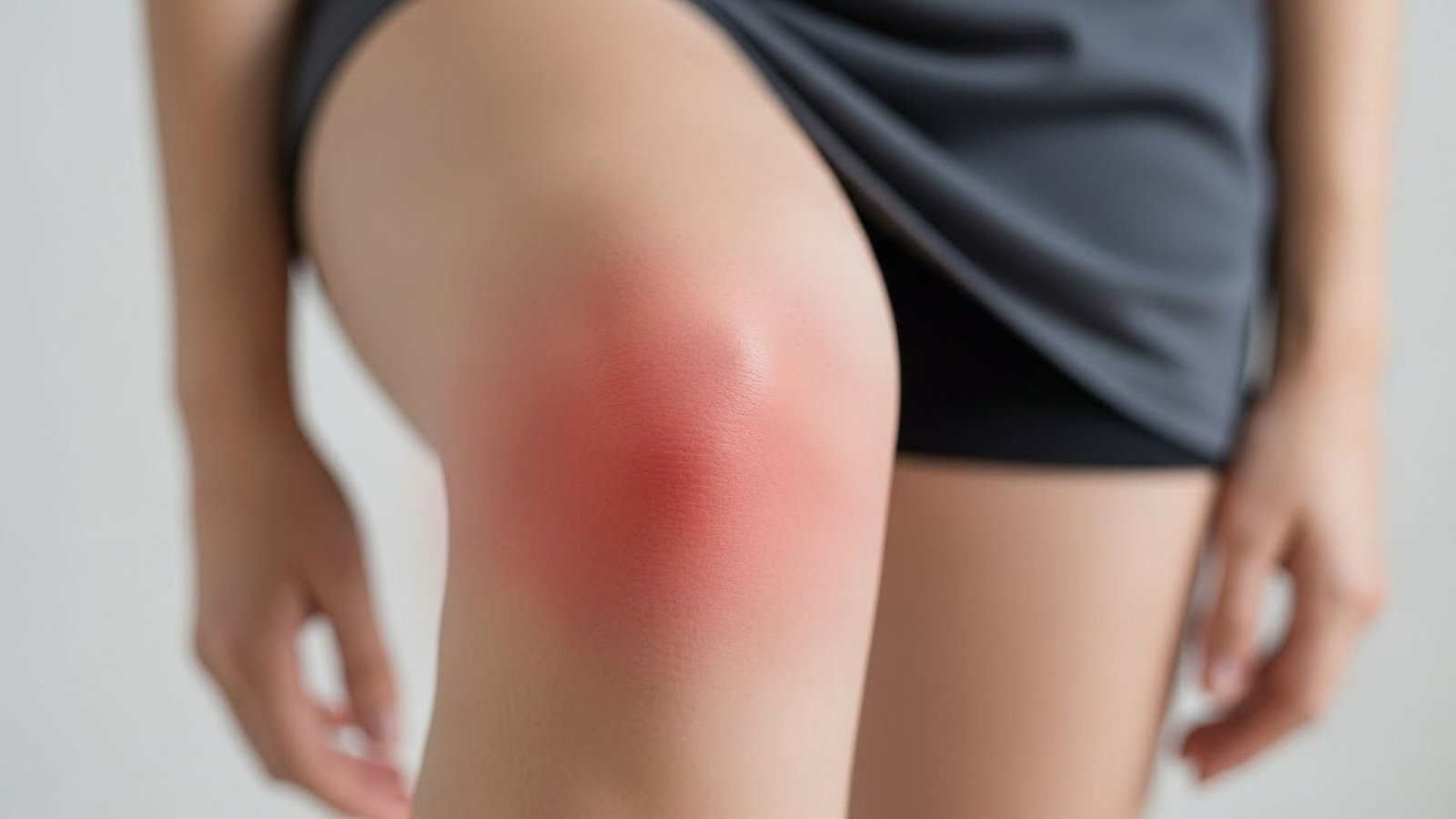
You look at your knees and it looks… puffy. You didn’t bump it. There’s no bruises. But the bony definition is gone.
The Warning Sign: Doctors call this “effusion.” It’s your body producing excess fluid to cushion a damaged area. It’s an airbag deploying.
“Wait, Did I Ruin My Knees?” (Busting the Myths)
Before we talk about fixing this, we have to unlearn the lies that are probably living rent-free in your head.
| The Mytha | The bathroom |
| “Running ruins your knees.” | False. Recreational runners have lower rates of arthritis (3.5%) than sedentary people (10.2%). Impact cartilage conditions like a callus. |
| “Cracking knuckles causes arthritis.” | False. Dr. Donald Unger cracked the knuckles on his left hand for 60 years (never the right) to prove this wrong. He won an Ig Nobel Prize. X-rays showed no difference. |
| “Rest is best.” | False. “Rest is Rust.” Inactivity causes muscles to atrophy (shrink), removing the support system for the joint. |
The “Joint Oil Change”
Your Maintenance Action Plan
It’s not judgment, it’s just physics. Every step you take multiplies the pressure on your knees.
Lose 5 pounds? That’s 20 pounds of grinding pressure gone with every step.
Strengthen the hips to save the knees. Grease the gears:
Okay, so you have a few of these signs. Don’t panic. You don’t necessarily need surgery. You need maintenance.
1. The Physics of Weight (No Judgment, Just Math)
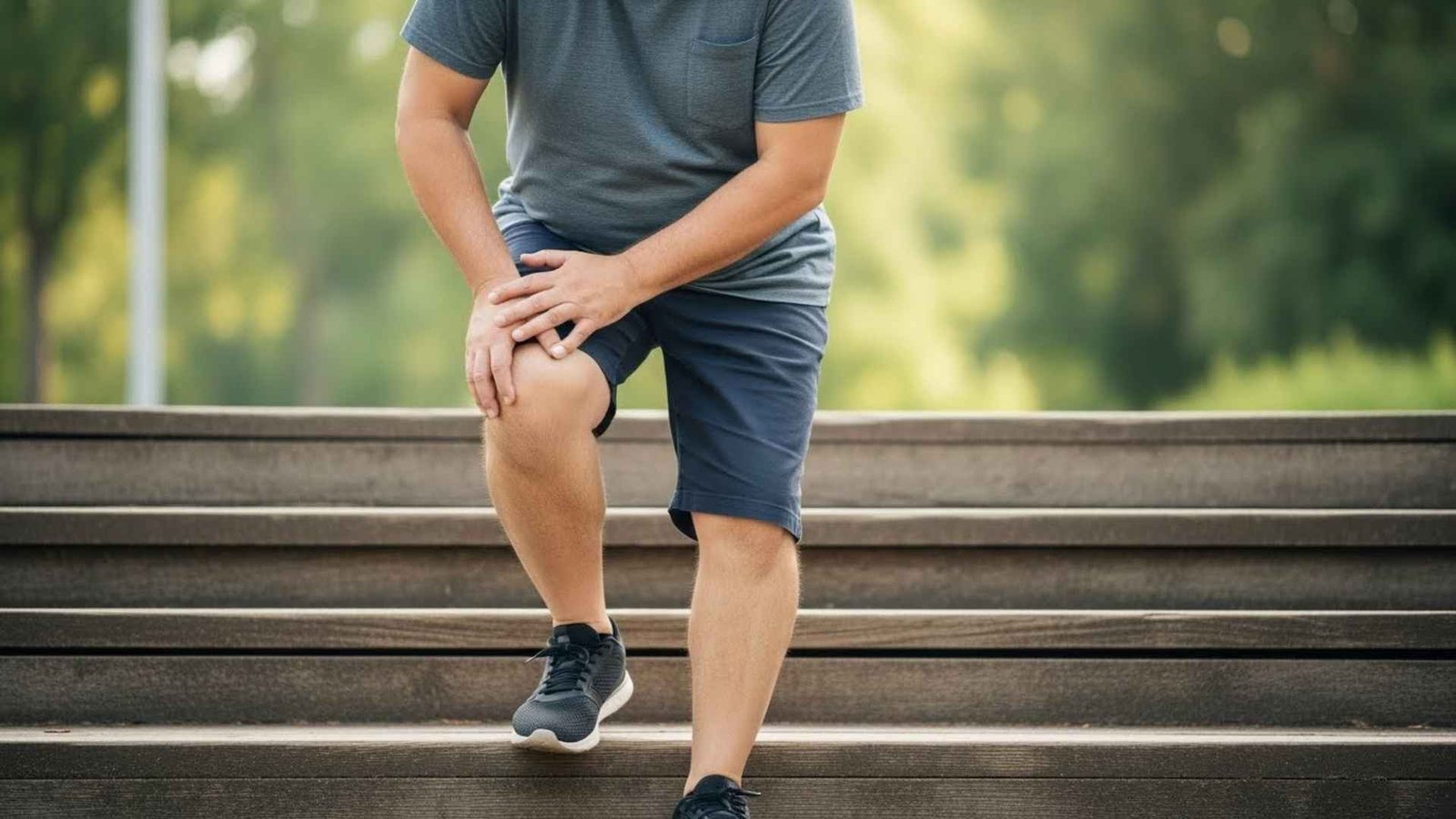
I hate talking about weight because it feels judgmental. But for knees, it’s just physics.
For every 1 pound of weight you lose, you relieve 4 pounds of pressure from your knees per step.
- Think about it: Lose 5 pounds? That’s 20 pounds of grinding pressure gone from your knees with every single step . It is the most effective painkiller available.
2. The “Daily 3” (Greasing the Gears)
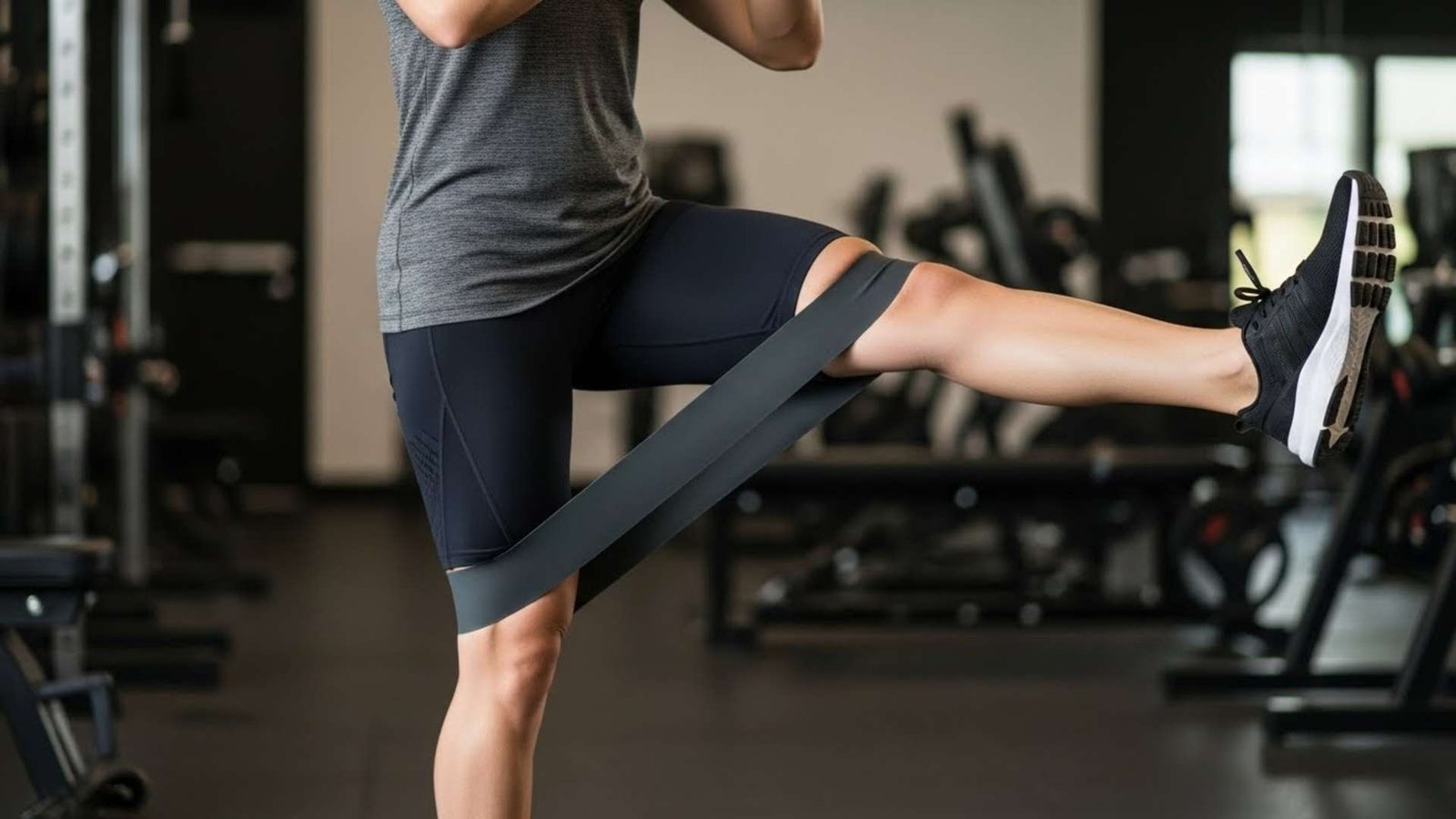
We need to strengthen the hips to save the knees. Do these three simple moves at home:
- Glute Bridges: Lie on back, lift hips. Builds the “engine” without grinding the gears.
- Clamshells: Lie on side, open top knees like a clam. Targets the hip stabilizers that stop knees from caving in.
- Terminal Knee Extension (TKE): Put a rolled-up towel under your knee while lying down. Straighten your legs to crush the towel, hold, and release. This wakes up the VMO (the teardrop muscle) that tracks your kneecap.
3. Kitchen Medicine

- Tart Cherry Juice: Studies suggest it can reduce inflammatory markers in the blood.
- Omega-3s: Salmon, walnuts, or fish oil acts as an internal fire extinguisher.
- Cut the Sugar: Sugar is basically inflammatory fuel.
Need More Help For Your Knees? Look Into These
Sometimes the “mechanic” (that’s you) needs the right tools to get the job done. I’ve looked around for a few things that actually align with the science we just talked about—no magic beans, just practical gear to help you reduce inflammation, sleep better, and strengthen those hips so your knees can finally take a break.
1. Fit Simplify Resistance Loop Bands:

Remember the “Clamshell” exercise I mentioned for hip strength? These are the bands you use for that. They are super affordable, take up zero space, and are the single best tool for strengthening your glutes without putting heavy weights on your joints.
2. PowerLix Compression Knee Sleeve:

If you have that “giving way” feeling or just general soreness during walks, this is a game changer. It provides compression (which helps with the swelling we talked about) without cutting off your circulation. It’s like a hug for your knees that reminds your muscles to stay engaged.
3. Sports Research Tart Cherry Concentrate:

If you aren’t keen on drinking sugary juice every day, these softgels are the “Kitchen Medicine” shortcut. They are made from Montmorency tart cherries and are highly rated for helping with inflammation and even sleep quality (helps with that Painsomnia).
4. Nordic Naturals Ultimate Omega:

If your joints feel like rusty hinges, you need internal lubrication. Omega-3s are the gold standard for this, but quality matters. Nordic Naturals is widely considered the best in class for purity (no fishy burps, I promise). It’s an investment in putting out the fire inside your joints.
5. Contour Legacy Leg & Knee Pillow:

For the side sleepers who wake up with throbbing knees: this is for you. It keeps your hips aligned and stops your knees from knocking together all night (bone-on-bone friction). It’s a simple fix that protects your joints while you’re unconscious.