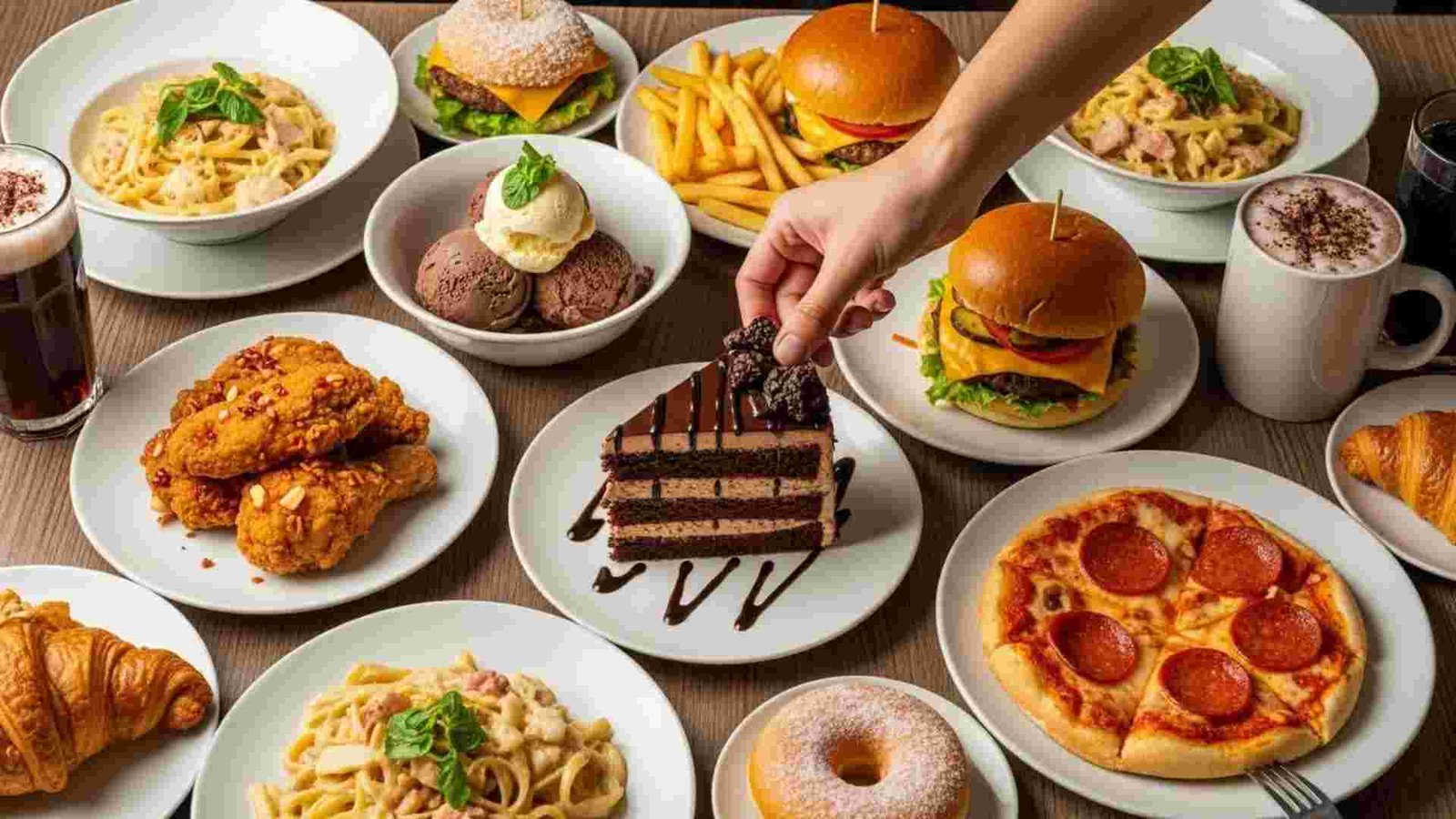
Your Stomach Hates Everything Now: 11 Digestive Changes Nobody Warned You About After 40


Let’s be honest for a second. You know that moment.
Maybe it was a Tuesday night. You had the same spicy takeout you’ve ordered for a decade. You had a glass of wine. Maybe two. Standard operating procedure. But this time, instead of waking up ready to crush the day, you woke up at 3:00 AM feeling like you’d swallowed a campfire.
Or maybe it’s the bloating that shows up at 4:00 PM like clockwork, making you want to unbutton your jeans right at your desk.
You probably told yourself it was stress. Or maybe you thought, “I just need to get back to the gym.” But here’s the reality nobody really talks about: It’s not just you, and it’s not just “getting older.” There is a legitimate, biological shift that happens right around the time we blow out forty candles. Doctors call it “gastrointestinal senescence,” which is a fancy way of saying your gut is aging.
I dug into the research—peer-reviewed studies, not just wellness blogs—to figure out exactly what breaks down. It turns out there are eleven specific changes happening inside us. And understanding them is the only way to stop fighting your body and start working with it.
The Acid Drop 🧪
(It’s Not What You Think!)
Here’s the biggest plot twist in digestive health: You probably don’t have too much stomach acid. You likely have too little.
When we’re twenty, our stomachs are like industrial vats of acid (pH 1.5 to 3.0), ready to dissolve a steak in record time. But after 40, those acid-producing pumps (parietal cells) start to atrophy. We stop making as much hydrochloric acid.
This is a problem for two massive reasons:
- The Sterilization Failure: Acid is our first line of defense. It kills bacteria on our food. When that acid barrier gets weak, bacteria that should die in the stomach survive and sneak into the small intestine. This is a huge trigger for SIBO (Small Intestinal Bacterial Overgrowth), which causes that “I look six months pregnant” bloating after meals.
- The Nutrient Lockout: You know how we’re told to take calcium and magnesium? Well, those minerals need acid to be absorbed. Without enough acid, you can take all the supplements you want, but they might just pass right through you. This is a silent driver of iron deficiency and weaker bones in midlife.
2. The Enzyme Gap (Your “Fuel Injectors” Are Clogged)

If the stomach is the prep cook, the pancreas is the head chef. It shoots enzymes into our food to break down fats, proteins, and carbs.
But research shows something fascinating happens to the pancreas as we age: it gets fatty. Seriously. Just like we might get a little softer around the middle, the pancreas develops “fatty infiltration” (steatosis). It shrinks a bit and gets replaced by fat cells.
The result? It stops shooting out as many enzymes, specifically lipase, which breaks down fat. So, if you suddenly feel nauseous or heavy after eating a cheeseburger, it’s not in your head. Your “fuel injector” is clogged. You literally don’t have the chemical power to break down that heavy meal anymore, so the fat just sits there, causing gas and greasy stools.
3. The Motility Brake (Why You Feel “Backed Up”)
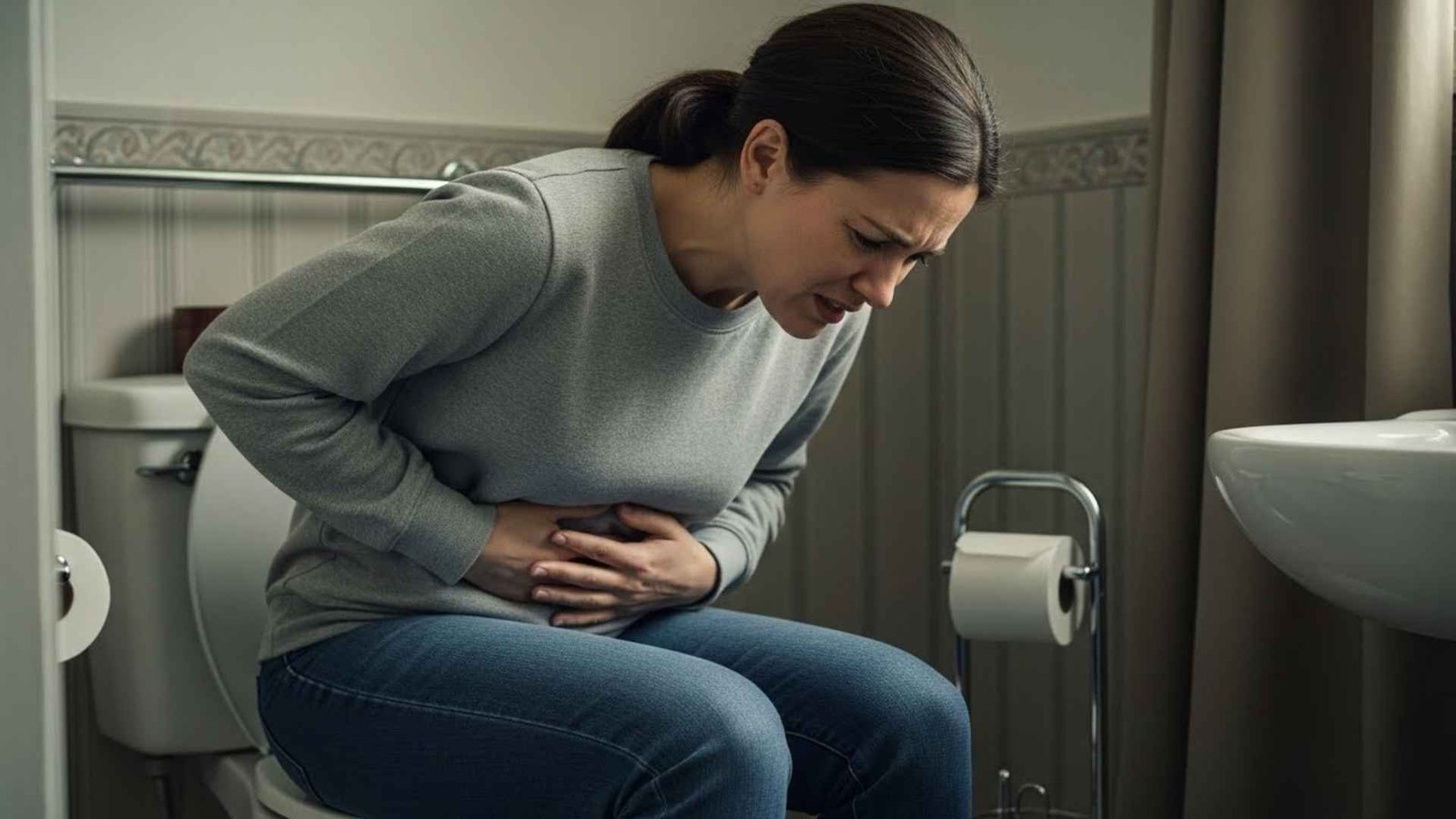
Digestion is basically a conveyor belt. In your youth, that belt moves fast. But as we age, the nerves that control the belt (the Enteric Nervous System) start to fray. We lose neurons in the gut.
Think of it like a neurological “brake” getting pressed.
The Stomach: It takes longer to empty. Food sits there, which makes you feel full faster and keeps gastric pressure high (hello, reflux).
The Colon: This is where it gets real. The colon stiffens up because of fibrosis (too much collagen, not enough stretchy elastin). It’s like trying to squeeze toothpaste out of a dried-up tube. The result is “slow-transit constipation.” You might still be “going,” but you’re not fully emptying, leaving you feeling perpetually heavy.
4. The Microbiome Shift (Your Inner Ecosystem is Aging)

You’ve heard of the microbiome. But did you know your bacteria age with you?
When we’re young, our gut is a jungle—diverse, wild, and resilient. After 40, it starts to look more like a monoculture farm. We lose the good guys (like Bifidobacteria) and the opportunistic bad guys (like Enterobacteriaceae) start taking over.
This matters because those good bacteria produce butyrate, a short-chain fatty acid that keeps your gut lining healthy and lowers inflammation. When they die off, inflammation creeps up. This is the mechanism behind “inflammaging”—that low-grade, constant inflammation that makes your joints ache and your brain foggy.
5. The Barrier Breakdown (Leaky Gut is Real)

I know, “leaky gut” sounds like something a snake oil salesman made up. But in medicine, it’s called intestinal permeability, and it’s a verified physiological change.
Your gut lining is one cell thick. That’s it. It’s held together by “tight junctions.” As we age, those junctions loosen up. On top of that, the protective mucus layer thins out.
Here’s the kicker: Food particles that used to stay inside the digestive tract start slipping through the wall and into your bloodstream. Your immune system sees these particles and freaks out. This is why you might suddenly develop a sensitivity to dairy or gluten at age 45 when you could eat it by the pound at age 25. Your body isn’t “allergic”; it’s just losing its border control.
The “Lazy” Valve 💤
Reflux & Gravity
Let’s talk about heartburn. It’s usually not because you have too much acid (see point #1). It’s mechanical.
There’s a valve between your throat and stomach called the LES. It’s a muscle. And just like your hamstrings or biceps might not be as snappy as they used to be, this valve gets lazy. It relaxes when it shouldn’t, letting stomach juice splash up.
Plus, by age 60, nearly 60% of us have a hiatal hernia—where the stomach actually slides up a bit into the chest cavity. It’s a structural failure.
Quick Win: Since the valve is lazy, you have to use physics. Sleeping on your left side is a game changer. It positions the stomach below the esophagus, so gravity keeps the acid down. Sleeping on your right side does the opposite—it basically pours the acid into your throat.
7. The Structural Weakness (Diverticula)

This one is startling. Look at the stats: Diverticulosis (little pockets blowing out of your colon wall) is rare before 40. But by age 60? It hits about 50% of us. By age 80? It’s over 60%.
It’s basically a “blowout” in the tire wall of your intestine. Years of pressure (straining) combined with weaker collagen means the wall gives way. Most of the time, you won’t know you have them. But if they get infected (diverticulitis), it’s incredibly painful. It’s the structural fingerprint of an older gut.
8. Hormones: The Menopause Bomb

Ladies, this one is for you. Estrogen and progesterone aren’t just for reproduction; they are gut regulators.
- Estrogen helps keep cortisol (stress hormone) in check. When estrogen drops, cortisol spikes, shutting down digestion.
- Progesterone relaxes smooth muscle. When it fluctuates wildly in perimenopause, your bowel movements go haywire—constipation one day, diarrhea the next.
It’s not in your head. It’s your hormones rewriting the rules of your digestion.
9. The Sensory Fade (Thirst Blindness)

This is scary. As we age, the “thirst sensors” in our brain get dull. We literally stop feeling thirsty, even when we are dehydrated.
Water is the lubricant for digestion. If you aren’t drinking enough, and you eat a bunch of fiber because you heard it’s “healthy,” you’re essentially creating a cement block in your colon. You have to drink water on a schedule now, not just when you feel like it.
10. The Liver Shrink
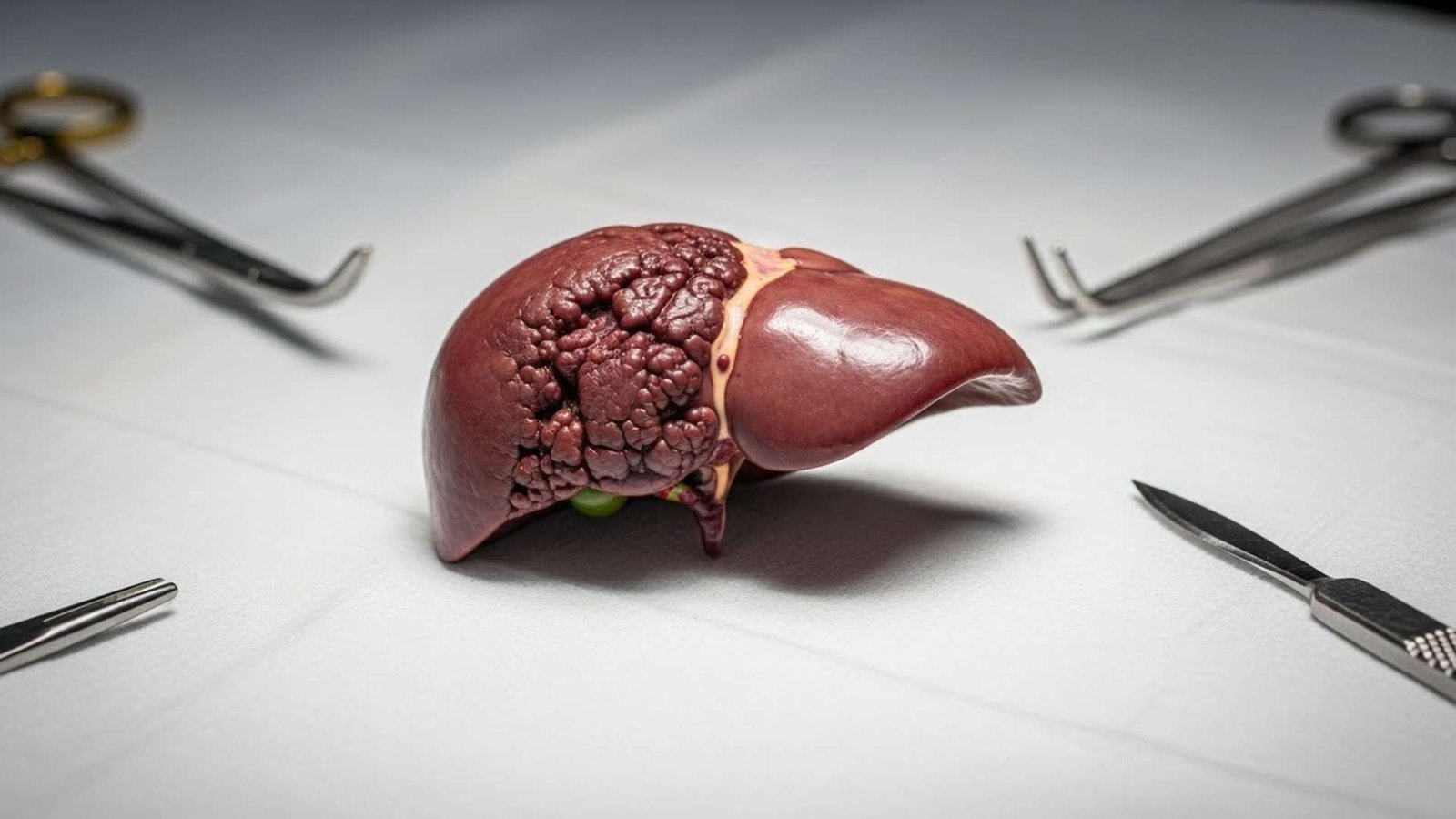
Your liver is your filter. Between age 20 and 70, liver blood flow drops by about 35%. The organ actually loses volume.
This is why you can’t drink like you used to. That hangover from two glasses of wine? It’s because your liver physically cannot clear the toxin (acetaldehyde) as fast as it once did. It lingers in your blood, poisoning you for longer. It’s a hard truth, but the “two-drink limit” isn’t a suggestion anymore; it’s a biological boundary.
11. The Neural Disconnect (Gut-Brain Axis)

Finally, the wiring gets faulty. The Vagus nerve—the superhighway connecting your brain and gut—loses “tone.” This means your gut becomes less resilient to stress. A bad day at work used to just be a bad day; now, it triggers immediate cramping or IBS symptoms because the “calm down” signal from your brain isn’t reaching your gut clearly.
Tools That Actually Help (No Snake Oil Here)
Look, I’m not saying you can buy your way out of biology, and I’m definitely not suggesting you fill your cabinet with magic pills. But sometimes, when the mechanics of your body start to shift, you need a few tools to bridge the gap. After digging through the research on motility, enzymes, and inflammation, I found a few things that actually align with the science we just talked about. These aren’t miracle cures; they’re just smart, practical assists for a system that’s working a little harder than it used to.
1. Squatty Potty: The Original Toilet Stool:

Remember how we talked about the “Motility Brake” and the stiffening colon (Change #3)? Physics is your best friend here. Our modern toilets actually kink the colon, making it harder to empty fully. This simple stool puts you in a squatting position, unkinking the “hose” so gravity can do the work that your aging muscles are struggling with. It’s low-tech, but it works.
2. Enzymedica Digest Gold + ATPro:

If you’re dealing with the “Enzyme Gap” (Change #2)—feeling heavy and bloated after a normal meal—this is a solid choice. It replaces the lipase, amylase, and protease that your “fatty pancreas” might not be producing enough of anymore. It helps break down the food before it hits your small intestine, reducing the gas and bloating that comes from undigested leftovers.
3. Fiber Fueled (The Book):

If you want to understand the “Microbiome Shift” (Change #4) without getting a PhD, Dr. Will Bulsiewicz’s book is the manual. He explains exactly how to rebuild that diversity in your gut using the “30-Plant Rule” we mentioned. It’s not a diet book; it’s an owner’s manual for your gut bugs.
4. Heather’s Tummy Tamers Peppermint Oil:

For that “Neural Disconnect” (Change #11) where your gut cramps up from stress or just because it feels like it, peppermint oil is a research-backed antispasmodic. It helps relax the smooth muscle of the gut. These capsules are enteric-coated, meaning they survive your stomach acid (which is important!) and release in the intestines where the cramping actually happens.
5. Traditional Medicinals Organic Ginger Aid Tea:

If you are dealing with sluggish emptying or mild nausea from the “Motility Brake,” ginger is a pro-kinetic—it actually stimulates the stomach to empty. Drinking a cup of this after a meal is a gentle, natural way to hit the gas pedal on digestion without taking medication.