
Your Annual Checkup Is Useless: 10 Critical Tests They’re Not Running After 50


You know the routine. It’s the same every year.
You sit in the waiting room, flipping through a magazine from 2019, waiting for your name to be called. You get weighed (always a fun moment), get your blood pressure cuff squeezed around your arm, and have a stethoscope pressed to your back while you take deep breaths. You give a few vials of blood, chat for five minutes about how “work is busy,” and then you leave.
A week later, you get the portal notification: “Labs look normal. See you next year.”
And you exhale. You did it. You’re “healthy.”
But here’s the uncomfortable truth that most of us learn the hard way: “Normal” does not mean healthy. In America, “normal” is just the average of a population that is increasingly sick, inflamed, and metabolically broken. Being “normal” in a sick society just means you’re dying at the same speed as everyone else.
Real health—longevity, vitality, the ability to play on the floor with your grandkids without groaning—requires looking deeper. It requires checking the engine before the smoke starts pouring out of the hood.
I’ve dug into the research, looked at the studies, and honestly, what standard medicine misses is shocking. We’re talking about tests that can spot heart disease, diabetes, and dementia risk decades before they show up on a standard panel.
Here are the 10 tests you probably aren’t getting, but absolutely need—especially if you’ve celebrated your 50th birthday.
1. The “Traffic Jam” in Your Arteries: Apolipoprotein B (ApoB)
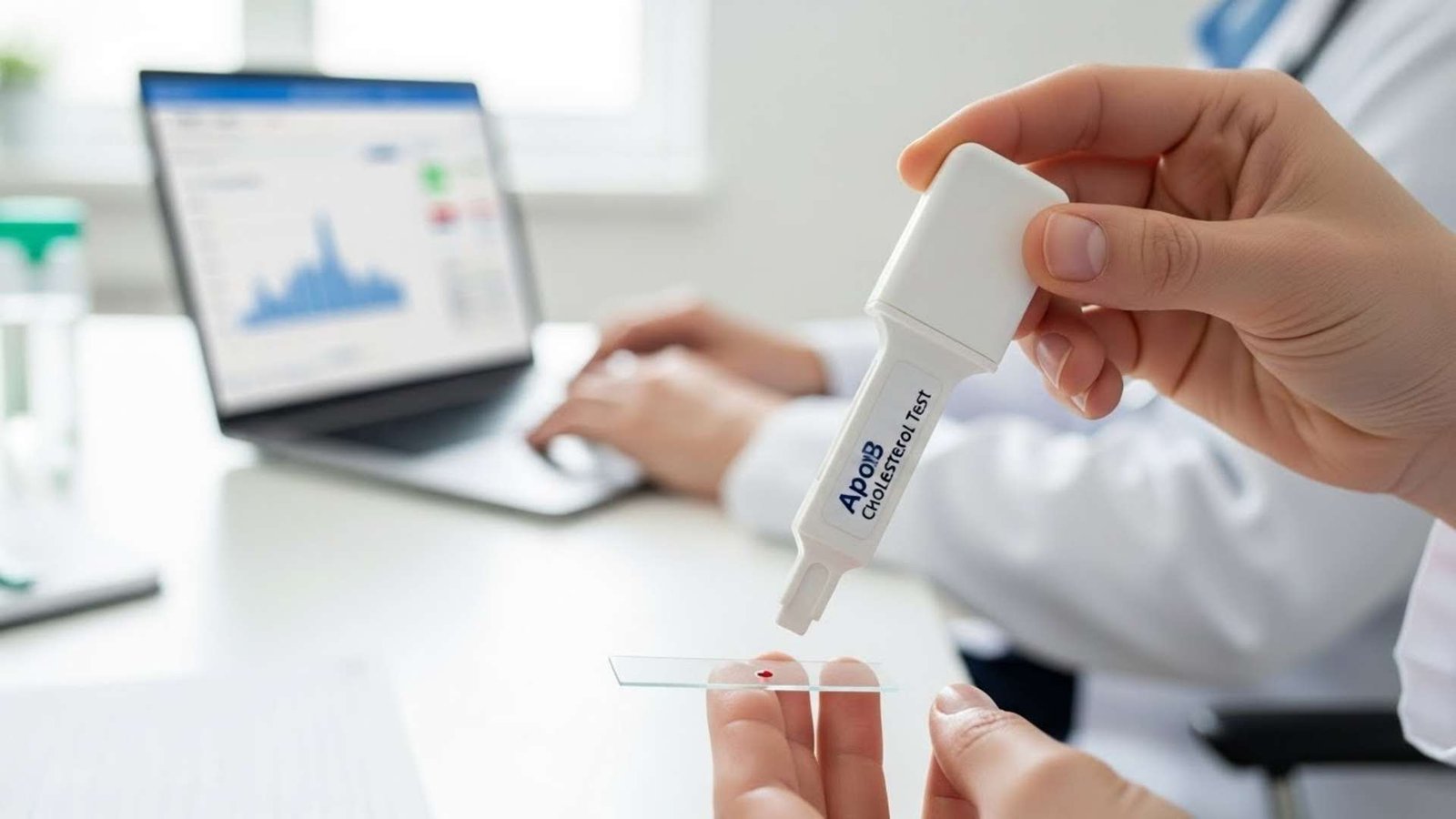
The Old Way: Measuring LDL Cholesterol (“Bad Cholesterol”). The Better Way: Measuring ApoB.
We’ve all been trained to obsess over our LDL number. But Dr. Peter Attia, a leading voice in longevity medicine, puts it perfectly: relying on LDL-C is like trying to predict a traffic jam by weighing the cars instead of counting them.
Here’s the deal: Cholesterol is the cargo. ApoB is the vehicle carrying it.
Atherosclerosis (heart disease) happens when these vehicles crash into your artery walls and get stuck. You could have a “normal” amount of cholesterol cargo (low LDL-C), but if it’s packed into thousands of tiny, dangerous vehicles (high ApoB), your arteries are under siege. This mismatch is called “discordance,” and it’s why nearly 50% of people who have heart attacks have “normal” cholesterol levels.
The Goal: You want to know exactly how many atherogenic particles are circulating in your blood.
- Ideal: < 60 mg/dL (This is where you want to be to virtually eliminate plaque progression).
- Standard “Normal”: Anything under 100 mg/dL is often flagged as fine. It’s not.
2. The Alarm Bell You Can’t Hear: Fasting Insulin

The Old Way: Fasting Glucose and HbA1c. The Better Way: Fasting Insulin.
This one drives me crazy. By the time your fasting blood sugar goes up, your metabolism has likely been struggling for 10 to 20 years.
Think of your pancreas like an engine. When you eat sugar or carbs, your pancreas pumps out insulin to handle it. In the early stages of insulin resistance (pre-diabetes), your pancreas works overtime—pumping out 2x, 3x, or 4x the normal amount of insulin just to keep your blood sugar stable.
Standard tests only check the blood sugar. They don’t check how hard the pancreas is working to keep it there. It’s like checking your car’s speed (65 mph) but ignoring that the engine is redlining at 8,000 RPMs to maintain it. Eventually, the engine blows.
Why it matters: High insulin isn’t just a diabetes warning; it’s a growth factor. It feeds cancer cells, packs on belly fat, and inflames the brain (Alzheimer’s is often called “Type 3 Diabetes”).
The Goal:
- Optimal: 2–5 µIU/mL.
- Warning Zone: Anything over 7 µIU/mL suggests you’re becoming resistant.
The Genetic Lottery
Ticket Type: Lipoprotein(a)Plaque
Inflammation
Clots
The Old Way: Ignoring genetics unless you have a family history. The Better Way: Testing Lp(a) once.
This is the biggest blind spot in cardiology. Lipoprotein(a), or Lp(a), is a sticky, nasty type of cholesterol particle that is almost entirely genetic. You can be a vegan marathon runner with 4% body fat and still have sky-high Lp(a) if you inherited the wrong gene.
It’s a triple threat: it builds plaque, it causes inflammation, and it promotes blood clots.
One in five people has elevated Lp(a), yet most have no idea until they—or a sibling—have a heart attack at 45. The European Society of Cardiology recommends everyone get this checked at least once in their life. You can’t change this number with diet or exercise (yet), but knowing it changes everything. If it’s high, you have to be aggressive about every other risk factor.
The Goal:
- Optimal: < 30 mg/dL (or < 75 nmol/L).
- Action: If it’s high, you need to drive your ApoB down as low as possible to compensate.
4. The Truth Serum: Coronary Artery Calcium (CAC) Scan

The Old Way: Guessing your risk with a calculator. The Better Way: Seeing the disease with your own eyes.
Blood tests deal in probabilities. A CAC Scan deals in facts.
This is a quick CT scan of your heart. It looks for calcified plaque in your arteries. Plaque = heart disease. It’s that simple. If you have a score of zero, your risk of having a heart attack in the next 10 years is incredibly low, essentially giving you a “warranty” period.
But if your score is high (over 100 or 400), you have established heart disease, regardless of what your cholesterol panel says. This test is the ultimate tie-breaker for anyone on the fence about taking statins or other interventions.
The Goal:
- Ideal: A score of 0.
- Reality Check: If your score is > 0, the disease process has started. Time to get serious.
5. The “Fire” Check: High-Sensitivity C-Reactive Protein (hs-CRP)

The Old Way: waiting for pain or fever. The Better Way: finding the silent burn.
You’ve heard that inflammation is the root of all evil? Well, hs-CRP is how we measure it.
Unlike the standard CRP test (which checks if you have an acute infection like pneumonia), “High-Sensitivity” CRP measures the low-grade, simmering inflammation that damages your blood vessels over decades. It’s the smoke detector for your body.
If your LDL is high, that’s bad. But if your LDL is high and your inflammation is high? That’s a ticking time bomb. The JUPITER trial showed that people with normal cholesterol but high inflammation were still at major risk.
The Goal:
- Optimal: < 1.0 mg/L.
- Danger: > 3.0 mg/L implies your body is fighting something—whether it’s visceral fat, a dental infection, or chronic stress.
Brain Protector
HomocysteineHigh levels become a neurotoxin. It shreds arteries and shrinks the brain!
The Old Way: Waiting for memory loss. The Better Way: Checking methylation status.
Homocysteine is an amino acid that can accumulate in your blood if your “methylation” cycle is broken. This cycle is how your body repairs DNA and detoxifies.
When homocysteine gets too high, it becomes a neurotoxin. It shreds your arteries and shrinks your brain. High levels are strongly linked to Alzheimer’s, stroke, and bone fractures. The crazy part? It’s often just a B-vitamin deficiency (B12, Folate, B6) or a genetic quirk (MTHFR mutation) that is easily fixed with the right supplement.
The Goal:
- Optimal: 5–9 µmol/L.
- Standard “Normal”: Labs often say up to 15 is fine. Functional medicine experts disagree strongly—risk starts rising over 10 or 11.
7. The Kidney Reality Check: Cystatin C

The Old Way: Creatinine. The Better Way: Cystatin C.
Standard kidney tests (Creatinine) are flawed because they depend on how much muscle you have.
If you are over 50 and have lost some muscle mass (which happens to the best of us), your creatinine levels will drop. The lab sees this low number and assumes your kidneys are super-efficient. In reality, your kidneys might be struggling, but the test is masked by your muscle loss.
Cystatin C doesn’t care about your muscle mass. It comes from all cells and gives a brutally honest look at how well your kidneys are filtering toxins.
The Goal:
- Strategy: Ask for both. If there’s a gap between your Creatinine eGFR and Cystatin C eGFR, trust the Cystatin C.
8. The Silent Liver Stressor: GGT
The Old Way: Checking AST/ALT only. The Better Way: Adding GGT.
Doctors usually only check GGT if they think you’re an alcoholic. But it’s so much more than that.
GGT is a measure of “oxidative stress”—essentially, how fast your body is rusting. It rises when your liver is struggling to clear toxins, whether from environmental chemicals, processed food, or just metabolic overload. It is an incredibly sensitive early warning sign for Fatty Liver Disease, which affects millions of non-drinkers.
The Goal:
- Optimal: Men < 30 U/L; Women < 20 U/L.
- Insight: If this is creeping up, your liver needs support (think cruciferous veggies, NAC, or cutting back on sugar/alcohol).
9. The Mineral You’re Probably Missing: RBC Magnesium

The Old Way: Serum Magnesium. The Better Way: RBC Magnesium.
Magnesium is the “chill pill” mineral. It relaxes muscles, helps you sleep, and manages blood pressure. But here’s the trick: your body will steal magnesium from your bones and tissues to keep blood levels stable.
So, you can have a “normal” serum magnesium test while your cells are starving for it. RBC Magnesium measures the magnesium inside your red blood cells, giving you the truth about your body’s reserves.
The Goal:
- Optimal: > 6.0 mg/dL.
- Feeling: If you have cramps, palpitations, or anxiety, trust your symptoms and this test over the standard serum test.
10. The Fish Oil Truth: Omega-3 Index
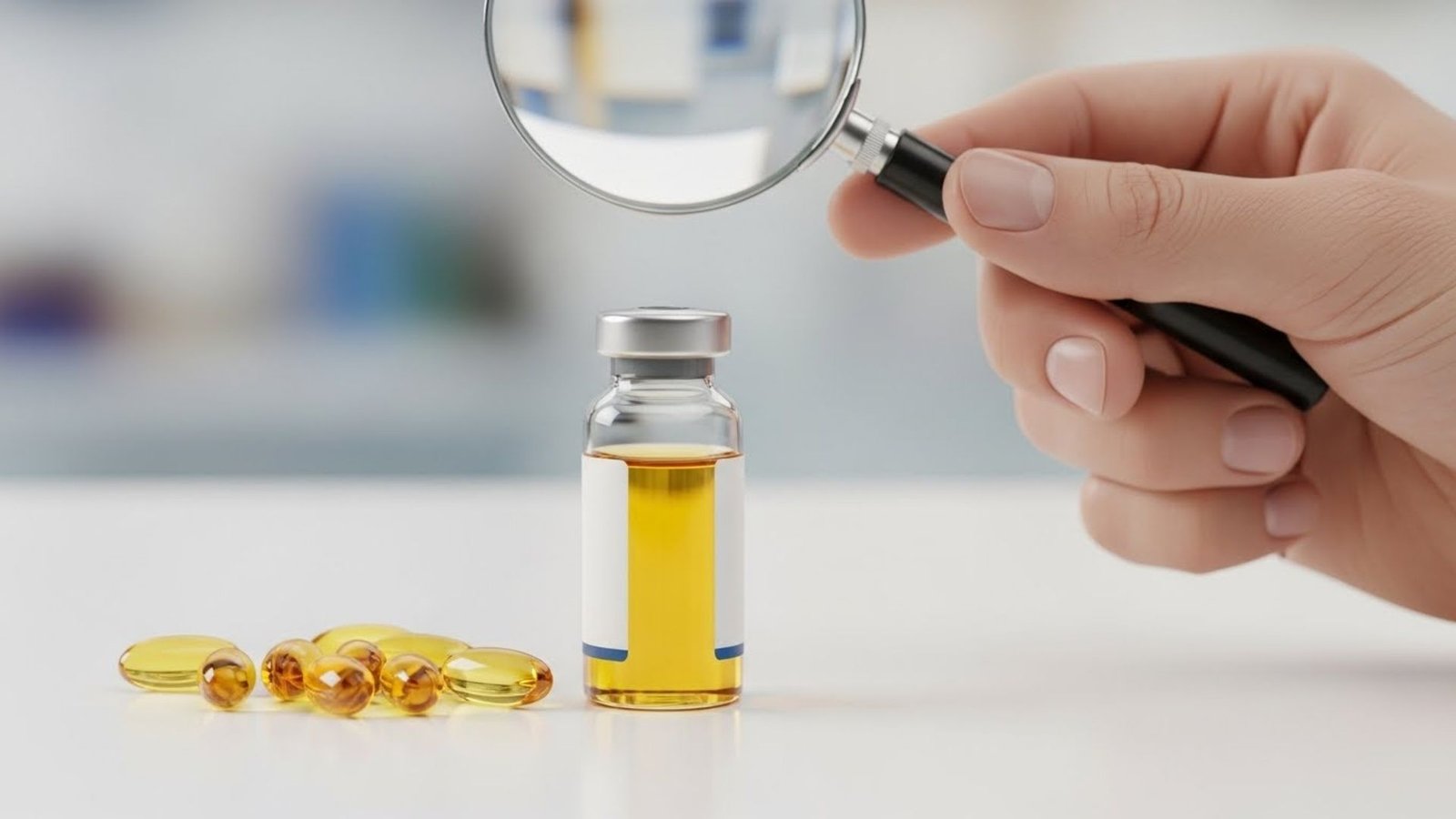
The Old Way: “I take a fish oil pill sometimes.” The Better Way: Measuring the actual percentage in your blood.
You are not what you eat; you are what you absorb. You can swallow fish oil capsules all day, but if they are low quality, or if your genetics make absorption hard, you might still be deficient.
The Omega-3 Index measures the percentage of EPA and DHA in your red blood cell membranes. A landmark 2024 study showed that people with high levels were 21% less likely to develop heart failure and significantly less likely to die early.
The Goal:
- Target: > 8%.
- Average American: Usually around 4% (Danger Zone).
Tools to Take Control: Useful Products for Your Journey
Knowledge is power, but sometimes you need the right tools to put that knowledge into action. While nothing replaces a good doctor, there are some incredible resources available now that let you track your own data or support your biology from home. Whether you want to dive deeper into the science of longevity or simply test your levels without a doctor’s order, these are some high-quality options worth looking into.
1. Outlive: The Science & Art of Longevity by Peter Attia MD

If this article resonated with you, this book is the manual. It’s a deep dive into “Medicine 3.0″—the shift from treating disease to optimizing healthspan. It covers everything from ApoB to emotional health in detail.
2. OmegaQuant Omega-3 Index Test Kit

top guessing if your fish oil is working. This is the gold-standard at-home test used in major research studies. A simple finger prick tells you exactly where you stand on the 4% to 8% scale.
3. Everlywell Heart Health Test
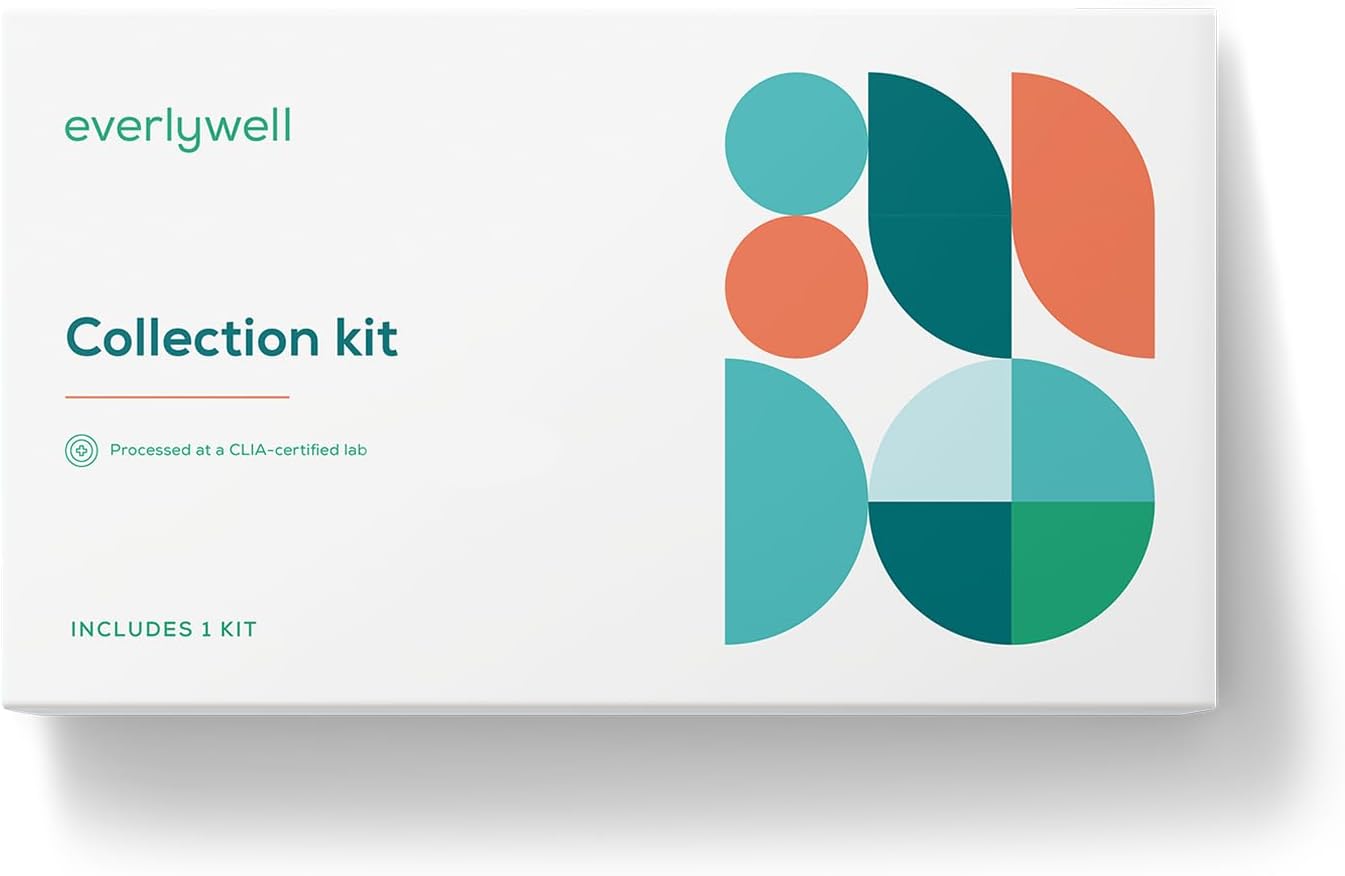
If you want a broad look at your cardiovascular risk without visiting a lab, this kit measures Total Cholesterol, HDL, Calculated LDL, Triglycerides, and HbA1c—all from home.
4. Thorne Methyl-Guard

If you discover your Homocysteine levels are high (or if you know you have the MTHFR gene variant), this supplement is specifically formulated with the active, methylated forms of Folate and B12 to support healthy methylation.
5. A1CNow Self Check

For those keeping an eye on their metabolic health, this lets you check your HbA1c (your 3-month blood sugar average) at home in just 5 minutes. It’s a great way to see if your diet changes are actually moving the needle.