Embassy Worker Exposes 7 Passport Mistakes That Strand Seniors Abroad—Including 3 That Seem Completely Legal


You know that specific kind of anxiety you get right before a big trip? The one where you wake up at 3 AM wondering if you packed your medication or if you left the stove on?
Usually, those fears are unfounded. But there is one travel nightmare that is statistically real, and it’s happening to thousands of well-prepared travelers every single day. It’s the moment you hand your passport to an airline agent, confident because you checked the expiration date and you know it’s good for another four months, only to hear five words that make your stomach drop:
“I’m sorry, you cannot board.”
It feels like a mistake. A computer glitch. But it’s usually not.
We recently dug into reports from former consular officers—the folks who used to sit behind the glass at U.S. embassies—and cross-referenced them with data from the State Department and airline regulators. What we found is a minefield of “silent failures.” These are situations where your passport is technically valid to you and the U.S. government, but completely useless to the country you’re trying to visit.
If you are over 60, travel with a passport that’s been around the block a few times, or love cruising, this report is your lifeline. Let’s look at the seven mistakes that are stranding seniors abroad—starting with the ones that seem completely legal.
1. The “Six-Month” Lie (And Why It Traps Seniors)

Here is the most dangerous misconception in travel: “My passport is valid until the expiration date printed on the page.”
If you are flying back home to the U.S., that’s true. But if you are trying to leave? It’s dead wrong.
Many of us grew up in an era where a document was valid until it expired. But in the post-9/11 world, borders have become digital fortresses. Countries are terrified of “overstayers”—people who come for a week, get sick or hurt, and end up stuck in a hospital for months. If your passport expires while you are stuck there, you become a diplomatic nightmare. They can’t deport you, and they can’t keep you.
To prevent this, dozens of countries have hard-coded a “Validity Buffer” into the airline’s computer systems.
The Breakdown
- The Hardline Countries (Asia & Middle East): Places like Thailand, Vietnam, Mainland China, India, and Indonesia strictly require 6 months of validity remaining from the date you arrive. If you have 5 months and 28 days left? You aren’t getting on the plane. Period.
- The European Trap (Schengen Zone): Europe is tricky. They technically require 3 months beyond your intended departure. But since border guards don’t know exactly when you’ll leave, the “safe harbor” rule is effectively 6 months.
- The Senior Risk: We see this often with “bucket list” trips to Italy or France. You check your passport, see it expires in four months, and think, “Plenty of time for a two-week trip.” The airline computer will disagree.
The “Six-Month Club” Exception

Some countries are nicer. Canada, Mexico, and the UK generally only require your passport to be valid for the length of your stay. But don’t let this lull you into a false sense of security. Just because you got into Cabo with a near-expired passport doesn’t mean you can do the same for Bangkok.
Insider Tip: Adopt the “One Year Rule.” If your passport has less than one year of life left, renew it. Don’t try to squeeze one last trip out of it. It’s not worth the risk.
2. The “Blank Page” Roulette

Imagine flying 18 hours to Johannesburg, South Africa, stepping up to the immigration desk, and being put right back on a plane home because your passport book was too full.
This happens. Frequently.
We tend to treat our passports like stamp collections—the more, the better. But for countries like South Africa, blank pages are a legal requirement. They mandate two consecutive blank visa pages for entry. If you have plenty of space on the “Endorsements” pages (the ones at the back), that doesn’t count. They need the pages marked “Visa.”
- Why it happens: Immigration officers need space to stamp you in and out. If they can’t find a clean spot, they can refuse entry.
- The Fix: Open your book right now. If you don’t have at least 2-4 pristine, ink-free “Visa” pages, you need a renewal. You can no longer pay to have extra pages sewn in (that service ended in 2016).
3. The “Passport Card” Confusion

This is the mistake that breaks our hearts the most because it usually involves a medical emergency.
The U.S. issues two travel documents: the blue Passport Book and the credit-card-sized Passport Card. The Card is fantastic for driving across the border to Mexico or Canada, or for taking a “closed-loop” cruise (one that starts and ends in the same U.S. port) to the Caribbean.
Here is the scenario that traps people: You go on a Caribbean cruise with just your Passport Card. It’s allowed! You’re having a great time in Jamaica until you slip by the pool and break a hip, or have a heart issue. You need to be flown home immediately.
The Problem: The Passport Card is not valid for international air travel. Not ever.
You cannot board a commercial flight or a medical evacuation jet from a foreign country with just a Passport Card. You are effectively stranded. You will have to wait while the local U.S. embassy issues you an emergency passport—a process that can take days while you are injured and just want to go home.
The Rule: If you are leaving the U.S. by any means—boat, car, or train—bring the Book. Leave the Card in your wallet as a backup ID, but never rely on it for travel.
4. The “Washing Machine” Disaster (RFID Failure)
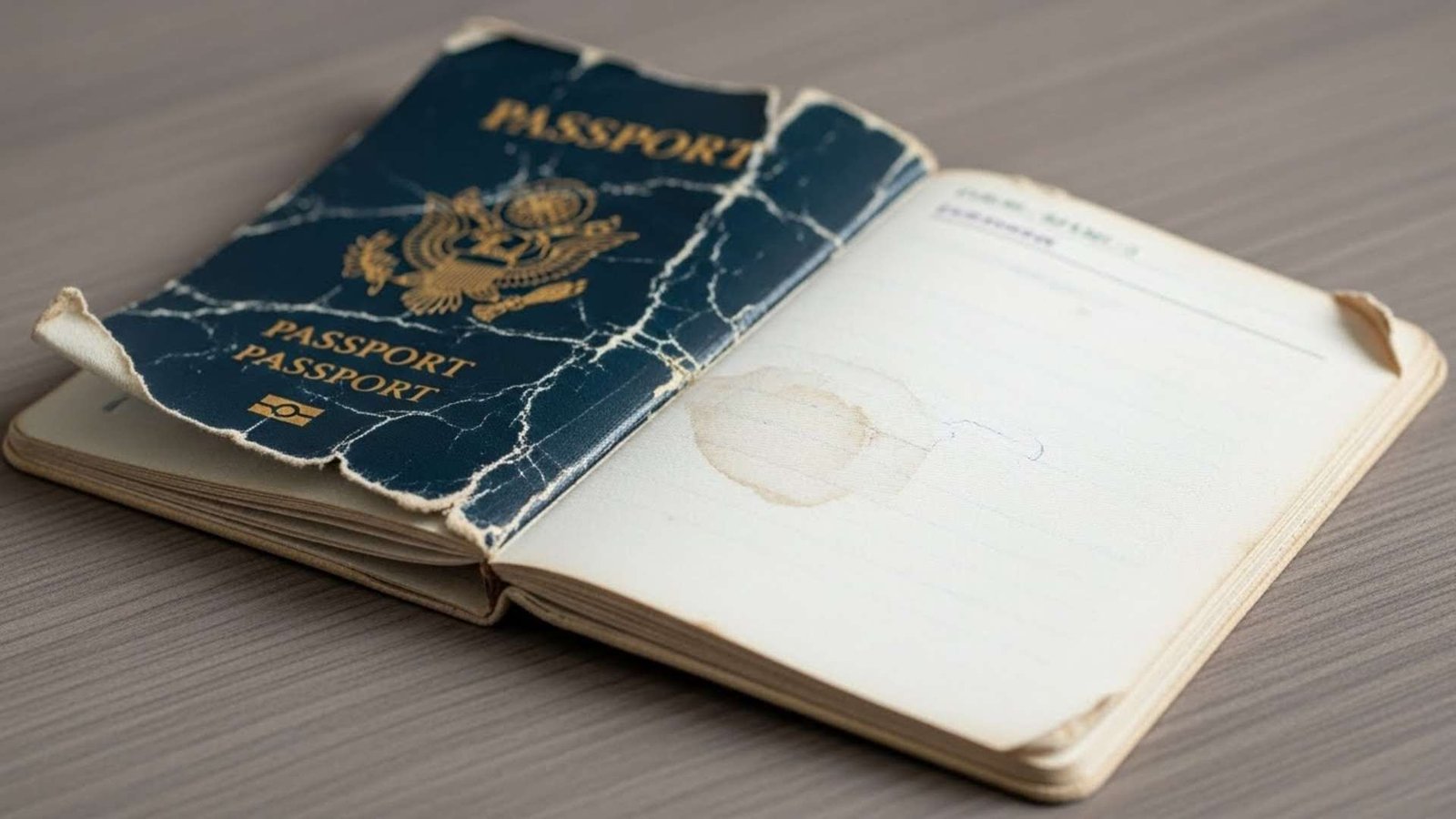
Let’s talk about the physical book. You might think a little water damage is fine as long as your face is visible.
Look at the diagram below. See that chip in the back cover?
Modern “e-Passports” have a delicate antenna loop embedded in the cover. If you accidentally run your passport through the wash, or if you have a habit of keeping it in your back pocket and sitting on it, you can snap that antenna or corrode the chip contacts.
If that chip doesn’t work, the automated eGates (like the ones in London or Paris) won’t open for you. You’ll be sent to a manual desk. While a human officer can verify you manually, a “dead chip” makes them suspicious. It triggers a forensic check. You’re starting your interaction with border security on the wrong foot.
Pro Tip: You can check your chip yourself! Download a free app like ReadID Me on your smartphone. It uses your phone’s NFC reader (the same tech you use for Apple Pay) to scan your passport chip. If your phone can’t read it, the airport scanners probably can’t either.
The “You Don’t Look Like You” Problem
Facial recognition struggles with “age progression.”
Are you at risk of a Biometric Mismatch?
- Significant weight change
- Facial surgery or trauma
- Changed gender presentation
- Simple aging (9+ years)
Machines aren’t human. If the eGate rejects you, you face scrutiny.
We all age. It’s a fact of life. But for facial recognition algorithms, aging is a “data discrepancy.”
The National Institute of Standards and Technology (NIST) has found that facial recognition systems struggle more with “age progression”—matching an old photo to a current face—in senior citizens than in younger groups.
If your passport photo is 9 years old, and in that time you’ve:
- Lost or gained a significant amount of weight.
- Had facial surgery or trauma.
- Changed your gender presentation.
- Or simply aged significantly…
…you are at risk of a “Biometric Mismatch.”
The State Department officially says normal aging is fine. But we aren’t just dealing with humans anymore; we’re dealing with machines. If the eGate rejects you, you face scrutiny. If you look significantly different from your 2015 photo, do yourself a favor and renew early with a current picture.
6. The Administrative Trap: Debt

This one shocks people. Did you know your passport is tied to your financial standing with the government?
There are two major financial triggers that can cause the State Department to silently revoke your passport or deny your renewal application.
- Child Support: If you owe more than $2,500 in child support arrears, you are grounded. This threshold is surprisingly low and hasn’t changed in years.
- Tax Debt: The IRS can certify you as having “seriously delinquent tax debt.” For 2024, that number is $62,000.
The Signature Slip-Up
Wait! Is that passport signed?
It sounds trivial, but an unsigned passport is technically an invalid travel document. While TSA might wave you through in the U.S., strict border guards in Germany or the UK can—and have—fined travelers or denied them entry for presenting an unsigned book.
The Fix: Sign it. In ink. Now.
Smart Gear to “Future-Proof” Your Trip
We’ve talked a lot about what not to do, but sometimes a small investment in the right gear can save you from a massive headache. We dug through Amazon to find the highest-rated travel tools that directly solve the specific problems we just discussed—from water damage protection to keeping those “book vs. card” documents sorted.
Here are 5 travel essentials that act as a cheap insurance policy for your expensive vacation:
1. Waterproof Passport Pouch:

Remember the “Washing Machine” disaster? This simple pouch is a lifesaver if you’re heading to a beach destination or just want to protect your documents from unexpected downpours or spills in your bag. It’s cheap peace of mind.
2. Family Travel Document Organizer:

One of the biggest causes of the “Passport Card vs. Book” mix-up is disorganization. This organizer lets you keep everyone’s books, cards, and boarding passes in dedicated slots so you can visually confirm you have the right document before you leave the house.
3. Apple AirTag (4-Pack):
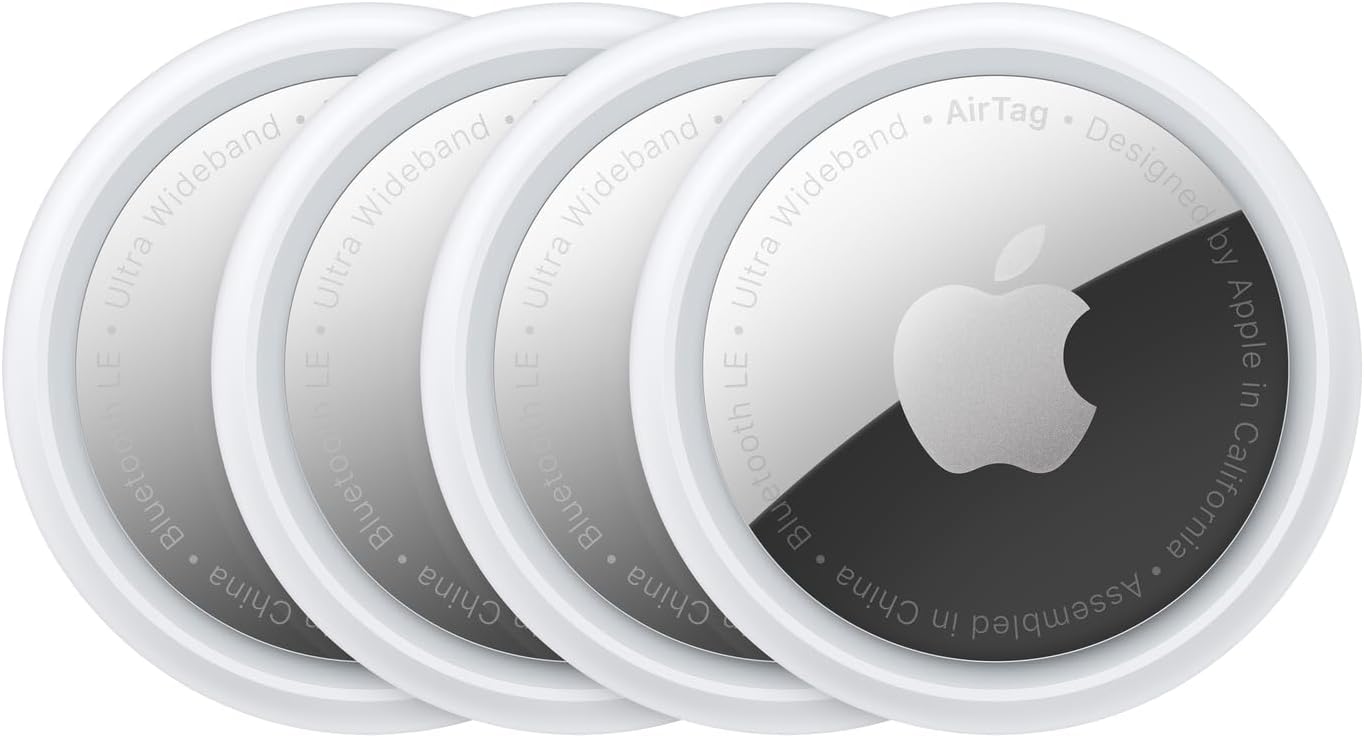
If you lose the bag containing your passport, your trip is effectively over. Pop one of these in your document organizer or carry-on. If you leave it in a taxi or the airport lounge, your phone will guide you right back to it.
4. Travel Pill Organizer:

We mentioned the risk of medical emergencies stranding you abroad. Keeping your medication organized and accessible is critical for senior travelers. This organizer is compact, secure, and ensures you never miss a dose while crossing time zones.
5. RFID-Blocking Neck Wallet:

If you’re worried about pickpockets or just want to keep your documents physically attached to you (so you can’t leave them on a counter), this is the classic solution. It blocks unauthorized scans of your e-Passport chip and keeps your hands free.