Hotel Night Manager Reveals 11 Room Requests That Mark You as an Easy Target (And 5 That Make Criminals Skip Your Door)

You know that feeling when you finally get into your hotel room after a long day of travel? You drop your bags, kick off your shoes, and hear that heavy door click shut. There’s this instant wave of relief. You think, “Finally. I’m safe. I’m private. The world can’t get me in here.”
I hate to be the one to burst that bubble, but… that click doesn’t mean what you think it means.
I’ve spent a lot of time digging into the world of hotel security—talking to the “Night Managers” who patrol the hallways at 3:00 AM, reading through dry FBI crime reports so you don’t have to, and looking at the psychology of the people who target travelers.
Here’s the honest truth: A hotel isn’t a fortress. It’s actually a really weird, semi-public place where wealthy business travelers, tired families, and total strangers all sleep next to each other, separated by an inch of drywall and a lock that might be easier to hack than your Netflix account.
But here’s the good news. Most hotel crime isn’t random. It’s calculated. And without realizing it, we often hand criminals the exact invitation they’re looking for just by trying to be comfortable.
Let’s look at how to change that.
11 Innocent Requests That Paint a Target on Your Back
We make these requests all the time. We do it because we want convenience, or a nice view, or just some peace and quiet. But to a predator, these requests are like a flare gun going off in a dark room.
1. The “Ground Floor” Request
“I’ve got huge bags. Can you just put me on the first floor so I don’t have to deal with the elevator?”
Why we do it: We’re tired and lazy. Why it’s dangerous: In the security world, the ground floor is known as the “kill zone.” Think about it. A window on the ground floor isn’t a window; it’s a door for anyone with a pry bar or a brick. If someone breaks in, they have an instant escape route. They can be in your room, grab your stuff, and be back in the parking lot in 60 seconds. They don’t have to walk past the front desk or dodge cameras in the elevator. Never trade safety for a shorter walk.
2. The “End of the Hall” Request
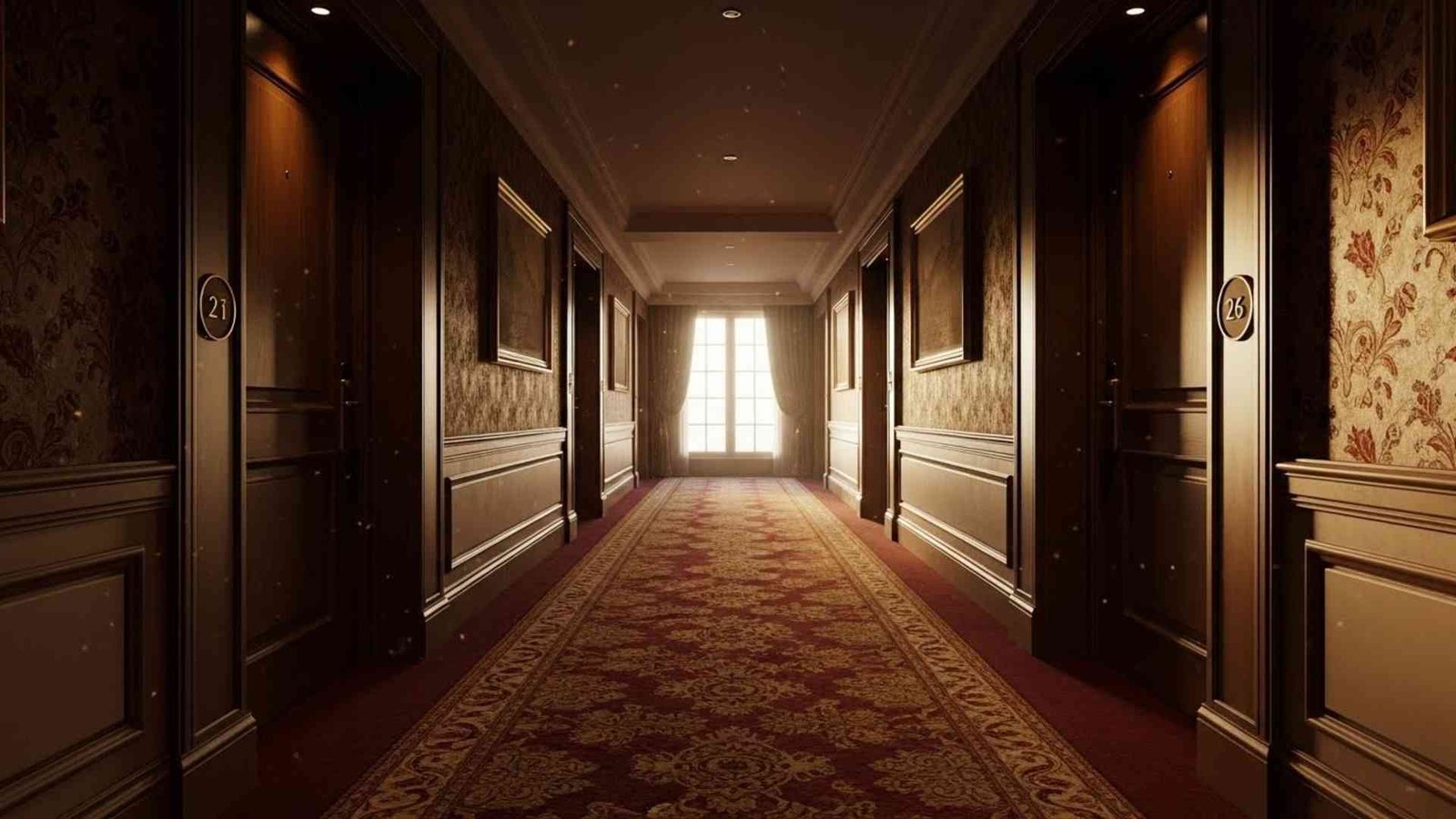
“I’m a light sleeper. Put me way down at the end where it’s quiet.”
Why we do it: We want to sleep. Why it’s dangerous: You’re isolating yourself. Criminologists talk about “guardianship”—basically, the idea that criminals hate audiences. The end of the hallway is a dead zone. No one walks there unless they have a room there. A thief can kneel in front of your lock at the end of the hall and work for five minutes without anyone seeing them. In the middle of the hall, they have to worry about guests walking by or a maid turning the corner. Plus, if there’s a fire, you have the longest run to the exit.
3. The “Near the Elevator” Request
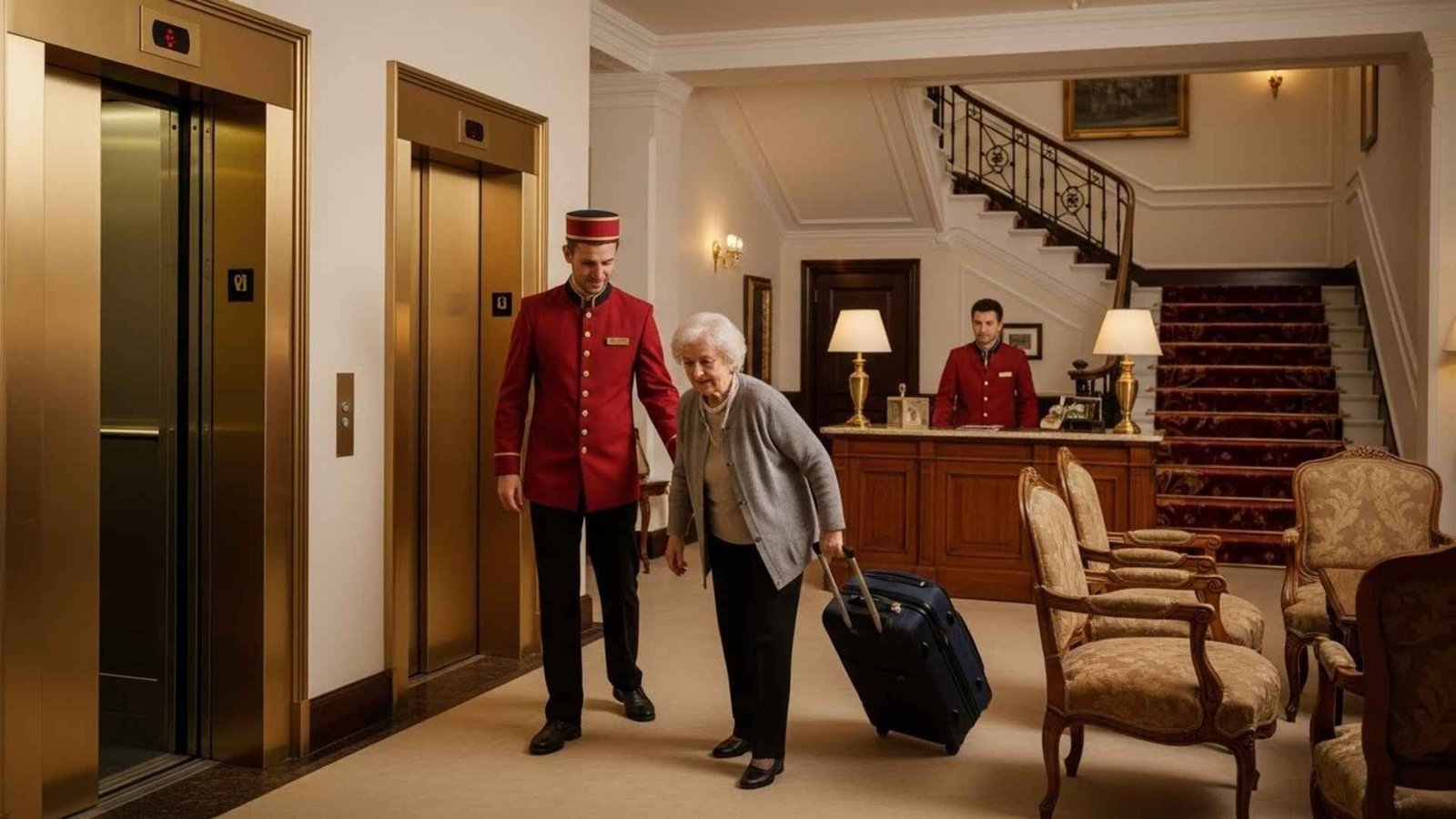
“My knees hurt. Put me right next to the lift.”
Why we do it: Accessibility. Why it’s dangerous: This is the opposite problem—surveillance overload. Criminals love hanging out by elevators. They can stand there looking at their phones, pretending to wait for a ride, while they actually watch you key into your room. Plus, elevators are noisy. The “ding,” the mechanical whirring, the chatter of people getting off… it all acts as “acoustic camouflage.” If someone kicks your door in, the noise is masked by the machinery.
4. The “Connecting Room” Request
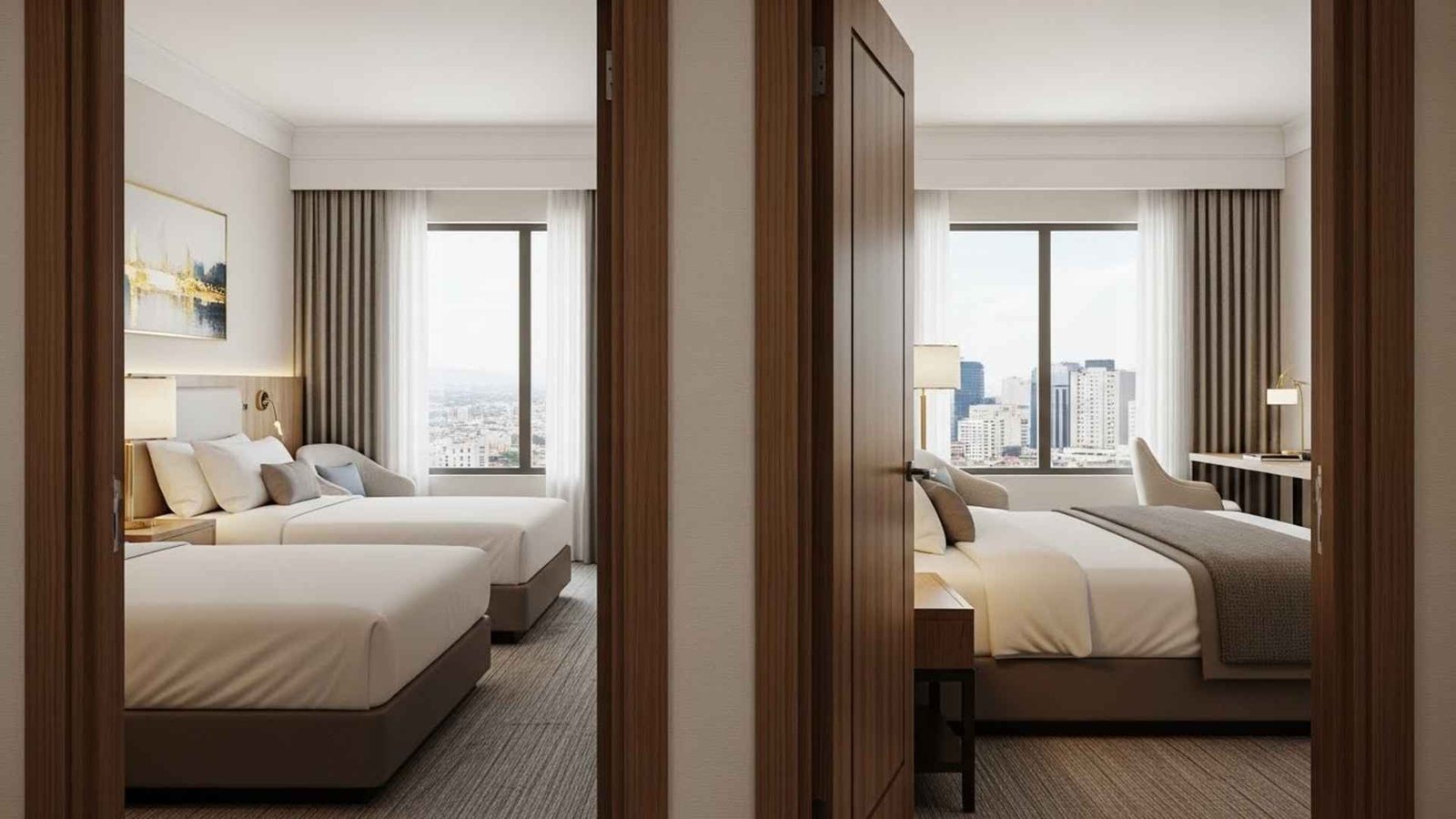
“Do you have a suite with a connecting door?” (When you aren’t using the other room).
Why we do it: Sometimes we just accept whatever room they give us. Why it’s dangerous: A normal hotel wall is fire-rated and solid. A connecting door is a hollow core wood barrier held shut by a single deadbolt. You are trusting that the stranger in the next room—or the housekeeping staff—locked their side. If the guy next door unlocks his side, your only protection is a flimsy lock that’s easily shimmed. It’s a literal hole in your security perimeter.
5. The “Balcony View” Request
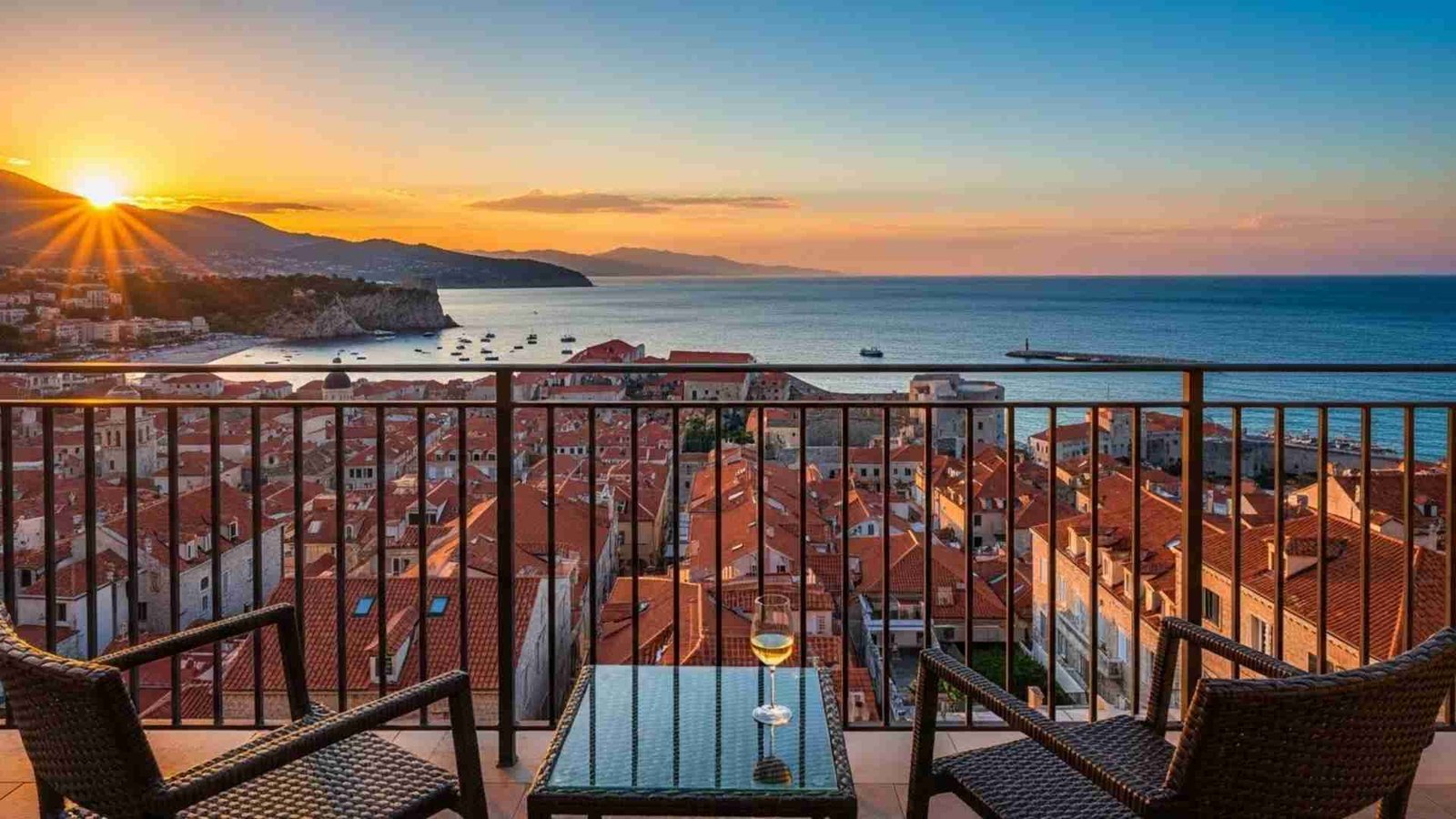
“I want to see the ocean/pool from a balcony.”
Why we do it: For the ‘Gram. Why it’s dangerous: Balconies are often built in stacks. It’s a ladder. Security experts tell stories about the “Pants Burglar”—a type of thief in resort towns who climbs from balcony to balcony at night. They look for sliding doors left open for “fresh air,” slip in while you sleep, steal the wallet out of the pants you left on the chair, and slip out.
6. The “Clean My Room” Sign
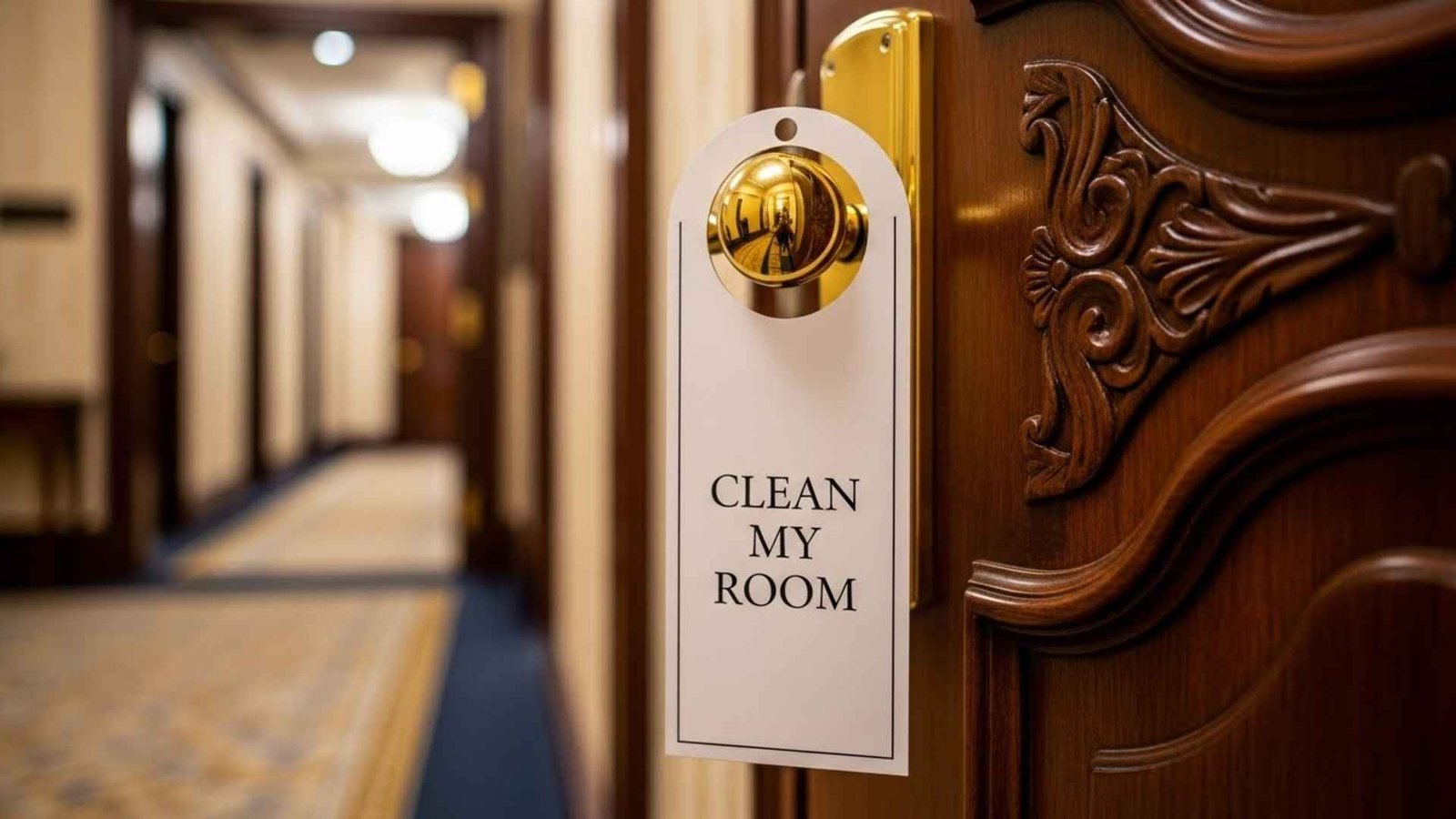
“I’m heading out for the day. Better put the sign up so they know to clean.”
Why we do it: We want fresh towels. Why it’s dangerous: You are broadcasting a signal to the entire hallway: “THIS ROOM IS EMPTY.” You’ve removed the mystery. A thief knows they can knock, and if no one answers, they can break in with very little risk of confrontation.
7. The “Surprise Delivery” Request
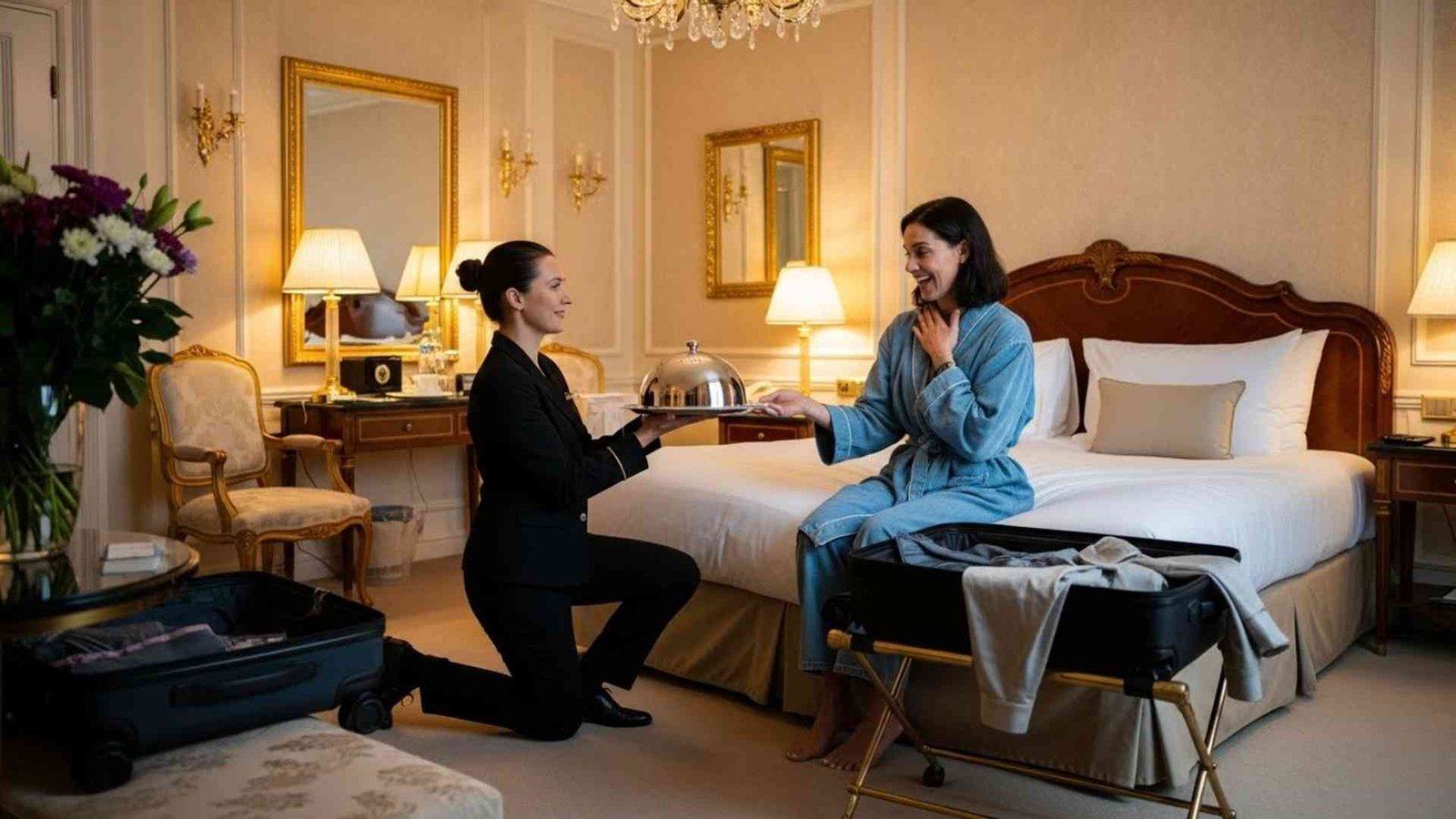
“Can you put champagne and flowers on the bed before we arrive?”
Why we do it: Romance. Why it’s dangerous: Chain of custody. To do this, the front desk has to give a key to a bellman, a concierge, or a room service waiter to enter your room when you aren’t there. Every time a key is issued to someone else, your risk goes up. Plus, if you check in and something is missing, you have no idea who was in there.
8. The “Early Check-In” Demand
“I’m here at 10 AM. Let me in.”
Why we do it: We want to shower. Why it’s dangerous: The “Rush Job.” Between 10 AM and 2 PM, housekeeping is in chaos mode. If you force your way in early, they skip the deep security checks—making sure the window locks are engaged, the connecting door is bolted, and the closet is actually empty. You’re also walking into a hallway filled with open doors and contractors, making it easy for a thief to blend in.
9. The “Room Service” Open
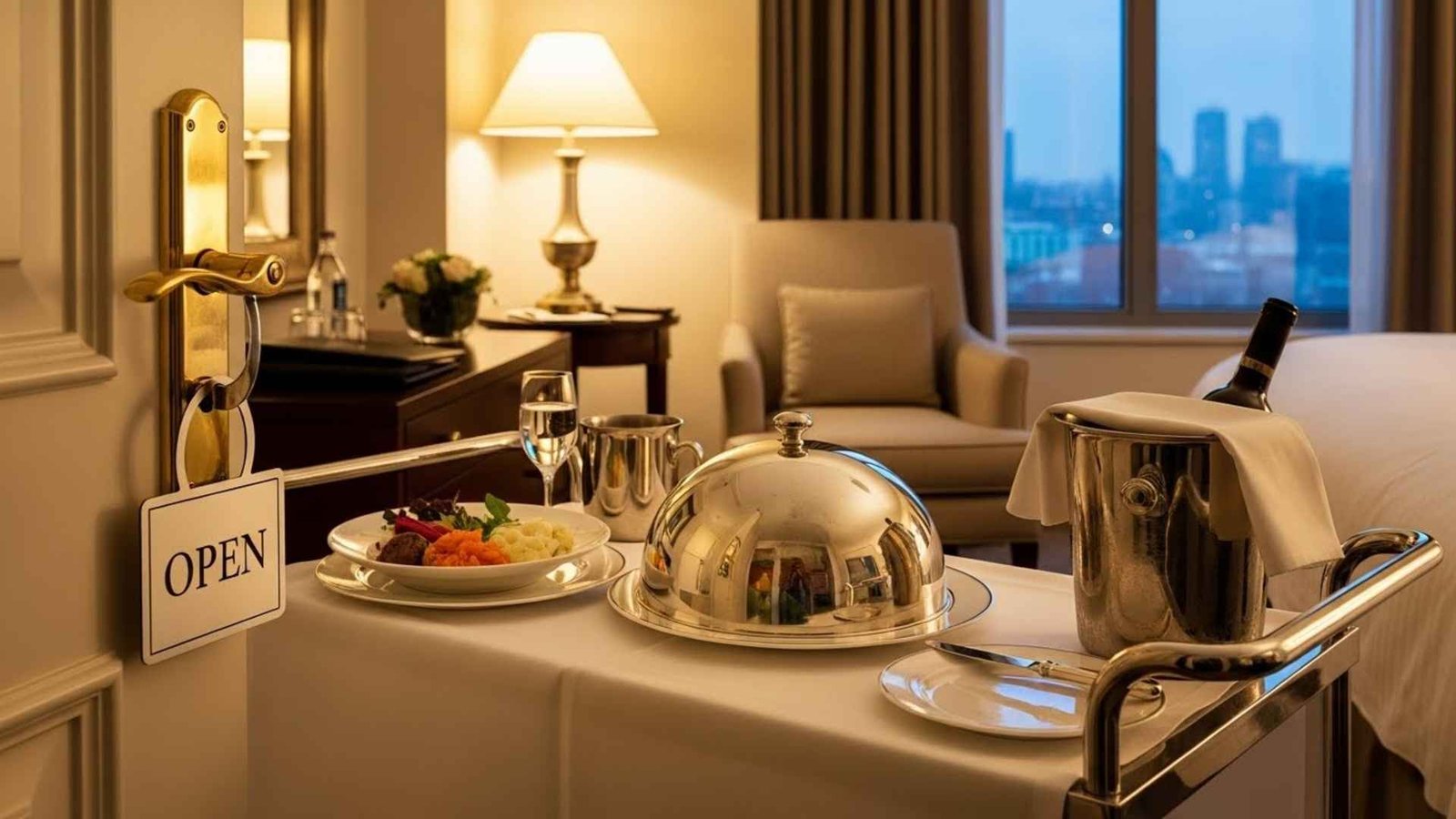
Opening the door because someone yelled “Room Service!”
Why we do it: We’re hungry or polite. Why it’s dangerous: It’s the oldest trick in the book. The “Push-In” robbery starts with a knock and a uniform. Never open the door unless you ordered something. And even then, look through the peephole. If you didn’t order anything, call the front desk to verify.
10. The “Specific Room Number”
“I always stay in Room 412. It’s my favorite.”
Why we do it: Routine comfort. Why it’s dangerous: Predictability is the enemy of safety. If a stalker, a corporate spy, or just a creep figures out your pattern, they can be waiting for you. They can book the room next door days in advance. Let the hotel randomize your room; it’s a natural defense.
The “Key on Table” Habit
🔑Convenience. It’s easier than reaching for a pocket.
A thief spots the card, watches you sign to see your room number, or follows you to the elevator.
Leaving your key card on the bar or restaurant table.
Why we do it: Convenience. Why it’s dangerous: The “Shoulder Surf.” A thief sees the card, watches you pay the bill (maybe seeing your room number on the packet), or follows you to the elevator to see what floor you press.
The 5 “Hero” Requests (How to Scare Them Off)
Okay, that was the scary part. Here’s the empowering part. You can flip the script with five simple requests that tell the hotel staff (and any listening ears) that you know what you’re doing.
1. The “Sweet Spot” Request (Floors 3-6)
This is the golden rule of hotel safety.
- Why? The ground floor is too accessible to intruders. But if you go too high (above the 6th floor), you are often out of reach of standard fire truck ladders.
- The Request: “I’d like a room between the 3rd and 6th floors, please.” You get the safety from break-ins and a way out if there’s a fire.
2. The “Two Key Cards” Trick
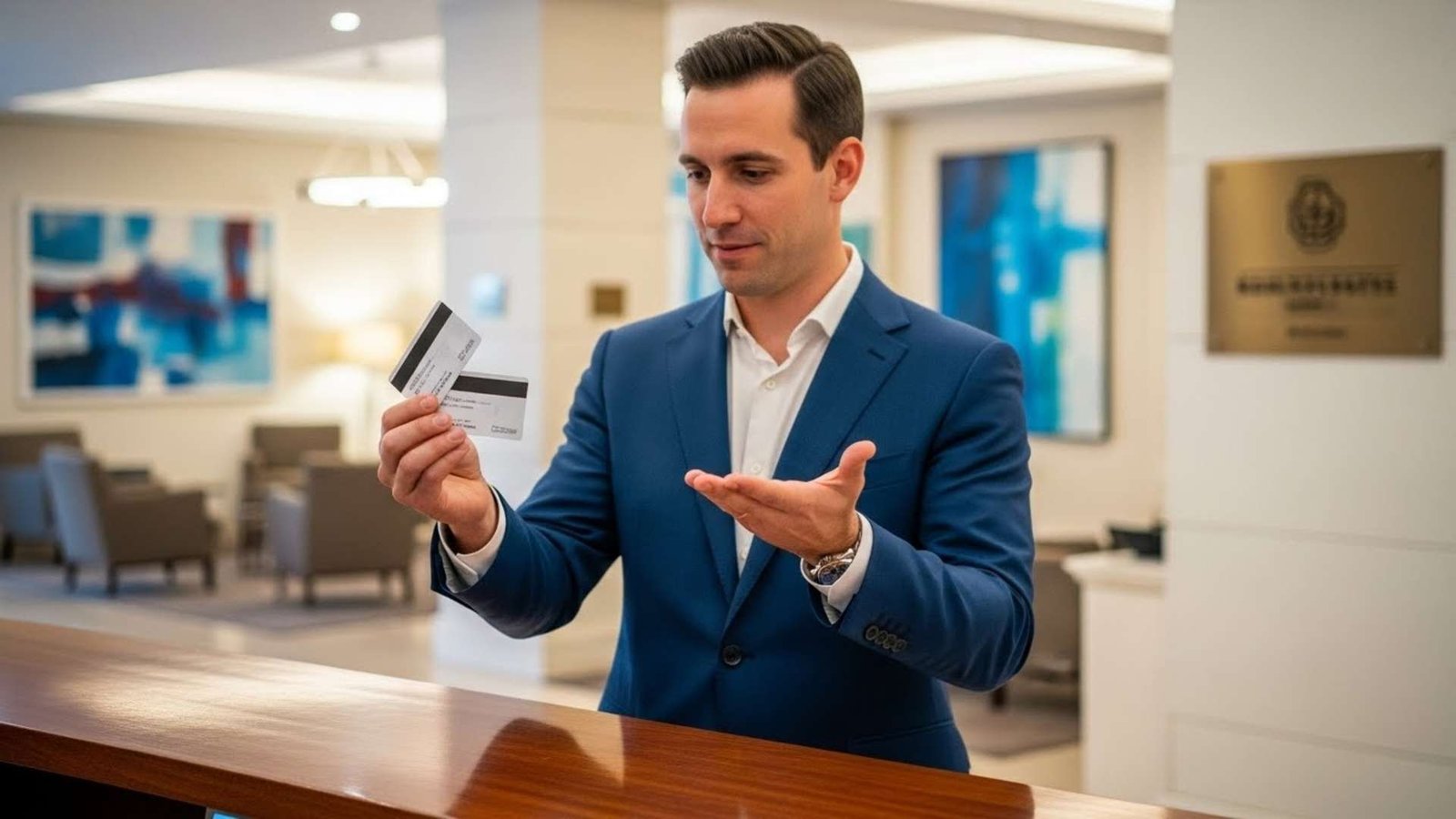
Even if you are traveling alone, ask for two keys.
- The Psychology: If someone is watching you check in, asking for two keys implies you are not alone. There’s a “ghost” with you.
- The Tactic: When you get to the room, pop the second card in the power slot (if the hotel uses them) to keep the TV or lights on when you leave. It makes the room look and sound occupied.
3. The “Interior View”
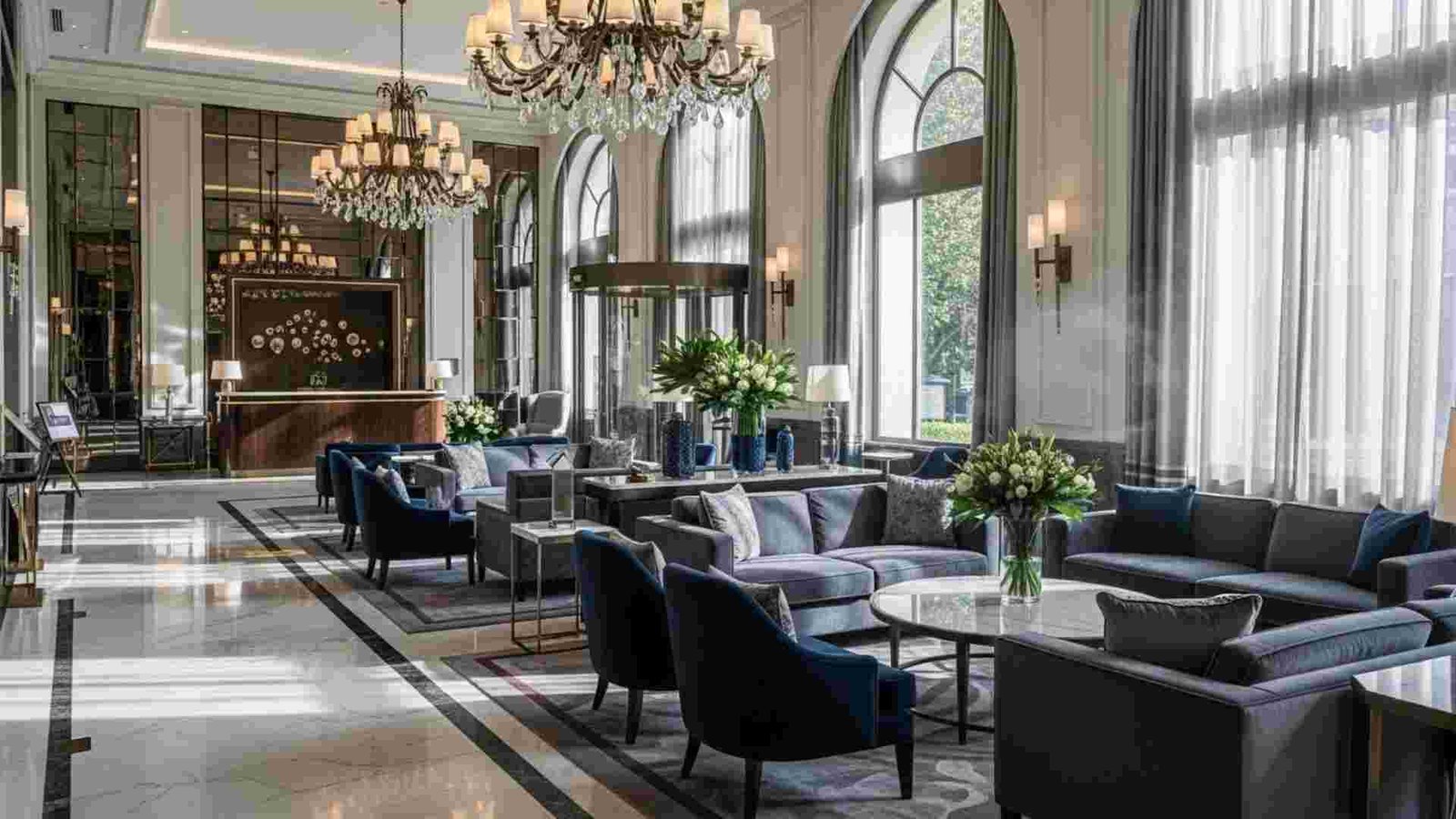
Ask for a room facing the internal courtyard, not the street.
- Why? Street-facing rooms are open to surveillance from the building across the street. Courtyard rooms are protected by the hotel’s own walls. Plus, a thief climbing a balcony in a courtyard feels like they are in a “Panopticon”—surrounded by hundreds of windows that might have someone looking out.
4. The “Do Not Disturb” (DND) Protocol
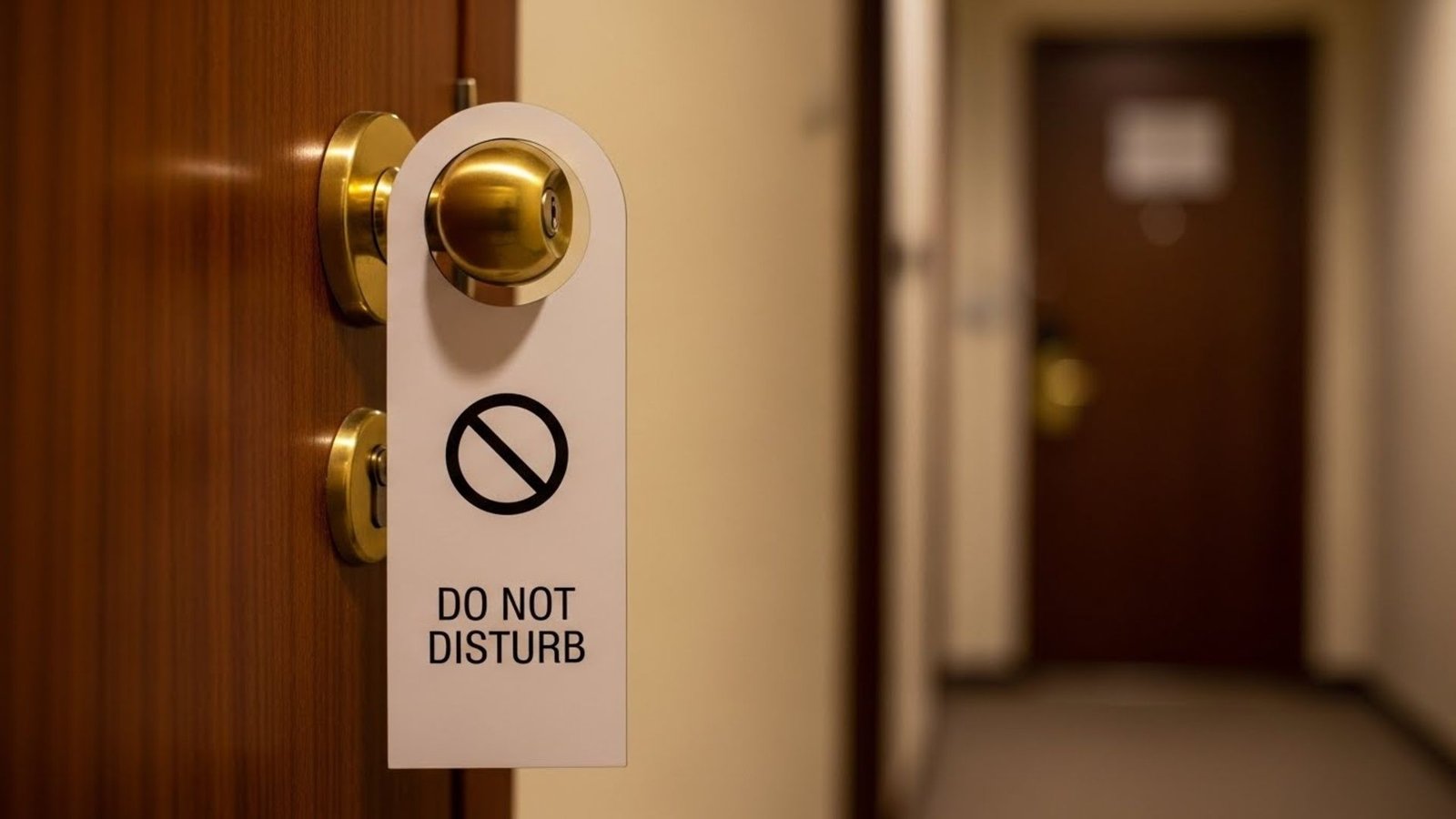
Tell the desk: “I’m going to leave the DND sign up. I don’t need housekeeping.”
- The Logic: To a predator, a DND sign creates uncertainty. Is he in there? Is he sleeping? Is he in the shower? Criminals hate uncertainty. They prefer the “Clean Room” sign which screams “EMPTY.”
- Pro-tip: Just call the desk every few days to get fresh towels delivered to the door if you need them.
5. The “Silent Check-In”
“Please write the room number down; don’t say it out loud, politely ask for a different room. It sends a message that you are paying attention.
Gear That Even the Night Manager Uses
We’ve talked a lot about behavior, and while your instincts are your best defense, a little bit of hardened steel and physics doesn’t hurt either. Think of these items as your insurance policy. You hope you never need them, but when that door handle jiggles at 2:00 AM, or you have to leave your laptop in the room for dinner, you’ll be incredibly glad you spent the extra few dollars to secure your own peace of mind. These are the five travel essentials that actually work.
1. The “Addalock” Portable Door Lock

This is the gold standard for travelers. It installs in seconds without tools and uses the door’s own strike plate to mechanically wedge it shut. Even if someone has a key card, a master key, or hacks the electronic lock, they cannot open the door because this metal claw is physically holding it in place from the inside. It gives you that “bolted shut” feeling even in a flimsy room.
2. SABRE Wedge Door Stop Security Alarm

If the “Addalock” is the muscle, this is the scream. You wedge this under the door just like a rubber stopper. If anyone tries to force the door open, the pressure plate depresses and triggers a 120-decibel alarm (that’s as loud as a chainsaw). It does two things instantly: it physically jams the door harder the more they push, and the noise sends criminals running before they even get inside.
3. Pacsafe Travelsafe GII Portable Safe

Since we established that the in-room safe is vulnerable to master codes, this is your solution. It’s essentially a slash-proof bag wrapped in a stainless steel wire mesh. You put your laptop, passport, and cash inside, cinch it tight, and lock the stainless steel cable to the plumbing in the bathroom or the bed frame. It turns immovable furniture into a secure vault.
4. Navfalcon Hidden Camera Detector

Privacy is a massive part of security. With the rise of Airbnbs and budget hotels, hidden cameras are a valid concern. This compact device helps you sweep the room. It uses RF detection to find devices transmitting a signal (like a Wi-Fi camera) and features a specialized red viewfinder that reflects off the curved lens of spy cameras, making them sparkle like a diamond so you can spot them hidden in smoke detectors or clocks.
5. Mission Darkness Faraday Bag

Modern thieves don’t always need to touch you to rob you; they just need to be near you. A Faraday bag blocks all outgoing and incoming signals. If you have a keyless entry car fob or a passport with an RFID chip, keeping them in here prevents “relay attacks” where thieves amplify your key’s signal to steal your car or skim your data while you’re sitting in the hotel lobby.