National Park Ranger Reveals 10 ‘Approved’ Camping Gear Items That Are Actually Illegal in Most Parks (With $5,000 Fines)

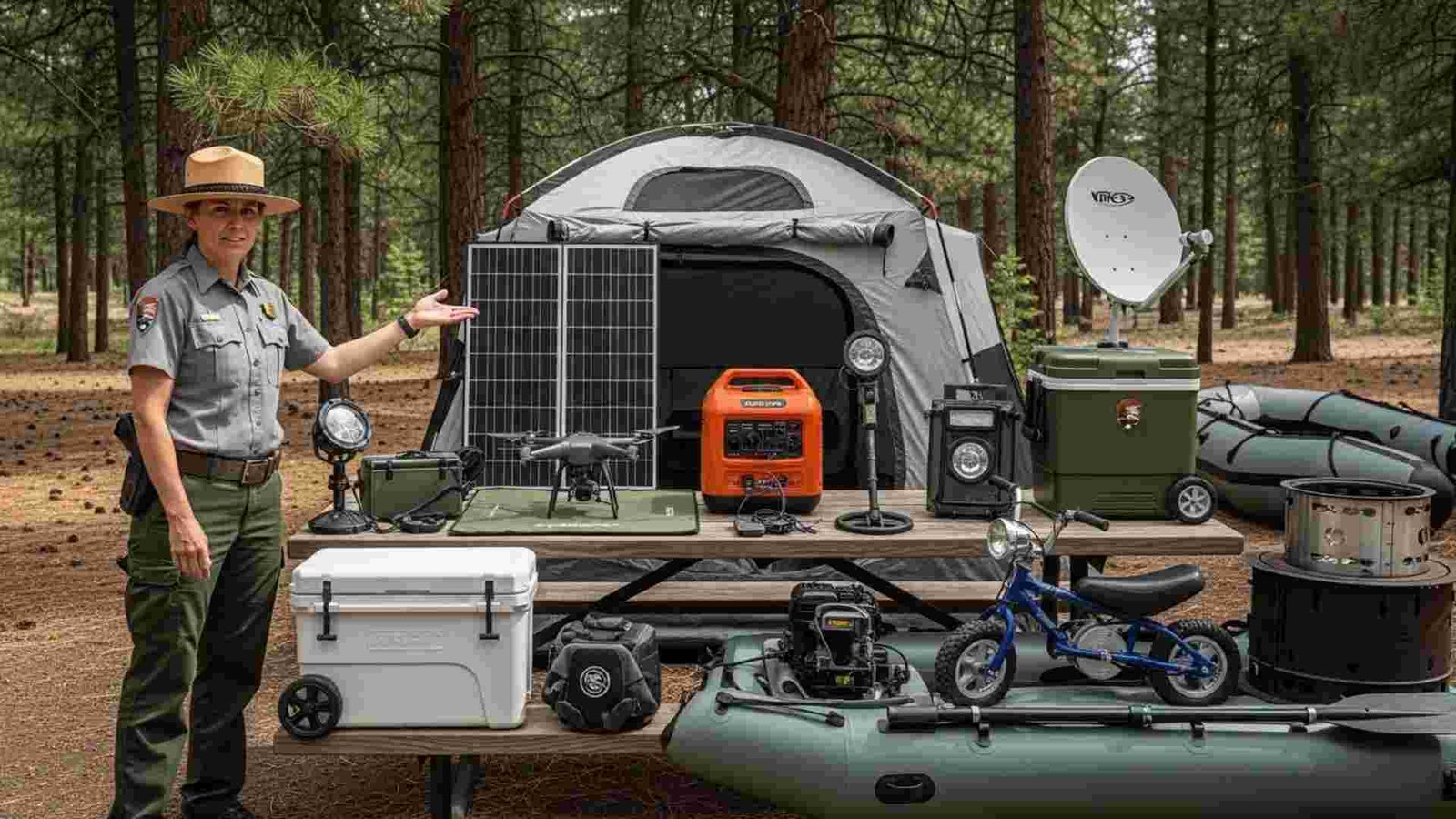
You know that feeling. You just walked out of REI or Cabela’s, dropped a paycheck on the latest “essential” gear, and you feel ready to conquer the wild. You’ve got the high-tech drone to capture the epic views, the “eco-friendly” soap for your lakeside bath, and the tactical bear spray because, well, safety first.
But here’s the cold reality check that most marketing brochures won’t tell you: A lot of that gear is effectively illegal the moment you cross into a National Park.
It’s not because the rangers want to be buzzkills. It’s because the National Park Service (NPS) operates under a completely different set of rules than the rest of the world—specifically, the Organic Act of 1916. Their job isn’t just to let us have fun; it’s to keep the land “unimpaired” for the kids who will be hiking these trails in 2125.
I’ve dug into the federal codes (specifically Title 36 CFR) and the ecological data to break down ten items that are sold as “must-haves” but are legally classified as contraband in many parks. Getting caught with them can mean confiscation, a mandatory court date, and fines up to $5,000.
Let’s unpack what you need to leave at home, and more importantly, why.
1. The Aerial Trespass: Why Drones Are Grounded
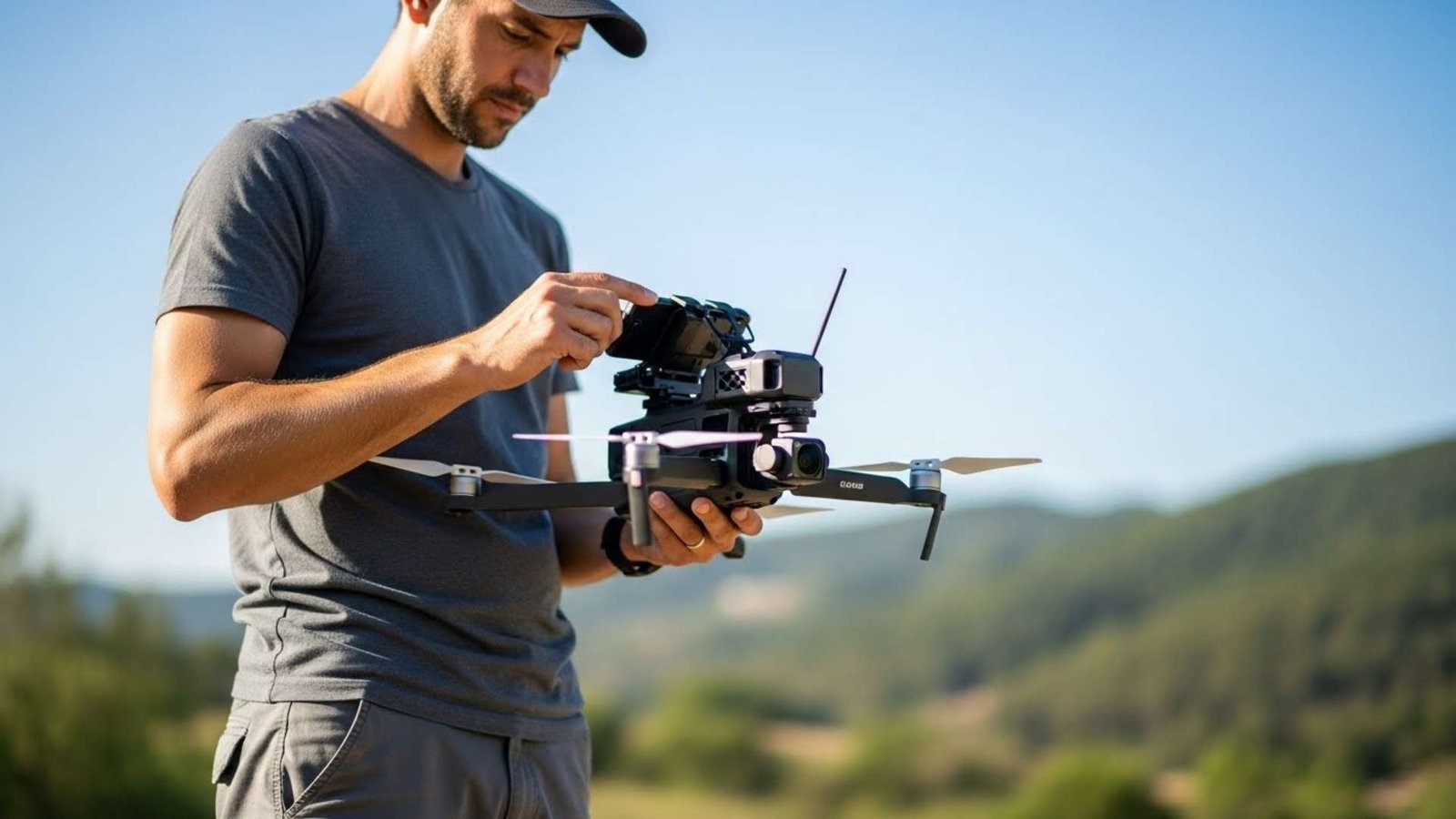
The Item: DJI Mavics, Mini-drones, or any “Unmanned Aircraft System” (UAS).
We all want that shot. You know the one—sweeping over the ridge line, looking down at the turquoise water. It looks incredible on Instagram. But in 2014, the NPS instituted a blanket ban on launching, landing, or operating drones.
The “Silent Stress” Killer

It’s not just about the noise, though the “mosquito whine” of a drone ruins the solitude for everyone else. The real issue is biological.
Think about it this way: animals don’t understand technology. To a Peregrine Falcon or a Golden Eagle, a drone looks like a weird, buzzing predator or a territorial rival. They will attack it—often injuring themselves on the rotors—or worse, they’ll flee their nests in a panic, leaving eggs exposed to the cold and predators.
And for mammals like bears or bighorn sheep, it causes “silent stress.” Research shows that even if a bear doesn’t run away, its heart rate skyrockets when a drone hovers nearby. It’s burning precious winter calories just standing there, terrified.
The Law is Strict
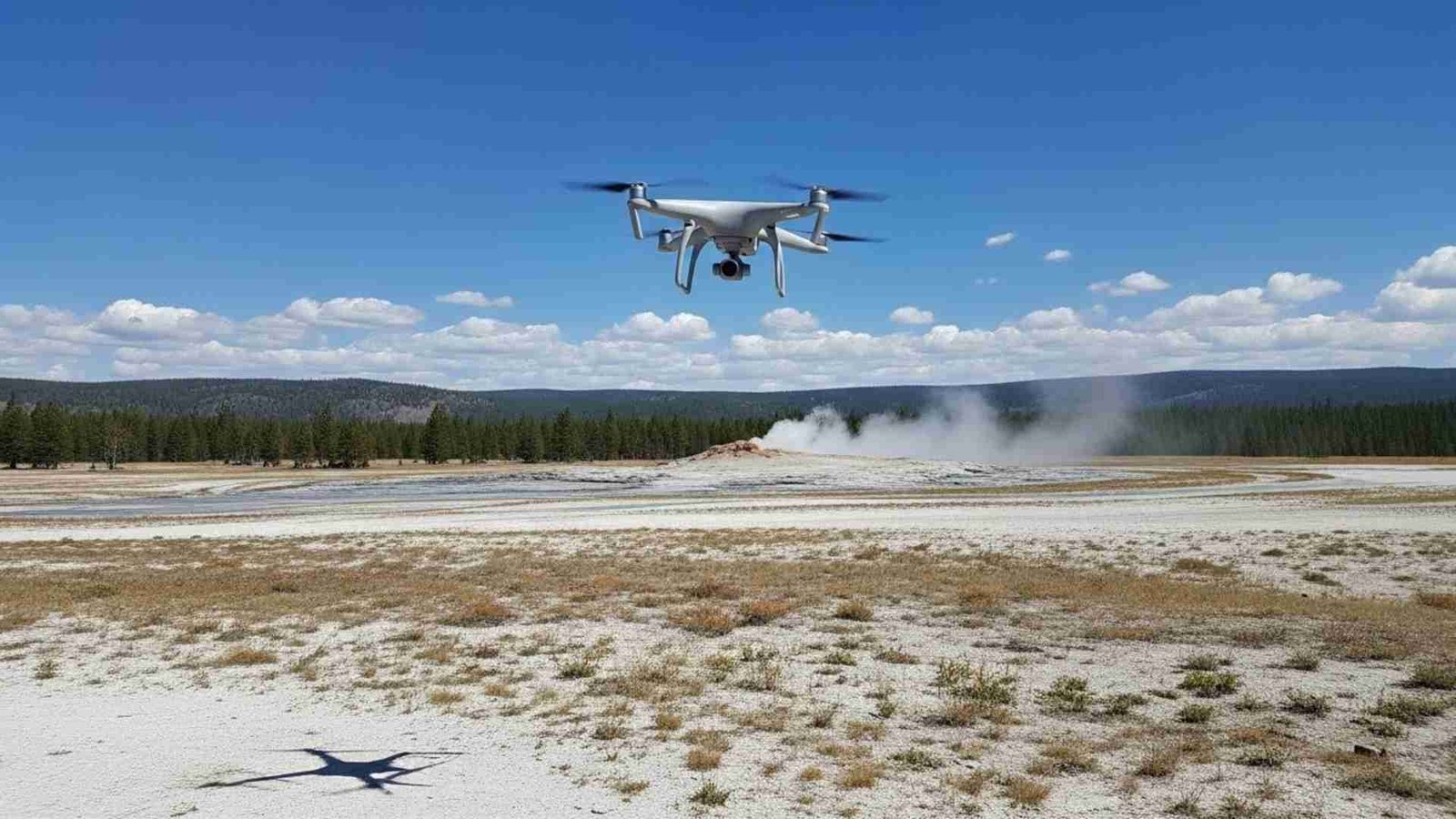
Don’t try to be clever with the “I’m standing outside the park” loophole. If you are operating the drone from within the park boundaries, you are violating 36 CFR 1.5. Rangers have zero tolerance for this. If you crash it into a geyser (which has happened in Yellowstone), you’re looking at vandalism charges on top of the flight fine.
2. The Weaponization of Safety: Bear Spray’s Geography Problem
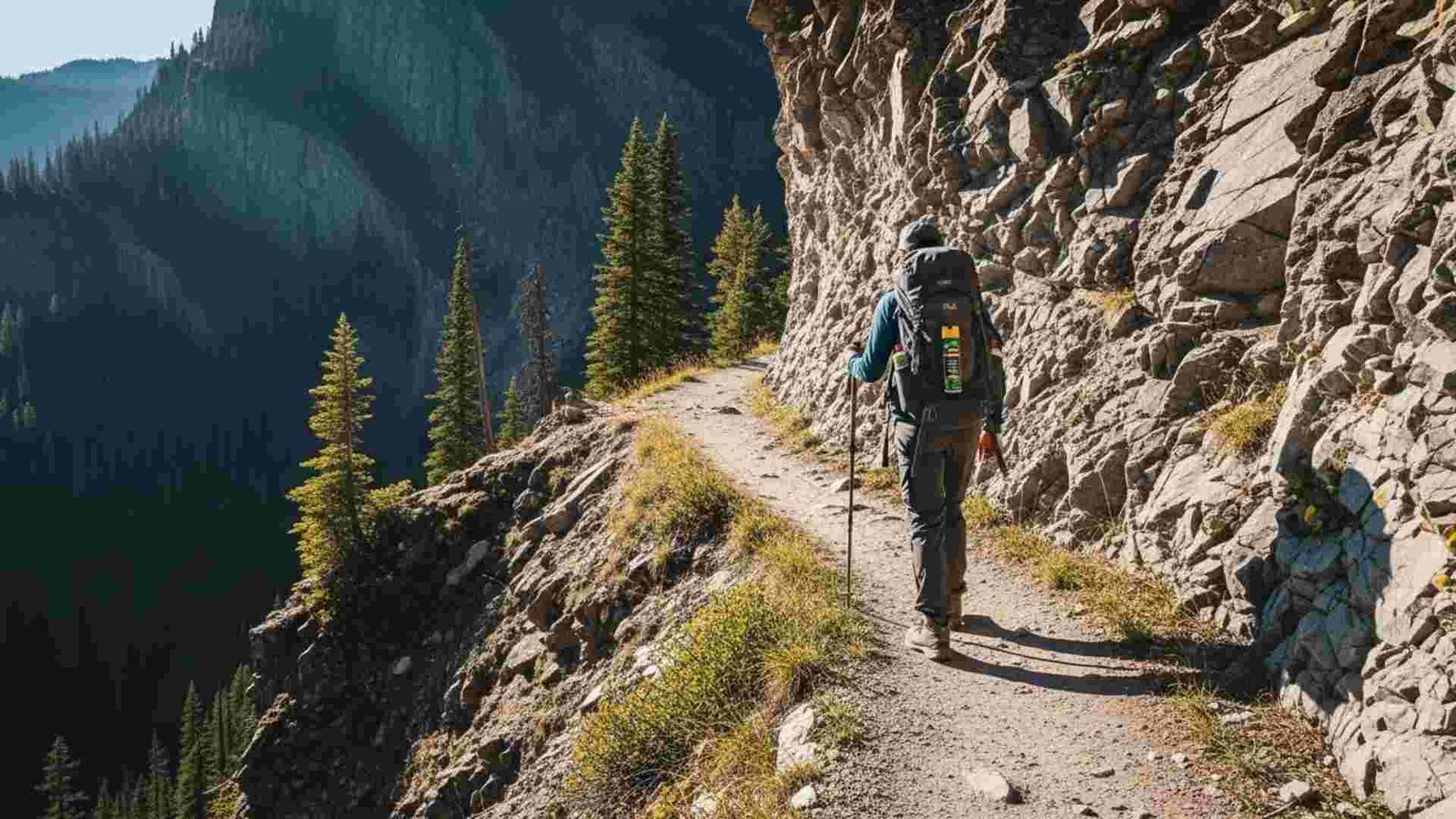
The Item: That orange canister of Capsaicin spray.
This one is tricky because it defies common sense. In Yellowstone or Glacier, carrying bear spray is basically mandatory. You’d be reckless not to have it because Grizzly Bears are a real, defensive threat.
The Yosemite Trap
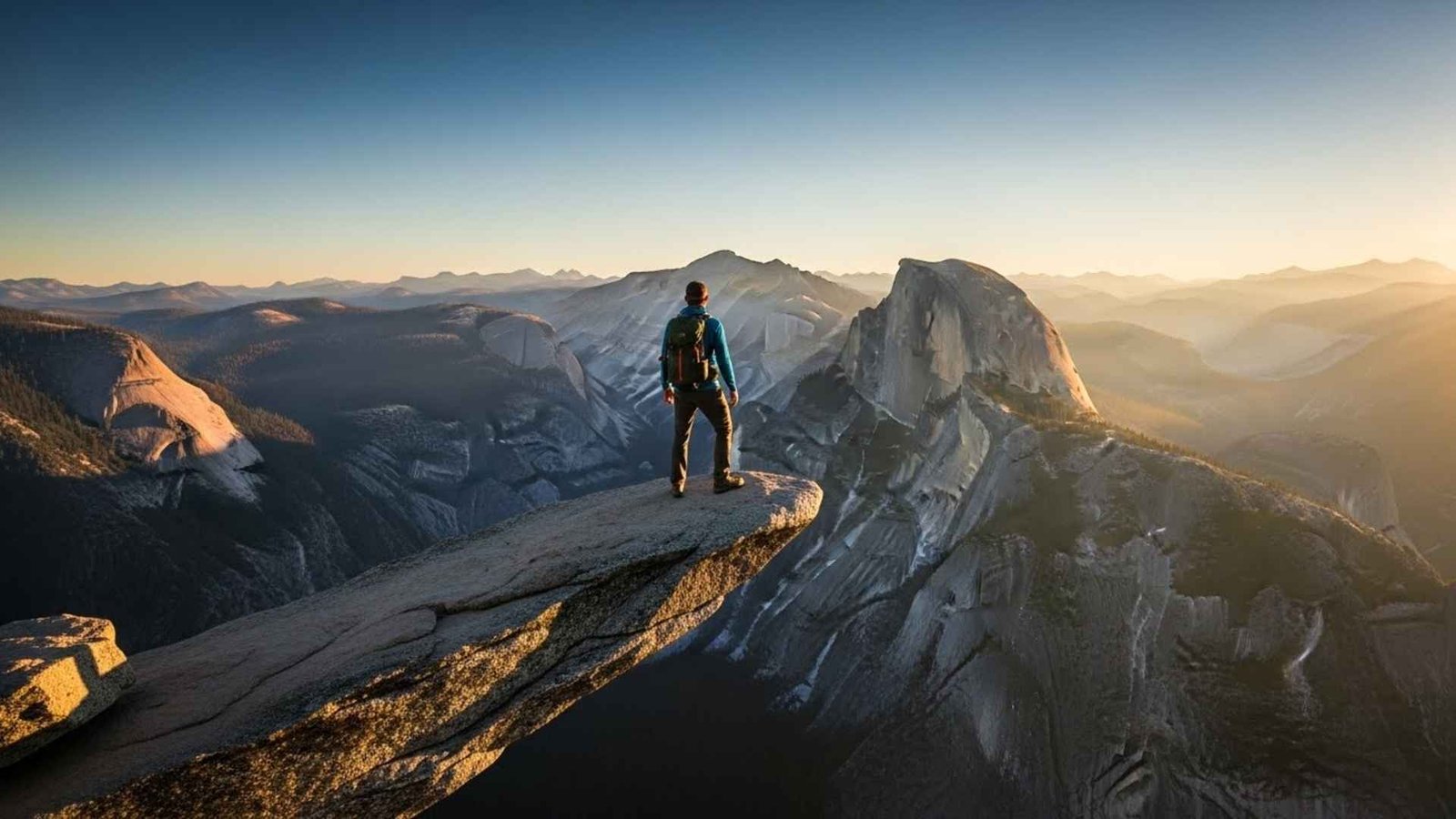
But drive west to Yosemite or Sequoia, and that same safety tool becomes a felony weapon. These parks are home only to Black Bears, which are generally less aggressive. The park superintendents here haven’t created an exemption for bear spray, so it falls under 36 CFR 2.4—the ban on “weapons, traps, and nets.”
If you’re caught with bear spray in Yosemite, you aren’t “prepared”; you’re carrying a prohibited chemical weapon. The logic is that the risk of a visitor accidentally discharging pepper spray in a crowded campground outweighs the risk of a black bear attack.
The Fix: Read the “Superintendent’s Compendium” for the specific park you’re visiting. It’s the rulebook that overrides the general advice you get at the gear shop.
3. The Trojan Horse: Why Firewood is a Biological Time Bomb
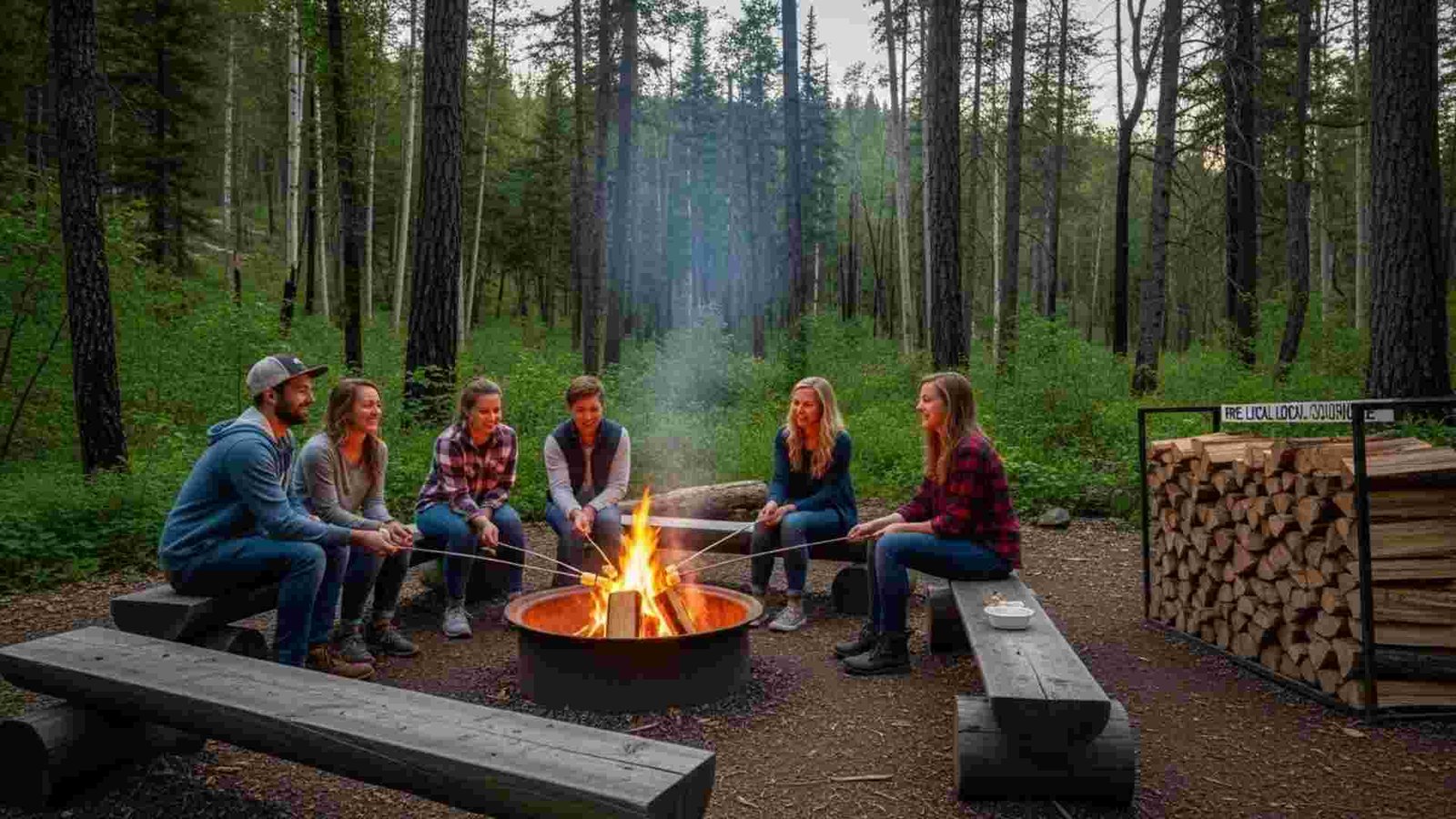
The Item: Those logs you brought from home because they burn better.
We love a campfire. It’s primal. But moving firewood is one of the most dangerous things you can do to a forest.
You might look at a log and see wood. A biologist looks at it and sees a luxury cruise liner for the Emerald Ash Borer or the Asian Longhorned Beetle. These pests hide under the bark, invisible to the naked eye. When you drive that wood from Pennsylvania to the Great Smoky Mountains, you are bypassing millions of years of geographic barriers.
Once those bugs get out, they decimate forests. We’re talking about billions of dollars in damage and dead forests that become fire hazards.
The “Buy It Where You Burn It” Rule
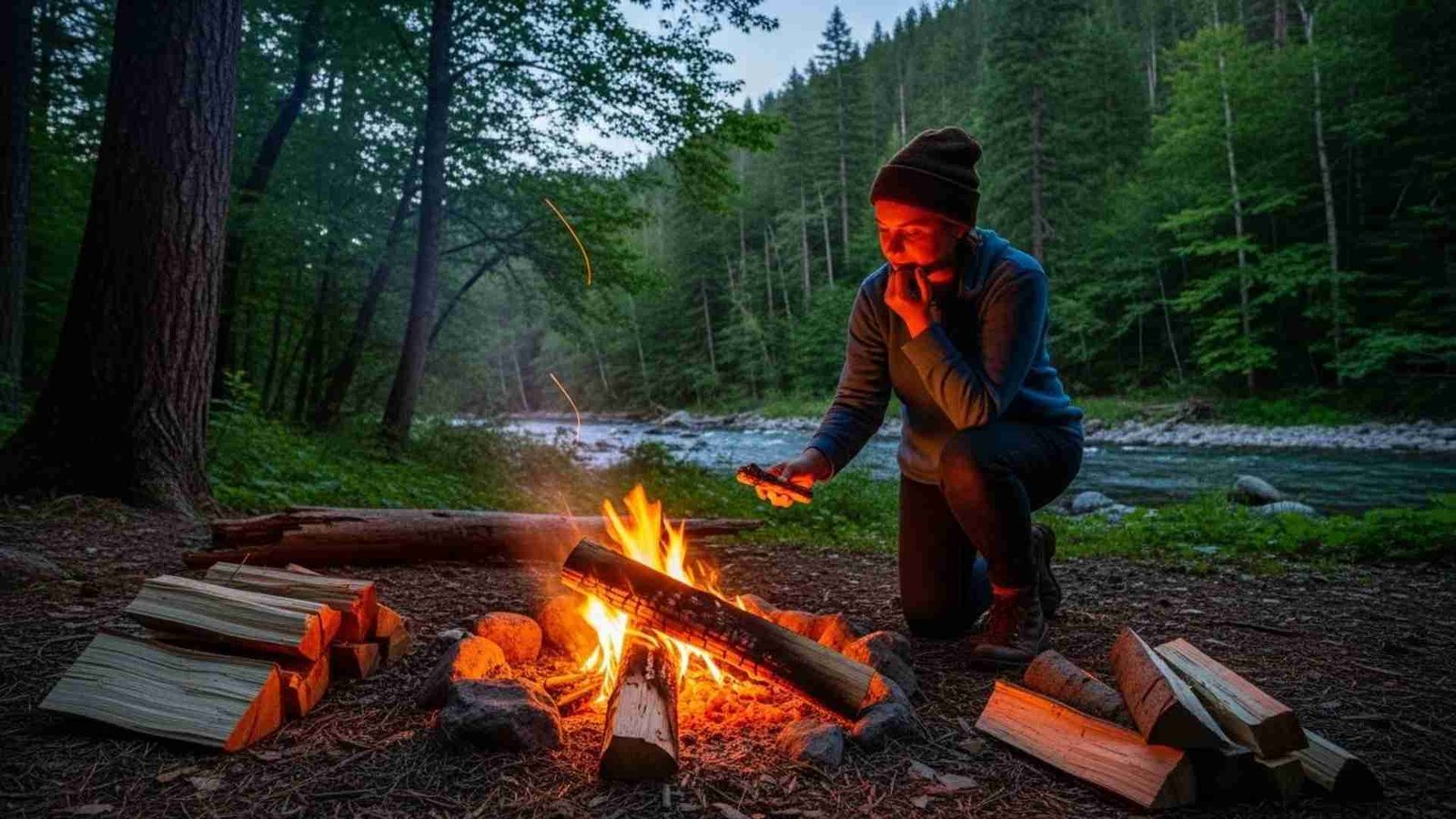
Most parks now strictly enforce a ban on outside wood.
- The Rule: If it didn’t grow within 50 miles, don’t bring it.
- The Exception: Wood with a USDA seal certifying it has been heat-treated to 140°F (60°C) for 60 minutes. This cooks the bugs.
- The Reality: Rangers at places like Pictured Rocks can and will seize your wood and burn it immediately. Don’t take it personally; they’re saving the trees.
The Item: Campsuds, Dr. Bronner’s, or any “eco-friendly” soap.
I see this all the time: a camper wading into an alpine lake with a bottle of green soap, thinking they are being one with nature.
Here is the hard truth: “Biodegradable” does not mean “Aquatic Safe.”
Biodegradable just means the soil bacteria can break it down eventually. If you put it directly into the water, it’s a pollutant. It acts as a surfactant, which breaks the surface tension of the water. This can damage the gills of fish and strip the protective slime off their scales, leaving them vulnerable to disease.
Plus, the phosphates in the soap act like fertilizer, triggering algae blooms that suck the oxygen out of the water, creating dead zones.
The Ranger Way: The 200-Foot Rule. Take your water and your soap 200 feet (about 70 big steps) away from the shore. Wash there. Let the soil filter the soapy water before it reaches the lake.
5. The Tree Strangler: Hammocks with Ropes
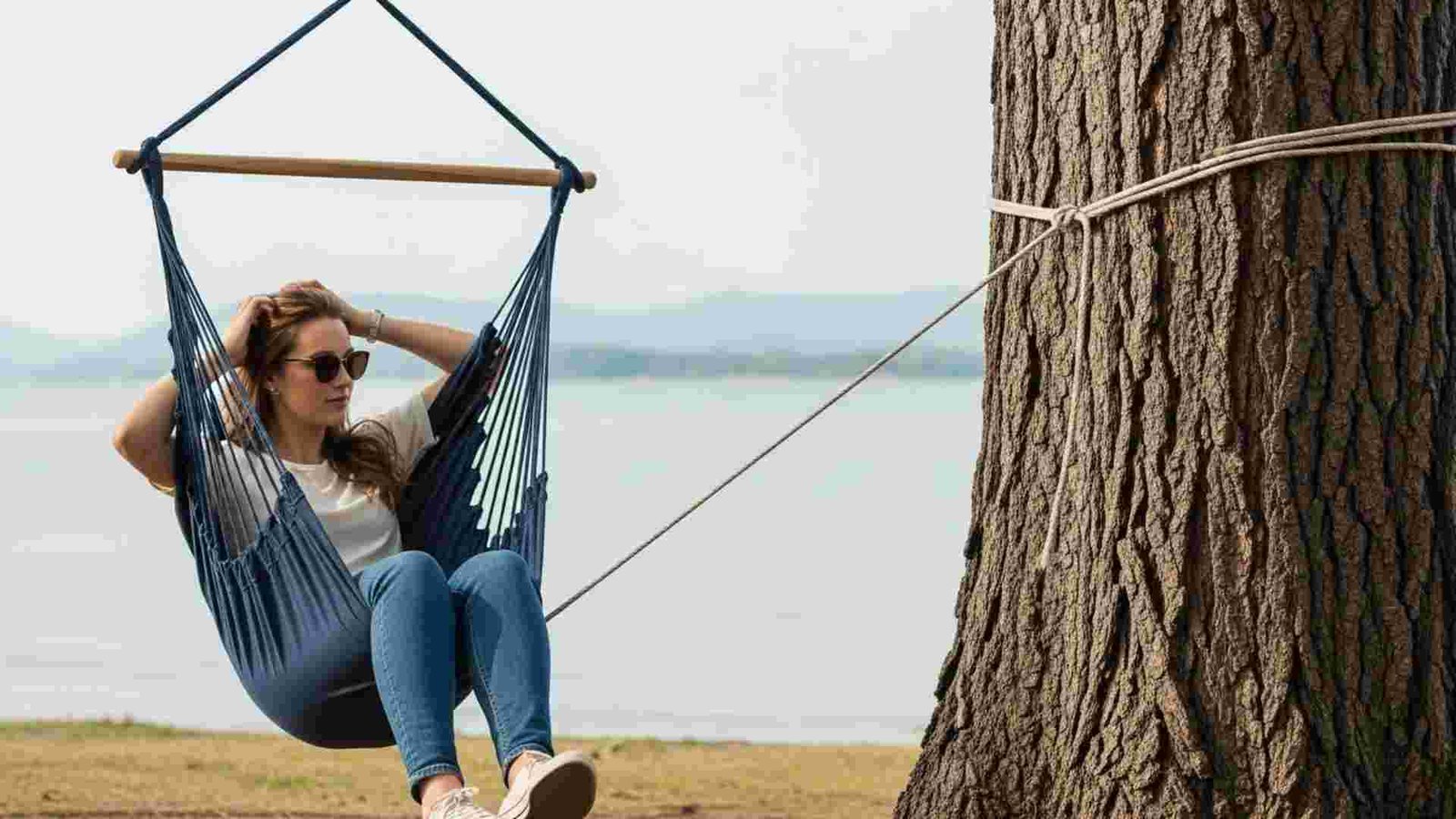
The Item: Thin paracord or rope suspension systems.
Hammocking is awesome. But if you use thin ropes to hang it, you are essentially performing torture on the tree. The intense pressure from your body weight on that thin cord can crush the cambium layer—the living veins just under the bark that move water and nutrients.
It’s called “girdling.” You might not see the damage today, but you’ve just cut off the tree’s circulation.
The Fix: If the park allows hammocks (and many, like Joshua Tree, don’t—because the trees are too fragile), you must use flat webbing straps at least 1-inch wide. These “tree huggers” distribute the weight and save the bark.
6. The Illusion of Control: Retractable Leashes
The Item: Those plastic handle “Flexi-leashes” that zip out 20 feet.
You see these everywhere in the suburbs. In a National Park? Illegal.
36 CFR 2.15 is clear: pets must be restrained on a leash not exceeding six feet. The problem with retractable leashes is that they give your dog enough rope to get into trouble, but not enough control for you to get them out of it.
A dog on a 20-foot lead can dart into brush and startle a bear, spook a horse on a mixed-use trail, or fall off a ledge before you can hit the lock button. Rangers cite this constantly because “dog vs. wildlife” encounters rarely end well for the dog.
7. The Sound of Silence: Bluetooth Speakers
The Item: Waterproof, clip-on speakers.
Look, I love music. But nature has its own soundtrack—wind in the pines, water over rocks, the call of a pika. When you blast music on the trail, you are engaging in “acoustic trespassing.”
You are effectively shrinking the park for everyone else. But more importantly, you’re blinding the animals. A lot of predators (like owls and foxes) hunt by ear. Human noise pollution reduces their “listening area” by up to 70%, making it harder for them to survive.
Under 36 CFR 2.12, making “unreasonable” noise is a violation. And in the backcountry, almost any amplified noise is considered unreasonable. Use headphones (bone conduction ones are great so you can still hear the trail) or just listen to the wind.
The Item: Million-candlepower spotlights and green laser pointers.
We are losing our dark skies. Parks like Death Valley and Big Bend are some of the last places where you can truly see the Milky Way. Shining a high-powered “tactical” flashlight around destroys night vision for you and everyone else.
But lasers are the real legal danger zone. Shining a laser at wildlife is considered harassment (a federal crime). It blinds nocturnal animals, disrupting their feeding and breeding. Also, “light painting” (using lights to illuminate landscapes for long-exposure photos) is banned in many Utah parks like Arches because it disrupts the natural environment.
9. The Spy in the Woods: Trail Cameras
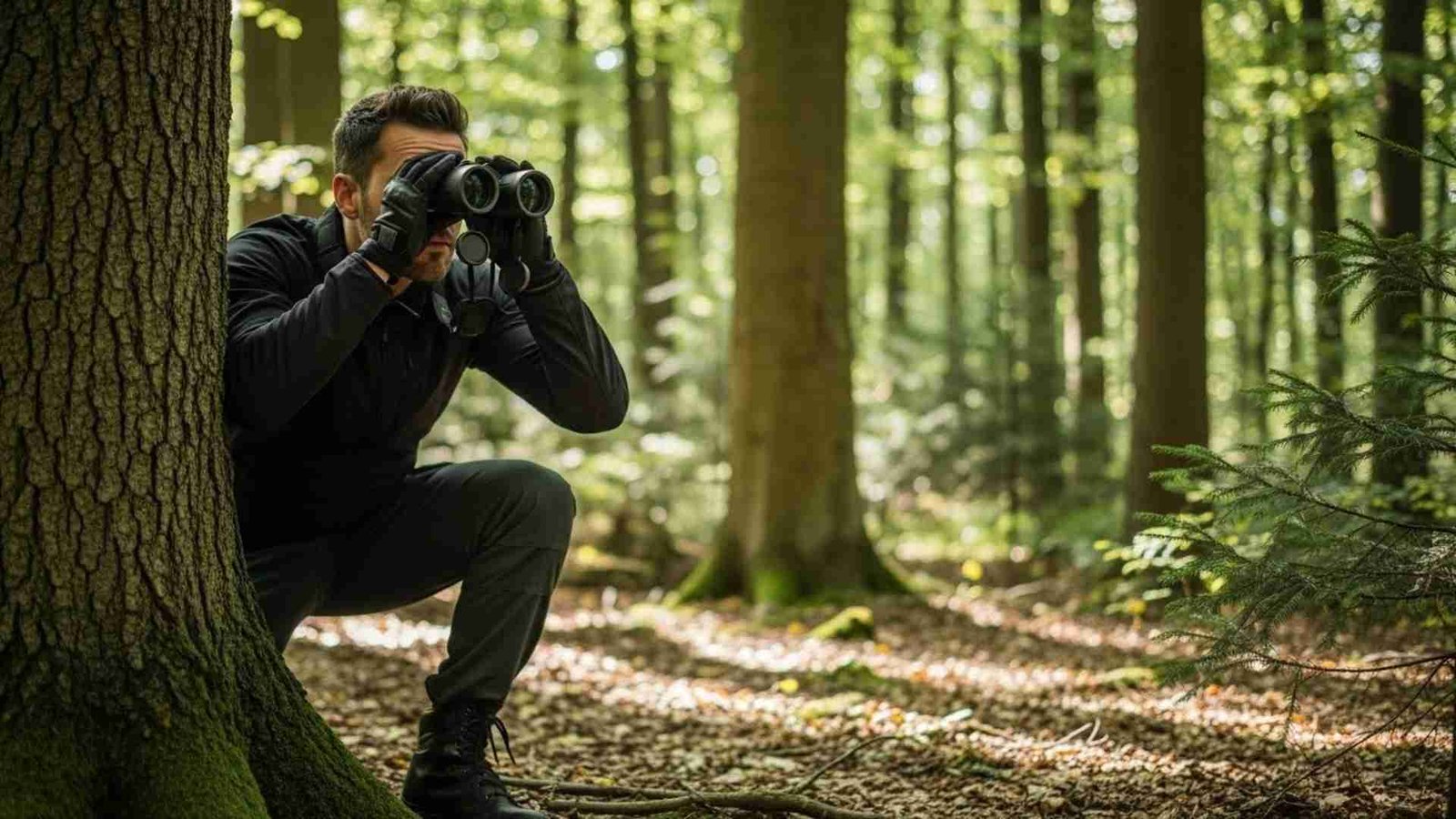
The Item: Motion-activated game cameras.
You might think it’s harmless to strap a camera to a tree to see what wanders by at night. But the NPS considers this “abandoned property” (36 CFR 2.22). If you leave it there for more than 24 hours without a research permit, it’s litter.
It gets worse if you’re an “influencer.” If you use that footage to monetize a YouTube channel, you’ve just conducted a commercial operation in a park without a permit. That’s a whole different stack of paperwork and fines.
10. The Survival Fantasy: Machetes and Slingshots
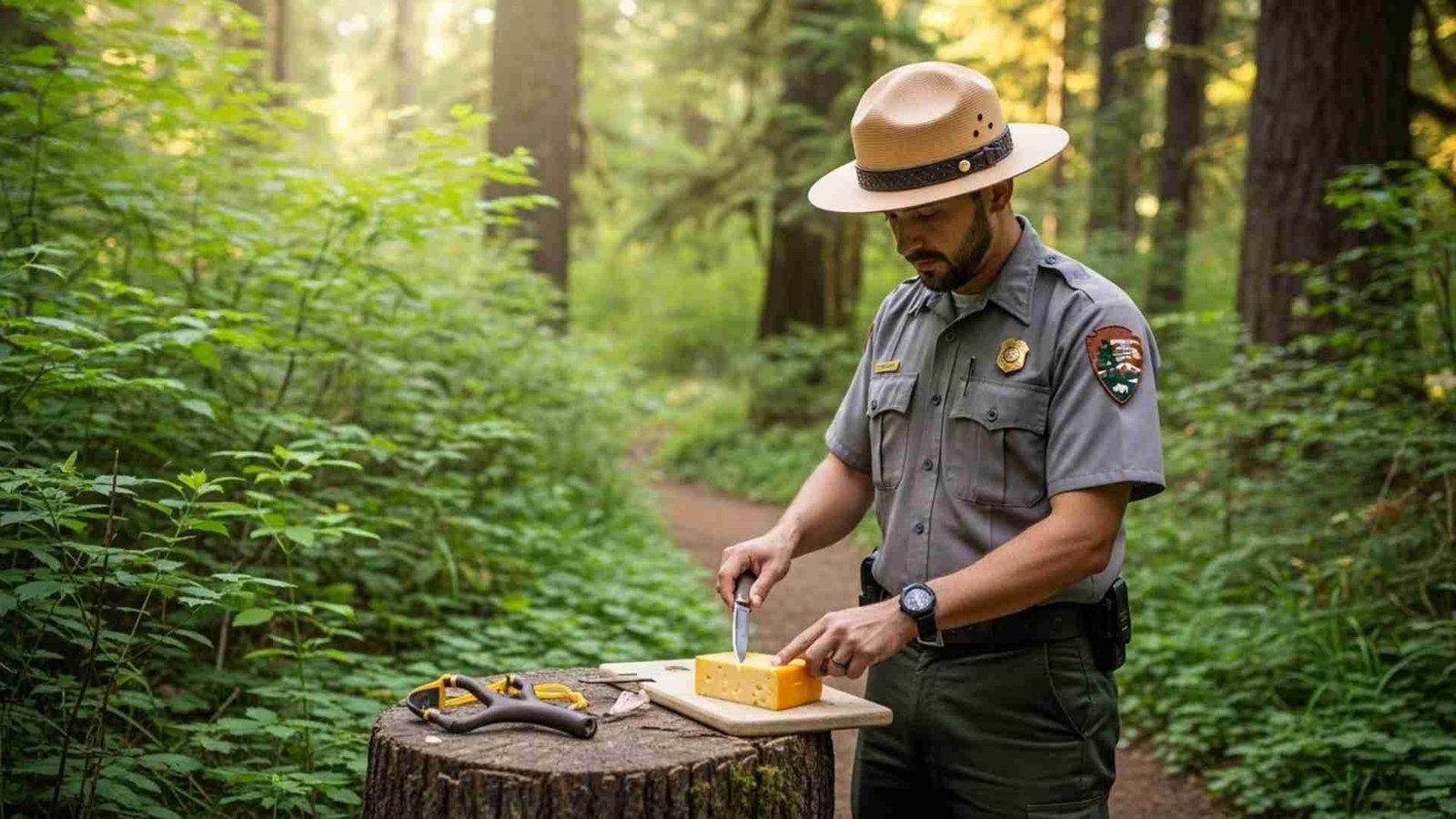
The Item: Large bushcraft knives, hatchets, and slingshots.
We’ve all watched the survival shows. But you aren’t on Alone. You’re in a managed, protected landscape.
You don’t need a machete to clear a trail in a National Park; the trail crews do that. Chopping at vegetation is vandalism. And while a pocket knife is fine for cutting cheese, a slingshot is classified as a weapon capable of discharging a projectile. Possession alone can get it confiscated.
Also, leave the Metal Detector at home. Digging in a park is a felony under the Archaeological Resources Protection Act. You can’t even look for “treasure” because the history in the ground belongs to everyone.
Use Some Useful Product That Can Keep You Legal (and Safe)
Look, I’m not telling you to head into the wilderness with a loincloth and a sharp stick (actually, don’t bring the sharp stick, we just talked about weapons). You absolutely need gear to be safe and comfortable. The trick is buying gear that solves your problems without creating new ones for the park.
I’ve scoured the market for the specific items that rangers actually want you to have. These are the tools that keep you compliant with the strict laws we just covered, from protecting your food (and the bears) to washing your dishes without poisoning the trout.
1. BearVault BV500 Journey Bear Canister

If you are heading to Yosemite or Kings Canyon where bear spray is banned, this is your legal lifeline. It’s the gold standard for food storage—bears can’t crack it, and you can sit on it like a camp stool.
2. Shokz OpenRun Pro Bone Conduction Headphones

Addicted to your playlist but don’t want the $5,000 noise violation fine? These sit outside your ear, sending music through your cheekbones. You hear your tunes, but you also hear the trail (and the ranger walking up behind you).
3. Grand Trunk Tree Sling Hammock Hanging Kit
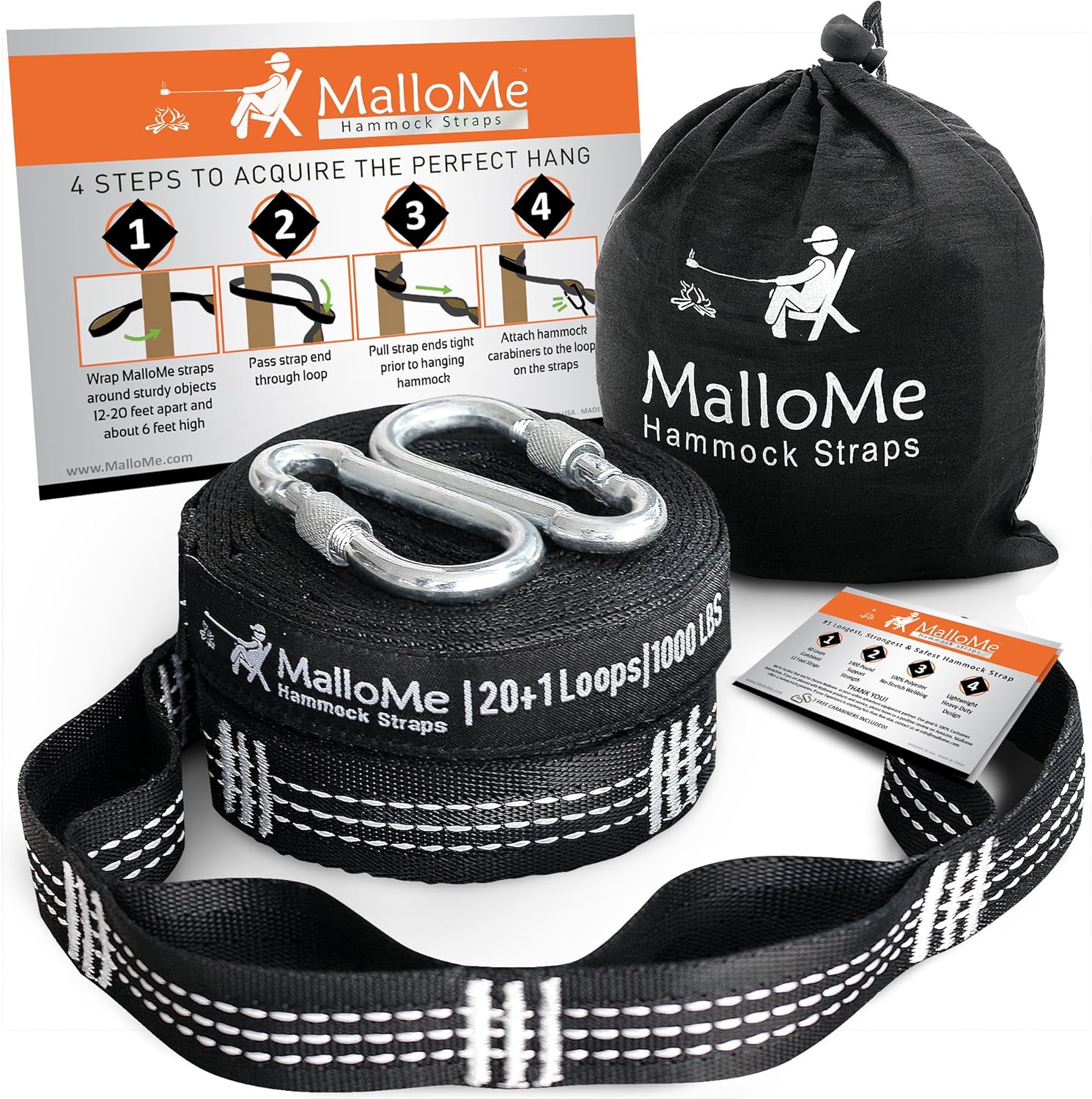
Don’t be the guy who girdles the trees. These straps are wide enough to meet the 1-inch minimum requirement in most parks, distributing your weight so you don’t crush the bark’s cambium layer.
4. Sea to Summit Kitchen Sink (10 Liter)

Since you can’t wash dishes in the lake, you need to bring the water to you. This collapsible sink fits in your pocket but holds enough water to scrub your pots 200 feet away from the shoreline, keeping the algae blooms at bay.
5. Petzl Actik Core Headlamp (With Red Light Mode)

Save your night vision and stop blinding the owls. This headlamp has a dedicated red-light mode that is perfect for stargazing in “Dark Sky” parks without triggering wildlife harassment concerns.