Adventure Tour Guide Admits: These 7 Travel Insurance Policies Don’t Cover Any Real Adventures (Despite Their Names)See

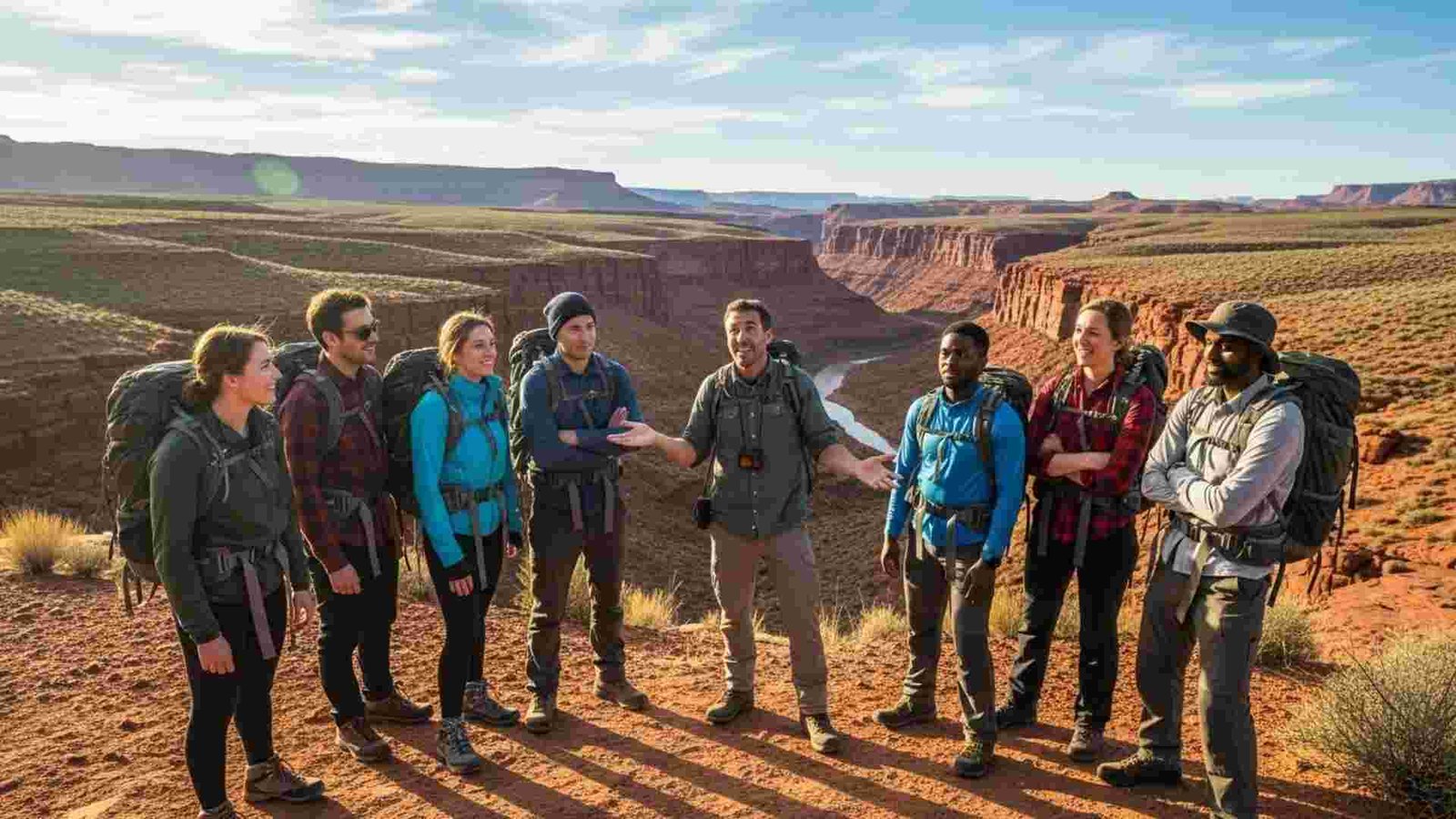
Look, I see it every season.
I see the panic in a client’s eyes when they’re sitting in a remote clinic in Cusco or Kathmandu, staring at a phone screen, realizing the “Platinum Explorer” policy they paid $200 for is—for all intents and purposes—worthless.
The travel industry calls what we do the “Experience Economy.” It’s a fancy way of saying we’re done with just looking at stuff. We want to do stuff. We want to trek the Annapurna Circuit, dive the Blue Hole in Belize, or just rent a scooter to find that hidden beach in Vietnam.
But here’s the thing nobody tells you at the travel agency: The insurance industry hasn’t really caught up. Or rather, they have, but not in the way you think. They’ve flooded the market with policies named “Adventurer” or “Global Trekker” that sound rugged, but if you look at the fine print—really look at it—they’re full of holes.
And I’m not talking about edge cases. I’m talking about a system where 33% of claims are denied, and that number jumps significantly when you add “adventure” to the mix.
I’m writing this because I’m tired of seeing people get wrecked financially. So, let’s sit down and go through the seven specific traps that catch almost everyone. We’re going to look at the medical realities, the legal loopholes, and the hard numbers. Consider this your survival guide to the fine print.
🏔️ The Altitude Trap 🏔️
That standard comprehensive plan? It hates heights.
The “Milkshake” Effect:
Above 3,000m, the atmospheric pressure drops. Your lungs have to work way harder.
It’s like trying to drink a thick milkshake through a tiny straw. At sea level, it’s easy. Up here? You’re sucking wind.
The Cost of Exclusion
Hypoxia → HAPE/HACE → Evacuation.
A mountain chopper rescue? $20,000 to $100,000. If you are over the limit, you pay.
✅ The Fix
Don’t guess. You need a policy that explicitly covers “trekking” up to 6,000 meters. Check the “Sports & Activities” table!
You’ve probably seen the ads. A happy couple standing on a snowy peak, high-fiving. It implies coverage, right?
But here is the single biggest trap for hikers and trekkers: The 3,000-Meter Ceiling.
Most “Standard” or even “Comprehensive” policies have a hidden altitude cap, usually set at 3,000 meters (about 9,800 feet). If you go one meter above that—even if you’re just walking on a flat, well-marked trail—your coverage vanishes.
Why Do They Hate Heights?
It’s not because they’re mean; it’s because they run the numbers. Physiologically, your body changes when you go above 3,000 meters.
Think of your lungs like a car engine and the atmosphere like a fuel pump. At sea level, the “pump” is strong—it forces oxygen into your blood. But up high, that pressure drops. The pump gets weak. You have to work way harder just to get the same amount of oxygen.
It’s like trying to drink a thick milkshake through a tiny straw. At sea level, it’s easy. At altitude, you’re sucking wind.
Insurers know this leads to Hypoxia (oxygen deprivation), which can spiral into HAPE (fluid in the lungs) or HACE (swelling of the brain). These aren’t just headaches; they are killers that require a helicopter evacuation. And a chopper rescue from a mountain? That’s a bill anywhere from $20,000 to $100,000.
The “Safe” Trip Trap
Here’s where it gets tricky. You might think, “I’m not climbing Everest, I’m just visiting a city.” But take a look at these popular spots. If you have a standard policy, you are likely exposed in all of them:
| Destination / Trek | Max Elevation | Status on Standard Policy (3,000m Cap) |
| Kilimanjaro (Tanzania) | 5,895 m (19,341 ft) | EXCLUDED |
| Everest Base Camp (Nepal) | 5,364 m (17,598 ft) | EXCLUDED |
| Annapurna Circuit (Nepal) | 5,416 m (17,769 ft) | EXCLUDED |
| Inca Trail (Dead Woman’s Pass) | 4,215 m (13,828 ft) | EXCLUDED |
| Cusco, Peru (City) | 3,399 m (11,152 ft) | EXCLUDED |
| Mount Fuji (Japan) | 3,776 m (12,388 ft) | EXCLUDED |
See that? Even just being in Cusco—eating dinner, walking to your hotel—puts you above the limit for many insurers. If you trip on a cobblestone and break your ankle, they can deny the claim because the “event occurred at an excluded elevation.”
The Fix: You need a policy that explicitly covers “trekking” up to 6,000 meters. Don’t guess. Check the “Sports and Activities” table.
2. The “Motorbike” Loophole: The License Trap
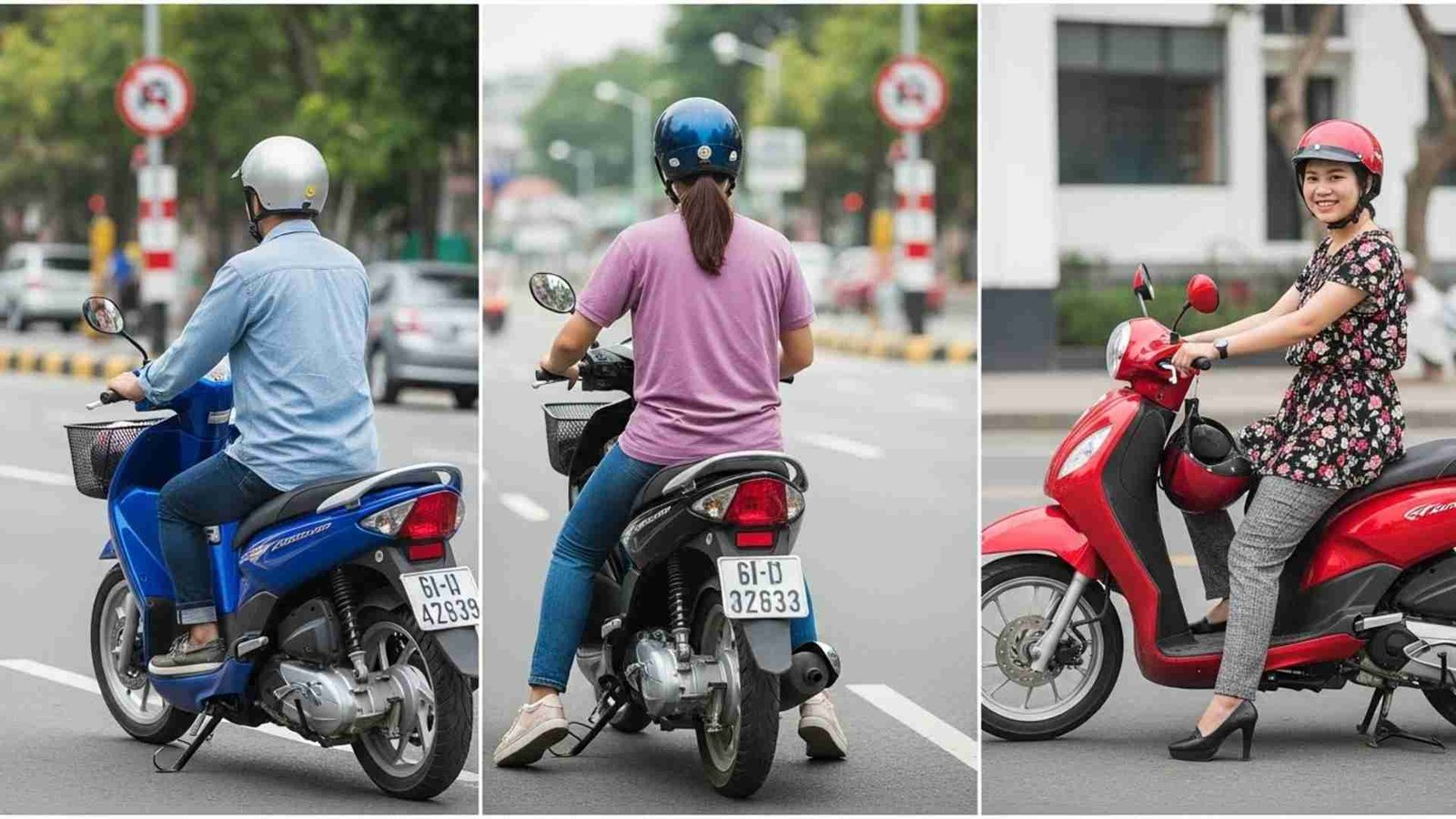
If you’ve been to Southeast Asia, you know the drill. Renting a scooter in Thailand or Vietnam feels like a rite of passage. It’s cheap, it’s fun, and nobody asks for your license.
But statistically? It is the most efficient way to void your insurance policy.
The denial usually comes down to the “Illegal Act” clause. Basically, if you are doing something illegal, you aren’t covered. And riding a scooter is a legal minefield.
Here is the “Cascade of Failure” I see all the time:
- Home License: Do you have a motorcycle license in the US or UK? (Not a car license—a motorcycle one). If no, you’re riding illegally.
- The IDP: Even if you have a bike license at home, do you have a valid International Driving Permit with the motorcycle stamp? If no, you’re riding illegally.
- Local Law: In countries like Vietnam, unless you have a local license or a very specific type of IDP, you are technically breaking the law.
And then there’s the Engine Size Trap. Let’s say you are licensed. Many policies cap coverage at 50cc. Good luck finding a 50cc bike in Thailand. Almost everything is 110cc, 125cc, or 150cc.
So, you rent a standard Honda Click (125cc). You crash. You file a claim. The insurer looks at the police report, sees “125cc,” and stamps DENIED.
Now you’re stuck with a $20,000 medical bill in a foreign hospital that demands cash upfront.
3. The “Credit Card” Illusion: Umbrella vs. Hurricane
I love my travel credit card. It gets me into airport lounges and pays for my lost luggage. But relying on it for medical coverage in the mountains? That’s reckless.
Credit card insurance is designed for the “average” traveler—business trips, family resorts, city breaks. It is risk-averse by design.
If you read the benefits guide (the one we all throw away), you’ll see a blanket ban on “hazardous activities.”
- Scuba diving? Often excluded.
- Climbing? Excluded.
- Skydiving? Definitely excluded.
It’s like bringing an umbrella to a hurricane. Great for a drizzle (lost bag), useless for a storm (broken femur in Patagonia).
Plus, there’s the Evacuation Cap. Real adventure policies offer $500,000+ for medical evacuation because air ambulances are insanely expensive. Credit cards often cap this at $100,000 or less.
Speaking of costs, let’s look at the financial reality. I pulled some data to show you just how massive the gap is between the cost of a good policy and the cost of a disaster.
That tiny blue bar on the left? That’s the $100 you spend on insurance. The massive red bar on the right? That’s the $200,000 bill you face if you get this wrong.
4. The “Search and Rescue” Void: Lost vs. Hurt
This is a semantic trap that scares the hell out of me.
Travelers think, “If I hit SOS on my satellite beacon, insurance pays for the chopper.”
Not necessarily.
There is a huge difference between Medical Evacuation and Search and Rescue (SAR).
- Medical Evacuation: Moving a patient (someone already injured) to a hospital.
- Search and Rescue: Finding a person who is lost or stuck.
Imagine you’re trekking in the Andes. A blizzard hits. You aren’t injured, but you are hypothermic, stuck, and will die if you stay there. You call for help.
The insurer might say: “Well, you weren’t ‘injured’ when you called. You just needed a ride.” Claim denied. That $15,000 helicopter ride is on you.
The Fix: You need a policy that specifically lists a “Search and Rescue” benefit. Or, get a membership with Global Rescue or Garmin SAR. They don’t care if you’re hurt; they care that you’re in danger.
5. The “Decompression” Denial: The Scuba Depth Trap
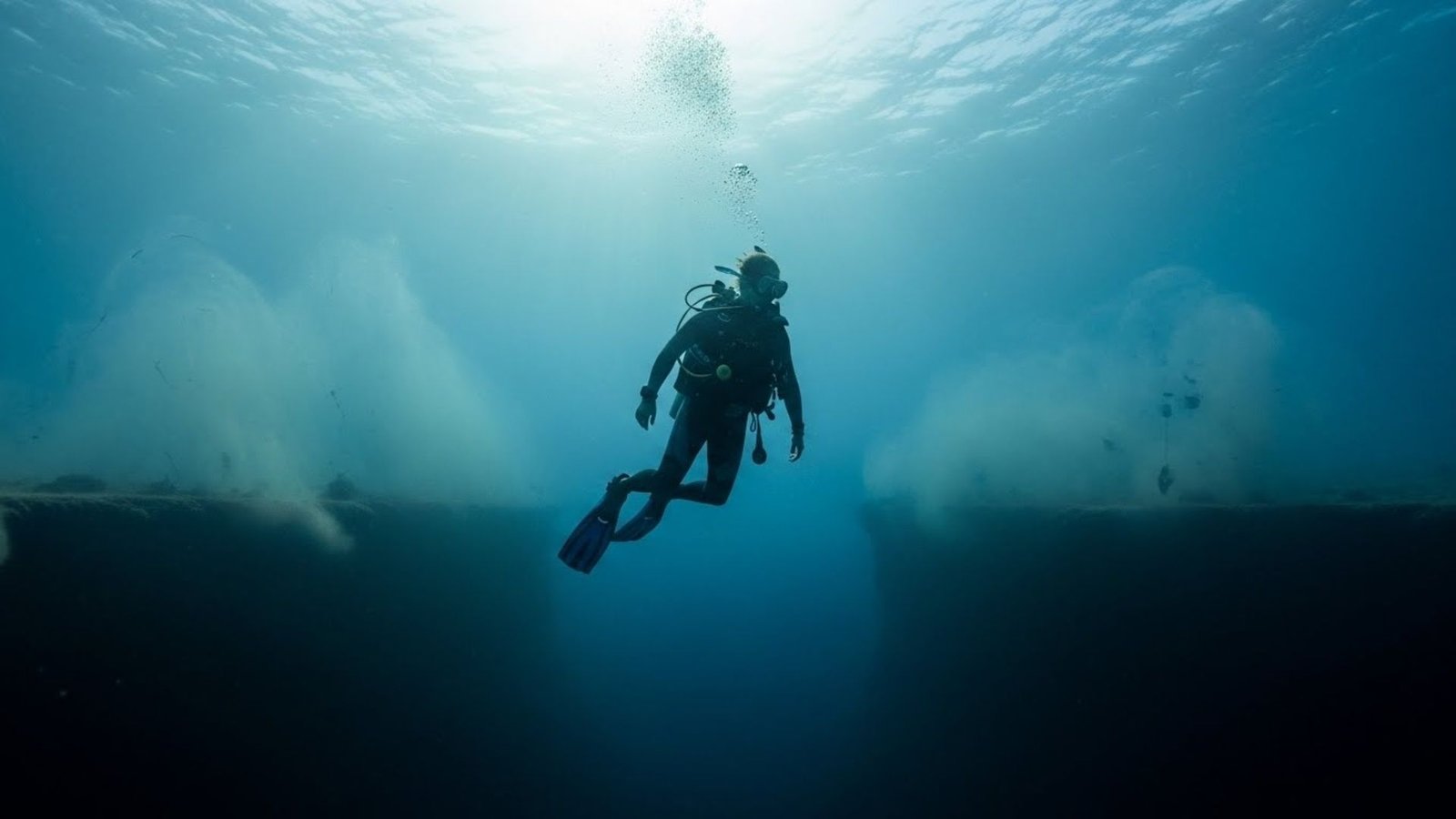
Scuba diving seems safe enough, right? But the insurance trap here is incredibly precise.
Most standard policies cover diving, but only to 18 meters (60 feet). Why? because that’s the limit for an “Open Water” certification.
But tons of cool dives—shipwrecks, the Blue Hole—are at 25 or 30 meters. If you go down to 22 meters and get the bends, the insurer checks your dive computer. If you were below 18 meters, you’re out of luck.
And you do not want to pay for Decompression Sickness (DCS) out of pocket.
The Soda Bottle Analogy:
Think of your blood like a soda bottle under pressure. When you’re deep, gas is dissolved in your blood (like the fizz in the soda). If you come up too fast, it’s like shaking the bottle and twisting the cap off. The gas explodes into bubbles.
Those bubbles block blood flow to your joints and brain.
Fixing this requires a Hyperbaric Chamber—a pressurized tube that shrinks the bubbles. A treatment series can cost $50,000. If you were 2 meters too deep, that bill is yours.
6. The “Reckless Endangerment” Clause: The “Hold My Beer” Trap
Insurance contracts run on “good faith.” They all have a clause excluding “reckless” or “grossly negligent” behavior.
The number one trigger for this? Alcohol.
I’m not talking about stumbling-drunk. I’m talking about having two beers at a ski lodge lunch, then going back out on the slopes and twisting a knee. If the hospital runs a tox screen and finds alcohol, the insurer has an opening. They can argue your judgment was impaired.
They also use this for “Exposure to Danger.” If you ignore a “Do Not Enter” sign at a national park to get a selfie and fall? Reckless. Denied.
The Cruise Excursion Gap
Safe Zone: On the ship, you’re covered. Lost luggage? Missed departure? Ship illness? All Good.
(Entering the Coverage Black Hole)
🍌 The Third-Party Trap
Rogue Rentals: That banana boat or jet ski rented from a guy on the beach? It’s likely excluded.
Cruise policies often exclude high-risk activities unless booked through the cruise line.
⚓ The “Missed Ship” Nightmare
Root Cause Denial: Get hurt on an independent tour and miss the boat? Insurance might deny “Trip Interruption.”
Now you’re injured, the ship is gone, and you’re paying for your own flight.
Finally, for my cruise lovers. You buy the “Cruise Protection Plan” and think you’re set.
But that insurance is mostly for the ship—lost luggage, missed departures, shipboard illness.
The second you step off the boat in Cozumel and rent a jet ski from a guy on the beach, you are entering a coverage black hole.
- Third-Party Trap: Cruise policies often exclude high-risk activities unless booked through the cruise line. That “rogue” banana boat ride isn’t covered.
- The “Missed Ship” Nightmare: If you get hurt on that independent tour and miss the ship’s departure, the insurance might deny the “Trip Interruption” claim because the root cause (the jet ski accident) was excluded.
Now you’re injured, the ship is gone, and you’re paying for your own flight to the next port.
Need More Help For Your Adventures? Look Into These
While we’re on the subject of staying safe and keeping your bank account intact, there are a few physical things I always toss in my pack. Insurance covers the bills after things go wrong, but these gadgets help you avoid the hospital in the first place. I’m not saying you need all of them, but if you’re heading off-grid or just want peace of mind, these are solid investments I’ve used myself.
1. Garmin inReach Mini 2 Satellite Communicator

If you’re going where cell service doesn’t, this is non-negotiable. It lets you send texts and trigger an SOS to a 24/7 rescue center from anywhere on Earth. It’s tiny, the battery lasts forever, and it pairs with your phone. It’s basically the ultimate “get out of jail free” card for the wilderness.
2. Zacurate 500DL Pro Series Pulse Oximeter

Remember that “altitude trap” we talked about? This little clip-on device tells you your oxygen levels in seconds. It’s crucial for trekking in places like Peru or Nepal to catch altitude sickness before it becomes an emergency. This model is accurate, rugged enough for travel, and cheap insurance for your lungs.
3. Adventure Medical Kits Mountain Series Hiker

Most first aid kits are full of cheap band-aids that fall off when you sweat. This kit is actually designed for hikers. It has blister treatment (moleskin is life), decent trauma supplies, and meds organized by injury type. I never hike without it.
4. She’s Birdie Personal Safety Alarm

For solo travelers, especially in cities or when walking alone at night, this is a game-changer. It’s a loud siren and strobe light on a keychain. If you feel threatened, you pull the pin, and it creates a massive scene to deter bad actors. Simple, effective, and easy to carry.
5. Waterproof Travel Document Organizer

Since we just spent all this time talking about policies and paperwork, you need a place to keep them dry and safe. A good waterproof organizer holds your passport, insurance docs, and backup cash. If you get caught in a monsoon in Thailand, you don’t want your lifeline turning into paper maché.