Airline Mechanics Recommend These 5 Seat Numbers on Every Plane Model—For Maximum Comfort and Safety

You know that moment when you board a plane, scan the row numbers, and silently pray you didn’t pick a dud? We’ve all been there. You navigate the narrow aisle, judging the legroom, eyeing the overhead bins, and hoping your neighbor isn’t going to spill into your personal space.
To most of us, an airplane cabin is just a flying hotel lobby. We look for the “extra inches” of legroom or the proximity to the snack cart. But to the aircraft mechanics—the people who actually build, fix, and crawl inside these machines—the cabin looks completely different.
They don’t see “Economy Plus.” They see fuselage stations, vibration nodes, and air ducts. They see a machine governed by physics, not marketing.
I’ve dug through the technical manuals, the NTSB accident reports, and the unfiltered forums where mechanics talk shop. And honestly? The way we choose seats is all wrong. Mechanics know exactly where the ride is smoothest, where the air is freshest, and where the structure is strongest.
Here is the truth about where you should be sitting, straight from the hangar floor.
🤢 The Vomit Comet
vs. The Sweet SpotThe Plane is a Seesaw. Turbulence makes it pivot around its Center of Gravity (CG). The ends move the most; the center moves the least.
The Tail (Vomit Comet)
Fishtailing & Heavy Swoops.The Wing Box (Fulcrum)
Strongest & Most Stable.The Nose
High Leverage Movement.If you’re the type of person who grips the armrest the second the seatbelt sign dings, you need to stop booking seats based on how quickly you can get off the plane. You need to book based on physics.
Here’s the deal: A plane is basically a giant seesaw.
When turbulence hits, the plane pivots around its Center of Gravity (CG). In almost every commercial jet, that pivot point is directly over the wings.
- The Nose and Tail: These are the ends of the seesaw. When the pilot pitches the nose up just two degrees, the front and back of the plane might move several feet. It’s simple leverage.
- The Wing: This is the fulcrum. It barely moves.
Mechanics often call the rear galley area the “vomit comet” during test flights. The further back you go, the more you feel the “fishtailing” (yaw) and the heavy up-and-down swoops. It’s a double-whammy that confuses your inner ear and triggers motion sickness fast.
The Mechanic’s Fix
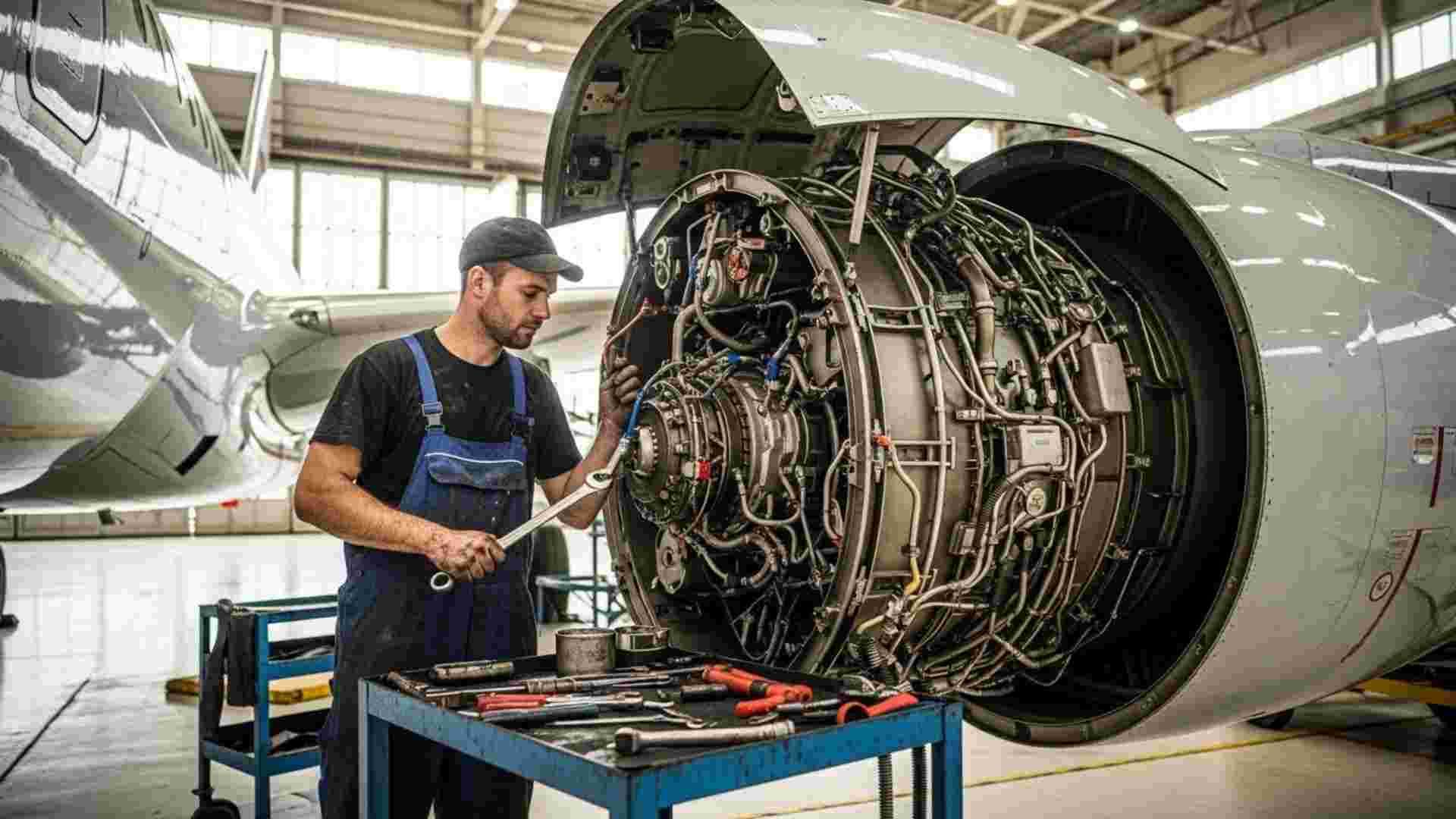
If you want the sensation of riding in a car rather than a rollercoaster, you need to sit where the structure is heaviest. The Wing Box—where the wings join the fuselage—is the strongest, stiffest, and most stable part of the plane.
The Stability “Cheat Sheet” by Aircraft:
| Aircraft Type | The “Stable Zone” (Row Numbers) | Why? |
| Boeing 737 (NG/MAX) | Rows 12 – 20 | Directly over the wing root and center fuel tank. |
| Airbus A320 Family | Rows 10 – 18 | The structural center of the aircraft. |
| Widebodies (777/787/A350) | Rows 20 – 40 | Covers the massive wing root of these larger jets. |
Pro Tip: If you can, fly on a Boeing 787 Dreamliner. It has a “Smooth Ride Technology” system where sensors in the nose detect turbulence and automatically adjust the wing flaps to counter it—literally cancelling out the bumps before you feel them.
2. The Structural Citadel: Where is the “Safest” Seat?
This is the question everyone asks, and the answer usually sparks a debate. If you ask a statistician, they’ll tell you one thing. If you ask a structural engineer, they might tell you another.
Let’s look at the hard numbers first. TIME magazine did a massive deep dive into 35 years of FAA accident data. The results were pretty stark.
- Front of the Plane: 38% Fatality Rate
- Middle (Over Wing): 39% Fatality Rate
- Rear of the Plane: 32% Fatality Rate
The Winner: The Middle Seat in the Rear Third of the plane had the lowest fatality rate of all (28%).
The Loser: The Aisle Seat in the Middle Third had the highest (44%).
The “Crumple Zone” Logic
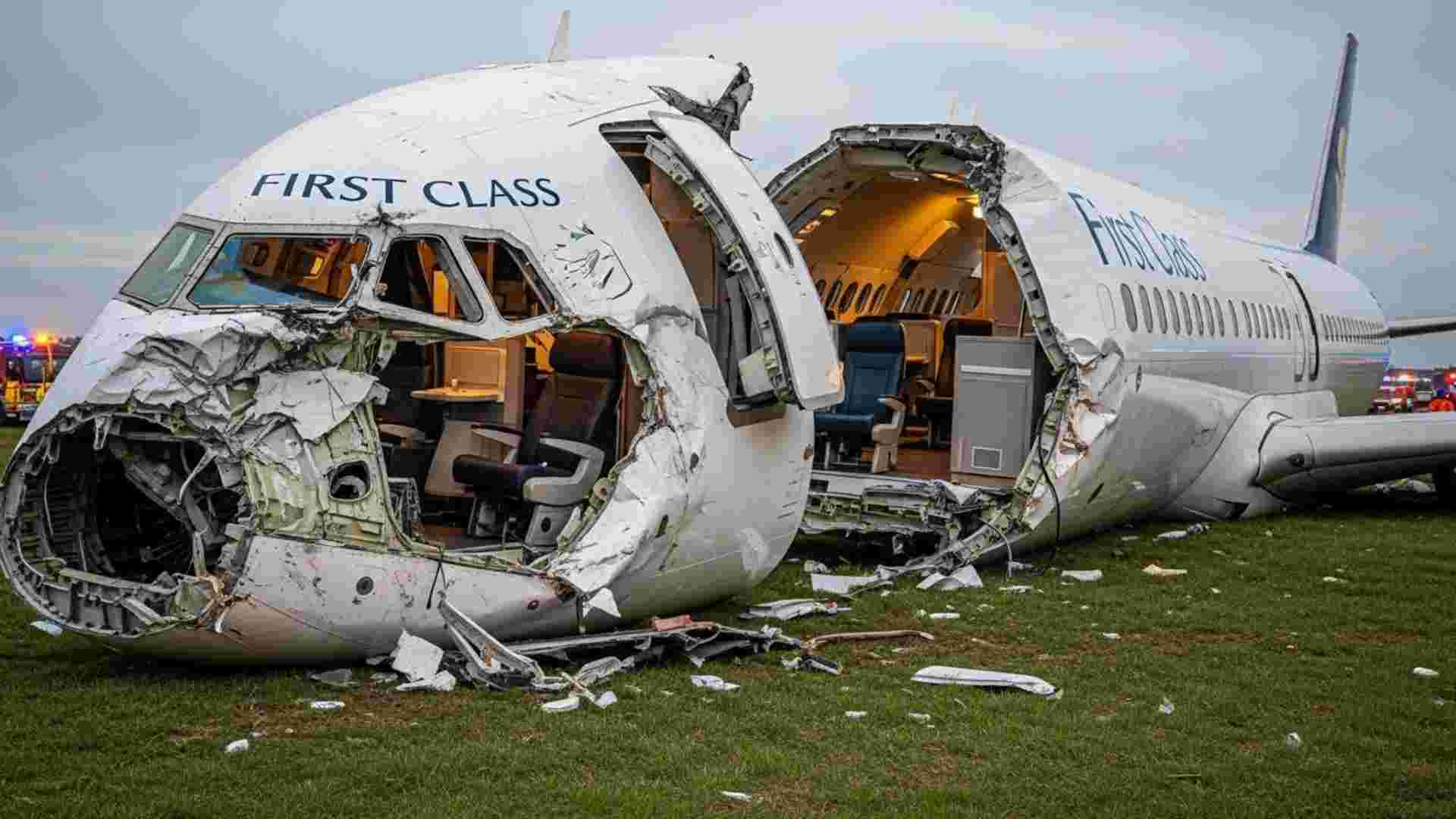
It makes sense when you think about it. In most accidents (like running off a runway), the plane is moving forward. The nose hits first. The First Class cabin effectively acts as a crumple zone for the people in the back, absorbing the energy of the impact.
But wait—what about the structure?
Mechanics will point out that while the rear is statistically safer, the middle (over the wing) is structurally the strongest part of the plane. It’s reinforced to hold the engines and landing gear. In a “belly flop” crash, the wing box rarely collapses. The trade-off? You’re sitting on top of the fuel tanks.
The Mechanic’s “Real World” Choice
So, where does the smart money go? They usually split the difference. They aim for the Rear-Middle (Rows 25-30 on a 737), but specifically an Aisle Seat.
Why? Evacuation.
Surviving the impact is only step one. Step two is getting out before the smoke gets you. Research from the University of Greenwich shows that your survival odds drop off a cliff if you are more than 5 rows away from an exit.
Sitting in the rear-middle aisle puts you in the statistical “safe zone,” but also keeps you close to the overwing exits and the rear doors. You have options.
Busting the “Brace Position” Myth
You’ve probably heard the rumor that the “Brace” position is just designed to preserve your dental records. That is absolute nonsense.
Here is the physics: The brace position couples your body mass to the seat in front of you. It stops you from flailing. If you stay upright, your head has room to accelerate before slamming into the seatback, causing massive trauma. If you’re already bracing against it, you move with the seat as it absorbs the energy. It saves lives. Period.
3. The Symphony of Speed: Finding the Quietest Seat
Airplane noise isn’t just annoying; it’s exhausting. That constant 85-decibel roar spikes your cortisol and dehydrates you.
Mechanics know exactly where that noise comes from:
- Jet Blast: The exhaust roaring out the back of the engine (Low frequency, very loud).
- Wind Noise: The air rushing over the fuselage skin (High frequency, hissing).
The Golden Rule: Stay Ahead of the Engines
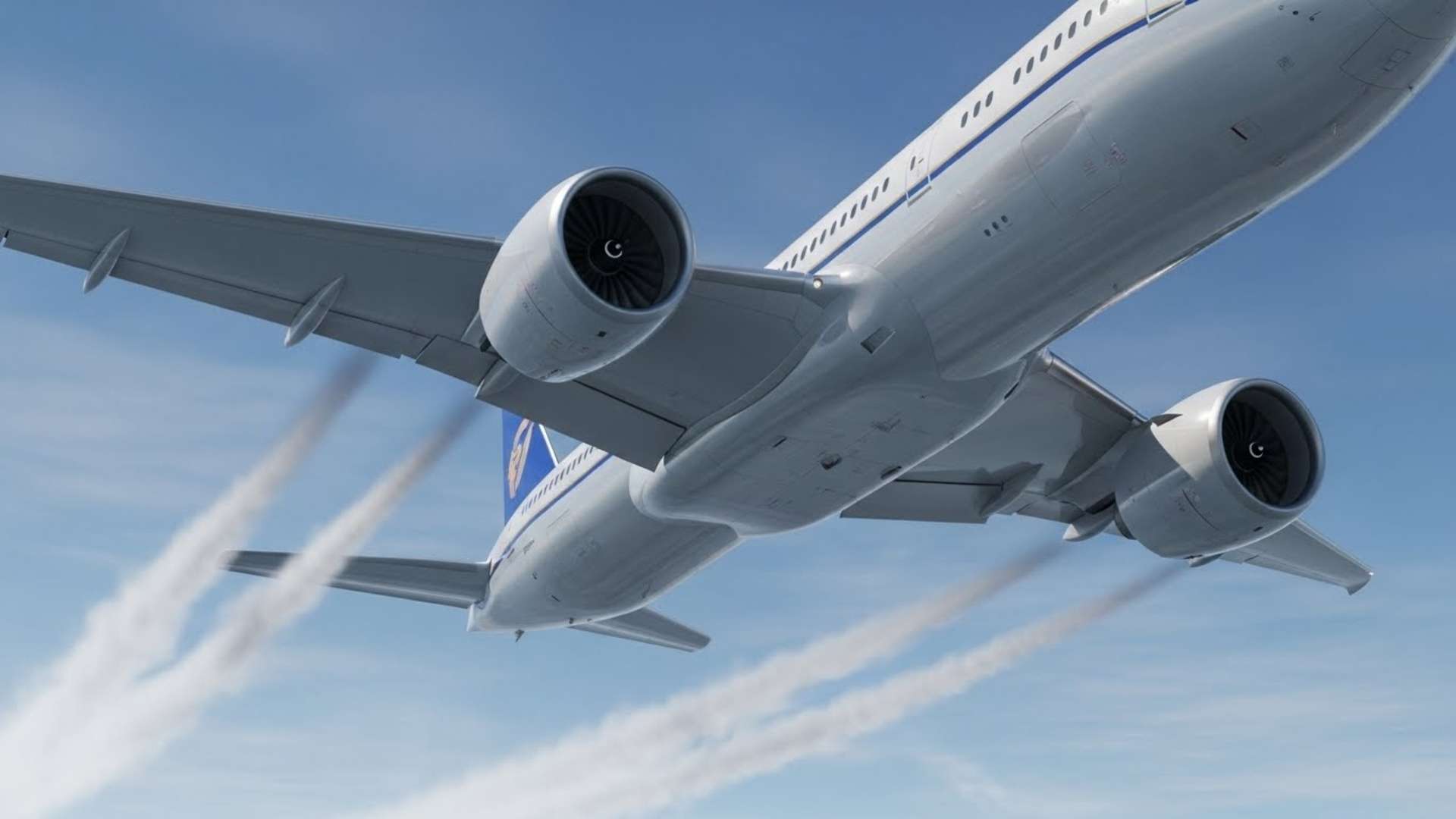
On almost every jet (737, A320, 777), the engines are under the wings. The loudest noise—the exhaust—projects backward.
If you sit in Rows 1–10 (Forward of the wing), you are physically ahead of the noise source. The difference is huge. The back of the plane gets the exhaust roar plus the wind noise, which gets louder the further back the air flows.
Window vs. Aisle?
I know, I know—you want the view. But if silence is your goal, take the Aisle.
Sitting in the window seat puts your ear about four inches from the aluminum skin of the fuselage. At 500 mph, that skin is vibrating like a drumhead. Studies show the aisle seat is about 4 decibels quieter than the window. That might not sound like much, but in acoustics, that’s a noticeable drop in volume.
4. The “Germ Tube” Myth: Where is the Cleanest Air?
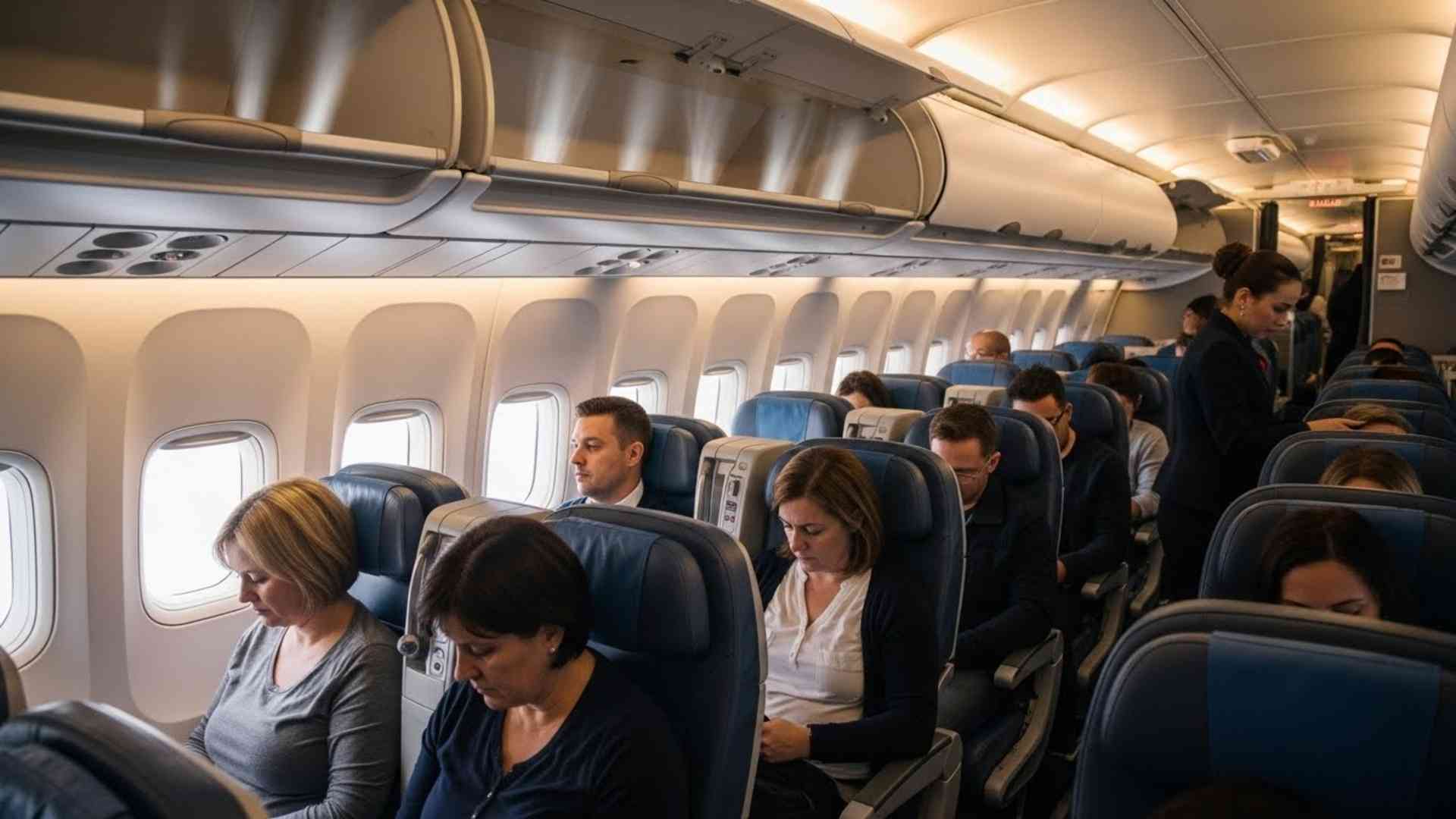
Since 2020, we’ve all become armchair experts on airflow. But there’s a persistent myth that air flows from the front of the plane to the back, dragging everyone’s sneezes with it.
That is simply not how it works.
Mechanics will tell you the airflow is Vertical, not longitudinal.
- Supply: Fresh air blows down from the ceiling vents.
- Exhaust: Stale air is sucked out through those grills near the floor at your feet.
This creates a circular air curtain around your row. The air you breathe is mostly staying in your row, not drifting from the cockpit to the tail.
So, does seat location matter?
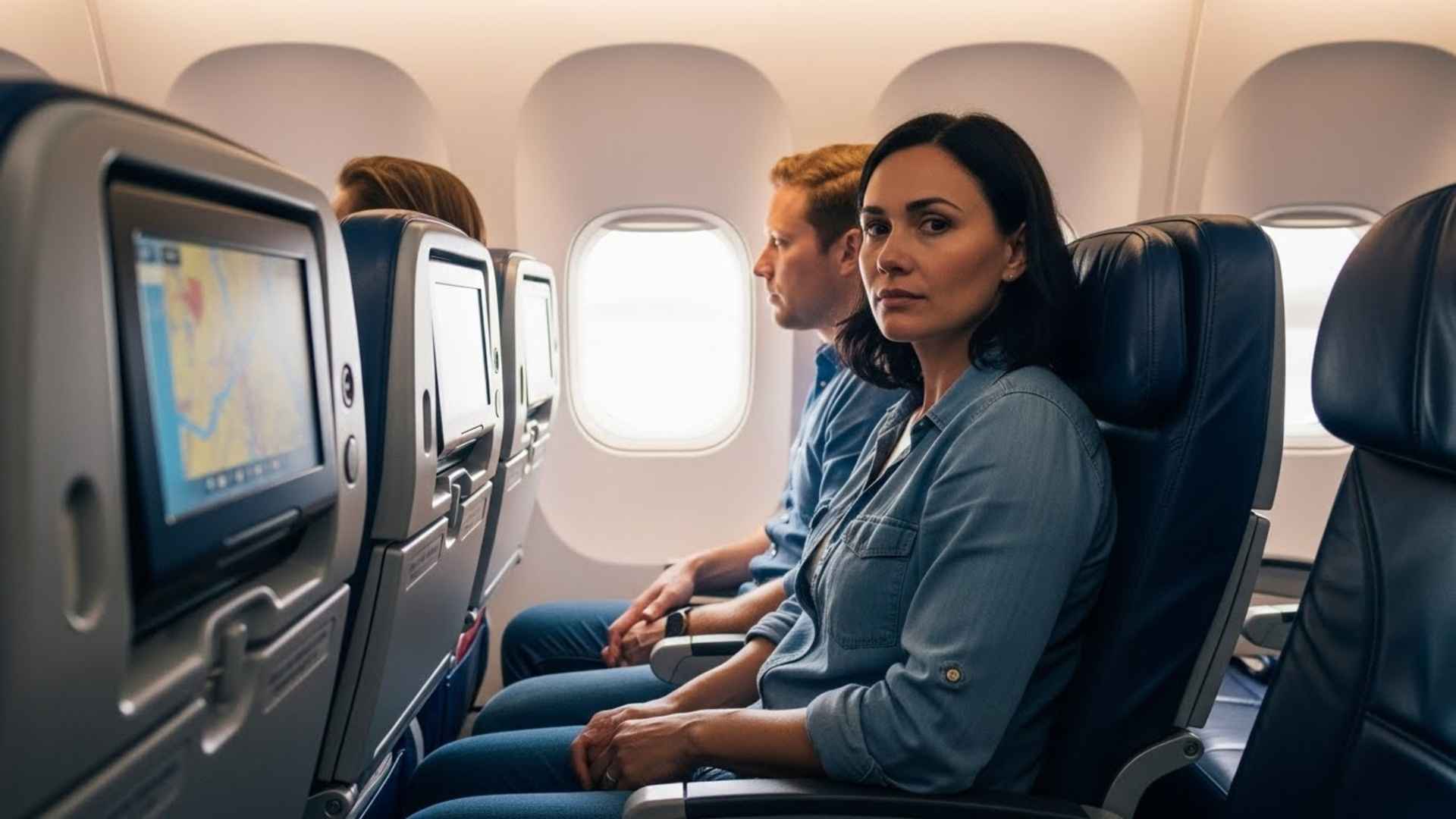
Ideally, no—the HEPA filters scrub 99.9% of everything out of the air. But mechanics do notice a difference in temperature and freshness, especially on the ground.
The “Packs” (air conditioning units) are usually in the belly. The air travels through ducts to reach you. The cockpit and front galley need the most cooling (for the avionics and the pilots). So, the Forward Economy section (Rows 10-20) often gets the coldest, freshest air straight from the mix manifold. By the time the air reaches the very last row, it has traveled through a lot of ductwork and can feel a bit warmer and “stale.”
The Ultimate Air Hack: Fly the Boeing 787.
Most planes use “bleed air”—air taken directly from the jet engines, cooled, and pumped into the cabin. The 787 is the only commercial jet that uses dedicated electric compressors to scoop fresh air from outside, bypassing the engines entirely. It’s cleaner, and they can keep the humidity higher, so you don’t feel like a dried-out sponge when you land.
✈️ The Insider’s List
Blacklist & Whitelist SecretsThe “Windowless” Window
You paid for a view, but you got a wall. This is where the AC ducts live.
The “Box of Doom”
A metal power supply unit under the seat eats your foot space.
The “Harry Potter” Seat
Due to exit path spacing, there is no seat in front of you. Infinite legroom!
The “Coldest” Seat
Exit Row Windows lack insulation. At 35,000ft, the -60°F cold radiates through.
This is the juicy stuff—the quirks of the airframe that you only see when you tear the plane apart for a C-Check maintenance visit.
The “Windowless” Window Seat (Avoid These!)
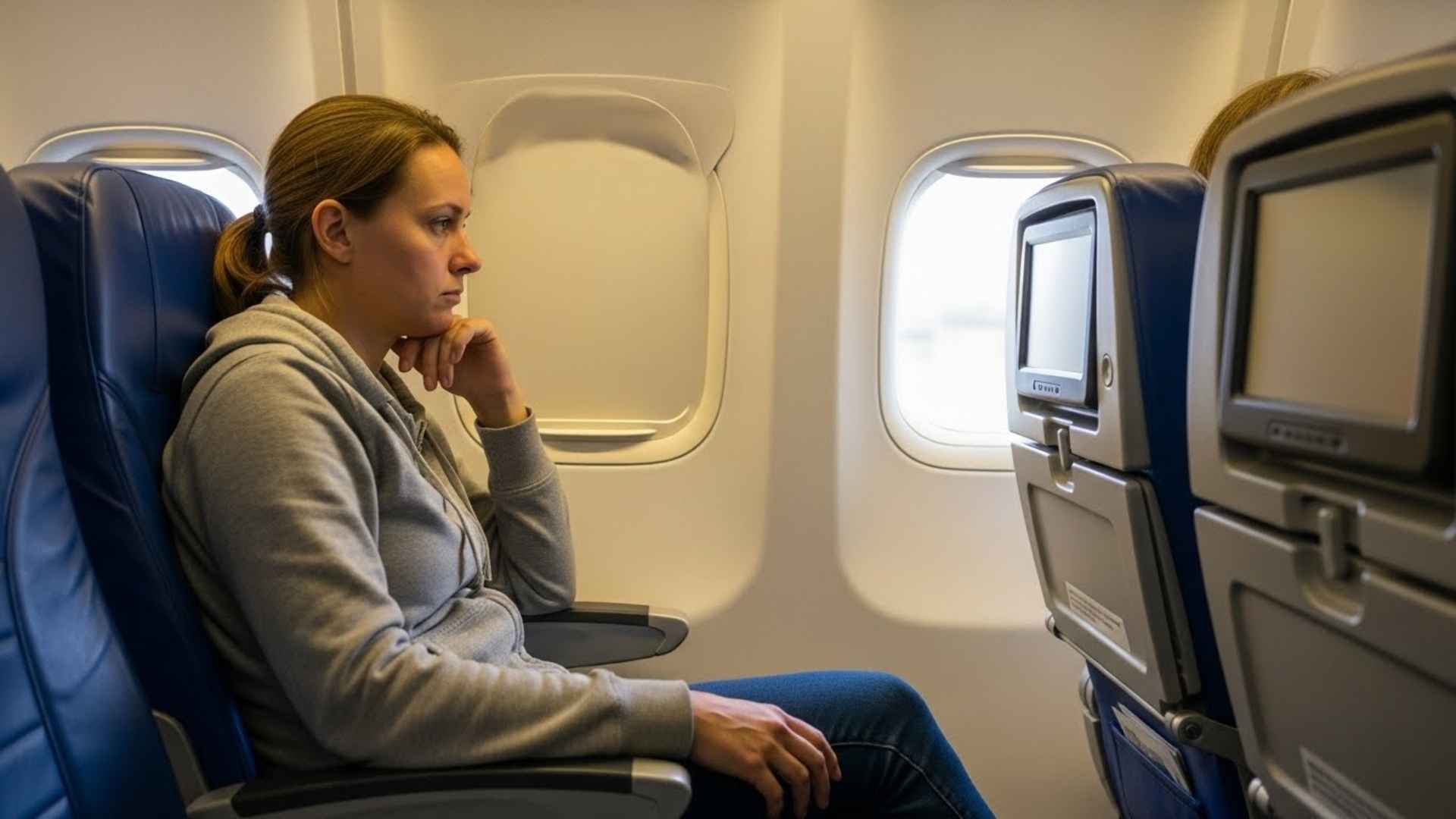
You pay for a window seat, you board, and… it’s a wall. Why?
It’s not a mistake. It’s where the massive air conditioning riser ducts run up the side of the plane. They need space, so the window gets deleted.
- Boeing 737-800: Avoid Seat 10A (sometimes 11A).
- Boeing 737 MAX 8: Avoid Seat 11A or 12A.
- Airbus A321neo: Row 12 is often missing a window.
The “Box of Doom” (Legroom Killer)
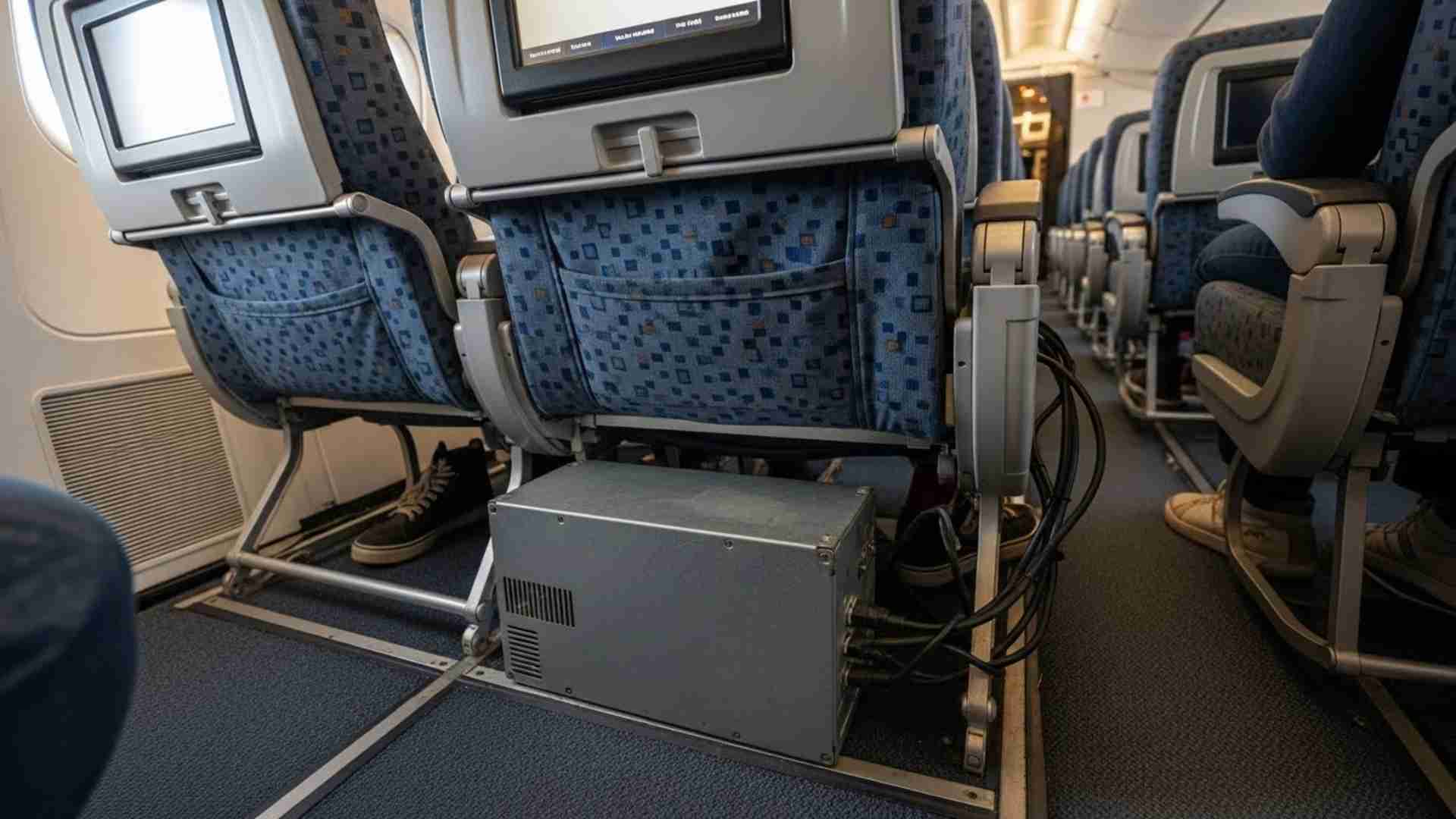
On many older planes with seatback TV screens, there’s a shoebox-sized metal power supply unit mounted under the seat in front of you. It eats up your foot space.
- The Mechanic’s Tip: Airlines usually mount these under the Aisle or Window seats to keep the Middle seat footwell clear (since the middle seat sucks enough already). Paradoxically, on an older plane, the Middle Seat might have the best legroom.
The “Harry Potter” Seat (Hidden Gem)
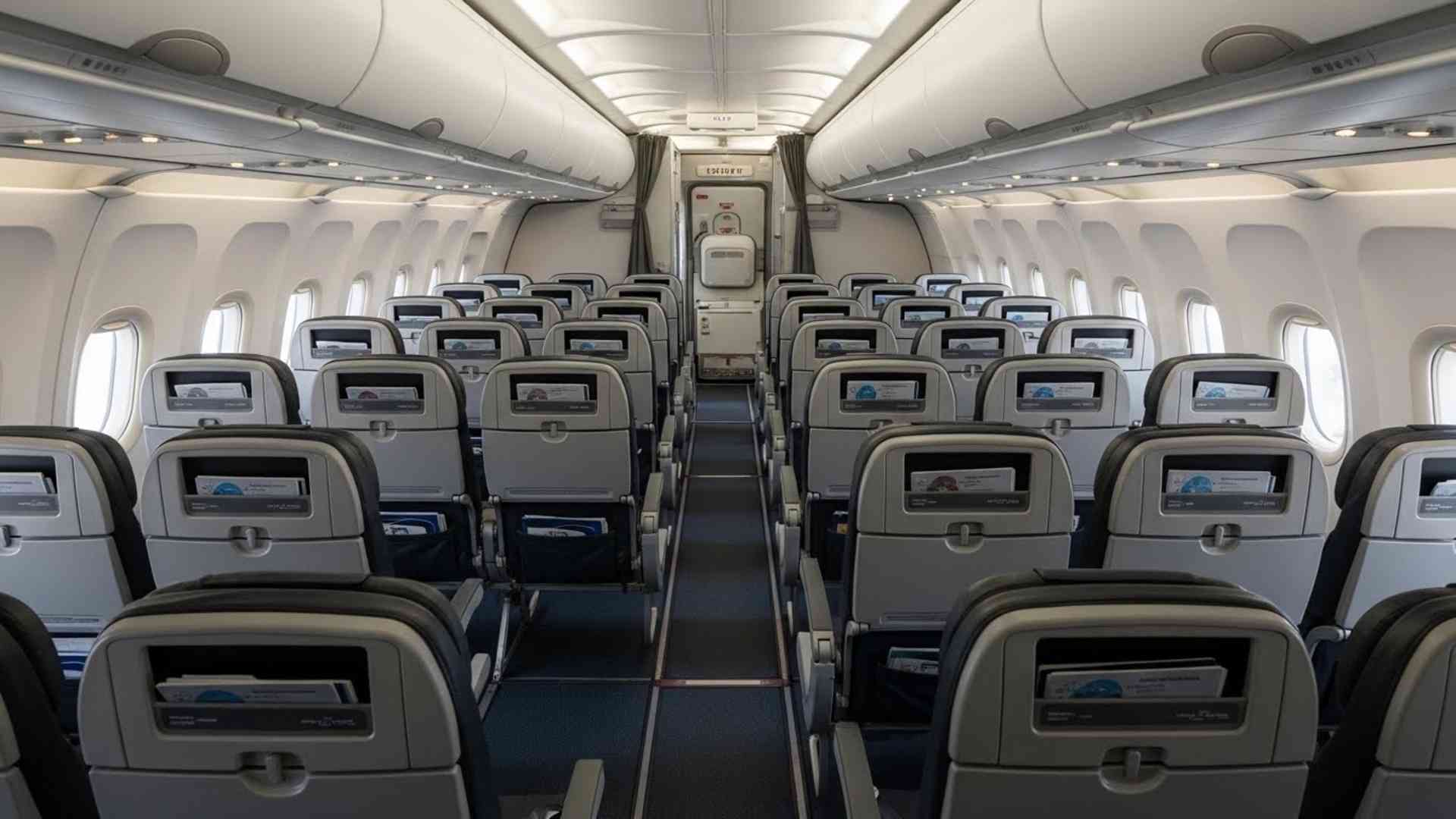
On certain configurations (like the 737-900ER or MAX 9), the emergency exit spacing requires a “pathway” that forces the airline to remove a seat.
- Look for Seat 21A or 21F (or the window seat in the second exit row). Often, there is no seat in front of it. You have infinite legroom. It’s the poor man’s First Class.
The “Coldest” Seat
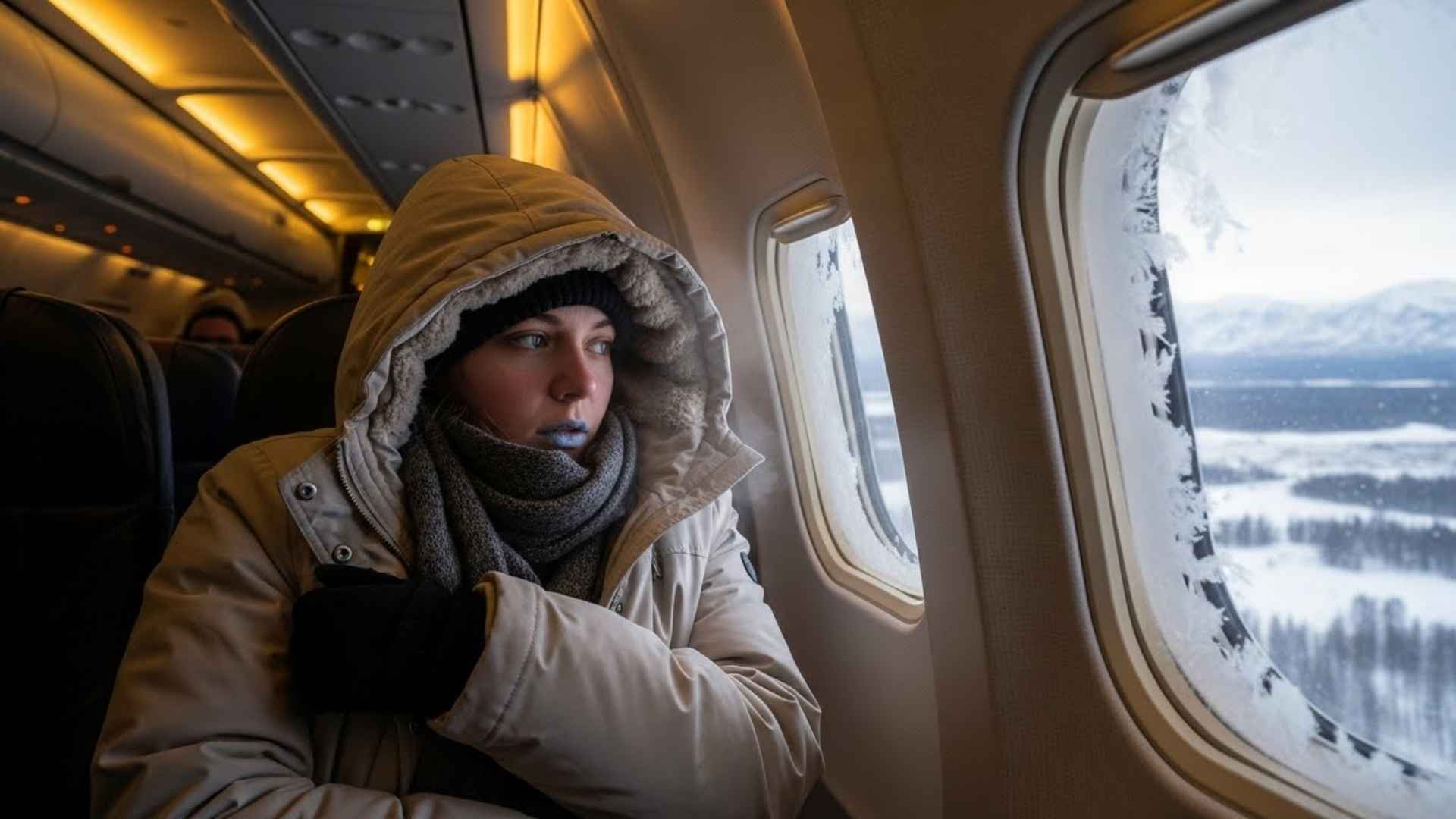
If you run cold, avoid the Exit Row Window.
The emergency door is a “plug” seal. It doesn’t have the same thick insulation blankets as the rest of the wall. At 35,000 feet, it is -60°F outside. That cold radiates right through the door structure. If you want the legroom, bring a hoodie.
Gear That Actually Makes a Difference
You don’t need a suitcase full of gadgets to fly well, but you do need the right tools. When you understand the physics of flying—the pressure differentials, the acoustic fatigue, and the circulation risks—you realize that a few strategic items can solve the physiological problems that mechanics know all about. Forget the gimmicks; here is the toolkit that turns a cramped seat into a command center.
1. Twelve South AirFly Pro

Mechanics know that the In-Flight Entertainment (IFE) systems on many planes are outdated, with headphone jacks that crackle and hiss. Plus, the free airline headphones offer zero protection against the 85-decibel engine roar. The AirFly Pro plugs into that old headphone jack and transmits the audio wirelessly to your own high-quality noise-canceling headphones. It bridges the gap between 1990s airplane tech and 2025 audio quality, allowing you to block out the “fan buzz” while still watching the movie.
2. Alpine FlyFit Pressure Relief Earplugs

If you sit in the “Structural Citadel” (the rear), you are subjected to the most pressure variance. “Airplane ear” isn’t just annoying; it’s a failure to equalize pressure between your outer and middle ear. These earplugs act like a pressure valve, regulating the airflow to your ear drum during the rapid descent, preventing pain. They also filter out the exhausting high-frequency background noise while still allowing you to hear safety announcements.
3. Physix Gear Sport Compression Socks

We talked about the risks of sitting in the “Blacklist” seats with limited legroom. If you can’t stretch, you are at risk for Deep Vein Thrombosis (DVT)—blood pooling in the legs due to gravity and inactivity. These aren’t your grandmother’s medical stockings; they are engineered for athletes. They apply graduated pressure (tighter at the ankle, looser at the calf) to mechanically force blood back up towards your heart, fighting gravity and keeping your circulation efficiency high.
4. Trtl Travel Pillow

Traditional U-shaped pillows are just foam donuts that don’t actually support the skeletal structure of your neck. The Trtl is different; it uses an internal plastic rib that mimics a neck brace, hidden inside soft fleece. It provides actual mechanical support for your head, allowing you to sleep upright without the “head bob” that wakes you up. It’s perfect for the “Stable Zone” over the wing where you want to sleep through the smooth ride.
5. Universal Airplane Phone Mount (Perilogics)

Remember the “Entertainment Box” problem? Sometimes the best screen is the one in your pocket. This simple mechanical clamp attaches to the tray table latch, allowing you to mount your phone at eye level. It frees up your hands, keeps your neck straight (preventing “tech neck”), and lets you ignore the grainy seatback screen entirely. It’s a simple mechanical fix for an ergonomic nightmare.