
Neurologist Warns: 9 Common Medications That Accelerate Brain Aging After 50 (And Natural Alternatives That Reverse It)


You know that moment. You walk into a room and suddenly freeze, the reason for being there vanishing into thin air. Or a name you’ve known for twenty years is right on the tip of your tongue, but you just can’t find it.
We laugh these off as “senior moments.” We joke about getting old. But deep down, there’s a flicker of real fear. Is this it? Is this the start of the slide?
Here’s the thing that keeps me up at night: for millions of us over 50, this fog isn’t just “aging.” It’s not inevitable. It’s chemical.
We are living through a paradox. We’re better than ever at keeping our bodies alive with medications—pills for blood pressure, pills for sleep, pills for heartburn. But leading neurologists are now sounding the alarm that the very things keeping our bodies comfortable might be quietly dismantling our brains. They call it “drug-induced cognitive impairment,” but I call it the silent erosion.
1. The Sleep Aid Trap

You can’t sleep, so you grab a bottle of blue pills from the drugstore—Diphenhydramine (Benadryl) or Doxylamine (Unisom). They knock you out, sure. But neurologists warn that sedation is not sleep.
These drugs stop your brain from entering the deep, restorative REM sleep where memories are cemented. Worse, studies published in JAMA Neurology have shown that chronic use of strong anticholinergics is linked to a 50% increased risk of dementia. You’re trading tonight’s rest for tomorrow’s memory.
2. The Bladder Blockade

It’s an uncomfortable reality of aging: the bladder gets overactive. Drugs like Oxybutynin treat this by relaxing muscles. But they don’t just work on the bladder; they cross into the brain and relax your neurons—often to the point of confusion. The “cognitive cost” of dry pants can be a confused mind.
The Tricyclic Trade-off
Pharmacological “Dirty Bombs”
Drugs like Amitriptyline (used for nerve pain/migraines) hit the pain, but create collateral damage.
Carpet-Bombing Receptors
While targeting pain, they indiscriminately block your acetylcholine receptors.
The Consequence
Slower Processing Speeds
& Brain Fog
Old-school antidepressants like Amitriptyline are still prescribed for nerve pain or migraines. They are pharmacological “dirty bombs”—they hit the pain, but they also carpet-bomb your acetylcholine receptors. The result? Slower processing speeds and brain fog.
Visualizing the Risk:
It’s rarely just one pill. It’s the combination. This chart shows how the burden adds up.
4. Benzodiazepines: The “Drunken Brain”

We need to talk about anxiety meds like Xanax, Valium, and Ativan. They work by boosting GABA, a chemical that slows down brain activity. It feels great in a panic, but long-term? It’s like being slightly drunk, 24/7.
The “Drunken Brain” hypothesis suggests that chronic use dampens your cognitive reserve. And here’s the kicker: stopping them is hard. The brain gets used to the chemical crutch. But researchers have found that even in older adults, tapering off these drugs can lead to a measurable “waking up” of cognitive function.
5. Proton Pump Inhibitors (The Heartburn Fix)

This one really worries me because everyone seems to be on a PPI like Omeprazole (Prilosec). They shut down stomach acid to stop heartburn. Great for your esophagus, terrible for your brain.
Why? Because you need stomach acid to absorb Vitamin B12. Without B12, your body can’t process homocysteine, a toxic amino acid. When homocysteine levels spike, it inflames the brain and damages blood vessels.
The Statin Controversy
The Vital Material
Did you know? Your brain is 25% Cholesterol. It uses this fat to insulate neurons and build connections.
The “Lipophilic” Leak
Some statins (like Atorvastatin) are “lipophilic,” meaning they cross from the blood directly into the brain.
Starvation & Fog
Aggressive cholesterol lowering in the elderly might starve the brain of repair materials, leading to “Brain Fog.”
We take statins to lower cholesterol and prevent heart attacks. That’s vital. But your brain is 25% cholesterol. It uses it to insulate neurons and build connections.
Some neurologists, like Dr. David Perlmutter, argue that aggressive cholesterol lowering in the elderly—especially “lipophilic” statins that cross into the brain (like Atorvastatin)—might be starving the brain of the raw materials it needs to repair itself. It’s a delicate balance, and one worth discussing with your doctor if you’ve noticed “brain fog” creeping in.
7. Corticosteroids (The Stress Mimics)

Prednisone is a miracle for inflammation. But it’s a synthetic version of cortisol, the stress hormone. And we know what chronic stress does to the brain—it literally shrinks the hippocampus, the memory center. Long-term steroid use can mimic this, leading to what some call “steroid dementia.”
The Risk Matrix:
I know this is a lot to take in. Here is a summary of the 9 drug classes we’ve discussed, mapped by how they actually impact your brain mechanics.
8. Opioids (Hydrocodone/Oxycodone)
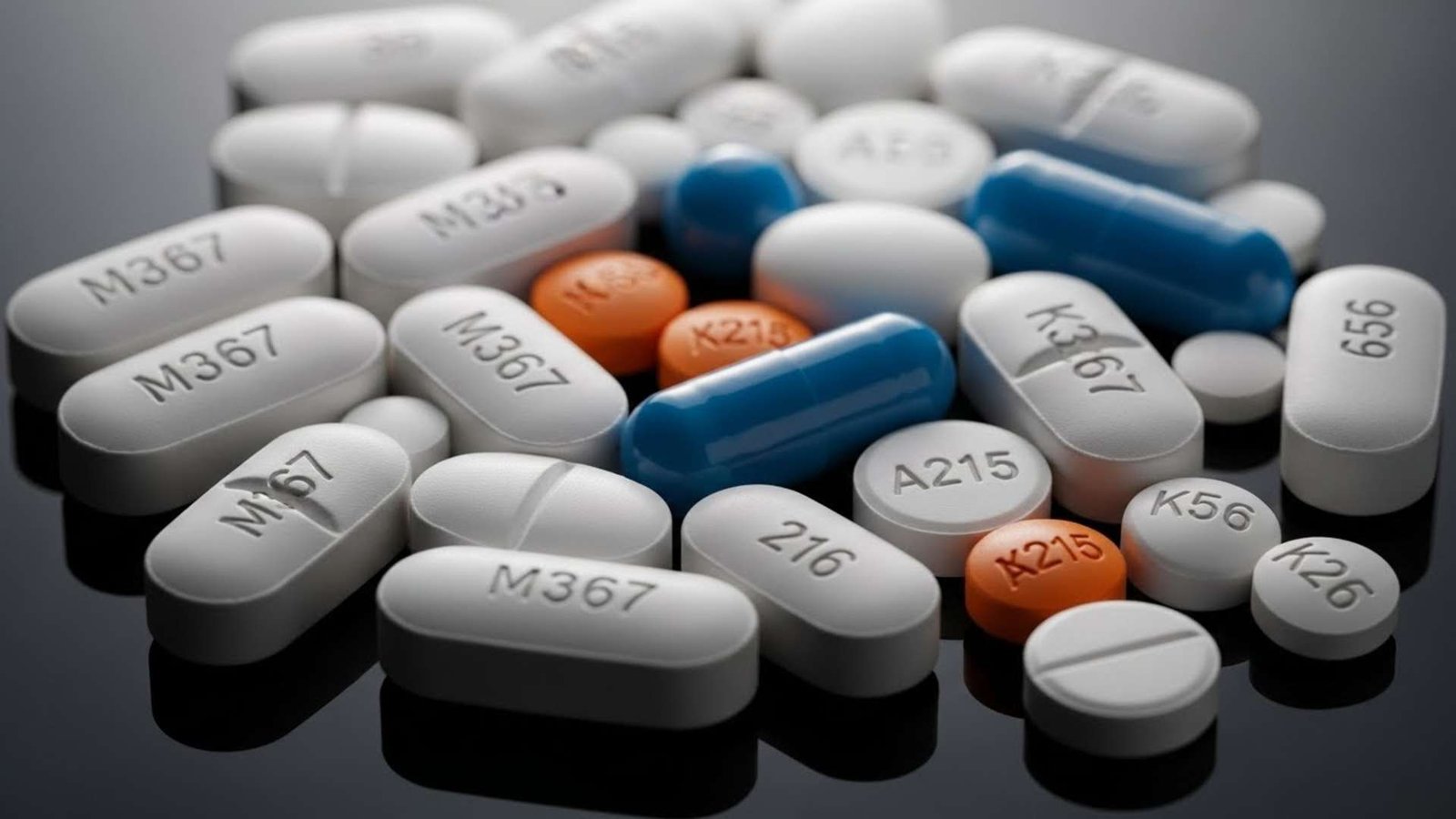
The Effect: Aside from addiction risks, chronic use depresses your breathing slightly while you sleep, essentially starving the brain of oxygen over time (hypoxia).
9. Antipsychotics (Seroquel/Quetiapine)
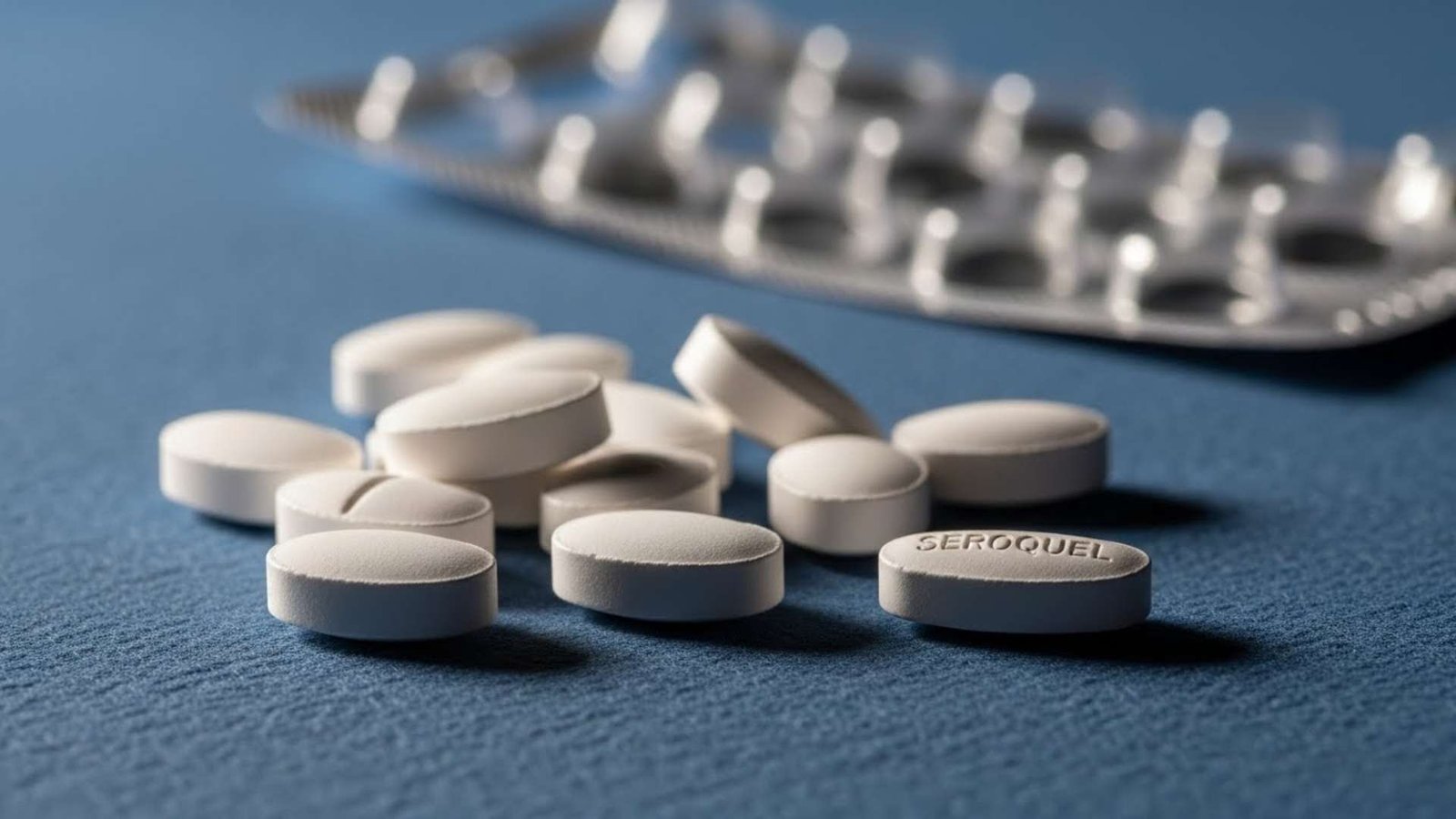
The Warning: Often used “off-label” to help seniors sleep or stay calm. The FDA has a “Black Box” warning on these for elderly patients because they are linked to rapid cognitive decline.
Need More Help? Look Into These Tools for Your Brain
I know changing your routine is hard. Sometimes having the right tool or the right supplement sitting on your counter makes the difference between “thinking about it” and “doing it.” I’ve dug through the clutter to find a few things that actually align with the science we just talked about. I’m not telling you to buy everything, but these are the specific types of products neurologists and researchers are actually excited about.
1. Magnesium L-Threonate (Magtein)
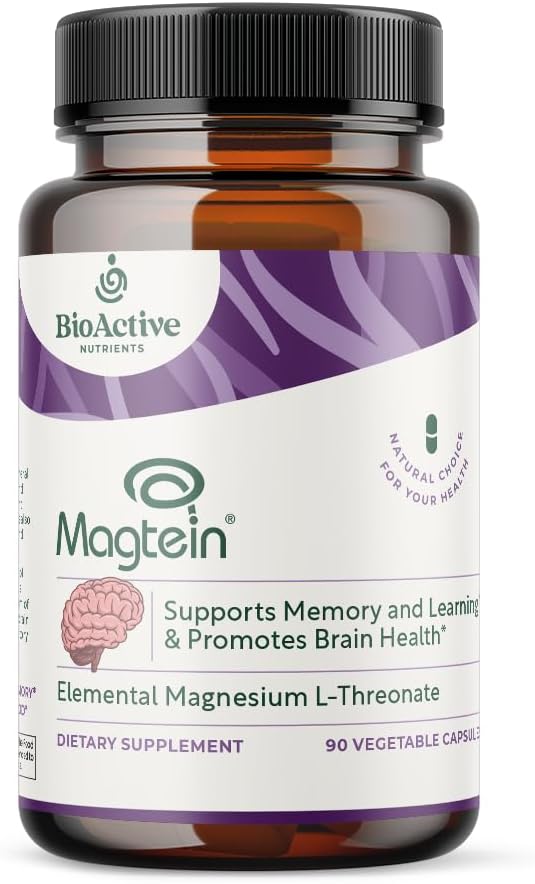
If you only try one thing for your brain, make it this. Unlike standard magnesium that just makes you poop, this patented form (Magtein) is the only one clinically proven to cross the blood-brain barrier. It’s a direct swap for that brain fog.
2. Organic Lion’s Mane Mushroom

You want the “fruiting body,” not the mycelium (which is basically just roots and filler). Brands like Real Mushrooms or Four Sigmatic are solid choices because they test for the active compounds that stimulate nerve growth. It’s like your morning coffee, but for your neurons.
3. Terry Naturally CuraMed (BCM-95 Curcumin)

We talked about inflammation being the enemy. Standard turmeric powder is hard for your body to absorb. BCM-95 is a specific formulation that stays in your bloodstream longer. It’s a powerhouse for cooling down the “fire” in your brain and joints.
4. “The End of Alzheimer’s” by Dr. Dale Bredesen

If you want to dive deeper, this book is the bible of the “ReCODE” protocol. Dr. Bredesen explains exactly how to identify your specific triggers—whether it’s toxins, sugar, or stress—and how to reverse them. It’s technical but incredibly empowering.
5. Suntheanine L-Theanine

If you are trying to get off sleep meds or anxiety pills, this is your best friend. L-Theanine is an amino acid found in tea that promotes “alpha waves” in the brain—a state of relaxed alertness. It calms the racing mind without knocking you out cold.