Neuroscientist’s Breakthrough: 10 Phone Apps That Reverse 10 Years of Brain Aging (15 Minutes Daily)

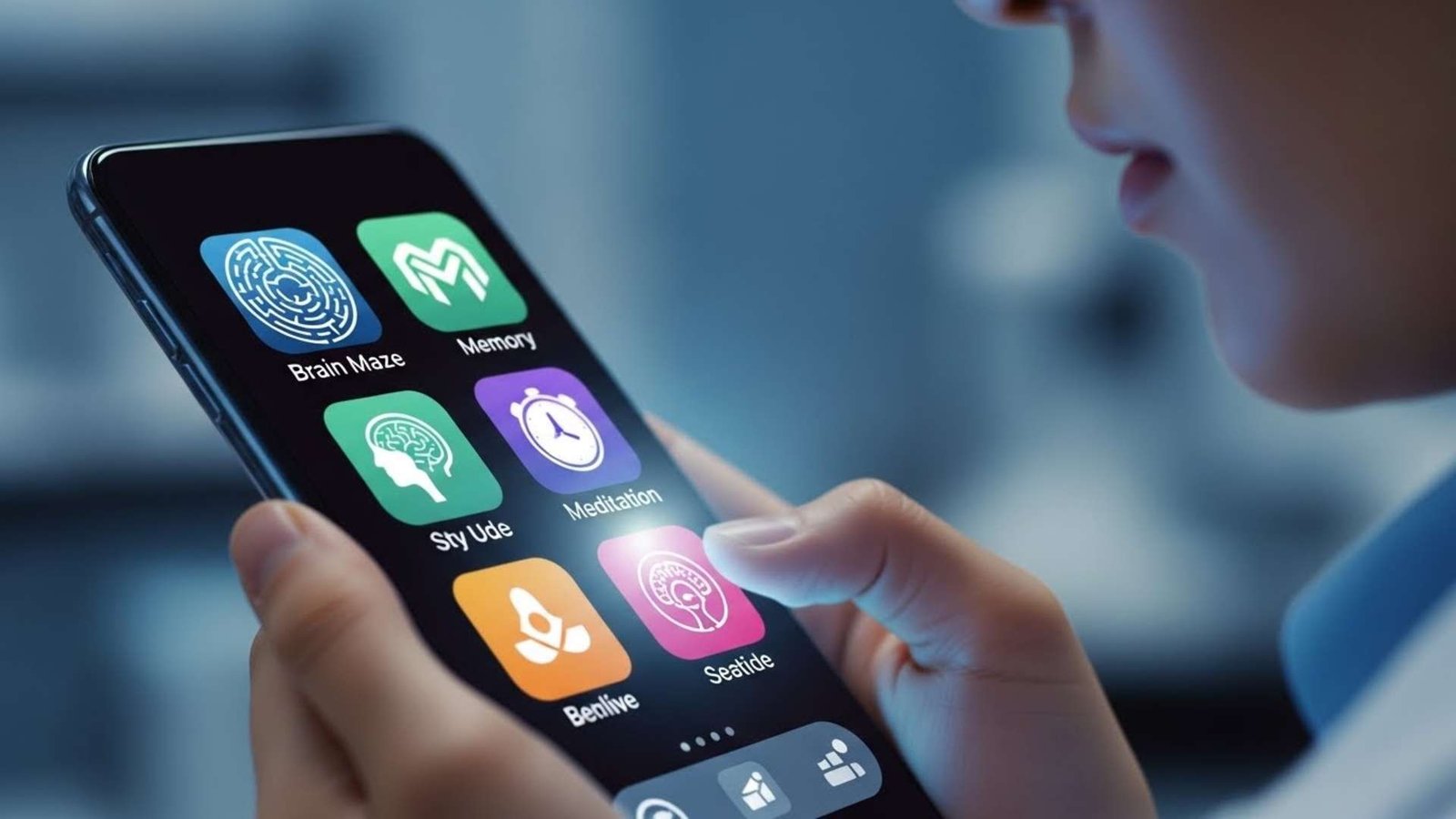
Let’s be honest for a second. We’ve all had that moment—probably while doomscrolling at 11:30 PM—where we feel like our attention span is actively dissolving. You walk into a room and forget why you’re there. You try to read a book, but your hand twitches for your phone after three pages.
We call it “brain rot.” In fact, Oxford named it the Word of the Year for 2024. It feels like our devices are aging our brains in fast-forward, stripping away our ability to focus, think deeply, and remember.
But here is the twist I didn’t see coming: The poison might also be the cure.
After digging through piles of recent research, including a groundbreaking study from McGill University, I found something that honestly blew my mind. The same device you use to watch cat videos can actually be turned into a medical-grade instrument. There is a way to use your phone to not just stop that brain fog, but to biologically reverse the clock on your brain by about 10 years.
And the best part? It only takes about 15 minutes a day.
Here is the deep dive into how it works, the science that backs it up, and the exact apps you need to download to build your own cognitive time machine.
THE “BRAIN ROT” IS REAL
(But Fixable!)
📉 The “Brain Drain” Effect
You aren’t imagining it. Research shows just having a smartphone in the room eats up your RAM.
It mimics cognitive decline. Your brain is stuck on “Standby Mode” waiting for a ping.
🧪 The Breakthrough
The INHANCE study flipped the table on aging. 30 minutes of training a day woke up the brain.
🎼 The Orchestra Conductor
Acetylcholine is your brain’s conductor. Training wakes him up, making your brain chemistry look 10 years younger.
🌲 The Forest Path 🌲
1. The Overgrowth
Stop using a skill? Weeds grow. The path becomes hard to walk. That is “Brain Fog.”
2. The Hiker
Brain training forces a hiker to hack through the weeds. The first time is exhausting.
3. The Highway
Walk the path daily? The weeds die. The dirt packs down. You build a super-highway.
First, let’s validate what you’re feeling. You aren’t imagining it. Dr. Adrian Ward at the University of Texas has been studying what he calls “Brain Drain.” His research is terrifying: just having your smartphone in the room—even if it’s silent and face down—taxes your brain. It’s like a background process on a computer that eats up all your RAM. It lowers your functional IQ because part of your brain is always on standby, waiting for a ping.
This constant state of fractured attention mimics aging. It looks a lot like the early stages of cognitive decline.
The Breakthrough: You Can “Re-Pave” the Road
For a long time, we thought aging was a one-way street. You get older, your brain creates less chemicals, and you get slower. End of story.
But the INHANCE study, led by Dr. Etienne de Villers-Sidani, flipped the table on that idea. They took a group of older adults and had them use a specific app (BrainHQ) for just 30 minutes a day.
The results weren’t just “they got better at the game.” The researchers used PET scans to look inside their brains. They found that the training actually upregulated the cholinergic system—that’s the system that produces Acetylcholine, the brain’s “pay attention” chemical.
Think of Acetylcholine like the conductor of an orchestra. When you’re young, the conductor is energetic, pointing out every sound clearly. As we age, the conductor gets tired, and the music turns into noise. This study showed that after training, the conductor woke up. The participants’ brain chemistry looked like it belonged to someone 10 years younger.
How It Works: The Forest Path
If you’re wondering how tapping a screen changes biology, you have to understand neuroplasticity. I love the “Forest Path” analogy for this because it just makes sense.
Imagine your brain is a dense forest.
- The Overgrowth: When you stop using a skill (like doing math in your head or remembering phone numbers), weeds and vines grow over that neural path. It becomes hard to walk through. That’s the “brain fog.”
- The Hiker: When you use a brain training app, you are forcing a hiker to hack through those weeds. The first time is exhausting.
- The Highway: If you send that hiker through the same path every day for 15 minutes, the weeds die. The dirt packs down. Eventually, you pave a highway. Signals zip through effortlessly.
The apps below are designed to force that hiker to walk the path, over and over, until the highway is built.
The Heavy Lifters (Clinical Grade)
These are the ones backed by the serious studies. If you want the “10-year reversal” effect, start here.
1. BrainHQ
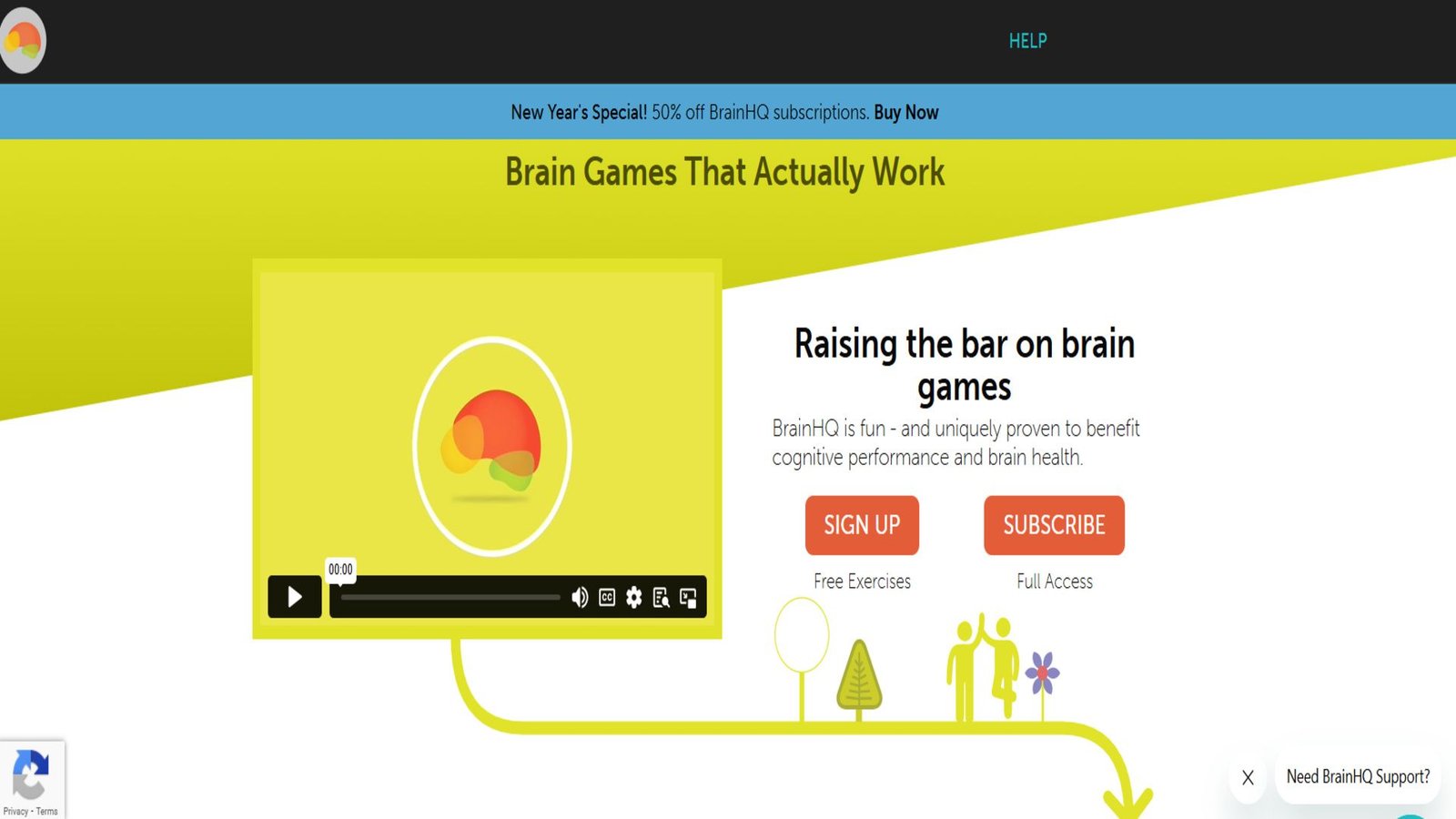
The Vibe: It’s less like a game and more like a gym workout. It can be grueling.
Why it wins: This is the app from the INHANCE study. It focuses on “speed of processing.” It forces your brain to process visual and auditory information faster. The Double Decision exercise in this app has been shown to reduce the 10-year risk of dementia by up to 48%. That is a staggering number.
2. NeuroTracker
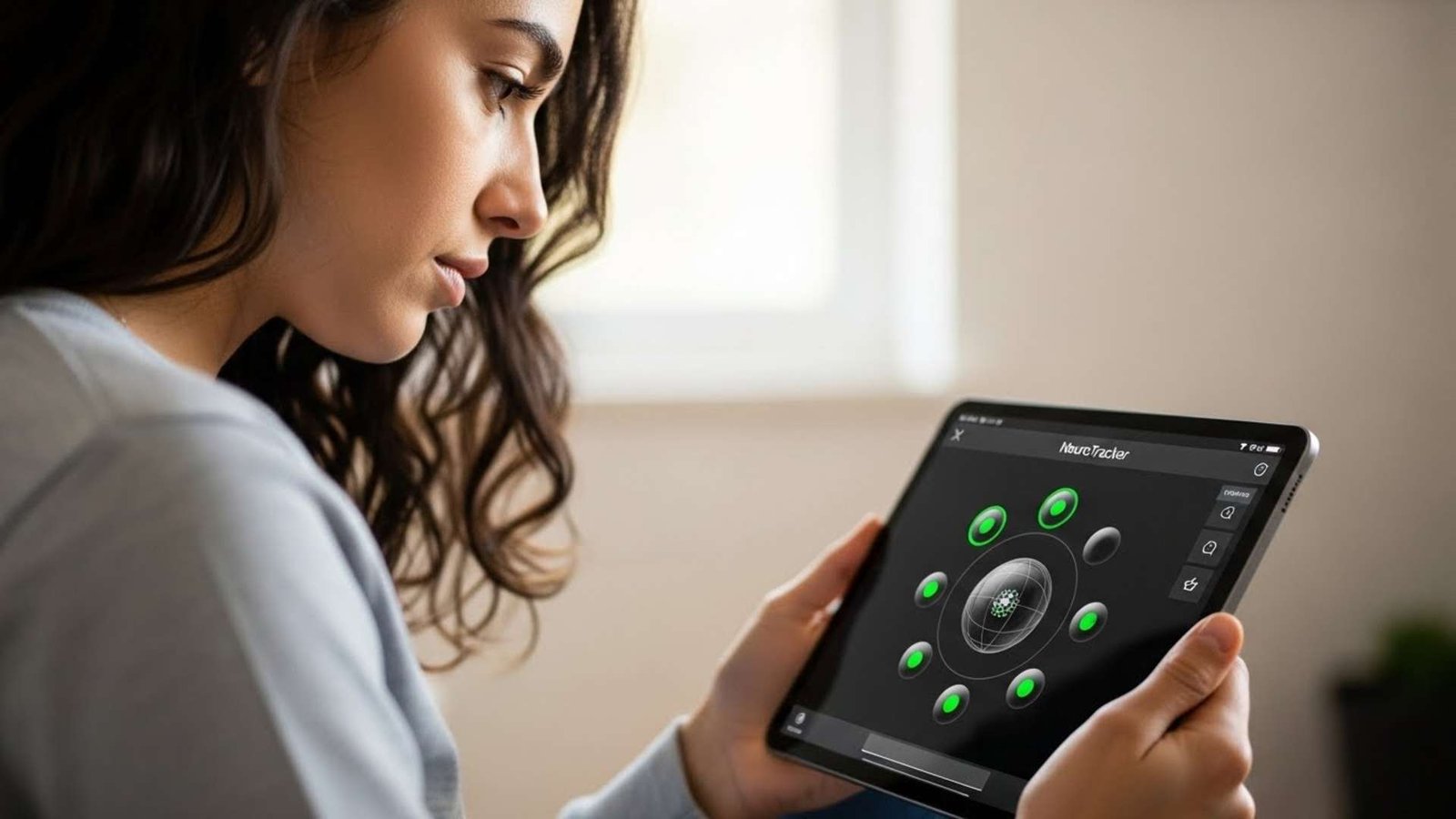
The Vibe: Sci-fi sports training.
Why it wins: Originally used by Manchester United and US Special Ops, this uses 3D Multiple Object Tracking. You track bouncing balls in a 3D cube. It trains “sustained attention” like nothing else. If you have trouble focusing in a busy office, this is your tool.
3. CogniFit
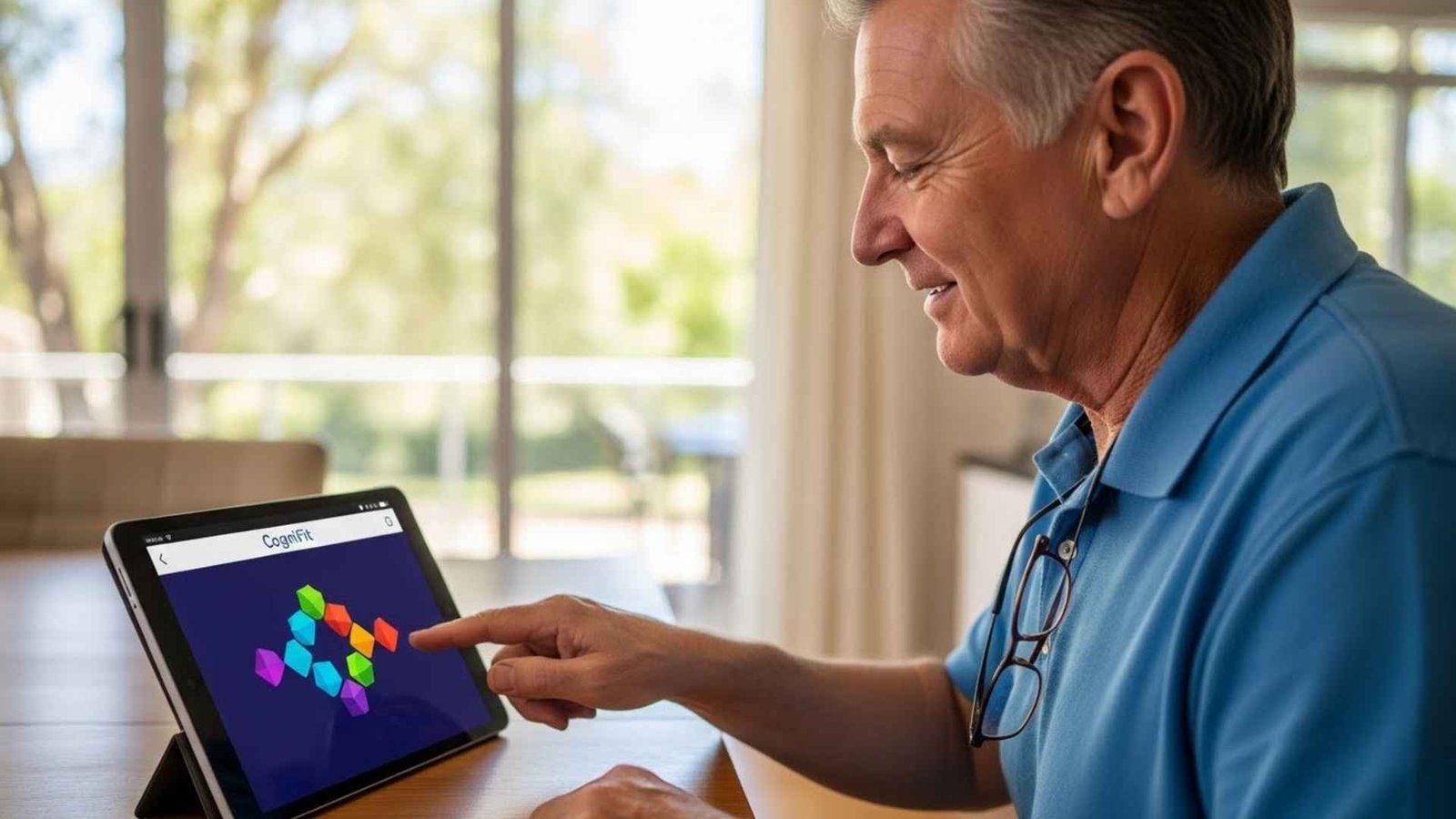
The Vibe: The personalized doctor.
Why it wins: It starts with a massive assessment to find your weak spots. If your memory is great but your coordination is lagging, it builds a plan just for that. It prevents you from only practicing what you’re already good at.
The Reserve Builders (Gamified Skills)
These apps build Cognitive Reserve. Think of this like a savings account. The more skills you learn (math, language, logic), the more “money” you have in the bank. So even if your brain ages (withdrawals), you stay rich (functional).
4. NeuroNation
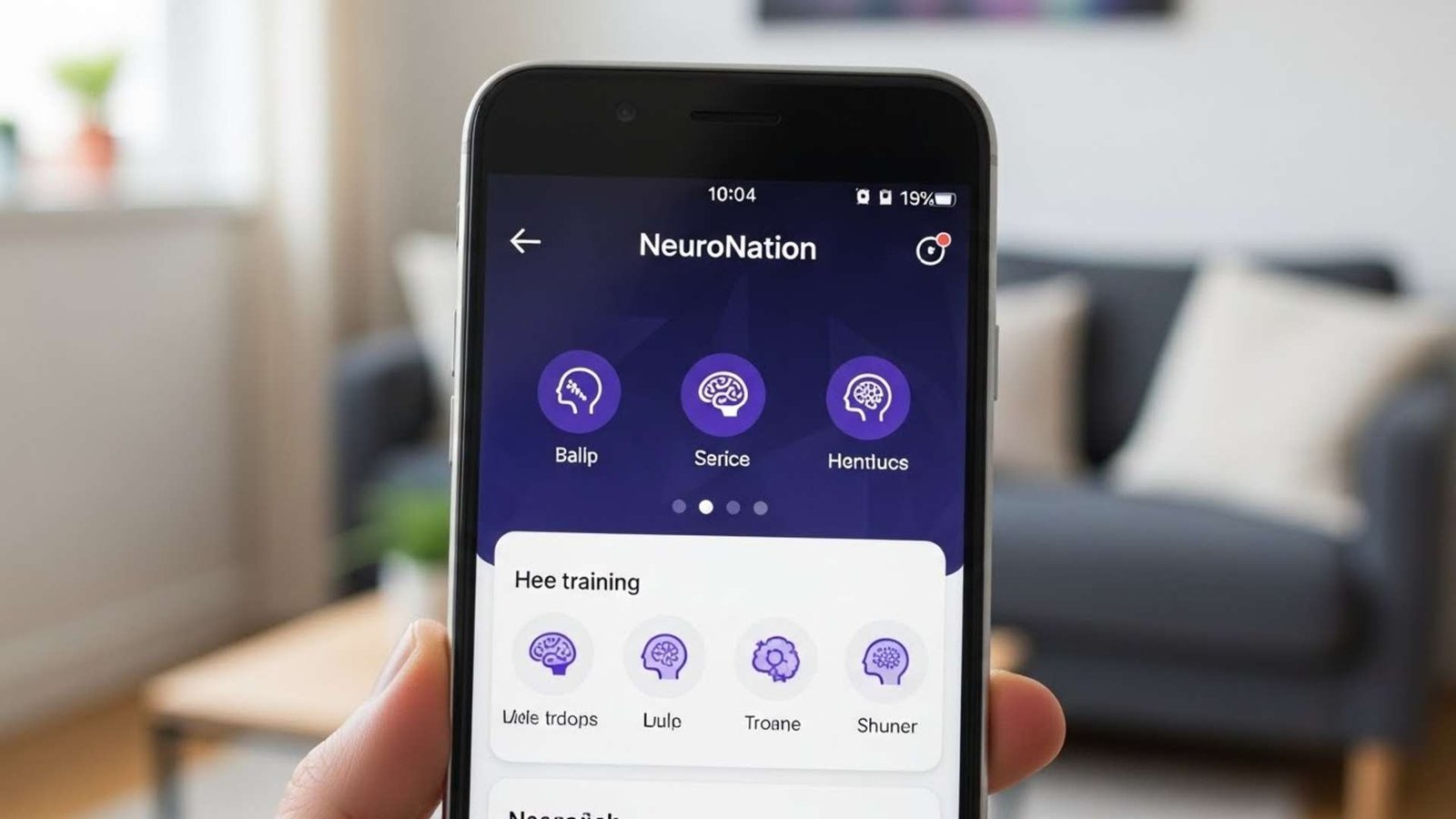
The Vibe: Validated fun.
Why it wins: In Germany, this is actually reimbursable by health insurance as a medical device. A study with MSH Medical School Hamburg showed it improved working memory effectively. It hits that sweet spot between “this is good for me” and “this is actually fun.”
5. Elevate
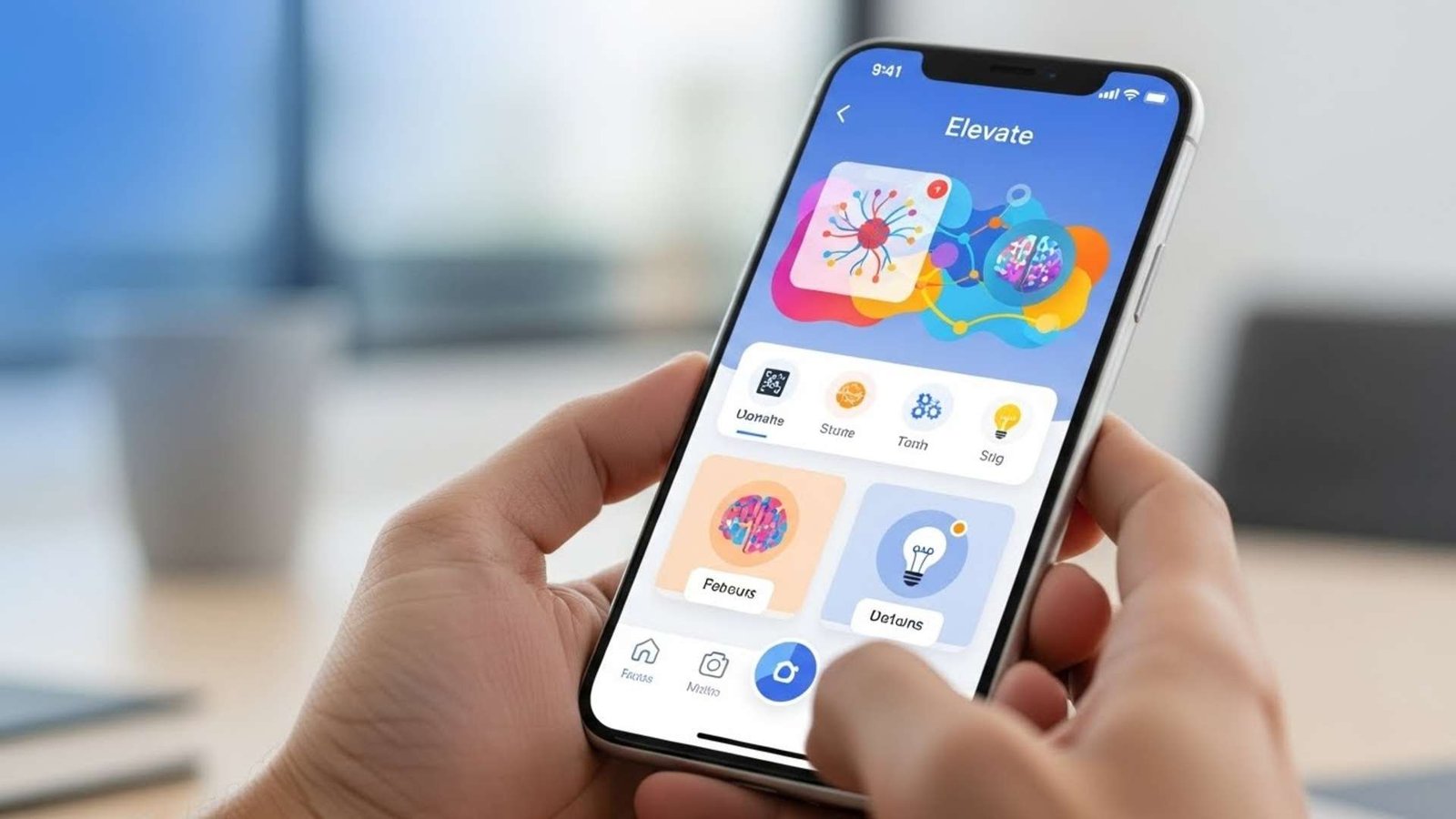
The Vibe: The career booster. Why it wins: It focuses on “crystallized intelligence”—writing, speaking, and math. It helps you calculate a tip faster or spot a grammar mistake. It makes you feel sharper in meetings immediately.
6. Peak

The Vibe: The slick gamer. Why it wins: They partnered with Cambridge University to create a game called Decoder. Playing it for just 8 hours over a month improved attention spans significantly. It’s great if you need high engagement to stick with a habit.
7. Lumosity
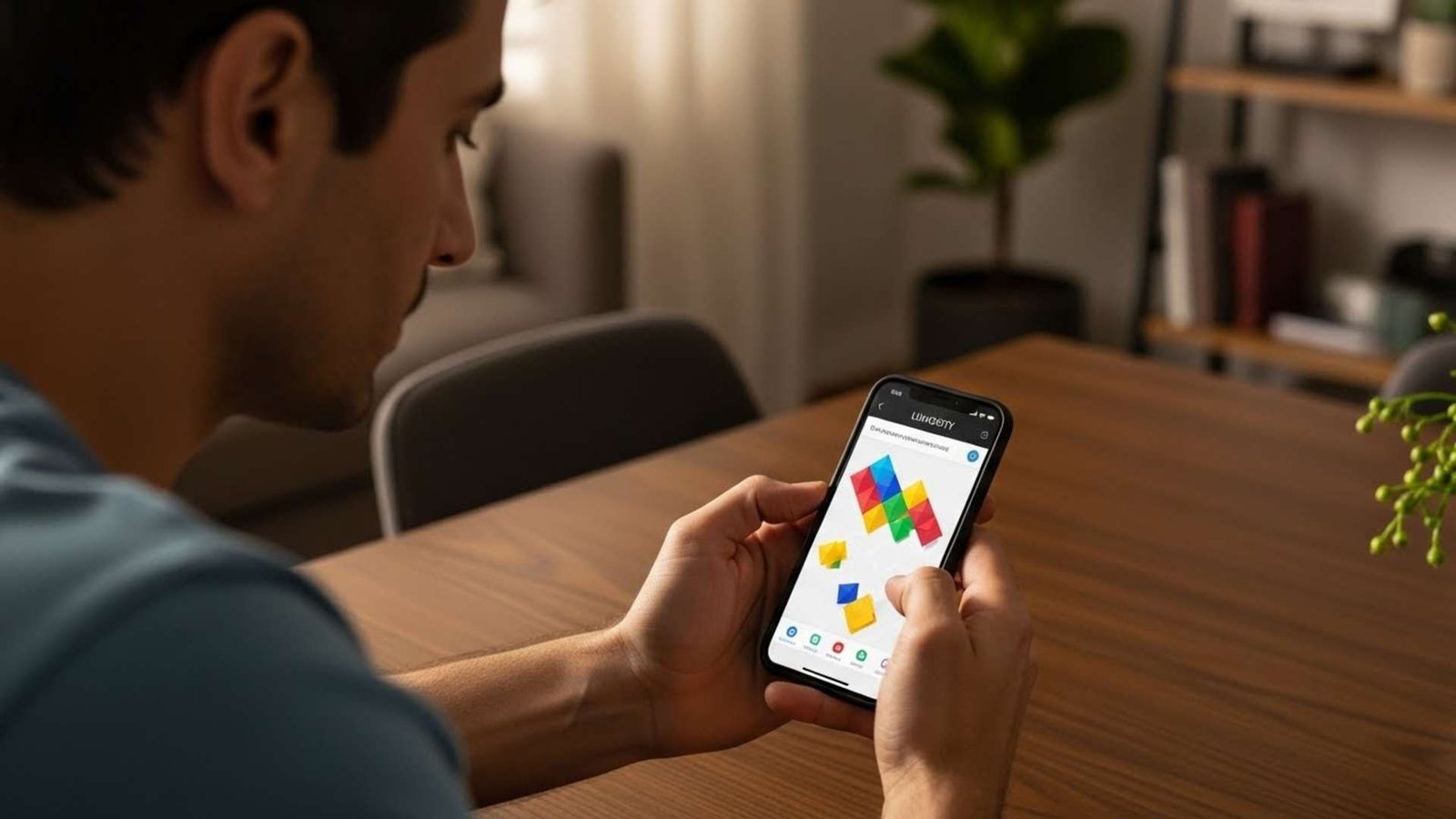
The Vibe: The classic. Why it wins: They have the biggest data set in the world. While they had some controversy years ago, they’ve pivoted to solid research. Their new data on ADHD and attention is actually very promising.
The Lifestyle Protectors
8. Headspace (Meditation)
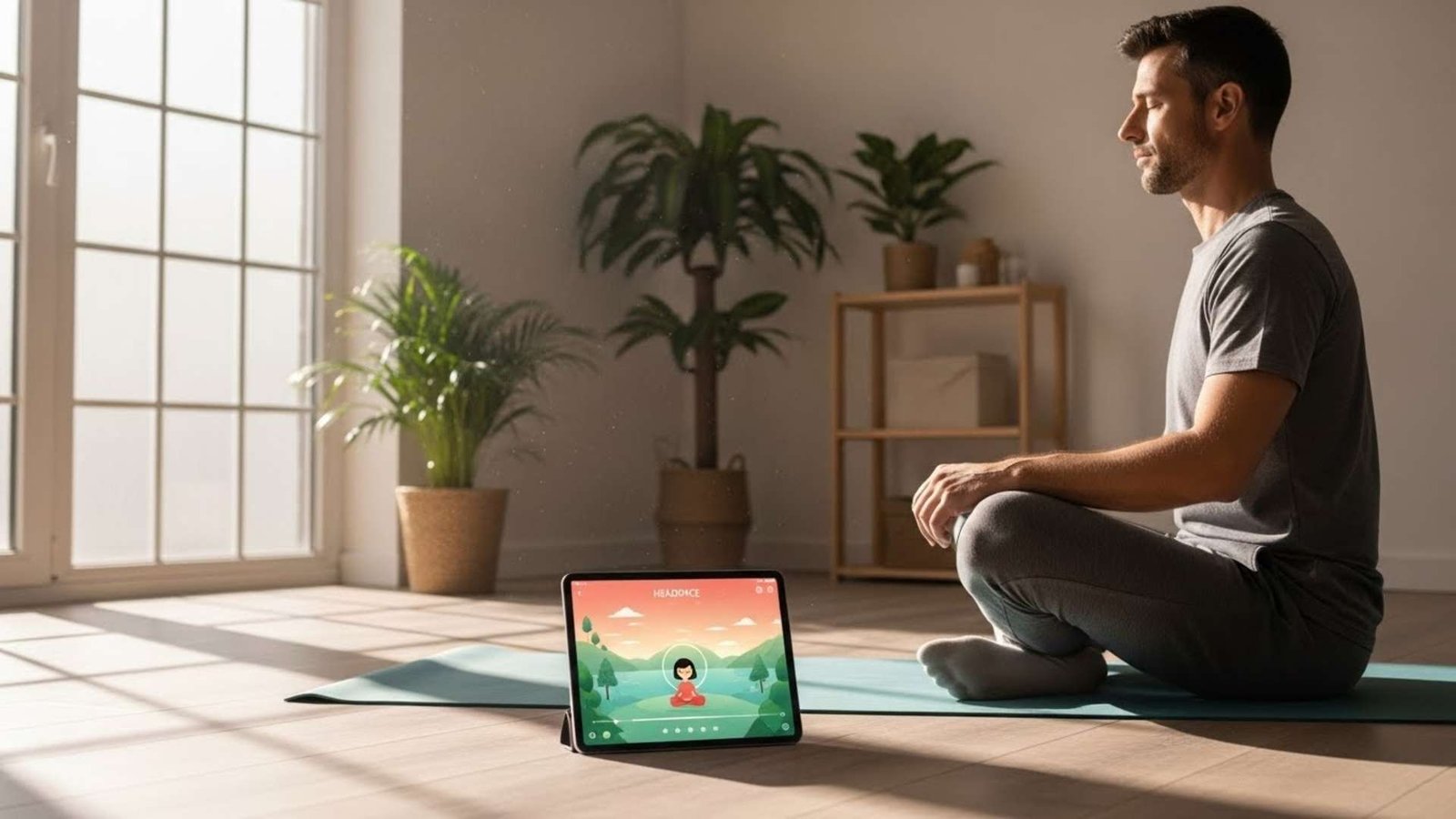
The Secret: It’s not just for chilling out. Meditation literally thickens your cerebral cortex. As we age, our brains thin out (atrophy). Mindfulness builds that gray matter back up. It’s structural protection.
9. Duolingo (Language)
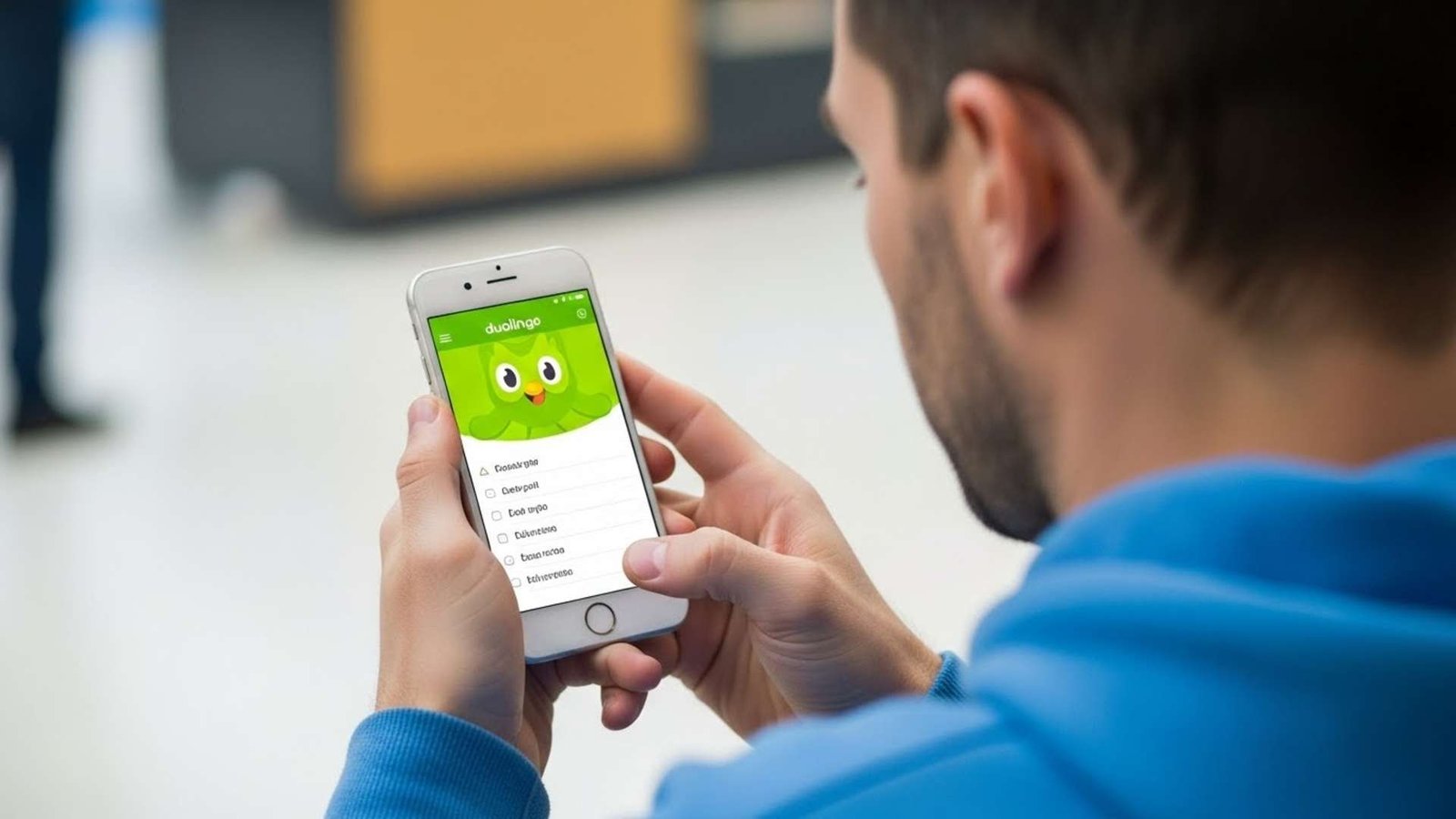
The Secret: Bilingualism is the ultimate dementia shield. Learning a language forces your brain to “inhibit” one language to speak the other. That executive control is like a heavy squat for your prefrontal cortex.
10. Forest (Digital Detox)
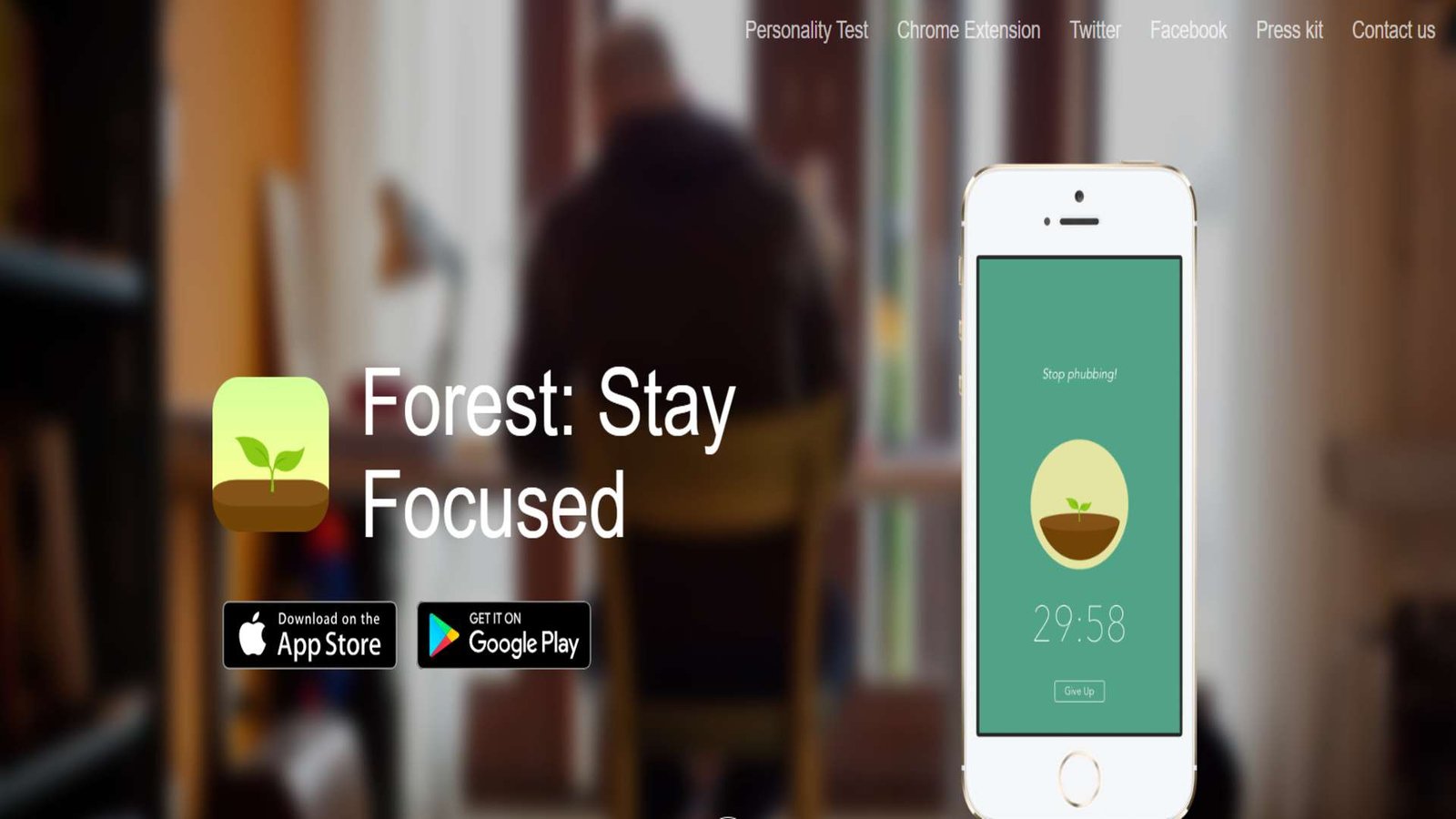
The Secret: This is the anti-app. You plant a virtual tree, and if you touch your phone, the tree dies. It trains you to resist the dopamine hit. It helps reverse that “Brain Drain” Dr. Ward talks about.
The 15-Minute Protocol
How to actually do it!
🚫 The Trap
You download 10 apps, play for 2 hours, and quit. Don’t do that.
✅ The Solution: MED
Minimum Effective Dose. You only need 15 minutes/day. More causes cognitive fatigue!
🥪 The “Cognitive Sandwich”
👟 Phase 1: The Primer
Move your body (15 mins). Walk, jog, jump.
Releases BDNF (Miracle-Gro for the brain). Primes neurons to connect.
📱 Phase 2: The Workout
Do the app (15 mins). Since you are primed, your brain builds highways faster.
💤 Phase 3: The Save Button
Sleep is non-negotiable. Rewiring happens while you sleep.
Bad sleep = Hitting the “Delete” button.
📅 Weekly Plan
Here is the trap: You get motivated, you download all 10 apps, you play for 2 hours on Day 1, and then you never open them again.
Please don’t do that.
The research points to a Minimum Effective Dose (MED). You only need about 15 minutes a day. More than 45 minutes can actually cause cognitive fatigue (your brain gets tired and stops learning).
I’ve put together a “Cognitive Cross-Training” routine. It uses the Sandwich Method to maximize neuroplasticity.
The Routine Breakdown
Phase 1: The Primer (Physical Movement) Before you touch the app, move your body for 15 minutes. Walk, jog, do jumping jacks. Why? This releases a protein called BDNF (Brain-Derived Neurotrophic Factor). Scientists call this “Miracle-Gro for the brain.” It primes your neurons to connect. If you train without BDNF, you’re planting seeds in dry soil.
Phase 2: The Workout (The App) Now, do your 15 minutes of brain training. Since you’re primed with BDNF, your brain is ready to build that highway.
Phase 3: The Save Button (Sleep) This is non-negotiable. Your brain doesn’t actually rewire while you play the game. It rewires while you sleep. If you train hard and sleep 4 hours, you hit the “Delete” button on your progress.
Sample Weekly Schedule
- Monday: BrainHQ (15 mins) – Focus on speed. Wake up the conductor.
- Tuesday: Elevate (15 mins) – Focus on math/writing. Sharpen your skills.
- Wednesday: Forest (20 mins) – Do a digital detox block. No phone.
- Thursday: NeuroNation (15 mins) – Focus on memory.
- Friday: Duolingo (15 mins) – Learn a few phrases. Work the executive control.
- Weekend: Rest. Go for a long walk. Let it sink in.
Level Up Your Routine (Useful Products)
Look, you don’t need to buy anything to fix your brain. Your phone and a pair of sneakers are enough. But if you’re like me and you need a little “environment design” to keep you honest, these are a few things that actually help.
1. iDiskk Timed Lock Box

If you can’t trust yourself not to check notifications (I can’t), lock it up. This box physically locks your phone away for a set time. It forces you to disconnect so your brain can actually rest and focus.
2. Miracle TimeCube

When you’re doing your “Deep Work” or reading, you don’t want to check your phone for the time (because then you’ll check Instagram). This simple hexagon timer lets you just flip it to start a 15, 30, or 60-minute countdown. It’s tactile and distraction-free.
3. StrongTek Balance Board

I use this while I’m doing my BrainHQ sessions or answering emails. It keeps your body engaged and your core active, which helps keep the blood flowing to your brain. It stops you from slumping into “zombie mode.”
4. Zeekio Juggling Ball

Dr. Michael Merzenich (the brain plasticity godfather) often recommends learning a new motor skill to keep the brain plastic. Juggling is the gold standard. It’s frustrating, it requires intense focus, and it forces your brain to build new connections fast.
5. Soft-Wired by Dr. Michael Merzenich

If you want to really geek out on the science of why this works, go to the source. Dr. Merzenich explains how we can remodel our brains at any age. It’s the playbook for everything we’ve talked about.