

Something quietly fascinating about the way wildly successful people treat books. They don’t read a great book once and shelve it forever—they circle back, year after year, mining deeper insights, applying ideas more intentionally, and noticing things that weren’t relevant the last time around.
That’s the hidden truth behind repeated reading: you’ve changed, so the book feels new again. The best titles aren’t just informational—they’re frameworks for thinking, and those frameworks become more valuable the more life you’ve lived.
Below are five books that high achievers return to regularly, not out of habit but out of necessity. These are the ones that offer a new layer of meaning every time you crack them open.
1. “Meditations” — Marcus Aurelius

There’s a reason CEOs, military leaders, and creative elites keep “Meditations” close. It’s not just a book—it’s a personal training program for the mind. Aurelius didn’t write it to impress anyone; he wrote it to discipline himself. That rawness is why people revisit it annually. The Stoic principles—master your emotions, control your reactions, act with integrity—land differently each year because life keeps shifting. What feels like abstract philosophy in one reading becomes practical survival advice the next time around.
The second reason successful people re-read it? Because it’s grounding. “Meditations” helps cut through noise and anchor you to what actually matters—choices, values, and calm rational thought. The book has a way of making you feel both humbled and strengthened at the same time.
2. “Atomic Habits” — James Clear

Even people who have “made it” struggle with consistency. That’s why this book shows up on so many re-read lists. Clear breaks down behavior change in a way that is both scientific and simple, and the more experience you gain, the more valuable his system becomes. High achievers return to this book to recalibrate—checking which habits drifted, which systems broke down, and which identity-based behaviors need reinforcing. The reason it sticks is because the book isn’t just about habits; it’s about designing a life, and that deserves more than one pass.
Another reason it’s re-read so often: it’s incredibly tactical. You rediscover techniques you forgot, and others suddenly make sense in a new context. It becomes a yearly reset button for personal discipline and clarity.
3. “The 7 Habits of Highly Effective People” — Stephen Covey

Covey’s book remains a yearly go-to for leaders because its core isn’t techniques—it’s principles. And principles age well. The deeper your responsibilities grow, the more the book’s insights into character, priorities, and interpersonal relationships matter. People revisit it because each habit—whether it’s being proactive or seeking first to understand—acts like a diagnostic tool. When life feels off balance, this book reveals which foundational area needs attention.
On the second read (and third, and fifth), the emotional intelligence aspects of the book hit harder. It’s less about success and more about becoming someone others want to work with, trust, and follow.
4. “Man’s Search for Meaning” — Viktor Frankl

Frankl’s work is one of those rare books that evolves as the reader evolves. High achievers re-read it not out of academic interest but because it recalibrates perspective. It forces you to think about purpose, hardship, and resilience with painful honesty. The book’s core message—that meaning is a choice, even in the darkest situations—has a way of reshaping someone’s mindset every time they revisit it. When external success grows, this book pulls readers back to the internal world, reminding them why they work so hard in the first place.
The second compelling reason it’s re-read: it provides emotional clarity. In difficult seasons, Frankl’s words give strength. In easier ones, they offer gratitude. Either way, it’s a grounding experience.
5. “How to Win Friends and Influence People” — Dale Carnegie
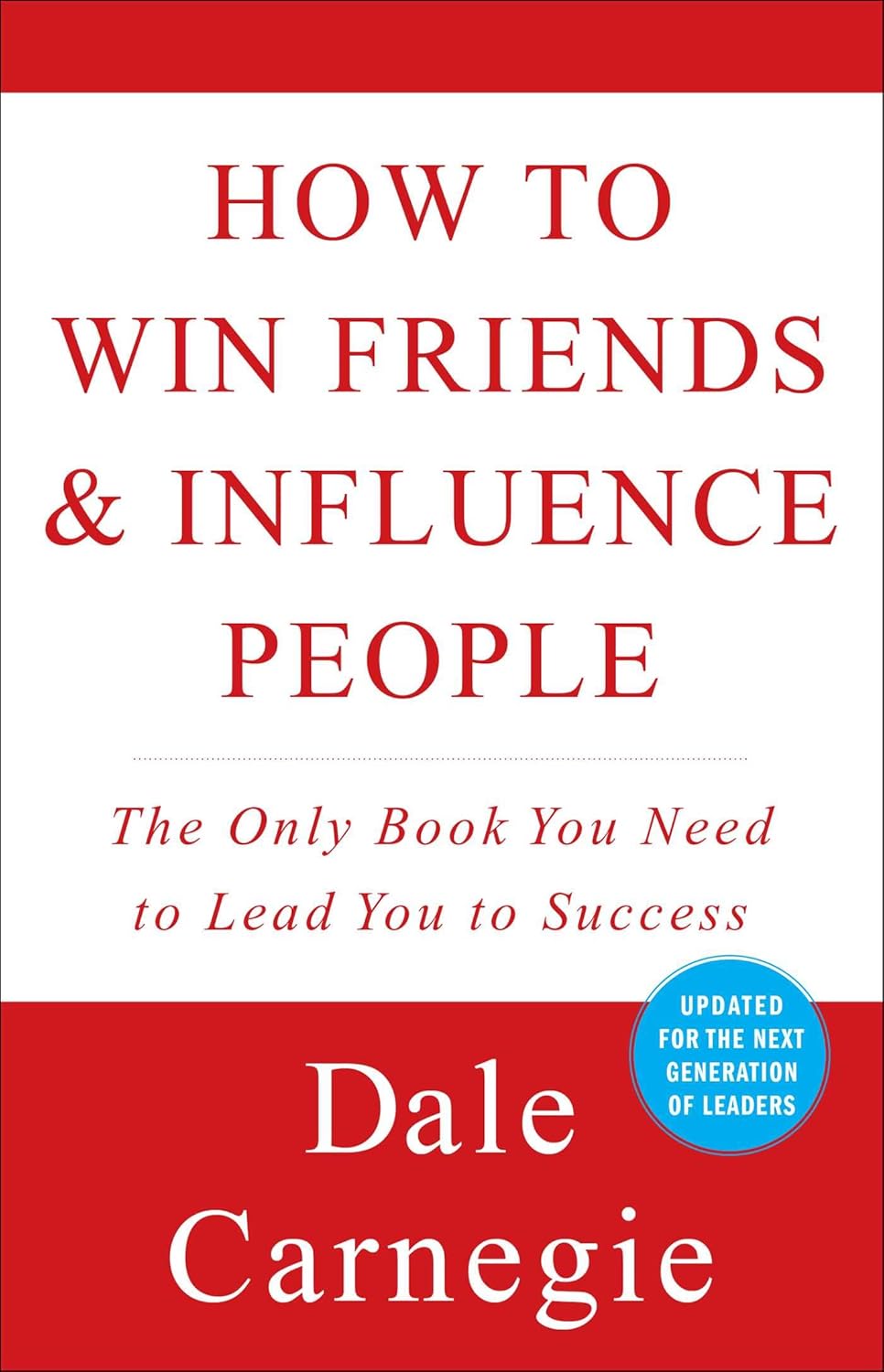
Despite being published in 1936, this book remains a yearly ritual for countless entrepreneurs, executives, and sales leaders. Why? Because the fundamentals of human behavior don’t expire. Carnegie’s strategies—like showing genuine interest, remembering names, and making others feel important—are simple, timeless, and surprisingly easy to forget in the chaos of modern life. Successful people return to this book because relationships shape opportunities, and no matter how skilled you are, there’s always room to refine how you connect with others.
What makes it a powerful re-read is how it reveals new blind spots each time. You see where ego crept in, where you defaulted to defensiveness, or where you missed chances to strengthen relationships. It becomes a yearly alignment check for personal diplomacy.
6. “The Alchemist” — Paulo Coelho

High performers revisit “The Alchemist” because it operates on two levels: story and philosophy. What seems like a simple tale becomes a mirror reflecting your current ambitions, doubts, and internal conflicts. The book speaks to anyone chasing a long-term dream, reminding readers to trust their journey, pay attention to the small moments, and follow their “personal legend”—a concept that resonates differently as your goals evolve. That’s why successful people return to it: the lessons deepen, and the metaphors sharpen as life grows more complex.
A second read often reveals the emotional themes you missed the first time. And more importantly, it nudges you toward reconnecting with your deeper purpose, especially when routines start to overshadow passion.
7. “Thinking, Fast and Slow” — Daniel Kahneman

This book is a mental workout, and even the smartest leaders revisit it to recalibrate their thinking. Kahneman breaks down how the brain forms biases, jumps to conclusions, and makes flawed decisions without us noticing. Successful people go back to this book because the stakes of wrong decisions grow as their responsibilities expand. The insights into systematic errors, overconfidence, and mental shortcuts become more relevant each year. Re-reading it becomes a way to sharpen judgment and avoid traps that even experienced professionals fall into.
The second read usually hits harder because you start recognizing these biases in your own routines. That’s where the book’s value multiplies: it strengthens self-awareness, not just intellectual understanding.
8. “The Power of Now” — Eckhart Tolle

Leaders re-read “The Power of Now” not because it’s spiritual, but because it’s stabilizing. When life accelerates, this book becomes a tool to slow the mind, quiet the noise, and return to the present moment. Tolle’s message—that presence determines clarity—feels increasingly relevant as success brings more responsibilities and distractions. Every re-read offers a fresh reset, helping people detach from stress and reconnect with what’s right in front of them.
On later reads, the book functions almost like a grounding ritual. A few chapters are often enough to clear mental clutter and restore inner calm during intense seasons.
9. “Deep Work” — Cal Newport

Successful people tend to revisit this one annually for a simple reason: distractions keep evolving, and so must your discipline. Newport breaks down the neurological and practical benefits of prolonged focus—something most people lose without realizing it. High achievers return to this book to tighten their systems, rebuild boundaries, and strengthen their commitment to high-value work. The more digital noise increases, the more the core message becomes essential: meaningful output requires deliberate focus.
The second or third read usually triggers a personal audit—where your time leaks, what habits weakened, and how easily shallow work has crept in. It becomes a yearly strategy guide for reclaiming concentration.
10. “The Art of War” — Sun Tzu

This book isn’t only about warfare; it’s about strategy, timing, patience, and understanding your environment—concepts that successful people apply to leadership and business. Readers return to it because each chapter contains principles that become more relevant as you gain more experience. Sun Tzu’s ideas on planning, choosing your battles, and leveraging strengths are dense enough to require multiple readings. With time, the nuances of strategic discipline and anticipating obstacles feel increasingly applicable to real-world decisions.
A re-read also reframes the book in surprising ways. You begin catching subtle lessons on relationships, negotiation, and self-control—reminders that strategy is often subtle, not forceful.
11. “The Subtle Art of Not Giving a F*ck” — Mark Manson
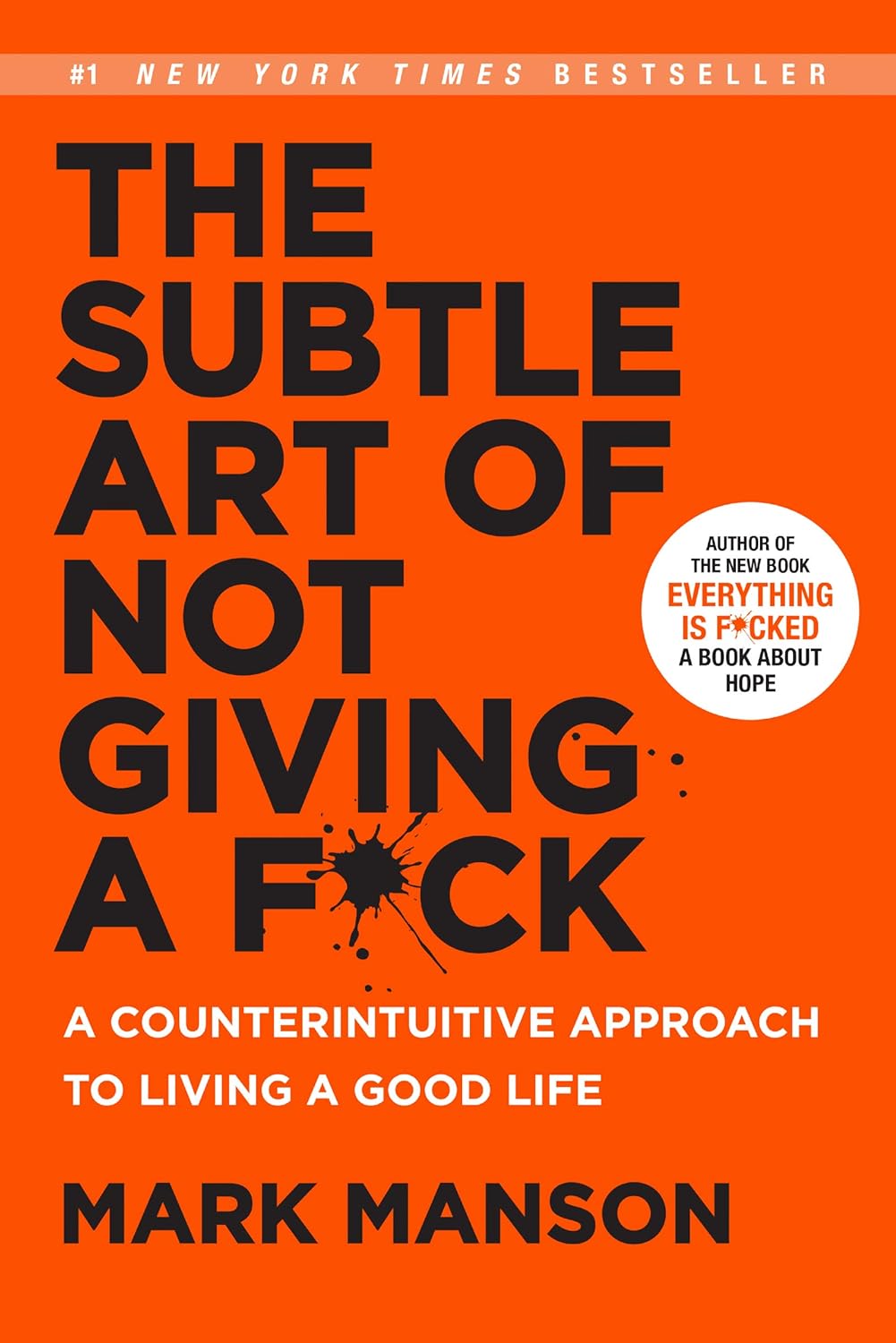
Many successful people return to this book every year because it re-centers their priorities in a brutally honest way. Manson strips away motivational fluff and goes straight to the uncomfortable but liberating truth: life has limits, and choosing what truly deserves your energy is one of the most important skills you can develop. Each reread hits differently because your challenges change. The reminders about letting go of false pressures and embracing responsibility feel sharper with every new stage in your life or career.
A second read often exposes the areas where you’ve drifted into caring too much about things that don’t matter. It’s a reset button for emotional boundaries—the kind successful people need to protect their time and sanity.
12. “Grit” — Angela Duckworth

“Grit” is one of those books that grows more valuable as your ambitions grow. Duckworth breaks down why talent matters far less than sustained effort, resilience, and an ability to push through long periods without visible progress. High achievers revisit it to reinforce the mindset that drives long-term success. The book delivers a powerful reminder that persistence beats intensity, and that the road to mastery is less glamorous than people expect. On each reread, different chapters stand out depending on where you are in your journey.
The second time through feels more personal. It highlights subtle areas where your consistency slipped and encourages you to recommit to the habits that carry you through difficult seasons.
13. “Mindset” — Carol Dweck

Dweck’s work remains a foundational resource for leaders, educators, and entrepreneurs because it explains why beliefs about ability shape everything from performance to relationships. A reread helps successful people check whether they’ve slipped back into a fixed mindset—fearing failure, resisting feedback, or avoiding challenges. Those patterns tend to creep in unconsciously, especially under stress. The book’s core idea—that growth comes from deliberate effort, not innate talent—takes on new meaning each year because your responsibilities and pressures evolve.
A second reading usually helps reinforce humility. It encourages you to stay curious, keep learning, and approach challenges with a sense of possibility rather than fear.
14. “Daring Greatly” — Brené Brown

“Daring Greatly” resonates deeply with leaders who understand that vulnerability is not weakness—it’s a competitive advantage. Brown explains how authenticity, courage, and emotional openness strengthen relationships, creativity, and leadership. High achievers revisit this book because it offers a rare reminder that real strength comes from emotional honesty. Each reread uncovers new layers, especially as your personal and professional relationships expand. The book challenges you to confront fear, perfectionism, and shame with more compassion each time.
On later reads, the message becomes gentler but more urgent: meaningful success requires deeper human connection, and this book helps rebuild that connection when life becomes too performance-driven.
15. “Good to Great” — Jim Collins

Leaders return to this book annually because it provides a blueprint for sustained excellence, not fleeting successes. Collins breaks down why certain companies rise far above their competitors, revealing patterns of leadership, culture, and discipline that apply to individuals as well. The concepts of the Hedgehog Principle, Level 5 leadership, and disciplined thought become more powerful with increased experience. A reread helps successful people realign with long-term thinking instead of chasing short-term momentum.
On the second pass, the examples and frameworks tend to hit differently. You start evaluating your own systems—what needs tightening, what needs clarity, and where true discipline is missing.
