

Mental health conversations are changing fast, but one thing hasn’t changed at all: the moment you read the right book at the right time, something inside you shifts forever. You suddenly recognize patterns you’ve carried for years, emotions you’ve pushed down, and stories that never truly belonged to you.
What follows is a curated list of books therapists often recommend because they don’t just fill your mind—they rewire how you think, react, heal, and grow. Below are the first five, written in a warm, expert, not-too-academic style so readers feel guided, not lectured.
1. “The Body Keeps the Score” by Bessel van der Kolk

If you’ve ever wondered why a difficult memory can still hijack your mood or body years later, this book explains it with an unmatched level of clarity. Van der Kolk dives into trauma, but not in a heavy, clinical way—rather in a way that reveals how your mind and body store stress in places you don’t even notice. Therapists appreciate how the book connects neuroscience, somatic therapy, attachment, and long-term emotional patterns without overwhelming the reader. You learn why trauma isn’t “in your head”—it’s in your nervous system—and how tools like EMDR, yoga, breathwork, and processing techniques restore safety from the inside out.
The shorter chapters are especially helpful for anyone who’s already overwhelmed in life. Van der Kolk provides actionable insights and small, digestible explanations that help readers recognize triggers and begin healing without shame or self-blame. It’s one of those books you finish and think, Why didn’t somebody tell me this sooner?
2. “Attached” by Dr. Amir Levine & Rachel Heller

Attachment theory isn’t just for people in therapy—it explains why your relationships always seem to repeat the same emotional loops. Whether you keep chasing avoidant partners, find yourself overgiving in every connection, or feel suffocated in relationships, “Attached” breaks down the science behind it. The book shows how early bonding patterns shape adult intimacy, and why some people need constant reassurance while others value independence so strongly they forget that closeness isn’t a threat. Therapists recommend it because it gives readers a vocabulary to finally understand their relational wounds and see that nothing is “wrong” with them—they simply have a style they’ve never learned to work with.
It’s also incredibly validating. Many readers end up realizing their relationship problems aren’t failures—they’re mismatches in emotional wiring. The authors offer practical strategies for building better communication, choosing healthier partners, and becoming more emotionally secure.
3. “Set Boundaries, Find Peace” by Nedra Glover Tawwab

If boundaries have ever felt “mean,” “harsh,” or like something you weren’t allowed to have, this book feels like a warm, direct intervention from a therapist who understands exactly why you struggle. Nedra breaks boundaries down into something human: the everyday limits that protect your time, energy, and sanity. She explains why saying yes too often can quietly drain your self-worth, and why saying no is not rejection—it’s self-respect. The book is filled with clear scripts, grounded examples, and empowering reminders that people-pleasing is not kindness; it’s a survival pattern you can finally let go of.
Readers appreciate how practical the chapters feel—especially the ones about work, relationships, family expectations, and burnout. The tools are simple, and the tone is compassionate, making the book a perfect match for anyone who needs a structured yet gentle approach to reclaiming their emotional space.
4. “Maybe You Should Talk to Someone” by Lori Gottlieb

Therapy often feels mysterious if you’ve never been, but Gottlieb pulls back the curtain with storytelling that’s vulnerable, funny, and incredibly human. She writes about her life as both a therapist and a client—showing what actually happens in the room, what gets revealed over time, and why healing rarely looks like a straight line. The book captures something many therapy-goers struggle with: the moment you realize you’re not broken, you’re simply human. Gottlieb’s experiences also make it easier to understand themes like grief, self-sabotage, heartbreak, and personal growth without feeling overwhelmed.
Because the book reads like a story, not a lecture, it helps readers see themselves in each chapter. It becomes a gentle companion, especially during tough seasons. No wonder therapists keep recommending it—it normalizes therapy itself and shows the emotional work behind change in a deeply relatable way.
5. “The Mountain Is You” by Brianna Wiest
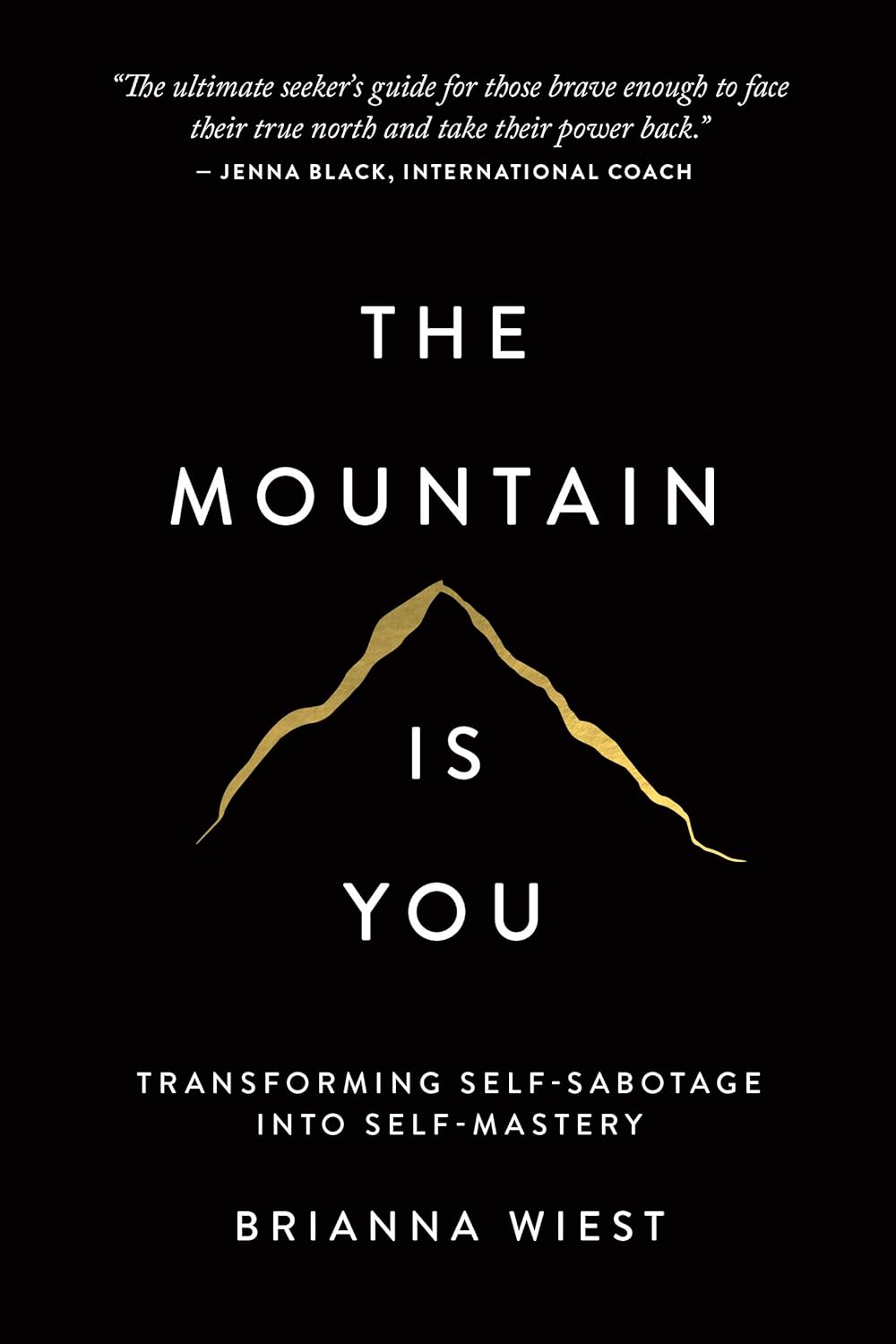
If self-sabotage feels like a shadow that follows you around—blocking your progress, draining your motivation, or derailing your goals—this book explains why. Wiest digs into the real psychology behind it: inner conflict, fear of change, identity patterns, and the subconscious beliefs we inherit without noticing. What makes this book stand out is how emotionally precise it is. Wiest speaks directly to the parts of you that are tired of repeating the same cycles, helping you understand why you might resist the very life you want.
The writing is simple but insightful. Readers often say the book hands them the language they needed to articulate feelings they never understood before. It’s a great choice if you want actionable insight but also a dose of gentle emotional honesty.
6. “Adult Children of Emotionally Immature Parents” by Lindsay C. Gibson

If you’ve ever felt like you grew up raising yourself—or that your emotional needs were treated as inconvenient—this book brings a level of clarity many people don’t find until therapy. Gibson explains how emotionally immature parents unintentionally shape children into becoming overthinkers, fixers, or chronic self-sacrificers. It reveals the patterns kids quietly carry into adulthood, from choosing partners who feel “familiar” in unhealthy ways to struggling with conflict because their original caregivers never modeled emotional safety. What makes this book resonate deeply is how compassionately it names wounds that are usually invisible.
The shorter chapters help readers unpack their childhood without drowning in blame or guilt. Most importantly, it teaches how to break old cycles so you stop repeating the emotional roles you learned as a child.
7. “Lost Connections” by Johann Hari

This book pushes back on the idea that depression is only a chemical issue and widens the lens to include social, environmental, and emotional roots. Hari explores how disconnection—from community, meaningful work, supportive relationships, nature, and self-worth—shapes mental health more than many people ever consider. Therapists often appreciate this book because it offers a relatable, research-backed explanation of why modern life leaves so many people anxious, lonely, or numb. It’s not a “fix yourself” narrative—it’s a compassionate investigation into the missing pieces of emotional wellbeing.
Hari’s stories and interviews make the book feel like a conversation rather than a lecture. It helps readers realize that their struggles are not personal failures but signs of needs that haven’t been met, often for years.
8. “The Gifts of Imperfection” by Brené Brown

For anyone who has spent their life trying to be perfect, liked by everyone, or constantly “on,” this book feels like a deep exhale. Brené Brown breaks down shame, vulnerability, authenticity, and internal worthiness with warmth and simplicity. She explains why so many people live in quiet emotional exhaustion—because they’ve been taught that being flawless earns love, while being real feels risky. Therapists love this book because it helps people understand that self-acceptance is not laziness—it’s the foundation of emotional strength.
The practices at the end of each chapter are short, doable, and surprisingly grounding. Brown’s writing encourages readers to build a more compassionate relationship with themselves, without turning personal growth into another performance.
9. “Man’s Search for Meaning” by Viktor E. Frankl

Few books help readers understand resilience, suffering, and purpose the way this one does. Frankl, a psychiatrist and Holocaust survivor, blends lived experience with psychological insight to explain how humans find strength even in unthinkable situations. His concept of logotherapy—centered on purpose and internal meaning—helps readers rethink how they approach struggle, grief, and emotional adversity. Therapists often recommend this book because it teaches how meaning becomes an anchor during life’s hardest chapters, something many people don’t fully grasp until they go through major loss or major change.
Despite its heavy themes, the second part of the book breaks down Frankl’s ideas into simple, accessible concepts. It becomes a reminder that your life still holds possibilities, even when everything feels uncertain.
10. “The Highly Sensitive Person” by Dr. Elaine Aron

If you’ve ever been told you’re “too sensitive,” “overly emotional,” or someone who “takes things too seriously,” this book might feel like a revelation. Aron brings decades of research into what it means to have a highly sensitive nervous system—one that processes information more deeply and reacts more intensely to emotional and environmental stimuli. Many readers finally understand that their sensitivity is not a flaw but a trait, and one that comes with strengths like empathy, intuition, and emotional awareness. Therapists appreciate this book because it validates a group of people who often internalize shame for being the way they are.
The second half includes tools for managing overwhelm, preventing burnout, and building boundaries that protect your energy. It becomes an empowering guide for embracing sensitivity while developing self-protective habits that support emotional balance.
11. “It Didn’t Start With You” by Mark Wolynn

If you’ve ever felt emotions or fears that didn’t logically fit your life story, this book opens an entirely new doorway. Wolynn dives into inherited trauma—how unresolved pain, grief, or fear from previous generations can subtly shape your beliefs, behaviors, and emotional triggers. Therapists often reference this work because it helps readers understand why certain patterns feel larger than their own personal history. Wolynn provides grounded explanations of how family wounds echo across generations, and more importantly, how to interrupt those echoes through awareness and emotional processing.
The exercises in the book make the work feel doable and not abstract. Many readers find relief in recognizing that their struggles are not personal defects but inherited emotional imprints they can finally break free from.
12. “Radical Acceptance” by Tara Brach

This book is a lifeline for people who feel like they’re constantly falling short. Tara Brach blends psychology and mindfulness to show how much suffering comes from resisting reality—our feelings, our mistakes, our limitations, or our past. She invites readers to step into a kinder relationship with themselves, one that doesn’t rely on perfection but on awareness and compassion. Therapists frequently recommend this book for anyone battling shame, harsh self-talk, or a sense of being “never enough.”
Her gentle storytelling and practical reflections help readers apply acceptance without becoming passive. The book ultimately teaches that self-compassion is a strength, not a weakness, and that inner peace begins when you stop fighting yourself.
13. “Emotional Agility” by Susan David

Susan David brings a refreshing take on emotional health by explaining why suppressing or avoiding emotions backfires—and why resilience depends on learning how to move through feelings with flexibility. She presents a science-backed framework showing how thoughts and emotions guide behavior, and how people get stuck when they cling to rigid narratives about themselves. Therapists value this book because it teaches readers how to respond instead of react, creating room for clarity and healthier decision-making.
The actionable steps in each chapter help readers put theory into practice. Even the short reflection exercises can shift long-held patterns, giving people a clear sense of how emotional flexibility leads to meaningful, lasting change.
14. “The Four Agreements” by Don Miguel Ruiz

This spiritual-psychological classic has earned its place on countless therapists’ shelves because it breaks down emotional freedom into four simple principles: be impeccable with your word, don’t take anything personally, don’t make assumptions, and always do your best. It sounds simple, yet the concepts cut through mental noise quickly and powerfully. Readers often discover how many of their daily stresses come from internal stories and agreements they never consciously chose. Ruiz’s approach helps untangle those stories and replace them with healthier beliefs.
The book is concise, but its insights are grounding and memorable. The agreements become easy touchpoints that guide healthier boundaries, clearer communication, and a calmer internal world—especially for anyone who struggles with overthinking or people-pleasing.
15. “Attached to God” by Dr. Krispin Mayfield

This book explores how your relationship with faith—or with a higher power—can mirror your early attachment patterns. Even for nonreligious readers, the psychological mapping is valuable because it reveals how our deepest emotional models shape trust, fear, shame, and intimacy in more areas of life than we realize. Mayfield explains why some people feel guilty in their spiritual life, some feel abandoned, and others feel deeply comforted. Therapists find this book incredibly helpful for clients exploring identity, belonging, and the impact of upbringing on spiritual beliefs.
The writing is warm and accessible, offering practical tools for untangling unhealthy emotional patterns tied to spirituality, self-worth, or belonging. Readers often come away with a stronger sense of internal grounding and a more gentle, secure inner relationship with themselves.
