


You know the feeling. You’re sitting in those uncomfortable plastic chairs, three hours past your arrival time, scrolling through your phone just to keep from screaming. The waiting room is packed. There’s a guy coughing in the corner, a kid crying, and the vending machine is broken.
Then, the double doors swing open. A businessman walks in, gripping his chest, looking pale and sweaty. In seconds—bam—he’s whisked straight back. No clipboard. No insurance card check. No waiting.
It feels personal, doesn’t it? It feels unfair. You think, “I’ve been here since noon, why does he get to skip the line?”
But here’s the truth: that apparent unfairness is actually a meticulously designed system keeping people alive. It’s called Triage—a French word that basically means “to sort.” And trust me, it’s not random.
I dug into the data, talked to the experts, and looked at the protocols used by 94% of U.S. hospitals. What I found is a hidden set of rules—a secret code—that decides who gets the bed and who gets the chair. Knowing this code won’t just save you frustration; it might actually save your life.
The Sorting Hat
It’s NOT First-Come, First-ServedThe Triage Nurse
Like a nightclub bouncer checking if you’re about to stop breathing.
Patient is dying RIGHT NOW.
(e.g., Cardiac Arrest)Not dying yet, but a “Time Bomb” is ticking.
(e.g., Chest Pain, Stroke)Miserable, perhaps. But SAFE to wait.
Imagine a nightclub bouncer. But instead of checking your shoes or your ID, they are checking to see if you are about to stop breathing. That is essentially the job of the triage nurse.
They use a tool called the Emergency Severity Index (ESI). It’s a five-level ranking system that dictates your fate the moment you walk in the door.
Think of it this way:
- Level 1 (Immediate): The patient is dying right now. (Cardiac arrest, severe trauma).
- Level 2 (Emergent): They aren’t dying yet, but they have a “time bomb” ticking inside them. (Chest pain, stroke signs).
- Level 3, 4, 5: These folks are stable. They might be in pain, they might be miserable, but they are safe to wait.
The harsh reality? If you are waiting, it’s actually good news. It means the professionals have decided you are going to live.
The Red Zone: 7 Symptoms That Stop the Room
There are specific words and symptoms that act like a skeleton key to the ER doors. These are the “Red Flags.” If you have these, the triage nurse stops typing and starts moving.
1. The “Thunderclap” Headache
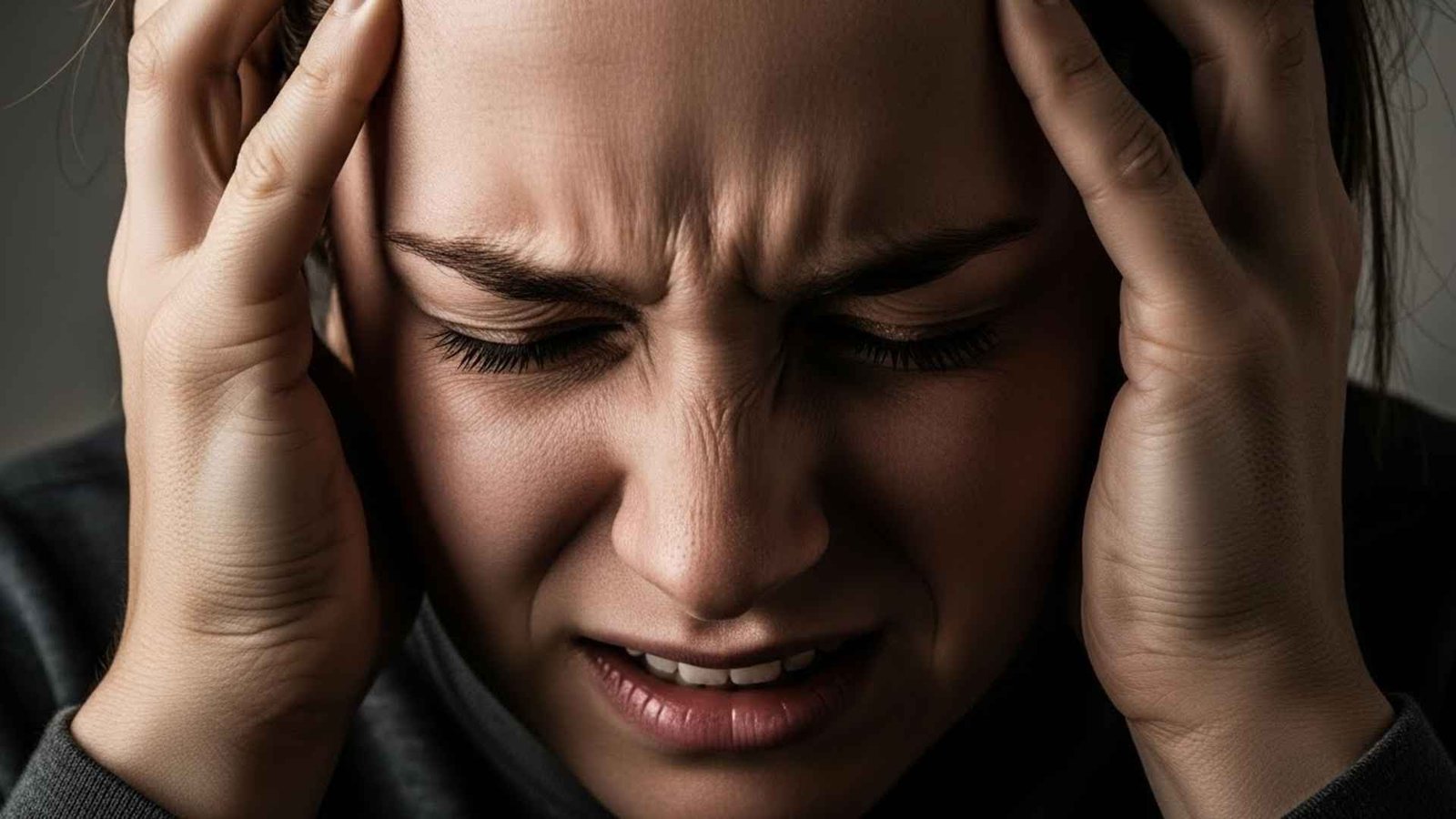
I’m not talking about a migraine that’s been nagging you all day. I’m talking about a pain that hits you like a baseball bat to the back of the head, reaching 10/10 intensity in seconds.
The Fear: A brain bleed (Subarachnoid Hemorrhage). The Reality: This kills about 50% of people if not treated instantly. Triage nurses don’t mess around with this.
2. The “Boys’ Emergency” (Testicular Torsion)
Okay, guys, listen to me closely. If you have sudden, severe pain down there, do not try to be tough. Do not “sleep it off.” You have a specific condition called Testicular Torsion where the cord twists and cuts off blood flow. You have a 6-hour window to save the testicle. After that, the tissue dies.
The “Hidden” Danger
If you are of childbearing age, the ER assumes you are pregnant until proven otherwise.
When an egg implants outside the uterus and risks bursting.
- ⚡ Belly Pain
- 🤔 Shoulder Tip Pain
Why shoulder pain? Internal bleeding can irritate your diaphragm.
If you are a woman of childbearing age, the ER assumes you are pregnant until a test says otherwise. Why? Because of Ectopic Pregnancy. This is when an egg implants outside the uterus and bursts. You might just feel belly pain and—weirdly—shoulder tip pain (caused by internal bleeding irritating your diaphragm). It’s a massive red flag.
4. Sepsis: The Body on Fire

A fever is usually fine. But a fever combined with a racing heart (over 90 bpm), rapid breathing, and confusion? That is Sepsis. It’s the body’s reaction to infection turning toxic. Every hour antibiotics are delayed, the risk of death goes up by nearly 8%.
5. Back Pain… with a Twist

Most back pain is misery, but it’s not an emergency. Unless… you lose control of your bladder or bowels. Or if you have numbness in your “saddle area” (groin/buttocks). This is Cauda Equina Syndrome. It requires emergency surgery within 24-48 hours, or you could be paralyzed permanently.
6. Chest Pain (The Real Kind)

It’s the classic Hollywood heart attack: the “elephant sitting on the chest.” But here’s the detail that really gets a nurse’s attention: Diaphoresis (sudden, drenching sweat). If you are having chest pressure and you are sweating, you are skipping the line.
7. Stroke: “Time is Brain”

If your face droops, your arm is weak, or your speech gets slurred, get to the ER. We have a tiny window (about 3 to 4.5 hours) to use clot-busting drugs.
The Green Zone: Why You Are Still Waiting
This is the part that’s hard to hear. You’re in pain, you’re scared, and you’re watching hours tick by. Why? Because statistically, these conditions are “safe to wait.”
- High Blood Pressure (With No Symptoms): You checked your BP at the pharmacy and it’s 180/100. You panic. But if you have no chest pain or blurred vision, ER docs actually don’t want to drop it fast—that can cause a stroke! You’re likely a Level 4 or 5.
- Chronic Back Pain: If it’s been hurting for weeks and nothing changed today, you are stable.
- The “Man Flu”: Fever, cough, runny nose? You feel like death, but if your oxygen is good, you are likely a Level 5.
- Sprained Ankles: Painful? Yes. Deadly? No.
- Refills: If you’re just there for a prescription, you are the absolute last priority.
Use Some Useful Products That Can Empower Your Home Triage
In the critical moments before professional help is sought, you are the first responder. The quality of your decision-making—whether to rush to the ER at 2 AM or wait for the clinic to open—depends heavily on the data you have available. Subjective feelings like “I feel hot” or “my heart is racing” are notoriously unreliable during periods of anxiety. Objective data from clinical-grade home devices can provide clarity, reduce panic, and help triage nurses understand the severity of your condition when you call for advice.
Investing in reliable medical equipment is not just about having “gadgets”; it is about building a home safety net that allows for the monitoring of the “Fifth Vital Sign” (oxygen saturation), cardiovascular stability, and core temperature. The following products have been selected based on their reliability, clinical utility, and role in managing the most common emergency decision points.
1. Innovo Deluxe iP900AP

Respiratory distress is a leading cause of ER visits, but judging severity by “shortness of breath” is subjective. During viral illnesses like COVID-19 or the flu, oxygen levels can drop dangerously low without the patient realizing it—a phenomenon known as “silent hypoxia.” A pulse oximeter provides an objective SpO2 percentage. If your reading drops below 92-94%, you have a concrete data point that mandates medical attention.
The Innovo Deluxe iP900AP is widely recognized for its clinical accuracy. Unlike cheaper models that struggle with cold hands or movement, the Innovo uses a plethysmograph (waveform) to ensure the signal is strong and the reading is real. It is a critical tool for anyone with asthma, COPD, or during respiratory virus seasons.
2. OMRON Silver Blood Pressure Monitor

High blood pressure is often asymptomatic until it reaches crisis levels (Hypertensive Crisis: >180/120), putting you at risk for stroke or kidney damage. Conversely, low blood pressure can be a sign of dehydration, internal bleeding, or sepsis. Wrist monitors are often inaccurate due to positioning errors; an upper-arm cuff is the medical standard.
The OMRON Silver is a gold-standard device for home monitoring. It features “Easy-Wrap ComFit” technology that reduces measurement errors caused by improper cuff placement. With Bluetooth connectivity, it stores unlimited readings, allowing you to show your doctor a trend line rather than a single panicked number. This context is invaluable for determining if a high reading is an emergency or a chronic management issue.
3. Braun ThermoScan 7

Fever is the body’s primary immune response, but the definition of a “dangerous” fever changes with age. A 100.4°F fever is a medical emergency in a newborn but a mild annoyance in an adult. Accuracy is non-negotiable.
The Braun ThermoScan 7 is the device used in pediatricians’ offices worldwide. Its defining feature is “Age Precision” technology, which color-codes the reading (Green, Yellow, Red) based on the age of the patient, removing the guesswork for sleep-deprived parents. Its pre-warmed tip ensures that the cool probe doesn’t artificially lower the temperature reading in the ear canal, a common flaw in lesser devices.
4. Surviveware Comprehensive Premium First Aid Kit

Most home “first aid kits” are merely boxes of loose adhesive bandages. However, a true home emergency kit needs to handle significant trauma—deep lacerations, burns, and sprains—while you wait for EMS or transport. You need tools to stop bleeding (pressure dressings), clean wounds (irrigation syringes), and immobilize injuries.
Surviveware has revolutionized the home kit by focusing on organization. The bag is labeled by function (e.g., “Bleeding,” “Burn,” “CPR”), allowing you to find exactly what you need under high-stress conditions without dumping the bag out. It includes high-quality shears, a CPR mask, and ample supplies for real-world injuries, turning a chaotic scene into a managed one.
5. Mayo Clinic Family Health Book, 5th Edition

In the age of misinformation, “Dr. Google” often induces panic rather than providing answers. In a moment of crisis, you need authoritative, vetted medical protocols.
The Mayo Clinic Family Health Book is widely considered the ultimate home medical reference. It is not just a dictionary of diseases; it is a triage guide. It features clear “Symptom Checker” flowcharts that walk you through the logic of “Call 911,” “See Doctor Soon,” or “Self-Care.” Written by experts at one of the world’s leading hospitals, it provides the context and nuance that internet searches often lack, serving as a calm voice of reason in an emergency.
