
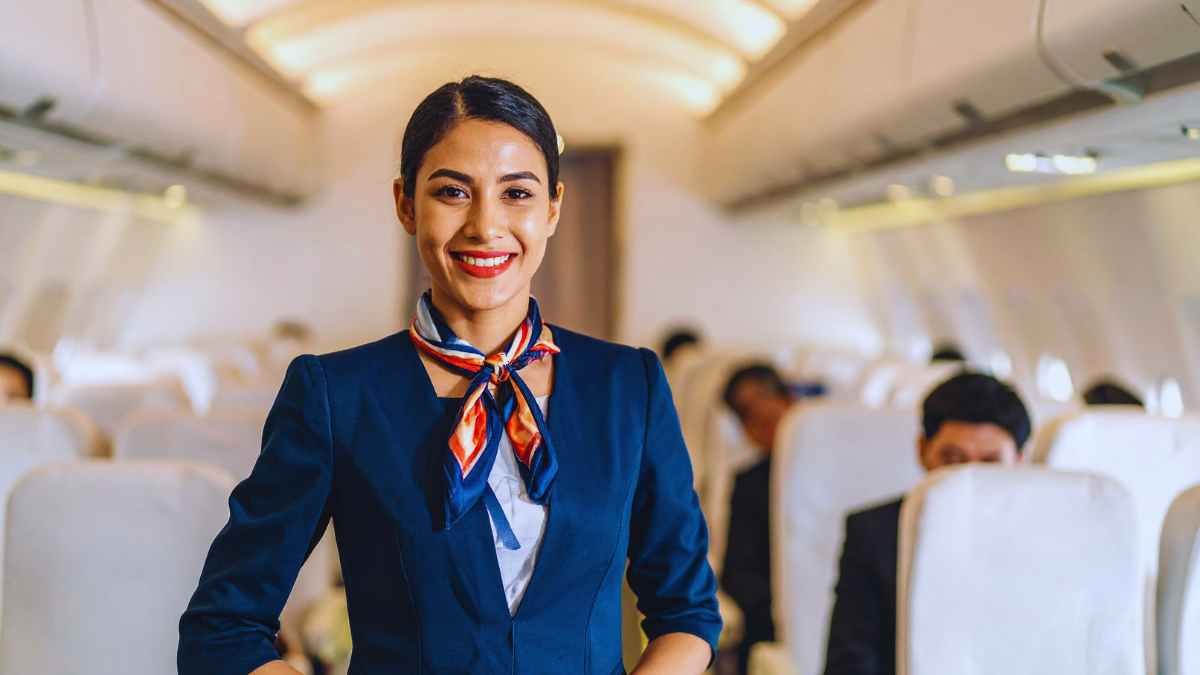

You know that feeling when you try really hard to be helpful, but you just end up tripping over yourself? That’s air travel etiquette in a nutshell. We board a plane wanting to be the perfect, low-maintenance passenger, but sometimes, the actions we think are courteous are actually the things frustrating our flight crew the most.
Look, this isn’t about being rude; it’s about a fundamental misunderstanding of the job itself. We see a server, but they are, first and foremost, a safety officer. And when you treat them like a moving vending machine, it actively interferes with their ability to do their job, which is—and this is the key—keeping you alive.
If you want to be a genuinely great passenger, you have to shift your perspective. It’s time to move past the classic misconceptions and learn the five “nice” things flight attendants secretly wish you would stop doing.
The Core Conflict: Why They Aren’t Just “Serving You”
Let’s be honest: when the flight attendant hands you a tiny can of ginger ale, it’s easy to think of them as hospitality staff. But that role—the service aspect—is always secondary. The FAA mandates that airlines have crew members primarily for safety and security.
This means that before they even offer you a drink, they’ve already participated in a pre-flight briefing with the pilots, inspected all the emergency equipment, and mentally mapped out their evacuation plan. That intensive training covers everything from administering first aid and performing CPR to fighting fires and directing an evacuation in 90 seconds . The snacks? That’s the simplest part of their job.
But here’s the kicker, and this is crucial for understanding their frustration: flight attendants are typically only paid when the plane is moving, or “wheels up to wheels down”. When you cause an unnecessary delay on the ground—by blocking the aisle or demanding attention during a critical turnaround—you’re actively infringing on their unpaid time.
The fact is, modern flying is a pressure cooker. When you layer service expectations on top of mandated safety protocols and add in a rising trend of genuinely disruptive passenger behavior—85% of flight attendants have encountered an unruly passenger, often involving racist or sexist language —even the smallest, most well-intentioned inconvenience can feel like a major roadblock.
Crew Reality Check
Now that we understand the pressure they’re under, let’s get into the five specific actions we need to stop.
1. The Tactical Misstep: Touching the Crew to Get Their Attention
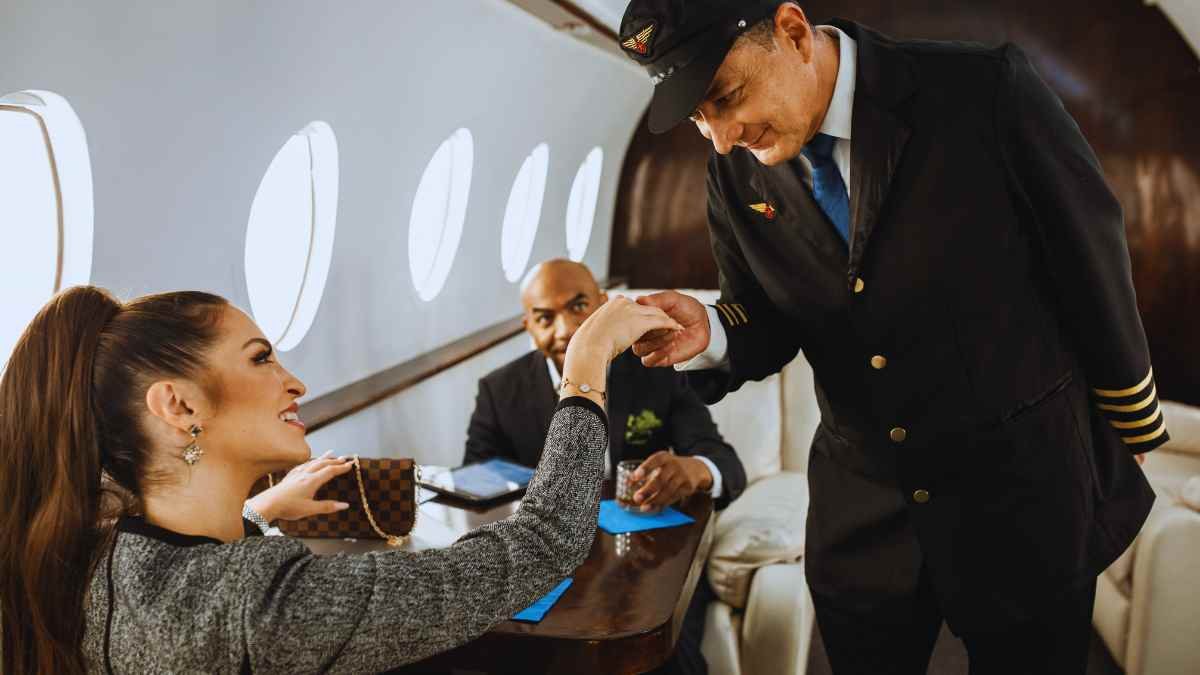
This is, hands down, one of the most universally cited complaints from flight attendants.
It sounds simple, but do not poke, tap, or grab a flight attendant. You might think it’s a quick, efficient way to get their attention—especially in a crowded aisle—but it’s deeply unprofessional and invasive. Crew members are very clear on this: “Do not touch us. Stop touching us. Don’t poke me or tap me or wiggle your fingers on my arm”. They’ve got name tags, and they’ve got ears!
Why it Annoying: Honestly, they’re professionals in their workspace. When you physically touch them, you break the professional distance and treat them less like a working colleague and more like a physically accessible resource. This unsolicited touch is reportedly far more prevalent in the cabin than in almost any other service job. A sudden grab also immediately breaks their concentration, pulling them away from scanning the cabin for safety issues or coordinating tasks.
What They Wish You’d Do Instead: Use your words, please! If they are close, a simple, respectful “Excuse me” or calling them by their name is all it takes. If they are moving through the aisle or in the galley, the call bell is the appropriate, non-physical signal (more on that next). And on a smaller note: acknowledge them. A quick smile or courteous nod when you board means they see you as a human, not just another seat number.
2. The Safety Risk: Helping Them Lift Heavy Luggage
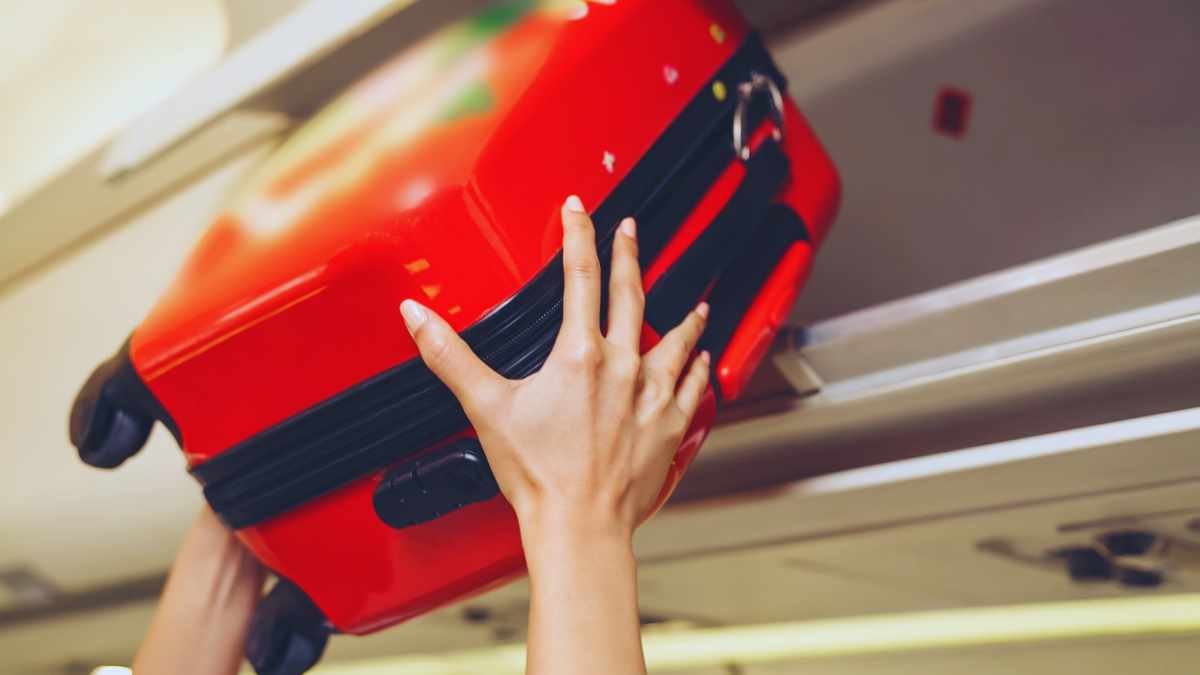
This is the classic, “gentlemanly” gesture gone wrong, and it is a massive liability.
If you see a passenger struggling, you might offer to help. If you see the crew struggling, you might think you’re being a good samaritan. Stop right there. Flight attendants are routinely instructed not to assist with heavy carry-on bags. Why? Because lifting bags is the primary cause of serious work-related injuries, including torn rotator cuffs and severe back issues. Imagine lifting heavy bags 20 to 30 times over an operational day—the cumulative strain is extreme.
Why it Annoying: It’s all about the risk transfer. If a crew member is injured lifting your bag, they are often not covered by Occupational Injury (OJI) insurance and may be subject to termination for violating company policy. A spokesperson for the Association of Flight Attendants-CWA confirms this risk, noting that an injury could lead to a delay or cancellation if minimum crew requirements aren’t met. The passenger, seeking convenience, forces the employee to accept a severe physical and economic risk.
What They Wish You’d Do Instead: Self-sufficiency. If you cannot lift your bag above your head without help, it must be checked at the gate. Full stop. The only exception where FAs are mandated to assist is for passengers with disabilities . Otherwise, manage your own items. It saves their career and keeps your flight on time.
3. The Efficiency Drain: Using the Call Button for Trivial Requests
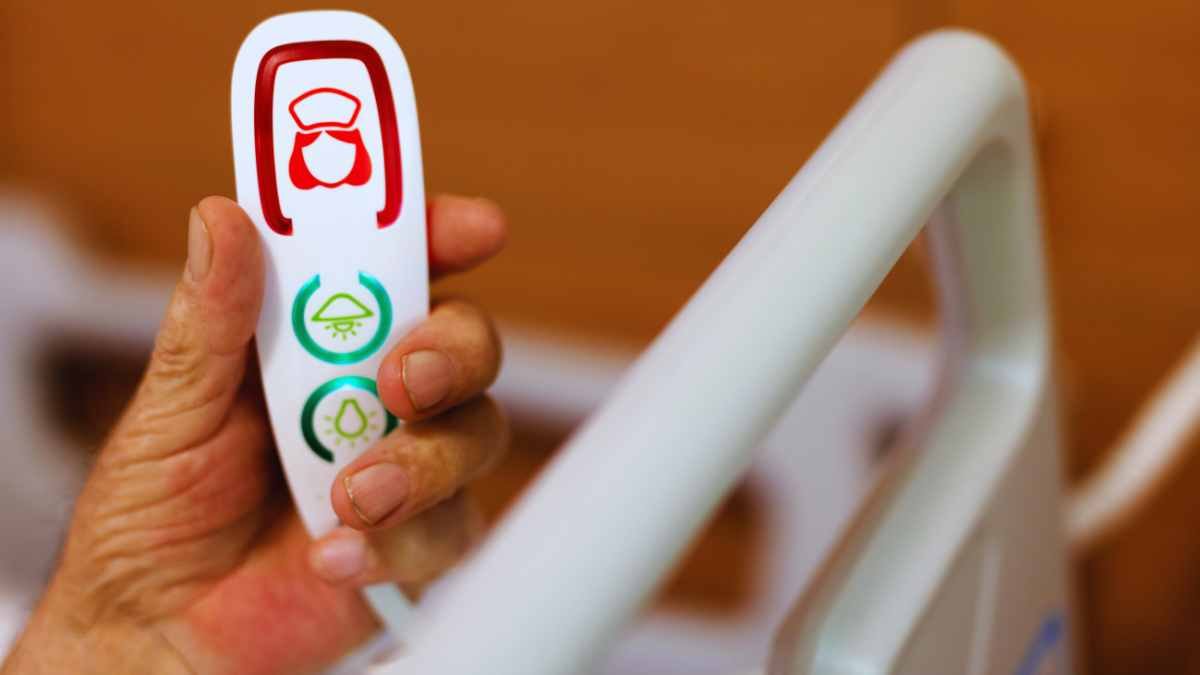
The call button is a direct communication line, but its constant chime for non-urgent issues drives the crew nuts, especially on U.S. carriers.
If you hit the call bell “every two minutes” or “smash the call button repeatedly”, you are causing a workflow headache. This is particularly annoying when the request is trivial, like asking for a napkin, or when the crew is already clearly moving down the aisle with the service cart.
Why it Annoying: It forces the crew to stop their structured service run, potentially blocking the narrow aisle, and divert their focus for something non-urgent. This slows down service for everyone else. While some international carriers monitor call bell response times as a service metric, union representatives for many U.S. carriers emphasize that the button is for urgent needs or when you cannot otherwise reach assistance. If the seatbelt sign is on—during takeoff, landing, or turbulence—the button must only be used for a genuine emergency, as the crew is legally required to be seated.
What They Wish You’d Do Instead: Patience and Strategic Timing. If you can see the service cart approaching, wait a minute for them to get to your row. And if you are physically barricaded in the window seat by sleeping neighbors and genuinely need a drink, go ahead and hit the bell—they understand that’s your only option. Just consolidate your requests and use the signal sparingly.
4. The Operational Roadblock: Premature Standing After Landing
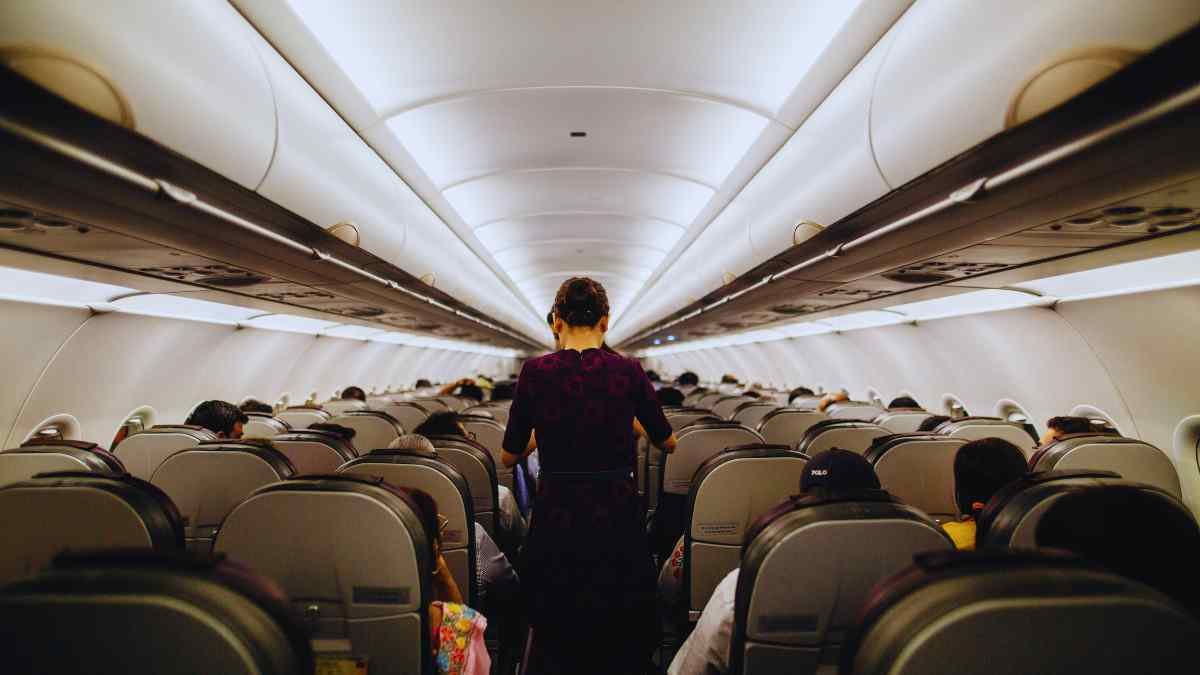
You know that collective gasp and clunk as the aircraft slows down and half the cabin jumps to their feet? That’s annoying, it’s unsafe, and it actively delays the next flight.
This ubiquitous habit is fundamentally dangerous. If the aircraft brakes suddenly or swerves while taxiing, standing passengers can be seriously injured. That’s why the seatbelt sign stays illuminated—it’s a safety regulation.
Why it Annoying: You aren’t getting off the plane any faster; you just traded a seat for a narrow, stress-inducing queue in the aisle . This premature standing is also a massive drain on operational efficiency. Airlines operate on tight turnaround schedules (sometimes as little as 7 minutes for cleaning and preparation). When passengers block the aisles and stand up, the crew is inhibited from performing their time-critical post-arrival duties. Passenger-related delays contribute an average of 4.5 minutes per flight to overall departure delays.
What They Wish You’d Do Instead: Patience and Preparation. Remain securely seated and buckled until the aircraft is fully parked and the crew explicitly announces that it is safe to deplane . Use that waiting time to gather your belongings, put on your shoes, and be ready to execute a smooth, row-by-row exit.
5. The Workflow Hiccup: Ill-Timed Trash Disposal
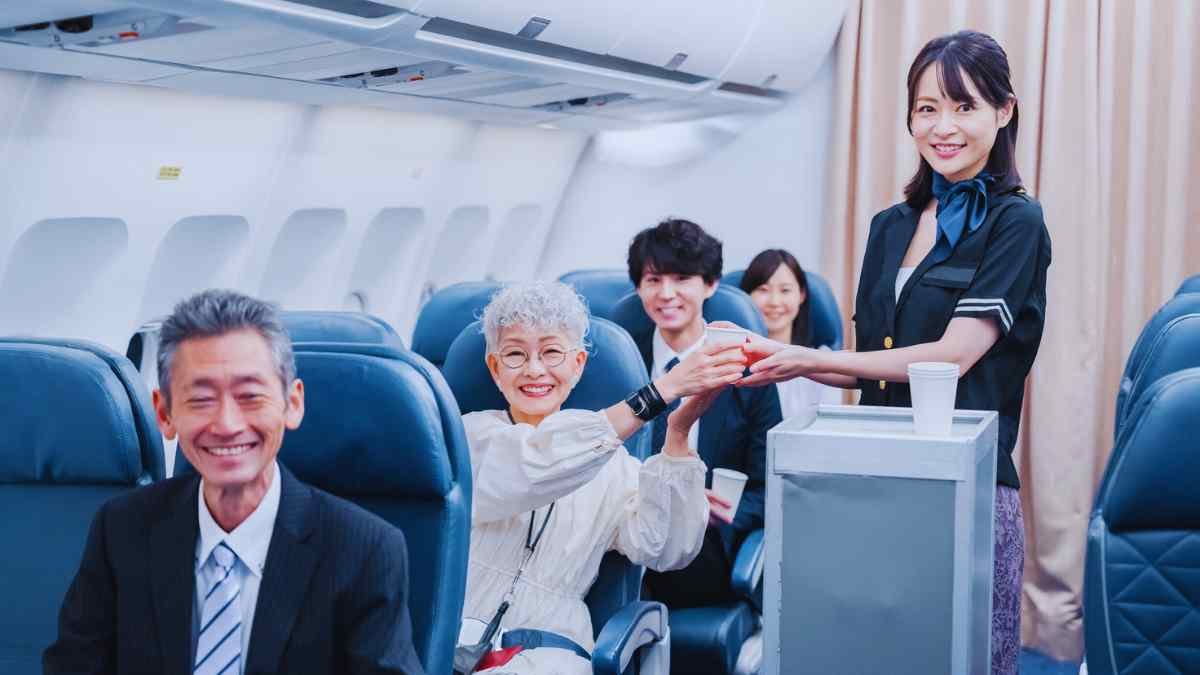
Your attempt to be tidy is appreciated, but your timing is terrible.
Passengers often try to hand over trash to a flight attendant the second they walk by, especially during the initial meal service. This act of tidiness, however, completely conflicts with the crew’s structured workflow.
Why it Annoying: Cabin service is orchestrated in phases: service delivery first, followed by a dedicated trash collection pass. Interrupting the drink or meal service run to take a passenger’s garbage forces the flight attendant to stop the cart, handle contaminants while actively serving food, and disrupts the careful pace needed for timely service delivery. Modern airlines also deal with complex waste management that requires separating different streams for recycling, and ill-timed, mixed bags of refuse complicate this process.
What They Wish You’d Do Instead: Consolidation and Compliance. Please consolidate all your waste neatly and wait patiently for the crew’s dedicated trash collection run, which usually happens near the end of the flight or before descent. If you miss the final trash sweep, the absolute best thing you can do for the ground crew is to place the bundled trash neatly on your empty seat when you exit the aircraft. It makes the quick turnaround cleaning infinitely easier.
Need More Help for Seamless Travel? Look Into These Essential Upgrades
1. The Revolutionary Neck Support

Product Name: trtl Soft Neck Support Pillow
Functional Justification: Unlike bulky U-shaped foam pillows that offer minimal structural stability, the trtl pillow utilizes an innovative internal structural rib system to provide superior, sustained neck stabilization. This specialized design directly addresses the core failure of traditional alternatives by providing reliable lateral support, enabling passengers to achieve deep, comfortable sleep while remaining upright. Its fleece composition is highly compact and avoids the bulk that clogs carry-on space, thereby enhancing overall luggage efficiency.
Key Benefit: This pillow is reported by users to enable comfortable, sustained upright sleep, achieving a level of rest previously unattainable on commercial flights. Strong consumer sentiment, backed by five-star reviews, confirms that the trtl “does a great job at supporting your neck” and “is the best neck pillow [the reviewer has] ever tried”. This investment is the gold standard for restoring the Restoration Pillar of travel autonomy.
2. Volumetric Efficiency Masters

Product Name: Best Value Compression Packing Cubes (8-Piece Set)
Functional Justification: Compression cubes fundamentally redefine how clothing and soft goods utilize luggage space. They introduce essential modularity, making organization seamless and adaptable across various bag types, including weekender and carry-on luggage. Crucially, these cubes utilize specialized zipper compression mechanisms to actively expel air from clothing, maximizing volumetric efficiency. This function enables travelers to significantly increase the effective capacity of their carry-on bags.
Key Benefit: Dramatically reduces the volume of clothing, allowing travelers to pack with up to $30$ percent greater efficiency. Furthermore, they drastically accelerate both security checks and the unpacking process, as specific categories of items (e.g., shirts, socks, cables) are segregated, protected, and easily retrievable. These cubes are essential for travelers utilizing airlines with strict size limits, optimally addressing the Logistics Pillar of travel.
3. The Sanctuary Creator

Product Name: Industry-Leading Noise-Canceling Headphones (Over-Ear)
Functional Justification: Effective noise-canceling technology is essential for utilizing transit time effectively. These devices employ active sound management systems to neutralize the sustained low-frequency hum of jet engines and filter out unpredictable cabin chatter. This capability is vital not only for achieving reliable sleep but also for maintaining concentration during work or immersive entertainment, fulfilling the requirements for flight self-sufficiency.
Key Benefit: Provides guaranteed auditory isolation, transforming the shared, unpredictable cabin environment into a private retreat, thereby fulfilling the Isolation Pillar. Beyond comfort, the reduction of ambient noise allows media to be consumed at lower, safer volumes, reducing long-term ear strain. These headphones are a necessary component of the travel kit for frequent flyers seeking control over their environment.
4. Global Power Security

Product Name: Universal Travel Adapter with USB-C and USB-A Ports
Functional Justification: A high-quality universal adapter consolidates the requirement for multiple country-specific plugs (US, EU, UK, AU) into a single, compact unit, thereby eliminating the need for several bulky, specialized converters. The inclusion of high-speed USB-C and USB-A ports is critical, allowing travelers to charge multiple essential devices—phones, tablets, portable chargers—simultaneously from the single available wall outlet in airports, hotels, or cafes.
Key Benefit: Ensures seamless, reliable power access across all major continents, stabilizing the crucial Connectivity Pillar. This single device simplifies power management significantly, reducing logistical burden and mitigating the risk of device battery depletion, which is a major source of travel anxiety.
5. Ergonomics in the Air

Product Name: Clip-on Airplane Phone Holder/Device Mount
Functional Justification: This highly functional accessory solves a modern ergonomic dilemma: the strain caused by holding or looking down at small devices during long periods of media consumption. The holder utilizes a durable, multi-axis clip that secures smartphones or small tablets onto the seat-back tray table or the seat in front. It allows the screen to be positioned directly at eye level, irrespective of the seat pitch.
Key Benefit: Addresses a significant ergonomic friction point, ensuring comfortable posture while consuming media or working, effectively complementing the neck support system. It is a high-utility, low-cost item that ensures the Ergonomics Pillar is maintained, allowing for true hands-free entertainment or hands-free monitoring of work devices, maximizing productive time during transit.
