


You know that feeling. You land, you’re exhausted, and you realize you have 45 minutes until your next flight. You sprint to the nearest food court, stare at a $16 sandwich, and think, “Is this seriously all there is? Is any of this actually worth it?”
If your travel life involves flying 200 times a year, that panic attack becomes a daily logistic challenge. Dining at the airport isn’t an indulgence; it’s a critical component of professional survival. You can’t afford a food safety mishap, you can’t afford the energy crash from a greasy burger, and you definitely can’t afford the time wasted on slow service.
This isn’t just a list of restaurants. This is the hyper-specific guide to finding justified value in the terminals—where the premium price actually buys you speed, quality, and the nutrient density you need to land the client, or maybe just finally sleep through the night.
The Airport Price Trap (It’s Not Just Price Gouging, But It Stings)
Let’s get the sticker shock out of the way. Why does a salad cost $25 at Logan International (BOS)? Why is a mediocre beer $16?
It’s easy to scream “price gouging,” and sure, sometimes it feels like it. But honestly? The real culprit is the ridiculously complex business of operating inside a secure, limited-access building.
Think about it this way: Airport restaurants pay staggering commercial rent and deal with unique security logistics and higher staff turnover rates than their downtown counterparts. Even with “street pricing” rules—policies at hubs like JFK, LGA, and EWR meant to keep airport prices comparable to what you’d pay outside —vendors are often allowed a capped surcharge, maybe 10% to 15%, just to cover these unavoidable, higher operating burdens.
So, when you pay $25 for that high-quality, grilled salmon, you’re paying a premium for two things:
- Guaranteed Quality: It’s often chef-driven, authentic food (more on that in a moment).
- Logistical Certainty: It’s fast. Concessions standards dictate that fast-casual food and drinks should be served in under three minutes. Your time is worth more than that $7 difference.
The question isn’t, “Is it cheap?” (No.) The question is, “Is the experience, quality, and speed worth the unavoidable premium?”
The Hall of Fame: 9 Restaurants That Earn Their Price Tag
The dining landscape is actually getting better, which is great news, led by major hubs like LAX and ATL. But you can’t just walk up to any spot. You need to target concepts that have either global acclaim, chef backing, or a razor-sharp focus on health.
1. One Flew South (Hartsfield-Jackson Atlanta International Airport, ATL – Terminal E)

This is the OG. It was literally the first fine-dining concept ever put in the world’s busiest airport. It consistently ranks among the best globally. You walk in, and the Japanese-inspired decor immediately transports you out of the terminal chaos. You can get something decadent, sure, but the Salmon with rosemary potatoes or the high-quality Omakase Box sushi/sashimi are fantastic, balanced choices.
2. Publican Tavern (Chicago O’Hare International Airport, ORD – Terminal 3)

Chicago’s Fulton Market district is legendary, and Publican brings that same elevated, farm-to-table quality to ORD. They focus on expert sourcing, often from places like Slagel Family Farm. Look, if you want something that tastes fresh and real, this is it. Go for the Organic Baked Salmon or the rotisserie Farm Chicken. They prioritize ingredient quality over heavy sauces.
3. Saison (Newark Liberty International Airport, EWR – Terminal C)

Okay, EWR is a notorious nightmare hub for food—70% of its restaurants average below three stars. But Saison is the necessary exception. It’s a high-quality French bistro with critical recognition. When you’re stuck in a hostile dining environment, you have to seek out these specific, acclaimed concepts instead of relying on generic chains.
4. Barrio Cafe (Phoenix Sky Harbor International Airport, PHX)

This is award-winning Southwestern cuisine that brings the legacy of a beloved Phoenix staple right to your gate. Start with the table-side guacamole (yes, table-side!) and grab the protein-rich Chicken Enchiladas (with tomatillo cream reduction). You get culinary heritage and real flavor here.
5. The Peached Tortilla (Austin-Bergstrom International Airport, AUS)

Austin is all about fusion, and this spot does Asian-Texan mashups better than anyone. They’re super accommodating—they even have a dedicated menu for dietary restrictions. The Thai Chop Chop Salad with Tofu is a light, dynamic winner.
6. Whisky River (Charlotte Douglas International Airport, CLT)
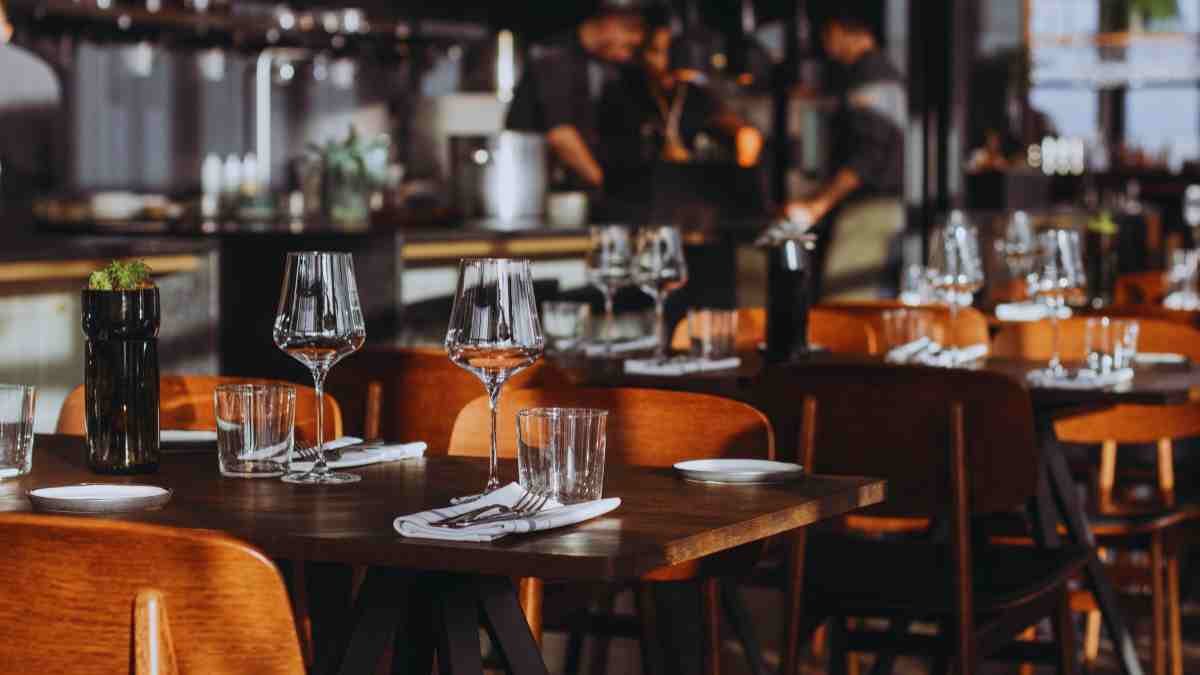
Backed by Dale Earnhardt Jr., this place is full-service Carolina comfort food. In smaller airports like CLT, dedicated health spots are rare, so your strategy is simple: go to a full-service place and request modifications. Get the grilled chicken sandwich and swap the fries for a fruit cup or substantial side salad. They can usually make it happen.
7. CAVA / Custom Bowl Concepts (LAX, DFW, SEA, and others)
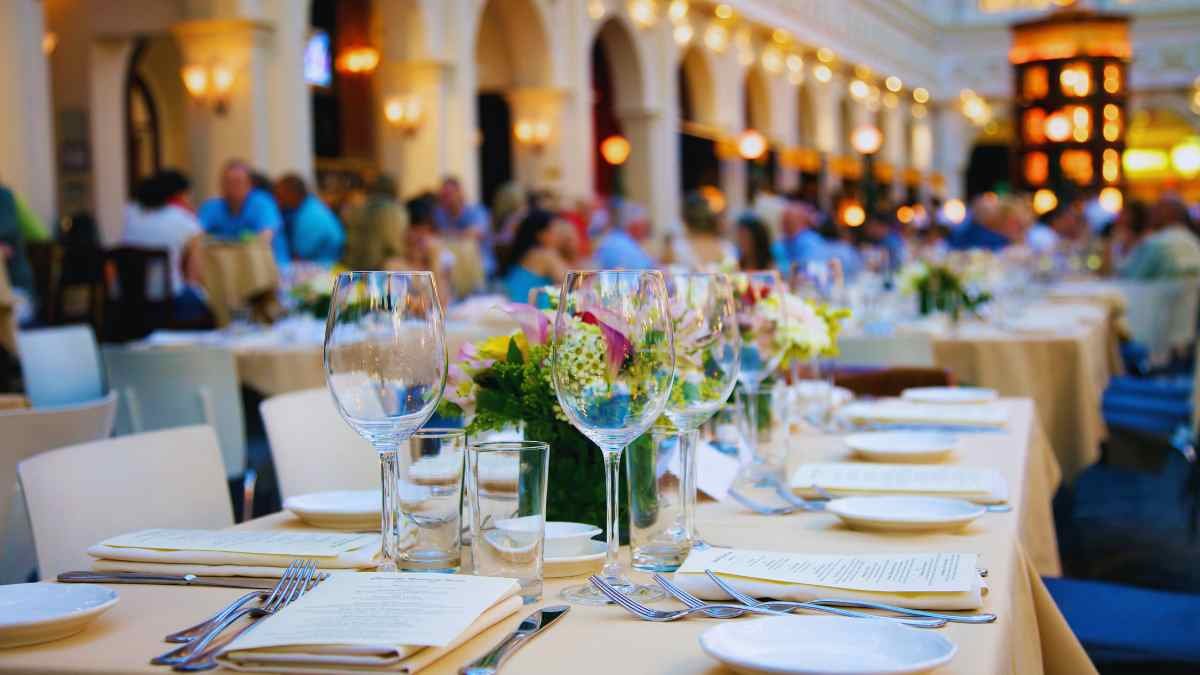
This is the peak of travel efficiency. Concepts like CAVA, Modern Market, and Evergreens are built around custom bowls. You control the ingredients, maximizing fiber and lean protein. LAX is great for this, leading the charge in high-quality plant-based options. Pro-Tip: Pre-order services like Breeze at LAX let you secure your meal up to 24 hours in advance, ensuring maximum speed.
8. Floret by Cafe Flora (Seattle-Tacoma International Airport, SEA – Concourse A)

A full-service, vegetarian dine-in restaurant. If you are one of the 71% of frequent travelers looking for reliable, plant-based options, this is your sanctuary. A stress-reducing layover meal guaranteed.
9. The Perfectionist’s Cafe (London Heathrow Airport, LHR – Queen’s Terminal)

From Chef Heston Blumenthal, this cafe perfects classic British fare. For the global flyer, it’s consistent, high-standard excellence. Their breakfast options are superior: grab the Poached Eggs & Bacon on an English muffin or the Natural Honey & Nut Granola with Greek yogurt.
The 9 Recommended Airport Concepts
| Restaurant/Concept | Airport (Code) | Key Value Proposition | Recommended Wellness Dish | Acclaim |
| One Flew South | Hartsfield-Jackson Atlanta (ATL) | Fine dining, Southern-International fusion, stress-reducing ambiance. | Salmon with Rosemary Potatoes / High-Quality Sushi | Critically acclaimed, first fine-dining airport concept |
| Publican Tavern | Chicago O’Hare (ORD) | Farm-to-table quality, regionally sourced ingredients. | Organic Baked Salmon or Half Roasted Farm Chicken | Chef-driven concept (The Publican) |
| Saison | Newark Liberty (EWR) | French bistro exception in a low-rated hub. | Seasonal lean protein dishes / Fresh French bistro items | Michelin recognition |
| Barrio Cafe | Phoenix Sky Harbor (PHX) | Award-winning, authentic regional Southwestern cuisine. | Table-side Guacamole / Protein-rich Enchiladas | Reader’s Choice Award nominee |
| The Peached Tortilla | Austin-Bergstrom (AUS) | Asian-Texan fusion, strong dietary restriction accommodation. | Thai Chop Chop Salad with Tofu | Local Austin staple, strong vegan options |
| CAVA/Custom Bowl Concepts | LAX, DFW, SEA (Various) | Customizable, high fiber, high-protein plant-based meals, speed. | Customizable Bowl (lean protein/extra veggies) / Keto Salad | LAX leads in healthy dining |
| Floret by Cafe Flora | Seattle-Tacoma (SEA) | Dedicated vegetarian/vegan dine-in, reliable fresh options. | International Mix/Vegetarian Dine-in options | High-quality wellness focus |
| Whisky River | Charlotte Douglas (CLT) | Full-service regional concept; flexible modification options. | Grilled Chicken Sandwich (with fruit cup) | Full-service Carolina comfort food |
| The Perfectionist’s Cafe | London Heathrow (LHR) | Chef Heston Blumenthal concept, precise classic dishes. | Poached Eggs & Bacon or Granola with Greek Yogurt | International standard of excellence |
Mandatory Skips: 6 Foods That Will Ruin Your Flight
You are playing a high-stakes game when you choose airport food. Avoiding certain items is as important as choosing the right ones. These six skips are justified by documented food safety hazards or negative physiological consequences that get way worse at 35,000 feet.
1. Pre-Made Sushi and Raw Seafood in Display Cases
Skip it. Period. Sushi is one of the highest-risk foods in a high-traffic environment. Raw fish needs to be kept aggressively cold—colder than other proteins—for quality and safety. Those nice, neat display cases often experience lapses in chilling, and if the rice sits too long at an improper temperature, it becomes a bacterial breeding ground. Rule: Only eat sushi if you can see it being prepared fresh at a staffed, established counter. Otherwise, get a cooked rice bowl or just move on.
2. Day-Old Pizza Slices and Generic Deli Sandwiches
Skip it. That slice of airport pizza is likely sitting in the “danger zone” temperature where bacteria love to multiply. It’s stale, low-quality, and destined to give you digestive regrets mid-flight. Ditto for those shrink-wrapped deli sandwiches. They are loaded with high-sodium processed meats and carry an unnecessary spoilage risk if the refrigeration isn’t perfect.
3. High-Sodium Dishes (Especially Soups)
Skip it. On a plane, your senses are dulled. Saltiness and sweetness register up to 30% less flavor. As a result, many kitchens—airline and airport—overcompensate with way too much sodium. High salt intake causes significant gastrointestinal bloating, and that bloating is severely exacerbated by the dry, pressurized cabin air. This double-whammy of high sodium and altitude accelerates dehydration, giving you that nasty headache when you land. Even something as innocent as a cup of chicken noodle soup from a chain can hit over 1,000 milligrams of sodium.
4. Excessive Alcohol and Caffeine
Skip it (or drastically limit). I know, a pre-flight gin and tonic sounds great, but alcohol and caffeine are both diuretics. They actively increase fluid output, working directly against your body’s desperate need for hydration in that bone-dry cabin. Dehydration is the number one health risk when flying long haul. Don’t show up to your destination feeling hung over before you even touch a hotel minibar. Water is king.
5. Greasy Filler (Deep-Fried Appetizers and Heavy Burgers)
Skip it. Anything deep-fried or super greasy slows down your digestive process. When you’re sitting in an aluminum tube for hours, this sluggish digestion adds to the fatigue and general feeling of grossness. Your body needs fuel, not ballast. Always choose items that are grilled, steamed, broiled, or baked.
6. Generic Dining in Statistically Bad Hubs
Skip it (unless you know the exception). This isn’t a food item, it’s a strategy. Some airports are just statistically bad. We already talked about Newark (EWR), where 70% of dining is sub-par. Other high-risk hubs include Chicago O’Hare (ORD) and JFK International. If you’re stuck in one of these, you absolutely must rely on the known, critically acclaimed exceptions (like Saison at EWR) or you must rely entirely on what you packed.
Table 2: The 6 Concepts to Skip and Their Primary Risk
| Concept/Food Item | Primary Risk | Impact on Traveler Wellness |
| Pre-Made Sushi/Raw Fish | Food Safety (Temperature Lapse) | High risk of foodborne illness; potential spoilage due to lack of chilled display continuity. |
| Day-Old Pizza Slices | Low Quality/Staleness/Temperature | Heavy, greasy, often sits out all day, low quality, and digestive issues. |
| High-Sodium Dishes (Soups/Sauces) | Dehydration/Bloating | Exacerbates in-flight dehydration and causes significant gastrointestinal discomfort. |
| Excessive Alcohol/Caffeine | Severe Dehydration | Diuretic effect compromises essential hydration needed in low-humidity cabin environment. |
| Generic Deli Sandwiches | Food Safety/Sodium Load | Risk of spoilage; typically high in processed meat nitrates and excessive sodium. |
| Generic Dining in Low-Rated Hubs (EWR, ORD, JFK) | Poor Value/Substandard Quality | High average prices for overwhelmingly poorly rated food (e.g., 70% below 3 stars at EWR). |
The Pilot’s Guide to Layover Wellness
The frequent flyer has to be proactive. That means having a disciplined, multi-faceted strategy that anticipates chaos.
1. Plan Before You Park
Look, you wouldn’t walk into a crucial meeting unprepared, so why would you leave your fuel strategy to chance? Always check the airport’s website for options in your terminal before you leave the house. This simple step prevents the frantic, expensive impulse buy that happens when you’re suddenly starving. And if you have lounge access (via airline status or credit card), use it! Lounges often provide significantly better, complimentary, and healthier food than the main terminals.
2. Pack the Essentials (Your Anti-Hunger Toolkit)
Severe hunger leads to bad choices, every time. You need your own toolkit to bridge those unpredictable meal gaps. A well-stocked, TSA-friendly carry-on should focus on filling protein, fiber, and healthy fats.
Highly Recommended, Shelf-Stable Options:
- Unsalted Nuts or Trail Mixes: Pre-portion them to avoid mindless grazing.
- Protein Bars: Think RXBARs or KIND Minis, which offer protein and fiber without insane amounts of sugar.
- Jerky: Turkey jerky is a great lean protein hit.
- Fresh Fruit: Apples, bananas, and oranges travel perfectly.
3. Hydration Is Your Only Non-Negotiable
This is the most important part of the whole travel puzzle. Bring an empty reusable water bottle and fill it up at the filtered water stations post-security. You simply cannot drink enough water to combat the extreme dryness of a cabin, and every drop you skip is a debt you pay later with a headache or fatigue. Don’t waste money on overpriced bottled water; invest in your health.
4. Focus on Lean Protein and Fiber
When you do sit down, don’t get distracted. The golden rule is simple: lean protein and vegetable pairing. Choose things that are grilled, steamed, or baked. Pair your salmon, chicken, or tofu with a substantial salad or vegetable side, and opt for light, oil-based dressings. This combination keeps your blood sugar stable and prevents the massive energy spike-and-crash that travel fatigue thrives on.
Conclusion: Mastering the Terminal Diet
Mastering airport dining is about strategy, not luck. For those of us living on a high-frequency flight schedule, it’s the difference between feeling drained and feeling capable.
The final takeaway is clear:
- Justify the Price: Patronize the acclaimed, chef-driven concepts (One Flew South, Publican Tavern) that actually deliver on quality, not just hype.
- Avoid the Traps: Be ruthless about skipping the high-risk foods—especially the raw, pre-made sushi and anything that will load you up with bloat-inducing sodium.
- Own the Preparation: Always pack your protein and stay aggressive about hydration.
By making deliberate, mindful choices centered on efficiency, lean protein, and fiber, you successfully transform the airport dining scene from a chaotic hurdle into a seamless, high-performance part of your travel routine. Fly well, eat better.
Need More Help For Staying Fueled and Hydrated? Look Into These Gear Upgrades
1. Collapsible Silicone Water Bottle

Essential for bypassing the expensive bottled water trap. Fill it post-security at filtered stations—staying hydrated is the single best defense against altitude fatigue.
2. Low-Sugar/High-Protein Snack Bars (e.g., RXBAR or similar)

The ultimate emergency meal replacement. Focus on options with high fiber and protein to keep you full and avoid the sugar/fat crash of airport fast food.
3. Electrolyte Drink Mix Packets (Zero Sugar)

Mix these into your water for faster hydration recovery. Crucial for countering the diuretic effects of coffee/alcohol and the dehydration from cabin air.
4. TSA-Approved Reusable Food Containers

Stop buying overpriced, single-serve snacks. These let you pack homemade, low-sodium trail mix, jerky, or chopped fruit cleanly and efficiently.
5. Travel-Size Disinfecting Wipes

Airports are germ factories. Use these to wipe down tray tables and, most importantly, your hands before eating the snacks you packed. Minimize germ exposure effortlessly.
