


You know that feeling when you finally book that incredible, life-changing trip? The flights are confirmed, the hotel is spectacular, and you just exhale, right? That moment of relief is exactly when criminal networks are licking their lips.
Honesty time: Travel today is no longer just about dodging pickpockets. It’s a sophisticated battlefield. The scams targeting Americans abroad in 2025 are powered by the same advanced artificial intelligence (AI) and cyber tactics we see in multi-billion dollar financial fraud. We’re talking about transnational crime organizations that are rich—really rich—and they’ve turned their high-tech arsenal toward your vacation budget.
Look, this isn’t meant to scare you off the plane. It’s about arming you. Think of me as your security consultant for the digital age, sharing the intelligence you need to stay sharp and safe. We’ll look at the data, break down the psychology they use against you, and learn how to spot the 10 most critical threats coming your way, both online and on the streets.
The Scam Radar
The Critical Scam List is covered later in the article so stay tuned and read below!
The Real Cost: Why Your Vacation is a High-Value Target
We have to start with the money because that’s the fuel for this whole criminal machine.
The amount of fraud happening right now is dizzying. The Federal Bureau of Investigation (FBI) reported that total losses from internet crime in 2024 exceeded a massive $16 billion, marking a 33% increase from the year before. And the Federal Trade Commission (FTC) saw consumer losses top $12.5 billion.
Think about those numbers for a second. That much illicit cash funds better infrastructure, better cloning software, and more professional scammers. This is why their fake websites look flawless.
While massive investment scams bring in the most money overall, travel fraud is the easiest way for criminals to harvest your identity (your name, address, passport number, and payment information) and get quick, hard-to-trace cash.
In the last year alone, Americans reported losing $2.6 million specifically to travel scams. And the most painful financial hit came from the Travel Agent/Agency scam, costing victims over $1.1 million. That high average loss per incident tells you they aren’t just looking for petty cash; they’re executing complex, high-value frauds targeting expensive trips.
The Fraud Economy
And here’s a disturbing fact for our older travelers: individuals over the age of 60 suffered the highest overall losses in 2024, nearly $5 billion. Why? These demographics are often targeted with complex, high-ticket items like timeshares or expensive travel packages, where the perceived authority of the “agent” is leveraged to bypass digital skepticism.
Your Brain is the Target: The Science Behind Why Scams Work
The secret to defeating fraud isn’t recognizing a bad website; it’s recognizing when your brain is being hacked. Scammers aren’t just selling fake trips; they’re manipulating predictable human behavior to shut down your critical thinking.
1. Cognitive Overload (The Tourist Mindset)
Think about it: You’re exhausted from the flight, you can’t read the signs, you don’t know the currency, and you’re constantly making decisions. That cumulative mental load is called cognitive overload. When you’re in this vulnerable state, your brain defaults to heuristic thinking—mental shortcuts—instead of rational thought. You make quicker, poorer decisions.
2. The Power of Urgency and Authority
Scammers are masters of playing on your emotions. They’ll impersonate police or airline staff to trigger authority bias, making you feel you have to comply immediately to avoid legal or financial trouble. Then they add urgency—”Pay this fine now,” or “This incredible deal expires in 10 minutes”. This pressure forces you to use the “peripheral route” of decision-making, bypassing your inner security expert entirely.
3. Social Pressure and the Fear of Embarrassment
Many street scams rely on making non-compliance more awkward or painful than just paying up. Whether it’s aggressively demanding money for a “free gift” or shortchanging you, the scammer exploits social discomfort. You feel guilty, embarrassed, or you just tell yourself, “It’s only a few dollars, it’s not worth the hassle”. And just like that, the scammer wins.
The 10 Critical Scams Hitting Americans: Your Field Guide
We can break the threats into two camps: the sophisticated digital scams that hit before you leave, and the opportunistic physical cons that happen when you’re out exploring.
1. The AI-Cloned Booking Portal (The Perfect Fake Website)

AI has eliminated typos and bad graphics. Scammers now generate pixel-perfect copies of real airline, hotel, or major booking sites. They look and feel 100% legitimate. They pop up in social media ads or targeted texts. You book, you pay, and your funds are stolen. The reservation never existed.
- Spotting Tip: You must verify the security. Look for the padlock icon next to the URL, and ensure the address starts with HTTPS. If you’re not 100% sure, close the window and re-type the official company’s name into a search engine. And if the deal seems “too good to be true”—trust the FBI: it probably is .
2. The High-Value Agency Imposter (The $1.1 Million Threat)

This is the one costing us the most money. Scammers create fake “travel agencies” with polished websites to target people interested in cruises, timeshares, or luxury trips. They promise deep discounts but demand a quick upfront “fee” or “deposit.”
- Spotting Tip: Research, research, research. Search the agency’s name combined with “scam,” “review,” or “complaint”. The instant red flag is the payment demand: legitimate agents take credit cards; these scammers will only demand untraceable methods like wire transfers, gift cards, or cryptocurrency.
3. Hijacked Vacation Rental Listings (The Phantom Home)

Scammers copy real photos and descriptions from properties on trusted sites and repost them on fake third-party sites or under bogus profiles. They pressure you to pay quickly via wire transfer or payment apps because the rental is “the last one available”. You show up, and the house exists, but the legitimate owner has no record of your booking—you paid a criminal.
- Spotting Tip: Never communicate or pay outside the platform’s secured payment system. Also, cross-reference the property’s address on a mapping app to ensure the details match up.
4. The International Driving Permit (IDP) Trap

This scam exploits your good intentions. You know you need an IDP, so you Google it and find an official-looking site. You pay, they send you a fake permit, and you face legal problems, fines, or detention overseas when local authorities realize the document is invalid .
- Spotting Tip: In the United States, only two organizations are legally authorized to issue IDPs: the American Automobile Association (AAA) and the American Automobile Touring Alliance (AATA). Book through one of them, period.
5. The Flirtatious Local (The Bar Scam)

A charismatic stranger targets you in a social setting, strikes up an amazing conversation, and then suggests moving to a more “exclusive” spot. The local disappears, leaving you with an exorbitant bill, which intimidating associates demand you pay. In the worst-case scenarios, you’re drugged and robbed.
- Spotting Tip: Honestly, you need to check your attractiveness. If the opportunity seems too perfect, too good to be true, or if they are overly aggressive about moving to an unknown location, treat it as a planned setup.
6. The “Helpful” Local and ATM Skimming
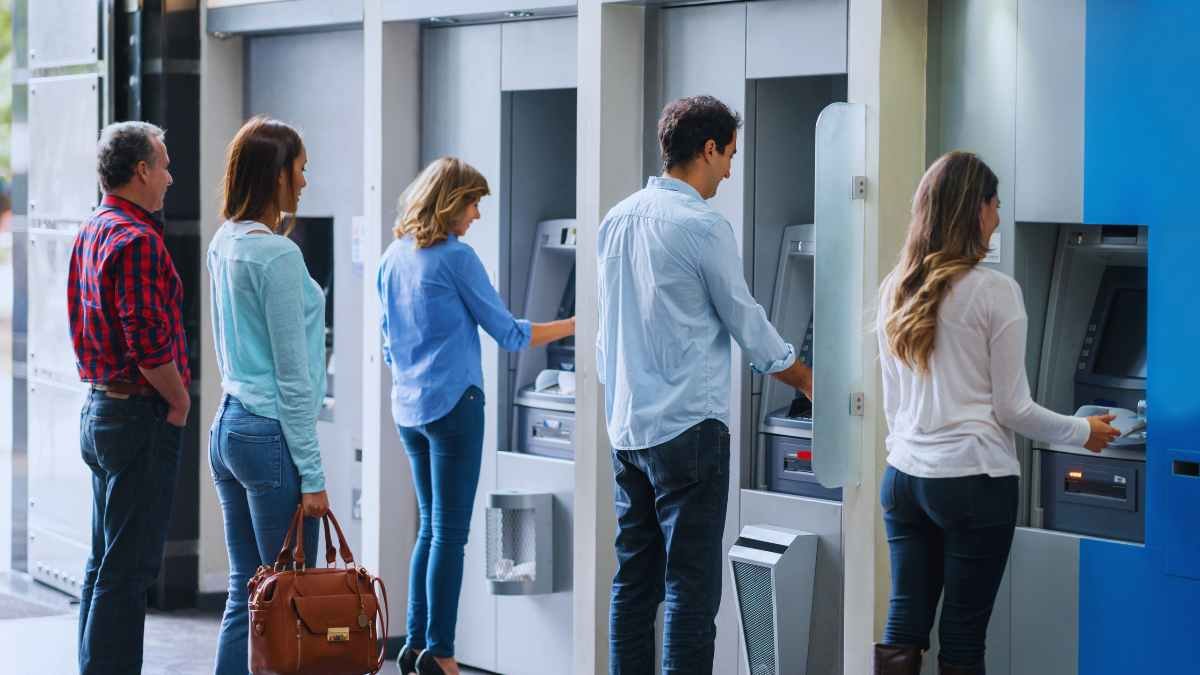
You’re at a foreign ATM, maybe struggling a bit with the language or the system. A “helpful” local pops up, offering unsolicited advice, often with a second person acting impatient behind you. They’re not helping; they’re distracting you so they can install a hidden card skimmer or watch your PIN entry.
- Spotting Tip: Only use ATMs located inside a bank branch, not on the street. Always give the machine a quick check: pull on the card slot and the keyboard to ensure nothing is loose or taped on. Never let anyone get close to you during the transaction.
7. The Empathy Play (The Fake Petition/Free Gift Con)

Someone, often a child or a woman feigning disability, approaches you in a crowded area asking for a signature on a petition or offering a “free” gift like a bracelet or flower. Once you engage, they aggressively demand a donation or payment, leveraging your guilt. The worst part? This interaction is often a distraction for a partner to pickpocket you.
- Spotting Tip: This one is simple but hard: Ignore and keep walking. You owe them nothing. Avoid eye contact and firmly disengage from anyone offering unsolicited gifts or requests for signatures.
8. The Fake Authority Figure (Unlicensed Taxi/Police Fines)

This scam plays directly into your trust in authority. Unlicensed taxi drivers will grossly overcharge you after a long trip. More dangerously, individuals posing as plainclothes police officers will approach, demanding to see your passport, ID, or money to “verify currency” or “search for drugs”. They steal cash or demand a fraudulent “fine” on the spot.
- Spotting Tip: Demand verification. If someone claims to be an officer and demands money or documents, stay calm and firmly insist on accompanying them to a verifiable, official police station before complying with any demands. A legitimate officer will usually respect this request.
9. The Currency Switcheroo (The Wrong Change)

This is a low-tech, high-volume crime in taxis, small shops, or market stalls. The seller exploits your cognitive overload—you’re unfamiliar with the local currency notes and exchange rates—and uses sleight-of-hand to shortchange you. Because the loss in your home currency is often small, you feel it’s “not worth the hassle” to fight it.
- Spotting Tip: Minimize the complexity of the transaction. Use round, large figures to reduce the change needed. Count your change immediately and audibly. And try to memorize the rough appearance of the common notes before you leave your hotel.
10. The Illegal Courier/Luggage Transport Request (The Drug Mule Trap)

This is the highest-stakes scam, leveraging your naiveté or greed. Someone contacts you—sometimes online, sometimes in person—offering significant cash, a free travel upgrade, or a fake job in exchange for transporting luggage, packages, or “gifts” across a border. These items contain illegal contraband, like drugs or undeclared cash. If caught, you take the fall.
- Spotting Tip: The rule is absolute: Never, under any circumstances, carry anything across international borders for a stranger, ever. You must pack and handle all your own luggage from start to finish.
The Consultant’s Counter-Attack: Advanced Prevention Protocols
You are your own first and most important line of defense. Since scammers rely on overwhelming you with urgency and authority, your strategy must be to enforce a mandatory pause before any critical action.
1. The Financial Shield: Credit is Your Armor
Forget debit cards. They pull money directly from your bank account, which can be catastrophic. Exclusively use a credit card for travel services. They offer better consumer protection and fraud mitigation.
- The Three Absolute Red Flags: Any request for payment using a wire transfer, gift cards, or cryptocurrency is a 100% confirmation of fraud. Seriously, hang up, walk away, delete the email. Law enforcement will tell you this is how criminals get untraceable cash.
2. Digital Lockdowns: Create a Verification System
Since AI makes fakes so perfect, you need systemic verification, not aesthetic judgment.
- Book Direct and Verify HTTPS: Always start by booking directly through the official, well-known company website (the airline, the hotel chain). Always look for the padlock and HTTPS.
- The Family Code Word Protocol: This is a crucial defense against AI-driven voice phishing. Before your trip, agree on a unique, silly family code word. If you get a panicked call or text claiming an emergency or flight change, demand the caller provide the code word. If they can’t, it’s a scam. Terminate the call.
- Enable 2FA Everywhere: Two-factor authentication (2FA) for your primary email, banking, and credit card accounts is non-negotiable. These are the gatekeepers to your whole digital life.
- Go Dark (A Little): Set your social media profiles to private, and avoid posting your detailed itinerary or current location on public channels. Potential thieves and digital scammers watch this information.
3. Situational Awareness: The Power of Disengagement
The street cons require your participation to succeed. Simply refuse to play.
- Master the Firm “No”: Practice politely, but firmly, disengaging from any unsolicited approaches—gifts, requests for help, advice. Maintain your focus and keep walking, especially in crowded tourist zones.
- Enroll in STEP: Before you fly, enroll in the U.S. State Department’s Smart Traveler Enrollment Program (STEP). This ensures the U.S. Embassy or Consulate can contact you efficiently during a crisis and provides critical destination-specific safety info.
Final Thoughts: Travel Smart, Stay Sharp
We’re all drawn to the magic of travel—the new sights, the new people, the feeling of discovery. Don’t let the fear of these scams take that from you. Instead, let this knowledge be your invisible armor.
The biggest mistake travelers make is underreporting. If you believe you’ve been targeted or victimized, your immediate action is essential. Report the incident to the local police, then to your bank/card issuer, and finally, file a complaint with the FBI via IC3.gov or the FTC at ReportFraud.ftc.gov. Reporting helps Interpol and the FBI fight these sophisticated transnational networks.
Travel should be about making memories, not losing money or sleep. Be skeptical, enforce your verification checklists, and institute that mandatory “pause protocol” every time.
Beyond Awareness: Gear to Help You Win the Security Game
1. Pacsafe Vibe 150 Anti-Theft Sling Pack

Since street cons often rely on distraction to pickpocket you , a cut-resistant, locking bag is essential. This sling pack is small enough to wear close to your body, but it features lockable zips and cut-resistant materials, making it much harder for thieves to quickly slash and grab your phone or wallet in a crowd. It’s the perfect size for carrying your passport and phone securely while you explore.
2. VENTURE 4TH Travel Money Belt (RFID Blocking)

You can’t defeat the “Fake Petition” scam or a robbery attempt if all your cash and primary ID are in your back pocket. This lightweight, breathable money belt is designed to be worn discreetly under your clothes, holding your passport, emergency cash, and critical cards. Plus, it includes built-in RFID blocking to protect your credit card chips from unwanted wireless scans while in transit.
3. GL.iNet Beryl AX (GL-MT3000) Portable VPN Router

Since the biggest threat is complex digital fraud through fake Wi-Fi hubs or compromised hotel connections, protecting your internet traffic is non-negotiable. This pocket-sized router allows you to securely connect all your devices to one network through a Virtual Private Network (VPN). This encrypts your data, so even if the coffee shop Wi-Fi is compromised, your financial information remains private.
4. MbBest Portable Door Lock and Alarm Door Stop

When booking that perfect vacation rental, the Hijacked Listing scam is always a risk. This small, affordable security kit fits into most doors (hotels or Airbnbs) and adds an extra layer of protection, preventing unauthorized entry even if someone has a key. It’s a simple, physical mechanism that provides immediate peace of mind for solo travelers or those staying in unfamiliar accommodations.
5. Zero Grid RFID Blocking Travel Passport Wallet

Travel documents and cards are the keys to long-term identity theft if they fall into the wrong hands. This zippered wallet keeps your passport, multiple credit cards, and cash organized in one secure place. The RFID blocking layer stops wireless skimming attempts, ensuring the PII stored in your passport and cards is protected from hackers while you wait in line at the airport or customs.
