


Look, we need to talk about that ache in your knee. Or that stiffness in your hands that makes your morning coffee routine feel like a workout.
Most of us have been fed a lie. It’s a comfortable lie, but it’s dangerous. We tell ourselves, “I’m just getting old,” or “It’s just wear and tear from that time I played high school football.” We pop an ibuprofen, shake it off, and get on with our day.
But here’s the truth: Pain is not a mandatory tax for aging.
And “wear and tear”? That’s a massive oversimplification that costs our healthcare system billions and costs you your quality of life. The latest research from 2024 and 2025 is painting a terrifyingly clear picture: diseases like Rheumatoid Arthritis (RA) don’t just “show up” the day your joint hurts. They started silently, years ago, like a volcano building pressure underground.
If we keep ignoring the subtle signals—the ones that have nothing to do with joints—we miss the window to stop the explosion.
This isn’t just a list of symptoms. This is a guide to listening to what your body is desperately trying to tell you before it’s too late.
12 Early Signs You’re Probably Ignoring

You know about joint pain. But did you know your gums or your ears might be tipping you off? Here are the 12 signs most people brush off until the damage is done.
1. The “Gelling” Phenomenon (Morning Stiffness)

We all wake up groggy. But arthritis stiffness is different. Doctors call it “gelling”—like engine oil thickening in the cold.
The 30-Minute Rule: Here is the litmus test: How long does it take to loosen up?
- Osteoarthritis: You’re stiff for maybe 5 or 10 minutes. Once you move, you’re good.
- Inflammatory Arthritis (RA/PsA): You are stiff for more than 30 minutes, often an hour. A hot shower is the only thing that helps.
If you are stiff until your morning commute is over, that is not aging. That is inflammation fluid trapped in your joints.
2. The “Stair Test” (Going Down is Harder)

This is a classic tell for Osteoarthritis, especially in the knees.
You might think climbing up stairs is the hard part. But if you feel a sharp pain or instability specifically when going down stairs, pay attention. When you descend, your leg has to act as a brake, putting massive force on the knee joint—about 3.5 times your body weight.
If you find yourself gripping the handrail for dear life on the way down but breezing up, your cartilage might be crying out for help.
3. The Mirror Effect (Symmetry)

Pain is often logical—”I hurt my right knee because I drove a lot.” But Rheumatoid Arthritis doesn’t care about logic; it travels through the blood.
If your right wrist hurts, watch your left wrist. If both start aching around the same time, that’s the “mirror effect.” Mechanical injuries are rarely symmetrical. Systemic diseases almost always are.
4. The Carpal Tunnel Mimic (Numbness & Tingling)

This is the one that tricks everyone. You feel tingling in your thumb and index finger. You think, “Too much typing.” You buy a wrist brace.
But in early RA, the lining of your wrist joint swells up and presses on the median nerve. It mimics Carpal Tunnel Syndrome perfectly. If you have bilateral carpal tunnel (both hands) and you haven’t been jackhammering concrete for a living, you need a rheumatologist, not a brace.
5. The Fingernail Window (Pitting and Ridging)
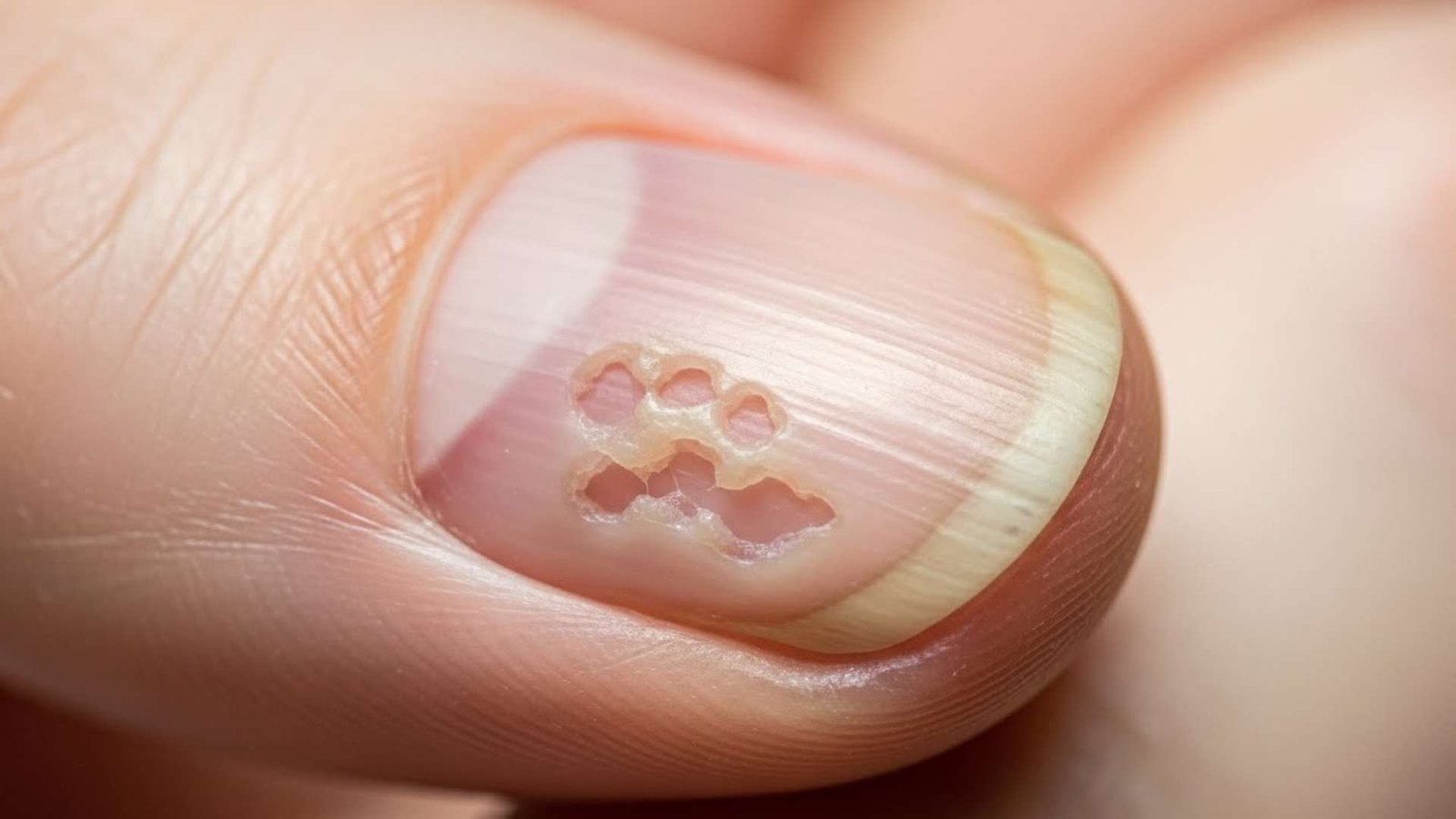
Stop looking at your joints for a second and look at your nails.
- Tiny dents? Like someone took an ice pick to the nail surface (pitting).
- Separation? The nail lifting off the bed at the tip (onycholysis).
These are massive red flags for Psoriatic Arthritis . The root of your nail is anchored to the same bone structure as your finger joint. Inflammation in the joint spills over into the nail. If you’ve been treating “nail fungus” for years with no luck, it might not be fungus. It might be arthritis.
6. The “Sausage” Digit (Dactylitis)
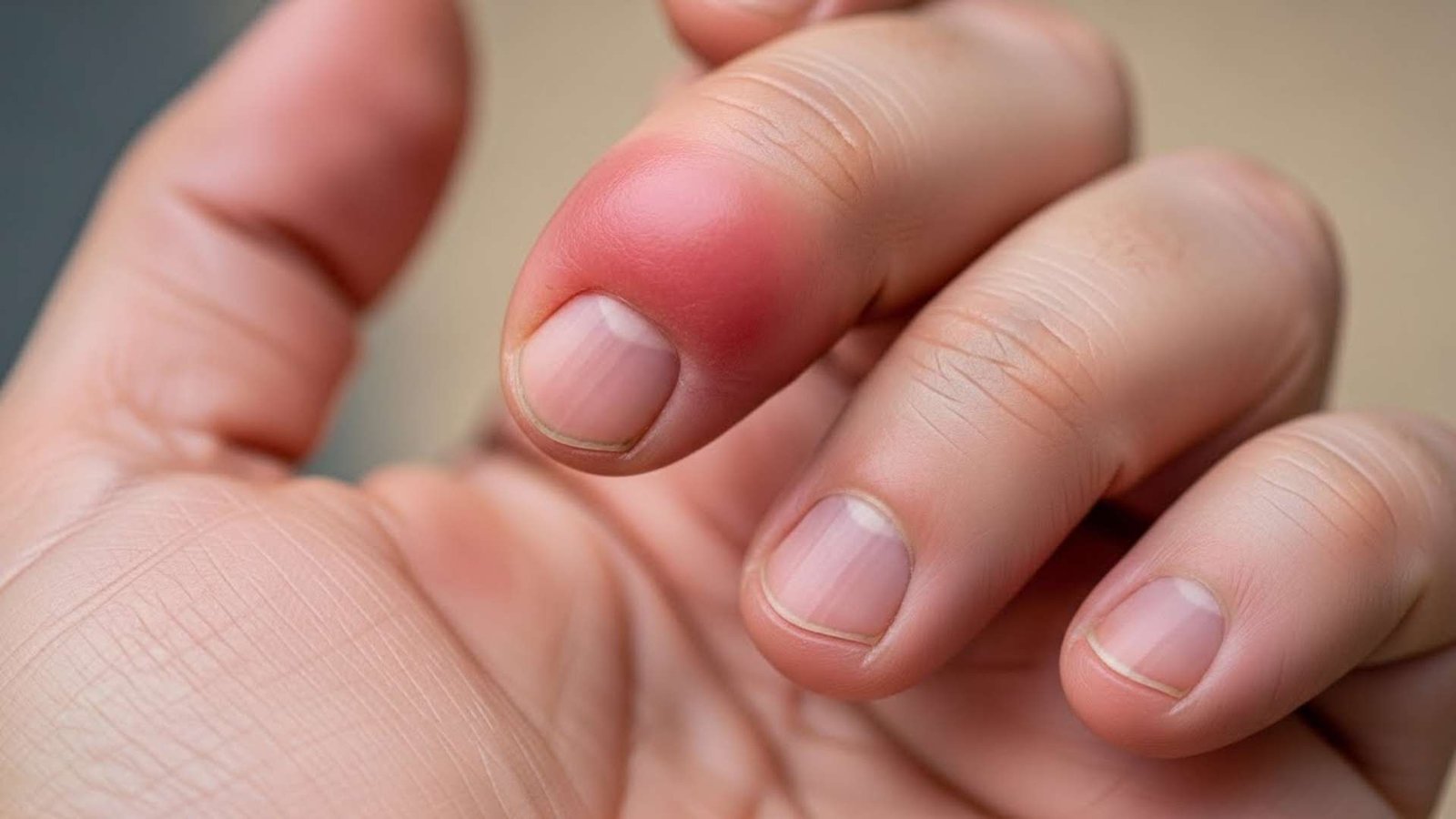
Look at your toes or fingers. Is one of them swollen along the entire length, looking like a little sausage?
This isn’t just fluid in the knuckle. It’s inflammation of the tendon sheath runs the entire length of the digit. It’s a hallmark of PsA. You might think you just jammed your toe, but if it doesn’t go away, it’s a sign of deep tissue inflammation.
7. The Gum Disease Connection
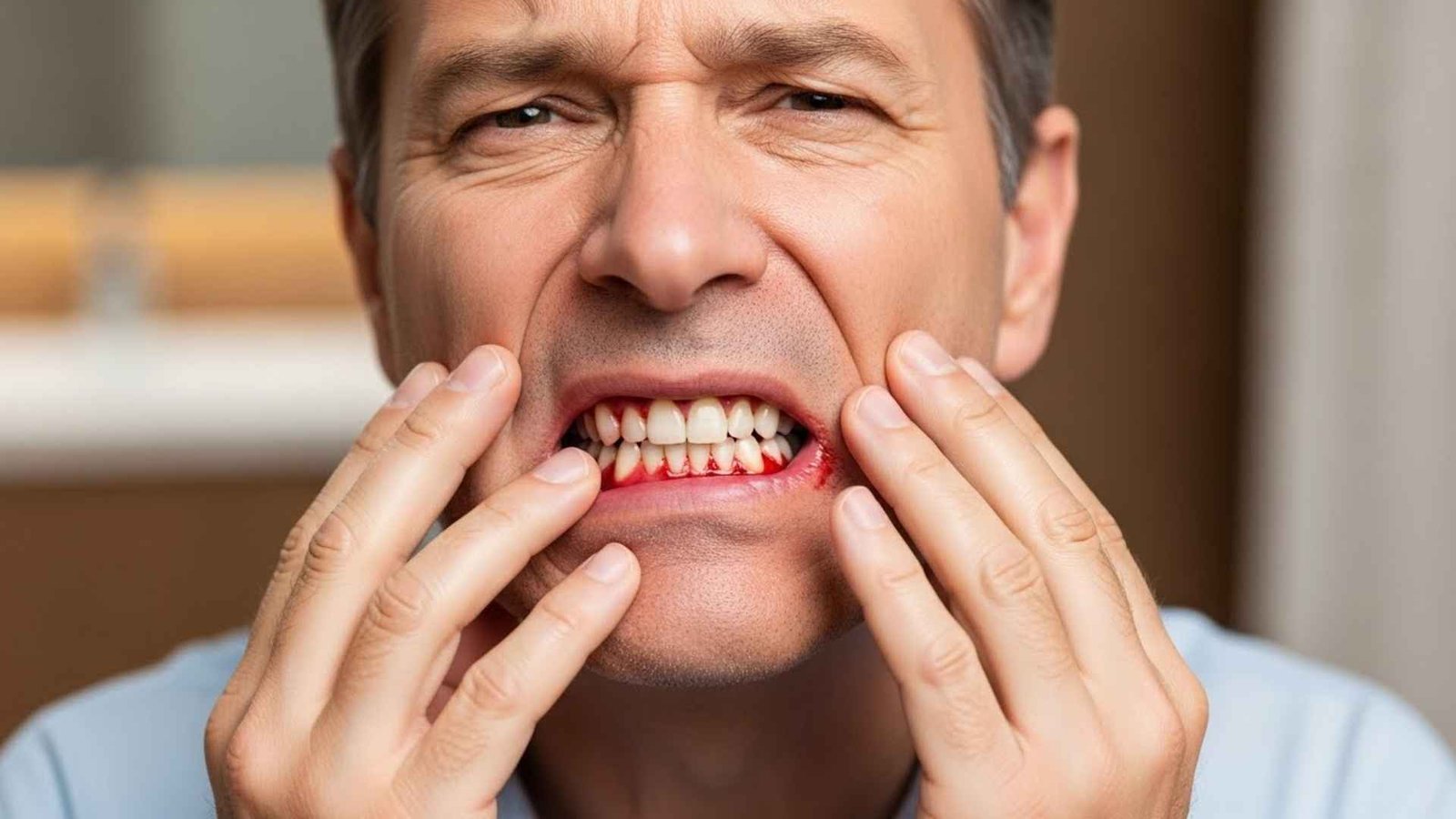
This is one of the wildest connections in modern medicine. You might be brushing and notice bleeding gums. You think, “I need to floss more.”
But bacteria in your mouth, specifically P. gingivalis , have been linked to triggering RA. Studies show that 70% of early RA patients have gum disease compared to just 35% of the general population. The inflammation in your mouth and the inflammation in your joints fuel each other. Ignoring your dentist might actually be hurting your knees.
8. The “Flu” That Won’t Quit (Malaise)

Fatigue is the invisible killer of quality of life. In RA, your body is constantly fighting a war against itself. That burns a huge amount of energy.
You feel wiped out, maybe run a low-grade fever (99°F), and lose your appetite. You think you have a lingering virus. But if this “flu” lasts for weeks and comes with achy joints, it’s likely systemic inflammation flooding your brain with cytokines.
9. Heel Pain (The “Plantar Fasciitis” Mask)
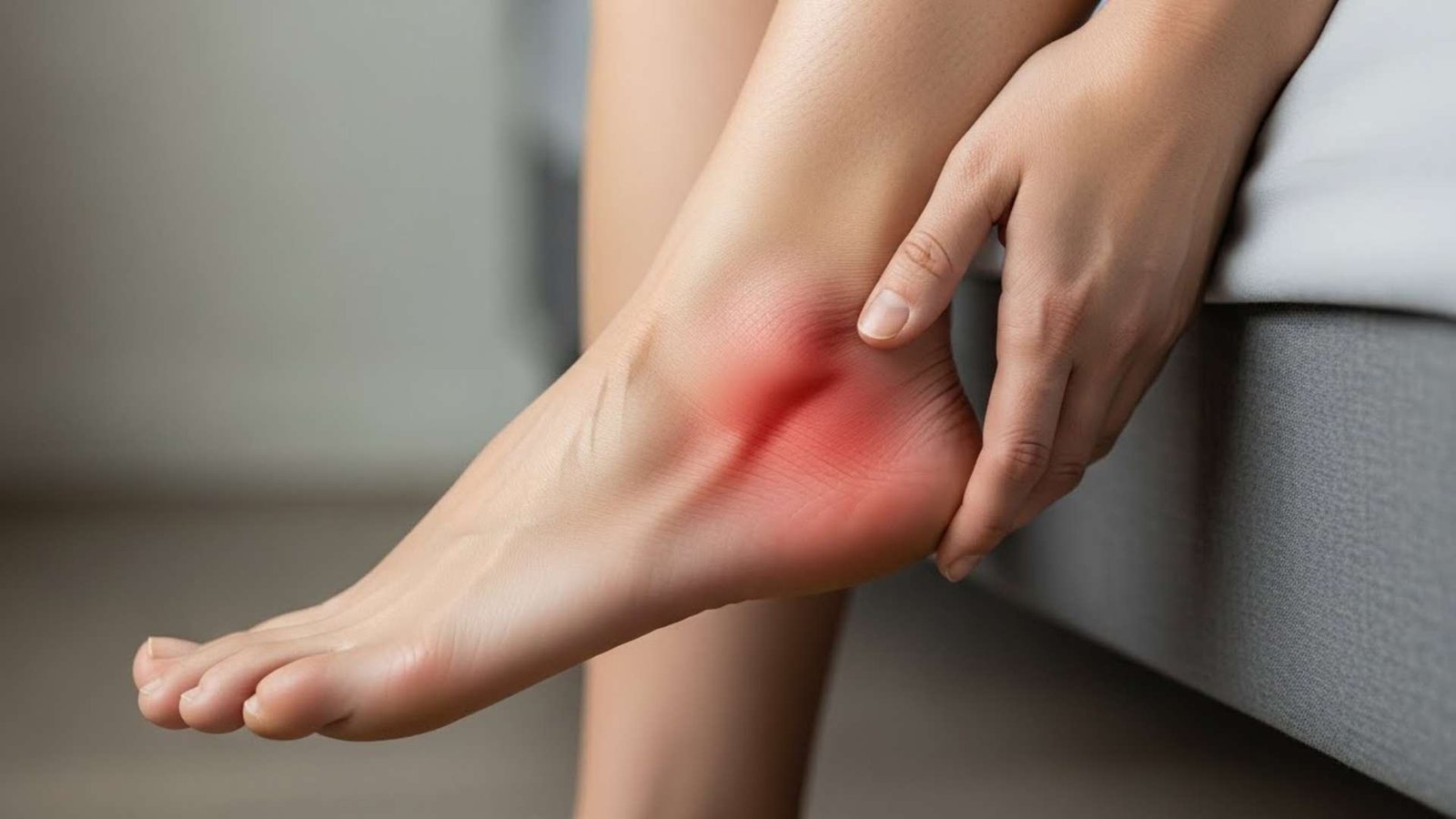
You step out of bed and your heels scream. You Google it: “Plantar Fasciitis.” You stretch, you buy inserts.
But if that heel pain is stubborn, or if you also have Achilles tendon pain, it could be Enthesitis —inflammation where the tendon hits the bone. This is the primary signal for Psoriatic Arthritis and Ankylosing Spondylitis. If standard foot treatments fail, stop treating the foot and check the immune system.
10. Hearing Loss

Did you know your ear has joints? The tiny bones in your middle ear (malleus, incus, stapes) articulate with each other.
RA can attack these tiny joints just like it attacks your fingers. Recent studies show RA patients have a significantly higher risk of sensorineural hearing loss. If you find yourself constantly asking people to repeat themselves, don’t just blame aging ears.
11. Noisy Knees (Crepitus)

Knees pop. It happens. But if your knee sounds like you’re walking on Rice Krispies—a gritty, grinding, crunching sound—that is crepitus.
A study in Arthritis Care & Research found that people with “noisy knees” were far more likely to develop painful OA within a year. It’s the sound of friction where there should be smooth gliding. It’s your audible warning to start preventative care now.
12. Dry, Gritty Eyes
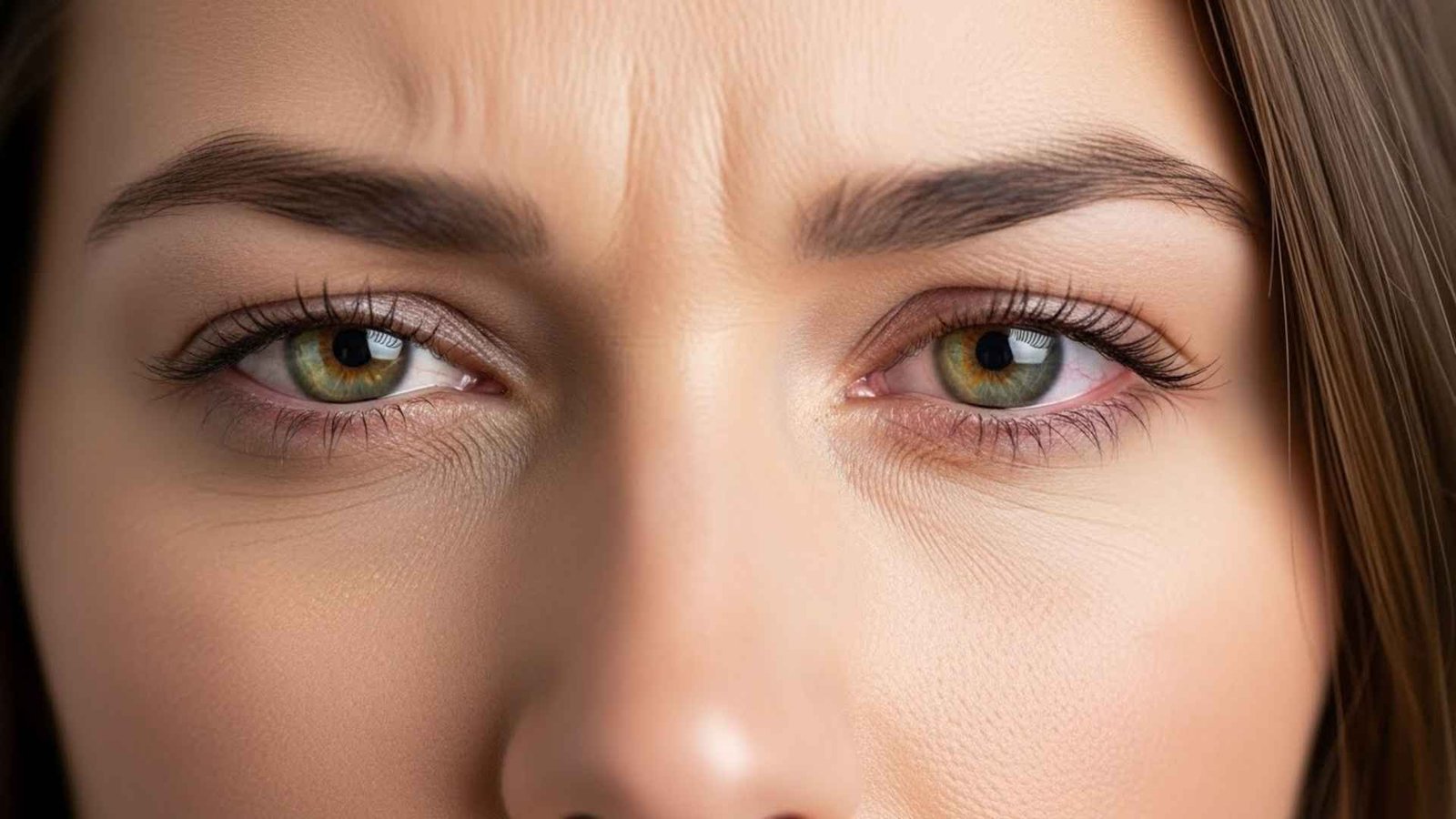
Your eyes feel like there is sand in them. You use drops, but it doesn’t help.
Autoimmune arthritis loves to attack moisture-producing glands (Sjogren’s syndrome) or inflame the white part of your eye (scleritis). If your eyes are chronically red, painful, or dry, and you also have joint pain, your body is fighting a systemic fire.
Busting the Myths That Keep Us Sick

There are three myths that I hear constantly. They drive me crazy because they prevent people from getting help.
Myth #1: “Cracking your knuckles causes arthritis.” Verdict: FALSE. Dr. Donald Unger is my hero for this one. He cracked the knuckles on his left hand twice a day for 60 years and never cracked his right. The result? No arthritis in either hand. He even won an Ig Nobel prize for it. The sound is just nitrogen bubbles popping. Crack away.
Myth #2: “Running ruins your knees.” Verdict: MOSTLY FALSE. People think knees are like car tires—you only get so many miles. But cartilage is living tissue. It needs compression (like running) to suck in nutrients. A study of nearly 3,800 Chicago Marathon runners found no link between running history and arthritis risk. In fact, runners often have healthier knees than couch potatoes.
Myth #3: “I’m too young for arthritis.” Verdict: FALSE. RA typically strikes between ages 30 and 50. JIA (Juvenile Arthritis) affects children. Nearly 60% of people with arthritis are under age 65. If you’re 35 and hurting, don’t let a doctor tell you “you’re too young” without checking your blood work.
Let’s talk money for a second, because the cost of this disease is exploding.
In 2013, arthritis cost the US economy about $304 billion. But that number is climbing fast. For patients with RA, the direct medical cost per person jumped from about $24,000 in 2008 to over $45,000 in 2019.
Why? Because modern drugs (biologics) are expensive. But here is the kicker: Early treatment is cheaper. A study shows that delayed diagnosis doubles the cost of care because once the joint is destroyed, you’re looking at surgeries, disability, and lost wages.
The “wait and see” approach is the most expensive financial decision you can make for your health.
So, What Can You Actually Do?
Okay, you’ve read the list. You’re relieved some signs. Don’t panic. We are living in the golden age of arthritis treatment. Here is your battle plan.
1. Eat the “Anti-Rust” Diet
You can’t eat your way to a cure, but you can lower the flames.
- Tart Cherries: Packed with anthocyanins. Studies show they reduce gout attacks and inflammation.
- Fatty Fish: Salmon and sardines. The Omega-3s act like natural fire extinguishers for inflammation.
- Beans: High fiber lowers C-reactive protein (CRP) levels in your blood.
2. “Motion is Lotion”
It sounds cheesy, but it’s true. Synovial fluid needs movement to lubricate the joint.
- For Knees: Cycling and swimming are king. They feed the cartilage without pounding it.
- Strength Training: Strong quads act as shock absorbers. If your muscles are weak, your joints take the beating.
3. High-Tech Hope (2024/2025 Breakthroughs)
Science is moving fast.
- Vagus Nerve Stimulation: A tiny implant that zaps the vagus nerve is showing promise in “turning off” systemic inflammation in RA patients.
- Green Light Therapy: Exposure to specific low-level green light is being studied for its ability to reduce OA pain.
- Methotrexate for OA: A drug traditionally used for RA is showing now it might help relieve pain and stiffness in Osteoarthritis too—a huge potential breakthrough for millions.
Need More Help For Your Daily Battles? Look Into These
Sometimes, despite the best diet and exercise, you just need a little extra help to get through the day. There is no shame in using tools; think of them as armor for your joints. Whether it’s taking the pressure off a painful grip or soothing a flare-up with deep heat, the right gear can make the difference between a good day and a painful one.
Here are a few highly-rated tools that can help you maintain your independence and comfort.
1. Voltaren Arthritis Pain Gel:

This isn’t just a standard cooling cream; it contains diclofenac, a nonsteroidal anti-inflammatory drug (NSAID). Unlike pills that go through your whole system, this targets the inflammation directly at the joint surface—perfect for knees and hands.
2. Dr. Arthritis Copper Lined Compression Gloves:
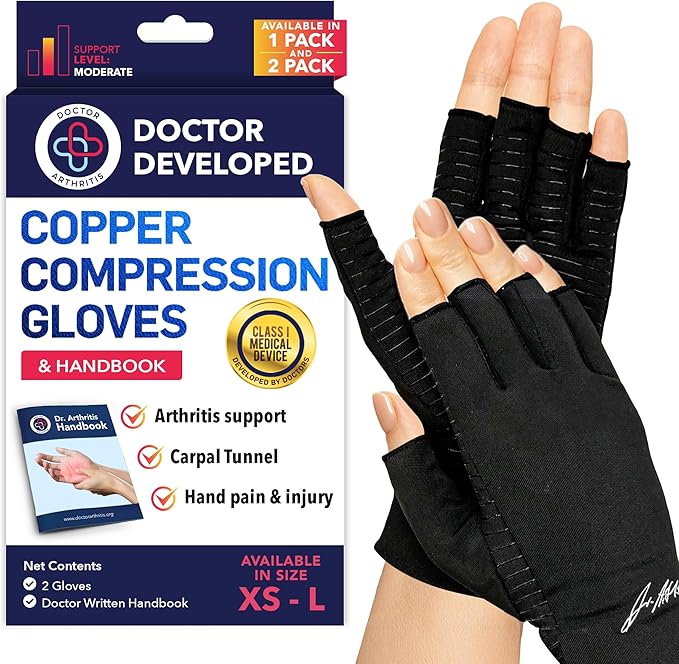
If you struggle with that “gelling” stiffness in the morning, these are a game changer. Developed by doctors, they provide gentle compression to reduce swelling while keeping the joints warm to improve circulation.
3. OXO Good Grips Jar Opener:

Stop fighting with the pickle jar. This tool is a kitchen essential for anyone with reduced grip strength. It uses a base pad to hold the jar in place and a contoured handle to twist the lid, taking the torque off your painful wrist and finger joints.
4. Pure Enrichment PureRelief XL Heating Pad:

Heat is incredible for relaxing stiff muscles around an arthritic joint. This pad heats up in seconds and is extra large, so you can wrap it around a knee or drape it over a stiff lower back comfortably.
5. PowerLix Compression Knee Sleeve:

If you feel unstable on the stairs (remember the “Stair Test”?), a compression sleeve can provide stability and “proprioception”—helping your brain know exactly where your leg is in space. It offers support without the bulk of a heavy metal brace.
