

You know that feeling when you reach into a coat pocket you haven’t worn since last winter and find a twenty-dollar bill? It’s a tiny, unexpected win. You feel like you got away with something.
Now, I want you to imagine reaching into that pocket and pulling out a check written out to You, in the amount of 14 Years.
Not 14 years of being hooked up to machines or staring at the wall of a nursing home. We’re talking 14 years of living—hiking with your grandkids, finally writing that book, traveling without a walker, and actually remembering where you put your keys.
Here’s the wild part: According to a landmark study involving researchers from Harvard and data heavily cited by Mayo Clinic experts, that check is real. The science is incredibly precise. Women who follow a specific set of habits starting at age 50 gain, on average, 14.0 years of life compared to those who don’t. Men gain 12.2 years.
But—and there is always a “but,” isn’t there?—there is a deadline on the deposit slip.
Let’s talk about why your heart has an “expiration date” on its flexibility, and the 7 daily habits that act as your deposit slip.
The “Start Before 55” Rule: Why Timing is Everything

Before we get to the habits, we have to talk about the timeline. Because I hear it all the time: “I’ll get healthy when I retire.”
Here is the hard truth from the cardiology wing: That might be too late.
Mayo Clinic experts, referencing pivotal research on “cardiac plasticity” (a fancy term for how moldable your heart is), have found something fascinating. I want you to think of your heart muscle like a piece of wet clay.
- In your 30s, 40s, and early 50s: The clay is soft. It’s “plastic.” If you start exercising now, you can reshape it. You can actually reverse the stiffening of the left ventricle that comes with age. You can remodel the house.
- After age 65: The clay dries. It turns into ceramic. You can polish it, and you can keep it clean (which is still hugely important!), but you cannot fundamentally change its shape anymore.
The sweet spot? You need to establish these habits before age 55—specifically in that late middle age window (45-55)—to get the full anti-aging benefit for your heart structure.
Dr. Frank Hu from Harvard put it simply:
“It is critical for the public to understand that it is never too late to adopt healthy habits… however, the earlier the better.”
The “Essential 7”: Your Roadmap to the Bonus Decade

The original Harvard study tracked five habits. But Mayo Clinic specialists—like Dr. Francisco Lopez-Jimenez and Dr. Stephen Kopecky—have expanded this framework (often calling it “Life’s Essential 8” when including blood sugar). They added sleep and stress management because, frankly, you can’t out-run a bad night’s sleep or a broken heart.
Here is the cheat sheet. We’re going to break these down, not with medical jargon, but with how they actually work in your life.
1. Move Like Your Cells Depend On It (Because They Do)

The Stat: 30 minutes of daily movement drops your death risk by nearly one-third.
Most of us think of exercise as a punishment for eating pizza. That’s wrong. Dr. Stephen Kopecky explains that exercise isn’t just about burning calories; it’s about Autophagy.
Let’s break that word down. Auto means “self” and phagy means “eat.” When you move vigorously, your body acts like a Roomba vacuum. Your cells go into “cleaning mode,” hunting down damaged parts, waste products, and pre-cancerous proteins, and they “eat” them—recycling them into fuel.
The “Talk Test” (How to do it):
You don’t need a gym membership. You need to walk, bike, or swim fast enough that you can talk to a friend, but you definitely couldn’t sing a Taylor Swift song without gasping. That’s the sweet spot.
2. Eat to “Cool Down” the Fire
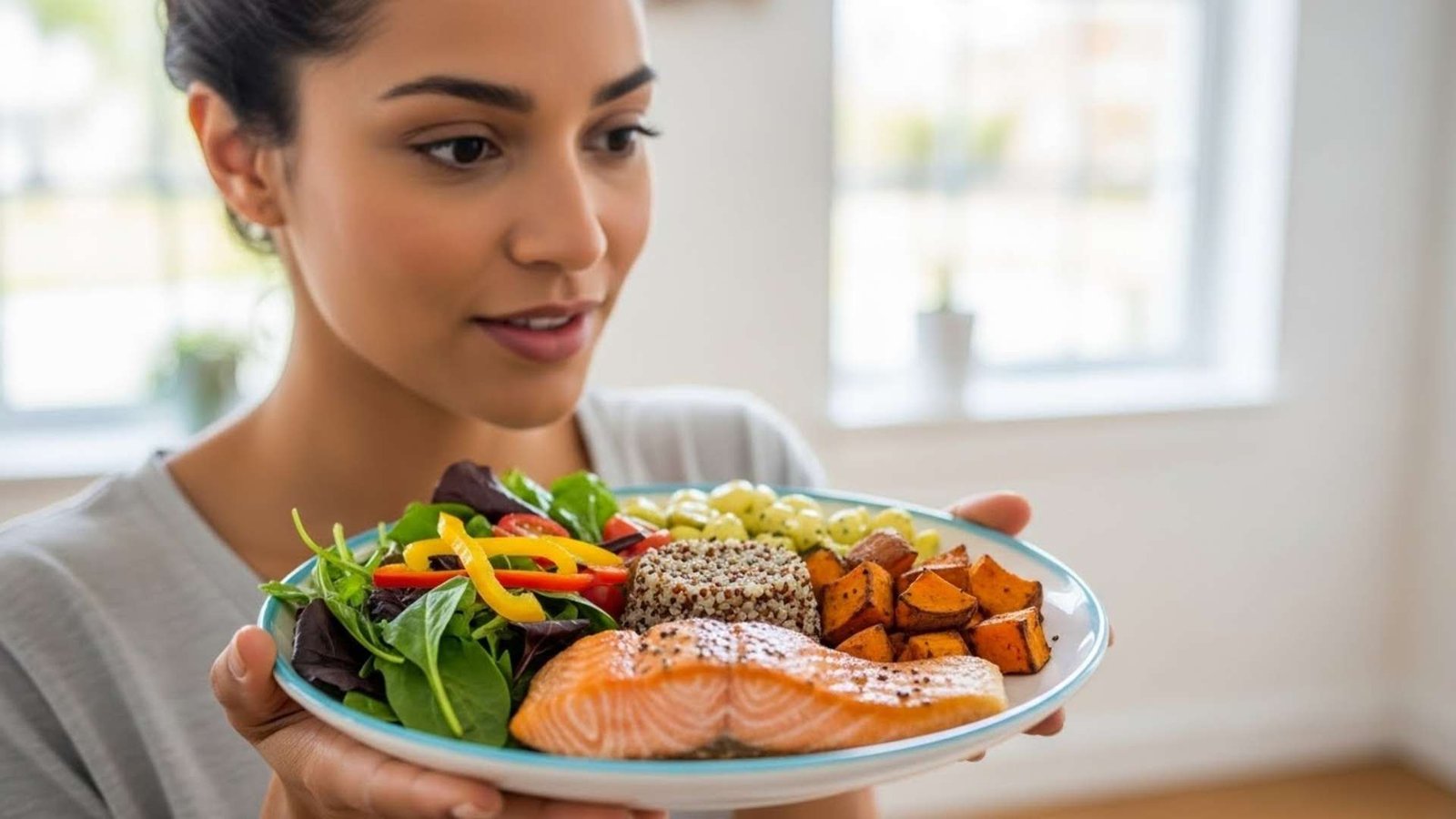
The Concept: Food is information, not just fuel.
The modern diet is loaded with processed junk—I call it “Barcode Food”—that acts like kindling for a fire. That fire is called Inflammation. It’s internal swelling that rusts your arteries and irritates your organs.
You don’t need a complex diet plan. You need an anti-inflammatory one. This means “whole foods”—things that look like they came from the earth, not a factory.
Mayo Tip: Try the “Plus-One” Method. Don’t overhaul your fridge today. Just add one fruit or vegetable to every meal you’re already eating.
The Hidden Weight
⚠️ Caution: Visceral FatYou can look thin in clothes but still be at higher risk than someone who is uniformly heavy.
It's not just sitting there. It hugs your liver and pumps toxins into your blood 24/7.
"Like living on a toxic waste dump."
The Belt Buckle Test 📏
Forget BMI. Grab a tape measure.
👇 must be less than 👇
Half Your Height
The Concept: Visceral Fat.
You might know people who are "skinny fat"—they look thin in clothes but have a little potbelly. According to the research, they might be at higher risk than someone who is uniformly heavy.
Why? Because of Visceral Fat.
This isn't the soft, pinchable fat on your arms (subcutaneous fat). This is the hard fat packed deep inside your abdomen, hugging your liver and pancreas. It’s not just sitting there; it’s active. It pumps toxic chemicals into your bloodstream 24/7. It’s like living on top of a toxic waste dump.
The Belt Buckle Test:
Forget BMI for a second. Grab a tape measure. Ideally, your waist measurement should be less than half your height. If you're 5'10" (70 inches), your waist should be under 35 inches.
4. Sleep: The "Night Shift" for Your Brain

The Science: The Glymphatic System.
This wasn't in the original Harvard list, but Mayo experts insist on it. Why? Because of the Glymphatic System.
Think of this as your brain’s dishwasher. During the day, your brain creates metabolic waste (plaque). When you hit deep sleep, your brain cells literally shrink slightly to open up gaps, and spinal fluid rushes in to "power wash" the toxins away.
If you sleep 5 hours a night, the dishwasher never finishes the cycle. The gunk stays there. Over decades, that gunk is linked to Alzheimer’s. Get your 7 hours.
Stress & Connection
The "Vitamin C" of LongevityChronic stress is like driving a car with the engine in the red zone constantly. Eventually, a gasket blows.
The Fix: 8-Minute Call 📞
Call one friend for just 8 minutes. Lowers cortisol instantly.
The Shocking Stat: Chronic loneliness carries the same mortality risk as smoking 15 cigarettes a day.
We tend to separate "mental health" from "physical health," but the body doesn't know the difference. Dr. Francisco Lopez-Jimenez puts it beautifully:
"Trying to find purpose every day, and trying to give love every day... those are some of the emotional things that if we don't take care of also affect the heart."
Chronic stress keeps your body in "fight or flight" mode. It’s like driving your car with the engine revving in the red zone constantly. Eventually, a gasket blows.
The Fix: The "8-Minute Call." Call one friend or family member for just 8 minutes a day. It lowers cortisol (stress hormone) almost instantly.
6. The Hard Stops: Smoking

The Truth: You have to stop poisoning the well.
If you quit before age 40, you can regain almost all the survival odds of a non-smoker. It is the single best thing you can do.
7. The Hard Stops: Alcohol

We used to think a glass of wine was "heart healthy." The newest science is rolling that back. Alcohol is, biologically, a toxin. It disrupts that "brain dishwasher" sleep cycle we talked about. The Strategy: Treat alcohol like birthday cake. It’s a rare treat for a special occasion, not a daily nutritional group.
"But Wait, I’m Already 60. Is It Too Late?"
I can hear some of you panic-reading this. I’m 62. Did I miss the boat? Is my heart 'ceramic' now?
No.
While the "Start Before 55" rule applies to completely reversing structural heart stiffness, you can still reap massive benefits at any age.
Dr. Kopecky says it’s like "Death by 1,000 cuts." Heart disease happens slowly. But healing happens daily. Even if you start at 65 or 70, you stop the damage from getting worse. You improve your energy. You lower your stroke risk.
You might not cash the full "14-year check," but wouldn't you happily take a 5-year or 7-year bonus?
Need Help Sticking to It? Look Into These Tools
Look, willpower is great, but systems are better. Sometimes, the hardest part of starting a new habit is just the friction of doing it. "I want to walk, but it's raining." "I want to measure my waist, but I can't read the tape properly." I’ve dug through Amazon to find a few highly-rated tools that solve the specific friction points we just talked about. You don't need these to be healthy, but they can act as a great accountability partner.
1. GoPlus 2-in-1 Folding Walking Pad
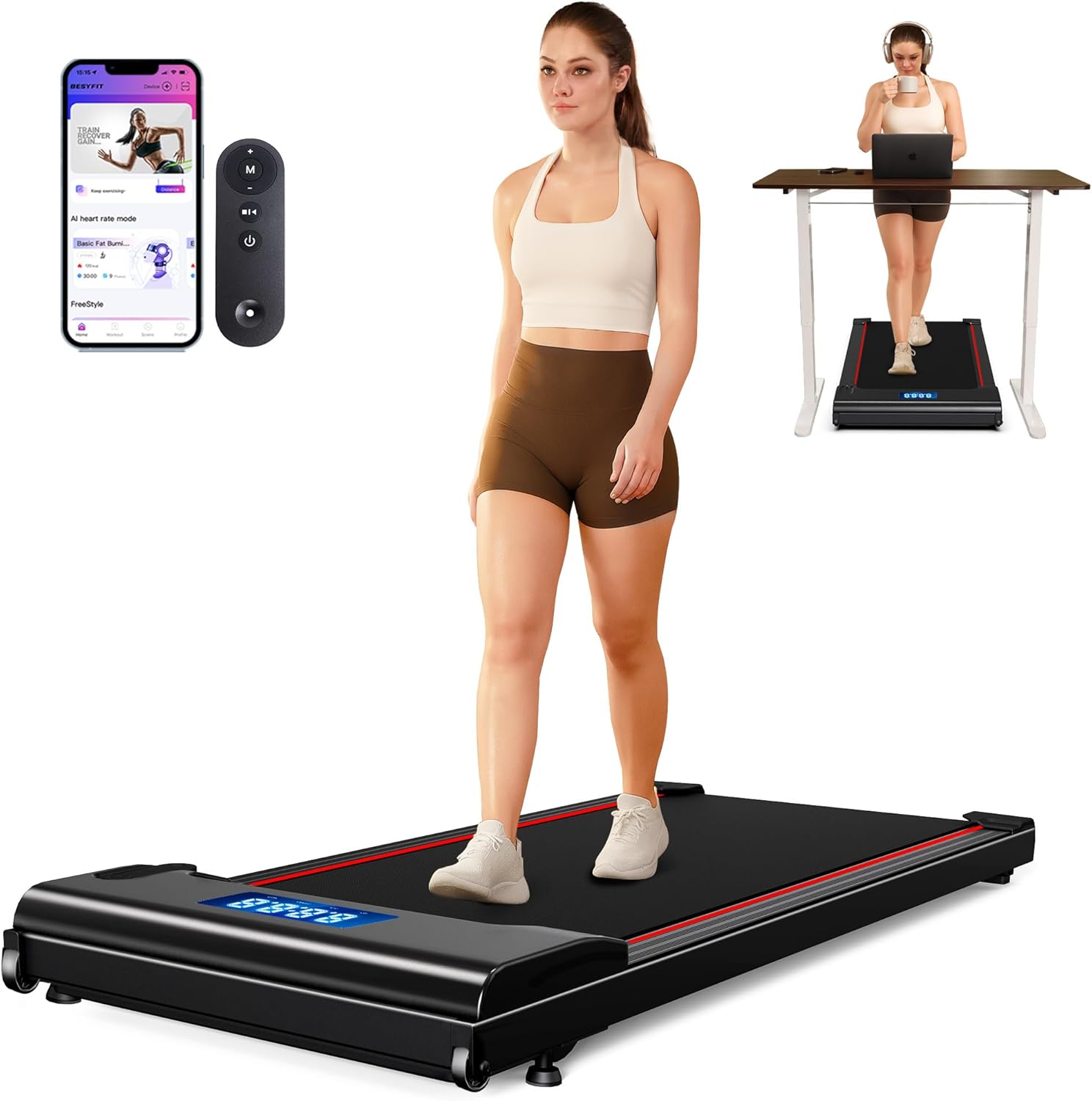
If you work a desk job, sitting is the enemy. This walking pad slides right under a standing desk or couch. It means you can hit that 30-minute movement goal while answering emails or watching Netflix, completely removing the "I don't have time for the gym" excuse.
2. RENPHO Smart Body Tape Measure

We talked about how your waist-to-height ratio is more important than your weight. Measuring yourself with a floppy tape is awkward and inaccurate. This gadget has a retractable tape that locks into place and syncs the number to an app, so you can actually track that dangerous visceral fat shrinking.
3. Hatch Restore 3 Sunrise Alarm
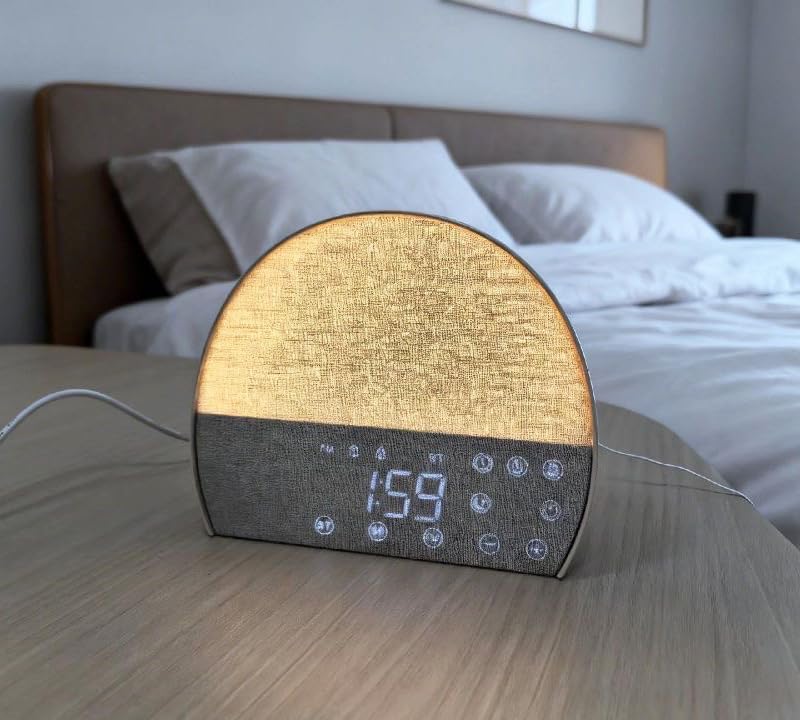
Waking up to a blaring phone alarm spikes your cortisol (stress) first thing in the morning. This device mimics a natural sunrise, waking you up gently with light. It also doubles as a sleep sound machine to help you get those crucial 7 hours of deep cleaning.
4.Magic Mill Glass Meal Prep Containers

Plastic containers stain, smell, and can leach chemicals. If you want to eat more whole foods, you need to prep them. This 24-piece glass set makes your fridge look inviting. When fresh fruit and veggies are washed, chopped, and visible in glass, you eat them. It’s a simple visual hack.
5. The Five Minute Journal

If "finding purpose" feels vague, this journal makes it practical. It’s a bestseller for a reason—it uses positive psychology prompts that take literally 5 minutes morning and night. It’s a fantastic tool to lower stress and shift your mindset from "surviving" to "thriving."
