

Some books shift your habits. Others nudge your beliefs. But then there’s an entirely different category—books that reshape you from the inside out, the kind that don’t just change your life but recalibrate your inner compass. Readers often describe these books as “soul-changing” because the transformation isn’t practical or surface-level—it’s emotional, spiritual, and strangely long-lasting.
This list gathers the ten titles readers return to during turning points—breakups, reinventions, grief seasons, spiritual droughts, or those quiet moments when life feels too loud. These aren’t fad books or hype-driven bestsellers. They’re the ones people whisper to friends with that unmistakable urgency: “Read this… seriously.”
1. “The Prophet” — Kahlil Gibran
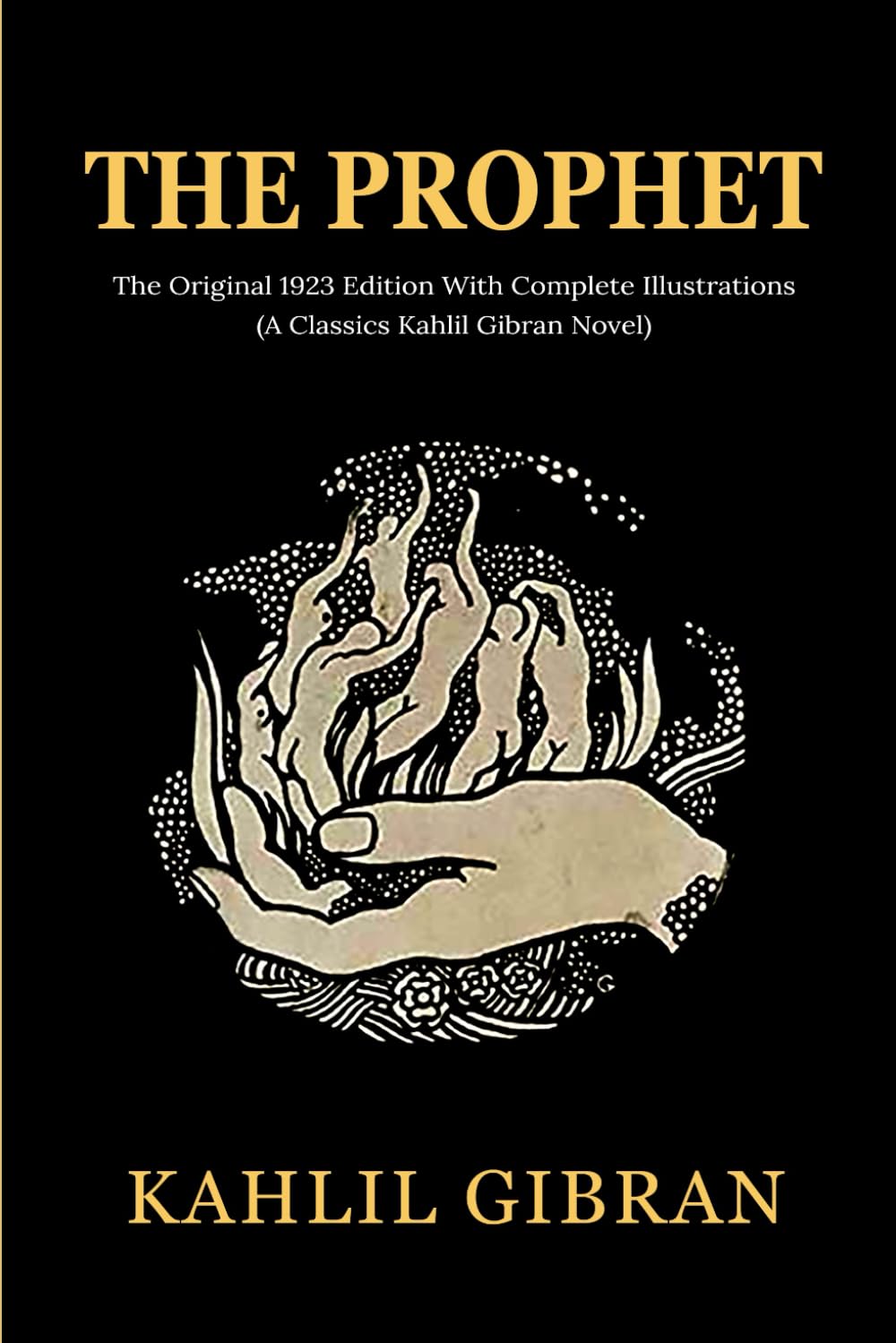
Few books offer the kind of quiet clarity found in The Prophet. It’s a slender volume, yet readers say it feels far larger than its pages—almost like sitting with someone who knows exactly what your heart is trying to say but hasn’t been able to articulate. Gibran blends philosophy, poetry, and spiritual reflection, creating a book that feels both ancient and startlingly current. Its insights on love, pain, joy, freedom, and loss are the kind you don’t outgrow. Many readers call it their go-to emotional compass—the one book they revisit during endings, beginnings, and the messy spaces in between.
And the language… it has that rare ability to speak directly to the emotional center without ever sounding sentimental. It’s the kind of book you read slowly, pause, breathe, and return to. People often say they’ve underlined half the book because it reads like distilled wisdom.
Readers also love it because it’s approachable. You don’t need a philosophy background or a reading guide. In a short sitting, you meet ideas that stay for years. It’s a book that whispers instead of shouts—and that softness is its power.
2. “A New Earth” — Eckhart Tolle

You won’t find this book on shallow “life hacks” lists. A New Earth is deeper, heavier, and more confronting. While Tolle is widely known for The Power of Now, readers say this one is the book that hits the soul level, especially the parts that feel stuck or self-sabotaging. The core of the book isn’t about simple mindfulness—it’s about understanding the ego and how it creates unnecessary suffering.
Many readers describe it as the first time they saw their own mental patterns clearly—the resentment loops, the insecurities disguised as confidence, the need to be right, the inner drama. Tolle explains that most of our emotional heaviness comes from identifying with thoughts that aren’t even true. That idea alone has been a turning point for thousands.
It’s not the kind of book you fly through in a weekend. Readers pause, reread chapters, sit with the discomfort, and then find themselves lighter by the last page. For those going through transitions or internal chaos, this book often becomes a quiet mentor.
3. “Women Who Run With the Wolves” — Clarissa Pinkola Estés

This is one of those rare books that reaches into the subconscious and pulls forward parts of you that were dormant. Estés, a Jungian analyst and storyteller, blends psychology, folklore, myth, and feminine archetypes to explore the “wild woman” within—the instinctual, intuitive, deeply knowing self that society often trims down or tames. Even men say this book changed them because it teaches you how to reconnect with parts of yourself you didn’t realize you’d abandoned.
What sets this book apart is its depth. It’s not a quick read. It feels almost like a journey through old stories that reveal modern truths—how people lose themselves to expectations, perfectionism, roles, heartbreak, and silence. Readers say the book helps them reclaim their emotional strength and understand the origins of patterns they once thought were “just personality.”
It’s intense, nourishing, slow, and soul-wide. Many readers underline entire pages. Others read just a chapter a month because it’s that emotionally rich.
4. “The Untethered Soul” — Michael A. Singer

If you’ve ever felt overwhelmed by thoughts that won’t quiet down—or emotions that show up at inconvenient times—this book dismantles the entire system, gently and clearly. Singer explains the “inner voice” in a way that finally makes sense: not as your truth, but as a constant commentator that is often confused, anxious, and contradictory. Once you stop identifying with that voice, your inner life becomes radically freer.
Readers say this book cracked open their understanding of what inner peace actually means—not a peaceful life, but a peaceful mind within any life. Singer explains how to relax through discomfort, release old emotional energy, and let experiences move through you instead of getting stuck. Many people call this book the closest thing to a “manual for your soul,” mainly because it teaches concepts that you feel immediately, not just intellectually.
It’s simple but not simplistic. Deep but not inaccessible. And for countless readers, it was the first time spirituality felt practical.
5. “Tuesdays With Morrie” — Mitch Albom

Some books change you through philosophy. This one changes you through tenderness. Mitch Albom’s memoir about visiting his dying professor, Morrie Schwartz, is often described as a soul-level reminder of what truly matters—love, presence, kindness, connection, forgiveness, and the willingness to show up authentically in a world full of distractions.
The book is small, but its emotional impact is enormous. Readers say it re-prioritized their lives, not through fear or urgency, but through genuine clarity. Morrie doesn’t give grand theories; he shares truths learned at the end of life, when all the noise falls away and only the essential remains. Readers walk away with a grounding sense that we’re often chasing the wrong things—and paying for it with our joy.
The writing is simple, but the insight is profound. Many readers revisit it during grief, burnout, or emotional exhaustion because it reorients the heart.
6. “The Book of Awakening” — Mark Nepo

Mark Nepo’s daily reflections have an uncanny ability to land exactly where people need them. This isn’t a typical self-help book—it’s more like a year-long meditation that helps you reconnect with your inner life, your tenderness, your resilience, and your quiet sense of meaning. Readers describe it as a spiritual companion disguised as a book, one that sits on the nightstand and meets them in different ways depending on what they’re going through. Nepo blends poetry, memory, philosophy, and gentle truth-telling, and each entry feels like it’s speaking into the emotional spaces most people keep hidden.
What sets this book apart is how practical its wisdom feels in daily life. It doesn’t push productivity or offer dramatic transformations. Instead, it teaches you how to sit with pain, how to receive joy, how to stay present to what’s unfolding, and how to return home to yourself when life scatters you. Readers often say that a single page can shift their mood, soften their defenses, or pull them back into a deeper sense of connection.
7. “The Road Less Traveled” — M. Scott Peck
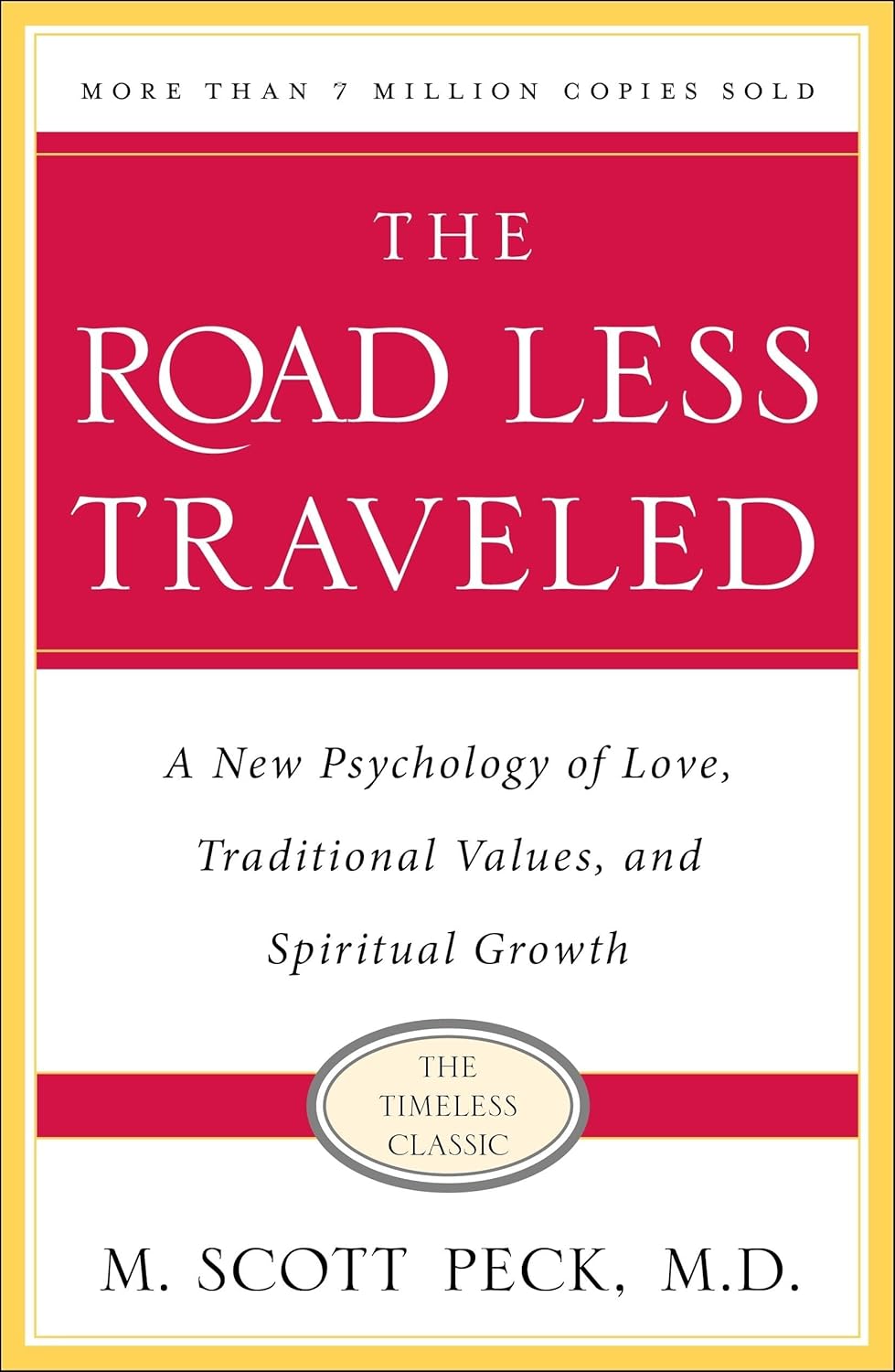
This book doesn’t sugarcoat anything. Peck begins with the iconic line “Life is difficult,” and from there he unpacks the emotional and spiritual work required to grow into a whole, emotionally responsible human being. Readers call it soul-changing because it explains love, discipline, truth, and spiritual growth with a rare honesty. It challenges you, holds you accountable, and shows you where you’ve built walls around your heart without even realizing it. The result is a book that forces you to confront your own emotional patterns—not to criticize you, but to free you.
Peck also explores the psychological roots of suffering in a way that feels both compassionate and clarifying. He guides readers through concepts like delayed gratification, responsibility, and the courage required to face reality. The mix of psychology and spirituality is what makes the book so lasting; it doesn’t just tell you what to do, it helps you understand why you do what you do.
8. “When Things Fall Apart” — Pema Chödrön

This is one of the most beloved books for anyone moving through fear, grief, uncertainty, or emotional upheaval. Chödrön writes with a warmth that feels like sitting with someone who has lived through storms and is gently showing you how to survive your own. Her central message—that the moments we hate most often contain the seeds of clarity—is both comforting and disarming. Readers call it soul-changing because it helps them understand how to remain open when life hurts, rather than closing off or shutting down.
The book blends Buddhist wisdom with deeply practical emotional tools. It teaches you how to sit with discomfort without running from it, how to soften hardened places in the heart, and how to develop compassion for yourself and others even in chaos. People say they return to this book because each chapter feels like a grounding breath.
9. “The Art of Happiness” — Dalai Lama & Howard Cutler

For a book about happiness, this one goes far deeper than feel-good advice. It explores the emotional habits, thought patterns, and spiritual principles that create long-term well-being. What makes it soul-changing isn’t just the wisdom—it’s the practicality. The Dalai Lama’s explanations of compassion, stress, desire, and emotional flexibility are grounded, clear, and universal. Readers say it reshapes how they interpret experiences, how they respond to pain, and how they relate to others daily. It teaches that happiness is an inner skill, not an external achievement.
The conversational structure—part interview, part teaching—makes the book easy to absorb without watering down the depth. One of the reasons readers treasure it is because it shows them how to live with more openness, patience, and inner steadiness. It’s not preachy; it’s deeply human.
10. “The Celestine Prophecy” — James Redfield

This novel-meets-spiritual-guide took the world by storm because it blends adventure with profound introspection. Readers love it because the story helps them see the world through a different lens—one in which coincidences carry meaning, people have energetic influence, and intuition plays a larger role in decision-making. While fictional, the insights feel personal, prompting people to explore their relationships, motivations, and patterns of giving and receiving energy. Many describe it as a doorway into deeper spiritual curiosity.
What makes the book soul-changing is the way it reframes the “ordinary.” It challenges the belief that life is random or disconnected, showing instead that there are subtle threads connecting experiences, relationships, and personal growth. Readers often say that after reading it, they became more aware, more intentional, and more trusting of their inner guidance.
