

For all the talk about market share, scaling frameworks, and quarterly earnings, most CEOs quietly turn to a completely different shelf when they need real guidance. They won’t bring these titles up in interviews or book lists—because these books aren’t about management tactics or founder folklore. They’re about the inner world: the conflicts, contradictions, anxieties, and human dynamics that actually shape leadership. And that’s why they matter.
Below are the first five titles CEOs return to when the stakes are high, the decisions feel heavy, or the solitude of leadership becomes a little too loud. These choices may surprise you—but they’re the books that strengthen the person behind the company.
1. “Meditations” — Marcus Aurelius

Most CEOs won’t admit to reading a 2,000-year-old emperor’s private diary, but they absolutely do. “Meditations” is one of the most quietly passed-around books in boardrooms, mainly because it gives leaders exactly what they lack: perspective. Aurelius writes about pressure, ego, failure, human nature, and the emotional storms that come with authority. It gives readers permission to step back, breathe, and see their problems with wider eyes. That grounding—especially in crisis—is why so many executives swear this book saved them from overreacting, overreaching, or burning out entirely.
The book’s appeal comes from its honesty. Aurelius doesn’t talk like a philosopher on a pedestal. He talks like someone trying to hold everything together—something every CEO understands. The plainness of his reflections becomes its own kind of leadership training.
2. “Stillness Is the Key” — Ryan Holiday
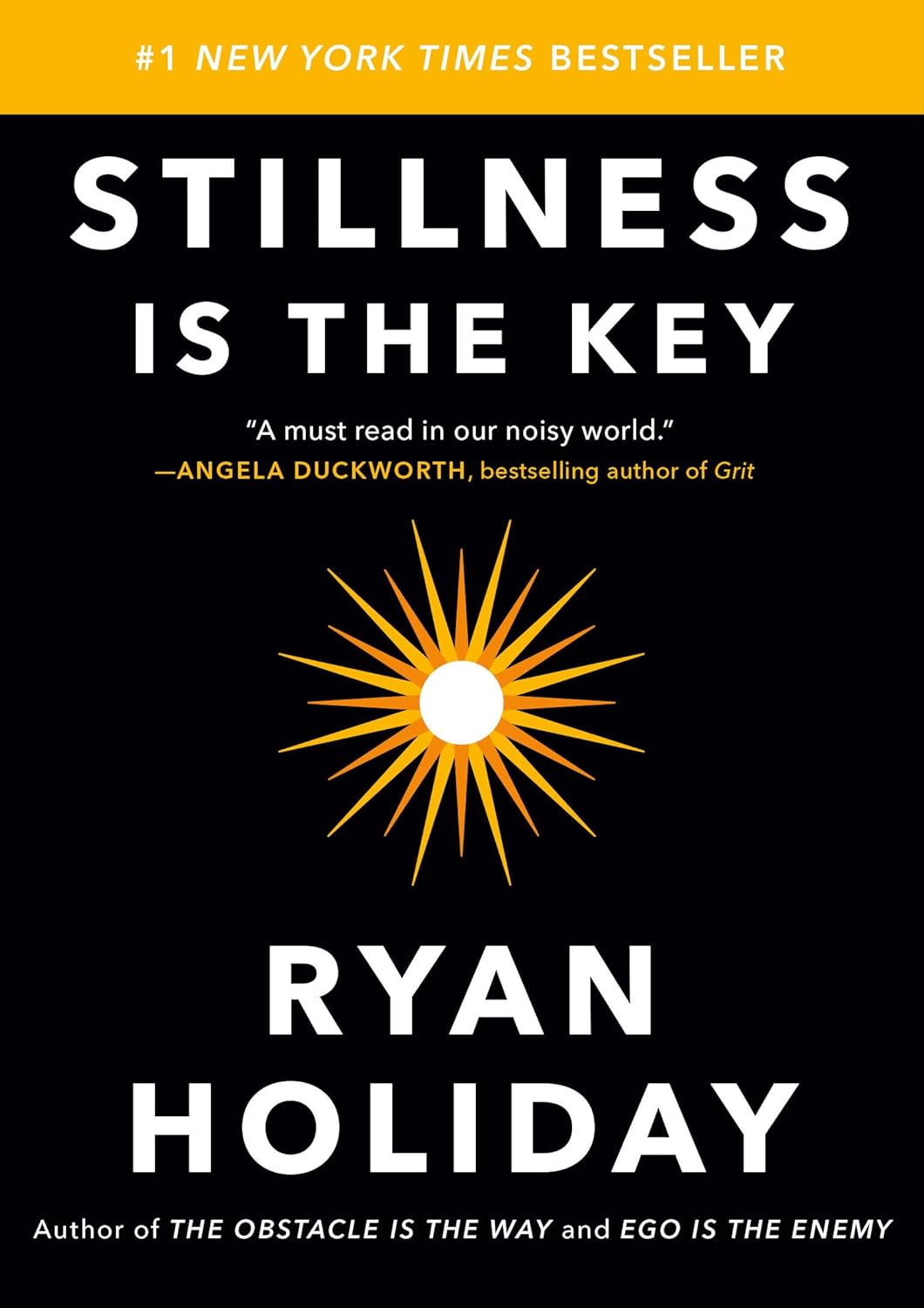
While CEOs publicly obsess over speed and innovation, privately, they study the opposite: stillness. Holiday’s work continues to spread through executive circles because it reframes silence as a strategy. CEOs admit—off the record—that their best decisions come from slowing down, not speeding up. The book blends philosophy, psychology, and real-life examples into a simple message: if your mind is chaotic, your leadership will be too. The clarity CEOs crave comes from making space, not noise.
What resonates most is how practical the stillness mindset becomes. Rather than forcing productivity, Holiday shows how to strip away the unnecessary until only the essential remains. It’s the mental decluttering CEOs desperately need but rarely talk about.
3. “The Midnight Library” — Matt Haig

This one surprises people. A novel? For CEOs? Yes—because leadership is built on choices, regrets, and the fear of choosing wrong, and that’s exactly what “The Midnight Library” explores. Haig’s story about parallel lives and unmade decisions hits leaders hard. It reminds them that every major choice has a cost, and that perfectionism is a trap even billion-dollar founders fall into. CEOs often say this book helped them revisit old failures with more compassion—and loosen their grip on the idea that there’s only one “right” path.
It’s also one of the rare books that quietly encourages leaders to reconnect with their own lives outside work. CEOs finish this book feeling lighter, less self-punishing, and more aware of the trade-offs they’ve been ignoring.
4. “Shoe Dog” — Phil Knight

Yes, it’s a business memoir—but not the sanitized type CEOs usually recommend. Knight writes about fear, debt, insecurity, chaos, and the gut-wrenching uncertainty behind Nike’s early years. CEOs gravitate to this book because it’s brutally honest about how messy success really looks, not the polished version presented in founder talks. Knight admits to doubt, stubbornness, missteps, and the emotional cost of chasing an idea that might collapse at any moment. It reminds leaders they’re not supposed to have it all figured out.
It’s the vulnerability that hooks readers. Instead of pretending leadership is glamorous, Knight reveals how lonely and exhausting it can be. CEOs secretly appreciate a book that finally tells the truth about ambition.
5. “Bird by Bird” — Anne Lamott

At first glance, it’s a writing guide. Secretly, though, it’s a philosophy for handling overwhelming projects, perfectionism, and the emotional messiness of doing any hard thing. CEOs love this book because Lamott strips away the myth of effortless genius and replaces it with compassion, humor, and honesty. She talks about creativity the same way leaders talk about product development—full of false starts, insecurities, and small daily wins that build into something meaningful. For anyone tasked with thinking from scratch, this book becomes a quiet companion.
The biggest lesson CEOs carry from it? Break the impossible down into something doable—bird by bird. It’s a reminder that sustainable progress always beats heroic burnout.
6. “The Art of Learning” — Josh Waitzkin

CEOs quietly adore this book because it reframes mastery as something internal, not external. Waitzkin—once a chess prodigy and later a martial arts champion—explains how high performers develop resilience, intuition, and mental calm under fire. Executives connect deeply with his focus on “learning how to learn,” especially when their roles require nonstop adaptation. They also appreciate how he talks about stress, pressure, and performance without glamorizing burnout. The book becomes a manual for staying sharp without losing yourself.
What CEOs borrow most is Waitzkin’s approach to turning setbacks into fuel. His method teaches them to stop obsessing over outcomes and strengthen the processes that shape long-term excellence.
7. “Stoner” — John Williams

This quiet masterpiece has become a secret favorite among senior leaders because it speaks to the emotional undercurrent of ambition—what it costs, what it gives, and how life unfolds in ways we don’t fully control. CEOs read it for its stark honesty about purpose and disappointment, themes they rarely get to discuss openly. The novel follows an ordinary man who leads an unremarkable life, yet the depth of his inner world shakes readers. Leaders say this book grounds them when success feels hollow or directionless.
It’s the vulnerability that stays with them. The story reminds CEOs that a meaningful life isn’t defined by public wins but by private integrity.
8. “The War of Art” — Steven Pressfield

This is the book leaders turn to when procrastination sneaks in—even the high performers struggle with resistance. Pressfield breaks down the psychological barriers that stop people from doing the work that matters. CEOs relate to his blunt descriptions of fear, self-sabotage, and “the voice that tells you to play small.” They read this not as a creativity book, but as a leadership discipline guide. It forces them to confront the invisible forces that hold them back more than any market competitor could.
Pressfield’s directness is what they crave. His framework gives CEOs a way to recognize resistance and push through it before it derails their goals.
9. “The Road Less Traveled” — M. Scott Peck
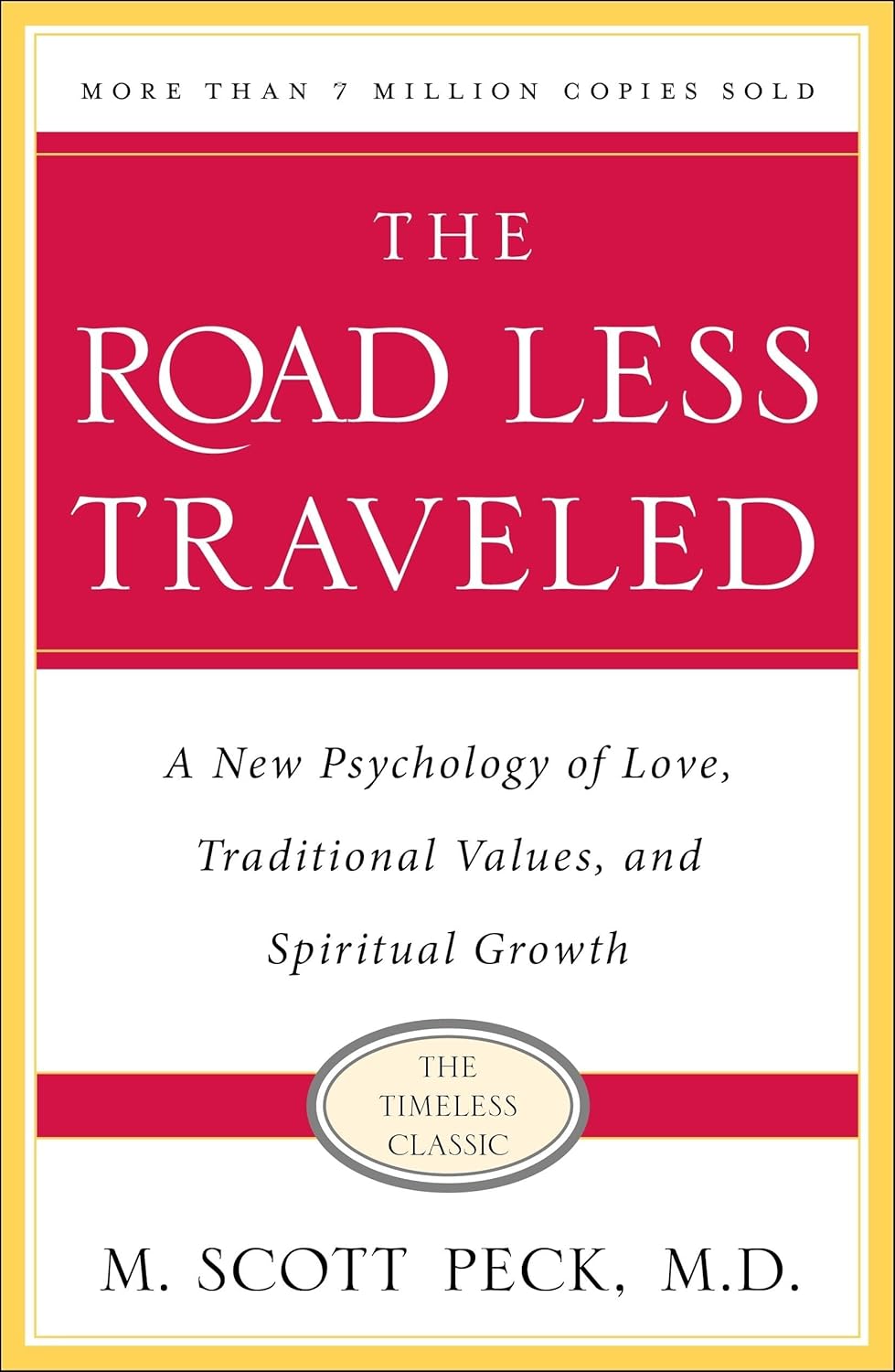
This book sits quietly on nightstands in many executive homes because it talks about the one thing business culture avoids: emotional maturity. Peck blends psychology, spirituality, and hard truths about discipline, relationships, and self-awareness. CEOs find the first chapter—“Life Is Difficult”—shockingly liberating, because it removes the unrealistic expectation that leadership should feel easy. The book encourages deeper introspection and accountability at a level they rarely practice publicly.
Peck’s tough-love wisdom helps leaders recognize that their own lack of self-mastery is often the biggest obstacle they face, not external challenges.
10. “Just Kids” — Patti Smith

Yes, a rock-and-roll memoir makes this list—and for good reason. Patti Smith’s account of her early artistic life with photographer Robert Mapplethorpe resonates with CEOs who quietly long for creativity, rawness, and connection beyond boardrooms. They read it to reconnect with the part of themselves that wanted to create before they wanted to succeed. Smith writes about friendship, sacrifice, passion, and vulnerability with a sincerity that hits leaders harder than any leadership manual. It reminds them that ambition is only meaningful when the heart is still involved.
The book refreshes them emotionally. CEOs often say it brings back a sense of humanity they didn’t realize they were missing.
11. “Sapiens” — Yuval Noah Harari

Harari’s sweeping history of humankind is a staple on many CEOs’ private reading lists because it pulls them out of their bubble and into the bigger story of civilization. Leaders love how this book reframes economics, technology, culture, and human behavior as interconnected forces, helping them understand why people act the way they do. It’s intellectually energizing but also humbling—a rare combination. “Sapiens” pushes them to think beyond quarterly goals and see the long arc of human progress.
What sticks with them is perspective. Harari’s insights remind CEOs that their companies are just one thread in a much larger human tapestry, and that awareness shapes wiser decisions.
