


You know that feeling. It’s 2:30 PM, you’re staring at your computer screen, and your brain feels like it’s wading through molasses. Your eyelids are heavy, your focus is gone, and you’re honestly just counting down the minutes until it’s acceptable to have another coffee. We’ve all laughed it off as a “food coma” or the “post-lunch dip.” We treat it like a quirky human flaw, like hiccups or sneezing.
But here’s the thing—and I’m going to be real with you—it’s not a quirk. It’s a distress signal.
That heavy, foggy feeling is your body screaming that its energy regulation system is misfiring. Medically, they call it postprandial somnolence, but I call it the first whisper of a metabolic scream. And if we ignore that whisper long enough, it turns into a roar of chronic disease.
I’m not trying to scare you, but the numbers on this are genuinely staggering. When we look at the data from the CDC and the National Health and Nutrition Examination Survey, we aren’t just looking at a few isolated cases. We are looking at a silent epidemic.
Think about this: right now, in the US alone, nearly 98 million adults have prediabetes. That’s almost 40% of the adult population. And the most heartbreaking part? About 80% of them have no idea. They’re walking around feeling tired, moody, and foggy, thinking it’s just “aging” or “stress,” when really, it’s their blood sugar taking them on a rollercoaster ride they didn’t sign up for.
Why You Pass Out 💤
The Old Myth
You heard blood rushes to your stomach and leaves the brain? It’s a lie. Your brain is a VIP; it never loses oxygen just to digest a sandwich.
The Trigger
Eating “Naked Carbs” (pasta, juice, bagels) causes a massive insulin spike. Insulin pushes most amino acids into your muscles.
The Survivor
But insulin leaves one amino acid behind: Tryptophan. With no competition, Tryptophan gets a VIP pass straight into your brain.
The Sedation
Once in the brain, Tryptophan becomes Serotonin, then Melatonin.
The Result: You aren’t tired. You are chemically sedating yourself with sleep hormones!
So, why does this happen? For years, I heard the same old story: “Oh, all your blood rushes to your stomach to digest the food, so your brain loses oxygen.”
It sounds logical, right? But it’s wrong. Your brain is the VIP of your organs; your body would never deprive it of blood just to digest a sandwich.
The real reason is actually a fascinating neurochemical hijack involving insulin and amino acids. Let me break it down simply.
When you eat a meal that’s heavy in “naked carbohydrates”—think a big bowl of pasta, a bagel, or even a fruit smoothie without protein—your blood sugar spikes. Your pancreas responds by flooding your system with insulin to manage that sugar.
Now, insulin does something interesting. It clears most amino acids (the building blocks of protein) out of your blood and pushes them into your muscles. But it leaves one amino acid behind: Tryptophan.
With all its competition gone, Tryptophan has a VIP pass to cross the blood-brain barrier. Once it gets into your brain, it converts into Serotonin (the “feel good” chemical) and then into Melatonin (the “go to sleep” hormone).
So, that “crash” isn’t you running out of energy. It’s your brain chemically sedating you. You are quite literally overdosing on your own sleep hormones in the middle of the day.
10 Signs Your Blood Sugar Is Running the Show

The food coma is the loud signal, but metabolic dysfunction has a lot of quiet, weird ways of showing up. It’s not just about weight. It’s about how you feel and function every hour of the day.
Here are 10 signs that your blood sugar might be pulling the strings behind the scenes.
1. The Post-Lunch Slump (Reactive Hypoglycemia)

If you can’t function between 2 PM and 4 PM without caffeine or sugar, that’s not “just your rhythm.” That’s reactive hypoglycemia. Your insulin spiked so high at lunch that it crashed your blood sugar too low afterwards, leaving your brain starving for fuel.
2. The “Hangry” Phenomenon

We joke about being “hangry,” but it’s actually a stress response. When your blood sugar drops, your brain thinks you are starving. To save you, it triggers a rush of adrenaline and cortisol. You’re not just hungry; you are chemically primed for a fight. If you feel sudden rage because dinner is 10 minutes late, that’s your hormones talking.
3. Relentless Cravings

You just ate dinner, you’re full, but you need something sweet. Sound familiar? This happens when your insulin is chronically high. High insulin locks your fat stores, so even if you have energy stored on your body, you can’t access it. Your brain thinks it’s out of fuel and screams for quick energy: sugar.
4. Waking Up at 3 AM

This is a huge one that people miss. If you wake up suddenly in the middle of the night—heart racing, alert, maybe sweating—it’s often a blood sugar crash. Your body sensed a drop in glucose while you slept and released a shot of adrenaline to wake you up and get levels back to normal.
5. Brain Fog and “Brownouts”

Your brain is an energy hog. It needs a steady supply of fuel. When your glucose spikes and crashes, your brain experiences energy “brownouts.” That moment when you lose your train of thought or can’t find the right word? That could be a fuel supply issue.
6. Anxiety and Panic Attacks

Because a blood sugar crash releases adrenaline, the physical symptoms—shaking, racing heart, sweating—feel exactly like a panic attack. I’ve seen so many people treat their “anxiety” with therapy when what they really needed was a savory breakfast.
7. Belly Fat (The Spare Tire)

If you’re gaining weight specifically around your midsection, that is a classic signature of insulin resistance. Insulin is a storage hormone, and it loves to store fat in the abdominal area. Until insulin comes down, that fat is very stubborn.
8. Skin Tags and Dark Patches
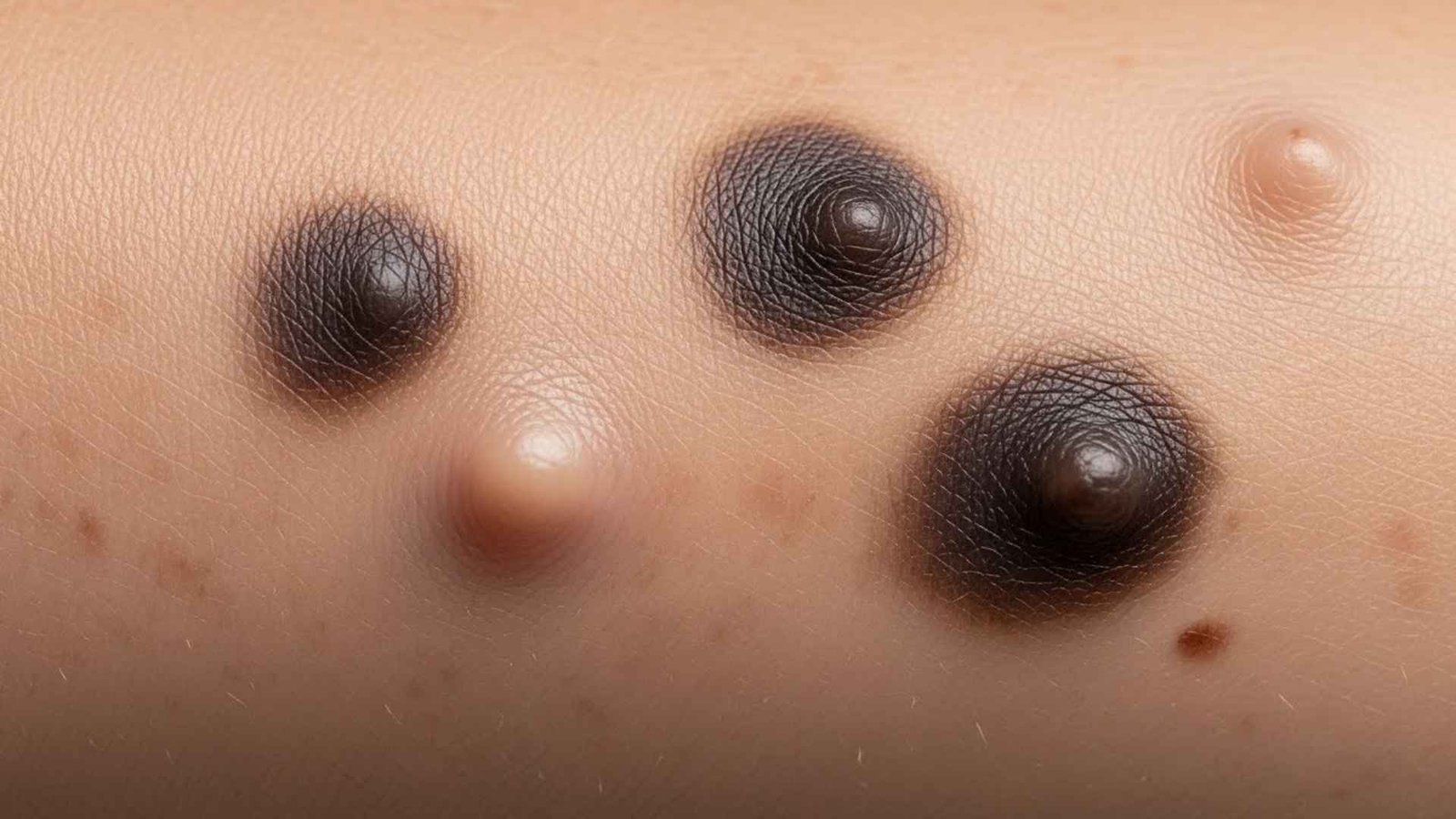
This is where the body gets really strange. High insulin acts like a growth factor. It can cause skin cells to multiply too fast, leading to skin tags (especially on the neck or eyelids) or dark, velvety patches of skin (Acanthosis Nigricans) in body folds. These are often the very first visible signs of prediabetes.
9. Vision Changes
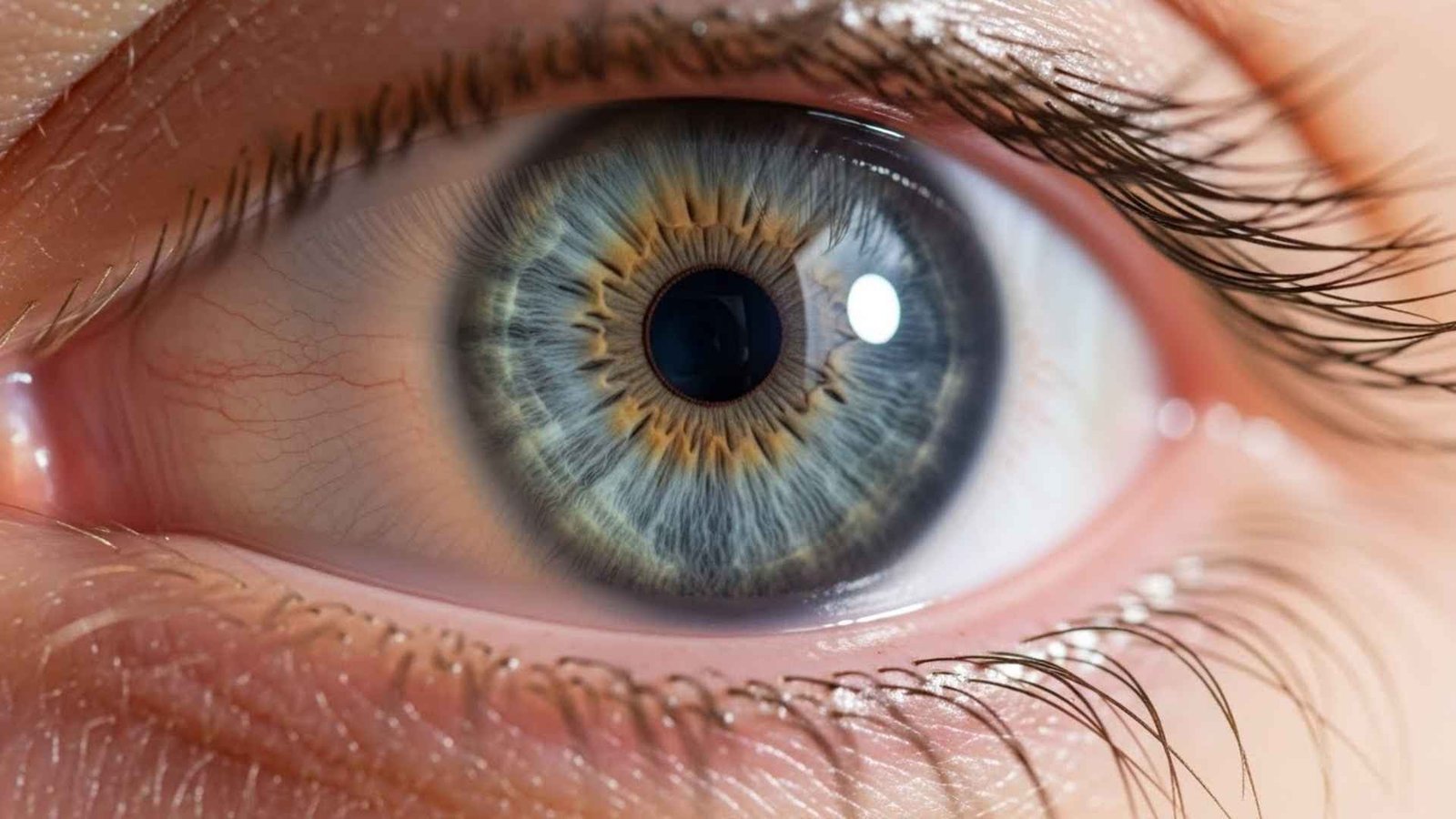
Ever notice your vision gets a bit blurry after a heavy meal? High blood sugar can actually pull fluid into the lens of your eye, swelling it and changing its shape. It’s usually temporary, but it’s a warning sign.
10. Constant Thirst and Peeling

If you’re drinking water all day and still thirsty, or waking up multiple times to pee, your kidneys might be trying to dump excess sugar. Glucose acts like a sponge; it pulls water with it, dehydrating you from the inside out.
The Myths We Need to Stop Believing
Before we talk about fixing this, we have to unlearn some stuff. There is so much bad advice out there that is keeping us sick.
Myth 1: “It’s the Turkey making you sleepy.” Nope. Turkey has the same amount of tryptophan as chicken or beef. It’s the stuffing, the potatoes, and the pie. The massive carb load spikes your insulin, which clears the path for tryptophan. It’s a Carb Coma, not a Turkey Coma.
Myth 2: “Eat small meals every 2 hours to boost metabolism.” This advice is a disaster for blood sugar. Every time you eat, you spike insulin. If you eat every two hours, your insulin never comes down. You never give your body a break or a chance to burn fat.
Myth 3: “Natural sugar is good for you.” Your liver doesn’t care if the fructose came from a bee (honey), a cactus (agave), or a factory (corn syrup). It processes it the same way. In fact, agave nectar is up to 90% fructose—higher than high-fructose corn syrup! It might not spike your blood sugar immediately, but it hammers your liver and drives insulin resistance.
The Protocol
Clothing Your Carbs
Eat in order: Vegetables first, Protein/Fat second, and Carbs/Sugar last. This simple switch can reduce glucose spikes by 75%.
The Vinegar Hack
Drink 1 tbsp of Apple Cider Vinegar in water before a meal. It slows the enzyme that turns starch into sugar.
Use Your Muscles
Go for a 10-minute walk after eating. Your muscles will soak up the glucose without needing insulin!
The Savory Breakfast
Ditch the cereal. Eat Eggs, Avocado, or Yogurt. Focus on protein and fat for stable energy all day.
Okay, here is the good news. You don’t have to cut out all carbs or live on lettuce to fix this. You just need to be smarter about how you eat. We want to flatten that glucose curve.
Here are four “hacks” backed by biochemistry that you can start today.
1. Clothing Your Carbs (Meal Sequencing)
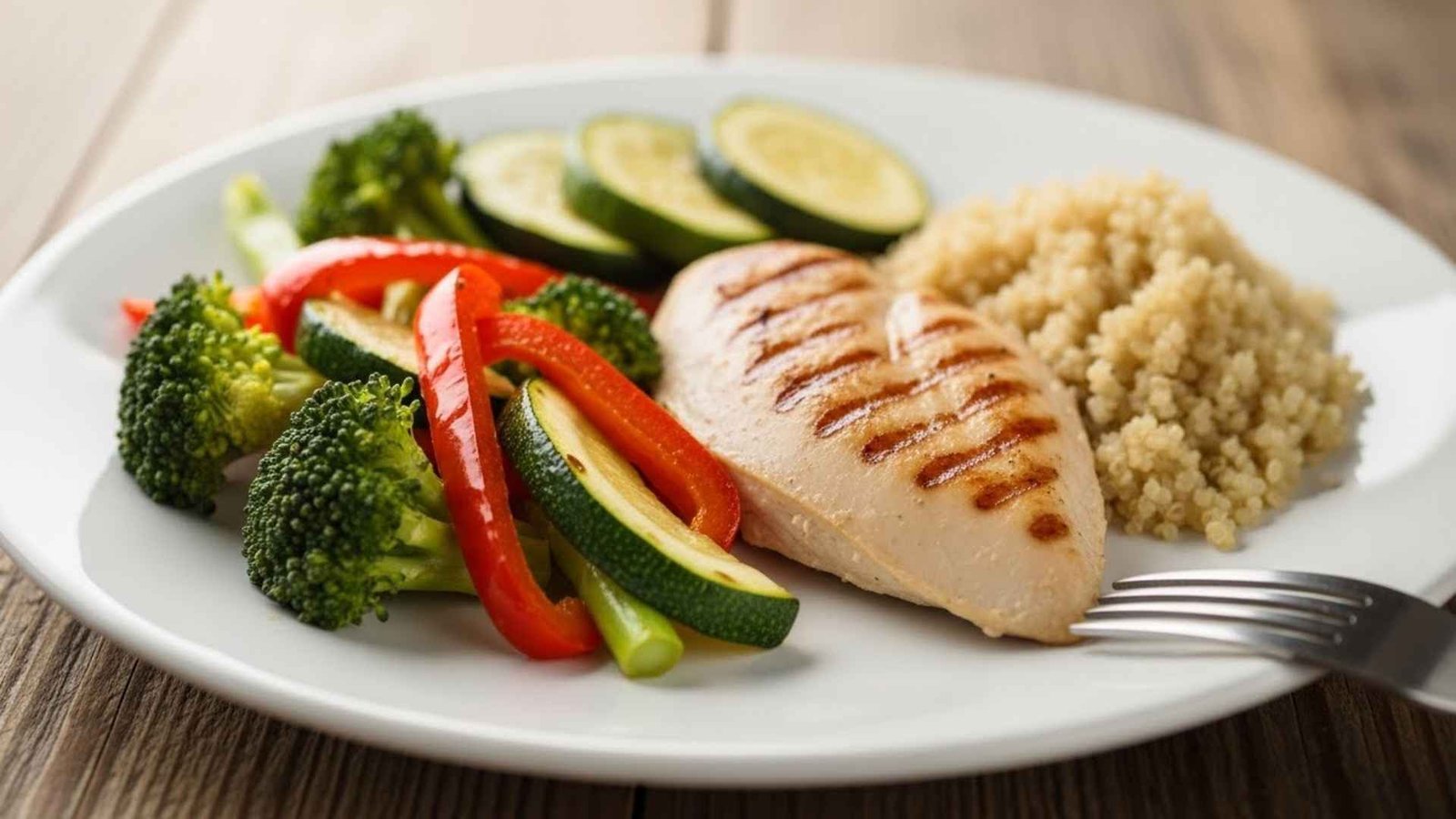
This is my absolute favorite because it’s so easy. Never let carbohydrates travel to your stomach alone. They need friends—specifically fiber, protein, or fat.
Think of it like this: If you eat pasta on an empty stomach, it rushes into your bloodstream like a sprinter. But if you eat a big green salad and some chicken before the pasta, that fiber creates a mesh in your intestines. It slows everything down.
The Rule: Vegetables first, Protein/Fat second, Carbs/Sugar last. Research shows this simple switch can reduce your glucose spike by up to 75%.
2. The Vinegar Hack

I know it sounds like an old wives’ tale, but this is legit science. Drinking one tablespoon of apple cider vinegar (diluted in a tall glass of water!) before a meal can blunt your glucose spike and insulin response significantly. The acetic acid temporarily slows down the enzyme that turns starch into sugar.
- Pro Tip: Drink it with a straw to protect your tooth enamel.
3. Use Your Muscles (The Post-Meal Walk)

You don’t need to go to the gym. Just use your muscles for 10 minutes after you eat. When you contract your muscles, they can soak up glucose from your blood without needing insulin. It’s like a free pass for that extra cookie. A simple walk around the block is often enough to stop the food coma before it starts.
4. The Savory Breakfast

If you start your day with cereal, juice, or toast, you are setting yourself up for a rollercoaster day. You spike, you crash, and by 10 AM you’re hangry. Switch to a savory breakfast. Eggs, avocado, leftovers, greek yogurt with nuts. Focus on protein and fat. If you keep your glucose steady in the morning, you’ll find you have stable energy all day long.
Need More Help? Tools to Master Your Metabolism
Knowing the science is powerful, but let’s be honest—sometimes we need a little practical help to make these habits stick. I’m often asked what products actually make a difference, so I’ve rounded up a few that I genuinely trust. These aren’t magic pills, but they are useful tools to help you smooth out those glucose spikes and understand your body better.
1. Glucose Revolution by Jessie Inchauspé

If you want to dive deeper into the ‘why’ and get even more hacks, this is the book that started the movement. It’s readable, funny, and packed with science. It’s basically the manual for your metabolism.
2. Bragg Apple Cider Vinegar Capsules

I mentioned the ‘Vinegar Hack’ earlier. It works wonders, but drinking vinegar isn’t for everyone (it can be rough on your teeth and taste buds). These capsules are a fantastic workaround—you get the acetic acid benefit without the sour pucker.
3. Contour Next Gen Diabetes Testing Kit

Data is power. You don’t need to be diabetic to benefit from checking your blood sugar. Seeing exactly how a bagel vs. an omelet affects your body is the best motivation there is. This kit is accurate, affordable, and easy for beginners.
4. Organic Psyllium Husk Capsules

Remember the ‘Clothing Your Carbs’ hack? Sometimes we just want a slice of pizza without eating a salad first. Taking fiber capsules before a carb-heavy meal acts as that protective mesh, slowing down glucose absorption when fresh veggies aren’t an option.
5. Organic Ceylon Cinnamon Supplement

Cinnamon isn’t just for toast. ‘True’ Ceylon cinnamon has been shown to improve insulin sensitivity and lower blood sugar levels. It’s a gentle, natural way to support your metabolic engine, especially if you have a sweet tooth.
