
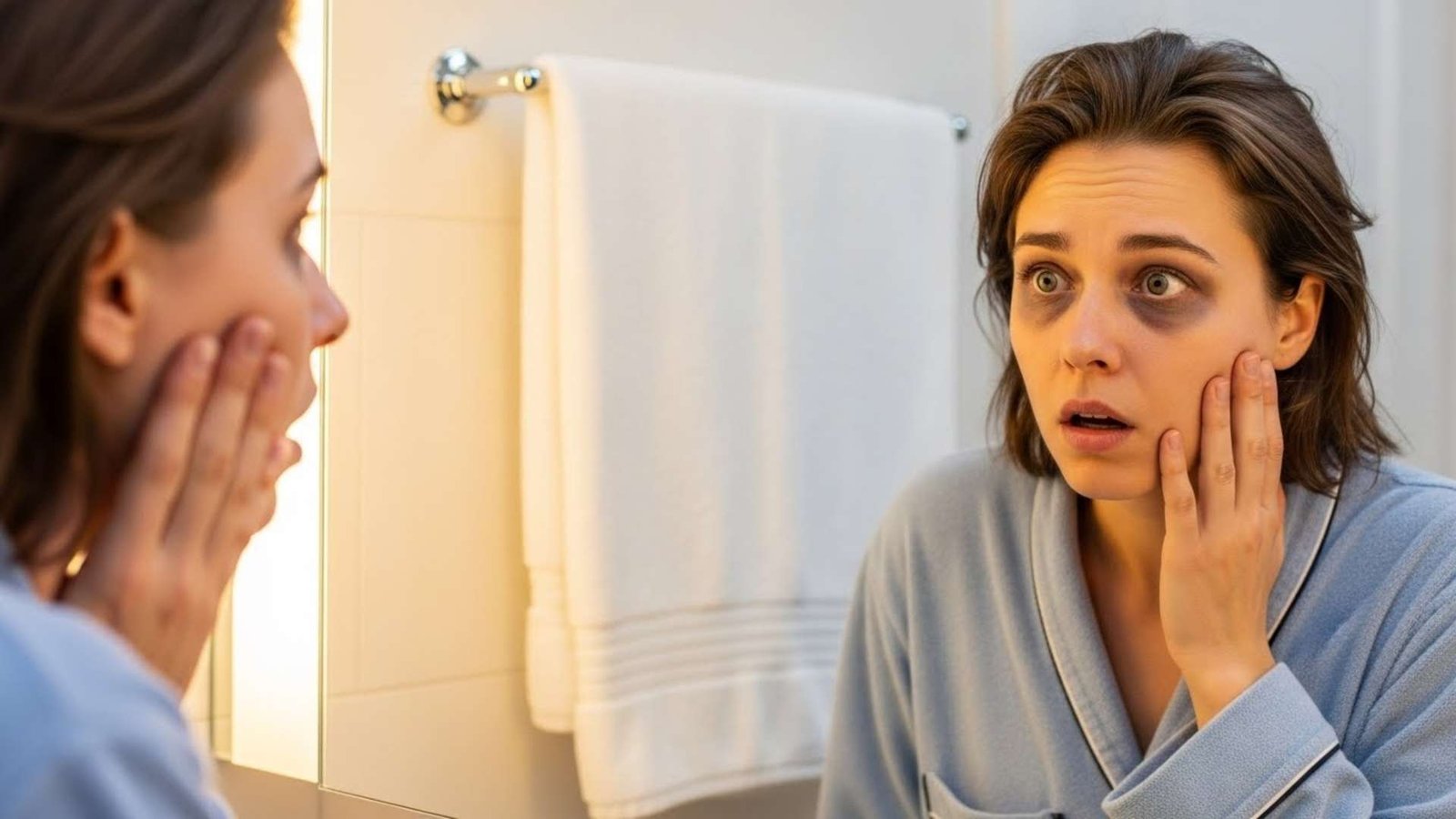

We’ve all been there. You do everything right. You turn off Netflix early, you drink your chamomile tea, and you actually clock a solid eight hours of sleep. You wake up feeling decent—maybe even good. But then you walk into the bathroom, flip on the light, and… who is that?
The face staring back isn’t glowing. It’s puffy. Your eyes have these dark, purplish hollows, and your lids look heavy, like you’ve been up for a week. It’s honestly a bit of a shock, isn’t it?
This is what I call the “Morning Mirror Shock.” It’s that frustrating disconnect between how much you slept and what you actually look like. And here’s the kicker: for decades, we’ve been told that 7-9 hours is the “gold standard” for health. So when we hit that number and still look wrecked, it feels like a biological betrayal.
But here’s the truth I’ve found digging into the research: “Beauty sleep” isn’t just about the clock. It’s about physics, fluid dynamics, and a bunch of invisible processes happening while you’re unconscious.
This isn’t just vanity, by the way. It matters. Research shows that when we look tired—droopy eyelids, paler skin—people actually perceive us as less healthy and even less trusted. That’s a heavy burden to carry into a morning meeting.
So, let’s peel back the layers. We’re going to look at why your face betrayed you, and more importantly, how to get it to tell the truth.
1. Gravity is a Bully (The Physiology of Puffiness)
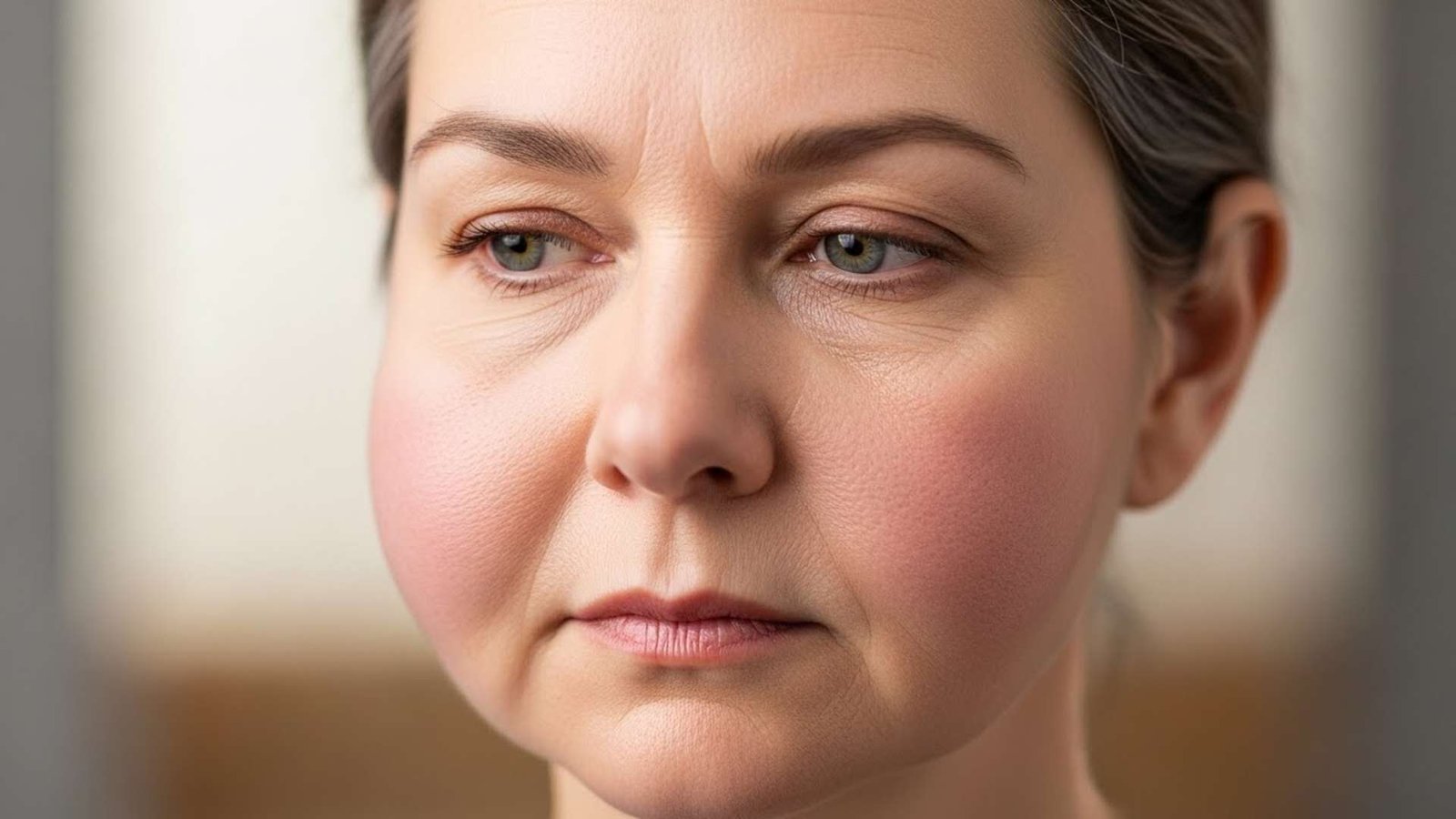
If I had to pin the blame on one thing for that morning puffiness, it would be gravity.
Think about it this way: for about 16 hours a day, you are vertical. Gravity is acting like a passive pump, constantly pulling fluids down from your head and neck toward your legs. It keeps your face sculpted and drained.
But the second you lie down, the rules of physics change.
The Horizontal Shift: When you go horizontal, that vertical advantage disappears. The fluid that was happily sitting in your legs redistributes. It spreads out evenly, like water finding its level. This causes a rise in pressure in your head and neck—a phenomenon called “rostral fluid shift.”
Suddenly, your face is dealing with a lot more fluid than it’s used to. And it has to go somewhere.
Why The Eyes?

You might wonder, “Why do my eyes look swollen, but my chin looks fine?” It comes down to anatomy. The skin around your eyes is incredibly thin—about 0.5mm compared to 2mm elsewhere on your body. Plus, the tissue underneath is loose and spongy.
It’s the path of least resistance. While the tight skin on your forehead resists the swelling, your eyelids basically say, “Come on in!” and expand like a sponge.
The “Drain” is Clogged
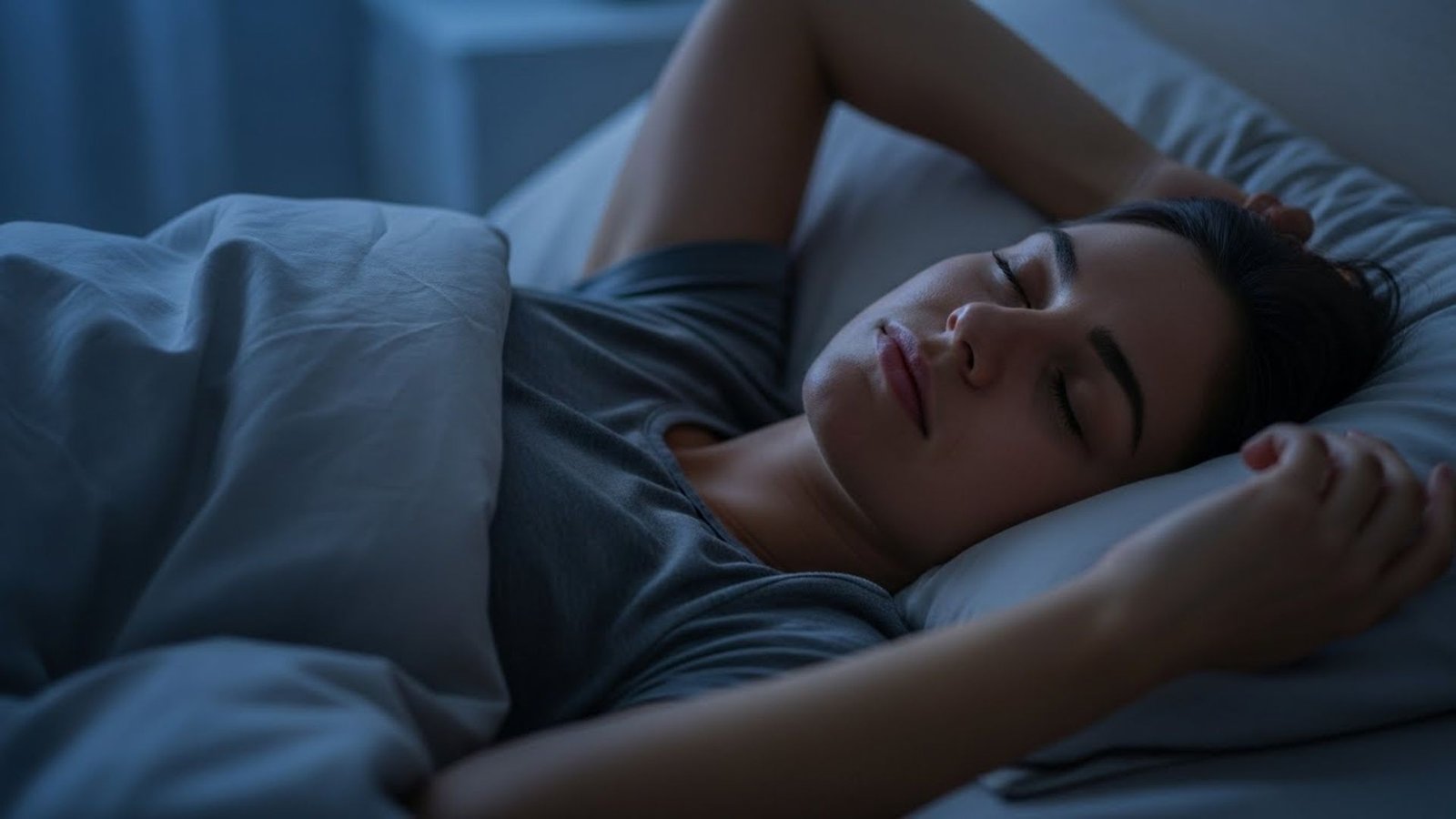
To make matters worse, your body’s drainage system—the lymphatic system—doesn’t have a heart to pump it. It relies on your muscles moving to push fluid around. When you’re sleeping, you’re (hopefully) paralyzed in REM sleep or just staying still. The pump is turned off.
If you sleep on your stomach or side, you’re adding a traffic jam to the mix. You’re physically compressing the drainage vessels in your neck, trapping that fluid in your face. That’s how you get “pillow face”—where one side looks significantly more exhausted than the other.
The Quality vs. Quantity Trap “I got 8 hours… didn’t I?”
The Fake 8 Hours
There is a massive difference between time in bed and Sleep Architecture.
You can sleep 8 hours and still suffer from Non-Restorative Sleep. It’s not just duration; it’s depth.
The Repair Shop
Deep Sleep (9PM – 12AM): This is when your magic repair juice (HGH) pulses out to fix collagen.
If sleep is fragmented, the shop is closed. You wake up with an unrepaired face because you missed the window.
Mouth Breathing
Breathing through your mouth dehydrates you and signals low oxygen.
Result? Veins under your eyes dilate to get more oxygen. Since skin is transparent there, you get dark circles.
You told me you got 8 hours. But were they good hours?
There’s a massive difference between “sleep duration” (time in bed) and “sleep architecture” (what your brain is actually doing). You can sleep for eight hours and still suffer from “Non-Restorative Sleep” (NRS).
The Repair Shop is Closed
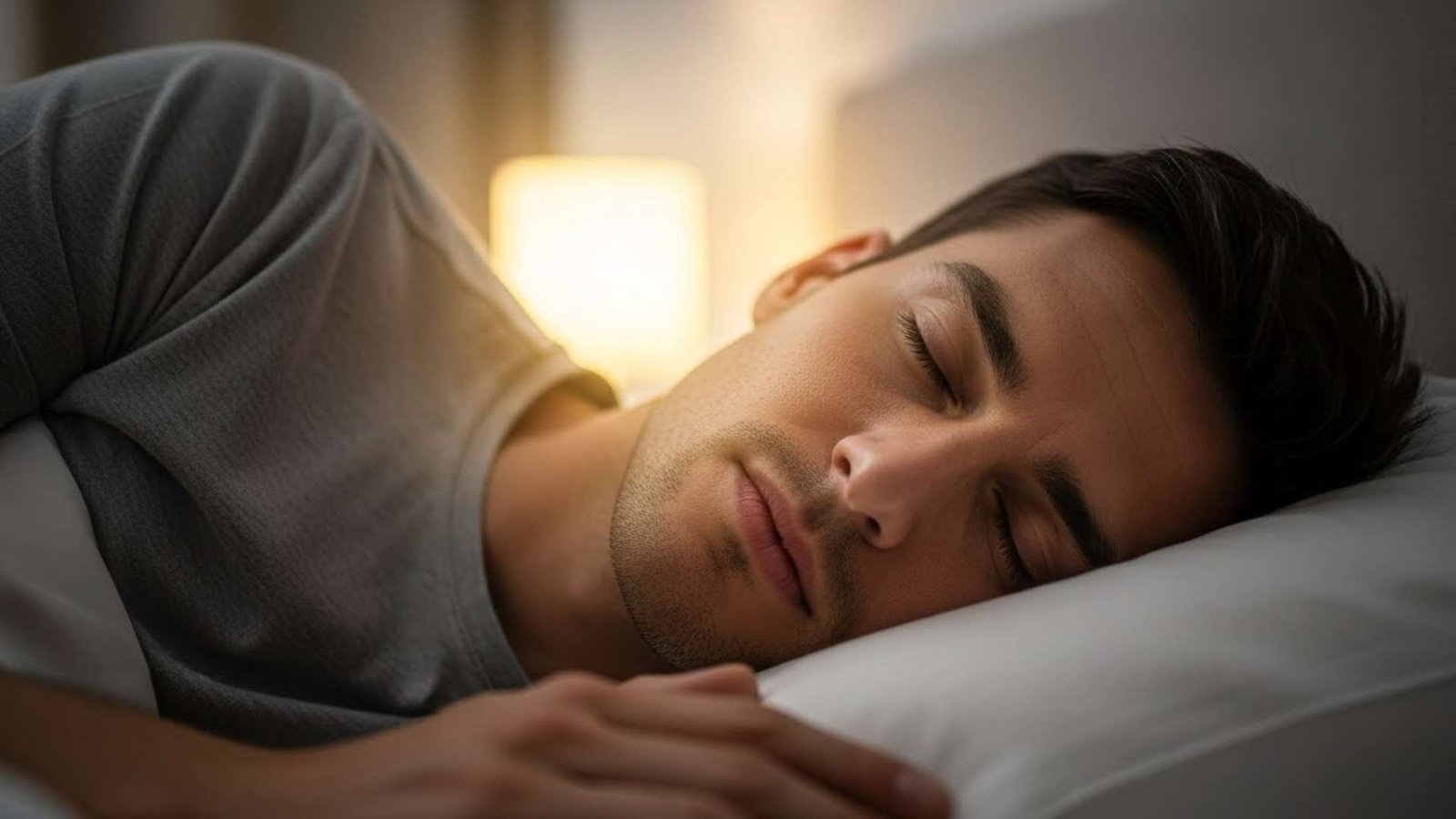
Here is what’s supposed to happen: During the deep sleep phase (usually the first half of the night), your pituitary gland pulses out Human Growth Hormone (HGH). This is the magic repair juice. It fixes tissues and rebuilds collagen.
At the same time, skin cell mitosis (cell division) peaks. Your skin is literally trying to build a new face for you between 9 PM and midnight.
But if your sleep is fragmented—maybe you ate too late, or the room is too hot, or your partner snores—you might miss that deep sleep window. You get the hours, but you miss the HGH surge. So you wake up with a face that hasn’t been repaired. It looks dull because, biologically, it is unrepaired.
The Mouth Breathing Saboteur

I have to mention this because it’s so common. If you breathe through your mouth at night (maybe due to allergies or just habit), you are dehydrating yourself scientifically.
Mouth breathing bypasses the nose’s humidifying system, drying out your fluids. It can also signal low oxygen, which causes the veins under your eyes to dilate to get more oxygen to the brain. Since that skin is transparent, those big, blue veins show right through as dark circles.
3. The “Invisible” Thieves in Your Routine

Sometimes, the call is coming from inside the house. Or rather, inside the kitchen. Even with perfect sleep, what you eat and where you sleep can sabotage you.
The Sodium Hangover

Salt is a sponge. If you had sushi with soy sauce or a pepperoni pizza last night, your body is holding onto water to dilute that sodium.
Remember that “horizontal shift” we talked about? All that extra water you’re retaining rushes straight to your eyelids when you lie down. It’s simple osmosis. The result is what dermatologists call a “salty face”—puffy, heavy, and distorted.
The Alcohol Paradox

Alcohol is tricky. It dehydrates your skin (making lines look deeper) while simultaneously causing inflammation that makes tissues swell. It suppresses the hormone that tells your kidneys to hold water, so you pee it all out, leaving your skin thirsty.
But then, the rebound inflammation makes your blood vessels leaky. Fluid seeps out into the tissues. So you wake up with a weird combo: dry, crepey skin that is also puffy. It’s the worst of both worlds.
The Allergy Bedroom
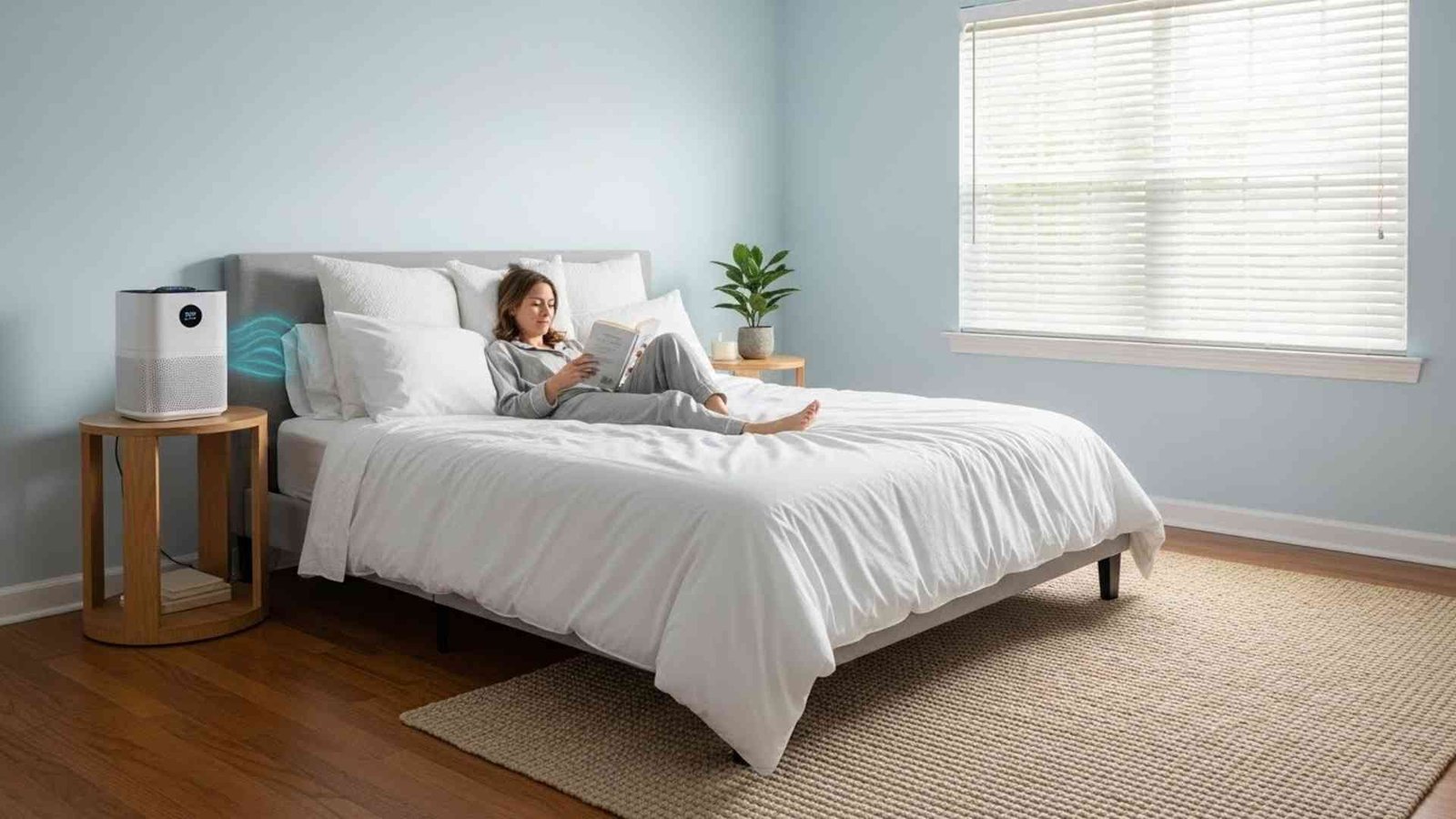
Here’s a gross but necessary fact: pillows are dust mite condos. If you have even a mild allergy to dust mites, burying your face in a pillow for 8 hours is like rubbing pollen directly into your eyes.
Your body reacts by releasing histamine. Histamine makes blood vessels leaky (to let immune cells out), causing redness and swelling. If you wake up with “allergy eyes” every day, it might be time to wash those pillows in hot water.
It’s All in Your Head
(And Your Lighting)
The “Exhaustion Filter”
Cortisol Spike: Your morning brain is biologically wired to scan for threats.
Instead of seeing clear skin, you zoom in on flaws because your mind is critical and anxious upon waking.
The Lighting Trap
Bathroom Gaslighting: Overhead lights cast shadows that create fake “tear troughs.”
Yellow bulbs make you look sallow. You look fine; your bathroom lighting is the enemy.
We need to talk about the psychology of this. The “Morning Mirror Shock” isn’t just about your face; it’s about your brain.
The “Exhaustion Filter”

When you first wake up, your cortisol (stress hormone) naturally spikes to get you moving. This is called the Cortisol Awakening Response. Combine that with “sleep inertia” (morning grogginess), and your brain is primed to be critical and anxious.
You are biologically programmed to look for threats in the morning. Unfortunately, the “threat” you spot is your own reflection. You scan for flaws. You ignore the clear skin on your cheek and zoom in on the dark circle.
The Lighting Trap
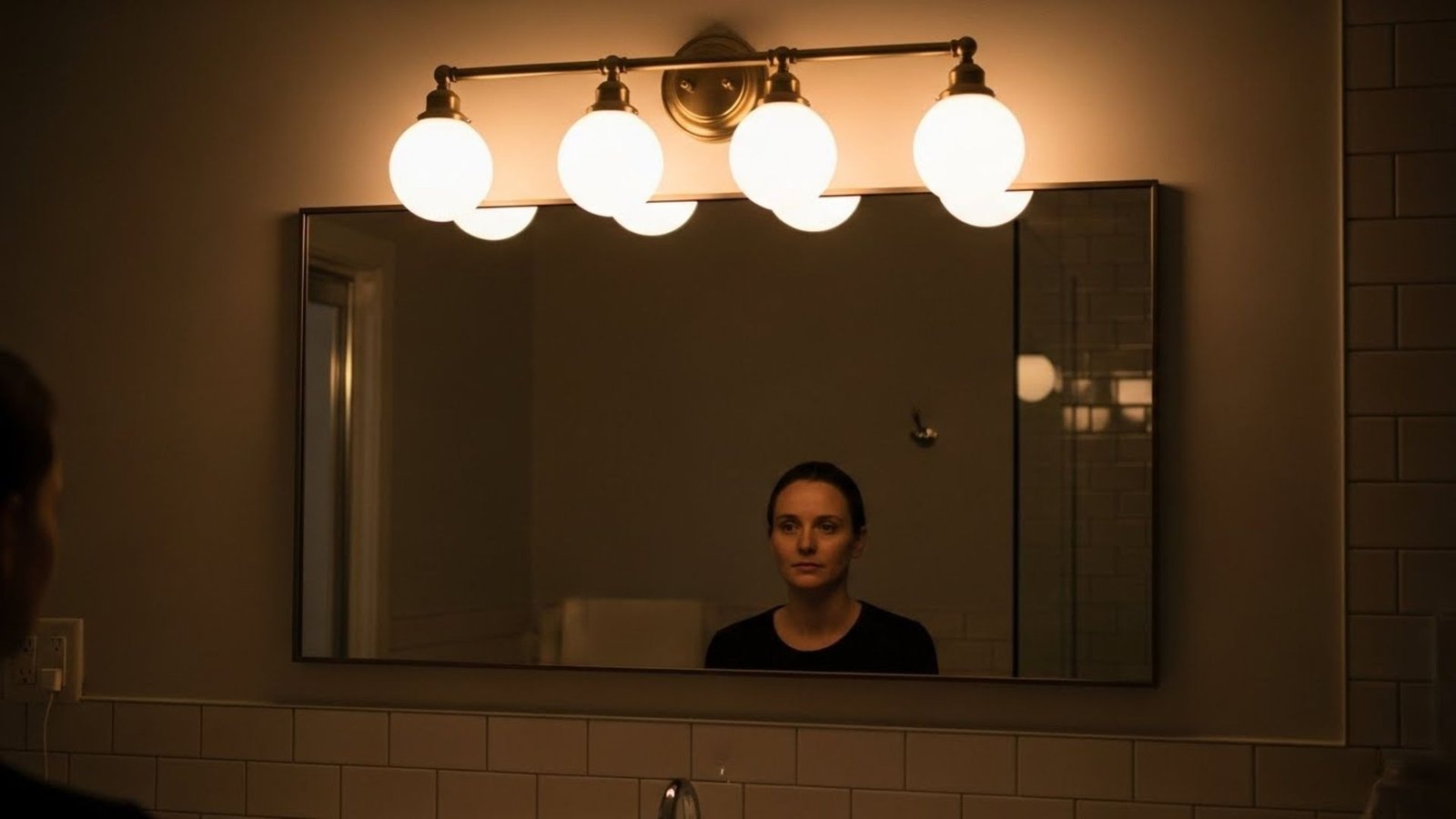
Most bathrooms have terrible lighting. Overhead can cast a shadow right from your brow bone into your under-eye area. It creates a dark “tear trough” shadow that might not even be there.
Plus, warm bathroom bulbs (yellow light) can make you look sallow or sickly. You might look fine in natural light, but your bathroom is gaslighting you.
5. How to Fix It (Real Solutions)
Okay, we know why it happens. Now, how do we fix it? We need to fight the physics.
The 3-Minute “De-Puff”
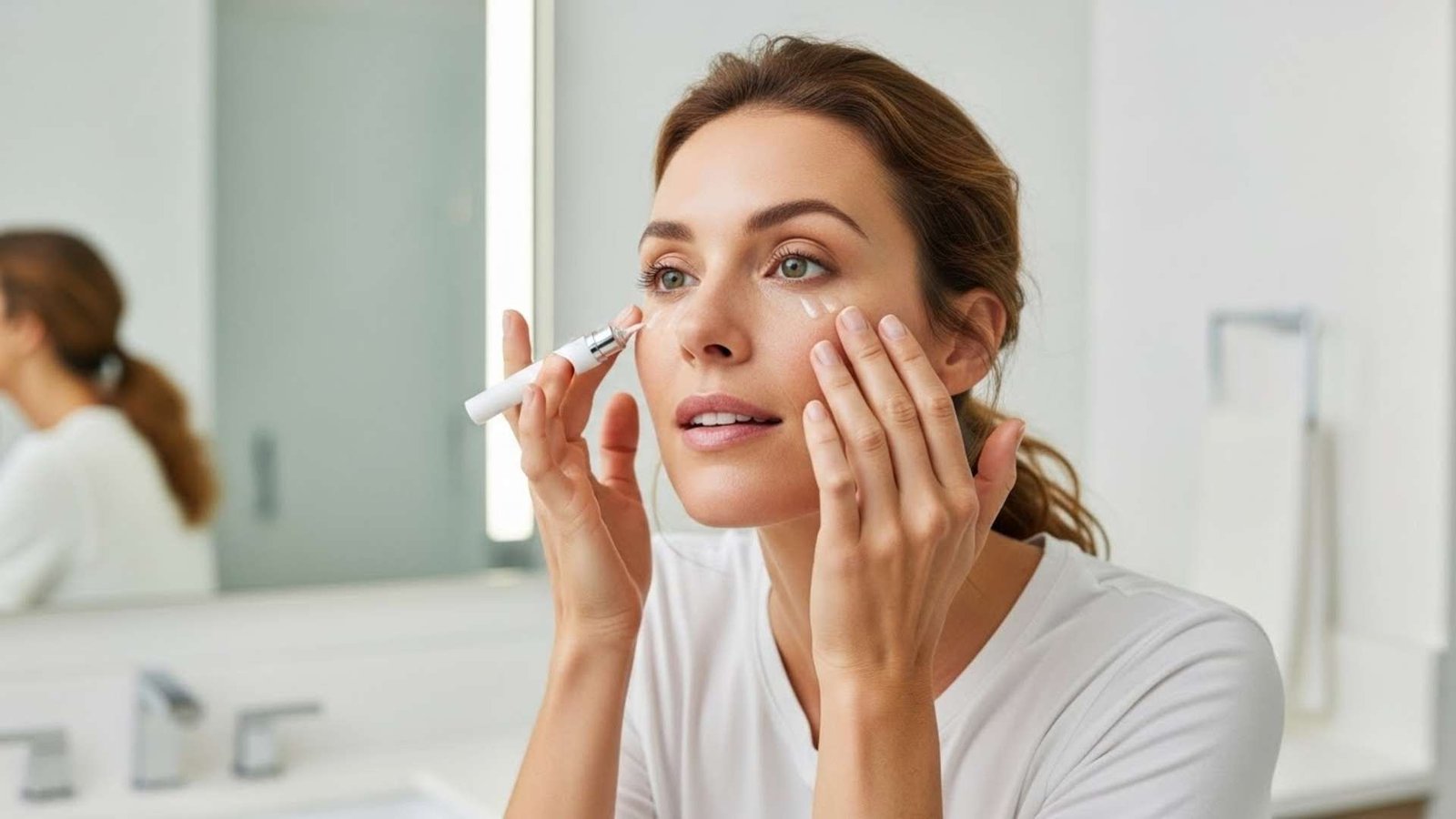
Since your lymphatic system doesn’t have a pump, you have to be the pump.
Manual Lymphatic Drainage (MLD) is a game changer. But—and this is crucial—you can’t just rub your eyes. That’s like trying to drain a sink when the pipes are clogged. You have to clear the neck first.
- Open the Drain: Start at your collarbone. Gently pump the skin there.
- Clear the Path: Stroke down your neck, from jaw to collarbone.
- Drain the Face: Now you can gently sweep from the center of your face out toward your ears.
It takes 3 minutes, but it manually pushes that stagnant fluid back into circulation.
Cold Therapy
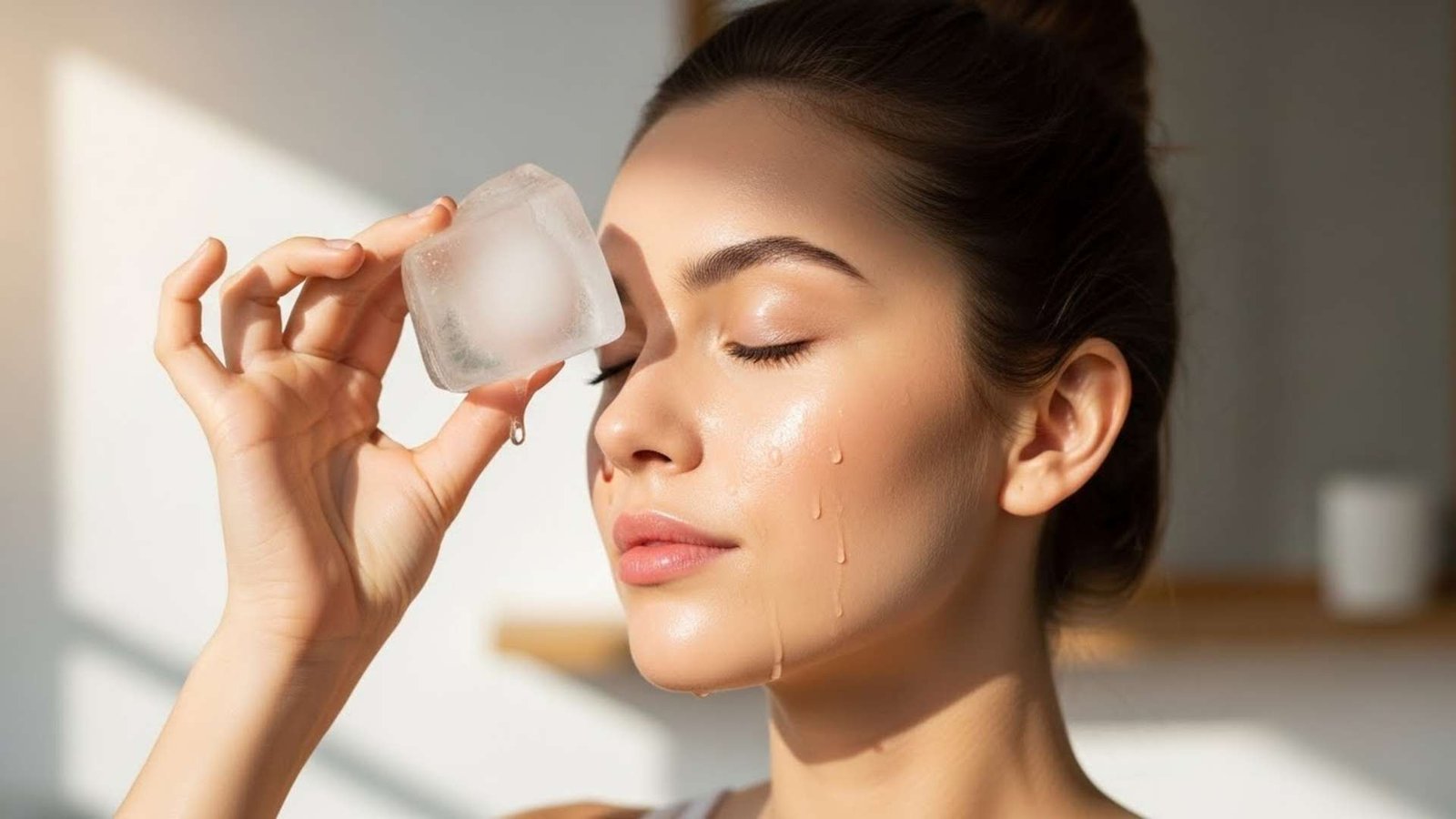
Cold is your best friend. It constricts those dilated blood vessels and tightens the skin.
- The Ice Water Facial: It sounds intense, but dunking your face in a bowl of ice water for 10-15 seconds works instantly. It triggers the “mammalian dive reflex,” shutting down capillaries and tightening everything up.
- The Tea Bag Trick: Caffeine is a vasoconstrictor (shrinks vessels) and tannins are astringent (tighten skin). Chilled green tea bags on the eyes are actually backed by science.
Sleep Hygiene 2.0

- Elevate: Sleep with an extra pillow. Keep your head above your heart to let gravity work for you, not against you.
- Back Sleeping: It’s hard to master, but it prevents the compression that causes wrinkles and asymmetry.
- Humidify: Keep the air moist so your nose doesn’t get clogged, preventing that mouth-breathing cycle.
6. Need More Help? Tools of the Trade
Look, I’m a big believer that your habits—how you sleep, what you eat—do 90% of the heavy lifting. But sometimes, you need a little extra help to push that fluid along or block out that sleep-ruining light. If you want to build a toolkit for your morning face, these are the heavy hitters I’d recommend looking into.
1. The “Instant Wake-Up” Ice Roller: Esarora Ice Roller:

If dunking your face in a bowl of ice water sounds like torture, this is your loophole. It stays ice-cold, reduces inflammation immediately, and wakes up your skin (and your brain) without the mess.
2. The “Structure Saver” Pillow: Sleep & Glow Omnia:

Back sleeping is the ultimate cure for morning puffs, but it’s hard to master. This pillow is structurally designed to cradle your head to prevent you from smashing your face into the mattress, saving you from “sleep wrinkles” and fluid pooling.
3. The “Blackout” Mask: Manta Sleep Mask:
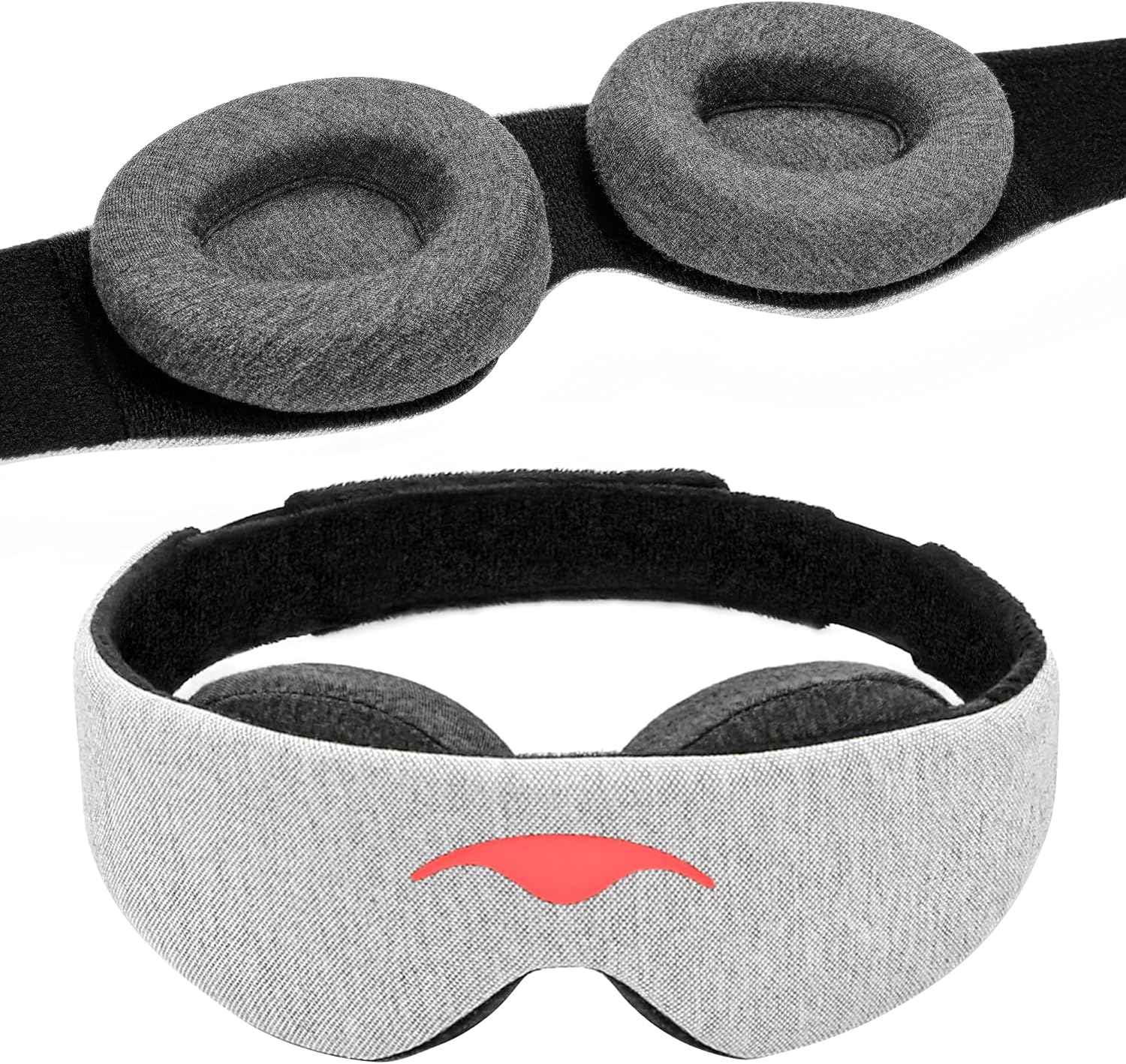
Light pollution is a sleep killer. The problem with most masks is they squash your eyes, making puffiness worse. This one has contoured eye cups that give your lids zero pressure while blocking 100% of the light.
4. The “Depuffing” Cream: CeraVe Eye Repair Cream:

You don’t need a $200 cream. This drugstore hero is packed with ceramides to fix the skin barrier and caffeine to constrict those dilated vessels. It’s simple, effective science in a tube.
5. The “Drainage” Tool: Rena Chris Gua Sha Tool:

For those mornings when you have 5 extra minutes, this tool is fantastic for manual lymphatic drainage. It helps you physically sweep that stagnant fluid from your face down to your neck.
