

The quiet hits differently when the last kid walks out the front door. Suddenly, the laundry pile shrinks, the schedule clears, and the house feels like it’s holding its breath. That’s the moment many empty nesters realize something surprising: freedom and stillness are wonderful, but they can also stir up unexpected emotions—questions you haven’t had time to ask, ideas you’ve postponed for years, and versions of yourself you might have lost along the way.
This reading list is built for that exact chapter. Think of it as a thoughtful companion—books that help you rediscover your identity, heal what needs healing, strengthen your relationships, and get excited about the decades ahead. Each title is chosen with the realities of midlife in mind: the shifting roles, the new possibilities, and yes, the uncomfortable silences that push you toward clarity. These aren’t academic reads; they’re books that real empty nesters say changed their lives.
1. The Midnight Library — Matt Haig

Matt Haig’s novel hits a nerve for anyone confronting the “What if I had chosen differently?” stage of life. Protagonist Nora Seed enters a magical library where each book contains a version of her life lived differently—different careers, relationships, paths not taken. Empty nesters often find themselves revisiting old dreams or regrets, and Haig’s story helps untangle those “sliding door” moments without judgment. It’s compassionate, philosophical, and deeply reassuring, especially if you’re wrestling with the fear that it might be too late to reinvent yourself. The novel reinforces a powerful reminder: your life is still unfolding, and the chapters ahead matter just as much as the ones behind you.
In a softer second half of the book, Haig makes an emotional case for embracing imperfect choices. It’s a gentle nudge that the life you have—even with its detours—still holds meaning, possibility, and purpose.
2. Atomic Habits — James Clear

Once the kids are gone, routines collapse in a strangely liberating way. Suddenly, you’re left with open mornings, open evenings, open everything. Atomic Habits steps in as the practical guide for anyone wanting to rebuild their days with intention. Clear breaks down the science of behavior change into small, workable steps that don’t overwhelm you. Many empty nesters say this book helped them commit to long-postponed passions—exercise, writing, starting a small business, or simply taking better care of their health. The strength of the book lies in how tiny actions compound into major identity shifts, and how easy it becomes to design a life that finally fits you.
The second takeaway is even more empowering: you don’t need to overhaul your entire world. A 1% daily shift is enough to reshape your next decade.
3. The Second Mountain — David Brooks

If the first half of life—the “first mountain”—is about building a career, raising kids, and establishing stability, the “second mountain” is about rebuilding purpose and meaning on your own terms. David Brooks explores this transition with depth and honesty, showing how fulfillment often comes from connection, service, and values rather than achievements. This resonates profoundly with empty nesters who suddenly find space to reassess what they truly want from the next phase of life. Brooks argues that joy comes from commitment, not convenience, and many readers say this book helped them clarify their identity beyond parenthood.
The shorter second takeaway is simple but profound: the second mountain isn’t a crisis—it’s an invitation to build a life rooted in purpose, relationships, and contribution.
4. Maybe You Should Talk to Someone — Lori Gottlieb

This is a memoir, a mirror, and a masterclass in emotional honesty all at once. Therapist Lori Gottlieb gives an intimate look at her own therapy sessions while working as a therapist for others. For empty nesters processing grief, identity changes, relationship shifts, or old emotional habits resurfacing, this book creates a space to understand yourself without shame. Gottlieb shows how our stories shape our choices, often without us realizing it. The transparency of her writing leads readers to reflect on their own patterns, triggers, and growth edges—something many people finally have time to explore when the house gets quiet.
In its gentler notes, the book is a reminder that seeking clarity or support isn’t weakness—it’s a sign of emotional maturity.
5. The 5 Love Languages — Gary Chapman

When kids leave, couples often discover that without the constant busyness of parenting, their relationship dynamics shift—sometimes awkwardly, sometimes beautifully. Chapman’s work helps couples reconnect by understanding how they give and receive love. For many empty nesters, it unlocks conversations they hadn’t realized they’d been avoiding and bridges gaps that years of routine had quietly widened. The brilliance of the book lies in showing that love isn’t about doing more—it’s about doing what matters most to your partner. Learning each other’s language often transforms everyday interactions into something warmer, more intentional, and more deeply connected.
In the shorter wrap-up: this book gives couples the tools to rebuild intimacy and joy in a chapter where they finally have time to focus on each other again.
6. The Road Less Traveled — M. Scott Peck
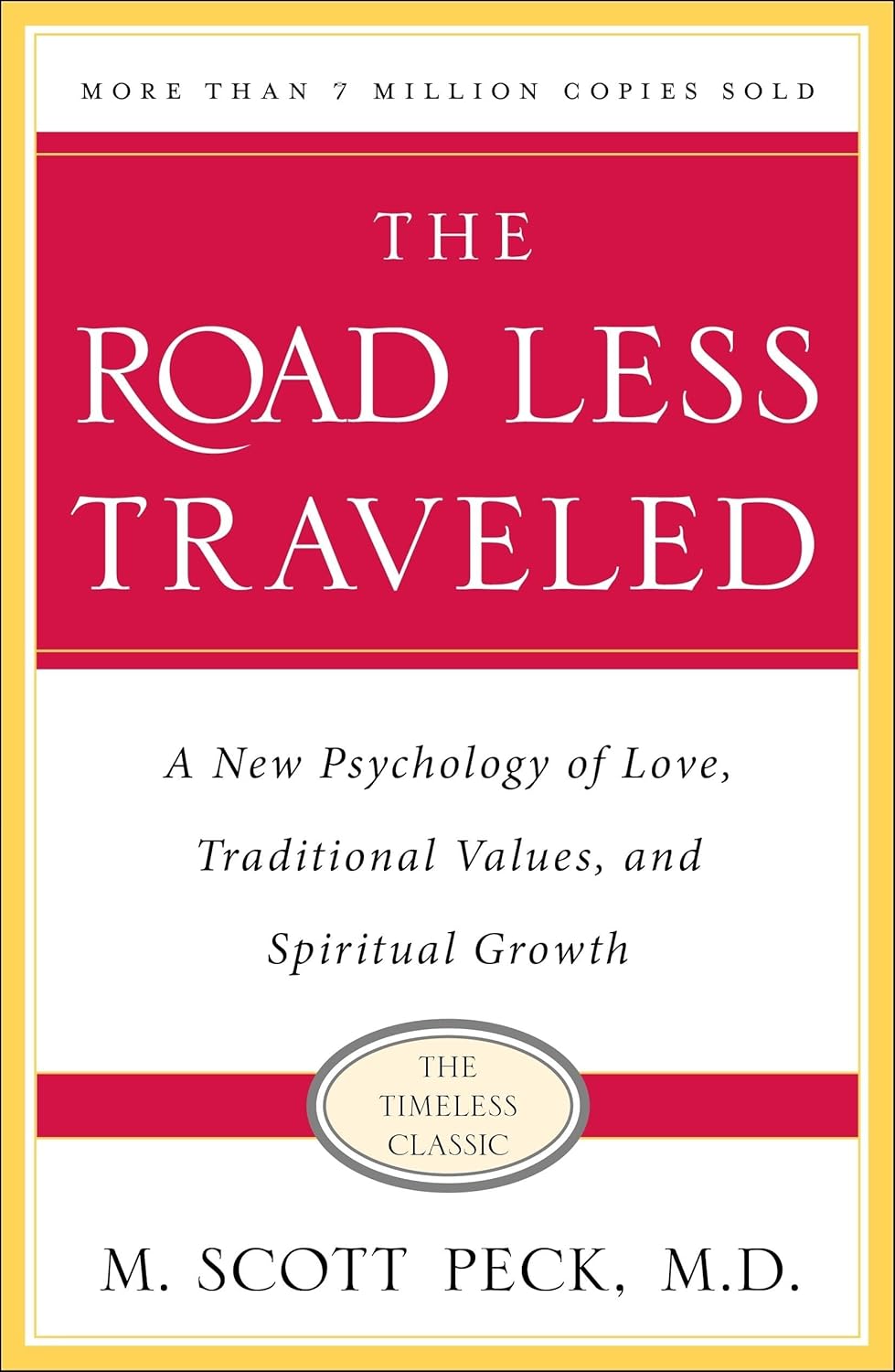
Peck’s classic opens with a sentence many empty nesters feel in their bones: “Life is difficult.” Not in a gloomy way, but in an honest, grounding way that sets the tone for a book about emotional maturity, discipline, and self-awareness. The strength of this book is how it helps readers untangle lifelong habits—especially the ones shaped by years of caregiving, over-responsibility, and self-sacrifice. Peck explores how love actually works, why growth often hurts, and what it takes to build a life rooted in intention rather than autopilot. For many people entering the empty-nest phase, the insights feel like a manual for rebuilding identity from the inside out, especially when the usual roles and routines have shifted.
The shorter reflection? Peck quietly teaches that personal growth isn’t a phase—it’s a lifelong responsibility, and you’re allowed to begin again at any age.
7. The Art of Happiness — Dalai Lama & Howard Cutler

This book blends psychology, spirituality, and practical advice into a warm and accessible guide to emotional balance. Empty nesters often find themselves navigating both relief and loneliness, excitement and uncertainty—feelings the Dalai Lama addresses with remarkable clarity. The conversations in this book explore how to cultivate day-to-day contentment through compassion, perspective, and mental clarity. What resonates most is how happiness isn’t something you wait for—it’s something you practice, especially when routines shift and old roles fall away. Many readers say this book helps them lighten up emotionally, let go of unnecessary tension, and create a more peaceful internal world.
In the quieter closing idea, the authors remind you that joy grows from understanding yourself, not from external achievements or the approval of others.
8. The Blue Zones: Lessons for Living Longer From the People Who’ve Lived the Longest — Dan Buettner

Once the kids are out of the house, health and longevity tend to move from the background to the foreground. Buettner’s research into the world’s longest-living communities is not just about lifespan—it’s about building a lifestyle that supports energy, connection, and meaning. The book explores how nutrition, movement, community, purpose, and joy all intertwine to create a more fulfilling life. Empty nesters appreciate this book because it offers a roadmap for feeling better—not through strict rules, but through sustainable daily habits inspired by real people who thrive into their 90s and beyond.
The shorter takeaway: these lessons show that small changes in environment and routine can add years to your life—and life to your years.
9. Women Rowing North — Mary Pipher
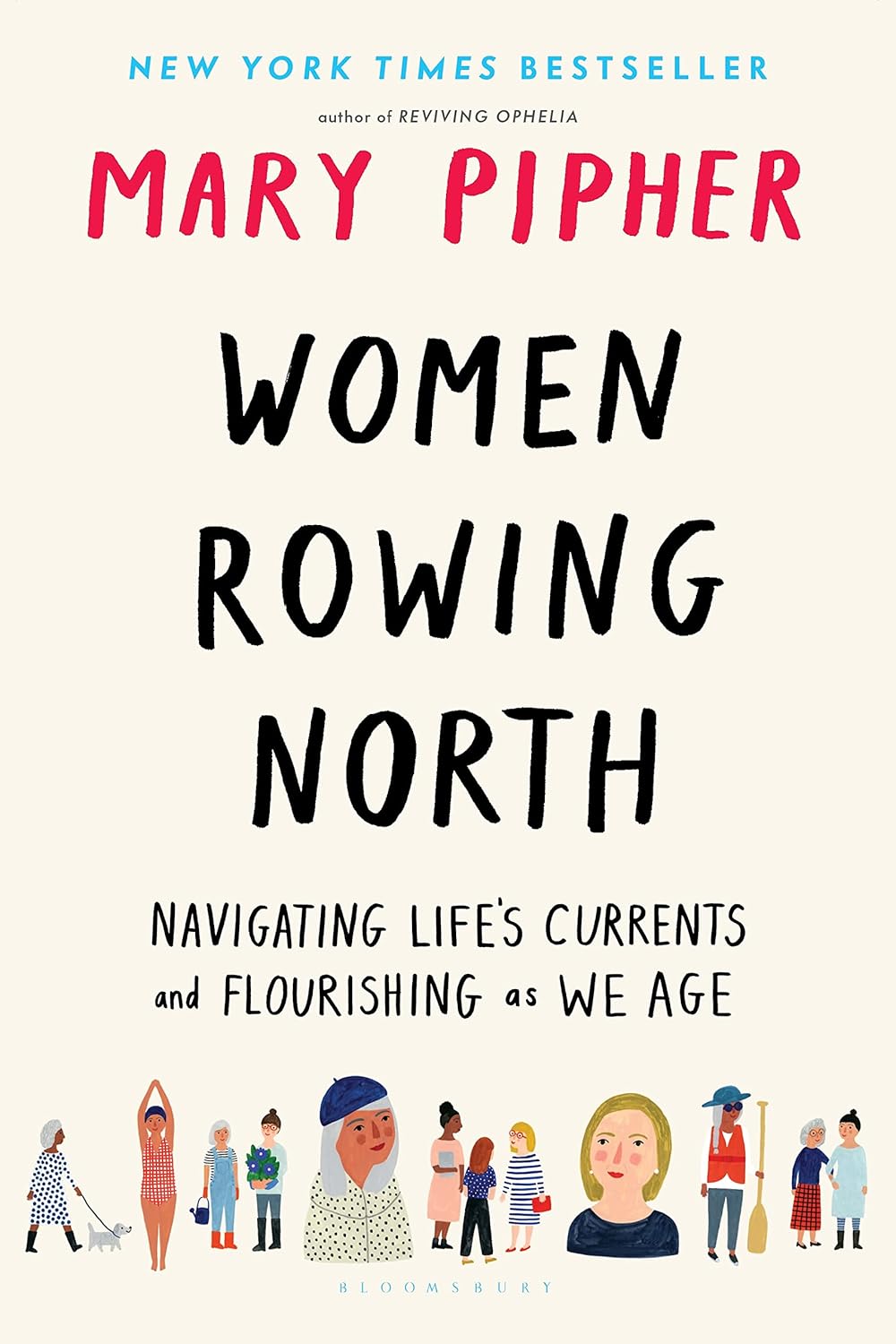
A deeply affirming book for women navigating the transitions that midlife brings. Pipher, a clinical psychologist, speaks to the emotional, social, and cultural challenges women face as they age—but more importantly, she shows the strength, wisdom, and liberation that come with this stage. Many empty nesters describe this book as a comforting companion, especially during moments when confidence wavers or identity feels blurry. Pipher offers tools for reframing loss, strengthening friendships, and embracing the emotional resilience that accumulates with age. Her perspective feels like talking to a wiser friend who understands the unspoken struggles and the unexpected joys of this phase of life.
The shorter closing point is tender: aging isn’t decline—it’s a powerful evolution, especially when you reshape your story with intention.
10. The Subtle Art of Not Giving a Fck — Mark Manson*

Yes, the title is loud, but the philosophy inside is surprisingly grounded and useful for empty nesters. Manson argues that the key to a meaningful life isn’t caring about everything—it’s choosing carefully what truly deserves your energy. This is a major shift for people who’ve spent decades prioritizing children, schedules, and responsibilities. With the nest empty, many readers find themselves reevaluating friendships, commitments, and expectations placed upon them. Manson’s humor and honesty help cut through the noise, offering a refreshing framework for deciding what matters in this new chapter and what can be released without guilt.
The shorter nugget? Midlife clarity often begins when you realize that not everything requires your attention, and your peace is worth protecting.
11. The Body Keeps the Score — Bessel van der Kolk

This book hits on something many empty nesters don’t talk about openly: the emotional and physical toll of years spent managing stress, caregiving, and putting themselves last. Van der Kolk, a leading trauma researcher, explains how unresolved emotional experiences shape the body, behaviors, and relationships long after the moment has passed. Most readers in midlife find this eye-opening because it sheds light on why certain patterns or reactions keep resurfacing now that life has become quieter. The science can be heavy, but the author breaks it down clearly, offering tools like mindfulness, movement, and connection to help you heal from the inside out. It’s a powerful resource for anyone wanting to step into the next chapter with fewer emotional weights and more inner freedom.
In the shorter takeaway, the book reinforces a comforting truth: healing at midlife is not only possible—it can be more effective now than at any earlier stage.
12. The Year of Magical Thinking — Joan Didion

Didion’s memoir speaks directly to anyone experiencing loss, transition, or emotional readjustment. While not every empty nester is grieving in the traditional sense, many are grieving roles, routines, closeness, or “the way things were.” Didion writes with a clarity that makes readers feel seen, especially when emotions feel messy or unpredictable. Her reflections on resilience, memory, and the quiet moments after a major change resonate deeply with those navigating a house that suddenly feels too quiet. The book doesn’t offer simple comfort—it offers realistic companionship, the kind that reminds you you’re not the only one trying to understand life’s sudden shifts.
The shorter summary: Didion’s honesty allows readers to process their own transitions with gentleness and courage.
13. You Are a Badass — Jen Sincero

Sincero brings humor, storytelling, and a no-nonsense attitude to the topic of personal growth. This book is a favorite among empty nesters who want to reconnect with confidence after decades of putting themselves in supporting roles. Sincero focuses on identifying limiting beliefs, reframing self-worth, and stepping into opportunities you might have dismissed before. What makes the book effective is how practical empowerment feels achievable, even if you’re restarting, redirecting, or rediscovering passions at midlife. Many readers say it helped them loosen up emotionally, take healthier risks, and pursue interests without overthinking.
The shorter takeaway: it’s a reminder that boldness isn’t for the young—it’s for the willing, regardless of age.
14. Fierce Self-Compassion — Kristin Neff

Kristin Neff’s work is especially powerful for those who’ve spent years being strong for everyone else. She introduces the concept of self-compassion in a way that feels both emotionally grounded and actionable. Neff explains how to treat yourself with the same kindness and fairness you extend to others, and she challenges the belief that self-care is indulgent. For empty nesters transitioning into a phase where they finally have time for themselves, this book becomes a toolkit for building inner strength without self-criticism. It helps readers shift from survival mode to genuine well-being, especially during moments of insecurity, loneliness, or doubt.
The shorter idea: Neff shows that caring for yourself is not weakness—it’s the root of emotional resilience.
15. A Gentleman in Moscow — Amor Towles

While fiction, this novel beautifully captures the theme of rebuilding life within new limits—a message that resonates deeply with empty nesters entering an unfamiliar chapter. Count Rostov, sentenced to live inside a hotel, is forced to reimagine purpose, identity, and connection within a confined world. His journey reflects the universal experience of finding joy, presence, and meaning even when life takes unexpected turns. Towles’ storytelling is warm, elegant, and quietly profound, making readers reflect on how a well-lived life isn’t defined by circumstances, but by how you respond to them. Many midlife readers find solace in the idea that fulfillment can flourish even when life slows down or shifts direction.
In the shorter insight: this book shows that reinvention can happen anywhere, even within familiar walls and quiet days.
