


Let’s be honest for a second. There is nothing—and I mean nothing—more frustrating than doing everything “right” and seeing zero results.
You know the feeling. You’ve cut the calories. You’re waking up early to get that workout in. You’ve practically broken up with bread. And yet, you look in the mirror, and that stubborn layer around your midsection hasn’t moved an inch. It feels personal. It feels like your body is betraying you.
Here’s the thing: It’s not in your head, and it’s likely not because you aren’t working hard enough. You are fighting a biological battle against a system that wasn’t built for modern life. We call it the “stress belly,” and it plays by a completely different set of rules than the rest of your body.
When you’re stressed—whether it’s a looming deadline, financial worry, or just the chaos of daily life—your body doesn’t know you’re sitting safe at a desk. It thinks you’re running from a predator. And because of that ancient wiring, it creates a specific hormonal cocktail that practically forces your body to hoard fat right in the center of your abdomen.
We’re going to break down exactly why this happens, look at the nine specific reasons your cortisol is hijacking your waistline, and, most importantly, talk about how to shut that alarm off so your body can finally let go.
The 9 Reasons Cortisol Is Winning
Okay, let’s get specific. If we want to fix this, we have to identify the saboteurs. Here are the nine pillars keeping your body in “survival mode.”
1. Death by a Thousand Notifications

It’s rarely one big trauma that causes the stress belly. It’s the “micro-stressors.” The ping of a Slack message. The passive-aggressive comment. The traffic jam. Your body treats these like life-or-death threats. A study from Yale found that women who are “psychologically vulnerable”—meaning they internalize these daily stressors more—had significantly higher levels of abdominal fat than women who didn’t, even if they had the same life circumstances.
The Blue Light Toxin
Doom-scrolling at 11 PM? That blue light hits your retina and tells your brain it’s NOON.
The Hormone See-Saw
Melatonin 🔥
Cortisol
If Melatonin stays low, Cortisol stays high. You are signaling stress while you sleep.
Light at Night (LAN) is directly linked to increased visceral adiposity (belly fat).
We need to talk about your phone. The blue light it emits isn’t just bad for your eyes; it’s a metabolic disruptor. When you doom-scroll at 11 PM, that blue light hits your retina and tells your brain it’s noon. This suppresses melatonin (the sleep hormone). The problem? Melatonin and cortisol are on a see-saw. If melatonin stays low, cortisol stays high. Research shows that “light at night” (LAN) exposure is directly linked to increased visceral adiposity. You are literally signaling your body to stay stressed while you sleep.
3. Eating Your Stress (Dietary Inflammation)
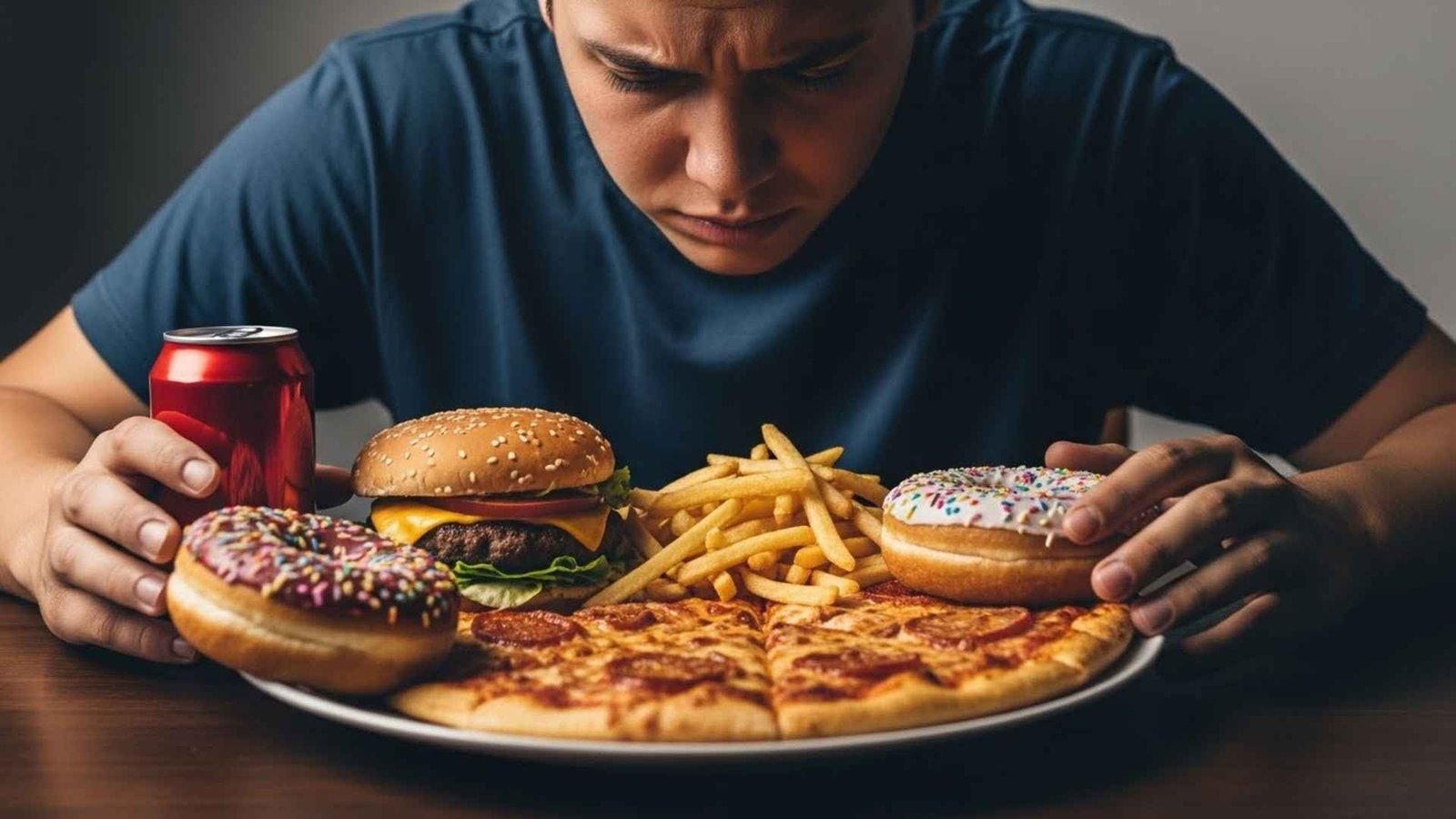
It’s not just how much you eat; it’s what you eat. Processed foods, seed oils, and refined sugars are biological stressors. They cause inflammation in the gut, which allows toxins (LPS) to leak into your bloodstream. Your body sees this inflammation as an attack and releases cortisol to fight it. So, that sugary snack doesn’t just add calories; it triggers a hormonal stress response.
4. Alcohol: The Frenemy

I know, a glass of wine feels like it relaxes you. But physiologically? It’s doing the opposite. Alcohol is a direct HPA axis activator. It spikes cortisol. Plus, when alcohol is in your system, your liver stops burning fat to focus on detoxifying the alcohol. It’s a double whammy: you stop burning fat and you increase the hormone that stores it.
5. The “Glucose Trap” (Sitting Too Much)

This is the modern dilemma: We have “fight or flight” stress hormones surging through our veins, but we are sedentary. When you don’t move, your muscles are “closed for business.” They can’t accept the glucose cortisol just dumped into your blood. This leads to glucose disposal failure. The sugar has nowhere to go but your belly. Quick fix: The “Soleus Pushup” (doing calf raises while seated) has been shown to drastically improve glucose regulation without you even breaking a sweat.
6. The Great Hormonal Shift (Menopause)

Ladies, this one is huge. As estrogen drops during perimenopause, you lose a protective shield. Estrogen helps guide fat to your hips and thighs (subcutaneous). When it leaves the building, fat distribution shifts to the “male” pattern: the belly. Dr. Sara Gottfried notes that this transition also makes you more insulin resistant. It’s a time when your body becomes far less forgiving of stress and sugar.
Your Inner Ecosystem 🌿
Your bacteria are talking to your brain via the Vagus Nerve.
Dysbiosis (bad bacteria imbalance) sends a distress signal upstairs. 🚨
🔬 Research Link: Bacteria profiles are linked to visceral fat mass.
Certain bacteria strains harvest more calories from food than others!
YOU are stressed. 😫
Your gut bacteria are actually talking to your brain via the vagus nerve. If you have “dysbiosis” (an imbalance of bad bacteria), it sends a distress signal upstairs. Research links specific gut bacteria profiles directly to visceral fat mass. If your gut is stressed, you are stressed.
8. Psychological Vulnerability

This goes back to how we perceive stress. If you feel helpless or out of control, your cortisol spike is higher. Trauma history, especially Adverse Childhood Experiences (ACEs), can hard-wire your HPA axis to be “trigger happy,” making you react more intensely to minor things.
9. Running Yourself into the ground

Here is a controversial one: Chronic Cardio. If you are running 10 miles a week to burn off the belly, you might be making it worse. Long-duration, moderate-intensity cardio raises cortisol. If you are already stressed, this just adds to the load. You end up breaking down muscle (which slows your metabolism) and holding onto fat. It’s the “skinny fat” trap.
The Protocol (How to Actually Fix It)
Okay, so how do we fight back? We don’t fight with force; we fight with signals of safety. We need to tell your body, “It’s okay. The war is over.”
1. Forest Bathing (Shinrin-yoku)

This sounds hippie-dippie, but the data is rock solid. A study comparing walking in the city vs. walking in a forest found that the forest walkers had a 15.8% drop in cortisol. It’s not just exercise; it’s the phytoncides (scents from trees) and the visual fractals of nature that calm your amygdala.
- Action: 20 minutes outside, green space, no phone.
2. HIIT (But Be Careful)
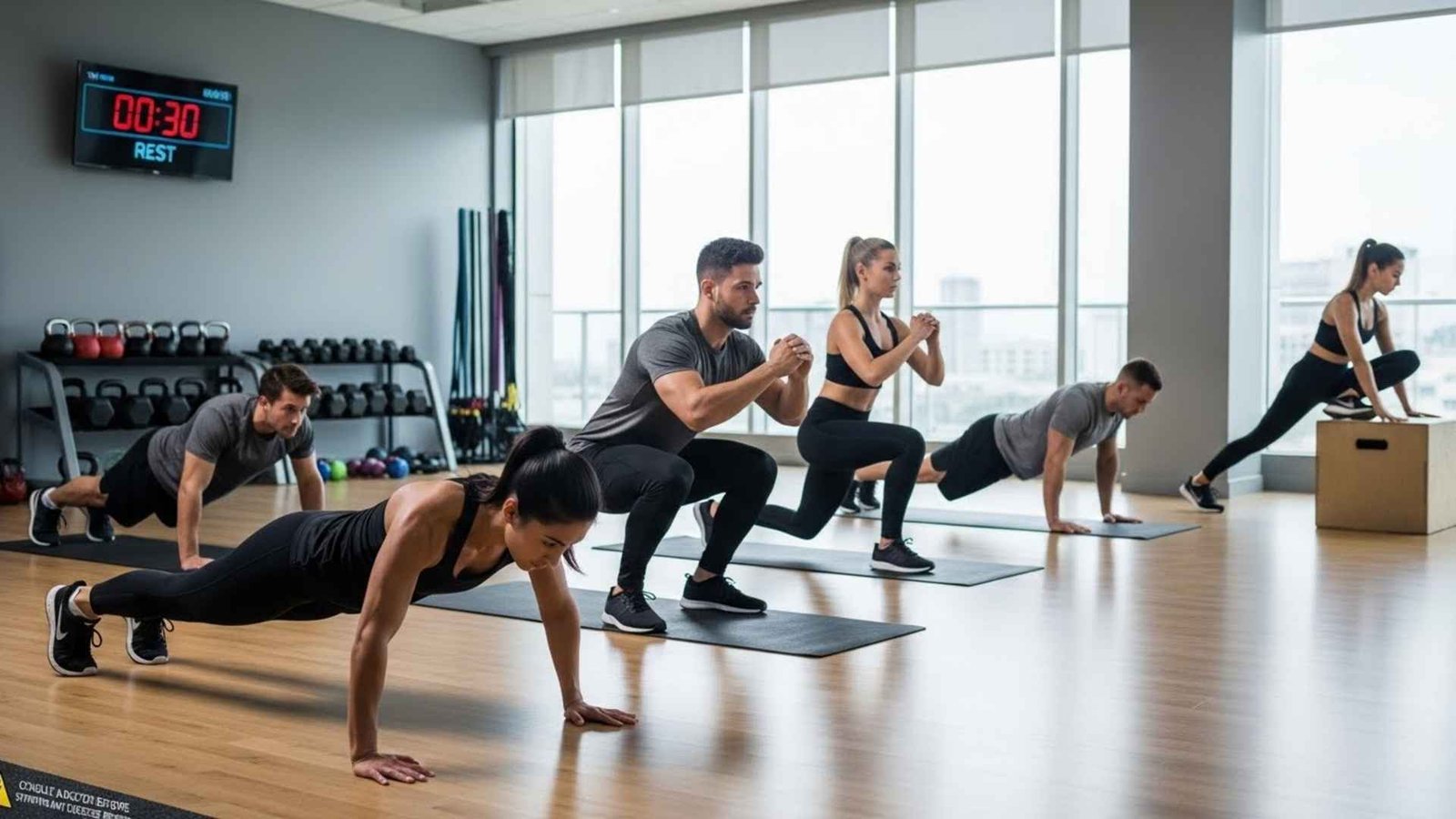
Instead of an hour on the treadmill, try High-Intensity Interval Training. It’s more effective at targeting visceral fat because it improves insulin sensitivity rapidly.
- Action: 20 minutes total. 30 seconds hard, 90 seconds easy. But only do this if you aren’t feeling totally burnt out.
3. Eat to Soothe (The Anti-Inflammatory Matrix)

We need to lower the inflammation alarm.
- Omega-3s: Fatty fish (salmon, sardines) are non-negotiable.
- Polyphenols: Dark chocolate (>85%), berries, green tea. These feed the good gut bacteria.
- The 12-Hour Window: Stop eating 3 hours before bed. Give your system a break.
4. Breathe Your Way Out

You can manually override your stress system using your breath. It stimulates the vagus nerve.
- Action: Box Breathing. Inhale for 4 seconds, hold for 4, exhale for 4, hold for 4. Do this for two minutes. It physically forces your body out of “fight or flight.”
Need a Little Extra Help? Look Into These
Look, changing your lifestyle is the heavy lifting, but sometimes we need a few tools to lower the noise. I’ve looked into some of the most effective, science-backed tools that can help signal safety to your body and support the biological changes we talked about. Think of these as your support crew.
1. Gaia Herbs Ashwagandha Root
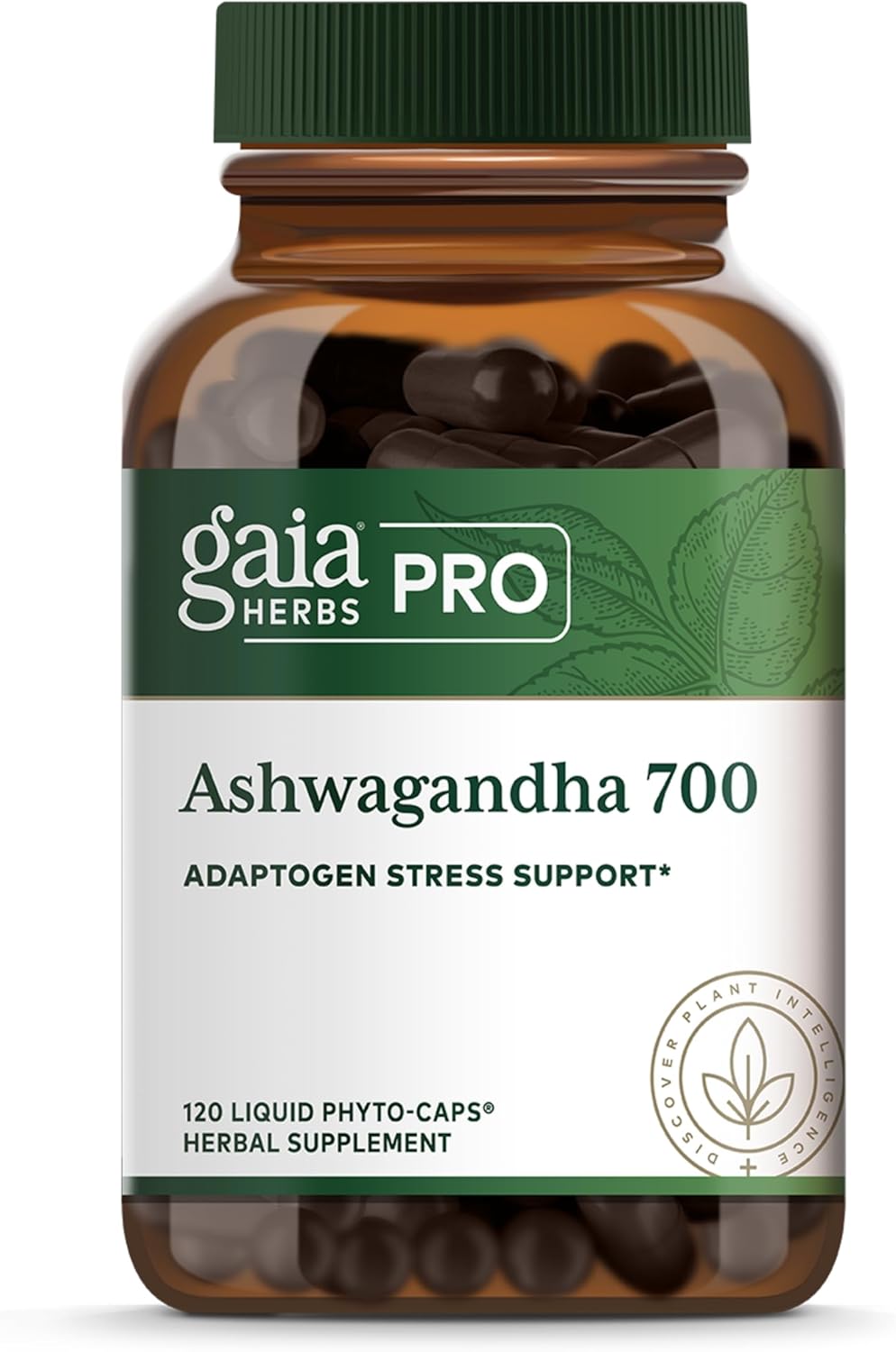
Ashwagandha is an “adaptogen,” meaning it helps your body physically adapt to stress. Gaia Herbs makes a potent liquid phyto-cap that is widely respected for its purity. It’s a gentle way to help lower those baseline cortisol levels.
2. Swanson Lactobacillus Gasseri

We talked about how specific gut bacteria can fight belly fat. Lactobacillus gasseri is the standout strain in the research for targeting visceral fat regulation. Swanson offers an accessible way to get this specific probiotic into your system.
3. ProsourceFit Acupressure Mat and Pillow Set

This is like a massage you can have every night in your living room. Lying on this mat stimulates blood flow and triggers the parasympathetic nervous system (the “rest and digest” mode), helping to physically shut down that fight-or-flight response before bed.
4. Benicci Blue Light Blocking Glasses

If you have to work late or just love your evening TV, protect your melatonin. These glasses help block the blue spectrum light that tricks your brain into thinking it’s noon, allowing your natural sleep hormones to do their job.
5. “The Hormone Reset Diet” by Dr. Sara Gottfried
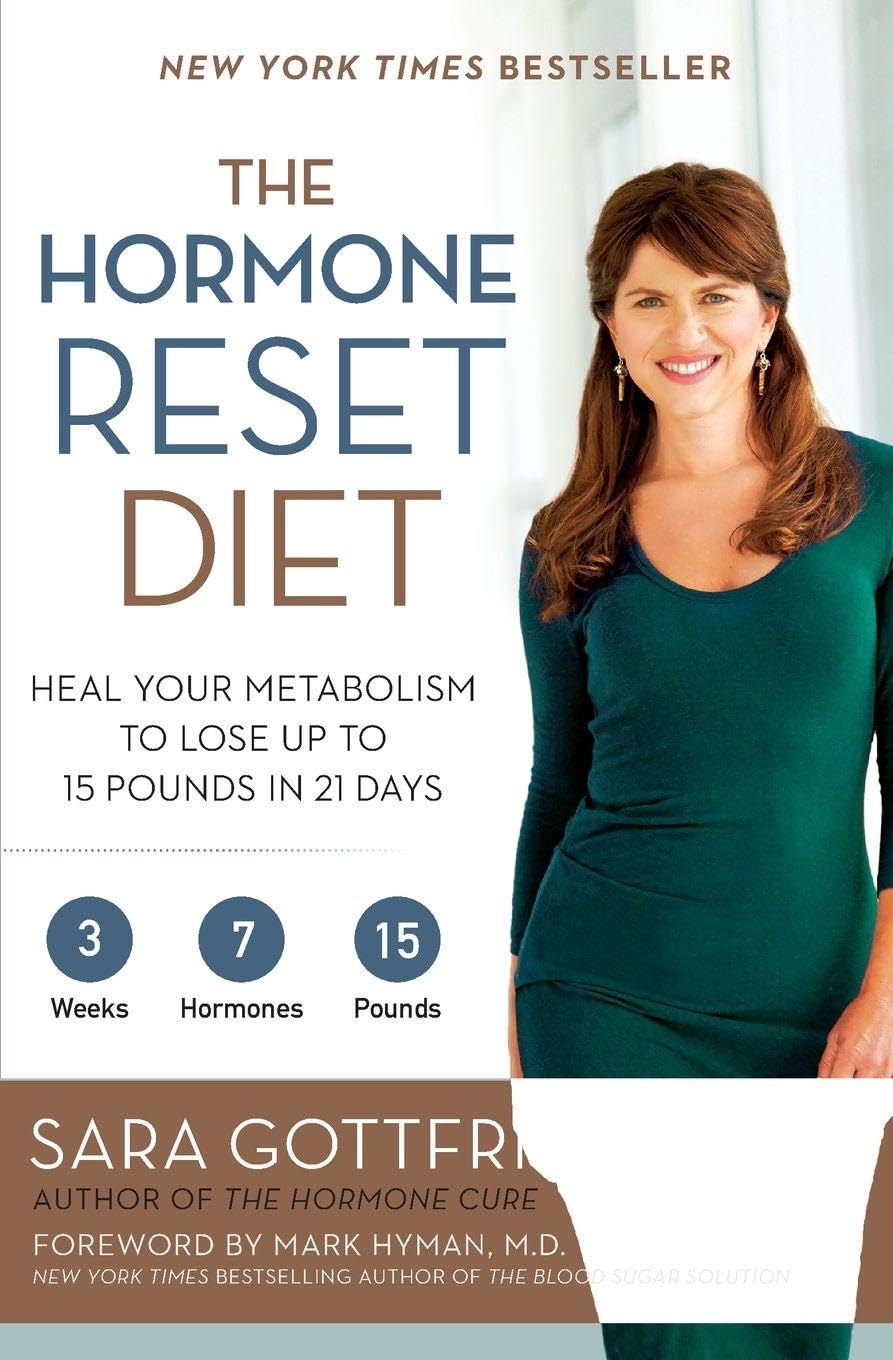
If you want to dive deeper into the science we touched on—especially regarding the intersection of hormones, women’s health, and metabolism—this book is the manual. Dr. Gottfried breaks down exactly how to reset those insulin and cortisol receptors.
