
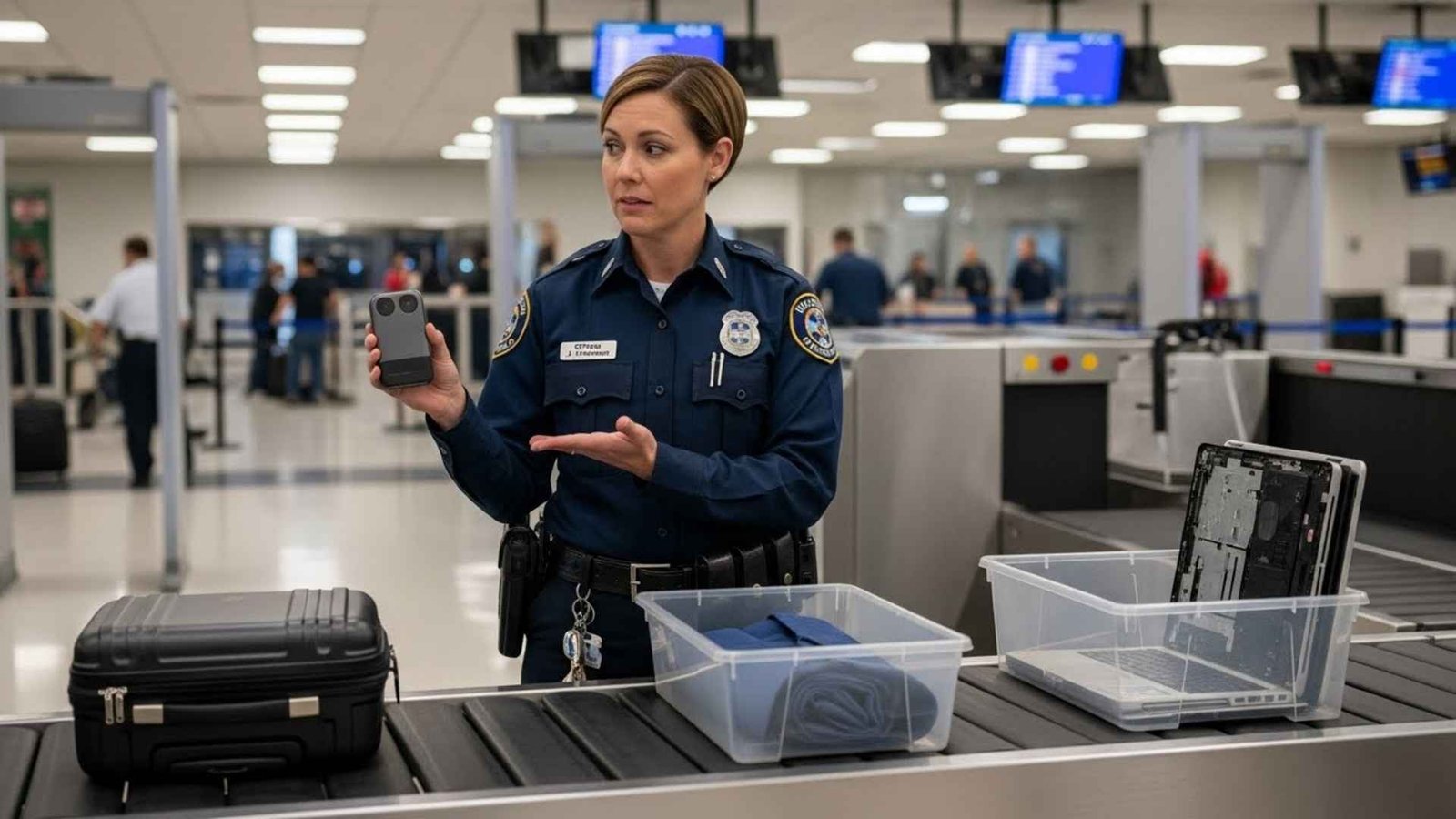

You know the sound.
You’re standing there in your socks, half-awake, watching your life roll out on the conveyor belt. Then, the belt stops. There’s a pause. The TSA officer squints at the screen, tilts their head, and yells, “Bag check!”
Your heart sinks. You know you didn’t pack a weapon. You know your liquids are in the little baggie. So why does this keep happening?
Here’s the thing: it’s rarely random. In fact, if you travel for business, you are almost certainly packing a “trigger item” without realizing it. I’ve dug into the physics of how these machines actually work, and honestly, it changed the way I pack. It’s not about following the rules posted on the sign; it’s about understanding the invisible physics of the checkpoint.
Let’s break down why your innocent business trip gear looks like a threat to a machine, and how we can get you through that line without the “walk of shame.”
The 11 Items That Are Secretly Ruining Your Morning
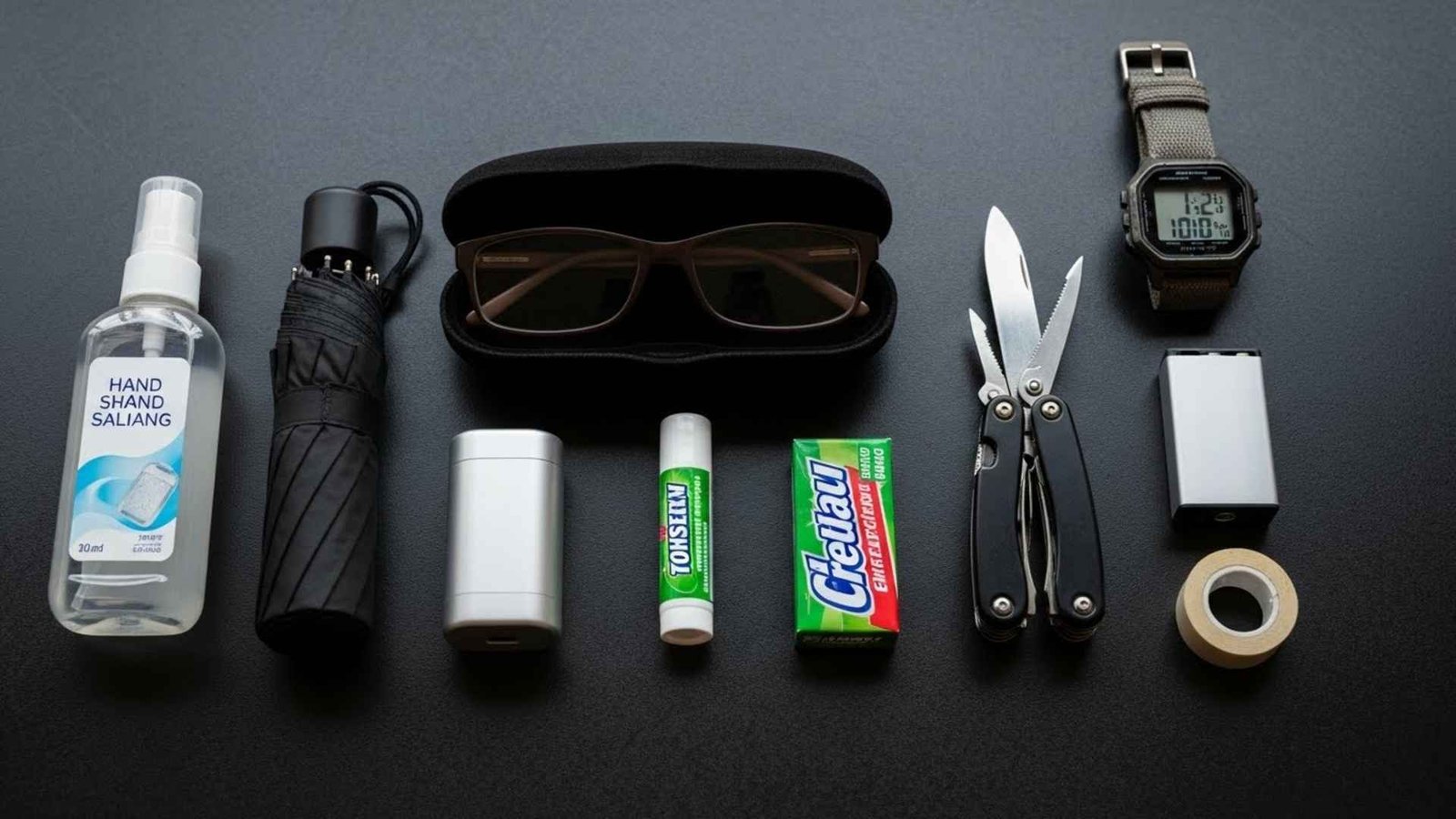
I’ve compiled the list of the usual suspects. These are the items that harmlessly sit on your desk but turn into red flags the second they enter an airport.
1. The Paper Weight (Why Your Reading Material Looks Dangerous)

This one blew my mind. You’d think paper is harmless, right? But if you’re carrying a thick stack of prospectuses, a manuscript, or even a heavy sketchbook, you’re carrying a “density block.”
The Science: Paper is made of cellulose. Explosives can be made of nitrocellulose. To a machine, a dense brick of paper looks suspiciously like a “sheet explosive.”
It gets worse if you have glossy magazines or brochures. To make that paper shiny, they coat it in Kaolin clay. Clay is a mineral. So now you have a dense organic block wrapped in a mineral coating. The X-ray beam hits that stack and just stops. It can’t see what’s inside, so the officer has to open it and fan the pages.
The Fix:
- Don’t Stack: If you must bring physical files, do not stack them in one big pile. Spread them out. Lay them flat across the bottom of your bag so the X-ray can punch through a thin layer rather than a brick.
- Go Digital: Honestly, just load it on an iPad. It saves your back and your time.
2. The Networking Trap (Business Cards)

We’ve all done it. You grab a fresh box of 500 business cards for a conference and toss it in your backpack.
The Reality: A tightly packed box of 500 cards is a solid, impenetrable organic brick. If you throw that next to your laptop charger? Congratulations, you’ve just built a fake bomb. You have the dense organic mass (the cards) next to wires (the charger). That is the classic visual signature of an IED.
The Fix:
- The “Daily Ration” Rule: Only carry what you need for the trip—maybe 20 or 30 cards—in a loose holder.
- The Digital Handshake: Use a QR code on your phone lock screen or an NFC card. It’s 2024; we can stop carrying cardboard bricks.
3. The “Healthy” Traveler’s Mistake (Dense Food)
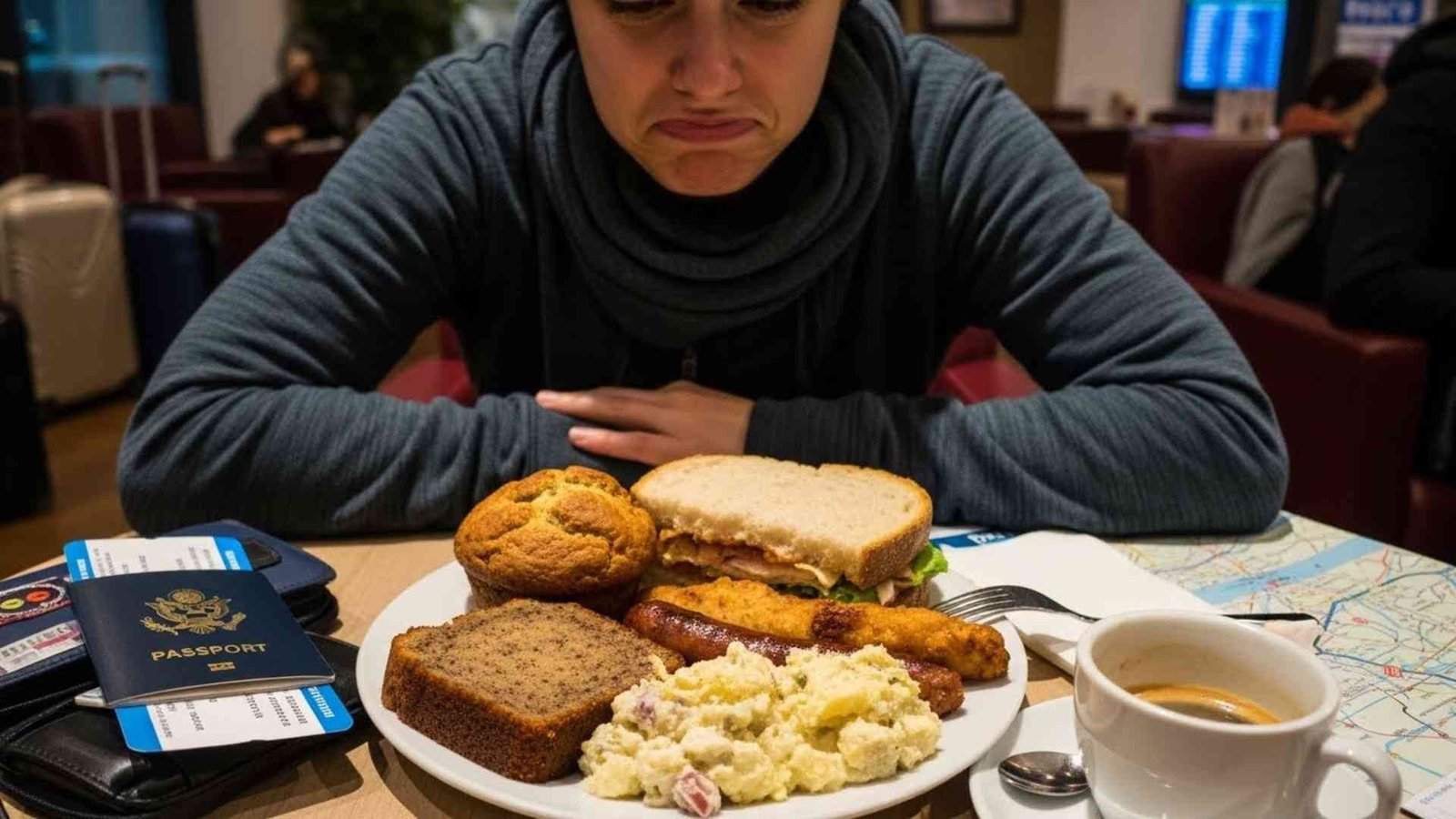
You’re trying to eat clean, so you pack protein bars, a block of cheddar, or maybe some organic peanut butter.
The Reality: The machine hates dense food. Chocolate, cheese, and peanut butter have a density profile that is terrifyingly close to C-4 plastic explosive. There’s a reason TSA “Red Teams” (the testers) use cheese and chocolate to test the machines—because they trigger false alarms constantly.
The Fix: If you must bring food, separate it. Put all your snacks in a clear gallon bag and pull it out of your carry-on, just like you do with liquids. It signals to the officer, “I know this looks dense, but it’s just snacks.” If they can see it before they scan it, they’re less likely to tear your bag apart.
The Powder Keg 🧨
Tubs > 12 oz get flagged.
(That’s about the size of a soda can)
X-ray cannot distinguish Whey Protein from Explosives.
Don’t risk the hassle!
Since 2018, there’s been a specific rule about powders. If you have a tub larger than 12 ounces (about the size of a soda can), it’s getting flagged. The X-ray struggles to tell the difference between whey protein and fentanyl or powdered explosives.
The Fix:
- Single-Serve Packets: These sail through because they are flat.
- Check It: If you need the big tub, put it in your checked luggage. It’s not worth the hassle at the checkpoint.
5. The Coffee Conundrum
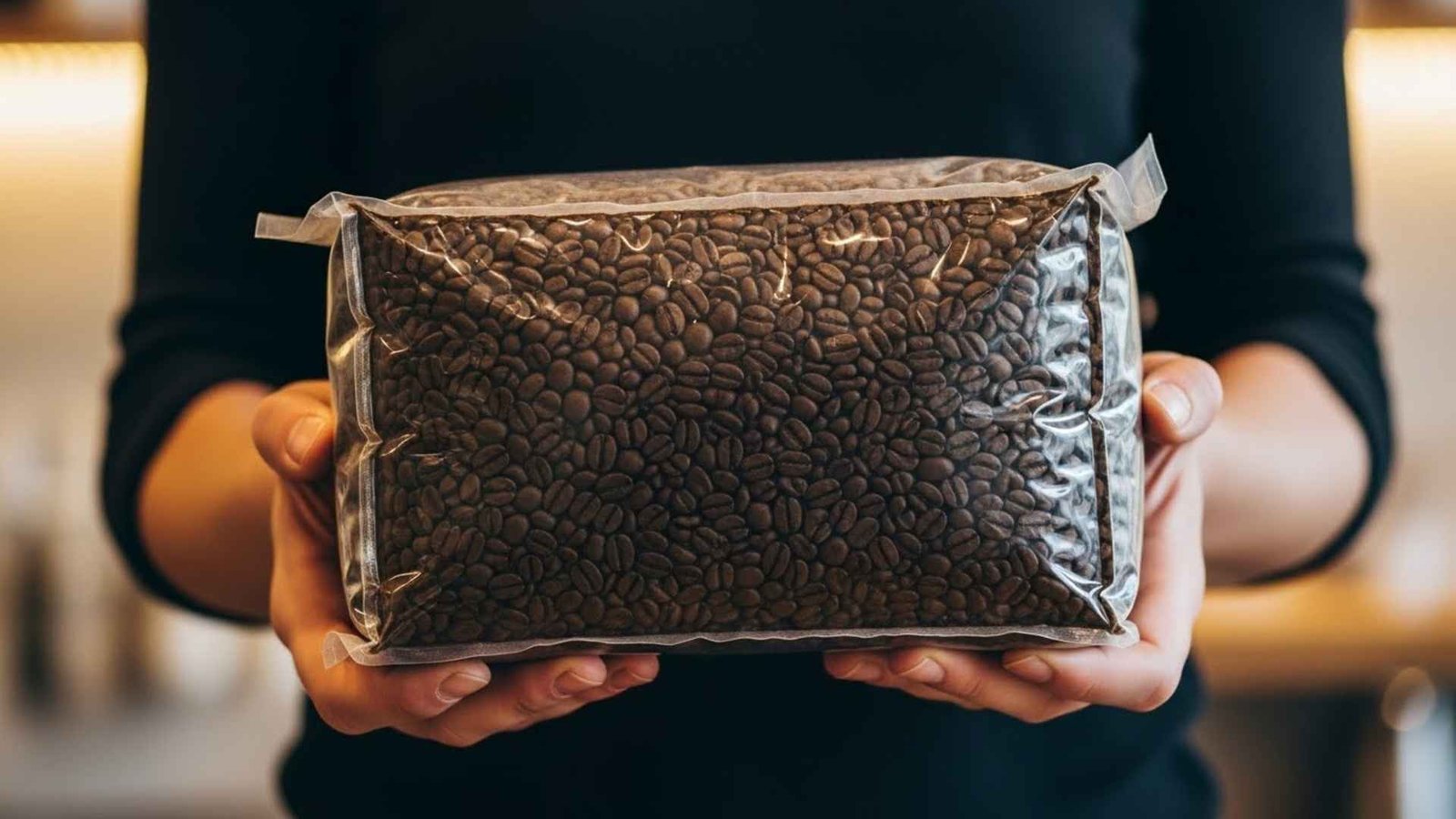
Bringing home a bag of local beans? You might want to ship it instead. Coffee beans are incredibly dense. Vacuum-sealed bricks of coffee are even worse because they are compressed into a hard geometric shape—again, mimicking a demolition charge.
Even loose beans create a “clutter” effect on the screen (officers sometimes call it the “swarm of bees” look) that makes it impossible to see if anything is hidden inside the bag.
6. The “Spaghetti” Monster (Cables)
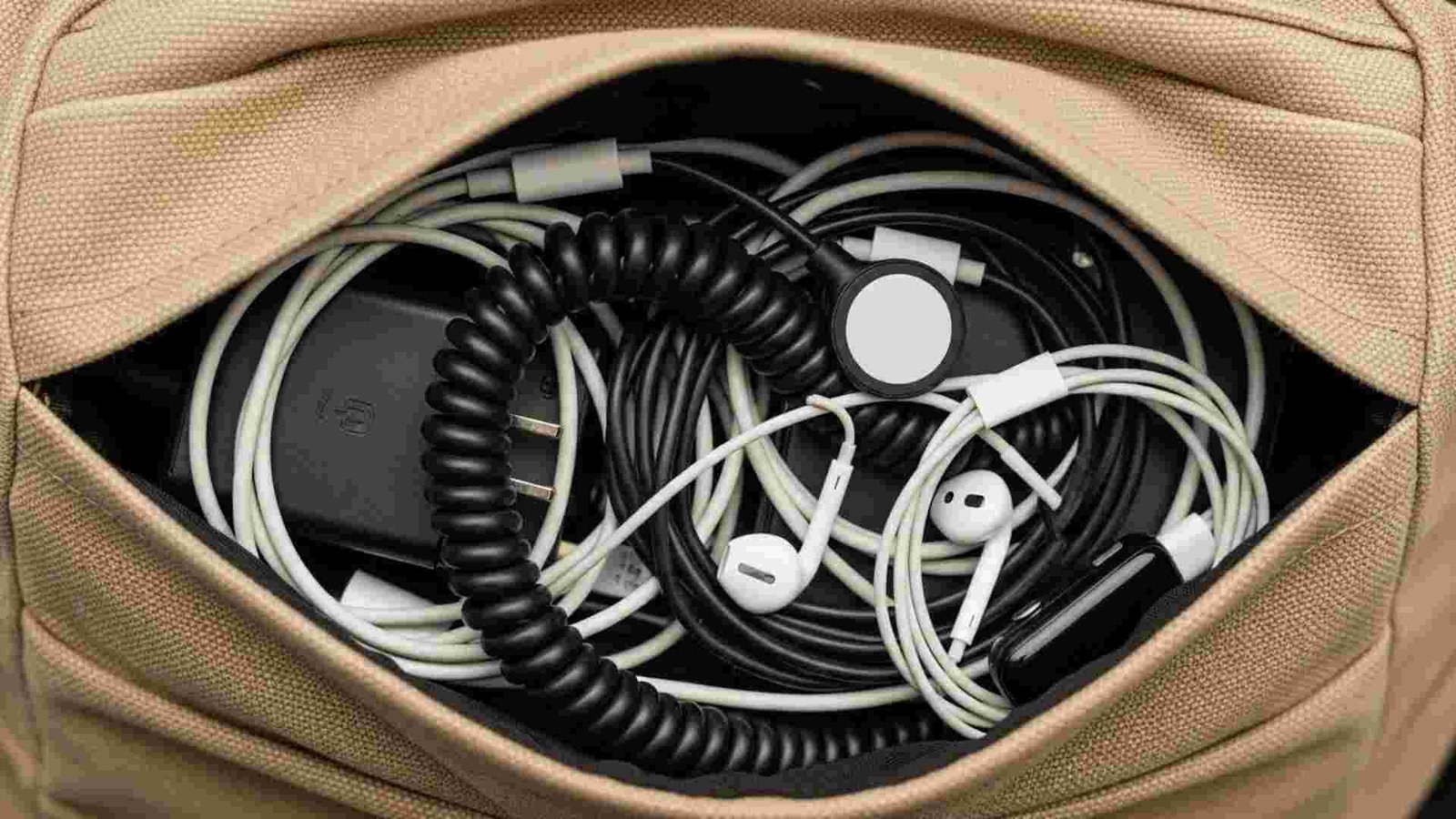
I am guilty of this. You throw your laptop charger, phone cord, watch charger, and headphones into one pocket.
The Reality: A knot of copper wires is “radio-opaque.” It blocks the X-ray. If the officer can’t see through the knot, they have to open the bag. Plus, a ball of wires looks like the wiring harness for a device.
The Fix: Get a “Tech Taco” or a specialized organizer. Keep your cables flat and separated. It looks neat to you, but more importantly, it looks safe to the X-ray machine.
7. The Laptop Shield
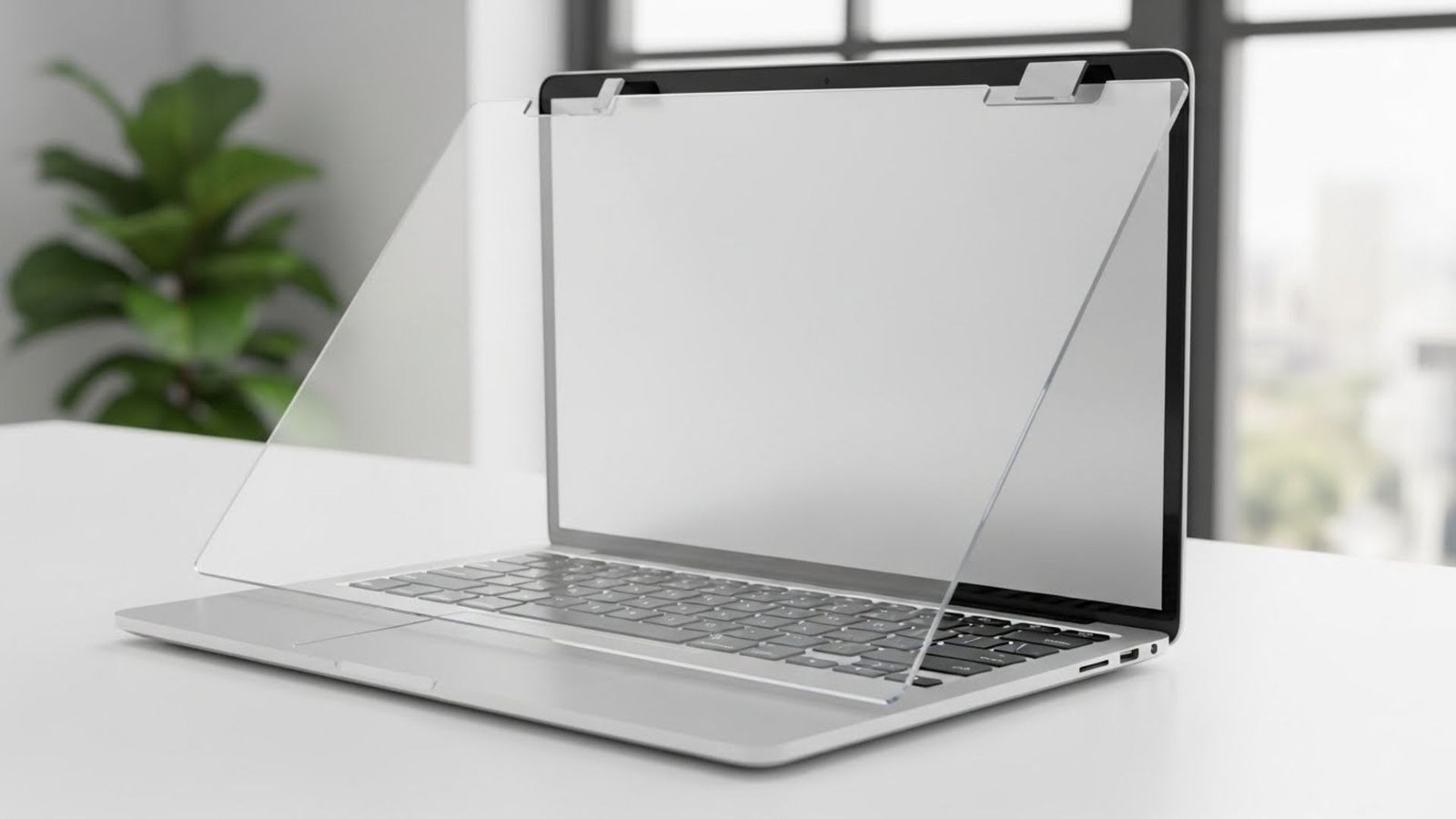
Most of us know to take the laptop out (unless you have PreCheck or are in a new CT scanner lane). But people forget iPads, Kindles, and portable monitors.
The Science: Lithium-ion batteries are dense metal slabs. If you leave a tablet in your bag, it acts like a lead shield. The machine cannot see anything beneath it.
The Fix: Don’t stack electronics. Even if you have PreCheck, if you stack your iPad on top of your laptop, the combined density is too high. Keep them side-by-side or in separate pockets.
8. The “Executive” Shoe Problem
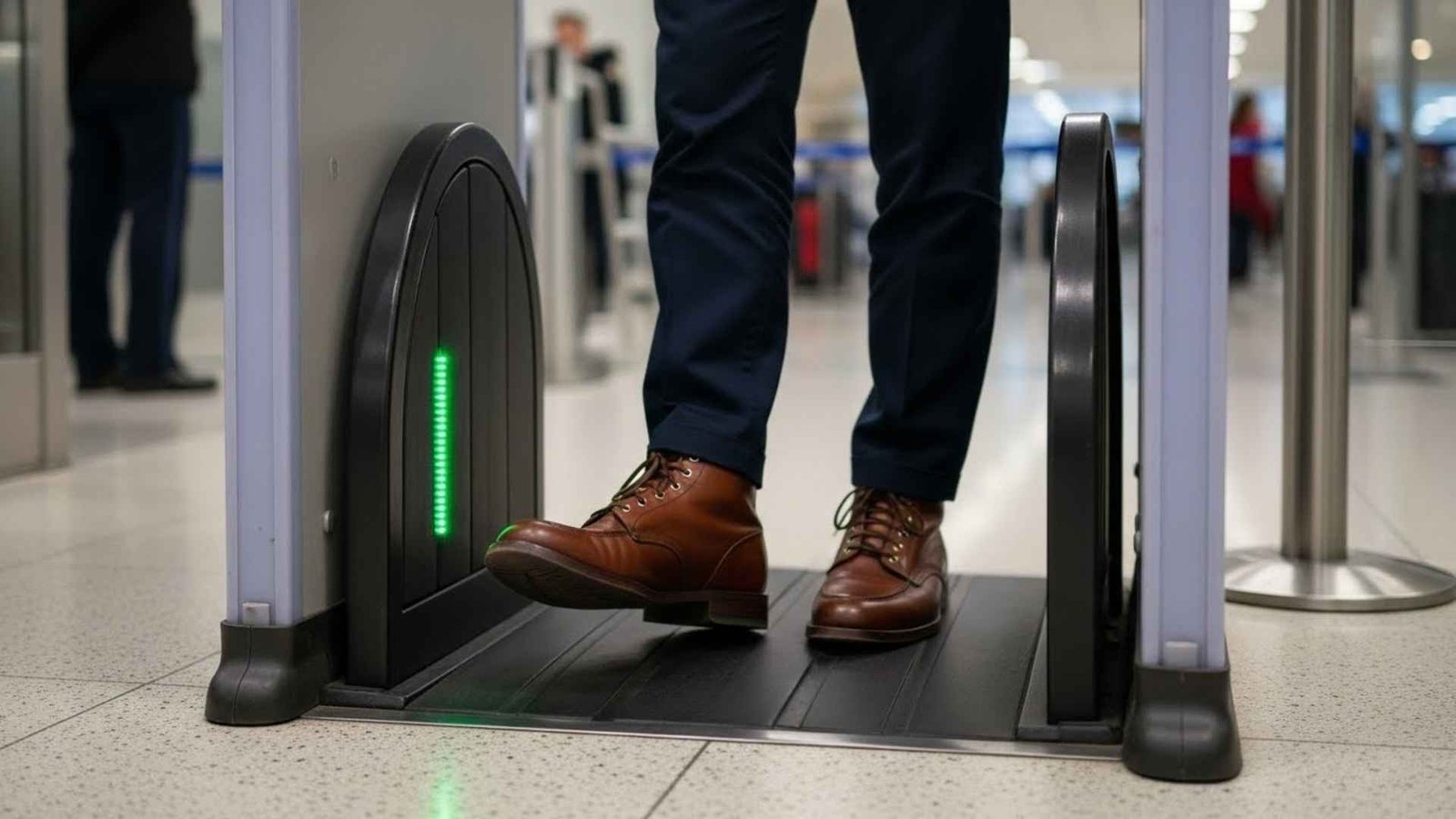
You’re wearing your nice Italian loafers or your sturdy Red Wing boots. You step through the metal detector and… BEEP.
The Reality: It’s the Steel Shank. High-quality shoes have a piece of metal in the sole for arch support. It’s enough to set off the detector every single time.
The Fix:
- Carbon Fiber: Look for brands that use carbon fiber or fiberglass shanks (like some specialized airport-friendly boots). They offer the same support but are invisible to the detector.
- The Slip-On: If you must wear the steel shanks, wear loafers. If you’re going to beep, at least be the person who can slip their shoes off in 2 seconds, not the guy unlacing boots for 5 minutes.
9. The Medical Panic (Inhalers)
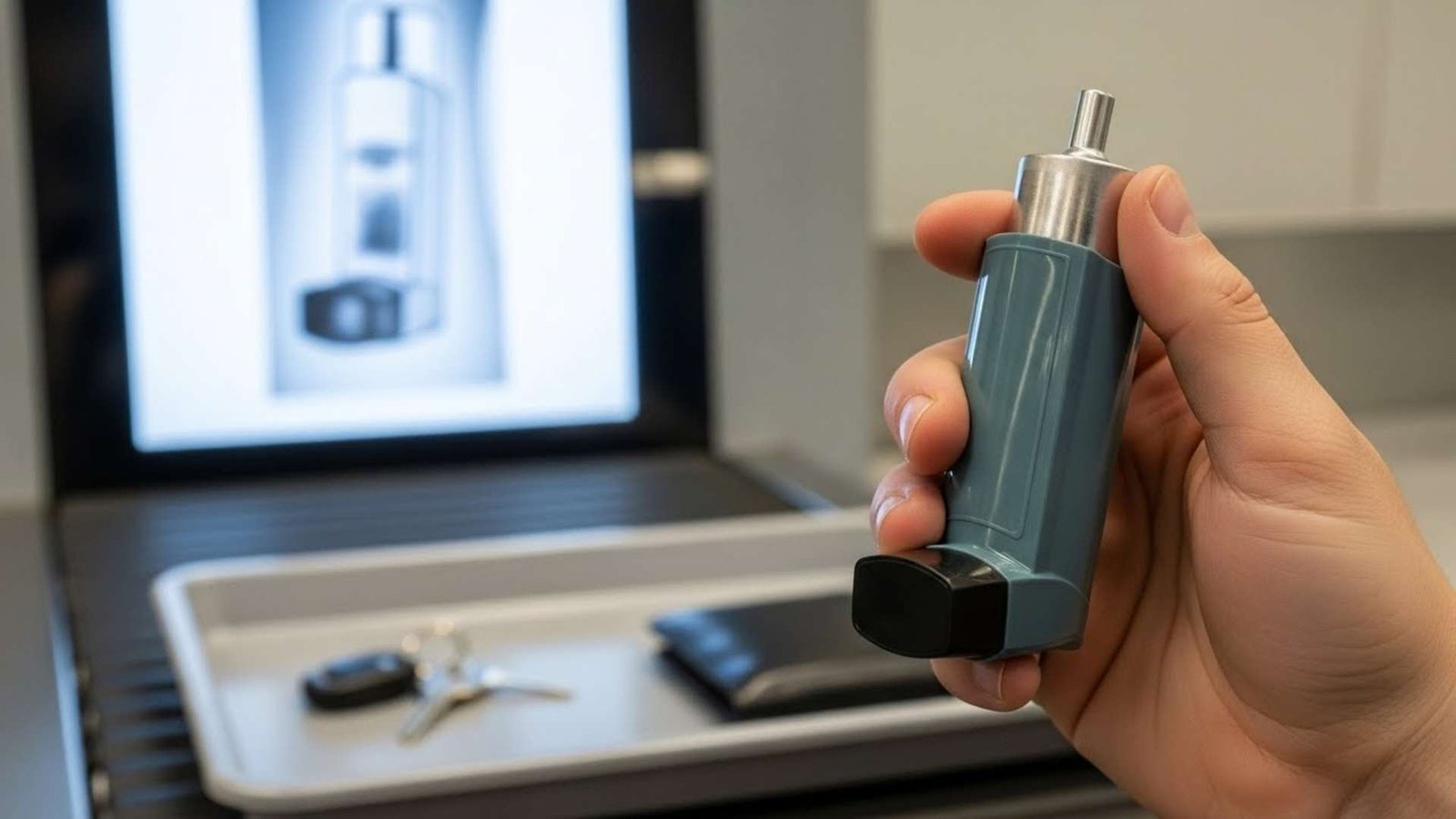
Inhalers are obviously allowed, but the canister is a pressurized metal cylinder containing liquid. It looks like a mini pipe bomb or a gas canister on the screen.
The Fix: Don’t bury it deep in your toiletries. Put it in a clear bag and declare it, or at least put it in the bin so it’s visible.
The Trade Show Regret
Result: Manual Search Every Time.
Save your back & skip the delay.
Returning from a conference with a metal prototype, a heavy acrylic award, or a bag of weirdly shaped swag?
The Reality: The machine relies on a library of known shapes (guns, knives, bottles). A custom-machined metal part is an “anomaly.” It forces a manual search every time.
The Fix: Ship it. Seriously. Spend the $30 at the FedEx center in the convention hall. The back pain and the security delay aren’t worth it.
11. The Bedazzled Hoodie

It’s not just what’s in your bag; it’s what’s on your back. Heavy metal zippers, sequins, or studs scatter the waves of the body scanner (the “hands up” machine). It looks like you’re concealing something on your torso.
The Fix: Wear a “clean” layer. A plain cotton t-shirt or a simple sweater. Put the heavy jacket or the studded hoodie through the X-ray belt.
The Human Factor: Why You Should Care About “Friction”

Look, I know this sounds like a lot of work just to get on a plane. But here is the reality of the checkpoint: it is a high-stress environment.
Research shows that when security officers are stressed (high cortisol), their ability to detect actual threats goes down. When you present a cluttered, dense, messy bag, you are spiking the cognitive load of the human looking at the screen. You are making their job harder, which makes them slower, which makes everyone stressed.
By packing “clean”—by decluttering your cables, separating your food, and understanding density—you aren’t just following rules. You are hacking the system. You are presenting an image that says “I am safe, and I am easy.”
Travel Smarter: Gear That Actually Helps
Look, knowledge is power, but sometimes you just need the right gear to do the heavy lifting for you. I’ve tested a mountain of travel accessories, and honestly, most of it is junk. But there are a few items that don’t just look cool—they genuinely solve the physics problems we just talked about. If you want to breeze through that checkpoint like you own the place, these are the upgrades worth the investment.
1. The “Cable Spaghetti” Solution: Bellroy Tech Kit

This is the gold standard for a reason. It zips out flat (the “butterfly” effect we want), meaning X-rays can see every single cable individually without you having to unpack. No more knots, no more “dense organic mass” alerts from your charger collection.
2. The “See-Through” Hero: Calpak Clear Cosmetics Case

Stop using flimsy Ziplocs that rip halfway through the trip. This case is completely transparent but structured. It tells the TSA officer immediately: “I have nothing to hide.” It’s perfect for those dense snacks, inhalers, or liquids that usually trigger a bag search.
3. The Infinite Business Card: Popl Digital NFC Card

Remember the “dense brick” of paper business cards? Ditch them. The Popl card uses NFC (like Apple Pay) to tap your info instantly onto someone’s phone. One card replaces 500, saving you weight and keeping your bag density low.
4. The Belt You Never Take Off: Arcade Ranger Belt

This is a game changer. It’s a stretchy, comfortable belt with a high-density plastic buckle. It looks great with jeans or khakis, but here’s the magic: It is 100% metal-free. You can wear it through the metal detector and the body scanner without beeping.
5. The Laptop Life-Saver: SwissGear ScanSmart Backpack

If you hate taking your laptop out, this is the workaround. These backpacks have a dedicated “ScanSmart” compartment that unzips and lays flat on the belt. It separates your laptop from the rest of your junk so the X-ray gets a clear view, and you get to keep your computer protected in its sleeve.
