
Let’s be honest for a second. There is a specific, maddening moment that happens to almost everyone somewhere between 45 and 55.
You’re doing the same things you’ve always done. You’re eating the same turkey sandwich for lunch. You’re doing the same 3-mile jog on Thursdays. But suddenly, the math stops working. The scale is creeping up, your favorite jeans are digging into your waist, and you feel… well, you feel like your body has turned against you.
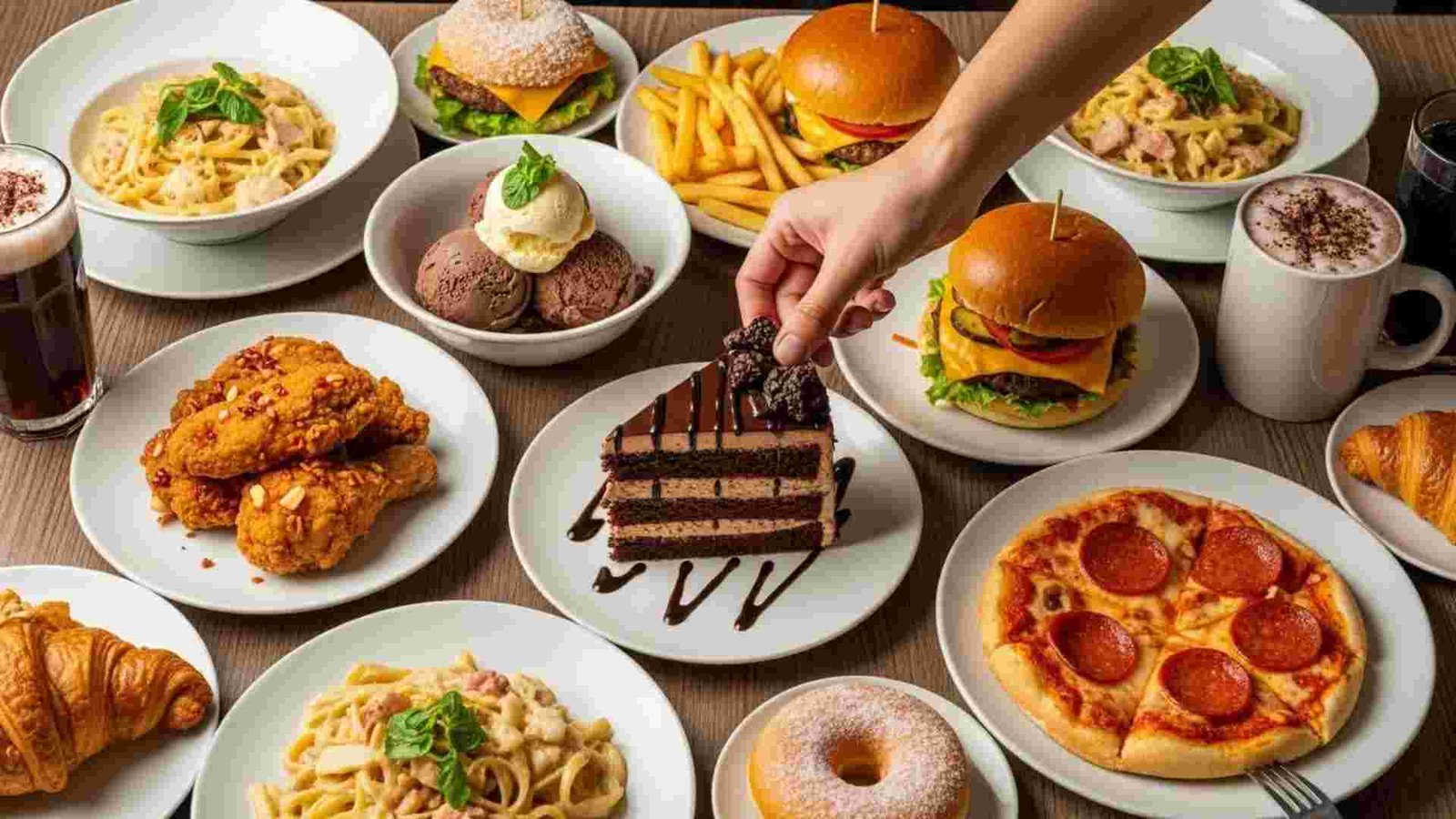
You might even joke, “I swear, I gain weight just by looking at a donut.”
Here’s the thing: You’re not crazy. And you’re not imagining it.
For decades, we’ve been gaslit by a “Calories In, Calories Out” dogma that treats the human body like a simple calculator. But the body isn’t a calculator; it’s a chemistry lab. And as we hit menopause or andropause, the chemistry changes. The lab gets chaotic.
We’re going to walk through the 10 specific ways your metabolism shifts during this season of life. We call them “Metabolic Betrayals” not to be dramatic, but because that’s exactly what they feel like. But once you understand the betrayal, you can rewrite the contract.
1. The Phantom Feast (Yes, Looking at Food Counts)
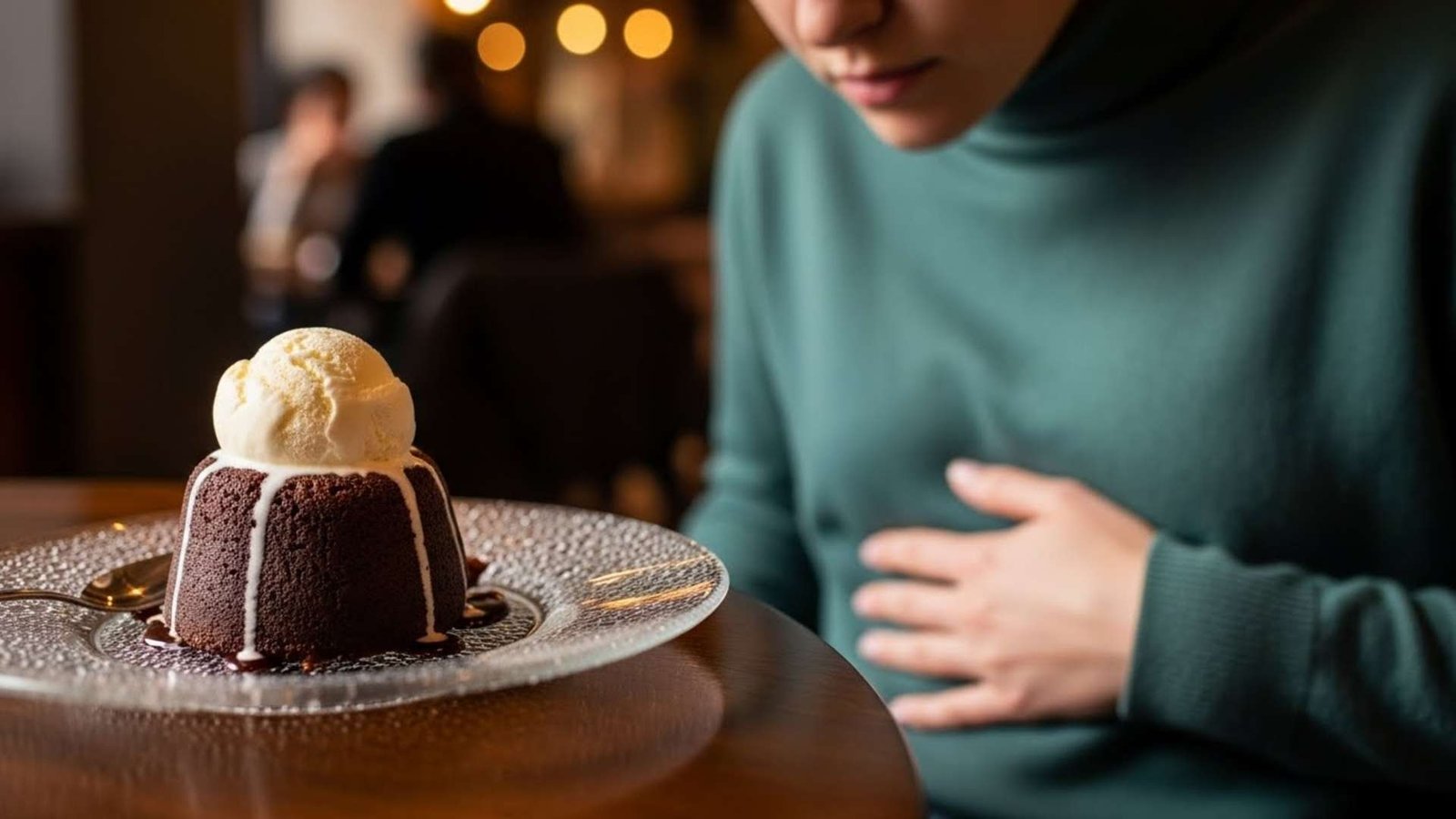
Remember that joke about gaining weight by looking at dessert? Science calls it the Cephalic Phase Insulin Response (CPIR).
It’s actually a survival mechanism. Back when food was scarce, if our ancestors saw a honeycomb, their brains would immediately signal the pancreas to release insulin before they took a bite. This “pre-release” prepped the body to store that precious energy immediately.
Today? It’s a trap.
When you walk past a bakery or scroll through “food porn” on Instagram, your brain sends a signal down the vagus nerve to your pancreas. Your body releases insulin—the hormone whose primary job is to lock fat cells in storage mode—without you eating a single crumb.
If you don’t eat, your blood sugar drops slightly because of that insulin spike, triggering “reactive hunger.” So now, you’re in fat-storage mode and you’re starving.
The Takeaway: Your environment matters more now than ever. If you’re surrounded by visual food cues, your body is constantly priming itself to store fat.
2. The Gummed-Up Lock (Insulin Resistance)

If CPIR is the spark, Insulin Resistance is the slow burn.
Think of insulin like a key. Its job is to unlock your cells so energy (glucose) can get in and power your muscles. When we’re young, that lock turns easily. But after years of high-carb diets, stress, and aging, the lock gets “gummed up.”
Dr. Jason Fung, a nephrologist who changed how we see obesity, uses a great analogy: The Sponge. Imagine your liver is a sponge. In a healthy body, the sponge is dry. You eat, it soaks up energy. But in midlife, for many of us, that sponge is already soaking wet. It’s full.
So when you eat an apple, your body wants to put that energy into the sponge, but it can’t. It spills over into the bloodstream. Your pancreas panics and pumps out more insulin to force it in.
Why this hurts you:
- Insulin is the “Fat Storage Hormone.” You physically cannot burn fat when insulin is high.
- The CDC Reality Check: Nearly 50% of adults over 65 have prediabetes (which is basically insulin resistance). You aren’t lazy; your chemistry is just fighting to store energy rather than burn it.
3. The Cortisol “Stress Magnet”

You know that specific type of weight gain that sits right on the belly? The “spare tire” that wasn’t there five years ago? That’s cortisol.
In our reproductive years, women have plenty of estrogen and men have plenty of testosterone to buffer the effects of stress. But as those hormones drop, cortisol—the stress hormone—takes the wheel.
And cortisol is a bully. It doesn’t just store fat; it acts like a magnet, specifically directing fat to the visceral area (deep inside the belly). Why? Because visceral fat has four times more cortisol receptors than the fat on your legs or arms.
The Kick in the Teeth: Visceral fat isn’t just dead weight. It’s biologically active. It contains an enzyme called 11-beta HSD1 that literally creates more cortisol. Your belly fat is stressing you out, creating a loop that keeps the fat right where it is.
4. The Traffic Jam (Leptin Resistance)

Leptin is the hormone that tells your brain, “We’re full, stop eating.” In a perfect world, more body fat = more leptin = less hunger.
But in midlife, this signal gets scrambled. Think of leptin like delivery trucks trying to get a message to Headquarters (your brain). If you have too much body fat, you have thousands of trucks on the road. The result? A massive traffic jam.
The trucks are there, but the message never gets to Headquarters. Your brain looks out, sees no trucks arriving, and assumes you are starving.
So, despite having plenty of energy stored, your brain cranks up the hunger dial and slows down your metabolism to “survive” the famine it thinks is happening. This is why willpower fails—you’re fighting a biological survival drive.
5. The Vanishing Engine (Sarcopenia)
This is the one we need to talk about most because it’s the one you can actually fix.
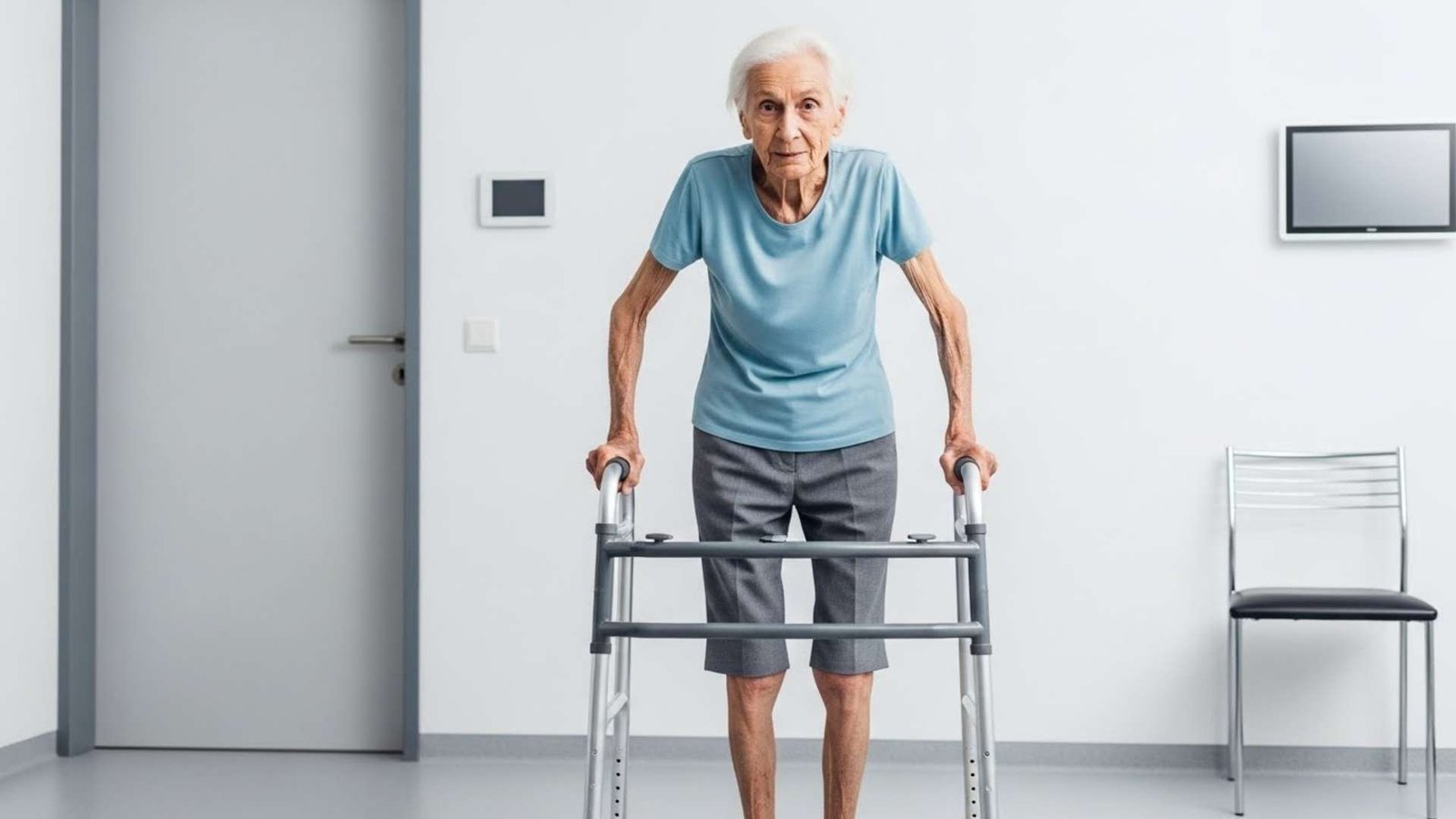
Your muscles are your metabolic engine. They burn calories just by existing. But starting in our 30s, and accelerating rapidly after 50, we lose muscle mass—a condition called Sarcopenia.
If you lose muscle, your engine gets smaller. You can eat the exact same amount of food you ate at 40, but at 55, you gain weight because your engine burns 300 fewer calories a day.
The “Dimmer Switch” Problem: Building muscle gets harder, too. It’s called Anabolic Resistance. When you were 20, a skimpy chicken breast (20g of protein) was enough to flip your muscle-building switch to “ON.”
Now? That switch is a dimmer, and it’s stuck on low. You need a huge surge of protein—30 to 45 grams in a single sitting—just to get the same response you used to get from a snack.
Dr. Peter Attia, a leading longevity expert, suggests we need to be aggressive here. He recommends aiming for 1 gram of protein per pound of body weight. That sounds like a lot (because it is), but it’s the only way to overcome that resistance.
6. The Hormonal Shield Drops
For women, estrogen was a metabolic shield. It kept insulin sensitivity high and directed fat to “safe” storage areas like the hips and thighs. When menopause hits and estrogen plummets, that shield vanishes. The body immediately shifts to storing fat in the belly (visceral fat), which is more inflammatory.
Dr. Mary Claire Haver, the OBGYN behind the Galveston Diet, points out that this isn’t just about calories. It’s about inflammation. The drop in estrogen removes a natural anti-inflammatory buffer, meaning “eat less, move more” stops working if you aren’t also addressing the inflammation.
For men, it’s a slower leak (Andropause), but the result is similar. Testosterone is a fat-burning powerhouse. As it declines (~1% a year), you lose that natural furnace.
The “Dirty Engine”
⚡ The Power Plant
Inside your cells, mitochondria act as tiny engines turning food into energy.
🏭 The Aging Rust
Over time, the engines get inefficient. They leak energy and produce exhaust (free radicals) instead of clean power.
⛽ The Clogged Injector
When cells can’t burn fuel fast enough, the body shunts it into storage. You aren’t overeating; your engine just can’t keep up.
Deep inside your cells, you have tiny power plants called mitochondria. They turn food into energy.
As we age, these power plants get… rusty. They become inefficient. They start “leaking” energy and producing exhaust (free radicals) instead of clean power. This is the Mitochondrial Theory of Aging.
It’s like driving a car with a clogged fuel injector. You’re putting gas (food) in, but the engine is sputtering. Because your cells can’t burn the fuel fast enough, your body shunts it into storage (fat). You aren’t necessarily overeating; your cellular engines just can’t keep up with the intake anymore.
8. The Fire (Inflammaging)

This is a trendy term, but it’s real: Inflammaging. It’s chronic, low-grade inflammation that creeps up as we get older.
Why does it make you fat? Because inflammatory chemicals (cytokines) travel through your blood and physically block insulin receptors. They jam the lock.
It’s a vicious cycle:
- Belly fat releases inflammatory signals.
- Those signals cause insulin resistance.
- Insulin resistance causes more belly fat.
It’s a fire that feeds itself.
The Garden with Weeds
Gut Microbiome Shift🌱 The Crew Change
Your gut bacteria are crew members. As we age, the crew shifts toward a type called Firmicutes.
📈 The Efficiency Trap
These bacteria are calorie experts. A Firmicutes-heavy gut extracts 10-15% more calories from the same food.
⚖️ The Reality
You get “more bang for your buck” calorically. It’s not overeating; it’s just biological efficiency.
Your gut bacteria aren’t just passengers; they’re crew members. And the crew changes as we age.
We tend to see a shift toward a type of bacteria called Firmicutes. These guys are incredibly efficient at extracting calories from food. If you and a teenager eat the exact same almond, your Firmicutes-heavy gut might extract 10-15% more calories from that almond than theirs does.
It’s frustrating, but it’s reality. You are getting “more bang for your buck” calorically, whether you want to or not.
10. The Sleep Thief

Finally, we have to talk about sleep. Menopause and aging wreck our sleep—hot flashes, bathroom trips, general insomnia.
This isn’t just about being tired. It’s a metabolic emergency. A study from the University of Chicago found that sleep-deprived bodies spike Ghrelin (the “feed me” hormone) and tank Leptin (the “I’m full” hormone).
Basically, if you’re sleeping 5 hours a night, your body is hormonally screaming at you to eat sugar and carbs to stay awake. You’re fighting a losing battle against your own biochemistry.
Need a Little Extra Help? Tools for the Transition
Look, knowledge is power, but convenience is king. We just talked about hitting protein goals, lifting heavy, and protecting your sleep, but let’s be real—doing that in a chaotic world is hard. Sometimes, you just need the right gear to lower the barrier to entry. I’ve rounded up a few tools that act like scaffolding for your new habits. They aren’t magic wands, but they make doing the right thing a whole lot easier.
1. Optimum Nutrition Gold Standard 100% Whey Protein Powder

Why you need it: It’s almost impossible to hit that 30g anabolic threshold at breakfast with just eggs (you’d need 4-5). A scoop of this gets you there instantly without the cooking.
2. Fit Simplify Resistance Loop Exercise Bands

Why you need it: If the gym is intimidating or you just want to do “exercise snacks” while watching TV, these are perfect. They add that necessary mechanical tension to your muscles without stress on aging joints.
3. MZOO Luxury Sleep Eye Mask

Why you need it: To fight the “Sleep Thief” (Betrayal 10), you need total darkness to boost melatonin. This mask is a favorite because it has contoured cups that don’t press on your eyes.
4. Rubbermaid Brilliance Glass Storage Containers
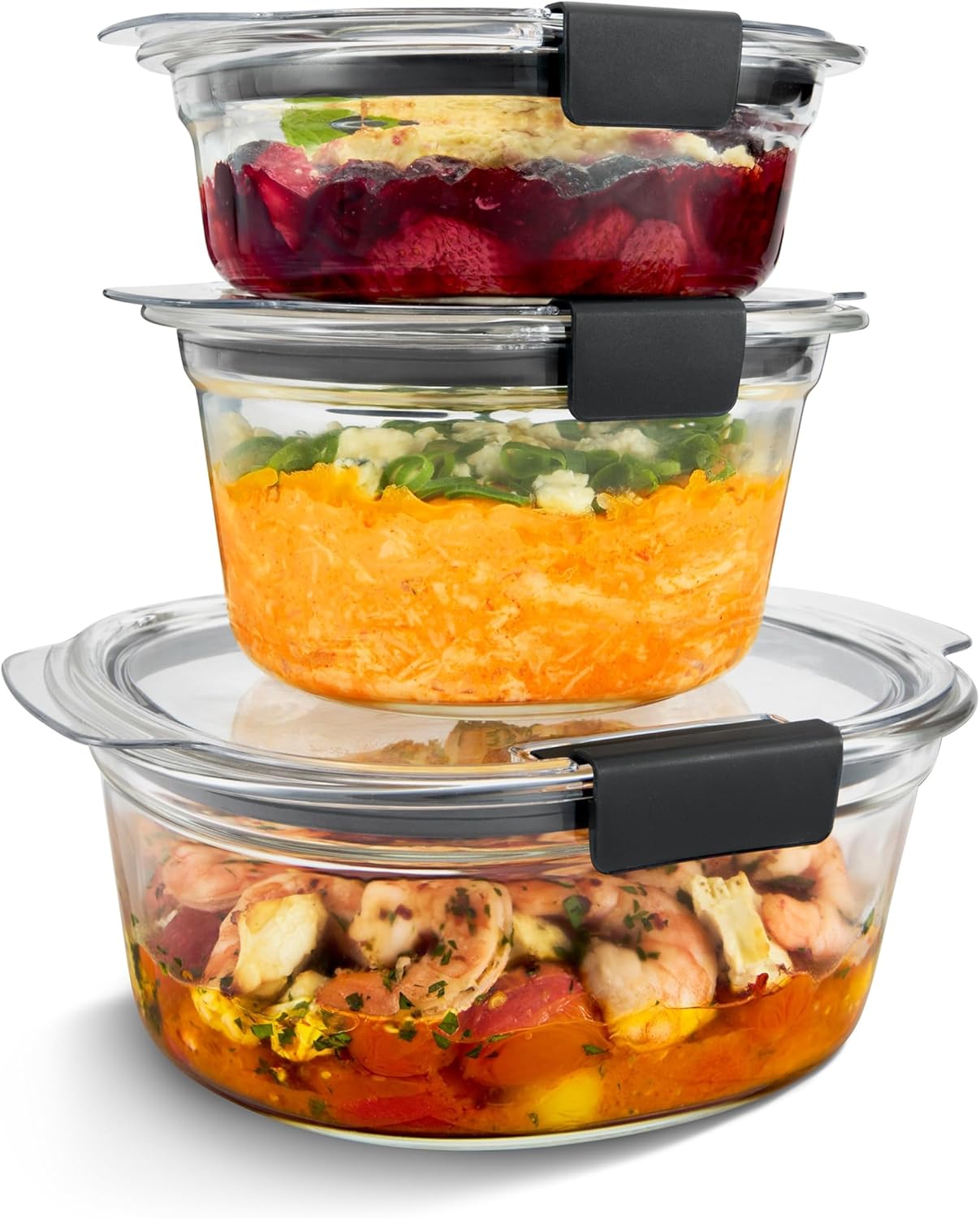
Why you need it: Remember “The Phantom Feast”? If you can see the food, you spike insulin. These leak-proof containers are perfect for meal prepping healthy portions and keeping the “bad stuff” hidden away or strictly portioned.
5. Benefiber Prebiotic Fiber Supplement
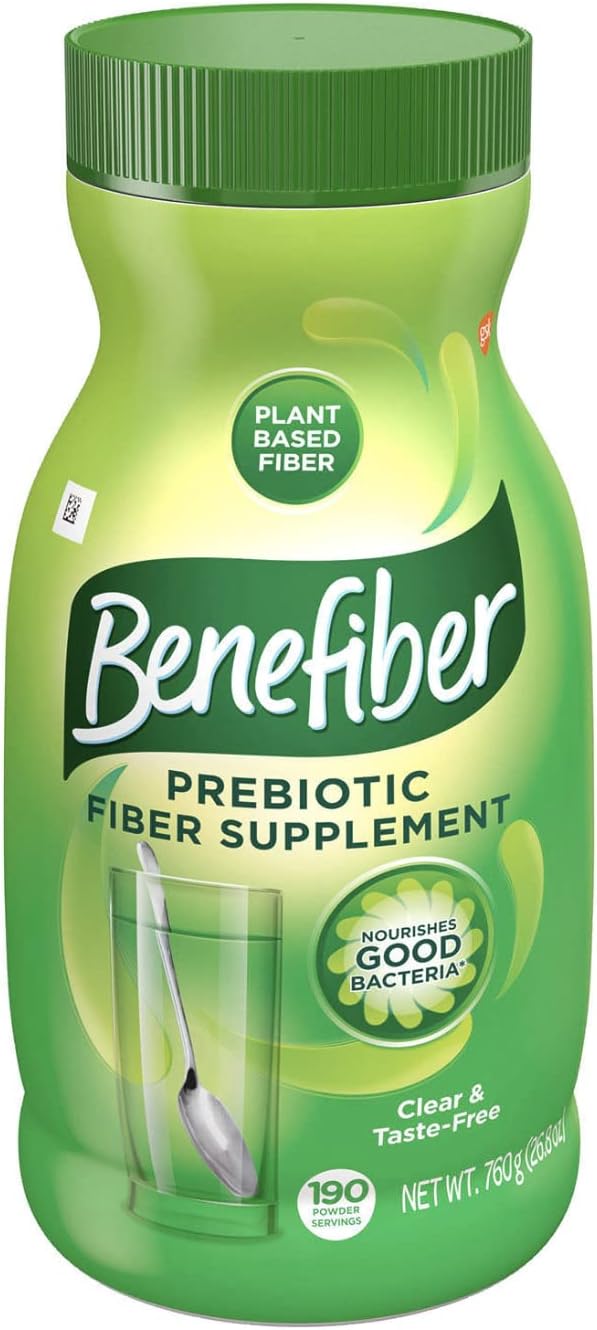
Why you need it: To fix the “Garden with Weeds” (Betrayal 9), you need to feed the good bacteria. This is an easy, grit-free way to add prebiotic fiber to your coffee or water without even noticing it.
