


You know that moment. You wake up the morning after a workout—or let’s be honest, maybe just after a vigorous afternoon of gardening—and you try to sit up. And you stop. You make that involuntary noise (you know the one) as you realize your lower back has seemingly fused into a solid block of concrete.
It’s frustrating. It feels like a betrayal.
I hear this constantly: “I used to play three pickup basketball games in a row, eat a slice of pizza, sleep for four hours, and do it all again the next day. Now, I look at a dumbbell and I’m sore for a week.”
Here’s the thing—it’s not in your head. And it’s not just that you’re “out of shape.” The machinery of your body has fundamentally changed its operating manual.
We often talk about aging like it’s a slow slide into weakness, but the science tells a more nuanced story. It’s not that your body can’t recover anymore; it’s that the signals, the fuel, and the repair crews are just operating on a different frequency.
Let’s pop the hood and look at exactly why you’re stalling out—and more importantly, how to get the engine running smooth again.
1. The “Dirty Engine” Problem (Mitochondrial Dysfunction)

Remember high school biology? The “mitochondria is the powerhouse of the cell”? Well, it turns out that wasn’t just trivia. These tiny organelles are the engines inside your muscle cells that turn food into energy.
When you were 20, you had a fleet of brand-new, high-performance engines. They burned fuel cleanly and produced massive amounts of energy (ATP) to repair your tissues.
But as we hit our 40s and 50s, those engines start to get a little… leaky. Research shows that aging mitochondria become less efficient. They don’t just produce less energy; they actually start spewing out “exhaust” in the form of Reactive Oxygen Species (ROS) or free radicals.
Think of it like this: You’re trying to renovate a house (your muscle recovery), but the power generator is sputtering, and it’s filling the room with smoke. Instead of focusing 100% on the renovation, your cells have to stop and spend valuable energy cleaning up the smoke. That’s energy that isn’t going toward fixing your sore hamstrings.
The Sponge Is Dry!
Anabolic ResistanceOlder muscles have a higher threshold. 20g isn’t enough to flip the switch. You are stuck in breakdown mode!
You need 30-40g protein in a single sitting to trigger repair.
This is probably the most unfair change of all. It’s called Anabolic Resistance, and it changes the way you need to eat.
In your younger years, your muscles were like fresh, absorbent sponges. You could eat a small amount of protein—a couple of eggs, a handful of nuts—and your muscles would immediately soak it up and start rebuilding.
As we age, that sponge dries out. It gets stiff.
You can see the difference above. To get that “stiff sponge” to absorb anything, you can’t just sprinkle water on it. You have to flood it.
The science is clear: older muscles have a higher “leucine threshold.” Leucine is the amino acid that flips the “growth switch” in your cells. A young person might flip that switch with 20 grams of protein. You? You might need 30 or 40 grams in a single sitting just to get the same repair signal.
If you’re eating the same way you did in your 30s—toast for breakfast, a salad for lunch—you might be technically eating enough calories, but you’re never flipping that switch. Your muscles stay in breakdown mode, waiting for a repair signal that never comes.
3. The Fire That Never Goes Out (Inflammaging)

You’ve heard of inflammation. Usually, we think of it as a good thing: you cut your finger, it gets red and puffy, it heals, and the redness goes away. That’s acute inflammation—the first responder.
But there’s a darker cousin called “Inflammaging.”
This is a chronic, low-grade inflammation that simmers in the background as we get older. It’s caused by a lifetime of exposure to stress, processed foods, and environmental toxins, plus those “leaky” mitochondria we talked about earlier.
Look at the difference in the image above. When you have this background “forest fire” burning, your immune system is perpetually distracted.
When you do a heavy workout, you create micro-tears in your muscle fibers (which is how we build muscle). Your body should rush to fix them. But if your immune system is already busy fighting this chronic, systemic fire, the repair crew arrives late. That soreness that used to last 24 hours? Now it lingers for three or four days because the cleanup crew is overwhelmed.
4. The Sleep Thief (Vanishing Deep Sleep)

If exercise is the architect, sleep is the builder. But specifically, we’re talking about Deep Sleep (or Slow Wave Sleep). This is the magical time when your brain washes itself of toxins and, crucially, when your pituitary gland releases Growth Hormone.
Here’s the heartbreaking stat: Deep sleep declines by about 50% from age 20 to age 80.
As you can see in the chart, that dark blue section—the deep, restorative sleep—shrinks as we age. It’s often replaced by lighter sleep or just being awake (that’s the “Wake” section creeping up).
You might be in bed for 8 hours, but if you aren’t getting into that deep restorative zone, you aren’t getting the hormonal reset you need. You wake up with yesterday’s damage still un-repaired, and yesterday’s cortisol still floating around your system.
The “Neural Hangover”
The Symptoms:
Physically strong, but limbs feel like they are moving through Molasses?
Your CNS insulation (myelin) thins out. The signal from brain to bicep isn’t crisp anymore.
It’s a Recharge Issue.
Have you ever felt physically strong enough to work out, but your body just felt… heavy? Like your limbs were moving through molasses?
That’s often Central Nervous System (CNS) Fatigue.
Your brain and spinal cord drive your muscles. Over time, the wiring can get a little frayed. We lose motor neurons, and the insulation (myelin) on our nerves can thin out. This means the signal from your brain to your bicep isn’t as crisp as it used to be.
When you push hard, your CNS takes a hit. In your 20s, your nervous system rebounded overnight. Now, it might take 48 hours to recalibrate your neurotransmitters. That “lazy” feeling isn’t laziness—it’s a neural hangover. Your battery is recharging slower.
So… Are We Doomed?
Absolutely not.
Here is the good news. We can’t stop the clock, but we can definitely clean the engine. I’ve looked at protocols from top exercise physiologists like Dr. Andy Galpin and Dr. Stuart Phillips, and the consensus is that you can hack this system. You just have to be smarter than your biology.
Here is your new operating manual.
1. The “Protein Pacing” Protocol

Stop “backloading” your protein. Most of us eat a tiny breakfast, a medium lunch, and a huge steak for dinner. That doesn’t work for the “dry sponge” of aging muscle.
You need to hit that 30-40g threshold multiple times a day.
The Fix:
- Breakfast: Don’t just have oatmeal. Have Greek yogurt or eggs with the oatmeal. Aim for 30g protein.
- Lunch: Chicken breast, tuna, or lentils. Aim for 30g.
- Dinner: Aim for 30g. This strategy, called “Protein Pacing,” keeps your muscles in growth mode all day long, rather than just for a few hours at night.
2. Motion is Lotion (Active Recovery)

When you’re sore, your instinct is to sit on the couch. Don’t.
Sitting allows metabolic waste to pool in your tissues, making stiffness worse. You need to flush the system. The best way to do this is Zone 2 Cardio.
The Fix: Go for a walk or a very light bike ride.
- The Test: You should be able to have a full conversation with a friend (or talk to yourself, I won’t judge) without gasping for air. If you can’t talk, you’re going too hard. If you can sing an opera, you’re going too easy.
- Why it works: This low-intensity movement pumps fresh, oxygenated blood into your tissues without creating new damage. It’s like a gentle power-wash for your cells.
3. The “Old Man/Lady” Supplement: Creatine

I know, you think Creatine is for bodybuilders in tank tops. It’s not. It’s arguably the most important supplement for aging.
Creatine acts as a backup battery for your cells. It helps recycle energy (ATP) quickly. It’s been shown to improve muscle strength, bone density, and even cognitive function in older adults. It hydrates the muscle cell, protecting it from damage.
The Fix:
- Take 3-5 grams of Creatine Monohydrate daily. It’s cheap, tasteless, and safe. Think of it as insurance for your mitochondria.
4. Protect Your Sleep Like a Fortress

You can’t force deep sleep, but you can set the stage for it.
- Cool it down: Your body temp needs to drop to enter deep sleep. Keep your room around 65-68°F.
- Cut the nightcap: I hate to be the bearer of bad news, but alcohol obliterates deep sleep. It might help you pass out, but it fragments your sleep architecture, robbing you of that recovery window.
Need More Help? (Some Tools I Actually Like)
Look, you don’t need gadgets to get fit. But if you’re trying to outsmart an aging body, sometimes it helps to have the right tools in your corner. I’ve dug through the clutter to find a few things that actually align with the science we just talked about—no snake oil, just stuff that helps you sleep deeper, recover faster, and hit those protein goals without losing your mind.
1. Thorne Magnesium Bisglycinate:

Most of us are deficient in magnesium, and it’s crucial for relaxing muscles and calming the nervous system. The “Bisglycinate” form is key because it’s easy on the stomach and specifically helps with sleep.
2. Optimum Nutrition Micronized Creatine:

This is the gold standard. It’s pure, it mixes easily into your morning coffee or water, and it doesn’t have any weird additives. If you want to fix that “dirty engine” energy leak, this is the fuel.
3. Fitbit Charge 6:
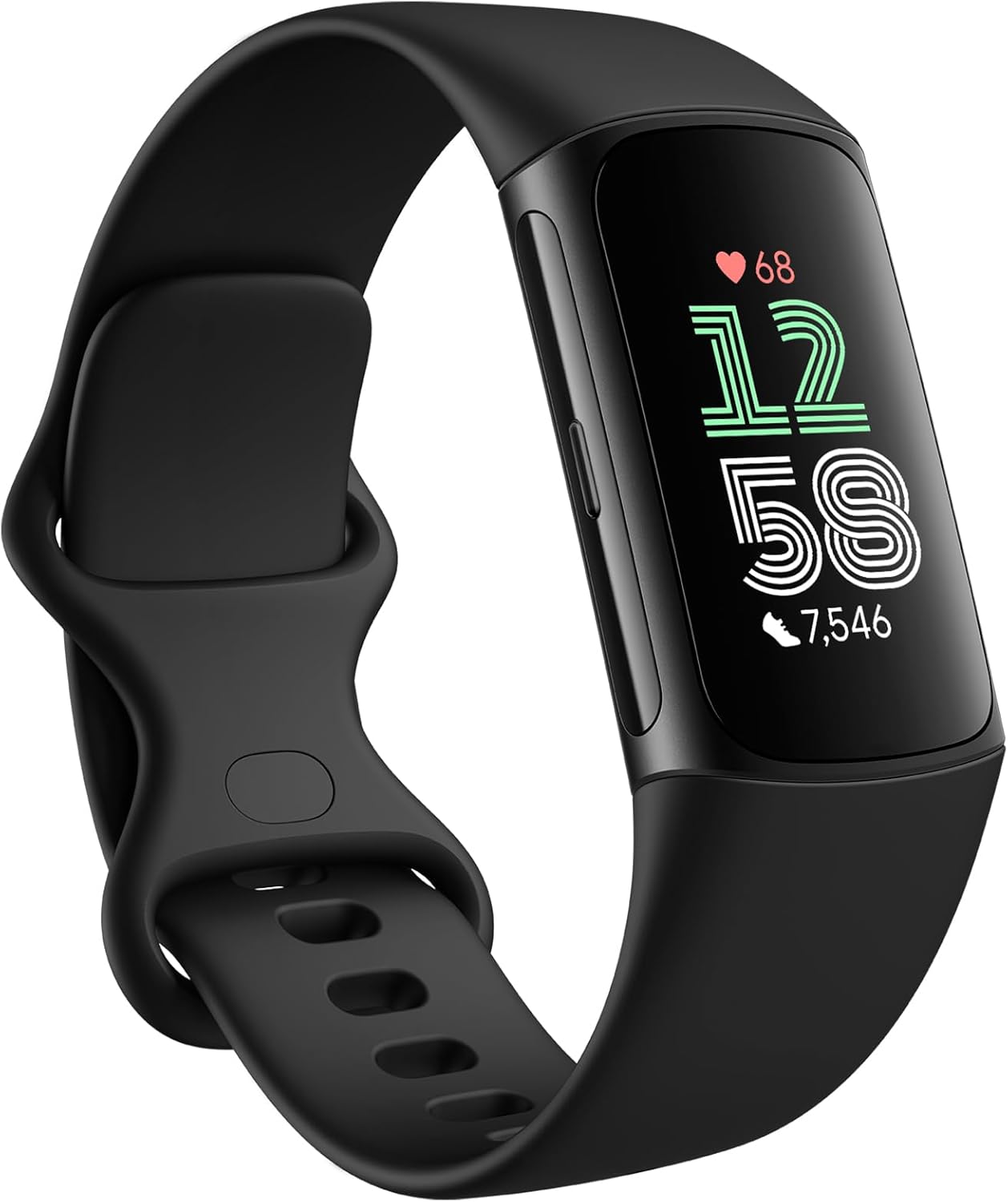
It’s hard to know if you’re in “Zone 2” (active recovery) or if you’re pushing too hard. The Charge 6 is great because it’s simple, accurate, and gives you a “Daily Readiness Score” that actually tells you if your body is up for a workout or if you need more rest.
4. Renpho Active Massage Gun:

Sometimes walking isn’t enough to work out the stiffness. While Theraguns are famous, this Renpho model is a fraction of the price and does an incredible job of driving blood flow to sore areas. It’s a lifesaver for tight hamstrings.
5. Optimum Nutrition Gold Standard Whey:

Hitting 30g of protein at breakfast is hard if you just eat toast. A scoop of this has 24g of high-quality protein. Mix it with some yogurt or milk, and you’ve hit your threshold before 9 AM.
