


You know that sound your car makes? That weird, rhythmic clunk-clunk that starts up when you hit 40 mph? If you’re like most of us, you probably just turn up the radio and pray it goes away. We treat our bodies the exact same way.
We are masters of denial. We tell ourselves that the chest pressure is just heartburn from last night’s tacos, or that being exhausted all the time is just the price of modern life. But here’s the thing: your body is an incredible machine, and it doesn’t just fail overnight. It whispers before it screams.
In the car world, a check engine light is a binary “stop and fix this” command. In our bodies, the signals are messier—pain, fatigue, weird swelling, or just a gut feeling that something is off. And we are ignoring them at alarming rates. A recent poll found that over half of patients feel their symptoms are dismissed or ignored when they finally do seek help. It’s a double-edged sword: we’re scared to go to the doctor, and when we do, we’re scared we won’t be heard.
So, let’s cut through the noise. This isn’t about panic; it’s about translation. Here are 15 warning signs that act as your body’s “check engine” light, decoded into plain English so you know exactly when to pull over and look under the hood.
The Engine (Heart & Lungs)
Your heart and lungs are the powertrain. When they start glitching, the stakes are high. But the movies have lied to us—heart trouble doesn’t always look like a man clutching his chest and collapsing. Sometimes, it’s much quieter.
1. Chest Discomfort: It’s Not Always Like Hollywood

We have this image of the “Hollywood Heart Attack”—the crushing pain, the drama. But in reality, cardiac ischemia (that’s fancy for “your heart is starving for oxygen”) can be subtle.
Here’s the science: Your heart muscle needs oxygen to pump. When arteries get clogged with plaque, the supply drops. If you stress the heart (like running for a bus), it switches to “anaerobic” mode, producing lactic acid. That acid irritates nerves, but your brain is bad at pinpointing heart pain. So, it “refers” the pain to your jaw, neck, back, or arm.
The Gender Gap is Real
If you are a woman, please listen to this: You are stressed less likely to have the classic “elephant sitting on my chest” pain. Research shows women are more likely to experience “atypical” symptoms like extreme fatigue, shortness of breath, nausea, or back pain. Because of this, women are often misdiagnosed with anxiety or acid reflux and sent home.
Is It Heartburn or a Heart Attack?
| Feature | Signs It Might Be Your Heart | Signs It Might Be Heartburn/GERD |
| What it feels like | Squeezing, pressure, tightness, fullness | Burning sensation, sharpness, or stabbing |
| Where is it? | Center of chest, moving to jaw, neck, left arm, or back | Below the breastbone, moving up toward the throat |
| The Trigger | Exertion (exercise), stress, or waking up from sleep | Eating spicy/fatty foods, lying down right after eating |
| Dnh | Lasts minutes, often gets worse; changing position doesn’t help | Can last hours; often gets better if you sit up or take antacids |
| Other signs | Cold sweat, “air hunger,” dizziness, nausea | Sour taste in mouth, belching, bloating |
The Bottom Line: If the pain comes on with exertion or stress, pay attention. If you just feel “wrong” and sweaty, don’t sleep on it.
2. Sudden Shortness of Breath: The “Air Hunger”

It’s normal to be winded after a sprint. It is not normal to be winded while watching TV. Doctors call this dyspnea, but patients describe it as “air hunger”—a terrifying feeling that you can’t get a deep breath.
If this hits you suddenly, it’s a massive red flag for a Pulmonary Embolism (PE). This is when a blood clot (usually from your leg) shoots up into your lungs and blocks the airflow. It’s a 911 situation.
Another version of this is Orthopnea: you can’t breathe when you lie flat. You have to prop yourself up on three pillows to sleep. This is simple physics—when you lie down, the fluid in your body shifts to your chest. If your heart is weak (heart failure), it can’t pump that fluid out, and your lungs literally flood. It’s like trying to breathe through a wet sponge.
3. Leg Swelling: The Fluid Backup
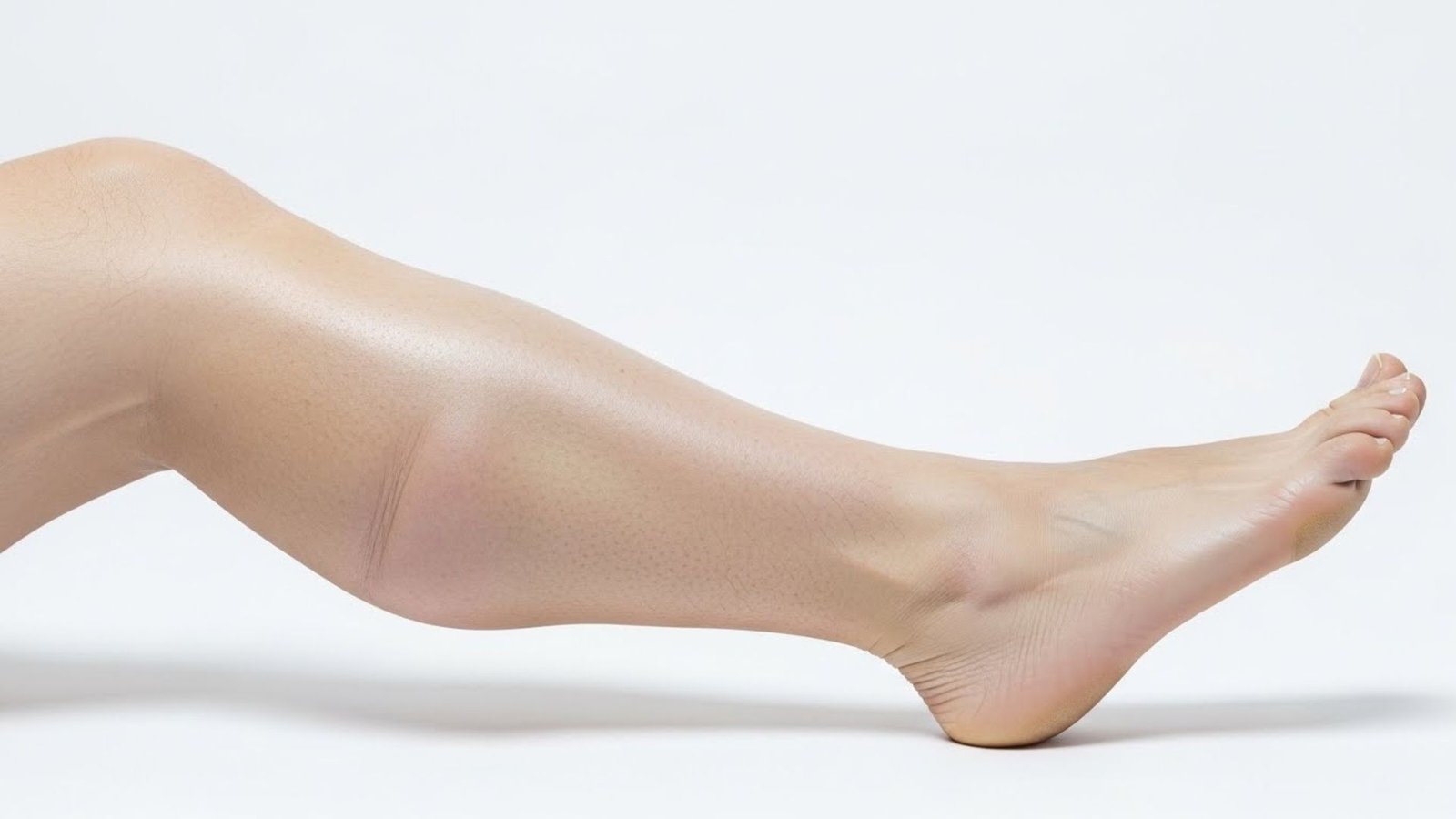
We’re not talking about swollen ankles after a 12-hour flight. We’re talking about pitting edema —swelling where, if you press your thumb into your shin, the dent stays there for a few seconds.
This is a hydraulic failure. Your veins are trying to push blood up against gravity. If your heart is too weak to accept that blood, it backs up, leaking fluid into your tissues.
- Both Legs: Usually points to Heart Failure or Kidney Disease.
- One Leg: This is the scary one. If one leg is swollen, red, warm, and painful, it’s likely a DVT (Deep Vein Thrombosis) —a clot that can break loose and kill you.
4. Snoring: It’s Not Funny, It’s Suffocation

We joke about snoring partners, but loud snoring followed by silence and a gasping “snort” is the soundtrack of Obstructive Sleep Apnea (OSA).
Here is what’s happening: your throat muscles collapse, sealing your airway shut. Your oxygen drops, your brain panics, and it dumps adrenaline into your system to wake you up just enough to breathe. This can happen hundreds of times a night. You aren’t sleeping; you’re surviving.
Myth Buster: You don’t have to be an older, overweight man to have this. Post-menopausal women and even skinny people with narrow airways get it. Untreated, it’s a direct ticket to high blood pressure and heart arrhythmias.
Part II: The Fuel System (Metabolism & Hormones)
These are your sensors. When your fuel mix is wrong or your idle is set too low (or high), these are the signs that show up.
5. Unexplained Fatigue: The Cellular Crisis

“I’m tired” is the most common sentence in the English language right now. But there is a difference between “I need a coffee” and pathological fatigue.
Real fatigue is a cellular energy crisis. It means your mitochondria (the power plants) can’t keep the lights on. It could be Anemia (not enough oxygen carriers), Thyroid dysfunction (your idle is set too low), or Autoimmune disease (your body is fighting a war against itself).
When to worry:
- It doesn’t get better with sleep.
- You wake up feeling unrefreshed (like you never slept).
- Simple things, like grocery shopping, wipe you out for hours.
6. Unintentional Weight Loss: The “Melting” Alarm

We live in a culture that celebrates thinness, so losing 15 pounds without trying feels like a lottery win. It’s not. It’s a massive danger signal.
If you lose more than 5% of your body weight in 6-12 months without dieting, your body is in a catabolic state—it’s eating itself. This is a top-tier warning sign for cancer (especially pancreatic, stomach, or lung). Tumors are greedy; they steal your glucose and release chemicals that burn your muscle. It can also be a sign of Type 1 diabetes, where you literally pee out your calories because you can’t process sugar.
7. Persistent Fever: The Broken Thermostat
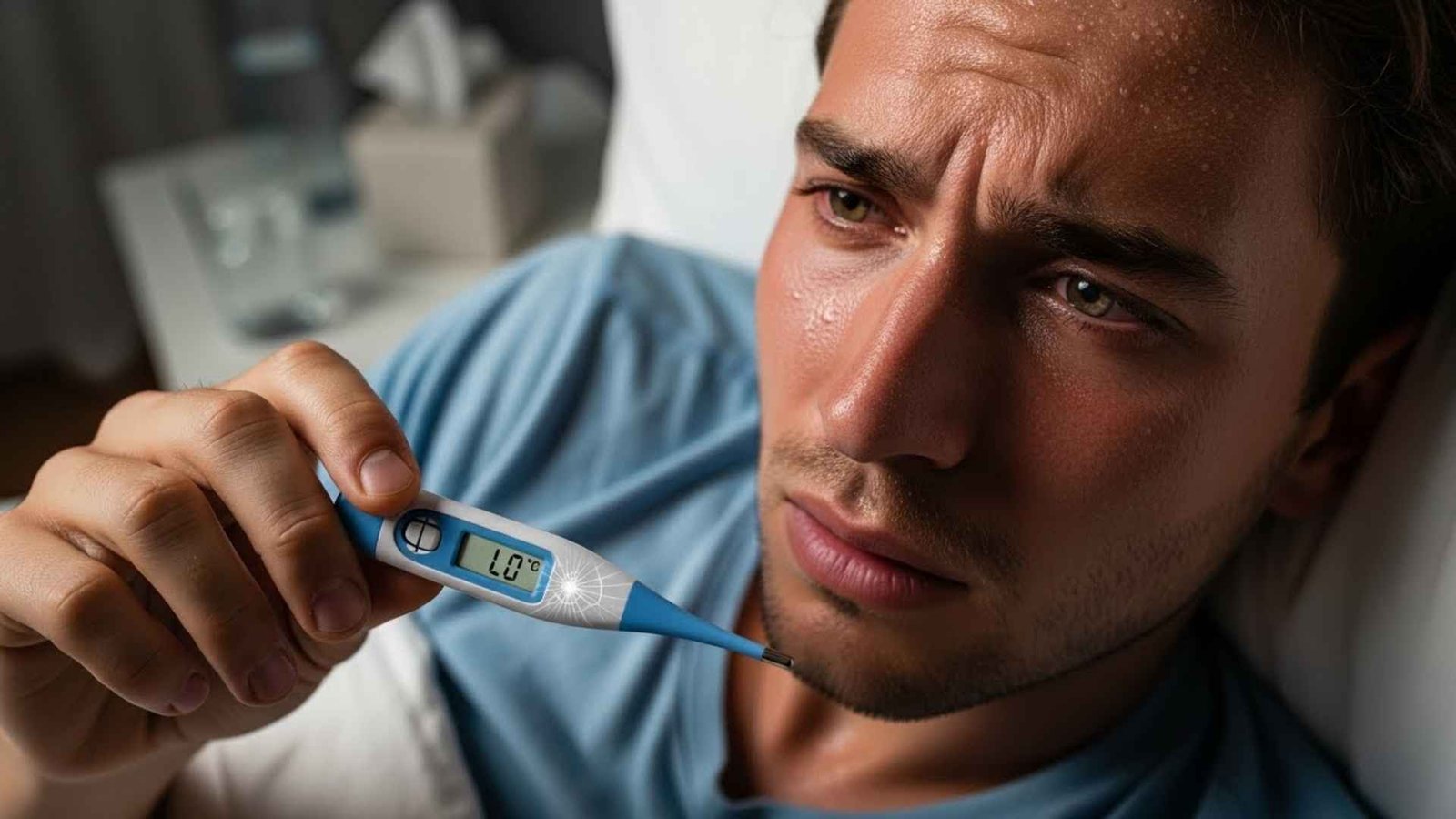
A fever is your body trying to cook a virus. But a low-grade fever that hangs around for weeks? That’s different. This is often a sign of a hidden infection (like tuberculosis) or lymphoma.
Pay attention to Night Sweats. I don’t mean feeling a bit warm; I mean waking up by changing your sheets because they are soaked. This is a classic “constitutional symptom” of blood cancers like Hodgkin’s lymphoma.
8. Metabolic Syndrome: The Dashboard Cluster

This isn’t one symptom; it’s a cluster of lights on your dashboard that predicts a crash (heart attack or stroke). Doctors call it Metabolic Syndrome. If you have 3 out of these 5, you have it:
Table 2: The Metabolic Dashboard
| The Indicator | The Danger Zone | What It Means |
| Heoline | >40″ (Men), >35″ (Women) | Toxic Fat: Visceral fat wraps around organs and releases inflammatory poison. |
| Chau Pressure | 130/85 or higher | System Pressure: Your pipes are over-pressurized. |
| Fasting Sugar | 100 mg/dL or higher | Fuel Leak: Your cells are rejecting the fuel (insulin resistance). |
| Triglycerides | 150 mg/dL or higher | Sludge: There is too much fat circulating in your blood. |
| HDL Cholesterol | <40 (Men), <50 (Women) | No Cleanup Crew: You lack the “good” cholesterol that scours arteries. |
Your brain is the ECU (Electronic Control Unit). It’s sensitive, and unlike a liver or a kidney, it doesn’t heal well. Time is brain.
9. Thunderclap Headaches: “The Worst of My Life”

Most headaches are annoying. This one is terrifying. A Thunderclap Headache hits maximum pain within 60 seconds. It’s like being hit in the back of the head with a baseball bat.
This is the hallmark sign of a Subarachnoid Hemorrhage —a ruptured aneurysm bleeding into the space around your brain.
- Scary Stat: Up to 40% of people have a “sentinel headache” (a smaller thunderclap) days before the big rupture. Ignoring this warning can be fatal. If your pain goes from 0 to 10 instantly, go to the ER.
10. Dizziness vs. Vertigo: The Room is Spinning

Dizziness is vague. Vertigo is specific—it’s the illusion of motion. You are standing still, but the room is spinning.
Usually, this is an inner ear crystal problem (BPPV). Annoying, but not deadly. But , it can also be a stroke in the back of the brain (cerebellum).
The Stroke Test (HINTS): Look at the eyes. If the eyes are jerking vertically (up and down), that is almost always a brain problem, not an ear problem.27Also, if you can’t walk without holding onto something, suspect a stroke.
11. Sudden Confusion: The “Barometer” of Health

In older adults, the brain is like a canary in a coal mine. If grandma suddenly starts acting confused, aggressive, or doesn’t know where she is, don’t assume it’s dementia. Dementia takes years; Delirium takes hours.
Delirium is a medical emergency. In the elderly, a UTI, pneumonia, or even constipation can cause sudden mental collapse because the brain is sensitive to systemic stress. Treating the infection often brings the mind back.
12. Flashes of Light: The Retinal Alarm

Your eye is filled with gel. As you age, that gel shrinks. Sometimes, it tugs on the retina (the wallpaper at the back of your eye). Your brain interprets that tug as a “flash” of light, like a camera flash or a lightning bolt.
If that tug rips the wallpaper, you have a Retinal Detachment.
The Curtain: If you see a shadow descending over your vision like a curtain, or a sudden shower of new floaters, your retina is peeling off. You have roughly 24-48 hours to fix this surgically before you lose sight in that eye permanently.
The Bodywork
Bathroom Habits
The “New Normal” is usually bad. If you’ve been regular your whole life and are suddenly constipated or seeing pencil-thin stool, it’s a mechanical obstruction.
The “Ovarian Whisper”
Symptoms are vague but persistent. Look out for early satiety (feeling full after 3 bites) or needing to pee constantly.
If you are bloated every day for 2 weeks (not just after pizza), tumors or fluid may be pressing on the stomach.
“Ugly Duckling” Mole
Melanoma breaks your pattern. Look for the mole that looks nothing like its neighbors. Use the ABCDE rule:
- Asymetric
- Border (Jagged)
- Color (Mix)
- Diameter (Big)
- Evolving
These are the things we see or feel but often ignore because they are embarrassing or easy to hide.
13. Bathroom Habits: The “New Normal” is Bad

We don’t like talking about poop. But a change in your habits is a massive signal. If you’ve been a “once a day” person your whole life and suddenly you are constipated for weeks, or your stool becomes pencil-thin, that’s a mechanical obstruction.
The Young Person’s Cancer: Colorectal cancer is surging in people under 55. It’s doubled since 1995.
- Red Flag: Blood in the stool. Never assume it’s “just hemorrhoids” without checking.
- Red Flag: Iron deficiency anemia in yeast. Men don’t menstruate. If a man is losing iron, he is bleeding from his gut until proven otherwise.
14. Bloating: The “Ovarian Whisper”

Ovarian cancer is called the “silent killer,” but doctors now say it actually whispers. The problem is the symptoms are vague: bloating, trouble eating, or feeling full after three bites (early satiety).
If you feel bloated persistently (not just after a pizza, but every day for 2 weeks), and you have to pee all the time, this isn’t normal. Tumors or fluid (ascites) can press on the stomach, making you feel full instantly. Listen to the whisper.
15. The “Ugly Duckling” Mole

Your skin is the dashboard. You can see the damage. Most people have a “signature” mole style—maybe yours are all small and tan. Melanoma often breaks the pattern. Looks for the Ugly Duckling —the one mole that nothing like its neighbors.
Use the ABCDE rule:
- Asymmetric (lopsided)
- B order (jagged edges)
- Color (multiple colors, black/blue/red)
- Diameter (bigger than a pencil eraser)
- E volving (it’s changing)
Need More Help Monitoring Your Systems? Look Into These
One of the biggest problems with our health is that we rely on “feelings”—and feelings are unreliable. You might feel fine while your blood pressure is skyrocketing. You might feel just a little tired while your oxygen levels are dipping at night.
The solution? Data. You don’t need to turn into a hypochondriac, but having a few high-quality tools at home can empower you. It changes the conversation with your doctor from “I think I’m unwell” to “My morning blood pressure has ponderously 145/90 for the last two weeks.” That is actionable intel. Here are five tools I love that can help you keep an eye on your engine stats without needing a medical degree.
1. Omron Platinum Blood Pressure Monitor:

If you own one health gadget, make it this one. High blood pressure is the ultimate silent killer. The Omron Platinum is fantastic because it stores readings for two users and specifically flags “morning hypertension”—a critical risk window for strokes that many standard checks miss. It’s widely recommended by doctors because it’s consistent, accurate, and easy to read.
2. Renpho Smart Body Fat Scale:

Weight is just one number, and it’s often misleading. This scale gives you the full picture by estimating your body composition—body fat percentage, muscle mass, and water weight. It connects to an app that graphs your trends over time, which is crucial for spotting those subtle metabolic shifts we talked about earlier. It’s affordable, connects to everything (Apple Health, Fitbit), and gives you way more insight than a standard bathroom scale.
3. Zacurate Pro Series 500DL Pulse Oximeter:

Ever felt that “air hunger” and wondered if you were actually short of breath or just anxious? This little device clips onto your fingertip and tells you your oxygen saturation levels in seconds. It’s a staple for a reason—it’s accurate, durable, and gives you immediate peace of mind (or a clear signal to go to the ER) if you’re feeling winded or sick.
4. Clever Fox Medical Planner:

If you have a complex condition or just a lot of vague symptoms, your memory is your enemy. You will forget when that headache started. This planner is a dedicated space to log symptoms, medication, and appointments. Doctors love patients who walk in with this kind of organized history because it makes diagnosing the “mystery noises” so much easier.
5. Oura Ring Gen 3:

Most of us have no idea what our bodies do while we sleep. The Oura Ring is arguably the best form-factor for tracking sleep quality, heart rate variability (HRV), and body temperature trends without wearing a bulky watch to bed. It helps you distinguish between “I’m just lazy today” and “My body is fighting an infection/needs recovery,” which is a game-changer for preventing burnout.
