


You know that moment when you look at a photo of your parents from twenty years ago and think, “Wow, they looked so different”? We usually blame the wrinkles or the grey hair. But if you look closer, it’s not just the surface stuff. It’s the way they stand. It’s the way their shoulders seem to fill out a jacket less, or how their walk has shifted from a stride to a shuffle.
We obsess over the visible signs of aging—the skin, the hair, the waistline—but we ignore the metabolic engine running the whole show: our muscle.
There is a quiet crisis happening in our bodies after age 50. It’s not dramatic like a heart attack, and it doesn’t hurt like a broken bone. It’s a slow leak. A gradual, silent erosion of the very thing that grants us our independence. Medicine calls it Sarcopenia—literally “poverty of flesh”—but I like to think of it as the “unretirement” of your body.1 It’s when your muscles basically decide they’ve worked long enough and start clocking out, fiber by fiber.
And here’s the thing: it’s not inevitable. It’s not “just part of getting old.” It is a physiological condition we can treat, manage, and actually reverse. But we have to stop ignoring it.
The Reality Check (It’s Not Just You)

I don’t want to scare you, but I do want to wake you up. This isn’t a niche issue affecting a few frail people in nursing homes. We are looking at a massive shift in how humans age.
When we look at the numbers, they are staggering. In the U.S. alone, healthcare costs related to sarcopenia hit billions of dollars years ago, and that number keeps climbing. But forget the money for a second—look at the human cost. By age 80, nearly half of us could be dealing with this.
Take a look at this chart. It visualizes exactly what I’m talking about—the way this risk creeps up on us, decade by decade.
You see that jump? That steep climb in your 70s and 80s? That is the sound of us losing our “physiological reserve.” That reserve is what saves you when you trip on a rug or catch the flu. Without muscle, you have no safety net.
The “Stiff Sponge” and The Broken Wi-Fi

So, why is this happening? Why can’t we just eat a steak, go for a walk, and be fine?
It turns out, aging muscles get stubborn.
1. The Sponge Analogy (Anabolic Resistance)

Imagine a brand new, yellow kitchen sponge. When you pour water on it, it soaks it up instantly, right? That’s your muscle when you’re 20. You eat protein, you move around, and your muscles soak up those nutrients to repair and grow.
Now, imagine that same sponge has been sitting on the counter for a week. It’s dry, crusty, and stiff. You pour water on it, and the water just runs off into the sink. The sponge stays dry.
This is your muscle after 50. Researchers call it Anabolic Resistance. Your muscles become resistant to the signals that used to trigger growth. You can eat the same amount of protein you did at 30, but your “stiff sponge” muscles just aren’t absorbing it the same way.
2. The Wi-Fi is Down (Neuromuscular Junction)

This one really blew my mind when I first dug into the research. Your muscles don’t act on their own; they take orders from your brain. The connection point where your nerve meets your muscle is called the Neuromuscular Junction.
Think of it like the Wi-Fi in your house. When you’re young, you have a strong, high-speed connection. Your brain says “catch that falling cup,” and your hand moves instantly. As we age, that signal starts to degrade. The “wiring” frays. The nerve pulls away from the muscle.
When a muscle fiber loses its connection to the nerve, it’s like a lightbulb with a cut wire. It doesn’t just sit there; it dies. This is why reaction time slows down. It’s not just that you’re weaker; it’s that your brain is shouting orders, but the troops aren’t receiving the radio transmission.
Are You
“Skinny Fat”?
⚠️ The Danger Zone ⚠️
⚖️ The Scale is Lying!
Seeing the same number for 10 years? Don’t celebrate yet. Inside, a dangerous trade-off is happening.
Sarcopenic Obesity
I call it the “Worst of Both Worlds.” You get the metabolic risks of obesity (diabetes, heart disease) PLUS the frailty of aging.
You are heavy, but not strong enough to carry it.
🔄 The Vicious Cycle
We have to talk about the scale. It’s lying to you.
You might step on the scale and see the same number you saw ten years ago. You think, “Great, I’m holding steady!” But inside, a dangerous trade-off is happening. You are losing dense, metabolic muscle and replacing it with fat.
This leads to a condition called Sarcopenic Obesity. I call it the “Worst of Both Worlds.” You have the metabolic risks of obesity (diabetes, inflammation, heart disease) combined with the frailty of sarcopenia (weakness, falls). You are heavy, but you aren’t strong enough to carry that weight.
Fat isn’t just dead weight; it’s active. It releases inflammatory chemicals that actually speed up muscle breakdown. It’s a vicious cycle: the less muscle you have, the less you move. The less you move, the more fat you gain. The more fat you gain, the more inflammation you have, which kills more muscle.
The Test: How Strong Are You, Really?
You don’t need a fancy lab coat or an MRI to get a read on your muscle health. There are a few “kitchen table” tests you can do right now.
1. The SARC-F Check
Ask yourself these five simple questions.12 Be honest.
- Strength: Is lifting 10 lbs (like a heavy grocery bag) hard?
- Assistance: Is walking across a room difficult?
- Rise: Can you get out of a chair or bed without using your arms?
- Climb: is a flight of 10 stairs a struggle?
- Falls: Have you fallen in the past year?
If you answered “yes” or “some difficulty” to a few of these, we need to get serious about a plan.
2. The 30-Second Chair Stand
This is the gold standard for home testing. Grab a sturdy chair (no wheels!). Cross your arms over your chest. Time yourself for 30 seconds. How many times can you fully stand up and sit back down?
Here’s the hard truth on the numbers you want to hit:
| Age | Men (Target) | Women (Target) |
| 60-64 | 14+ | 12+ |
| 65-69 | 12+ | 11+ |
| 70-74 | 12+ | 10+ |
| 75-79 | 11+ | 10+ |
| 80-84 | 10+ | 9+ |
If you’re scoring below these numbers, your “physiological reserve” is running low.
The Fix: How to Rehydrate the Sponge
Okay, enough bad news. Here is the good news: You can fix this. Your muscles, even at 70, 80, or 90, still have the capacity to grow. They just need a louder signal.
1. The Protein Pulse (Stop Back-Loading!)
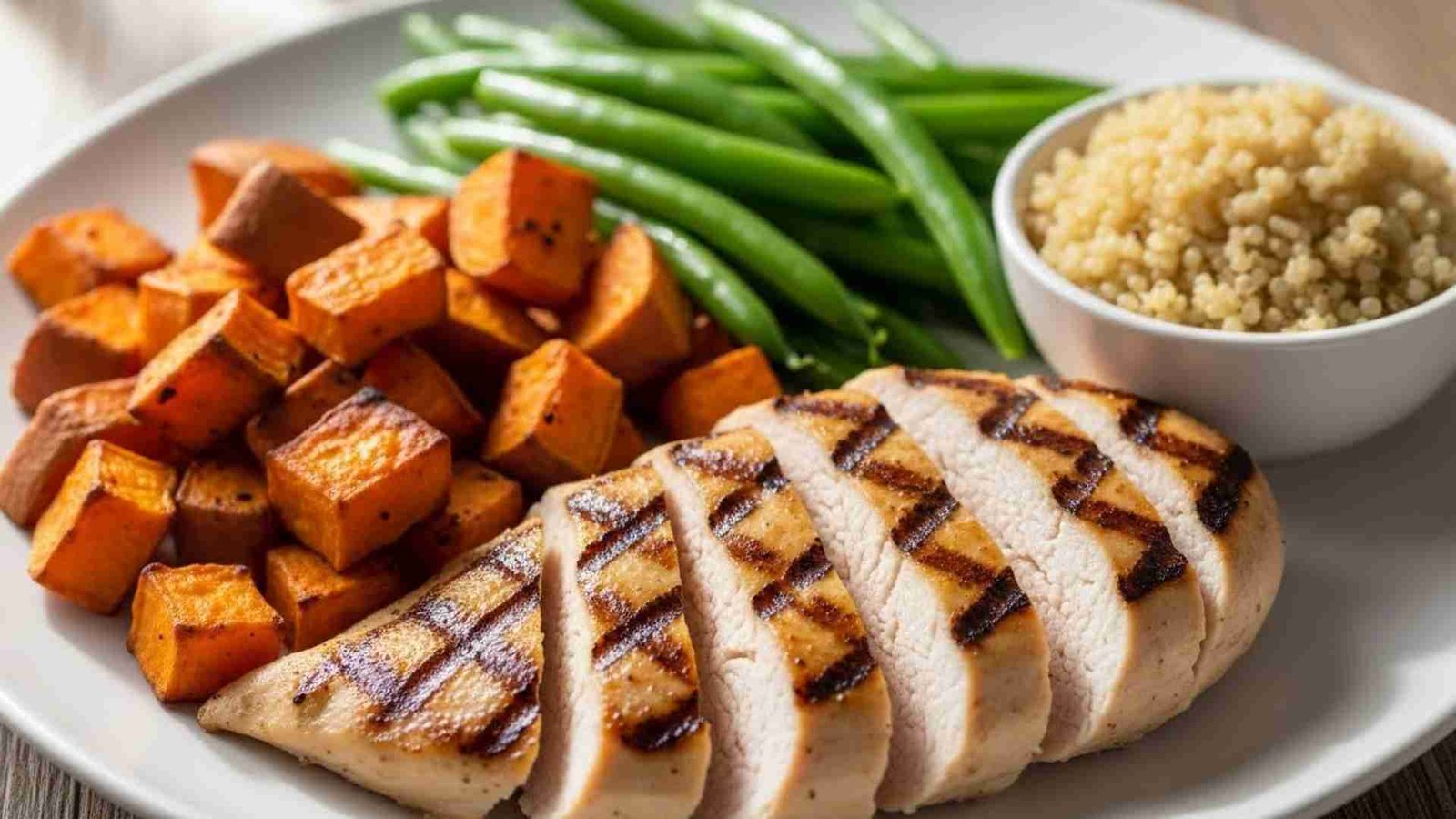
Most of us eat like this: coffee for breakfast, a salad or sandwich for lunch, and then a huge steak or chicken breast for dinner. We “back-load” our protein.
Remember the stiff sponge? A little trickle of protein at breakfast (like an egg or some oatmeal) isn’t enough to penetrate the resistance. You need a flood.
Research suggests you need to hit a “Leucine Threshold”—basically a trigger point—to turn on muscle growth. That usually requires about 30 grams of high-quality protein in a single sitting.
If you only eat that much at dinner, you only grew muscle for 3 hours that day. The other 21 hours? You were breaking down. You need to spread it out.
The Strategy: Aim for 30g at breakfast, 30g at lunch, and 30g at dinner. It’s called “Protein Pulsing,” and it changes the game.
2. The Supplement Safety Net
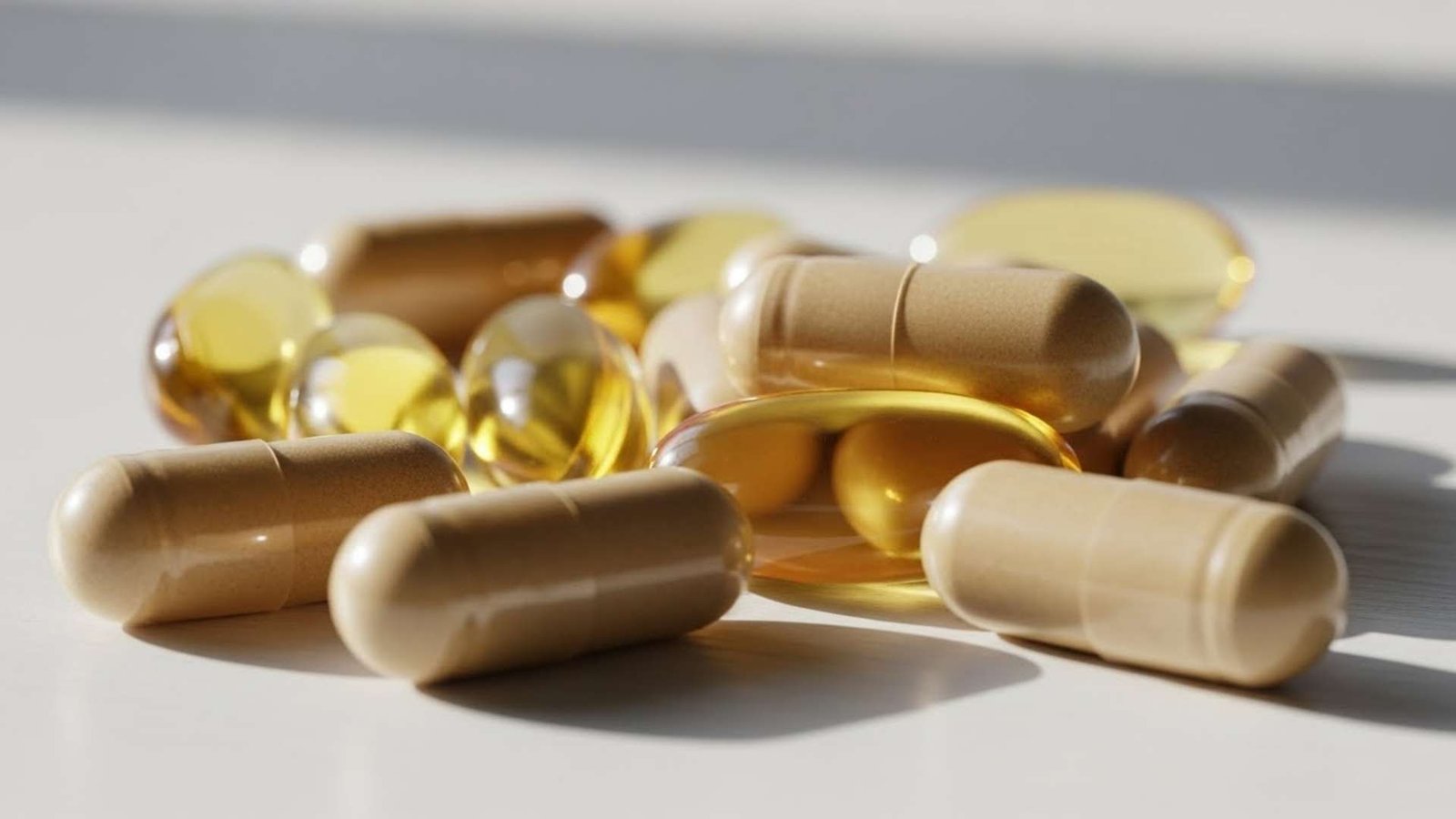
I’m a food-first person, but sometimes we need help bridging the gap.
- Creatine Monohydrate: It’s not just for bodybuilders. It gives your muscles energy and brings water into the cells. 3-5 grams a day. It’s cheap, safe, and effective.
- Vitamin D: Think of this as the oil for the engine. If you’re low on Vitamin D, your muscle quality suffers. It works in synergy with Leucine to help that “sponge” absorb nutrients.
Protocol:
Power Up
Mission Briefing
OBJECTIVE: POWER
OBJECTIVE: CONTROL
If you take one thing away from this, let it be this: Walking is not enough.
I love walking. It’s great for your heart and your mind. But walking does not tell your muscles, “Hey, we need to stay strong enough to lift a suitcase.” It only uses your slow-twitch fibers. Sarcopenia eats your fast-twitch fibers first—the ones you need to catch yourself when you trip.
We need to train for POWER, not just strength.
The Protocol:
When you do a movement—standing up from a chair, lifting a grocery bag, doing a push-up against the wall—I want you to change the tempo.
- Explode UP: Do the lifting part as fast as you safely can. (Think: Power!)
- Control DOWN: Lower yourself slowly, taking 2-3 seconds. (Think: Control.)
This “Fast Up, Slow Down” tempo targets those disappearing Type II fibers and rebuilds that neuromuscular wiring we talked about.
The “Exercise Snack”

Too busy to go to the gym? Try “Exercise Snacking.”
You don’t need a 60-minute session. Do 1 minute of chair stands before lunch. Do 1 minute of wall push-ups while the kettle boils. Do 1 minute of marching in place during commercials. Research shows these little “snacks” of movement add up to preserve muscle mass just as well as long, grueling sessions for many people.
The Missing Link: Sleep

Finally, we have to talk about sleep. You can eat all the protein in the world, but if you aren’t sleeping, you aren’t building.
Sleep is when the construction crew comes in to repair the highways. If you sleep 5 hours a night, you’re sending the crew home early. Studies show a direct link between poor sleep duration and higher rates of sarcopenia. Protect your sleep like you protect your bank account.
Need More Help? Look Into These Tools
Look, you don’t need to buy anything to start. Gravity is free and your body weight is enough to begin. But if you want to take the guesswork out of the process, or if you’re like me and love having data to track your progress, these are a few tools that the experts and the research consistently point to. Think of them as accelerators for your results.
1. CAMRY Digital Hand Dynamometer

Remember that grip test we talked about? This is the tool that actually measures it. It’s basically a bathroom scale for your hands. It gives you a hard number (in lbs or kg) so you can establish a baseline and actually see if you’re getting stronger month by month.
2. Optimum Nutrition Gold Standard 100% Whey

Getting 30g of protein at breakfast is tough—that’s equivalent to eating 4-5 eggs every morning! A high-quality whey protein makes hitting that “Leucine Threshold” incredibly easy. This brand is the industry standard for a reason: it mixes easily, tastes decent, and is reliable.
3. Nutricost Creatine Monohydrate
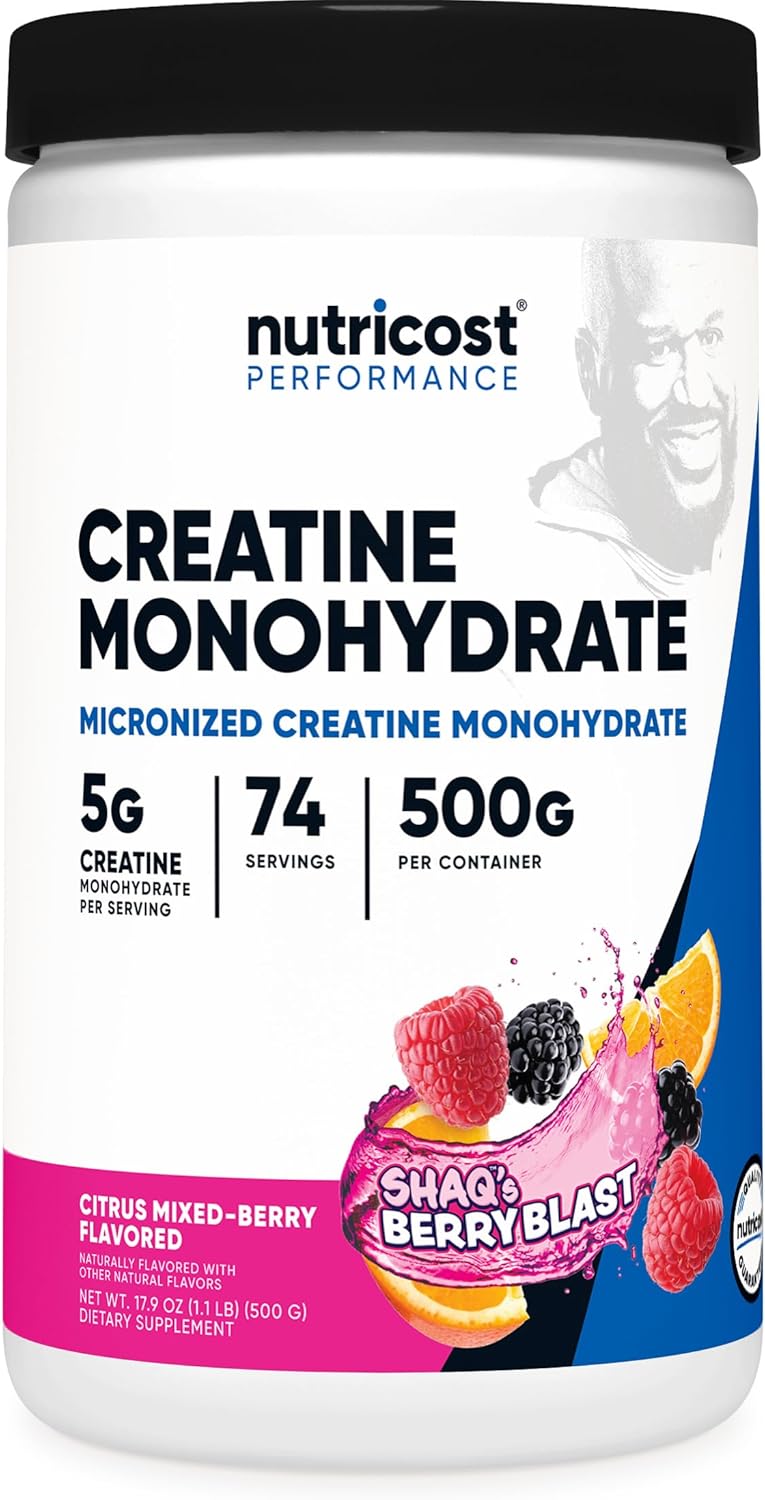
This is the most researched supplement on earth for muscle preservation. It’s affordable, flavorless, and safe. It helps your muscles hold water and produce energy, essentially “waking up” that stiff sponge we talked about. Just 5 grams (one scoop) a day is all you need.
4. Black Mountain Resistance Band Set

If you’re intimidated by iron dumbbells, start here. These bands come with handles (which is crucial for seniors with grip issues) and a door anchor. They let you add resistance to your movements safely at home without the risk of dropping a heavy weight on your foot.
5. Lifepro PowerFlow Plus Adjustable Dumbbells

Space is always an issue, and you don’t want a rack of 10 different weights cluttering your living room. These adjust with a simple click. They start light (great for those fast power moves) and get heavier as you get stronger, growing with you on your journey.
