


You know that moment. You walk into the kitchen with a purpose, stop in front of the fridge, and… nothing. The reason you’re there has just evaporated. Or maybe you’re in a meeting, looking at a colleague you’ve known for three years, and for a terrifying five seconds, you can’t find their name.
In those quiet moments of panic, the internal monologue usually sounds the same for all of us: Is this it? Am I losing it? Is this early dementia?
Here’s the truth, straight from the latest neuroscience: You probably aren’t losing your intelligence. You’re likely just exhausted.
For a long time, we treat the brain like a static machine—it grew up, it peaked, and then it slowly rusted until it broke. But that fatalistic view is dead wrong. Contemporary research shows us that the “brain fog” most of us feel isn’t permanent damage; it’s a signal. It’s your brain telling you it’s running in “low power mode” because certain biological needs aren’t being met.
We’ve combed through over 160 studies to break this down, and the good news is that almost every cause of this sluggishness is fixable. You’re not getting dumber; you’re just biologically overburdened. Let’s look at why—and more importantly, how to fix it.
The Nightly Wash Cycle 🧠
This lets fluid rush in and wash away toxic trash (like Alzheimer’s proteins).
Even one night of bad sleep spikes toxic levels. If you feel like you’re functioning in a fog, it’s because the wash cycle didn’t finish.
It’s a 20-minute guided relaxation that tricks your brain into “slow-wave” mode. It clears the cache and resets dopamine without the grogginess of a nap.
I used to think sleep was just the brain “turning off,” like parking a car in a garage. But it turns out, sleep is actually when the cleaning crew comes in.
In 2012, scientists discovered something incredible called the glymphatic system. Think of it as your brain’s dedicated dishwasher. During the day, your neurons are firing like crazy, creating metabolic waste—trash, essentially. When you hit deep sleep, the space between your brain cells actually opens up by about 60%. This allows cerebrospinal fluid to rush in and wash that toxic “trash”—including proteins linked to Alzheimer’s—out of your brain.
The Problem: If you cut your sleep short, you aren’t just tired; you’re leaving trash in the hallways. You’re waking up with a dirty brain. The data shows that even one night of bad sleep spikes those toxic levels. It’s no wonder nearly 1 in 3 adults feel like they’re functioning in a fog—they haven’t finished the wash cycle.
The Fix: Non-Sleep Deep Rest (NSDR) If you can’t get a perfect 8 hours (and let’s be real, who always does?), you can hack the system. There’s a protocol called Non-Sleep Deep Rest (NSDR). It’s a 20-minute guided relaxation that tricks your brain into a state similar to slow-wave sleep. It resets your dopamine levels and clears the cache without the grogginess of a nap. Try it then 3:00 PM slumps hits.
2. The Stress Tax: How Worry Physically Changes Your Brain

We tend to think of stress as just an emotion—a feeling of being overwhelmed. But biologically, chronic stress is more like pouring acid on a circuit board.
The villain here is cortisol. In short bursts, it saves your life. But when it’s dripping into your system all day because of emails, deadlines, and traffic, it becomes neurotoxic. It specifically targets the hippocampus, the part of your brain responsible for memory. Chronic high cortisol actually causes the neurons there to shrink up and disconnect.
So when you blank on that answer during a test or a presentation, it’s not because you don’t know it. It’s because cortisol has physically blocked the pathway to that information.
The Fix: The Physiological Sigh You can’t just “think” yourself calm, but you can use your body to force your brain to switch gears. The quickest way is the Physiological Sigh:
- Double Inhale: Take a deep breath through your nose, then a second sharp inhale on top to pop open the air sacs in your lungs.
- Long Exhale: Sigh it out through your mouth. Do this 2 or 3 times. It’s the fastest biological kill-switch for stress that we know of.
3. “Popcorn Brain”: The Cost of Living Online

Ever sit down to do one specific task, and ten minutes later you realize you’re 45 minutes deep into scrolling social media? Researchers call this “Popcorn Brain.”
Our brains were never designed for the constant ping-ping-ping of notifications. Every time you switch focus—from work to text to email—you burn energy. But worse than the fatigue is the structural change. Heavy multitaskers actually show lower gray matter density in the Anterior Cingulate Cortex (ACC).That’s the part of your brain that controls empathy and decision-making.
Basically, we’re training our brains to be distractible. We’re getting really good at losing focus.
The Fix: The “Phone Foyer” Method Willpower isn’t enough here. You need physics. When you need to do deep work, put your phone in another room (or a “foyer” basket). If it’s near you, your brain is spending energy ignoring it. Give yourself 60 minutes of single-tasking. It’s painful at first, but you’re literally rehabbing your attention span.
4. The 2% Rule: Are You Just Thirsty?

This one sounds too simple to be true, but the data is undeniable. Your brain is roughly 75% water. It’s a hydraulic machine.
When you get even slightly dehydrated—we’re talking just a 1-2% drop in body water—your cognitive performance falls off a cliff. You lose focus, your math skills drop, and your mood sours. MRI scans actually show that a dehydrated brain has to work harder (showing more neural activity) just to do the same simple tasks as a hydrated one.
The Fix: Front-Load Your Water Most of us wake up dehydrated after breathing all night. Before you hit the coffee (which is a diuretic), drink 16–20 ounces of water. Throw in a pinch of sea salt or electrolytes to help your cells actually absorb it. If your urine is dark yellow, you’re already operating at a deficit.
5. The Sedentary Trap: Your Brain Needs Motion

We evolved to think on our feet—tracking prey, navigating forests. Now we sit in chairs for 10 hours a day and wonder why we feel stagnant.
Movement releases a protein called BDNF (Brain-Derived Neurotrophic Factor). Scientists nickname this “Miracle-Gro for the brain.” It helps grow new neurons and protects the ones you have. When you sit all day, your BDNF levels tank. In fact, sitting for too long actually thins the memory centers of your brain—even if you work out for an hour later!
The Fix: Exercise Snacks You don’t need to train for a marathon. You just need to break the stagnation.
- Zone 2 Cardio: Go for a brisk walk where you can talk but you’d rather not. This hits the sweet spot for brain blood flow.
- The 30-Minute Rule: Set a timer. Every 30 minutes, stand up. Do five air squats. Walk to the window. Just move. It resets the blood flow to your brain.
6. The Nutrient Gap: Fueling the Machine

Your brain is an energy hog. It weighs 2% of your body but eats 20% of your calories. And it’s picky. It needs specific nutrients to keep the lights on, and many of us are running on empty in three key areas:
- Vitamin B12: This builds the insulation (myelin) around your nerve fibers. Without it, your brain signals slow down—literally.
- Vitamin D: It acts more like a hormone than a vitamin. Low levels are strongly linked to “cognitive slowing” and depression.
- Omega-3s (DHA): Your brain is 60% fat. It needs DHA to keep cell walls flexible. Here’s the catch: plant sources like flaxseeds don’t convert well. You need the real deal.
The Fix: Go to the Source
- Supplement B12 if you’re vegan or over 50.
- Get sunlight or take D3 (with K2) if you work indoors.
- Algal Oil: If you don’t eat fish, skip the flax and take Algal Oil. It’s where the fish get their Omega-3s from, and your brain can use it immediately.
7. The Sugar Crash: “Type 3 Diabetes”

We usually think of insulin resistance as a body weight issue, but your brain hates blood sugar spikes too.
Some researchers are now calling Alzheimer’s “Type 3 Diabetes.” When you live on processed carbs and sugar, your brain cells can become insulin resistant. This means they can’t accept the fuel (glucose) they need. They effectively starve, even if your blood sugar is high. This metabolic failure feels exactly like brain fog.
The Fix: Metabolic Flexibility Cut the liquid sugar (soda, juice) first. Then, try shrinking your eating window (intermittent fasting) to give your insulin system a break. The goal is to teach your body to burn fat for fuel, which provides a cleaner burn for the brain.
The Gut Feeling 🧠
It’s a direct line of communication!
“You are what you eat” is a cliché, but biologically, it’s spot on. Your gut and your brain are constantly texting each other via the vagus nerve.
When you eat ultra-processed foods (industrial seed oils, emulsifiers, fake sugars), it can cause inflammation in the gut. This inflammation leaks into the bloodstream and eventually crosses the blood-brain barrier. It activates the brain’s immune cells (microglia), causing them to stop cleaning and start attacking. The result? A 28% faster rate of cognitive decline in people who live on junk food.
The Fix: Eat Real Food Focus on whole foods. Add fermented foods like sauerkraut or kefir—they feed the good bacteria that lower inflammation. Think of colorful berries and dark chocolate as “antioxidants for your brain.”
9. The Lonely Mind: Isolation is Toxic

We are wired to be social. It’s a survival mechanism. When we are isolated, our brains perceive it as a threat.
But more than that, socializing is a massive cognitive workout. You have to listen, read faces, interpret tone, and formulate responses in real-time. Without that stimulation, our neural networks atrophy. The US Surgeon General recently compared the mortality risk of loneliness to smoking 15 cigarettes a day.
The Fix: The 8-Minute Phone Call You don’t need to be a social butterfly. Just reach out. Research suggests a simple 8-minute phone call to a friend can give you the oxytocin and dopamine hit you need without draining your energy. It’s a “micro-connection” that keeps the neural lights on.
10. The Breath: Stop Mouth Breathing

Check yourself right now: is your mouth open?
How you breathe matters. Nasal breathing releases Nitric Oxide, a gas that widens your blood vessels and increases oxygen delivery to the brain. Mouth breathing, on the other hand, often leads to shallow, chest-based breaths that signal “stress” to your nervous system and actually deliver less oxygen to your tissues.
The Fix: Shut Your Mouth Practice keeping your tongue on the roof of your mouth. It naturally seals your airway. During the day, catch yourself. At night, if you wake up with a dry mouth, you might be sabotaging your sleep quality. Focus on clearing your sinuses so you can breathe the way nature intended.
Tools That Actually Work
Look, you can’t buy a good night’s sleep, but you can definitely buy gear that makes it a whole lot easier to get there. We talked about engineering your environment—cooling it down, blocking the light, and hushing the noise. Sometimes, willpower isn’t enough, and you need the right hardware. I’ve looked through the clutter of “wellness” gadgets to find the few things that are actually backed by the science we just discussed. These aren’t magic wands, but they are the next best thing.
1. Hatch Restore 2:

This is the Swiss Army Knife of sleep hygiene. It tackles the two biggest biological triggers we discuss: light and sound. It wakes you up with a gradual “sunrise” (hitting those cortisol receptors gently) and drowns out street noise with calming sounds at night. It’s perfect if you’re trying to reclaim your mornings from the jarring iPhone alarm.
2. Manta Sleep Mask:
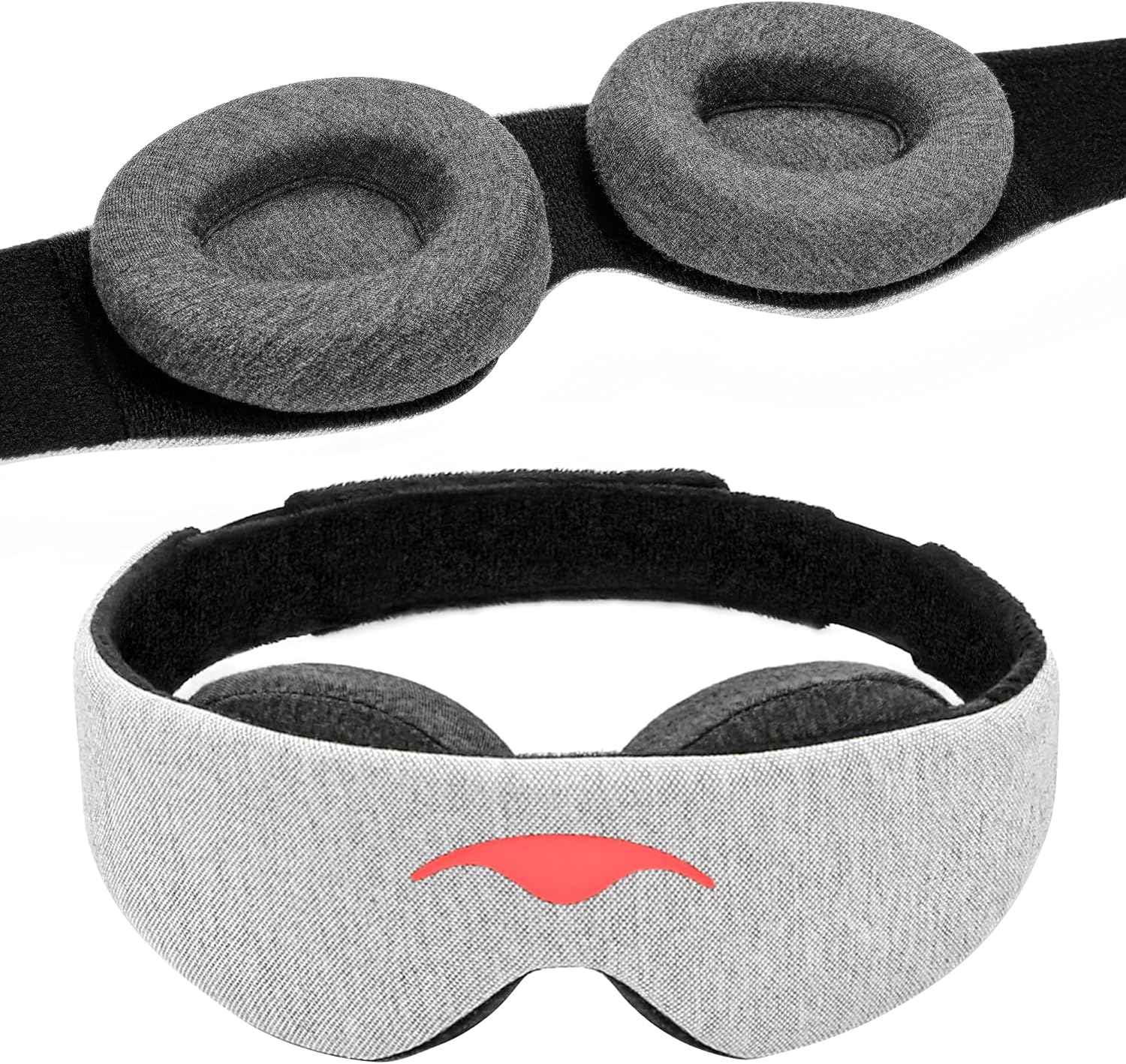
We know “darkness is the signal,” but standard sleep masks put pressure on your eyelids, which can disrupt REM (Rapid Eye Movement) sleep. The Manta mask has hollow eye cups that give you 100% blackout without touching your eyes. It’s a game-changer for “Wolves” forced to wake up late or anyone sleeping in a city.
3. LectroFan Evo White Noise Machine:
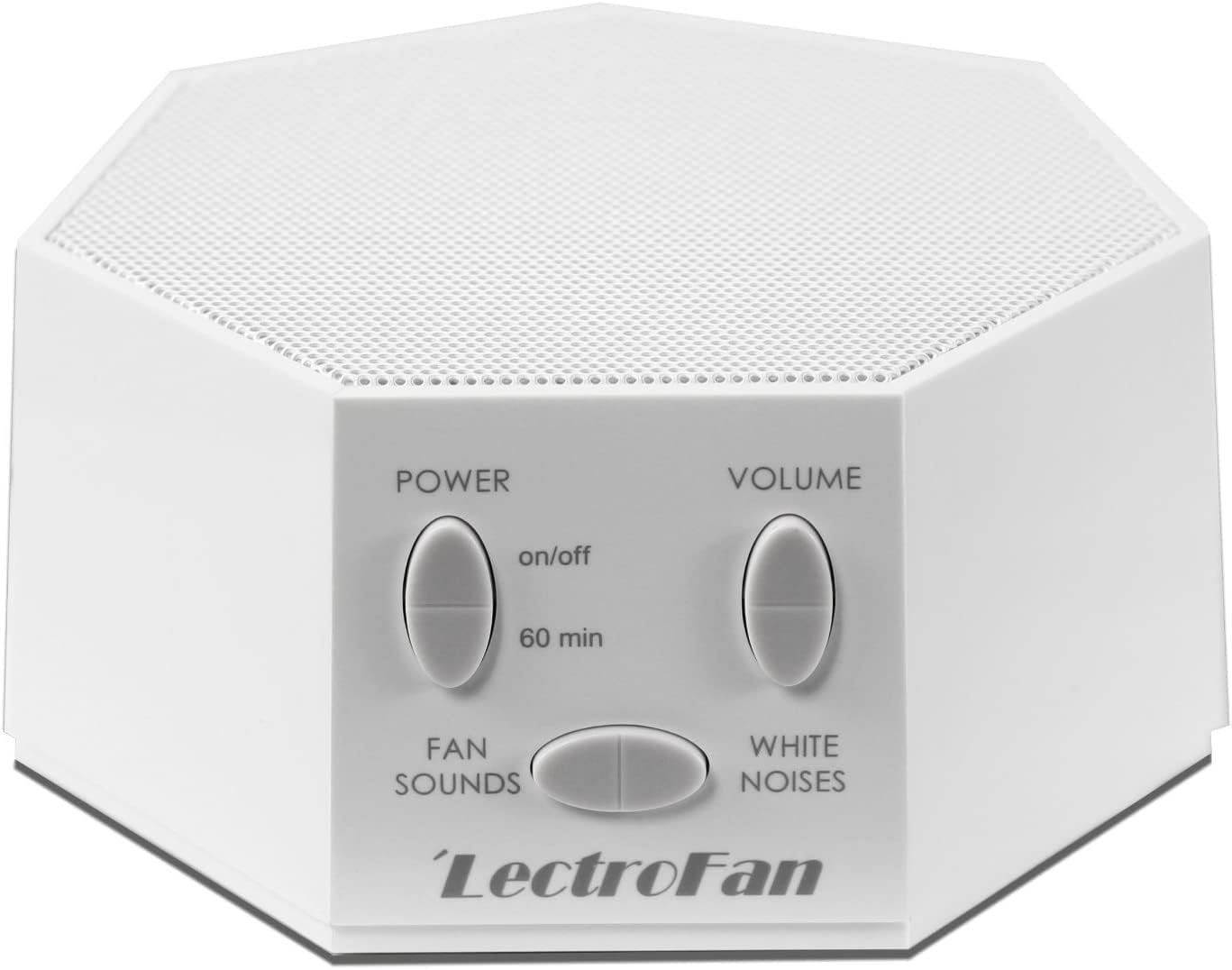
If you want pure, unadulterated noise blocking without the fancy lights or apps, this is the gold standard. It doesn’t use looping recordings (which your brain can latch onto); it generates non-repeating fan and white noise sounds. It’s essential for smoothing out the sonic environment.
4. Coop Home Goods Eden Adjustable Pillow:
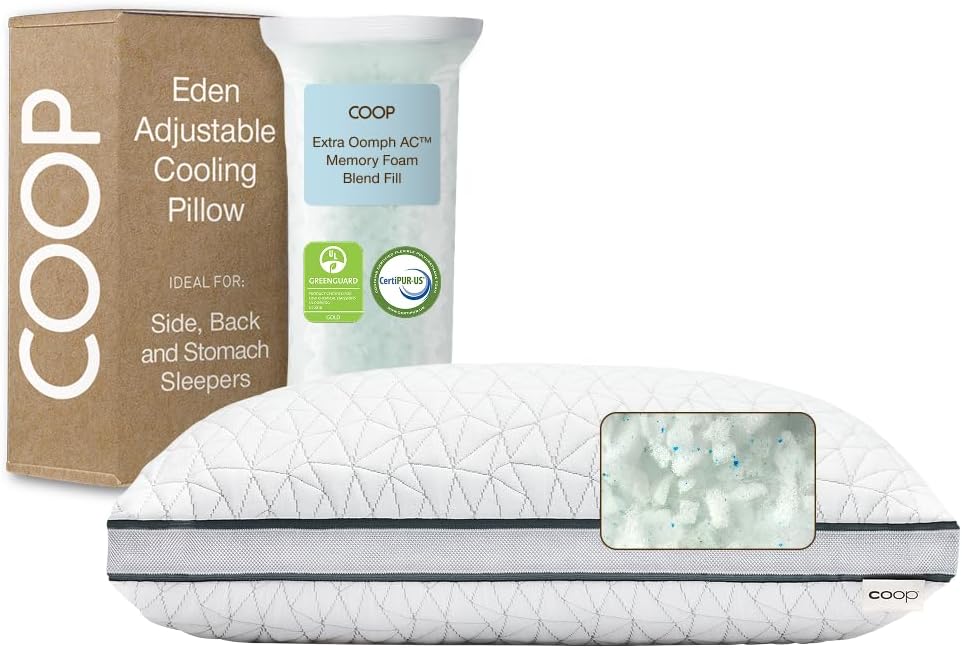
Temperature is key (remember the “thermal dump”?). This pillow is designed with cooling gel-infused memory foam to keep your head from overheating. Plus, it’s fully adjustable—you can add or remove stuffing to get your neck alignment perfect, preventing those aches that wake you up at 3 AM.
5. YnM Weighted Blanket:

For those dealing with anxiety or “Orthosomnia,” this is like a hug for your nervous system. Deep Pressure Stimulation (DPS) has been shown to reduce cortisol and increase serotonin. YnM makes a highly-rated glass bead version that gives you that calming weight without breaking the bank.
