

Let’s be honest for a second. We live in a world that worships the “hustle.” You know the drill: wake up at 5:00 AM, drink the green juice, crush the inbox, and side-hustle until you drop. It’s exhausting just thinking about it.
So, when you wake up feeling like you’re wading through concrete—when a simple email feels like climbing Everest, or when you just cannot make yourself care about your goals—what’s the first thing you tell yourself?
If you’re like most of us, you probably say, “I’m being lazy.” You tell yourself you need more discipline. You buy a new planner. You drink another coffee. You guilt-trip yourself into oblivion.
But here is what I need you to hear, and I need you to really let this sink in: That internal monologue is likely wrong.
Science—specifically the fields of psychoneuroimmunology and rheumatology—is finally catching up to what your body has been trying to tell you. For millions of people, that “lack of motivation” isn’t a character flaw. It’s a biological emergency brake. You aren’t lazy; you are inflamed.
9 Hidden Signs You’re Fighting a Silent War
Because this inflammation is systemic (meaning it’s everywhere), it shows up in weird ways. It’s not just “my knee hurts.” It’s “my life hurts.” Here are the nine signs that your “laziness” is actually a biological response.
The Motivation Void
Laziness
ChoiceYou could do it, but you’d rather not. A conscious decision to prioritize comfort.
Apathy
BlockageA feeling of being physically and mentally blocked. You want it done, but cannot bridge the gap.
There is a huge difference between laziness and apathy. Laziness is usually a choice—you could do it, but you’d rather not. Apathy is a feeling of being physically and mentally blocked. You stare at the laundry pile, you want it to be done, but you cannot bridge the gap between thought and action. That is the dopamine blockade at work.
2. Brain Fog (The Leaky Brain)

Ever feel like your thoughts are moving through molasses? That’s not just “getting older.” It’s a sign that your Blood-Brain Barrier (BBB) might be compromised.
Think of the BBB as a bouncer for your brain. When you have chronic inflammation, the bouncer gets tired and lets some riff-raff (inflammatory molecules) into the club. This activates the brain’s own immune cells, called microglia. When microglia get agitated, they slow down neuronal firing to protect the brain. The result? You feel foggy, forgetful, and slow.
3. Anhedonia (The Joy Thief)

This is a fancy medical term for “nothing feels good anymore.” You go to the concert, you eat the cake, you see the friend—but you feel… flat. Inflammation lowers the sensitivity of your reward receptors. It steals the color from your life, leaving everything looking gray.
4. The “Dead Battery” Fatigue

We aren’t talking about “I stayed up too late” tired. We’re talking about cellular exhaustion. When your body is fighting inflammation, your cells switch their energy production method from “efficient” to “emergency mode” (glycolysis). This burns through fuel incredibly fast, leaving zero energy for your actual life. It’s why you can sleep for 10 hours and still wake up exhausted.
Cave Mode
In the wild, a sick animal isolates itself to protect the pack. This isn’t personality; it’s an evolutionary survival mechanism.
Research shows that inducing inflammation in healthy people instantly makes them feel socially disconnected.
Suddenly find yourself cancelling plans you were excited about? Feeling weirdly anti-social? Don’t blame your personality. In the wild, a sick animal isolates itself to avoid infecting the pack. That evolutionary instinct is still hardwired in you. Inflammation literally makes you lonely. A study at UCLA showed that just inducing inflammation in healthy people made them feel instantly socially disconnected.
6. The “Short Fuse”

If you’re snapping at your partner or crying over spilt milk, check your inflammation. Cytokines mess with the amygdala (your fear center) and the prefrontal cortex (your logic center). It makes you hyper-reactive and less able to regulate your emotions. You aren’t “crazy”; you’re inflamed.
7. Wired But Tired

Here is the cruelest irony: you are exhausted all day, but at 11:00 PM, you’re wide awake. Inflammation disrupts your circadian rhythm and cortisol regulation. You get low cortisol in the morning (grogginess) and high cortisol at night (insomnia).
8. The Metabolic Shield (Stubborn Belly Fat)

This is a tough one. We’re taught that weight is just “calories in, calories out.” But inflammation causes insulin resistance. Your body thinks it’s in a crisis, so it hoards energy, specifically as visceral fat around your belly. This fat is biologically active—it pumps out more inflammation, creating a vicious cycle.
9. Phantom Pains

Vague joint aches? Random digestive issues? Adult acne? These are the “weakest links” in your chain rattling under the pressure of systemic inflammation.
Why Is This Happening Now?
If you’re nodding your head to all of this, you’re probably wondering, “Why me? Why now?”
It’s the perfect storm. We are living in an environment our bodies weren’t built for.
- The Stress/Poverty Trap: A 2024 study showed that financial stress combined with inflammation acts as a “double whammy,” dramatically increasing mortality risk.
- Shameflammation: This is a term coined by Dr. Will Cole. It’s the idea that shame itself is inflammatory. When we beat ourselves up for being “lazy,” we trigger a stress response that creates more inflammation. It’s a self-fulfilling prophecy. As Dr. Cole says, “You can’t heal a body you hate.”
Need a Little Extra Help? Look Into These
Sometimes, willpower isn’t enough. When you’re trying to put out a biological fire, having the right tools in your environment can make the difference between a struggle and a breakthrough. I’ve rounded up a few things that align perfectly with the science we just talked about—tools to soothe your vagus nerve, protect your sleep, and lower that inflammatory load.
1. Sports Research Turmeric Curcumin with Bioperine:
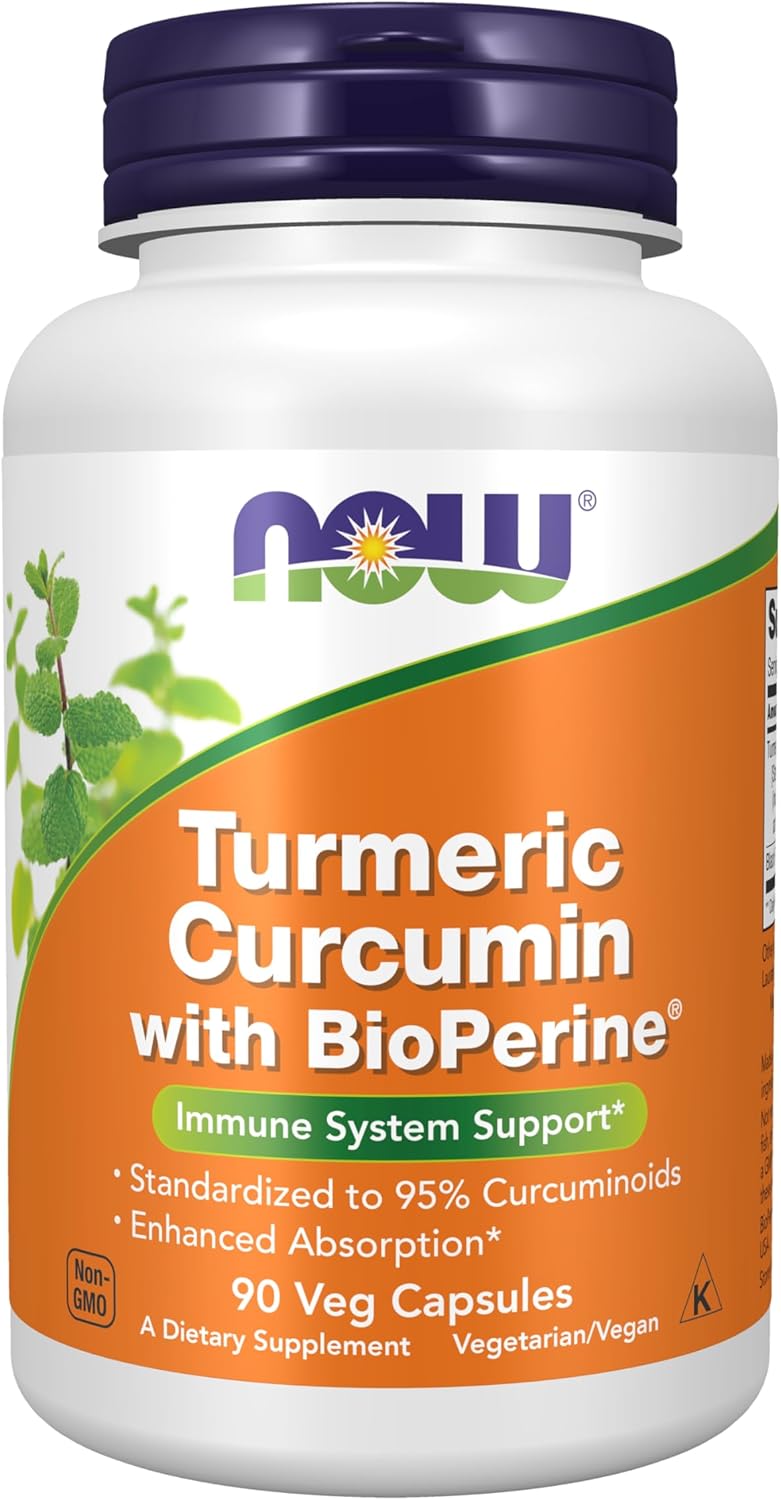
We talked about “Golden Milk,” but let’s be real—sometimes you just want the benefits without the yellow stains on your counter. This supplement is a standout because it includes Bioperine (black pepper extract), which is non-negotiable for absorption. Without it, your body can’t actually use the curcumin. It’s a simple way to help lower those cytokine levels daily.
2. ProsourceFit Acupressure Mat and Pillow Set:

If you want to stimulate your Vagus Nerve but aren’t a master at breathwork yet, this mat is a game-changer. It looks a bit like a torture device, but lying on it for 10-20 minutes triggers a massive release of endorphins and activates your parasympathetic nervous system (the “rest and digest” mode). It is surprisingly effective for that “wired but tired” feeling.
3. Luna Cotton Weighted Blanket:

Remember how inflammation makes you feel lonely and socially withdrawn? A weighted blanket mimics the sensation of a hug (deep pressure stimulation), which lowers cortisol and increases serotonin. If you struggle to “turn off” your brain at night, this can act like a physical mute button for a hyper-vigilant nervous system.
4. Benicci Blue Light Blocking Glasses:

To fix the circadian rhythm disruption we discussed, you have to protect your eyes from artificial light at night. If you’re scrolling in bed (we all do it), these glasses block the specific spectrum of light that tells your brain it’s morning. Think of them as a shield for your melatonin production.
5. “When The Body Says No” by Dr. Gabor Maté:

If the section on “Shameflammation” resonated with you, this book is your next step. Dr. Maté explains the connection between hidden stress, people-pleasing, and autoimmune conditions better than anyone else. It’s not just a book; it’s a validation of your entire experience and a guide to understanding why your body is saying no.
