13 US National Park Secrets Rangers Are Forbidden to Discuss (Former Employees Speak)

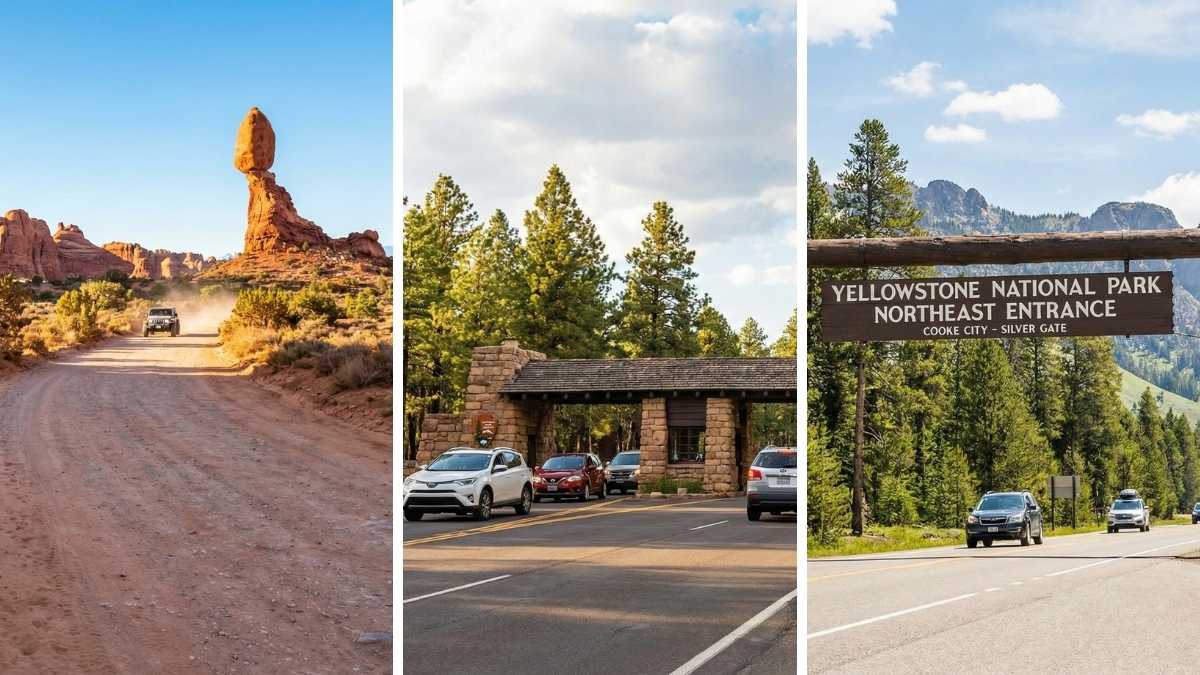
Waiting in a line that barely moves can drain the magic out of even the most legendary landscapes. Engines idle, tempers rise, and that feeling of escape quietly slips away before the adventure even begins.
Yet tucked beyond the obvious roads are legal, overlooked ways in—routes where the air feels calmer, the crowds thin out, and the park starts on your terms. These entrances don’t cut corners; they cut frustration.
They reward curiosity with quiet trails, open pullouts, and moments that feel earned instead of rushed. Stick around, because each one changes not just how you enter a park—but how the entire day unfolds.
1. Yosemite National Park — Hetch Hetchy Entrance
Hetch Hetchy feels like Yosemite’s quiet back door. While most visitors funnel through jammed gates chasing Half Dome views, this entrance slips you into a dramatic granite valley with waterfalls, cliffs, and reservoir views—often with more birds than people. The drive alone sets a calmer tone, trading bumper-to-bumper traffic for winding roads and open sky.
What makes this entrance special isn’t just the lack of crowds—it’s how fast the park reveals itself. Within minutes, you’re standing near towering rock walls and trailheads that usually require hours of patience elsewhere. Rangers here are known to be more relaxed, too, which subtly changes the whole experience.
Hikers who know Yosemite well often come here when the main valley feels overwhelming. It doesn’t have the postcard chaos, but it delivers something better: space, silence, and the feeling of discovering Yosemite the way it once was.
Good to know:
- Best months: April–June (waterfalls), September–October (cooler temps, fewer people)
- Crowd level: Very low compared to the main entrances
- Best for: Day hikes, photography, peaceful exploration
- Entrance restrictions: No RVs over certain lengths
- Bonus tip: Weekdays feel almost private
2. Rocky Mountain National Park — Wild Basin Entrance
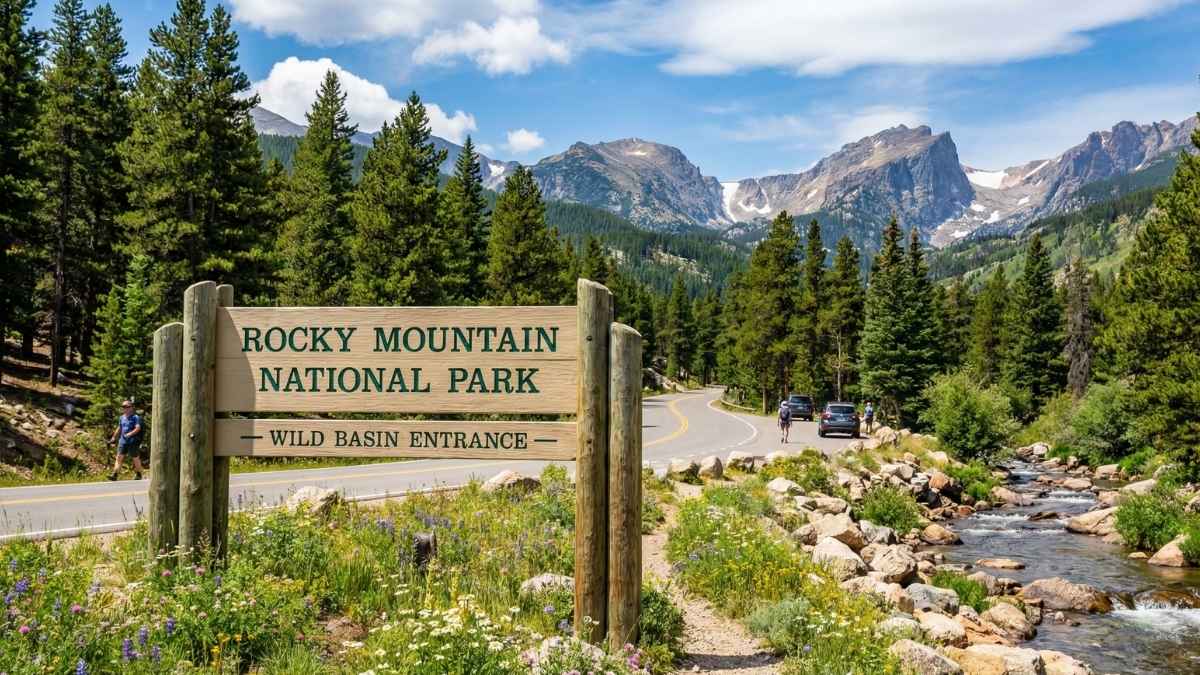
Wild Basin is where Rocky Mountain National Park exhales. While Bear Lake fills before sunrise, this entrance welcomes you with quiet forests, rushing creeks, and trailheads that don’t require a stopwatch to access. The vibe shifts instantly—from frantic to grounded.
The hikes here build slowly but reward generously. Instead of crowded overlooks, trails pass waterfalls, alpine meadows, and long stretches where footsteps echo instead of chatter. Even during peak summer, it’s common to hike for an hour before seeing another group.
Many visitors later realize Wild Basin gave them the Rocky Mountain experience they hoped for but didn’t expect to find. Same park, same scenery—completely different energy.
Good to know:
- Best months: June–September
- Crowd level: Low to moderate
- Best for: Waterfall hikes, wildlife sightings
- Timed-entry permit: Often not required here
- Road conditions: Mostly paved, the last stretch can be rough
3. Zion National Park — Kolob Canyons Entrance
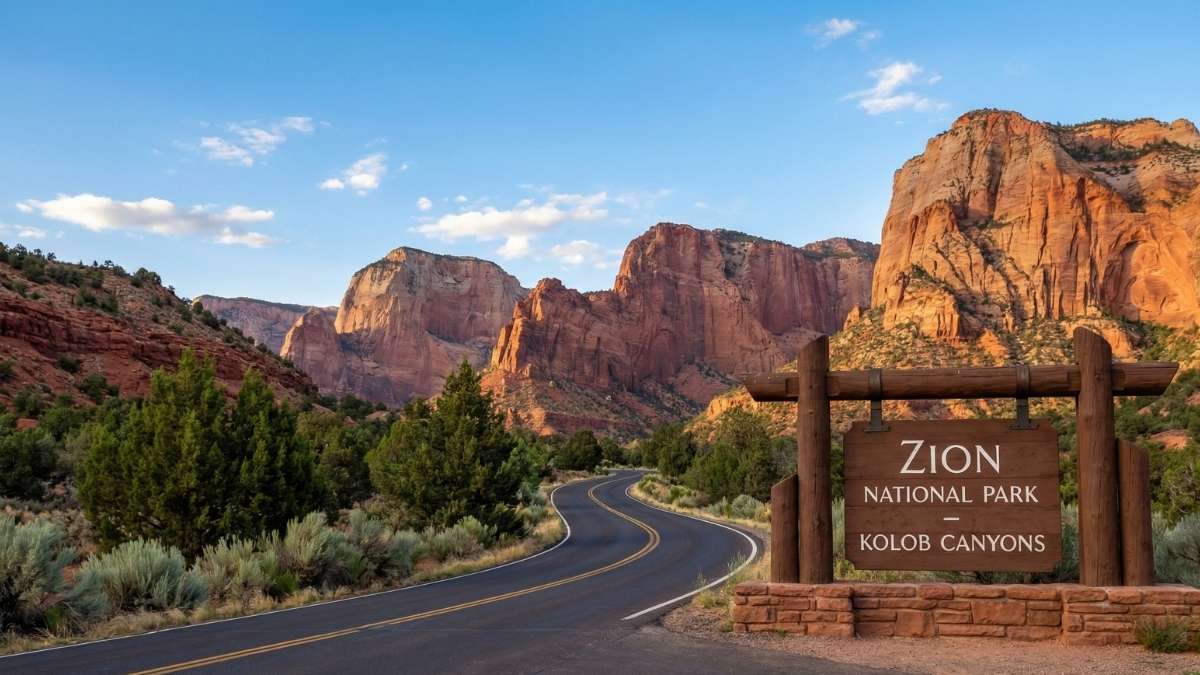
Kolob Canyons feels like Zion without the stress. Red cliffs rise dramatically, trails start without shuttle lines, and pullouts actually have space. Many visitors don’t realize this area is part of Zion at all—which is exactly why it works.
The scenery hits fast and hard. Within a short drive, you’re surrounded by towering crimson walls and deep canyons that rival anything in the main section. Trails like Taylor Creek quietly deliver classic Zion beauty without crowds pressing in from both directions.
Kolob doesn’t replace the main canyon—it balances it. Start here, and Zion feels less like a theme park and more like a national park again.
Good to know:
- Best months: March–May, September–November
- Crowd level: Low
- Best for: Scenic drives, short hikes
- No shuttle system: Drive straight to trailheads
- Weather note: Snow possible in winter
4. Grand Canyon National Park — North Rim Entrance
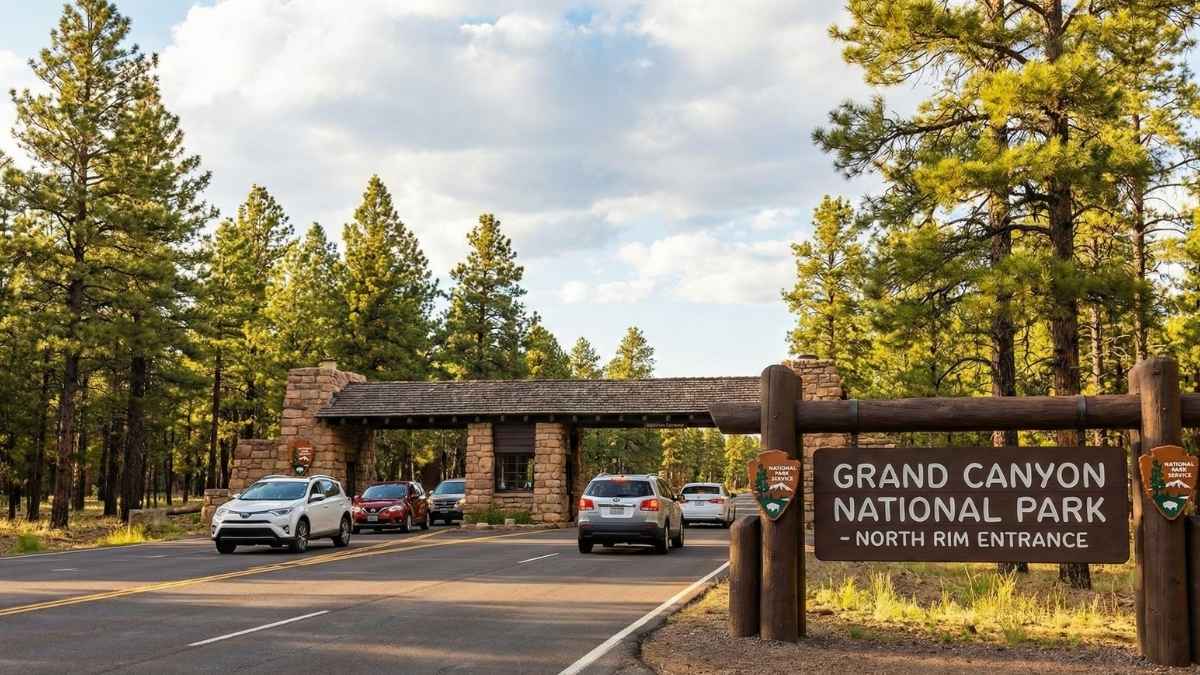
The North Rim of the Grand Canyon that most people never see. Higher elevation, cooler temperatures, and far fewer visitors turn this entrance into a completely different experience—quiet, forested, and deeply immersive.
Instead of crowded viewpoints, overlooks feel personal. Sunsets stretch longer, wildlife wanders closer, and silence becomes part of the scenery. The canyon is the same size, but the emotional impact feels larger when you’re not sharing it with thousands of others.
Visitors who make the extra drive often say the same thing afterward: worth every mile. This entrance rewards patience with space and perspective.
Good to know:
- Best months: June–September (seasonal access)
- Crowd level: Very low
- Best for: Solitude, photography, cooler weather
- Seasonal closure: Closed in winter
- Lodging: Limited—book early
5. Yellowstone National Park — Northeast Entrance (Cooke City–Silver Gate)
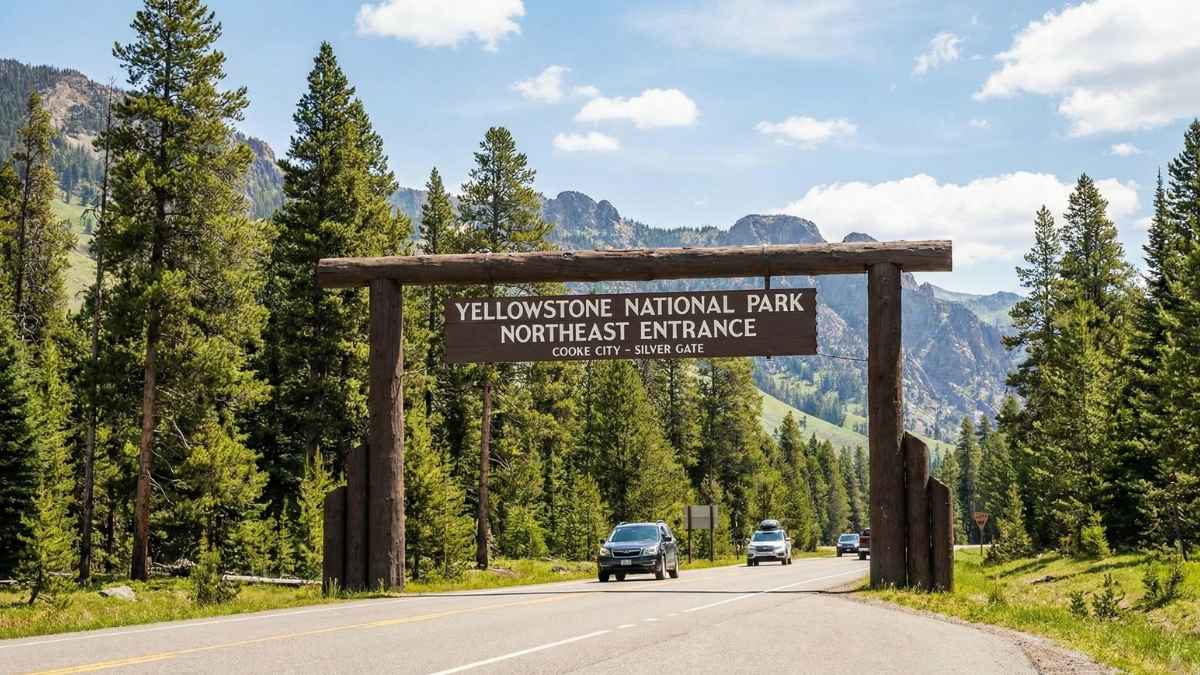
This entrance slides you straight into Yellowstone’s wildest side. Instead of geyser-boardwalk crowds, you enter through open valleys, roaming bison, and one of the park’s most scenic highways.
Wildlife sightings are frequent here, especially early and late in the day. Wolves, elk, and bears are more than rumors—they’re real possibilities. Traffic moves more slowly, but not because of congestion—because nature takes priority.
For travelers who want Yellowstone to feel raw and unscripted, this entrance delivers. It’s less polished, more powerful, and deeply memorable.
Good to know:
- Best months: June–October
- Crowd level: Low to moderate
- Best for: Wildlife viewing, scenic drives
- Winter access: Snow travel only
- Nearby towns: Small, limited services—plan ahead
6. Great Smoky Mountains National Park — Big Creek Entrance
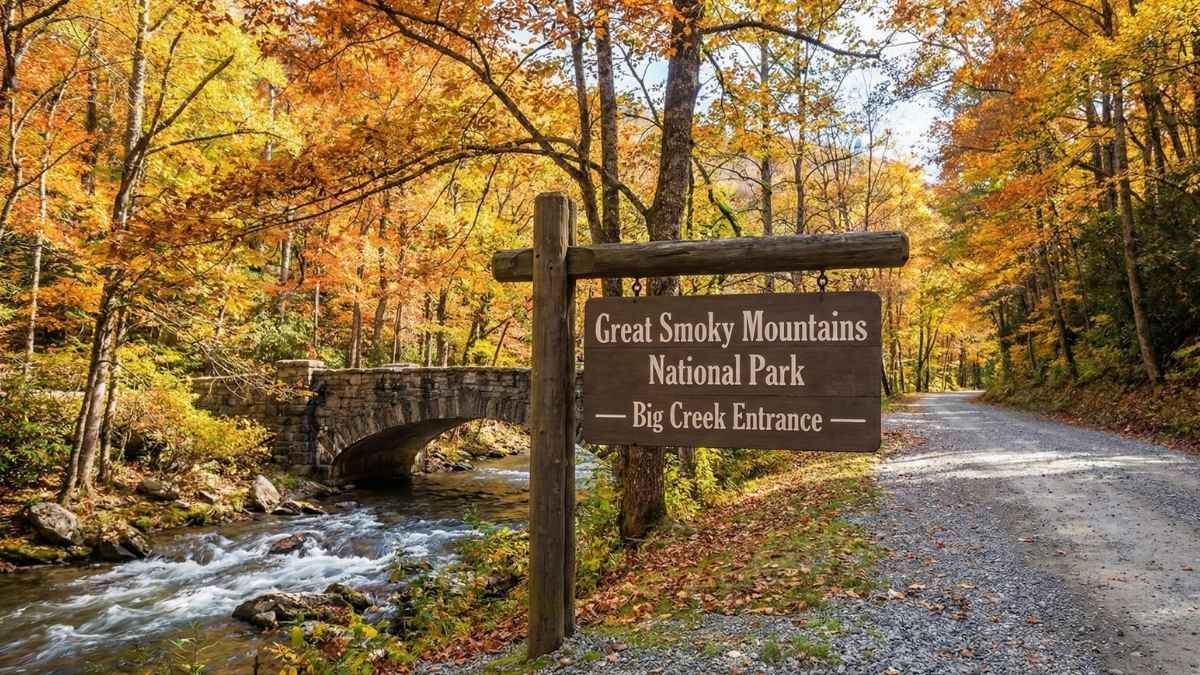
Big Creek enters the Smokies quietly, without fanfare or traffic jams, and that’s exactly the point. While other entrances buzz with visitor centers and souvenir stops, this one feels almost residential—trees closing in, water rushing nearby, and trailheads appearing before you even think about parking.
The reward comes quickly. Several waterfalls sit within easy hiking distance, and the trails here tend to stay calmer even during peak foliage season. The forest feels thicker, older, and more intimate, which gives the area a slower rhythm compared to the busier sections of the park.
If the Smokies sometimes feel overrun, Big Creek reminds you why people fell in love with them in the first place: quiet paths, layered mountains, and constant movement of water.
Good to know:
- Best months: April–May, October
- Crowd level: Low
- Best for: Waterfalls, peaceful hiking
- Road access: Fully paved
- No entrance fee: Same as the rest of the park
7. Joshua Tree National Park — Cottonwood Spring Entrance
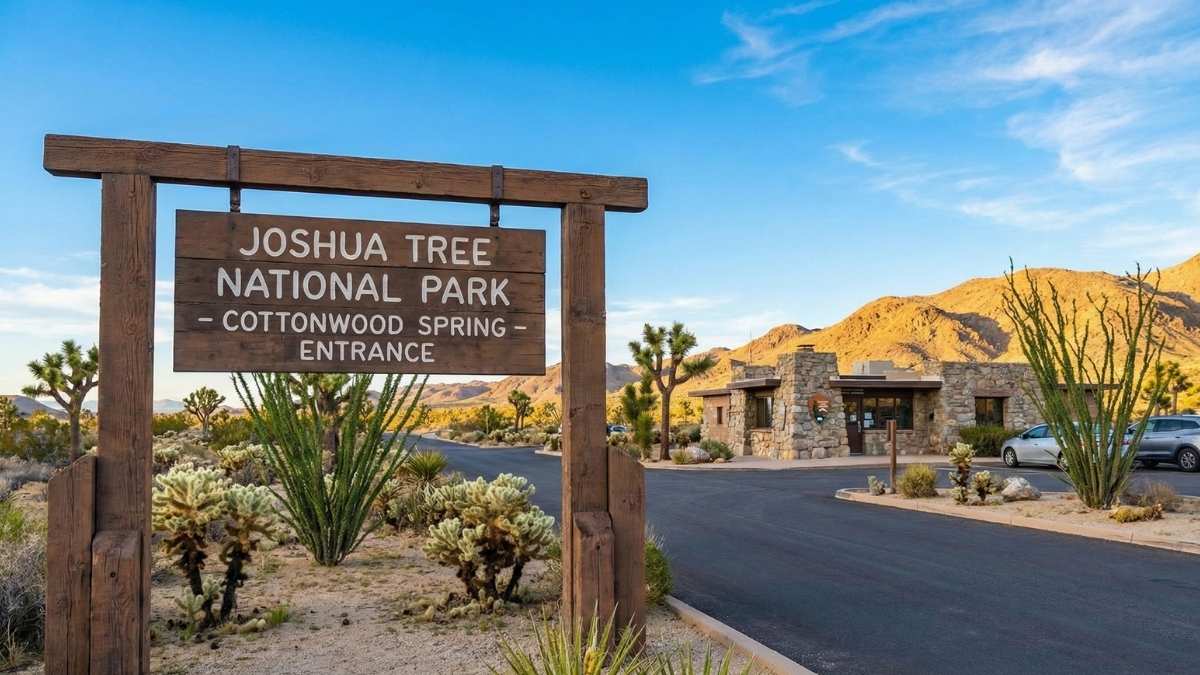
Cottonwood Spring sits far from the park’s most photographed rock formations, which keeps it blissfully overlooked. Entering here feels different—lower desert terrain, broader skies, and a gradual buildup rather than instant spectacle.
This area offers a calmer introduction to Joshua Tree’s diversity. Trails start gently, wildlife sightings are more common, and the atmosphere leans toward solitude instead of spectacle. Even during busy seasons, parking remains manageable, and the trails feel refreshingly uncrowded.
Many travelers end up lingering longer than planned. Less chaos, more breathing room, and a side of Joshua Tree that doesn’t rush to impress.
Good to know:
- Best months: October–April
- Crowd level: Low
- Best for: Desert hikes, birdwatching
- Facilities: Small visitor center, restrooms
- Weather note: Hot in late spring
8. Acadia National Park — Schoodic Peninsula Entrance
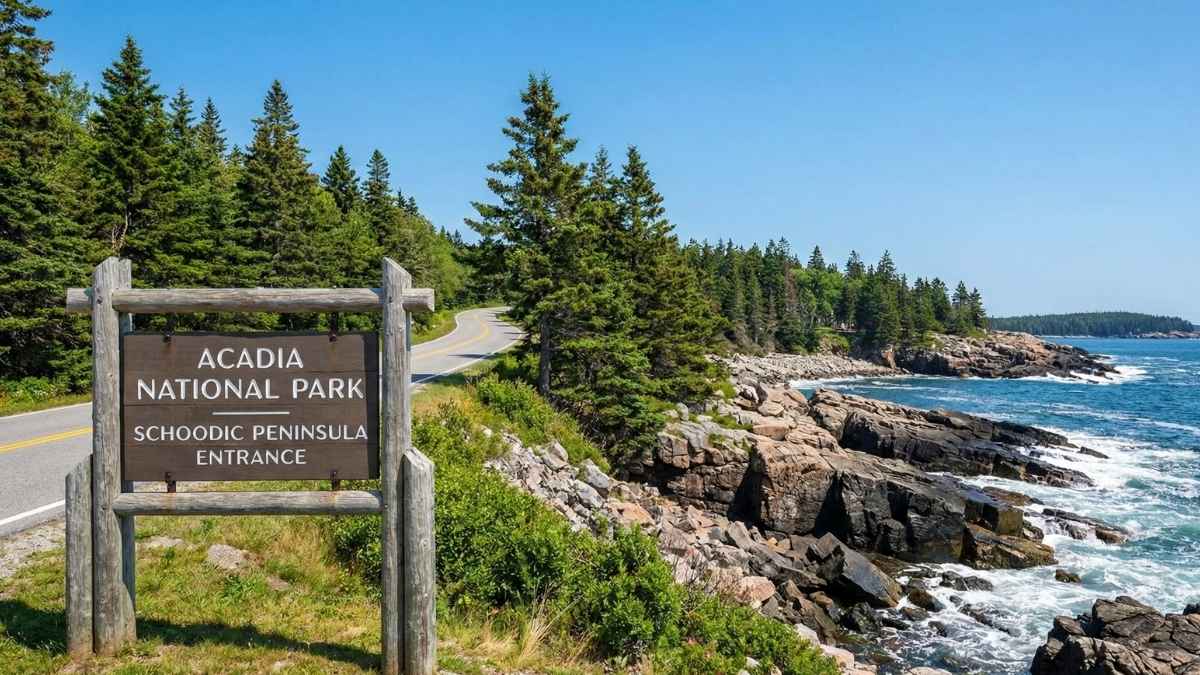
Schoodic doesn’t feel like a workaround—it feels like a secret Acadia locals quietly keep to themselves. Across the bay from the main park, this entrance trades packed roads for open coastline and crashing waves.
The views are every bit as dramatic, especially during rough seas. Pullouts actually have space, trails feel personal, and the coastline stretches out without interruption. You’ll still get Acadia’s rugged beauty, just without the constant hum of traffic.
It’s the kind of place where visitors slow down naturally. Same Atlantic drama, fewer distractions.
Good to know:
- Best months: June–September
- Crowd level: Very low
- Best for: Coastal views, cycling, photography
- Road access: Paved and scenic
- Sunrise bonus: Less competition for viewpoints
9. Olympic National Park — Staircase Entrance
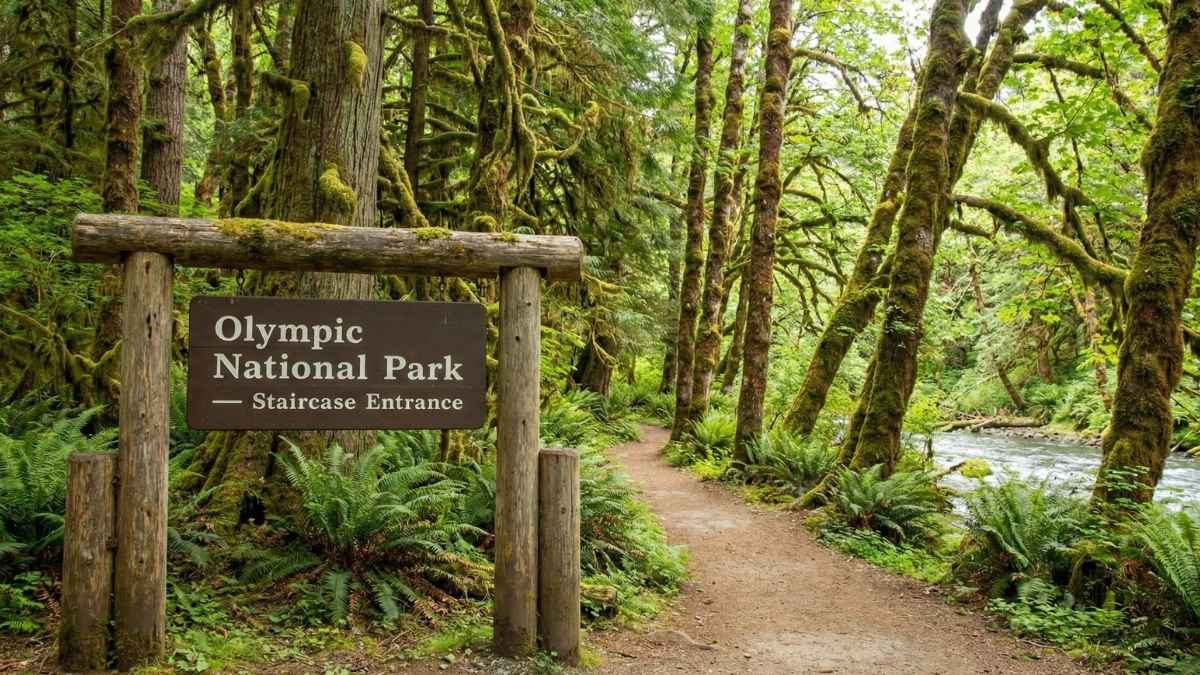
Staircase lives up to its name, gradually pulling you upward into Olympic’s rainforest interior. This entrance avoids the popular coastal and lake zones, offering a quieter, more grounded way into the park.
Trails here feel immersive rather than dramatic—towering trees, moss-covered ground, and a sense of depth that builds with every step. The absence of crowds makes the forest feel alive rather than staged.
For those drawn to Olympic’s interior rather than its headlines, Staircase offers a slower, richer connection to the landscape.
Good to know:
- Best months: May–September
- Crowd level: Low
- Best for: Forest hikes, river views
- Road access: Partially gravel near the end
- Limited facilities: Plan ahead
10. Arches National Park — Willow Springs Road (BLM Connector)
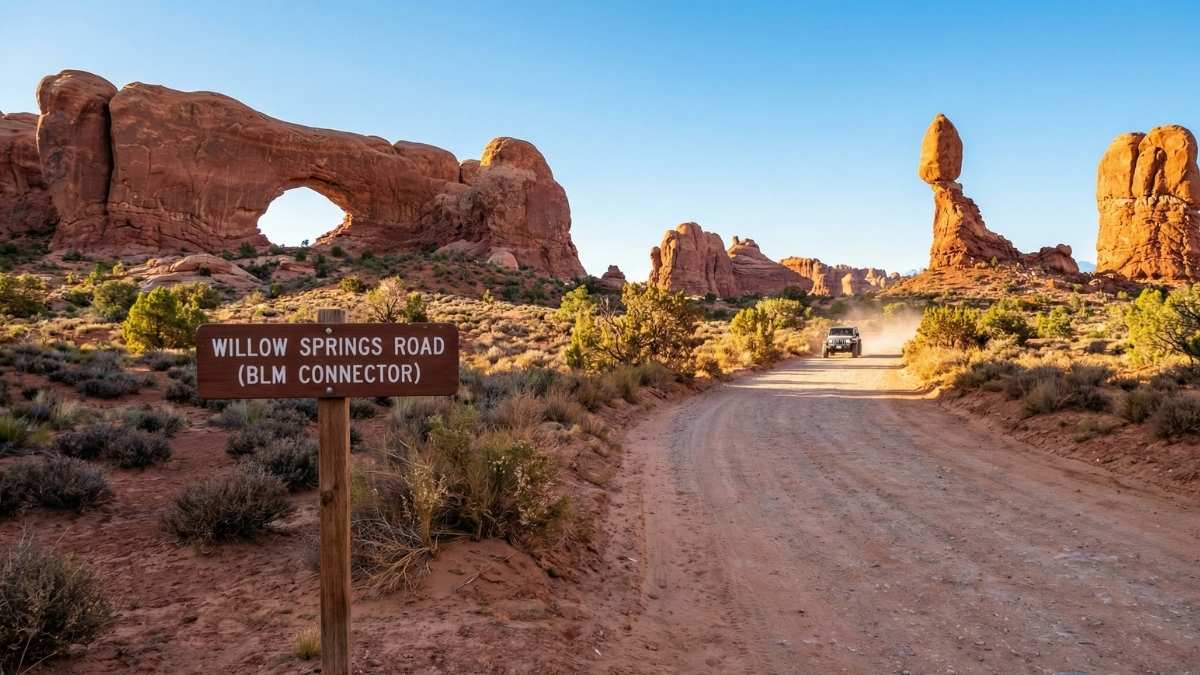
Willow Springs Road isn’t marked like a typical park entrance—and that’s why it works. This legally accessible BLM route slips you into Arches away from the main gate, bypassing the long lines that build up fast.
The road itself feels rugged and transitional, bridging open desert with sculpted red rock formations. You enter already surrounded by scenery, without the sudden shift from highway to congestion.
For experienced travelers, this route feels empowering. Same rules, same park—far less waiting.
Good to know:
- Best months: March–May, September–October
- Crowd level: Very low
- Best for: Avoiding entry lines, photography
- Vehicle note: High clearance recommended
- Navigation: Offline maps strongly advised