Why You Wake Up Exhausted: 9 ‘Good’ Sleep Habits That Are Actually Sabotaging Your Rest

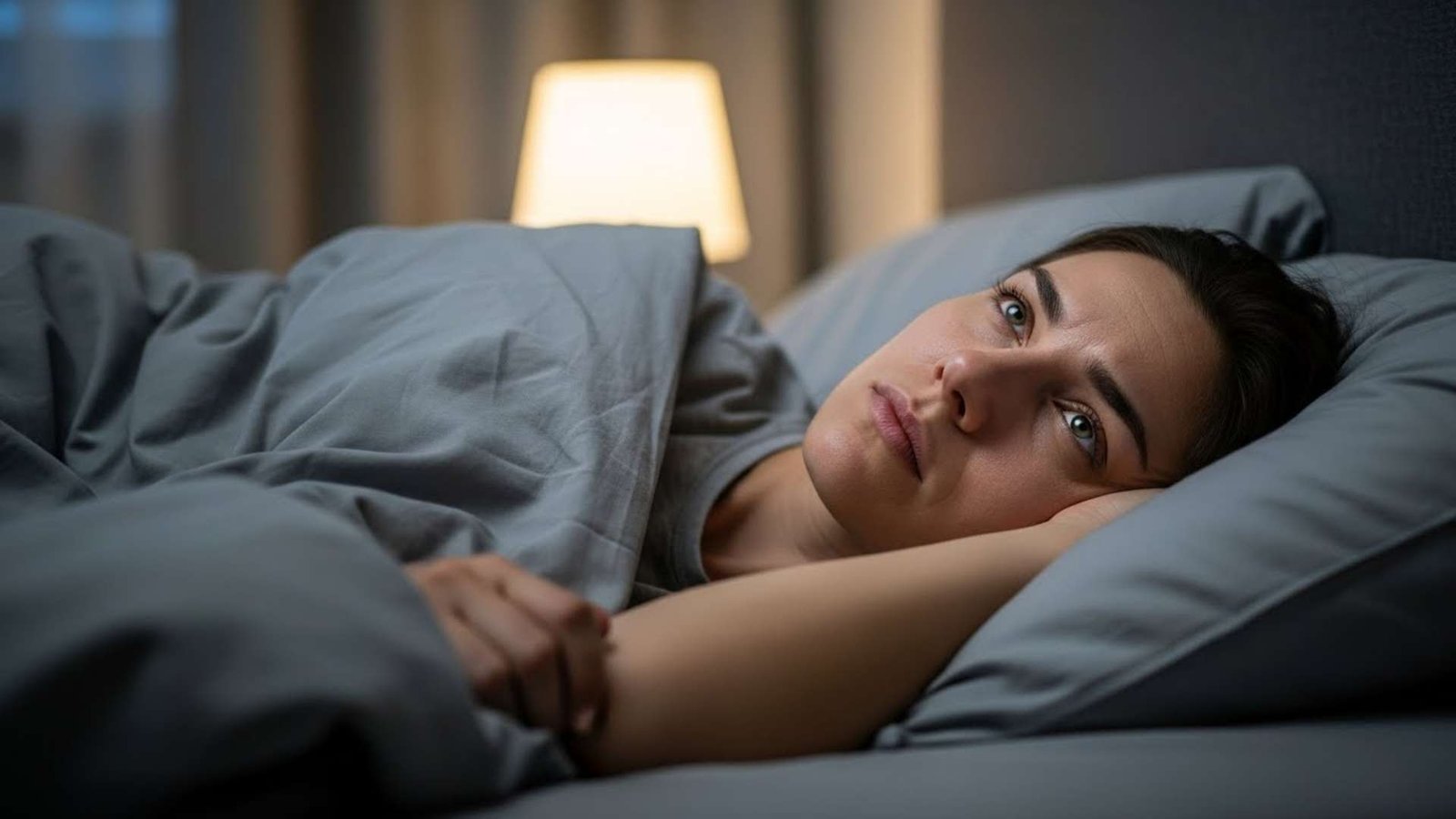
I know the feeling. You probably know it, too.
You did everything “right.” You went to bed at a decent hour. You drank your herbal tea. You keep the room cozy. You even skipped the late-night espresso. But when your alarm went off this morning, it didn’t feel like a fresh start. It feels like a siren. Your brain felt like it was wrapped in cotton wool, and your body felt heavier than it did when you went to bed.
If you’re nodding along, you aren’t alone. In fact, you’re in a crowded room with about 50 to 70 million other Americans who feel exactly the same way.
Here’s the thing: I don’t think you’re bad at sleeping. I think you’ve been sold a bad set of rules.
We tend to treat sleep like a checklist. Brush teeth. Check. Pajamas. Check. Dark rooms. Check. But biology doesn’t care about our checklists. Biology cares about rhythm and pressure.
After digging through the latest research—including some truly surprising studies from 2024 and 2025—it turns out that many of the habits we think are “good” for us are actually the very things stealing our energy.
Let’s talk about the nine silent saboteurs that are likely ruining your rest, and more importantly, how to fix them without turning your life upside down.
1. The “Just 9 More Minutes” Lie (The Snooze Button)
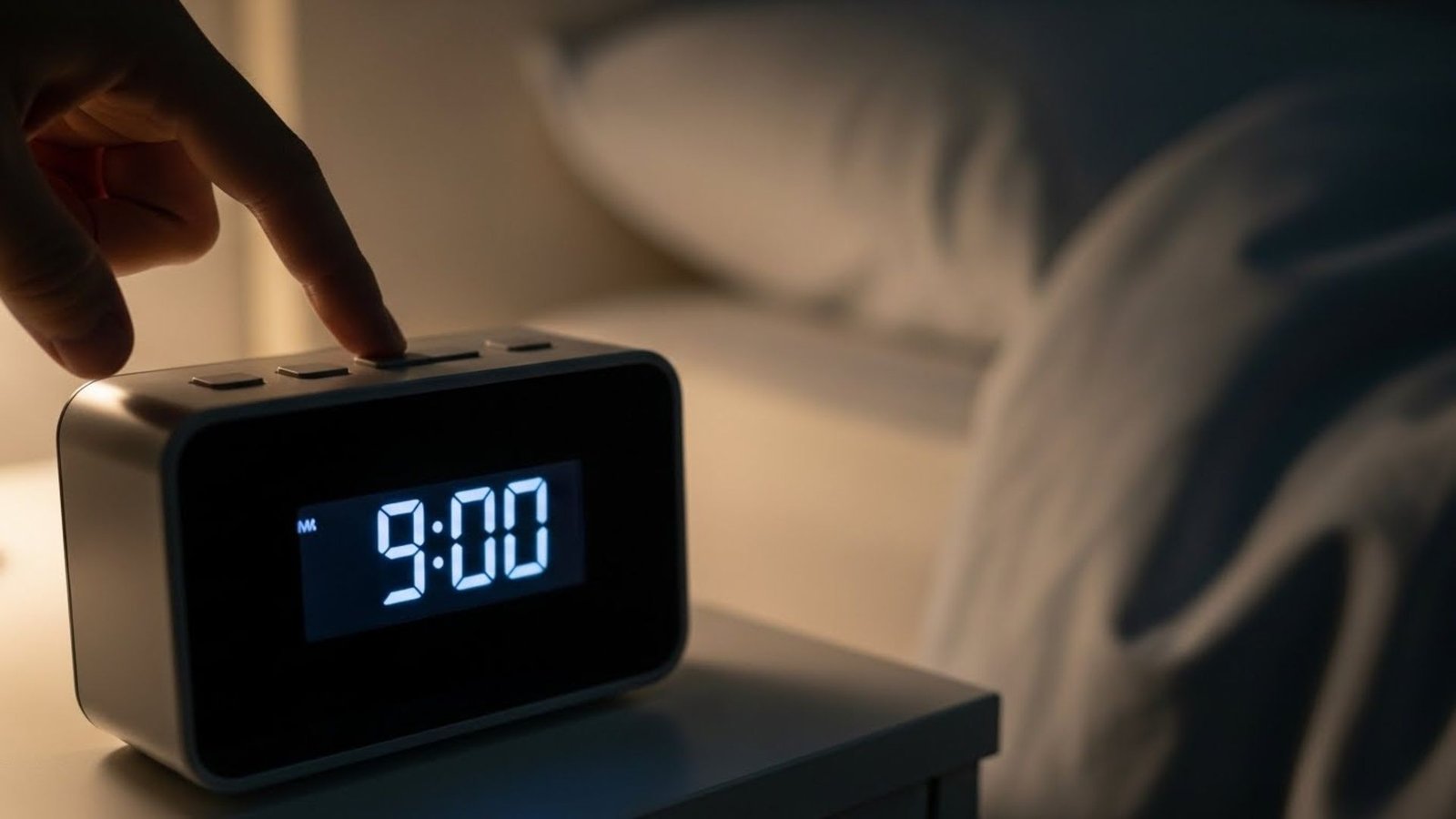
We have to start here because it’s the first mistake most of us make every single morning. The snooze button feels like a mercy. It feels like a safety net. But biologically? It’s a disaster.
Think of your brain like a car engine on a freezing cold morning. When you wake up, you’re turning the key and warming up the engine. It takes a second.
When you hit snooze and drift back off, you aren’t getting “extra” rest. You are effectively turning the engine off. When the alarm screams again nine minutes later, you’re forcing a “cold start” all over again.
This creates a state called Sleep Inertia.
A 2022 study in Sleep Health found that chronic snoozers actually lose about 6 minutes of sleep per night and spend their final waking hour in light, junk sleep.You’re essentially shredding your sleep cycles right at the finish line.
The Fix: I know it’s painful, but try the 15-Minute Rule. Set your alarm for the absolute latest time you can get up. Don’t budget for the snooze. And put the phone across the room. The physical act of standing up engages your motor cortex and helps clear the “fog” chemicals (adenosine) from your brain.
2. The Weekend Catch-Up (Social Jetlag)
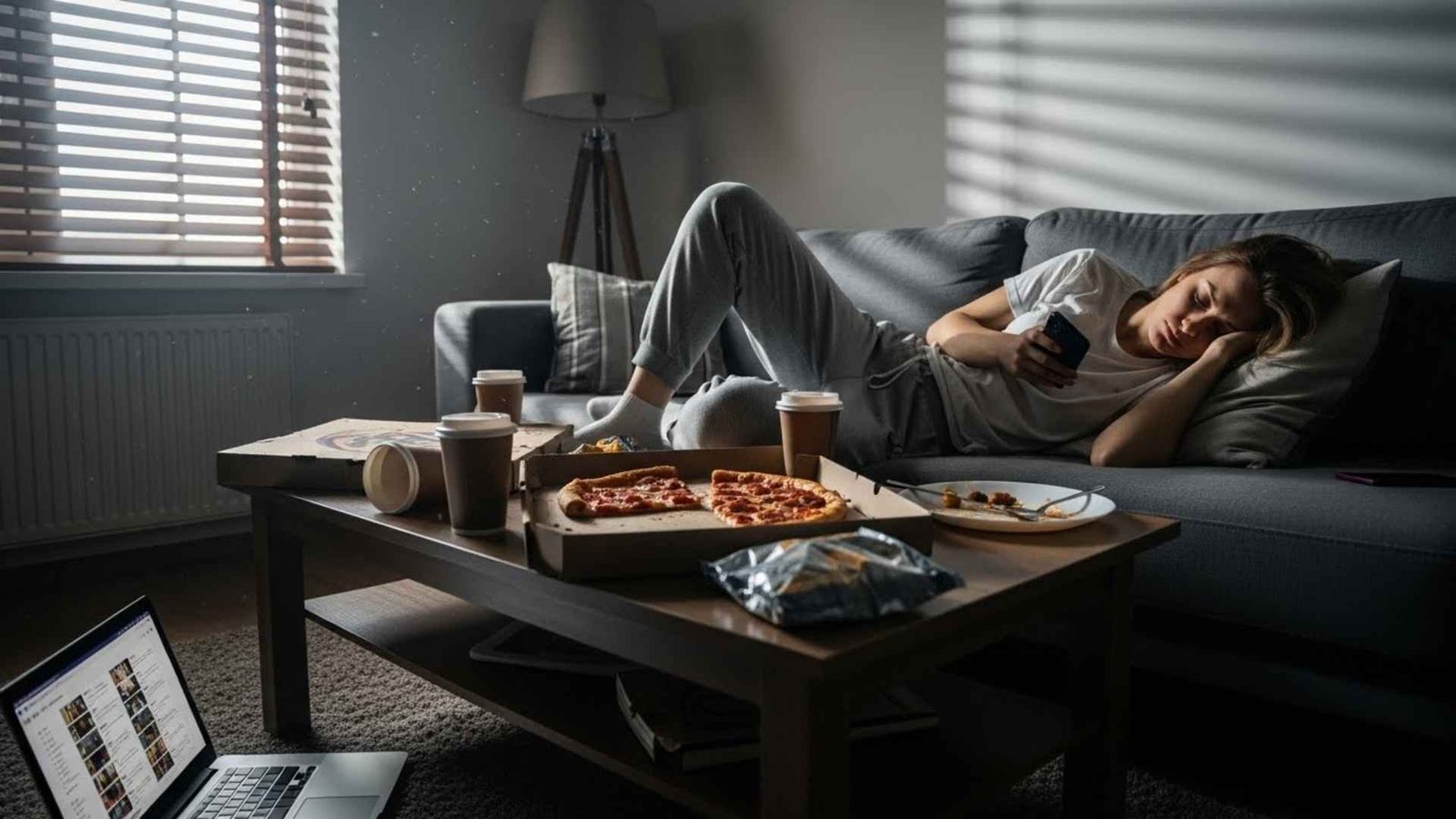
“I’ll sleep in on Saturday.” It’s the mantra of the overworked. We treat sleep like a bank account, thinking we can run a deficit during the week and make a big deposit on the weekend.
But your body’s clock—the Circadian Rhythm—doesn’t understand weekends. It only understands consistency.
When you wake up at 7:00 AM for work but sleep until 11:00 AM on Sunday, you are confused your biological clock. Scientists call this Social Jetlag. It is literally the physiological equivalent of flying from New York to California every Friday night and flying back on Monday morning.
That “Sunday Scaries” feeling where you can’t fall asleep at 10:00 PM? That’s not anxiety; that’s jetlag. Your body thinks it’s only 7:00 PM because you slept in.
The Fix: This one is tough, I know. But try to keep your weekend wake-up time within 60 minutes of your weekday time. If you’re dying for rest, take a 20-minute nap before 2:00 PM. Don’t let your internal clock drift too far out to sea.
The Nightcap 🍷
Sedation ≠ Sleep
Alcohol knocks out the “Manager” (your consciousness), but it throws a wrench in the machinery.
No Dreaming
It suppresses REM sleep—the critical stage where you process emotions and actually rest.
The 3:00 AM Crash
Metabolism finishes -> Glutamate Rebound. A chemical surge wakes your brain up in a sweat.
We need to be honest about the glass of wine before bed. It helps us relax. It definitely helps us fall asleep faster.
But alcohol is a sedative, and sedation is not sleep.
Imagine your sleep cycles are a factory line. Alcohol knocks out the manager (your consciousness), but it throws a wrench in the machinery. It suppresses REM sleep—the stage where you dream and process emotions.
Then, around 3:00 AM, your body finishes metabolizing the alcohol. This triggers a “glutamate rebound”—a chemical surge that wakes your brain up. You might not fully wake up, but you’ll toss, turn, and sweat. It’s the difference between sleeping and just passing out.
The Fix: You don’t have to be a teetotaler, but timing is everything. Try to stop drinking 3 to 4 hours before bed. Give your liver a head start so your brain can actually rest.
4. The Hydration Trap (The Leaky Bucket)

“Stay hydrated” is great advice for 2:00 PM. It is terrible advice for 9:00 PM.
I used to drink a huge glass of water right before bed, thinking I was being healthy. All I was doing was guaranteeing I’d wake up at 2:00 AM. This is called Nocturia , and it affects 1 in 3 adults over 30.
Here’s the problem: Waking up to pee breaks the cycle. It’s like kicking over a bucket you’re trying to fill. Even if you fall right back asleep, you’ve interrupted the deep sleep process (N3) that physically repairs your body.
The Fix: Front-load your water. Drink 80% of your daily intake before 4:00 PM. Stop the heavy fluids 2 hours before bed. Your kidneys will thank you, and so will your energy levels.
5. The “Cozy” Warm Room

We love being cozy. We pile on blankets, turn up the thermostat, and wear flannel. But biologically, your body needs to drop its core temperature by about 2-3°F to initiate sleep.
If you are too warm, your brain hits a panic button. It physically cannot enter the deepest stages of sleep if it’s overheating. It’s like a laptop fan spinning loudly—your body stays in a lighter, restless state to try to cool down.
The Fix: It’s going to feel like an icebox at first, but the science is clear: the ideal sleeping temperature is between 60°F and 67°F (15°C – 19°C). If you want to feel cozy, use a heavy blanket, but keep the air cool.
Melatonin Mistake
This is a big one. Melatonin use has quintupled in the last two decades. We treat it like a sleeping pill, but it’s actually a hormone—a signal.
Natural melatonin is like a dimmer switch. It gently tells the brain, “Hey, it’s getting dark.” Most supplements, however, are like a sledgehammer. They contain 3mg, 5mg, or even 10mg. That is 30 to 100 times what your body produces naturally.
And there’s new, concerning data on this. A preliminary 2025 study flagged a potential correlation between long-term, high-dose melatonin use and increased heart failure risk in adults with insomnia. While we still need more research to confirm the cause , it’s a massive red flag that we shouldn’t be popping these gummies like candy.
The Fix: Less is more. If you use it, look for a micro-dose (0.3mg to 1mg). And take it 2 hours before bed , not right when you lay down. You want to dim the lights, not smash the switch.
7. The “Wind-Down” Watch (The Fake Sunrise)
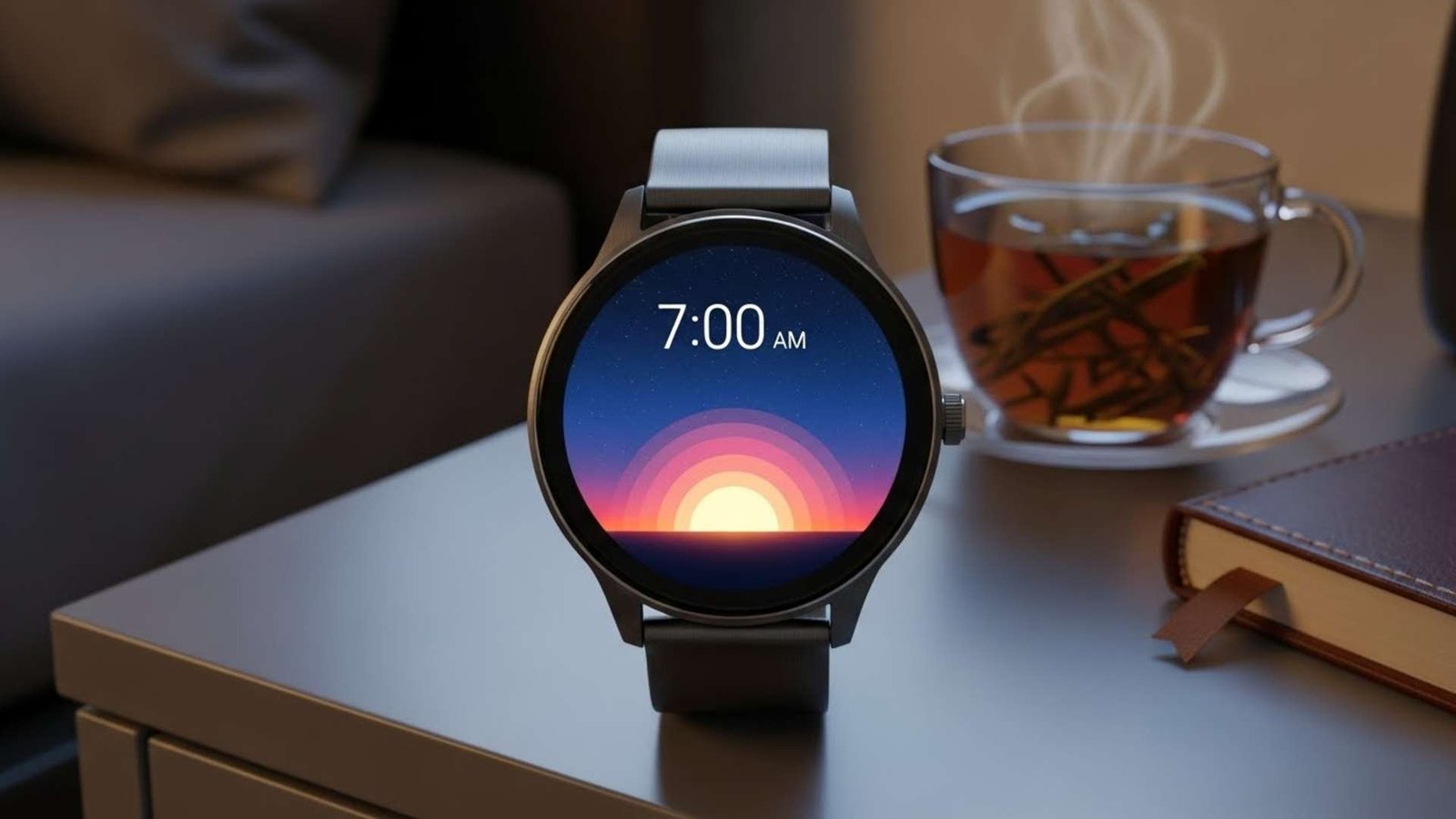
53% of us watch TV to fall asleep.It’s our ritual. But your eyes have special sensors (ipRGCs) that are specifically tuned to blue light.
When you stare at a screen at 11:00 PM, you are shining a “fake sunrise” directly into your brain. Your body screams, “It’s morning! Wake up!” at the exact moment you are trying to sleep. Plus, the content—even a boring show—triggers a dopamine loop that keeps your anxiety responses slightly elevated.
The Fix: I know, I know. “No screens.” It’s hard. But try a Digital Sunset. Turn off the screens 60 minutes before bed. Switch to a podcast or an audiobook. You can still be entertained, just don’t beam the light into your eyes.
8. The Late-Night Burn (High-Intensity Workouts)

You had a long day, you missed your morning workout, so you hit the gym hard at 8:00 PM. You think you’re “tiring yourself out.”
But vigorous exercise spikes cortisol (stress hormone) and raises your body temperature. Remember how we need to cool down to sleep? A hard workout keeps your internal engine running hot for hours.
The Fix: You need a “cool down lap.” Try to finish vigorous exercise 3 to 4 hours before bed. If you have to move late at night, swap the HIIT class for yoga or stretching.
9. The Battle in Bed (Conditioned Arousal)
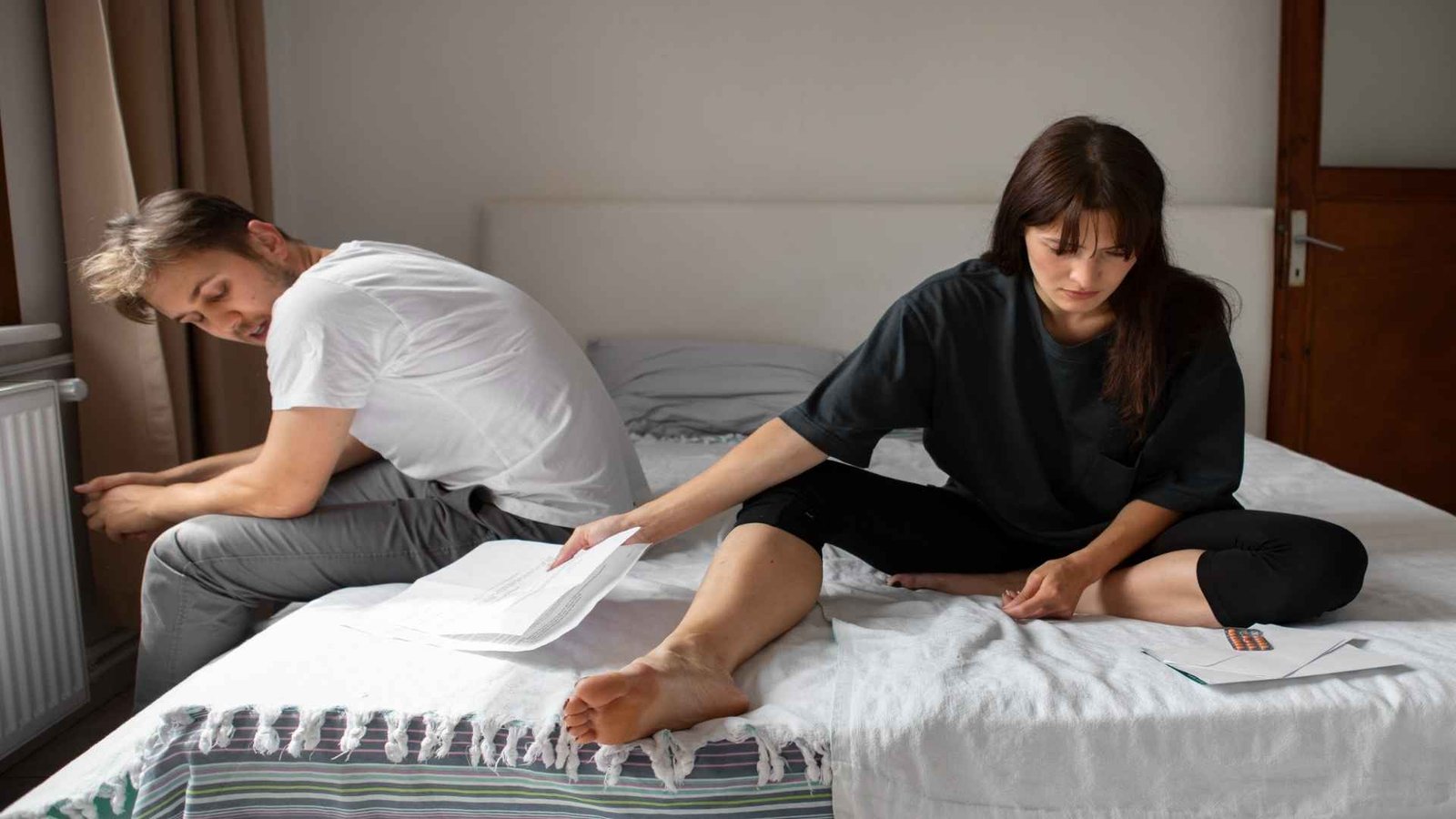
This is the biggest psychological trap of them all. You get in bed. You aren’t tired. You stare at the ceiling. You start doing math: “If I fall asleep now, I’ll get 6 hours…”
By staying in bed awake, you are training your brain that Bed = Thinking , not Bed = Sleeping. This is called Conditioned Arousal.
The Fix: Stop fighting. If you haven’t fallen asleep in 20 minutes, get up. Seriously. Go to another room, keep the lights low, and read something boring. Do not go back to bed until you are actually sleepy. Re-train your brain to see the bed as a sanctuary, not a wrestling mat.
Need a Little Help? Tools to Build Your Sleep Sanctuary
Sometimes, willpower isn’t enough. We all know we should wake up without snoozing or should avoid blue light, but life gets in the way. The good news is that you don’t have to struggle through this alone. There are tools designed specifically to trick your biology into doing the right thing, effectively automating your willpower.
I’ve looked into some of the best-rated options that align with the science we just talked about. These aren’t magic wands, but they are incredibly useful supports to build that “Sleep Sanctuary” we’re aiming for.
1. Hatch Restore 3:

If you struggle with the “Snooze Button” (Habit 1) or the “Fake Sunrise” from your phone (Habit 7), this is a game changer. It combines a sound machine with a sunrise alarm that gradually brightens your room to wake you up biologically before the noise starts. It’s like having a personal sunset and sunrise on your nightstand, helping you fix your circadian rhythm without trying.
2. Prospek Blue Light Blocking Glasses:

For those of us who simply cannot give up evening Netflix or work (I get it, life happens), these are your safety net. Unlike the cheap orange ones that make you look like a traffic cone, these are high-quality and clear enough to wear comfortably while working. They filter out the specific spectrum of light that tricks your brain into thinking it’s morning.
3. LectroFan EVO White Noise Machine:

If your problem is “fragmented sleep” caused by stray noises (a barking dog, a car door slamming), this is the gold standard. It doesn’t just play looping nature sounds; it generates non-looping, fan-based white noise that perfectly masks sudden spikes in sound, keeping your brain in deep sleep.
4. JALL Wake Up Light (Budget Friendly):

If the Hatch is out of your price range, the JALL Wake Up Light is a fantastic, budget-friendly alternative. It still gives you that critical sunrise simulation to help you beat sleep inertia and wake up with a warm engine, rather than a cold start.
5. Yogasleep Dohm Classic:

Some people hate digital sounds. I hear you. The Dohm is the original “sound machine”—it’s actually just a fan inside a casing. It creates a rich, natural rush of air without blowing cold wind on you. It’s simple, mechanical, and incredibly soothing for anyone who needs that “fan sound” to drift off.