
12 Beginner Trails That Killed Experienced Hikers (What Went Wrong)

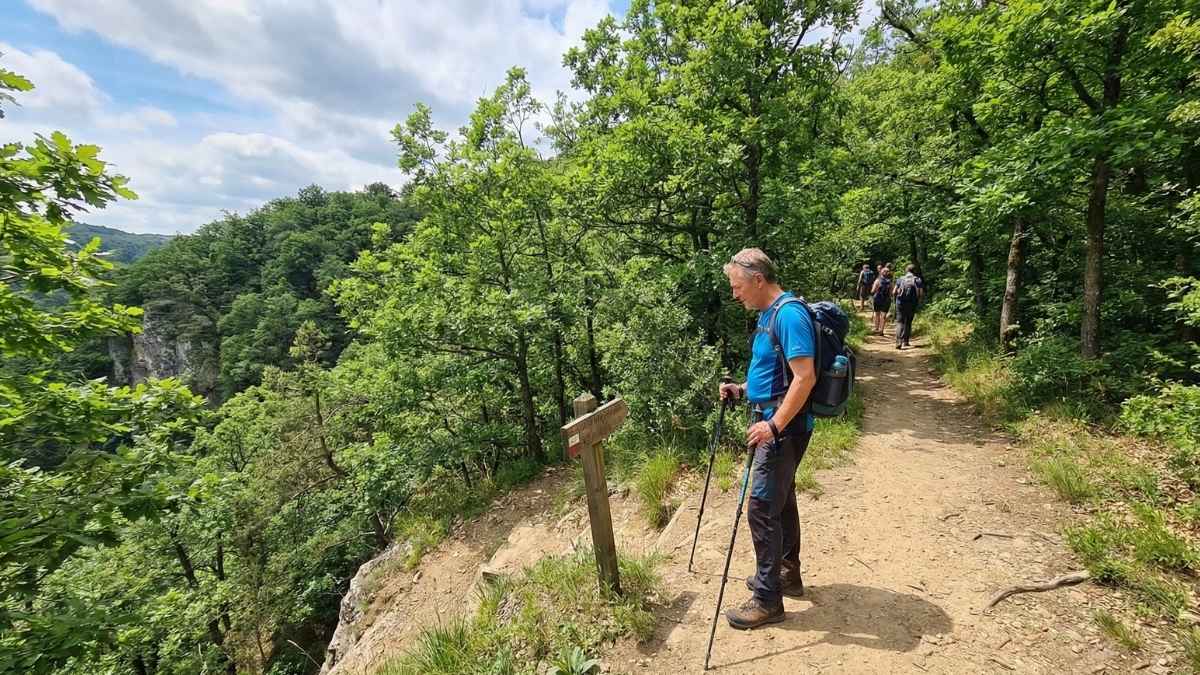
Confidence can be a dangerous thing on the trail. Years of experience, top-tier gear, and a long list of conquered hikes have led many skilled hikers straight into situations they never saw coming. These routes don’t announce their danger with warning signs or dramatic terrain right away.
They ease you in, earn your trust, then quietly stack the odds against you—weather shifts, exposure, heat, altitude, or simple exhaustion. Mistakes feel small at first. Then they compound. What makes these stories unsettling isn’t recklessness, but familiarity.
Each trail carries a lesson written in loss, and every one of them proves that nature doesn’t care how prepared you think you are.
1. Mount Washington – Tuckerman Ravine Trail
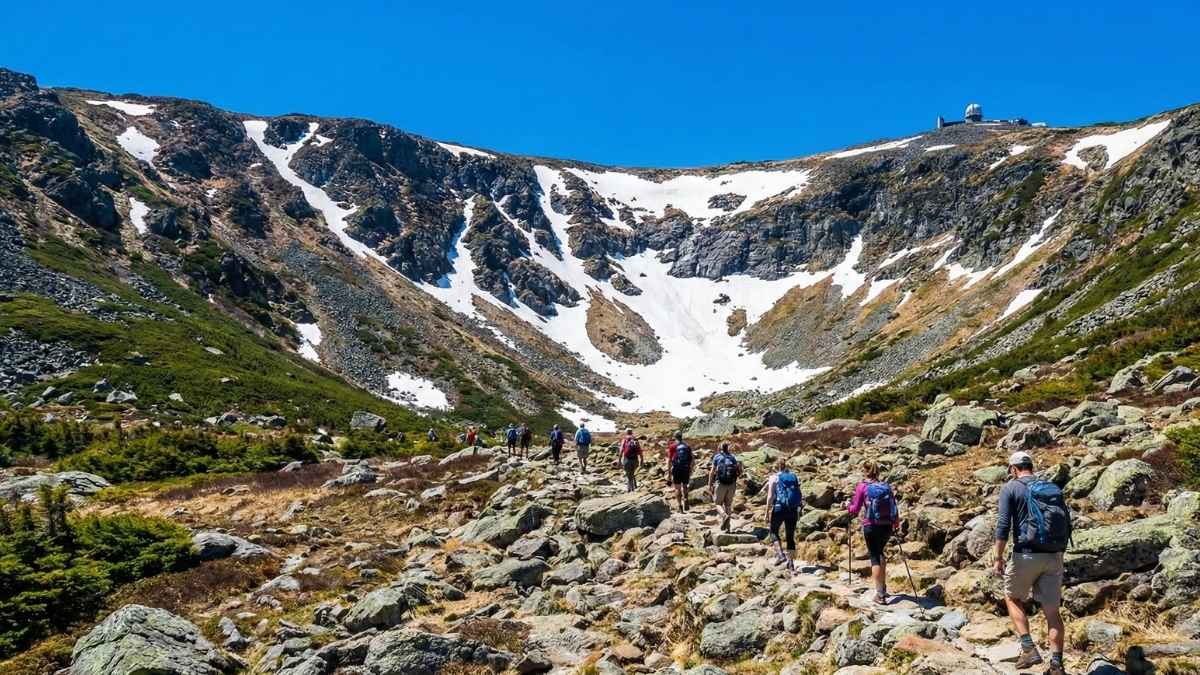
Mount Washington has earned a brutal reputation despite being labeled “beginner-friendly” by mileage alone. The trail itself doesn’t look intimidating on paper, which is exactly why it’s so dangerous. What catches even seasoned hikers off guard is how violently fast conditions can change. Clear skies at the base often turn into hurricane-force winds and whiteout conditions near the summit—sometimes within minutes.
Many experienced hikers underestimate the mountain because they’ve conquered bigger peaks elsewhere. That confidence becomes a liability here. Mount Washington holds the record for some of the strongest surface winds ever recorded, and temperatures can drop dramatically even in summer. Once weather shifts, turning back becomes physically exhausting and mentally disorienting.
Most fatal incidents involve exposure, hypothermia, or exhaustion, not falls. Hikers push upward, assuming the summit is close, only to lose heat, visibility, and strength. Rescue is difficult due to terrain and weather, and small mistakes snowball fast.
Key Information:
- Best Months: July–September
- Primary Risks: Extreme weather, hypothermia, wind exposure
- Common Mistake: Treating it like a casual New England hike
- Elevation Gain: ~4,200 ft
- Why It’s Deceptive: Short distance, brutal conditions
2. Half Dome (Cable Route)
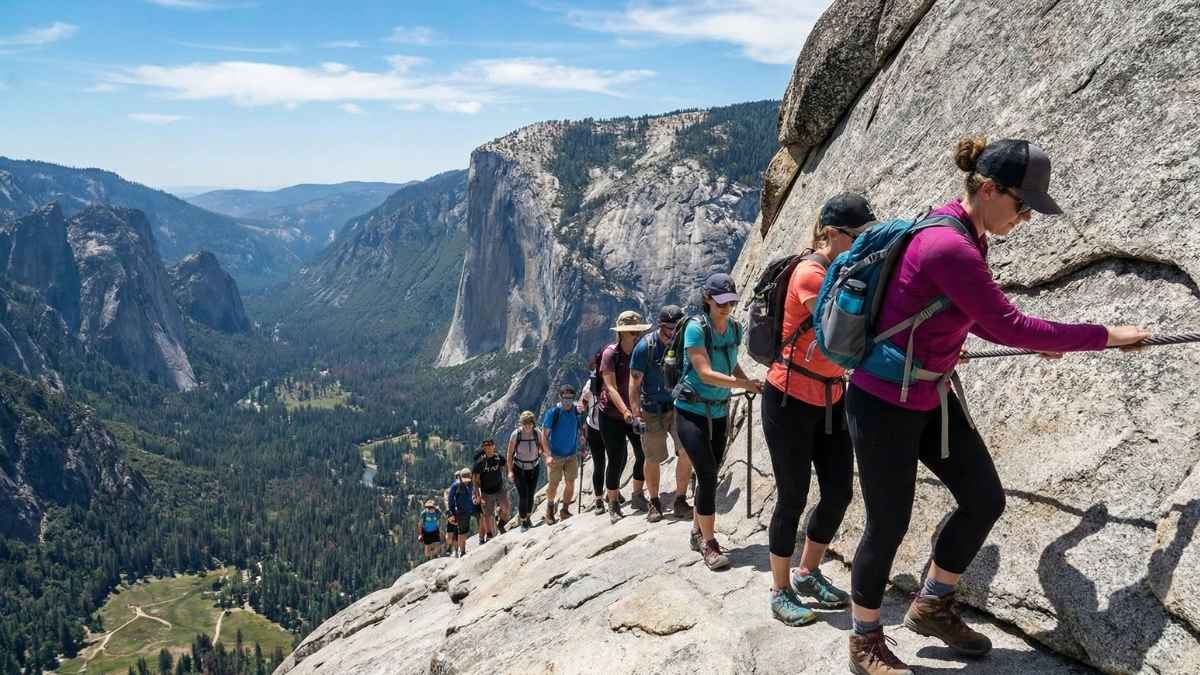
Half Dome’s cable section turns a hike into something closer to a vertical climb, yet many hikers reach it without technical gear or training. The trail lulls people into comfort for miles—steady paths, stunning views—until suddenly there’s exposed granite rising steeply into the sky.
Experienced hikers often fall victim to timing mistakes. Afternoon thunderstorms roll in quickly, and wet granite becomes dangerously slick. Several deaths occurred when hikers continued upward despite darkening skies, believing experience alone would compensate for conditions.
Crowds add another layer of danger. When traffic jams form on the cables, people rush, lose footing, or try unsafe maneuvers to pass others. Fatigue also plays a role—most hikers reach the cables after already hiking 14–16 miles.
Key Information:
- Best Months: June–September (weather-dependent)
- Primary Risks: Slips, lightning, exhaustion
- Permit Required: Yes
- Common Mistake: Ignoring weather warnings
- Why It’s Deceptive: Trail feels easy—until the cables
3. Angel’s Landing
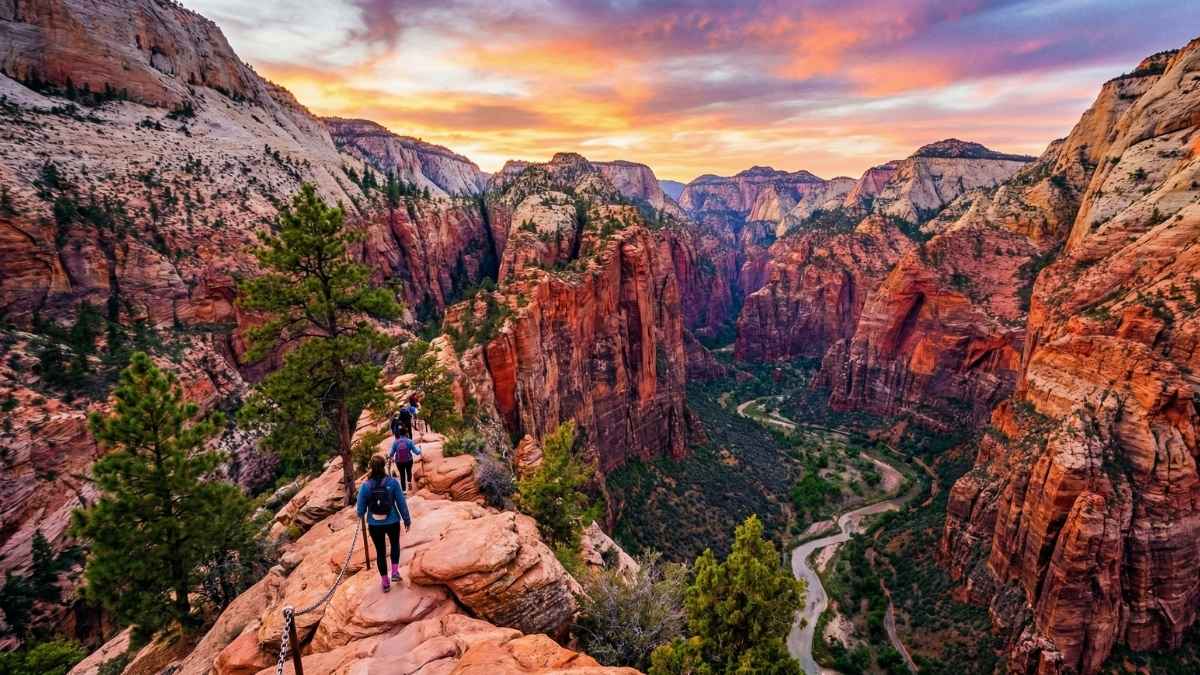
Angel’s Landing is infamous for a reason, yet many hikers still treat it like a bucket-list stroll. The final ridge is narrow, exposed, and unforgiving. One misstep, one strong gust, or one moment of panic can be fatal.
Experienced hikers often assume technical terrain equals safety if you’re skilled. The problem here isn’t difficulty—it’s exposure combined with crowd pressure. People freeze mid-route, others try to pass, and balance gets compromised. Several deaths happened not from falling forward, but from being startled or bumped.
Heat also plays a silent role. Zion’s desert climate drains energy fast, and dehydration leads to poor decision-making. The trail demands constant focus, which becomes harder as fatigue builds.
Key Information:
- Best Months: March–May, September–November
- Primary Risks: Falls, heat exhaustion, crowd congestion
- Permit Required: Yes (seasonal)
- Common Mistake: Overconfidence in exposed terrain
- Why It’s Deceptive: Short distance, extreme exposure
4. Bright Angel Trail (Grand Canyon)
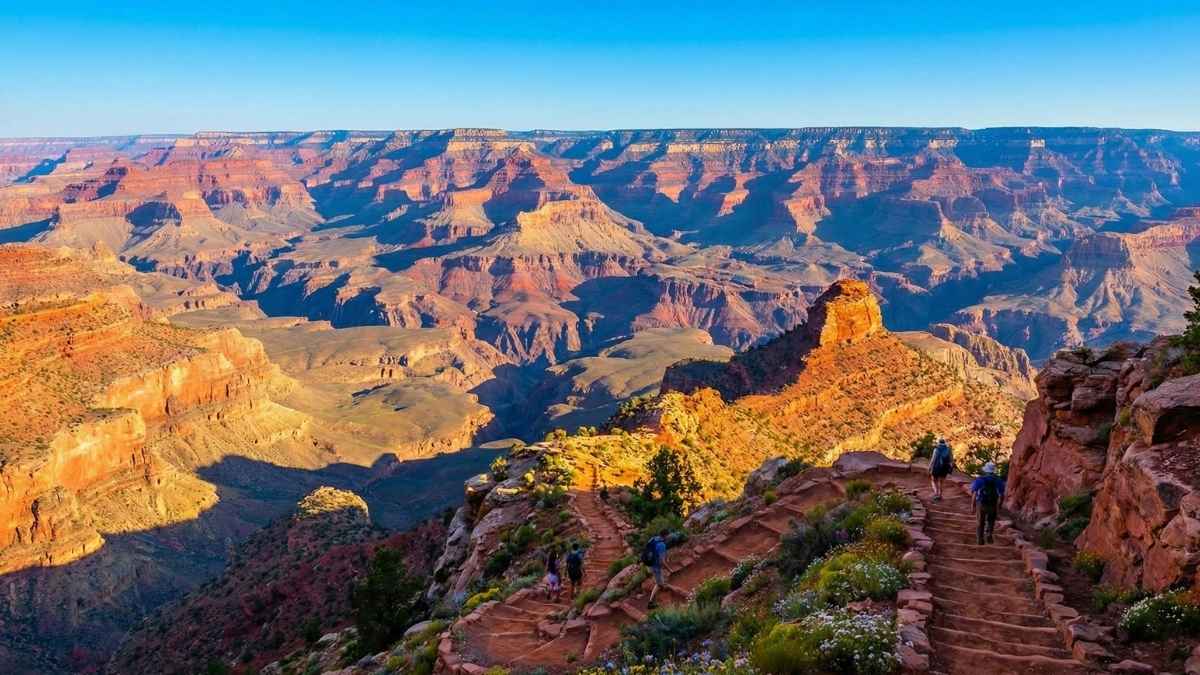
Bright Angel Trail is often mistaken for an “easy” Grand Canyon hike because it’s well-maintained and heavily trafficked. That perception has led to countless emergencies involving very experienced hikers who underestimated the environment.
The biggest killer here is heat combined with elevation change. Going down feels effortless, which tricks hikers into descending too far, too fast. The return climb happens in extreme temperatures, often with depleted water supplies.
Deaths frequently occur on the ascent. Even seasoned hikers struggle with relentless switchbacks, reflected heat from canyon walls, and dehydration. Rangers often say, “Down is optional. Up is mandatory.”
Key Information:
- Best Months: October–April
- Primary Risks: Heat stroke, dehydration, cardiac events
- Water Availability: Seasonal
- Common Mistake: Going too far down
- Why It’s Deceptive: Easy descent, brutal return
5. Mount Hood – South Side Route
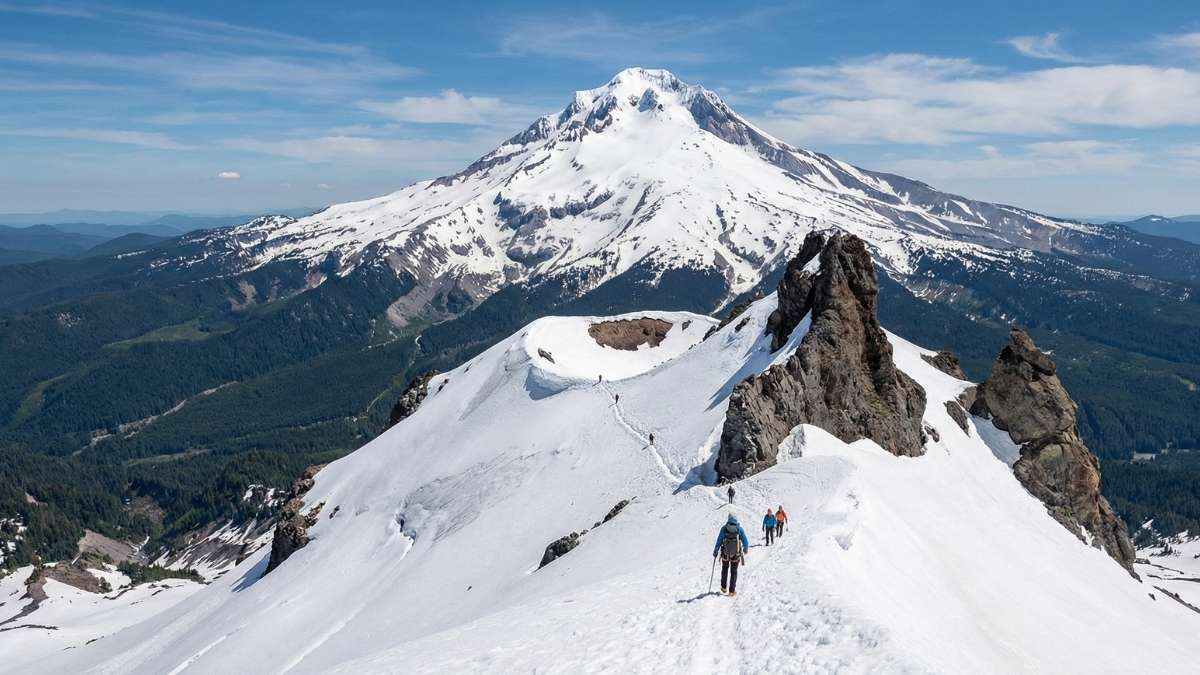
Mount Hood’s South Side Route is considered the “standard” path, which leads many experienced hikers to treat it casually. That assumption has proven deadly. The route crosses glaciers, steep snowfields, and areas prone to rock and icefall.
Weather changes quickly, and altitude fatigue sneaks up fast. Several fatalities involved climbers caught without proper crampons or ice axes, slipping on icy slopes during descent when their legs were tired and their reaction times were slower.
Another recurring issue is late summit attempts. Many accidents happen on the way down, when sun-softened snow becomes unstable, and visibility worsens.
Key Information:
- Best Months: May–July
- Primary Risks: Falls, altitude fatigue, ice conditions
- Technical Gear: Strongly recommended
- Common Mistake: Underestimating snow and ice
- Why It’s Deceptive: Popular route, real alpine hazards
6. Mount Whitney – Main Trail
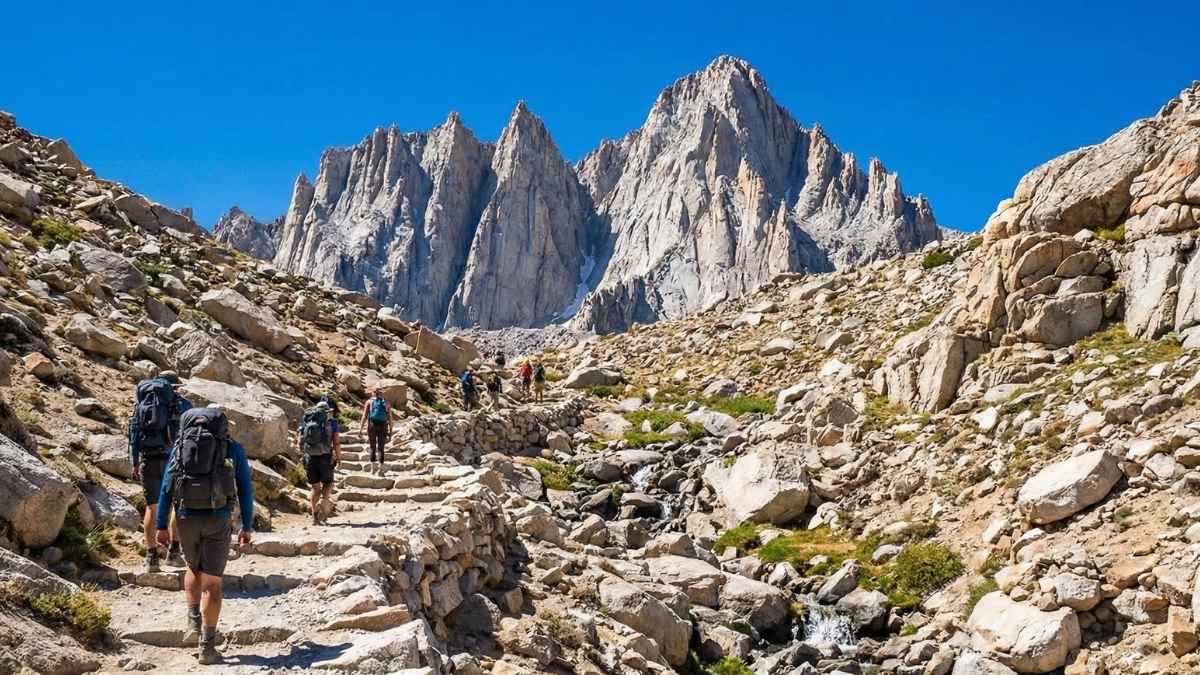
Mount Whitney’s Main Trail carries a misleading reputation: well-marked, popular, and often described as “non-technical.” That description leaves out the biggest threat—altitude. Even highly experienced hikers underestimate how fast oxygen deprivation can derail good judgment.
Many fatalities occurred after hikers pushed through symptoms of acute mountain sickness, assuming discomfort was normal. Headaches turn into confusion, coordination slips, and exhaustion compounds quickly above 13,000 feet. Because the trail is long, people often feel committed long before symptoms peak.
Another factor is distance. The out-and-back is punishing, and exhaustion sets in late when decision-making is weakest. Rescue at altitude is slow, and storms often move in during afternoon summit pushes.
Key Information:
- Best Months: July–September
- Primary Risks: Altitude sickness, exhaustion, storms
- Permit Required: Yes
- Common Mistake: Ignoring altitude symptoms
- Why It’s Deceptive: Smooth trail, extreme elevation
7. Kalalau Trail
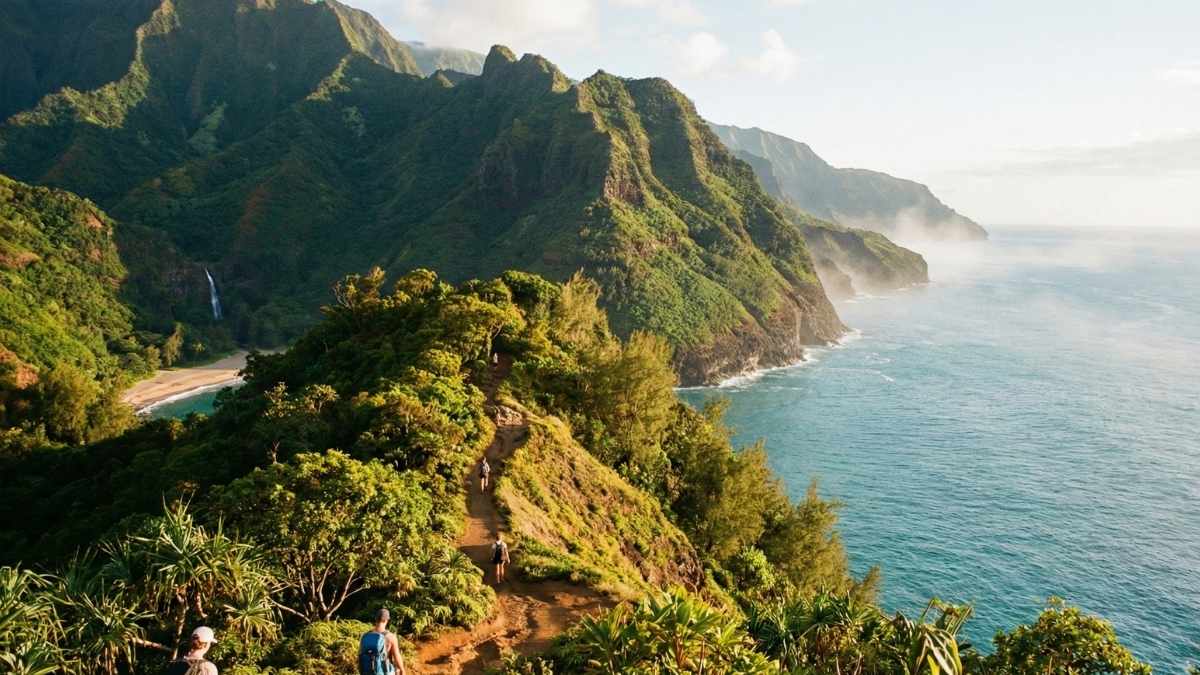
The Kalalau Trail looks like a dream hike—lush cliffs, ocean views, and tropical beauty—but it has a dark history. The trail narrows dramatically in sections, with sheer drops to the sea and no room for error. Wet conditions turn dirt paths into slides.
Experienced hikers often misjudge the weather. Sudden rain transforms streams into impassable torrents and erodes footing along exposed cliffs. Several deaths occurred when hikers were either swept away or slipped while attempting crossings.
Isolation magnifies mistakes here. Once beyond the halfway point, escape options vanish, and help is far away. Confidence fades quickly when storms trap hikers between flooded rivers and unstable slopes.
Key Information:
- Best Months: May–September
- Primary Risks: Falls, flash floods, isolation
- Permit Required: Yes
- Common Mistake: Continuing during rain
- Why It’s Deceptive: Scenic beauty masks danger
8. Camelback Mountain – Echo Canyon Trail
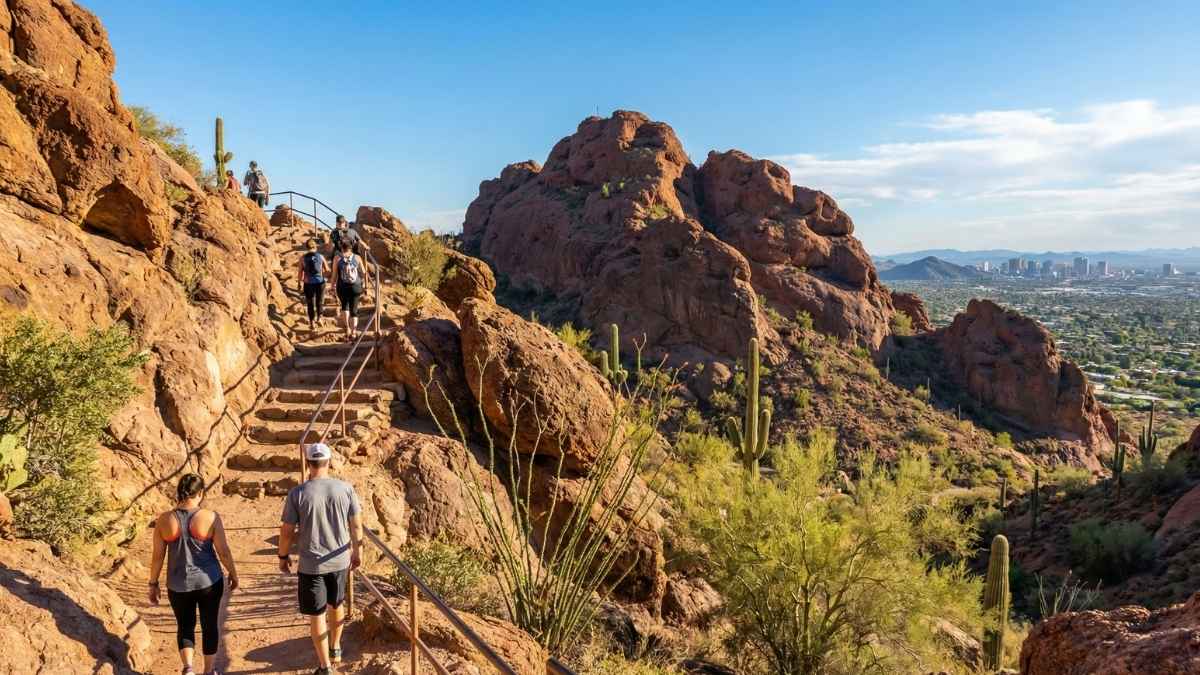
Camelback Mountain is often dismissed as a city hike, but Echo Canyon has one of the highest rescue rates in the U.S. Experienced hikers get caught off guard by relentless heat and steep elevation gain packed into a short distance.
Deaths typically occur from heat-related illnesses rather than falls. The trail offers little shade, and reflective rock surfaces amplify temperatures. Even hikers accustomed to desert conditions have collapsed after underestimating hydration needs.
Another issue is timing. Starting late in the day or pushing through heat warnings has led to fatal outcomes. Once symptoms hit, there’s often no quick way down.
Key Information:
- Best Months: November–March
- Primary Risks: Heat stroke, dehydration
- Trail Length: Short but intense
- Common Mistake: Treating it like a casual workout
- Why It’s Deceptive: Urban setting, extreme conditions
9. Mount Katahdin – Hunt Trail
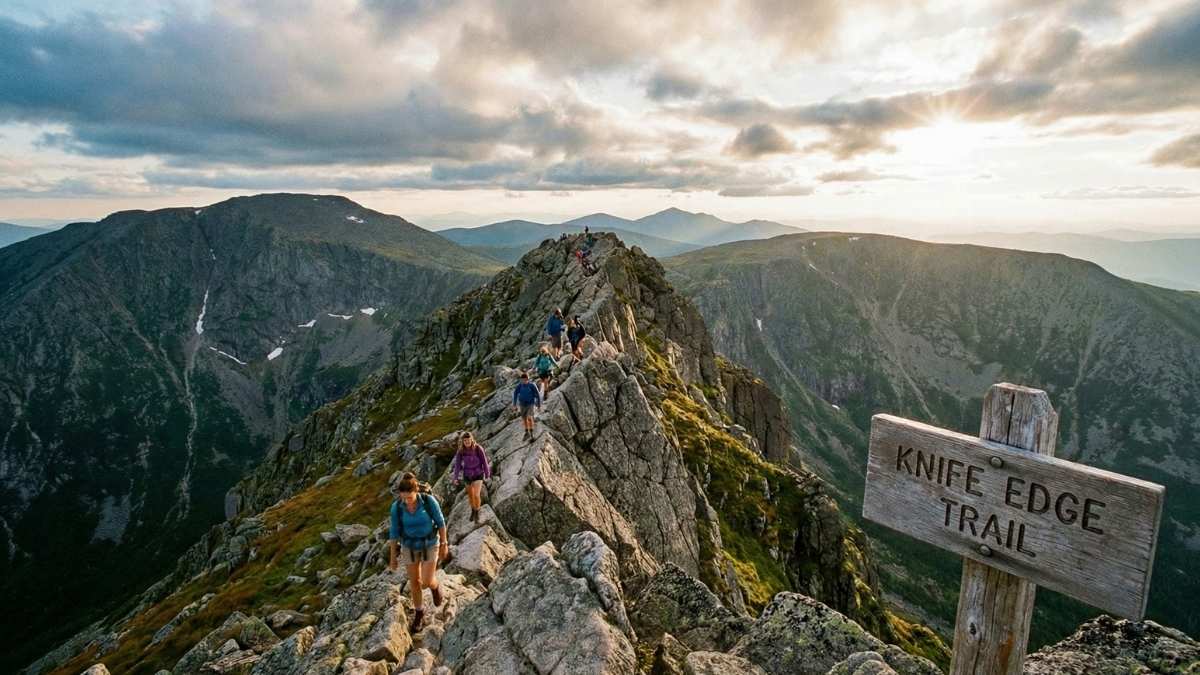
Mount Katahdin’s Hunt Trail is rugged, exposed, and unforgiving—yet many experienced hikers assume their skills will carry them through. The trail demands constant scrambling, balance, and endurance, especially near the summit.
Weather is the silent killer here. Sudden fog, wind, and freezing temperatures have trapped hikers above treeline with no shelter. Several fatalities involved people pushing forward despite deteriorating conditions, believing the summit was “close enough.”
Descent is where most accidents happen. Fatigue, slick rocks, and exposure combine, turning small slips into deadly falls.
Key Information:
- Best Months: July–September
- Primary Risks: Falls, exposure, weather shifts
- Technical Scrambling: Required
- Common Mistake: Pushing summit attempts late
- Why It’s Deceptive: Short season, big mountain feel
10. Old Rag Mountain
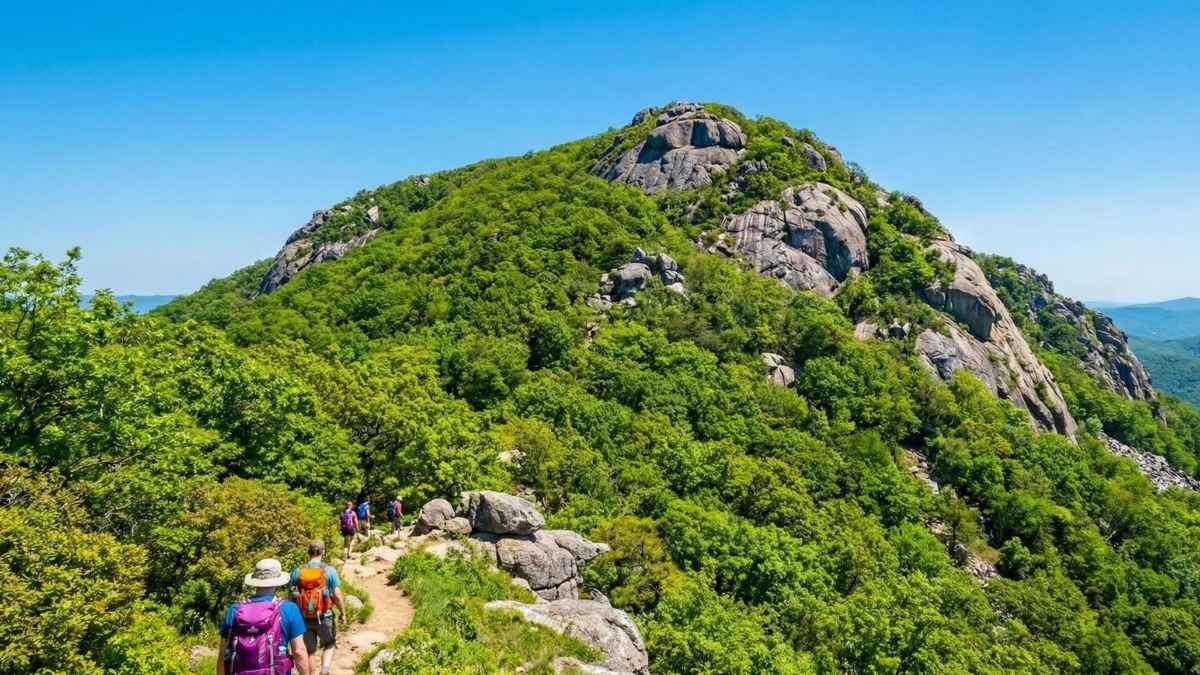
Old Rag is frequently marketed as a fun scramble hike, which draws in confident hikers who underestimate the physical and mental toll. The rock scramble section requires lifting, squeezing, and climbing—often after fatigue has already set in.
Experienced hikers have gotten trapped while attempting risky bypasses or misjudging climbs. Injuries escalate quickly when exhaustion meets exposed rock, especially in crowded conditions where people rush decisions.
Weather again plays a role. Wet granite becomes slick, and sudden storms have stranded hikers on exposed slabs with no easy retreat.
Key Information:
- Best Months: April–October
- Primary Risks: Falls, exhaustion, weather
- Crowds: Heavy on weekends
- Common Mistake: Rushing the scramble
- Why It’s Deceptive: Popular, playful reputation
11. Precipice Trail (Acadia National Park)
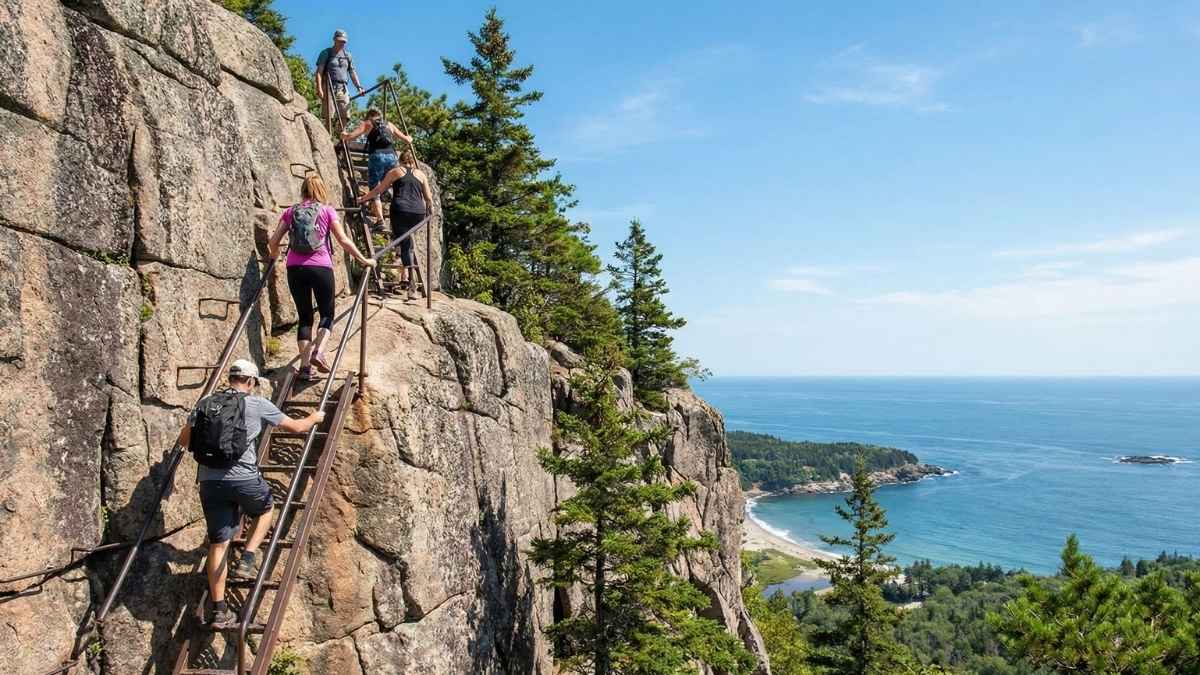
Precipice Trail doesn’t ease hikers into danger—it drops them straight into it. Iron rungs bolted into sheer granite cliffs turn this hike into a vertical test of nerve and balance. On dry days, it feels thrilling. On bad days, it becomes unforgiving.
Several fatal accidents involved experienced hikers slipping during descents or freezing mid-route when fear kicked in. Once you’re on the exposed section, turning around isn’t always simple. Wind gusts funnel through the cliffs, and even strong hikers can lose balance without warning.
Another underestimated factor is crowd behavior. When multiple people stack up on ladders and ledges, pressure builds. One mistake, one rushed move, and consequences are immediate. Skill helps here—but patience and timing matter more.
Key Information:
- Best Months: June–September
- Primary Risks: Falls, exposure, panic response
- Trail Type: Iron rungs and ladders
- Common Mistake: Attempting descent while fatigued
- Why It’s Deceptive: Short length, extreme exposure
12. Devil’s Path (Catskill Mountains)
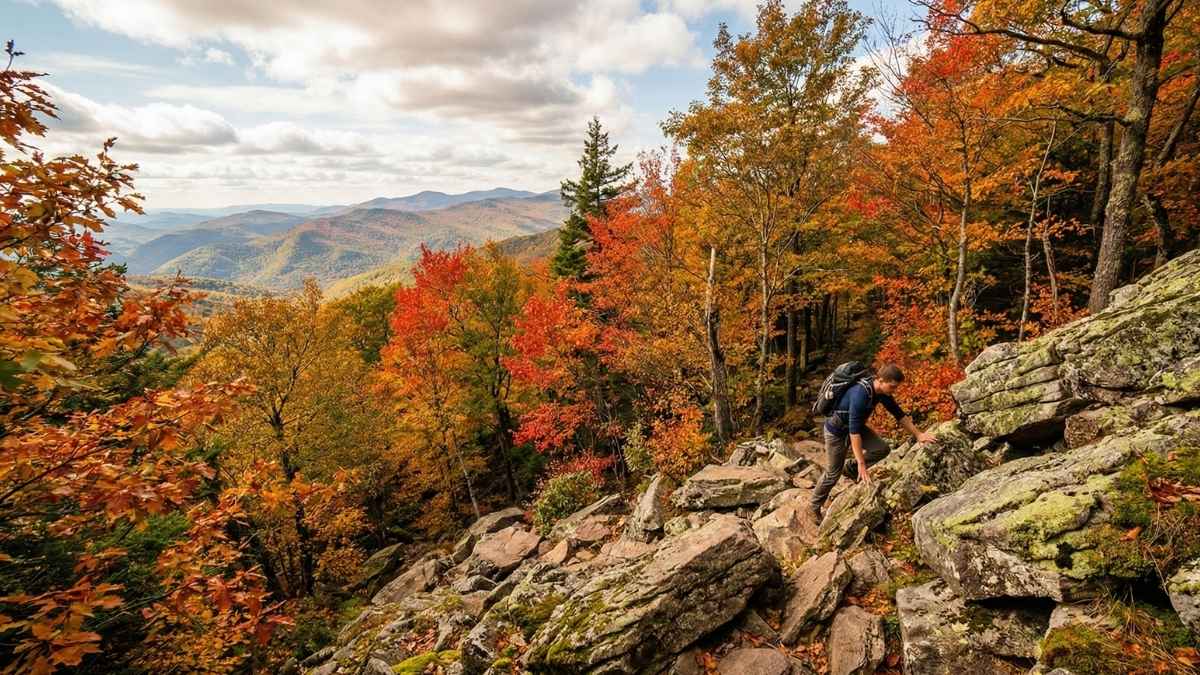
Devil’s Path doesn’t rely on cliffs or cables to earn its name. It breaks hikers slowly—mile by mile, climb by climb. The trail repeatedly drops into deep valleys and climbs back up steep summits, draining even strong legs and sharper minds.
Deaths here often stem from exhaustion and navigation errors, especially when daylight fades. Experienced hikers push on believing they’re “almost through,” only to discover another punishing ascent waiting. Fatigue leads to poor footing, missed turns, and delayed reactions.
Weather adds a final twist. Rain, snow, or ice transforms the rocky trail into a slick obstacle course. Once tired sets in, the terrain feels endless—and rescue becomes complicated in remote sections.
Key Information:
- Best Months: May–October
- Primary Risks: Exhaustion, falls, getting lost
- Trail Style: Repeated steep ascents
- Common Mistake: Underestimating total effort
- Why It’s Deceptive: No single crux—constant punishment