The Weekend Warrior Penalty: Why Monday Through Wednesday Feels Like Punishment Now

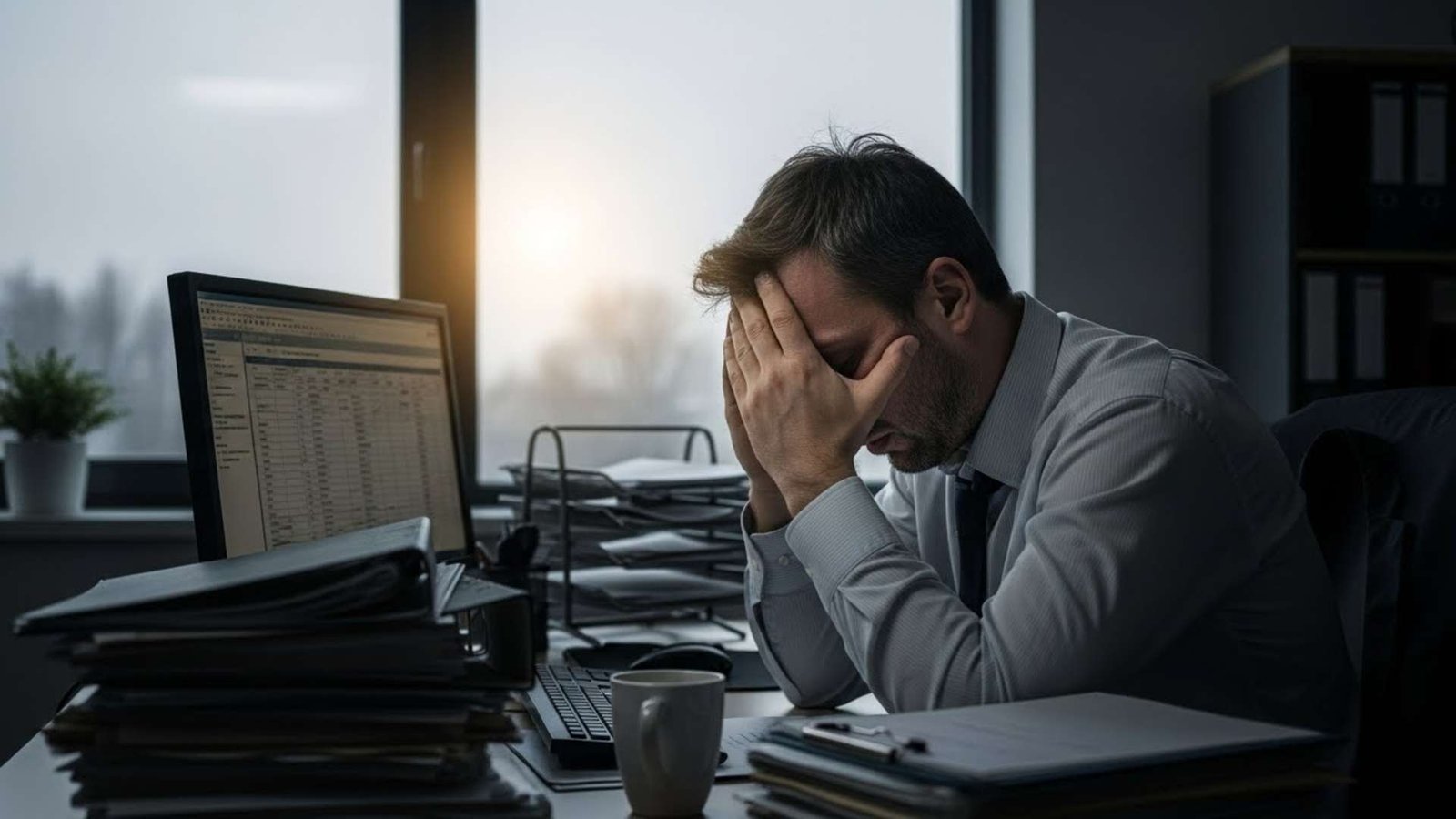
We all know the walk. You see it in the office hallway, at the coffee shop line, or painfully slowly descending the stairs at the train station. It’s the “Monday Morning Waddle.”
It’s that specific biomechanical shuffle that says, “I am a sedentary professional for five days a week, but for 48 hours this weekend, I pretended I was 21 and invincible.”
For millions of us, the transition from Friday’s ergonomic chair to Monday’s stiffness is a violent shift. We spend the workweek relatively immobile, trapped by the demands of the modern knowledge economy. Then, the weekend hits. We shed the slacks and the stress, lace up the cleats or hiking boots, and try to compress a week’s worth of living into a frantic two-day window.
We are the “Weekend Warriors.” And if you feel like you’ve been hit by a truck on Monday morning, you aren’t alone. In fact, you’re part of a massive, growing demographic.
Recent data shows the number of us living this “binge-exercise” lifestyle has more than doubled in the last decade, jumping from 2.2% of the adult population in 2011 to 6.4% in 2020. It’s a survival mechanism. We want to be healthy, but work consumes our time. So, we cram it all in.
This report isn’t here to tell you to stop. Actually, quite the opposite. We’re going to dig into the science of why it hurts so much—from the microscopic car crashes in your muscles to the “jet lag” in your brain—and give you a roadmap to survive the penalty.
Because here is the spoiler: Despite the pain, the waddle, and the groans, the science says it is absolutely worth it.
Let’s be real for a second. We don’t train like this because we want to punish ourselves. We do it because we have to.
The modern workforce is a paradox. We are more health-conscious than ever, yet our jobs are more sedentary than ever. We have a “time-poor” problem. Think of your weekly exercise like grocery shopping. Ideally, you’d go to the market every day for fresh ingredients. But who has time for that? So, you do one massive, heavy haul on Saturday morning.
You still get all the nutrition (exercise) you need, but carrying twenty heavy bags at once is exhausting in a way that carrying two bags a day isn’t. That “heavy carry” is what shocks the system.
But here is the good news I promised. For years, fitness snobs told us this was a bad idea. They said if you weren’t exercising daily, you were wasting your time.
They were wrong.
The Mortality Paradox: Living Longer (While Limping)

It turns out, your heart doesn’t really care when you do the work, just that you do it.
A massive study following over 10,000 adults found something incredible. Compared to couch potatoes, Weekend Warriors had a Hazard Ratio (HR) of 0.86 for all-cause mortality. In plain English? You are significantly less likely to die prematurely.
But here is the kicker: That number is almost identical to the people who exercise every single day (HR 0.85).
Another huge analysis of nearly 90,000 people in the UK Biobank backed this up. Whether you spread your sweat out or binge it on Sunday, the risk reduction for heart disease and cancer is virtually the same.
So, yes, you might feel like you’re dying on Monday. But statistically, you are actually living longer.
Anatomy of the Ouch!
🚫 Myth: Lactic Acid
Stop blaming it! Lactic acid is fuel, and it’s gone within one hour. It has nothing to do with the pain you feel 48 hours later.
The “Z-Line” Crash
The real culprit is structural damage from braking (eccentric) force. Your muscle’s internal “Z-lines” physically explode. It’s like a microscopic bomb went off.
Okay, so if it’s good for us, why does it feel so bad?
Myth Buster: Stop Blaming Lactic Acid

First, let’s kill a zombie myth that just won’t die. Your gym teacher probably told you that you’re sore because of “lactic acid buildup.”
That is biologically impossible.
Lactic acid (or lactate) is fuel. Your body burns it up fast. Research shows that lactate levels return to normal within one hour of finishing your workout. By the time you’re driving home from the trail, that lactic acid is gone. It has nothing to do with the pain you feel 48 hours later.
The Real Culprit: The “Z-Line” Crash
The real reason you can’t sit down on the toilet on Tuesday is structural damage. Specifically, “eccentric” movement.
Imagine holding a heavy box and slowly lowering it. Your muscles are lengthening, but they are tense to fight gravity. That’s eccentric loading. It’s like hitting the brakes while driving downhill. That braking force creates friction.
Deep inside your muscle fibers, there are little boundaries called “Z-lines” that hold everything together. After a weekend of intense braking (hiking down a mountain, landing a jump), those Z-lines physically explode. Under a microscope, it looks like a bomb went off. It’s called “Z-line streaming”.
You have suffered thousands of microscopic tears. That is the trauma. But the pain comes later.
The 72-Hour Wave
You know how sometimes Monday is okay, but Wednesday is agony? That’s the Delayed Onset Muscle Soreness (DOMS) wave.
- 0-24 Hours: You feel stiff, but okay. The damage is there, but your body is just assessing the scene.
- 24-48 Hours: The construction crew arrives. Your body rushes fluid and white blood cells to the injury. This causes microscopic swelling (pressure).
- 48-72 Hours: Peak pain. The pressure from the swelling hits the nerve endings. You aren’t feeling the damage; you’re feeling the repair.
The Brain Fog: It’s Not Just Your Legs
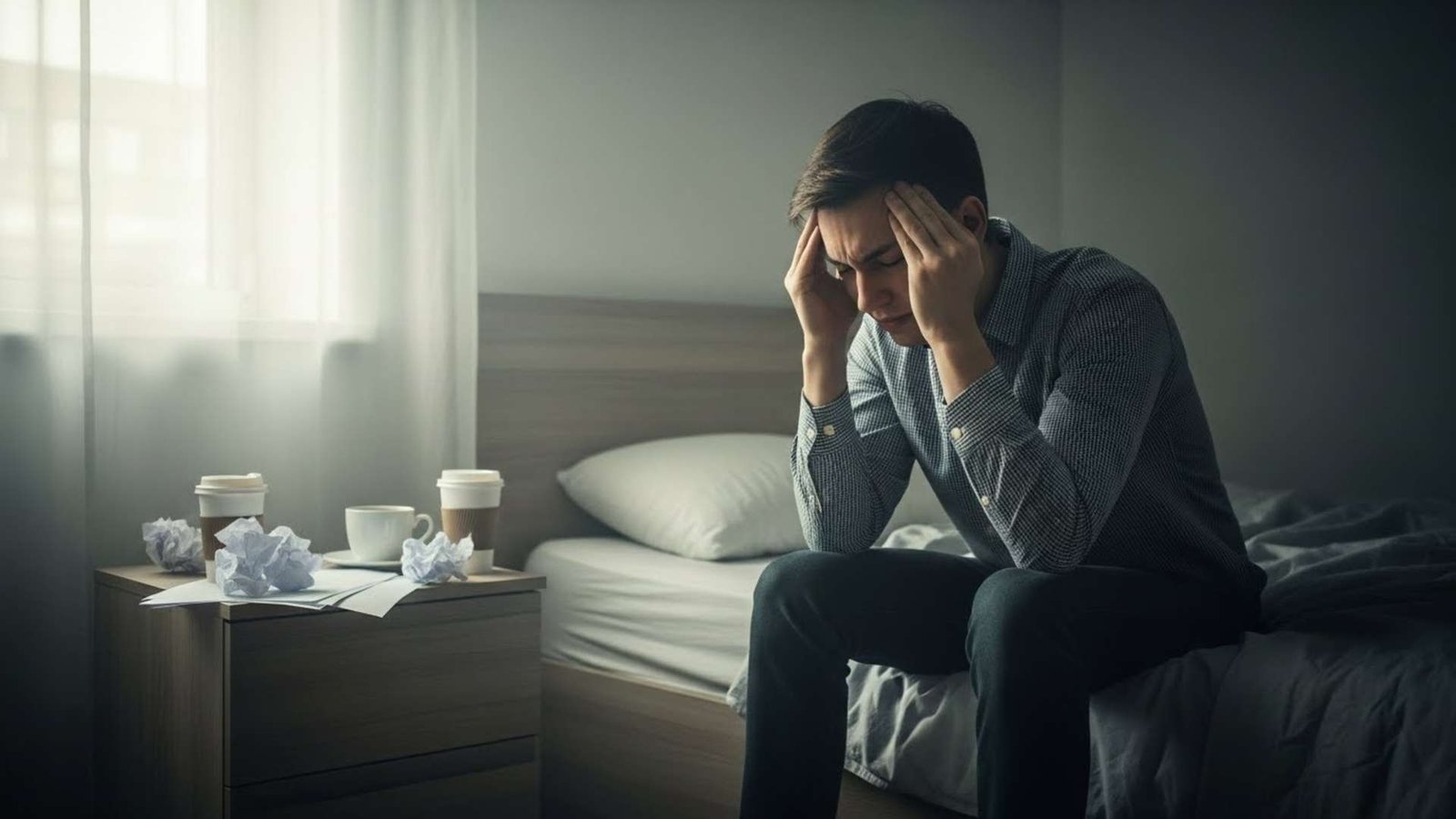
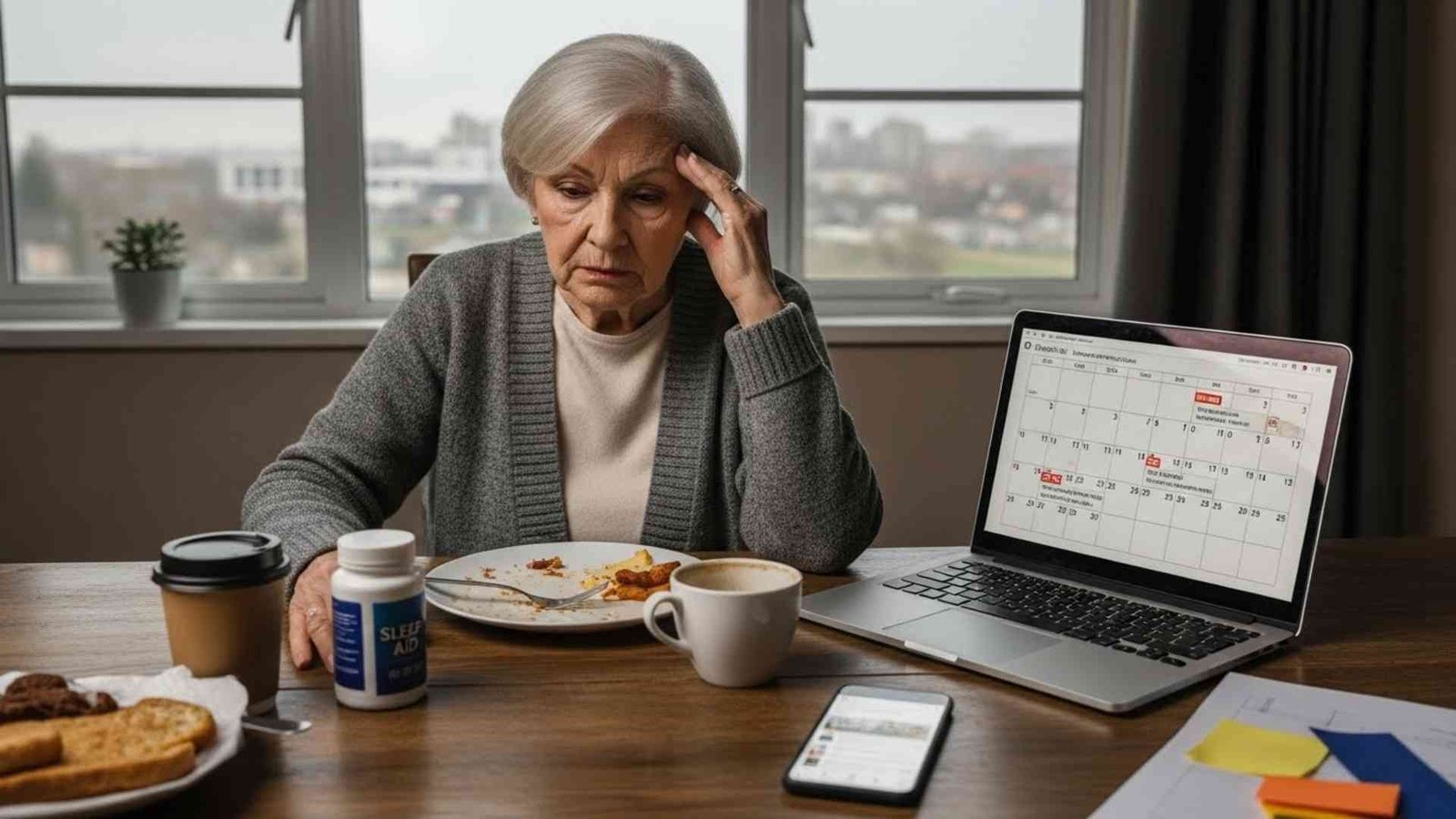
Ever notice that on Monday, you aren’t just sore—you’re also cranky, unfocused, and dropping your keys?
Welcome to the “Neural Hangover.”
We think of fatigue as a muscle thing, but it’s actually a brain thing. High-intensity weekend sports fry your Central Nervous System (CNS).
Think of your body like a house. Your muscles are the lights. The CNS is the dimmer switch on the wall. When you go too hard for too long, you deplete the chemicals (dopamine and acetylcholine) that run that switch.
On Monday, your brain is trying to turn on the lights, but the dimmer is stuck at 50%. You have the strength to work, but you don’t have the drive. You feel irritable and clumsy because your neural signal is literally weak.
The Time Zone Problem: Social Jetlag
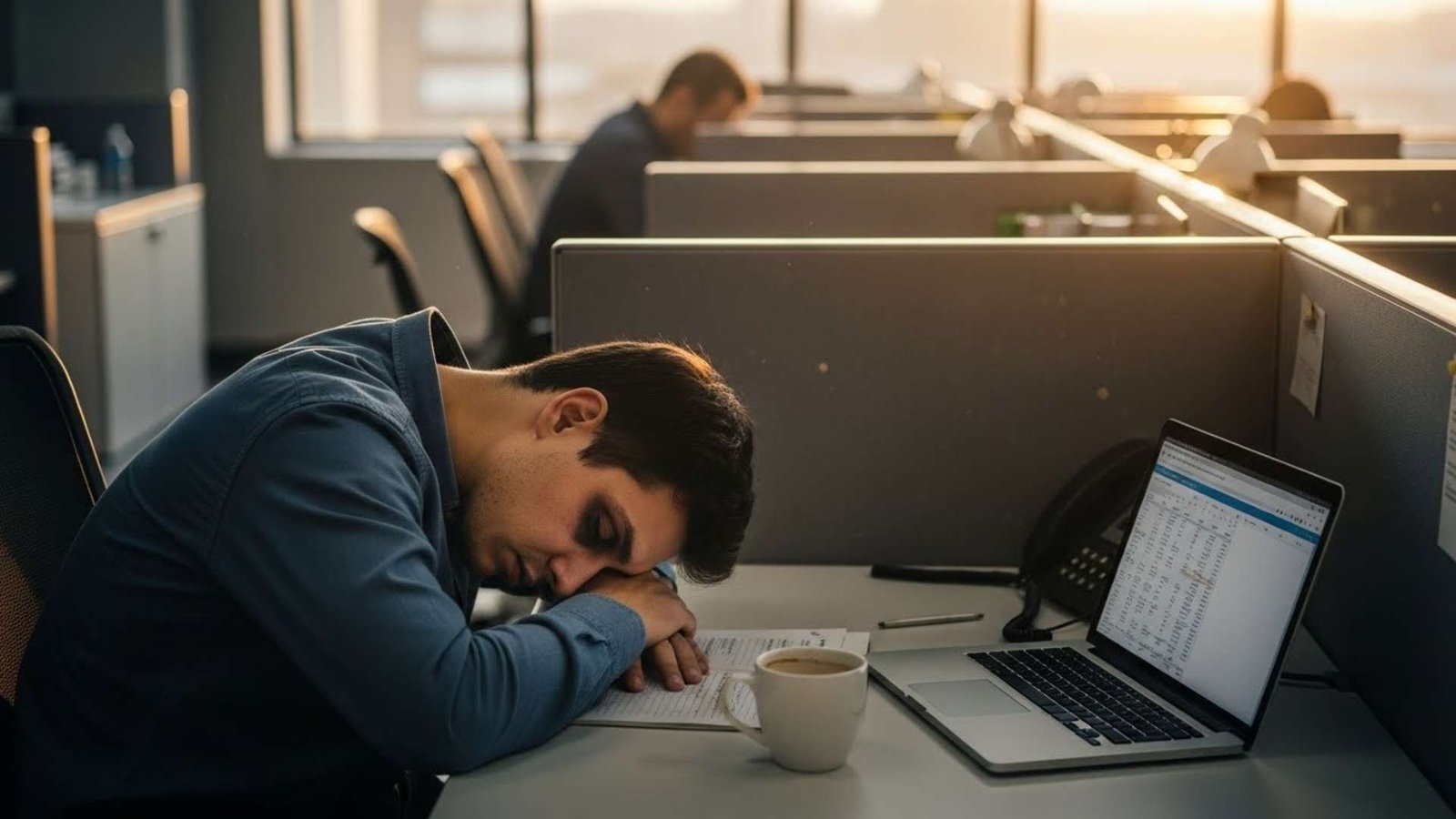
This is the hidden assassin of the Weekend Warrior. You aren’t just tired from exercise; you are tired because you effectively flew to a different time zone.
Chronobiologists call it “Social Jetlag.”
During the week, you wake up at 6:30 AM. But on Saturday and Sunday, maybe you stay up late and sleep until 9:30 AM. In biological terms, you just flew three time zones West on Friday, and flew three time zones East on Sunday.
When your alarm goes off Monday morning, your body thinks it is 3:30 AM. Your biology is in deep sleep mode.
And here is the hard truth: You cannot “bank” sleep. Sleeping in on Sunday doesn’t fix the debt from the week; it often just confuses your biological clock even more, making Monday morning hit harder.
The Recovery Playbook: Surviving the Penalty

Okay, enough about the pain. How do we fix it?
The goal isn’t to stop being a Weekend Warrior. The goal is to get better at it. Here is the science-backed protocol to get you from “crippled” to “functional.”
1. The Magic Juice (Tart Cherry)
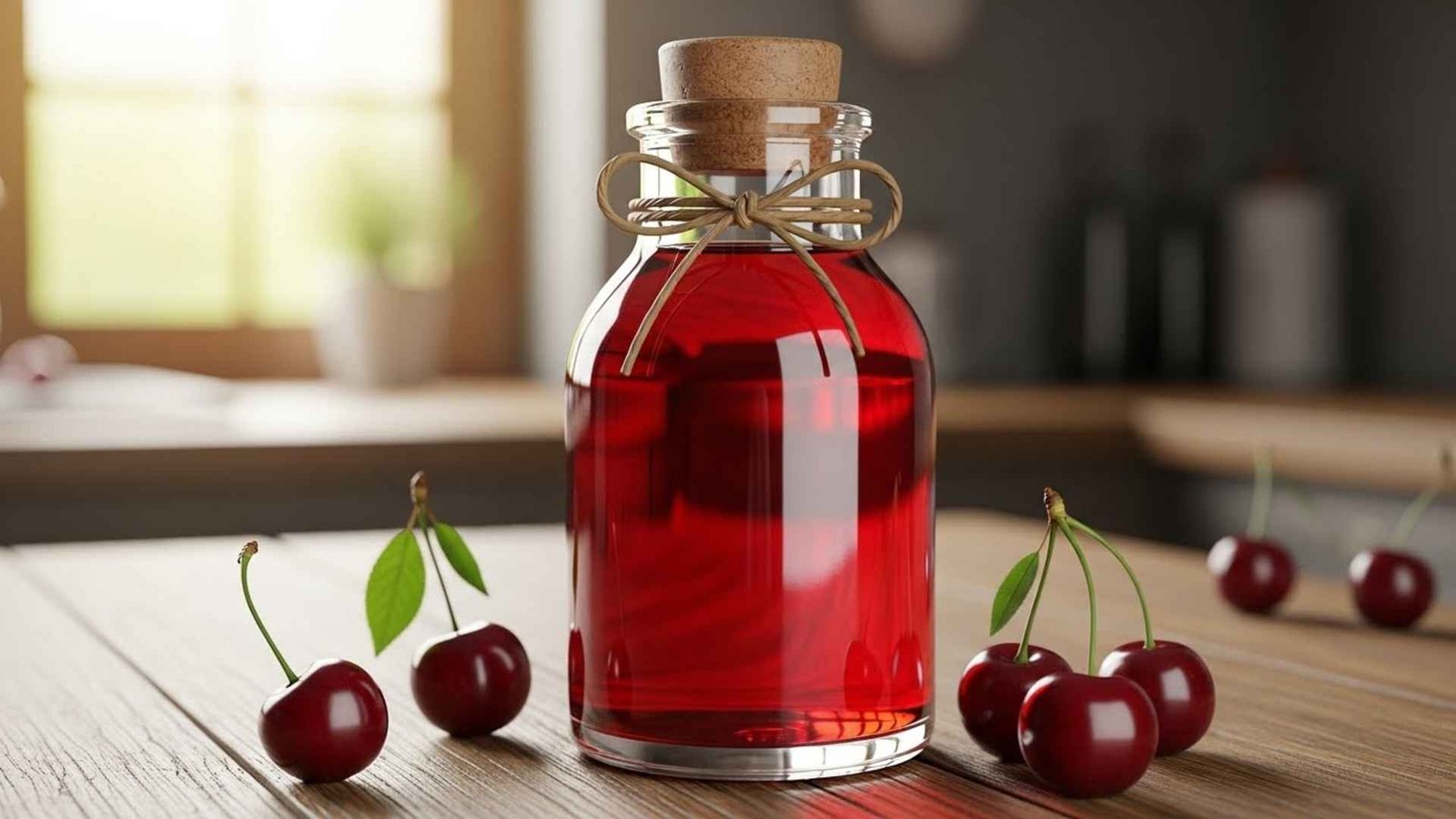
This sounds like an old wives’ tale, but it’s one of the most proven supplements in sports science. Tart cherries are packed with anthocyanins that scrub out inflammation. Studies show that drinking tart cherry juice before and after your big weekend event can significantly cut soreness and strength loss.
- The Dose: 8-10 oz of tart cherry juice, starting Friday.
2. The Contrast Shower

If you can’t face an ice bath (and honestly, who wants to?), try Contrast Water Therapy. It acts like a pump for your blood vessels.
- The Science: Hot water opens vessels (dilation). Cold water shuts them (constriction).
- Alternating them creates a “vascular pumping” action that flushes out metabolic waste and reduces that heavy sensation in your legs.
3. Active Recovery (Don’t Sit Down!)

Your instinct on Monday is to sit on the couch. Do not do this. Motion is lotion. You need “Active Recovery”—movement that is a 2/10 intensity. A gentle 20-minute walk or a slow swim pushes oxygen-rich blood into those damaged Z-lines without tearing them further. Sitting still lets the stiffness concrete set in.
Need More Help For Recovery? Look Into These
Sometimes, willpower and water aren’t enough. If you’re serious about bouncing back faster so you can actually function on Tuesday, it might be time to upgrade your recovery toolkit. Based on the science we just covered—specifically targeting inflammation, blood flow, and muscle repair—here are a few things that can make a massive difference.
1. Dr. Teal’s Epsom Salt Soaking Solution
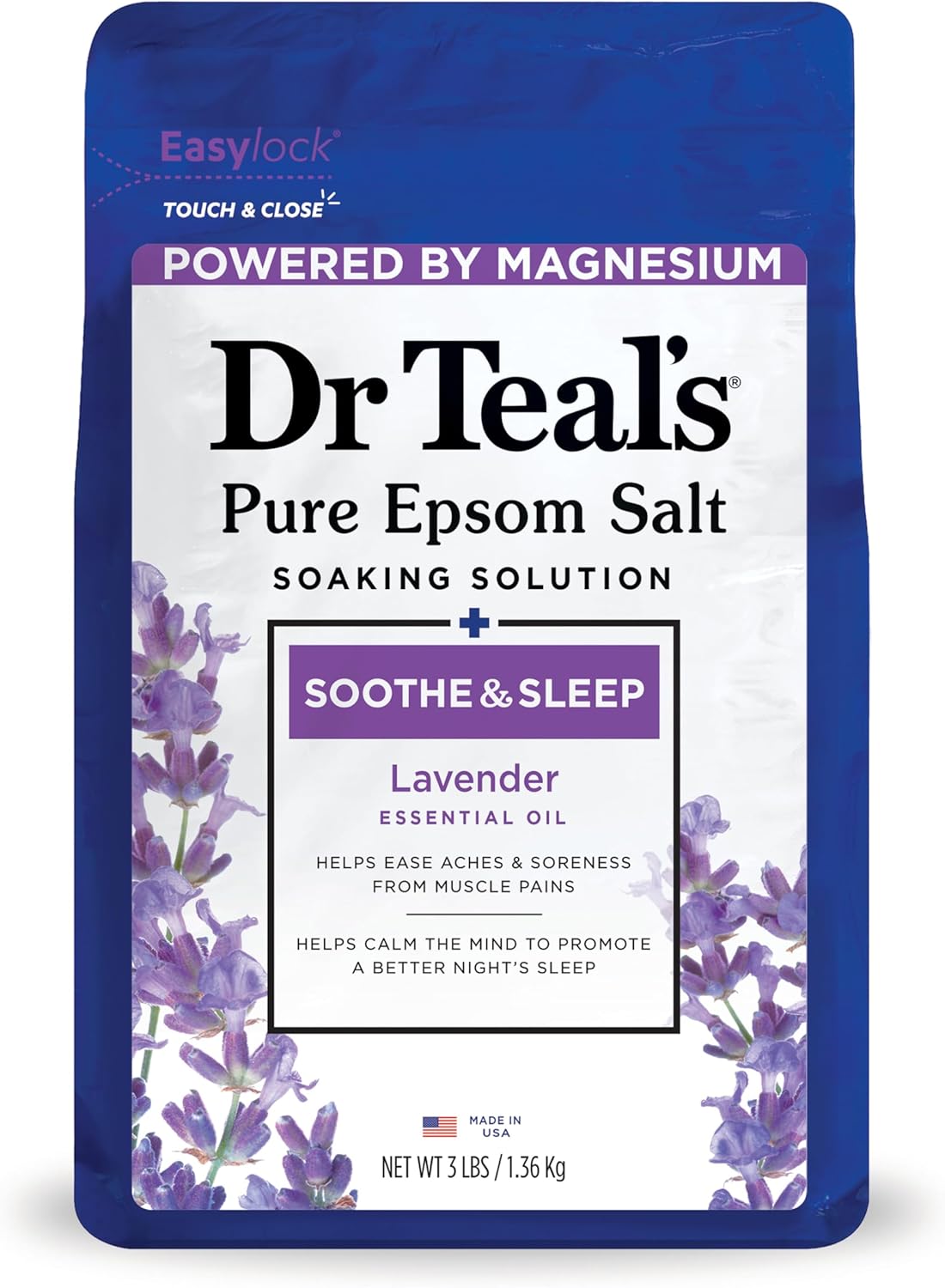
This is a classic for a reason. While the science on magnesium absorption through skin is debated, the relaxation effect of a hot bath combined with magnesium sulfate is undeniable for calming the nervous system after a heavy weekend.
2. Physix Gear Sport Compression Socks

Remember the “swelling” phase of DOMS? Compression socks help manage that. These are a best-value pick that give you that tight, supportive squeeze to help flush out metabolic waste while you sit at your desk on Monday.
3. Renpho Active Massage Gun

You don’t need to spend $600 to get relief. This percussion gun is a massive hit on Amazon because it just works. It helps wake up those “dimmer switch” nerves and mechanically loosen up the stiff tissue we talked about. Perfect for the “Monday Waddle” quads.
4. Sports Research Tart Cherry Concentrate

If you don’t want to drink gallons of juice (which can be high in sugar), these softgels are a brilliant hack. They pack the anti-inflammatory anthocyanins we mentioned in the “Magic Juice” section into a simple pill.
5. Biofreeze Professional Pain Relief Roll-On

When the Z-lines are screaming, sometimes you just need to numb the signal. Biofreeze uses menthol to trick your brain’s pain receptors (the “gate control theory” of pain). It doesn’t fix the injury, but it makes it bearable so you can move.