
Brain Fog Isn’t Just Tired: 10 Cognitive Changes After 35 That Signal Something Deeper


You know that moment. You walk into the kitchen, confident and on a mission, and then… blank. You stand there, staring at the refrigerator like it’s an alien artifact, waiting for the memory to buffer. Or maybe you’re in a meeting, and a word you’ve used a thousand times—simple, everyday vocabulary—just vanishes. It’s on the tip of your tongue, but your brain refuses to deliver it.
If you’re over 35, you’ve probably laughed this off as a “senior moment.” But let’s be honest: it doesn’t feel funny. It feels unsettling. It feels like the sharp, high-definition version of you is slowly downgrading to a fuzzier, lower-resolution feed.
Here’s the thing: You aren’t losing your mind. And you definitely aren’t alone.
Data from the CDC shows that complaints of “cognitive disability“—serious difficulty concentrating or remembering—are rising, especially in the 18–39 and 40–54 demographics. But what feels like a malfunction is actually a signal. Your brain isn’t necessarily breaking; it’s remodeling.
I’ve spent time digging into the research—not just the surface-level advice, but the deep physiology of what happens to our heads in midlife—and what I found changes the conversation. We need to stop treating “brain fog” like a fatigue problem and start treating it like the neurological metamorphosis it is.
Here is the deep dive into why your brain feels different, the 10 specific changes you’re noticing, and the actual science (no fluff) on how to clear the fog.
When we say “brain fog,” it sounds so vague, doesn’t it? Like bad weather. But biologically, it’s very specific. Midlife (roughly ages 35 to 55) is a physiological intersection where three major systems collide: your immune system, your hormones, and your metabolism.
1. The Great Renovation (Synaptic Pruning)

We tend to think our brains stop developing after our 20s. Not true. Research suggests that “synaptic pruning”—the process where the brain eliminates weak connections to make room for more efficient ones—continues well into adulthood.
Think of it like a home renovation. In your 20s, your brain was building additions everywhere—new skills, new memories, rapid-fire connections. In your 40s, your brain looks around and says, “Okay, we have too much clutter. Let’s knock down these walls to make the living room bigger.” It’s trying to become leaner and more efficient (a “use it or lose it” dynamic). The “fog” you feel might actually be the dust from the construction work.
2. The Energy Crisis (Hormones)

This is the big one, especially for women, but men aren’t off the hook.
- For Women (The Estrogen Drop): Dr. Lisa Mosconi, a neuroscientist who studies the female brain, describes estrogen as a “master regulator” of energy production in the brain. It pushes glucose into your brain cells. During perimenopause (which can start in your mid-30s), estrogen fluctuates and drops. Your brain literally has less fuel access. It’s not that you can’t think; it’s that your engine is sputtering because the fuel line is pinched.
- For Men (The Slow Slide): Testosterone isn’t just about muscle; it protects nerve cells. As levels decline (about 1% a year after 30), men often lose that sharp “spatial” edge and mental drive.
3. The “Inflammaging” Effect

This is a term researchers use to describe chronic, low-grade inflammation that creeps up as we age. When your body is inflamed (from stress, diet, or lack of sleep), your brain’s immune cells, called microglia, get hyperactive. Instead of just cleaning up debris, they start tossing out healthy connections, slowing down processing speed to conserve energy for the “threat”.
4. The Hidden Sugar Spike (Insulin Resistance)

This is a newer piece of the puzzle that blew my mind. Recent imaging studies suggest that brain aging accelerates in our 40s, and it coincides almost perfectly with the onset of insulin resistance. Even if you aren’t diabetic, your brain might be struggling to utilize sugar efficiently. If neurons can’t get sugar, they starve. The result? That sluggish, wade-through-molasses feeling.
The 10 Cognitive Shifts You’re Actually Feeling

It helps to put a name to the face. You aren’t just “foggy.” You are likely experiencing one or more of these ten specific cognitive shifts.
1. The “Wait, What?” Factor (Processing Speed)

What it feels like: You’re sharp, but you aren’t fast. It takes you an extra beat to react to a joke or process a complex question.
The Science: This is the most robust age-related change. The white matter (the cables connecting brain regions) loses some integrity, slowing down the signal transmission. You still get the right answer; you just take the scenic route.
2. The Leaky RAM (Working Memory)
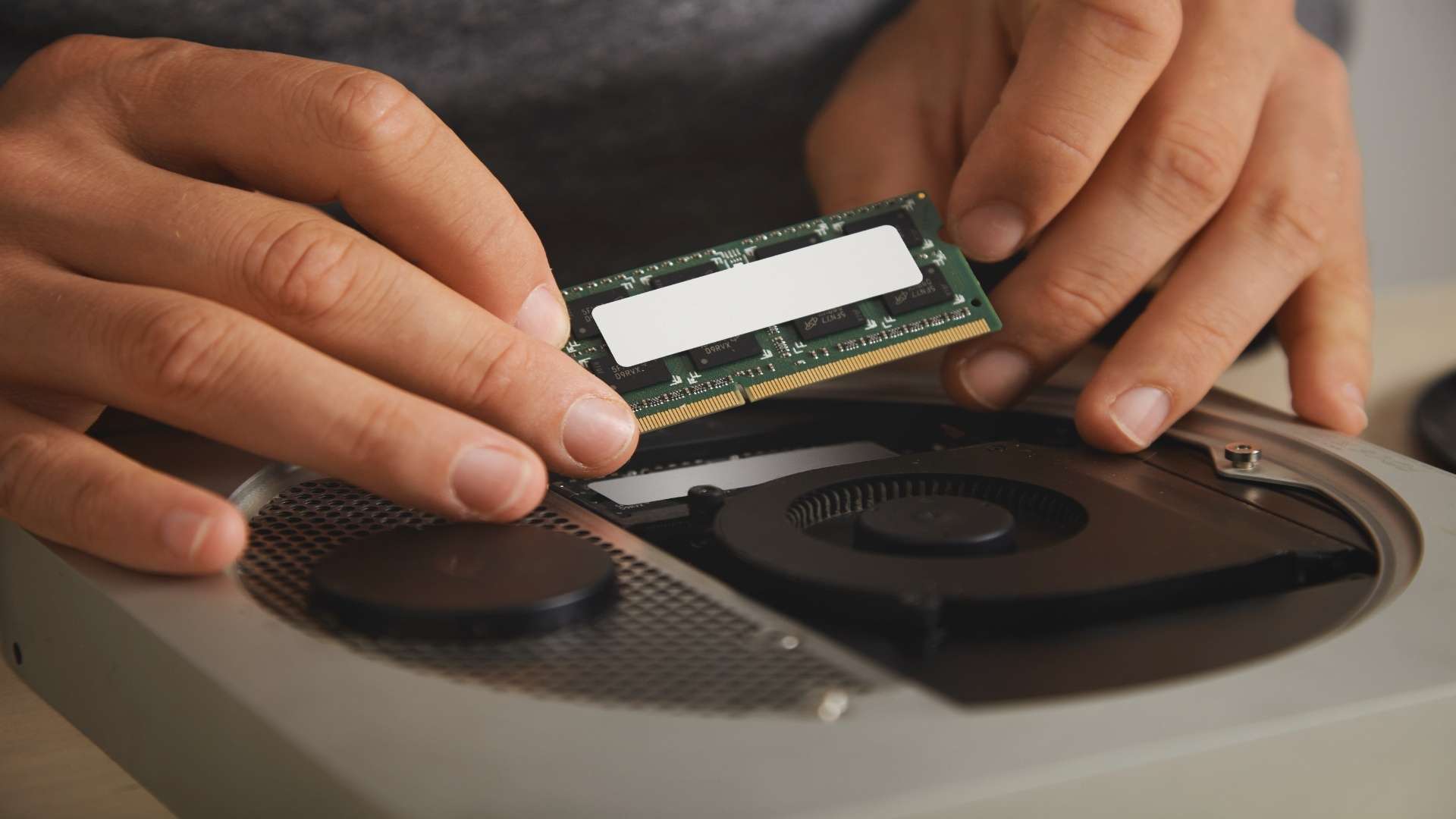
What it feels like: You walk into a room and forget why. You open a browser tab and forget what you were looking for.
The Science: Working memory is your brain’s scratchpad. It’s shrinking. We used to be able to hold 7 things in our head at once; now maybe it’s 4. This is often linked to dopamine levels in the prefrontal cortex.
3. The “Tip-of-the-Tongue” Syndrome (Verbal Retrieval)

What it feels like: You know the word. It starts with a “P”. It means “to pontificate.” But you can’t grab it.
The Science: Your vocabulary is actually better than it was at 20. But the retrieval network—the librarian who goes to fetch the book—is getting slower.
4. The GPS Dependency (Spatial Navigation)

What it feels like: You used to navigate your city by instinct. Now, you feel a low-grade panic if Google Maps doesn’t load.
The Science: Navigation skills, specifically “allocentric” navigation (mental mapping), are one of the first things to slip in midlife, sometimes appearing as early as 45.
5. The Executive Function Slippage

What it feels like: Planning a complex dinner party used to be fun. Now the logistics feel overwhelming.
The Science: The prefrontal cortex, the CEO of the brain, is highly sensitive to stress and cortisol. High stress in your 30s and 40s literally shrinks this part of the brain.
6. The Filter Wears Thin (Attentional Gating)

What it feels like: You can’t work in a coffee shop anymore. The background noise drives you crazy.
The Science: Your brain’s ability to inhibit distractions weakens. You are processing everything rather than filtering out the noise, which leads to faster exhaustion.
7. The “Keys” Mystery (Episodic Memory)

What it feels like: You remember the plot of a movie you saw in 1995 perfectly, but you have no idea where you put your sunglasses five minutes ago.
The Science: Encoding new memories requires a lot of energy. If you are sleep-deprived or stressed, the “save button” doesn’t get pressed firmly enough.
8. The Battery Drain (Cognitive Stamina)

What it feels like: You used to pull all-nighters. Now, a 2-hour deep work session leaves you needing a nap.
The Science: Neural efficiency drops. Your brain has to recruit more circuits to do the same task it did easily 10 years ago, burning more ATP (energy) to get the same result.
9. The Visual-Spatial Glitch

What it feels like: You struggle to judge if your car will fit in that parallel parking spot.
The Science: This is a decline in parietal lobe function. It affects how we mentally rotate objects and judge distances.
10. The Emotional Fuse (Regulation)

What it feels like: You are more irritable. You cry at commercials.
The Science: The connection between the amygdala (emotion) and the prefrontal cortex (logic) weakens, especially during hormonal shifts. The “logic” brain is slower to step in and calm down the “emotional” brain.
The “Check Engine” Lights (Is It Just Aging?)
Before we get to the solutions, we have to rule out the metabolic saboteurs. If you fix your diet but ignore these, you’re just spinning your wheels.
| The Culprit | Why It Mimics Dementia/Fog | The tell-tale sign |
| Sleep Apnea | Causes intermittent hypoxia (oxygen starvation). Your brain never gets into “deep clean” mode at night. | Snoring, waking up with a dry mouth, or morning headaches. |
| Vitamin B12 Deficiency | B12 protects nerve sheaths. Low levels cause slow processing and memory loss. | Tingling in hands/feet + brain fog. Common in vegetarians or those on antacids. |
| Thyroid Dysfunction | Thyroid hormone sets the “idle speed” of your neurons. Too low (Hypo) = slow thinking. | Fog + weight gain + cold intolerance + hair loss. |
| Autoimmune (Lupus/MS) | Systemic inflammation crosses the blood-brain barrier. | Fog that comes with joint pain, rashes, or extreme physical fatigue. |
Okay, here is the good news. The midlife brain is incredibly plastic. You can’t stop the clock, but you can definitely clean the lens.
1. Eat for Your Micro-Vessels (The MIND Diet)

Forget fad diets. The MIND diet is the only one with serious data backing its ability to lower brain age—by up to 7.5 years. It targets vascular health and inflammation.
- The Non-Negotiables:
- Berries: 2+ servings a week (Blueberries are basically brain candy).
- Leafy Greens: 6+ servings a week (The folate is crucial).
- Nuts: 5+ servings a week (Walnuts specifically).
- Olive Oil: Use it like it’s going out of style.
2. The Secret Weapon: Non-Sleep Deep Rest (NSDR)

I used to think “rest” meant sleeping or watching Netflix. Neither counts here.
There is a concept popularized by neurobiology researchers called Non-Sleep Deep Rest (NSDR), or Yoga Nidra. It involves lying down for 10–20 minutes and following a body scan meditation that drops your brain into a theta-wave state.
- Why it works: It flushes cortisol and resets dopamine levels without the grogginess of a nap. It’s like a system reboot for your prefrontal cortex.
3. Train Working Memory (Dual N-Back)

Most “brain games” are nonsense. But the Dual N-Back task has evidence suggesting it can actually improve fluid intelligence and working memory. It’s frustrating, it’s hard, and that’s why it works. It forces your working memory to stretch.
4. Move to Clear the “Rust”

You don’t need to run a marathon. But you need to generate BDNF (Brain-Derived Neurotrophic Factor). This is fertilizer for your neurons.
- The Protocol: Zone 2 cardio (steady state where you can talk but can’t sing) for 20-30 minutes, 3-4 times a week, is shown to boost hippocampal volume.
Use Tools That Actually Work (No Snake Oil Here)
Look, you don’t need to buy your way out of brain fog. The best fixes (sleep, water, sunlight) are free. But sometimes, you need a little help to jumpstart the engine. I’ve dug through the junk to find five specific tools that aren’t just “wellness fluff”—they are practical, science-backed hardware for your brain that help with the specific “glitches” we just covered.
1. The “Battery Pack” for Your Neurons: Thorne Creatine Monohydrate:

If you only buy one thing for brain energy, make it this. As mentioned, Creatine acts as a backup generator for your neurons during stress or sleep deprivation. Thorne is the gold standard for purity—NSF Certified for Sport, meaning what’s on the label is actually in the bottle. It’s flavorless; just dump 5g in your morning water.
2. The “Spark Plug”: LMNT Zero-Sugar Electrolytes:
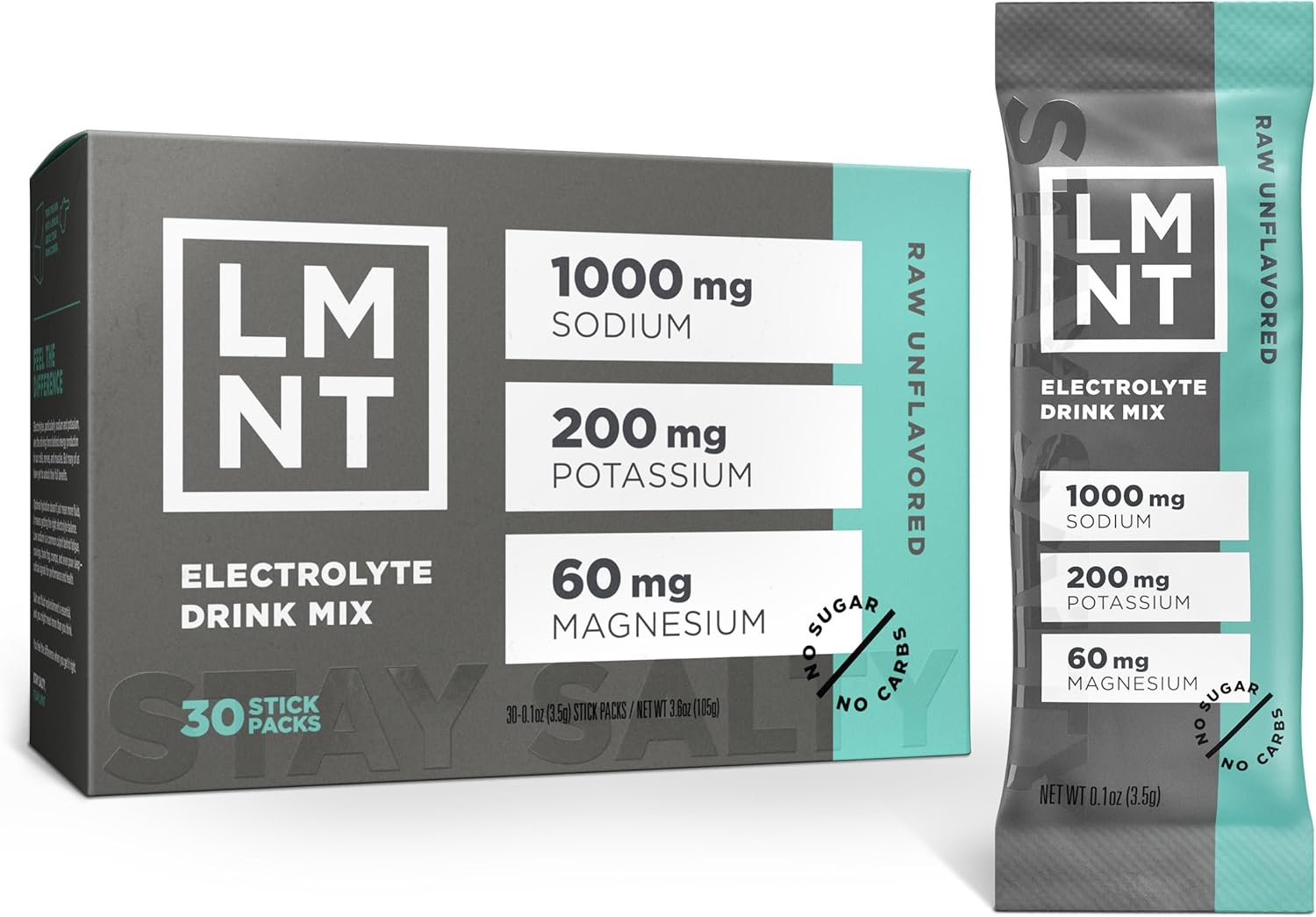
Remember that statistic about 1-2% dehydration tanking your focus? Most of us drink water but forget the minerals (sodium, potassium, magnesium) that actually conduct the electrical signals in our brain. LMNT has zero sugar (so no afternoon crash) and tastes incredible. It’s an instant brain reboot in the afternoon.
3. The Brain Barrier Breaker: Life Extension Neuro-Mag (L-Threonate):

Standard magnesium is great for your muscles, but it struggles to cross the “blood-brain barrier.” This specific form (L-Threonate) is chemically designed to get into the brain to support synaptic density—basically helping you keep those connections sharp. It’s a favorite for fixing the “Tip-of-the-Tongue” issue and improving deep sleep.
4. The “Focus Shield”: Loop Quiet Earplugs:

If you relate to the “Cocktail Party Problem” (noise makes you irritable or scattered), you need these. They aren’t standard foam earplugs that block the world out; they are acoustic filters that turn the volume knob of your environment down from a 10 to a 4. You can still hear your kids or boss, but the inflammatory “static” is gone.
5. The “Deep Sleep” Enforcer: Manta Sleep Mask:
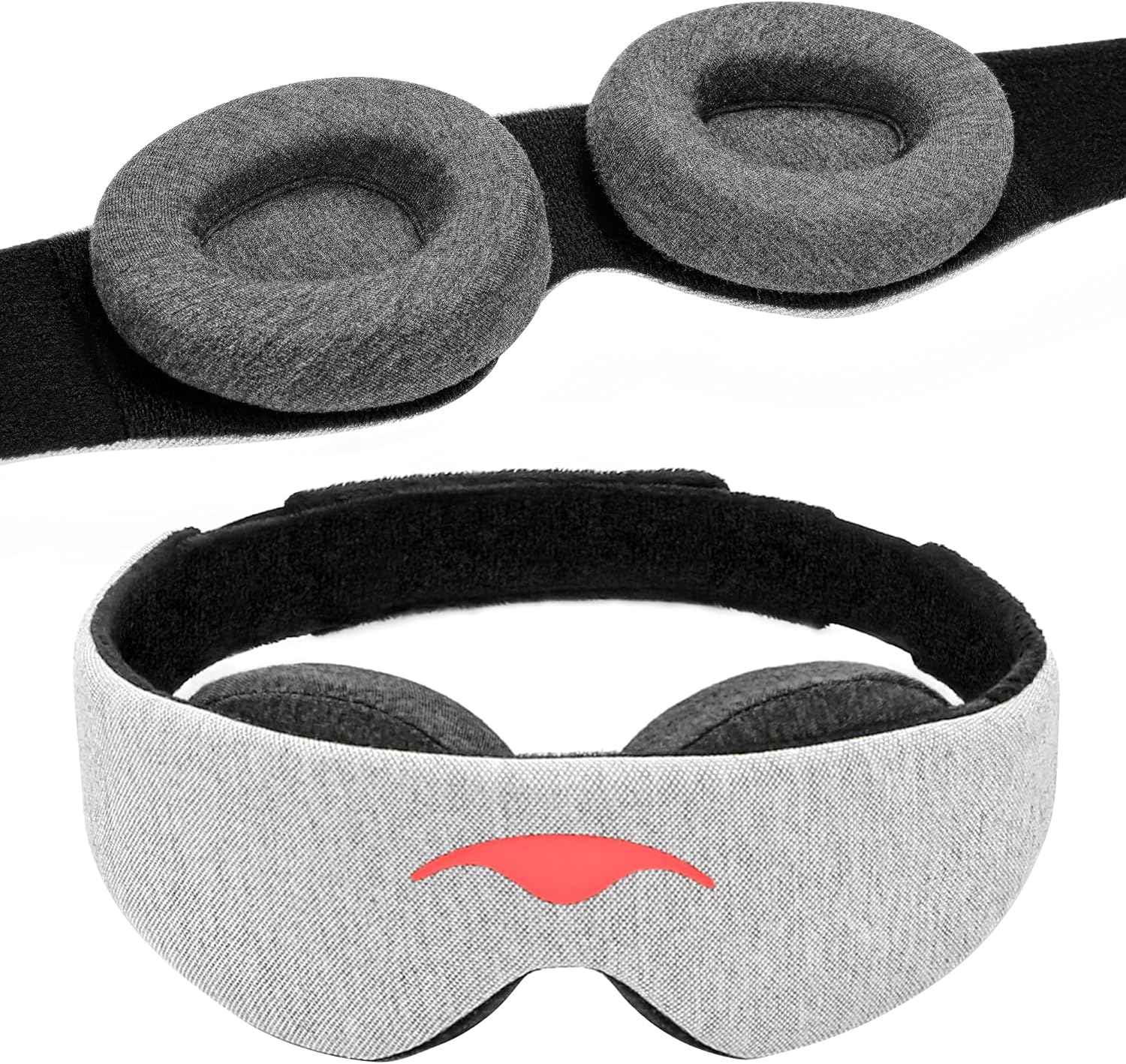
For the “Janitor” system to clean your brain, you need pitch darkness. The Manta mask is unique because it has hollow eye cups—it doesn’t smash your eyelashes or put pressure on your eyes. It provides 100% blackout even in a sunny room, which is essential if you want to try those 10-minute NSDR resets we talked about.