12 Medieval Towns Where Time Stopped in 1400 (Residents Still Live Like It)

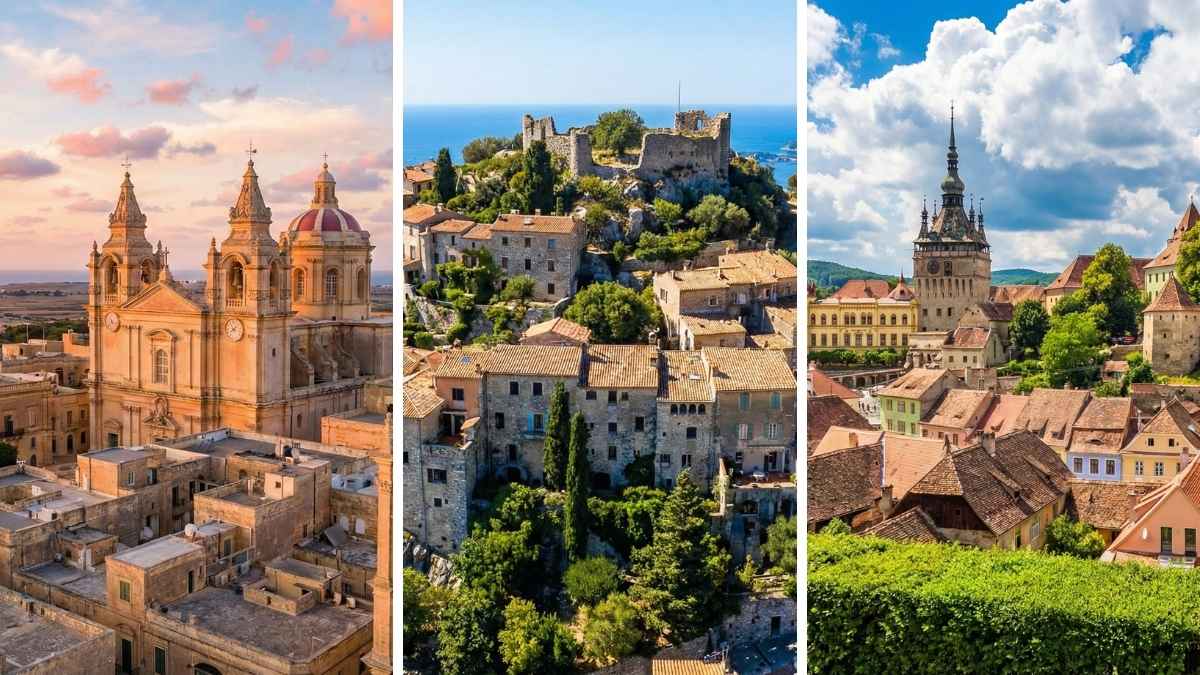
Stone streets still remember footsteps that never stopped. Behind thick walls and narrow gates, daily life continues in places where progress learned to walk quietly—or not at all. Laundry hangs from windows built for defense, not views.
Church bells still matter more than phone alarms. Neighbors pass each other on paths too tight for hurry, trading routines shaped centuries ago. These towns weren’t preserved; they simply carried on, adjusting just enough to survive without letting go.
What pulls people in isn’t nostalgia—it’s the unsettling calm of seeing history breathe, eat dinner, argue, celebrate, and sleep where it always has. Once inside, leaving feels like waking up too soon.
1. Carcassonne, France
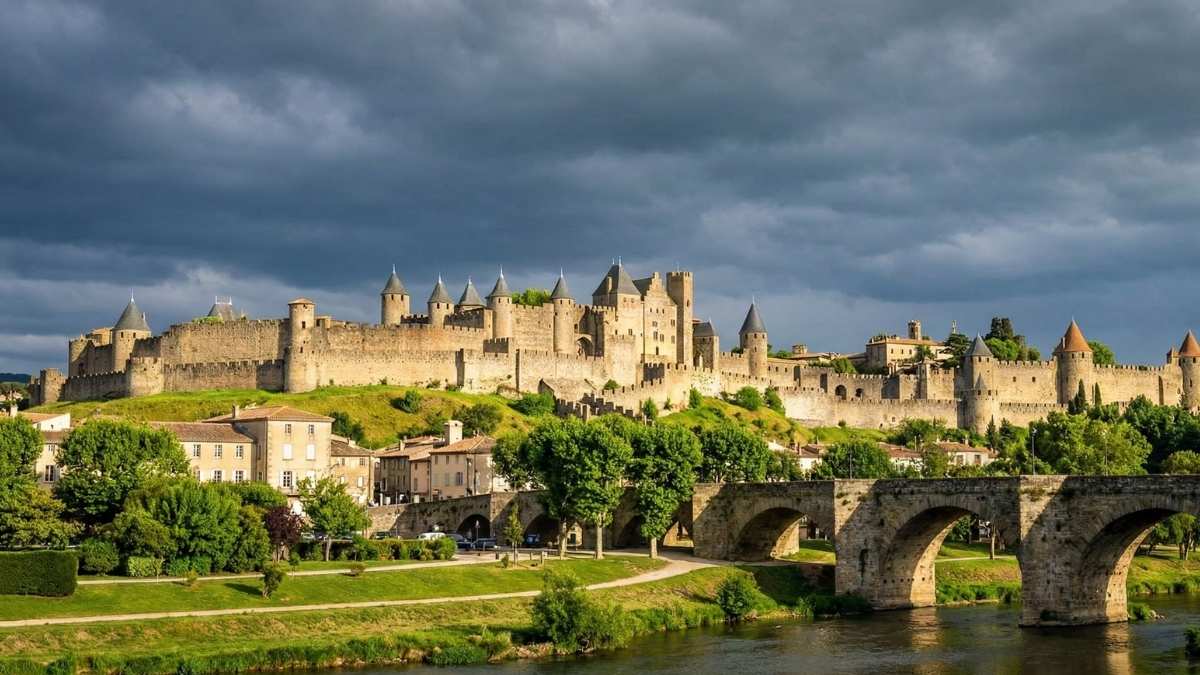
Walking through Carcassonne feels less like sightseeing and more like crossing an invisible border into another century. Towering stone walls still fully encircle the town, complete with watchtowers, arrow slits, and fortified gates that haven’t changed much since the 14th century. Locals still live inside these walls, going about everyday routines beneath battlements once designed for war, not postcards.
What makes Carcassonne stand apart is how complete it feels. Many medieval towns have fragments—one gate here, a tower there—but Carcassonne is a full defensive city frozen in place. The cobbled streets wind sharply, houses lean inward, and the massive Château Comtal still dominates daily life, not just tourist itineraries.
There’s a quiet moment most visitors notice after sunset. Day-trippers leave, the walls glow softly, and suddenly the town belongs to its residents again. Restaurants close early, shutters come down, and Carcassonne slips back into something closer to what it’s always been: a lived-in fortress rather than a museum.
Quick facts & planning tips:
- Best months to visit: May–June, September
- Avoid: August (crowded and hot)
- Best time of day: Early morning or late evening
- Don’t miss: Walking the full length of the ramparts
- Local feel: Strong—residents still live within the fortified city
2. Rothenburg ob der Tauber, Germany
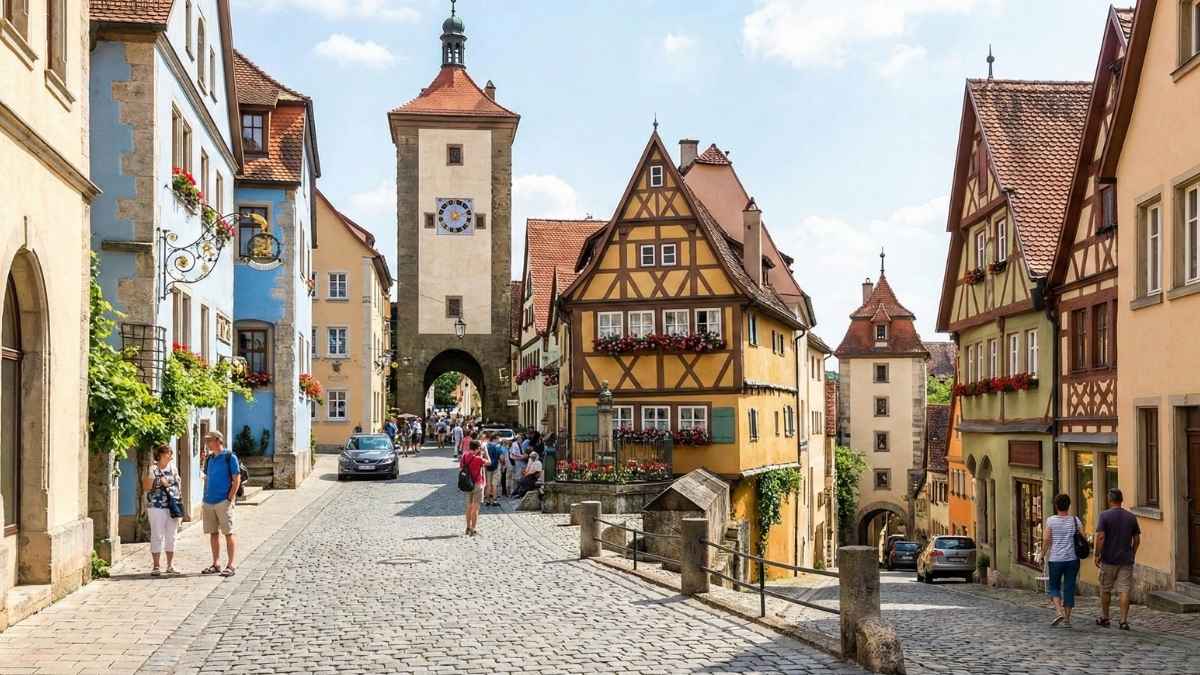
Rothenburg feels almost suspiciously preserved, as if someone pressed pause in the year 1400 and forgot to press play again. The town survived wars and modernization largely intact, which means timber-framed houses, stone towers, and medieval walls still define everyday life—not just the historic district.
Unlike larger cities, Rothenburg never outgrew its medieval footprint. The town walls still fully encircle the center, and locals regularly use gates and towers that once controlled trade and defense. Shops occupy centuries-old buildings, and homes still follow medieval layouts that modern architecture would never approve today.
One of the most telling signs of time standing still is how quiet the town becomes at night. Once tour buses leave, the streets echo softly, lanterns flicker, and it becomes easy to forget you’re in modern Germany at all. The rhythm slows, just as it did centuries ago.
Quick facts & planning tips:
- Best months to visit: April–June, September–October
- Avoid: Midday crowds
- Best experience: Night watchman tour after dark
- Walkability: Excellent—entire town is compact
- Local culture: Deeply rooted in medieval traditions
3. San Gimignano, Italy
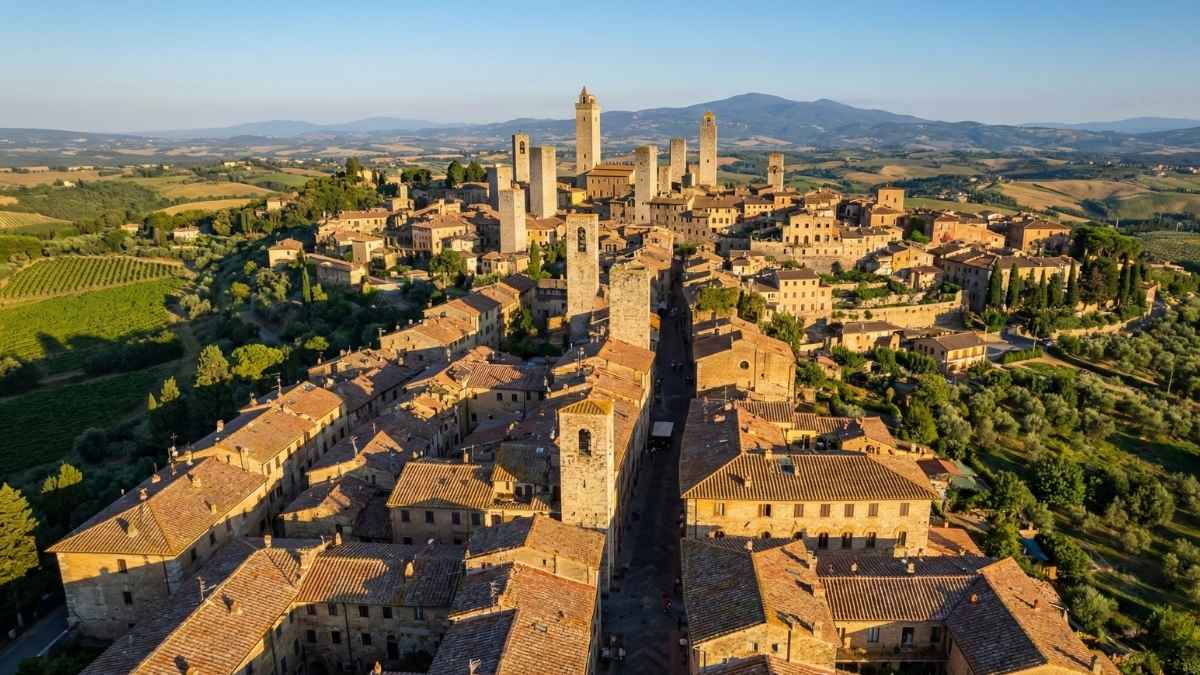
San Gimignano rises out of the Tuscan hills like a stone skyline from another age. Its medieval towers—once symbols of wealth and rivalry—still dominate the town, giving it a silhouette that hasn’t changed in hundreds of years. Residents still live within these ancient walls, beneath towers that once defined family power.
Life here remains structured around the old town core. Streets are narrow, buildings stacked vertically, and public squares function much as they always have—places for gathering, trade, and conversation. Even modern businesses operate inside medieval stone shells, adapting rather than replacing history.
What sets San Gimignano apart is how organic its preservation feels. This isn’t a frozen display; it’s a working town where laundry hangs from ancient windows, and locals greet each other in piazzas older than many countries. The medieval layout still dictates how people move, live, and socialize.
Quick facts & planning tips:
- Best months to visit: April–June, September
- Avoid: July–August afternoons
- Best time: Early morning before tour buses
- Don’t miss: Torre Grossa views
- Atmosphere: Authentic, lived-in medieval town
4. Český Krumlov, Czech Republic
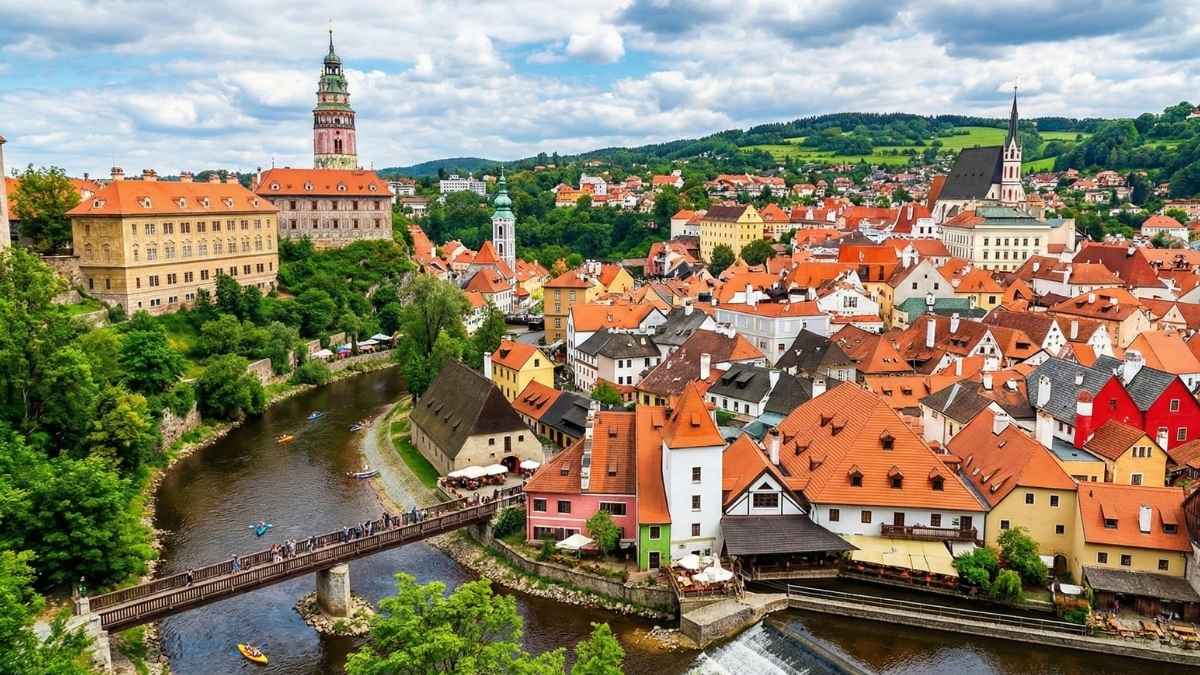
Český Krumlov feels almost theatrical at first glance, but the longer you stay, the more real it becomes. Wrapped tightly by a river bend and crowned by a massive castle, the town’s medieval street plan remains completely intact. Locals still navigate steep lanes and hidden courtyards shaped centuries ago.
The town escaped large-scale modernization, which means infrastructure adapted around medieval buildings rather than replacing them. Homes, cafés, and workshops occupy spaces never designed for modern living—yet somehow still function beautifully.
What really grounds Český Krumlov is its pace. The town doesn’t rush. Residents move slowly, conversations linger, and evenings feel deeply old-world once the crowds thin. It’s not hard to believe that daily life here hasn’t changed much in spirit since the 1400s.
Quick facts & planning tips:
- Best months to visit: May–June, September
- Avoid: Midday peak hours
- Best experience: Evening river walk
- Terrain: Hilly, uneven stone streets
- Local life: Strong presence inside the old town
5. Mdina, Malta
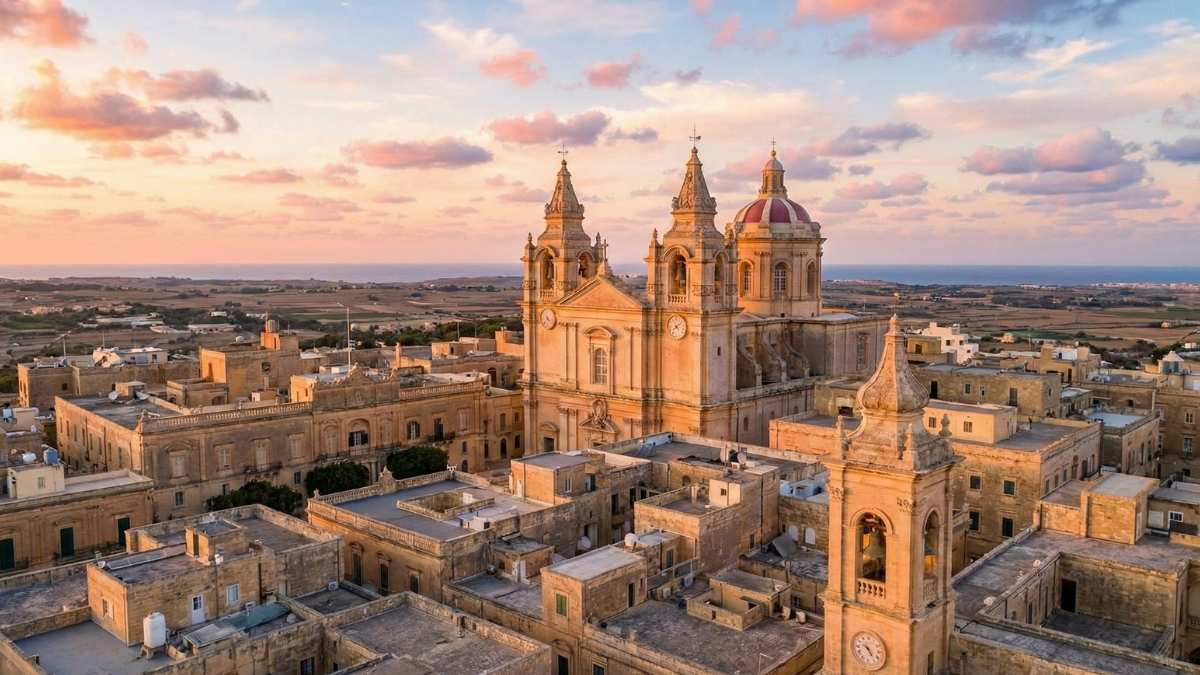
Mdina doesn’t announce itself loudly. Known as the “Silent City,” it feels deliberately withdrawn from modern life. Cars are restricted, streets are hushed, and thick stone walls keep the outside world at a distance—just as they did in medieval times.
Residents still live behind these walls, inside limestone buildings that trap cool air and block sound. The town’s layout remains medieval to the core, with narrow alleys, sudden turns, and architecture designed more for defense than comfort.
What makes Mdina exceptional is its stillness. Even during the day, noise feels muted. At night, when the gates close and lights soften, the city becomes almost timeless. It’s one of the rare places where medieval living feels uninterrupted rather than reenacted.
Quick facts & planning tips:
- Best months to visit: March–May, October
- Avoid: Summer midday heat
- Best time: After sunset
- Transport: Limited vehicle access
- Vibe: Quiet, residential, deeply historic
6. Bruges, Belgium
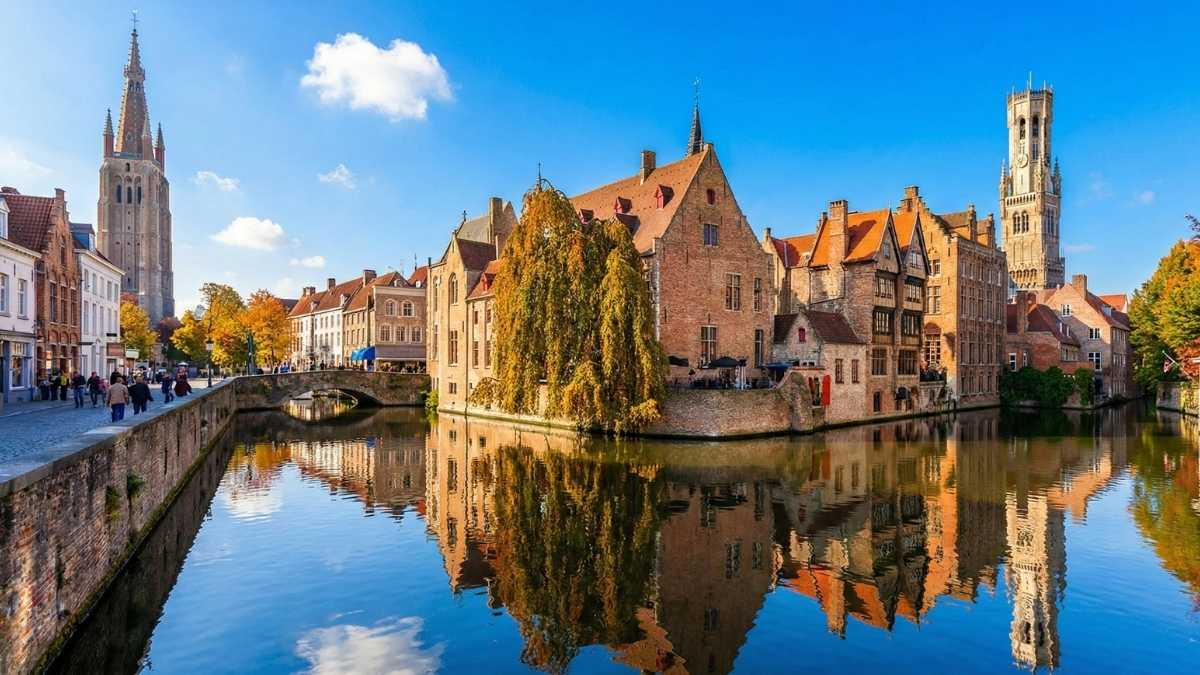
Bruges feels medieval not because it’s preserved for visitors, but because it never needed to change. Canals still trace the same routes used for trade centuries ago, stone bridges still connect neighborhoods, and residents still live in tall, narrow homes designed long before cars or modern plumbing existed.
The city’s medieval core remains the heart of daily life. Markets fill the same squares they always have, church bells still dictate the rhythm of the day, and many streets remain too narrow for anything larger than bicycles and foot traffic. Modern life here bends around medieval design, not the other way around.
What surprises many people is how quiet Bruges can feel away from the main squares. Wander just a few blocks, and you’ll find locals tending gardens behind ancient walls or cycling past buildings that haven’t shifted an inch since the 1400s.
Quick facts & planning tips:
- Best months to visit: April–June, September
- Avoid: Peak midday in summer
- Best experience: Early morning canal walks
- Getting around: On foot or by bicycle
- Local life: Strong presence inside the historic core
7. Dubrovnik (Old Town), Croatia
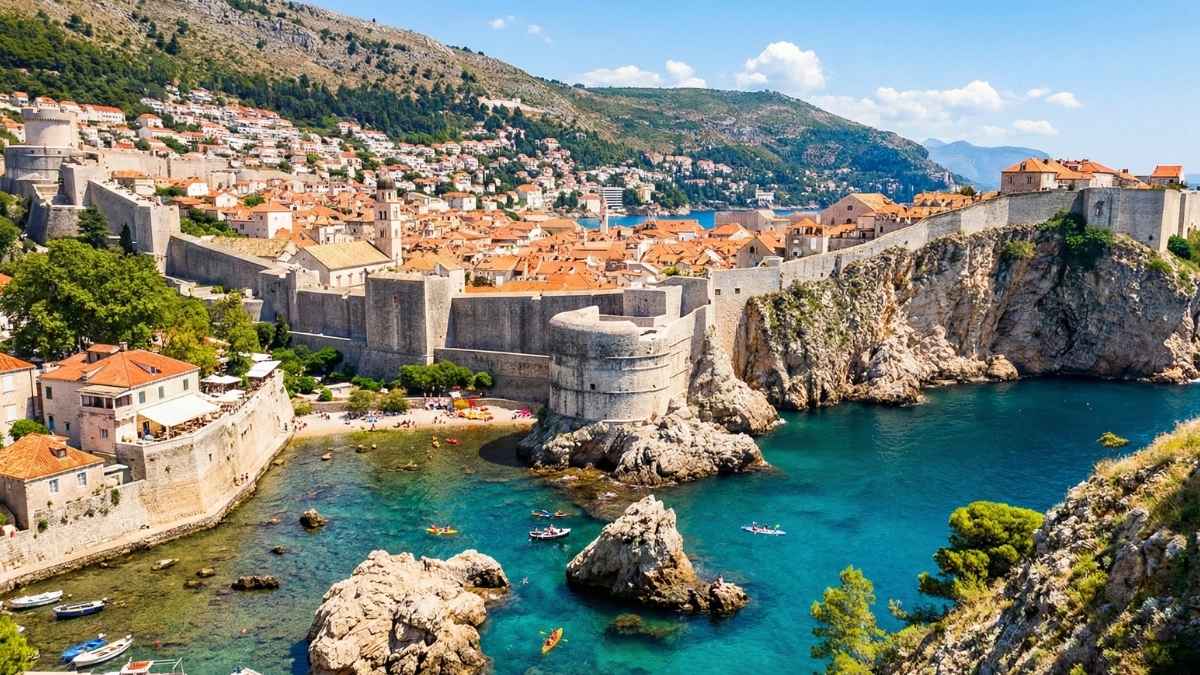
Dubrovnik’s stone walls weren’t built to impress—they were built to protect, and they still do their job visually and structurally. Inside the walls, life continues on polished limestone streets worn smooth by centuries of footsteps, both past and present.
Residents still occupy apartments tucked into medieval buildings, navigating staircases that twist and narrow the higher you go. The old town’s layout hasn’t been softened for convenience; it remains steep, compact, and unapologetically medieval.
Once cruise ships leave, Dubrovnik reveals its older self. Shutters close, voices lower, and the city feels more like a fortified town guarding its secrets than a global destination. In those moments, it’s clear the past never really left.
Quick facts & planning tips:
- Best months to visit: May–June, September
- Avoid: July–August crowds
- Best time: Early morning or evening
- Terrain: Many stone steps
- Local life: Still active within the walls
8. Tallinn (Old Town), Estonia
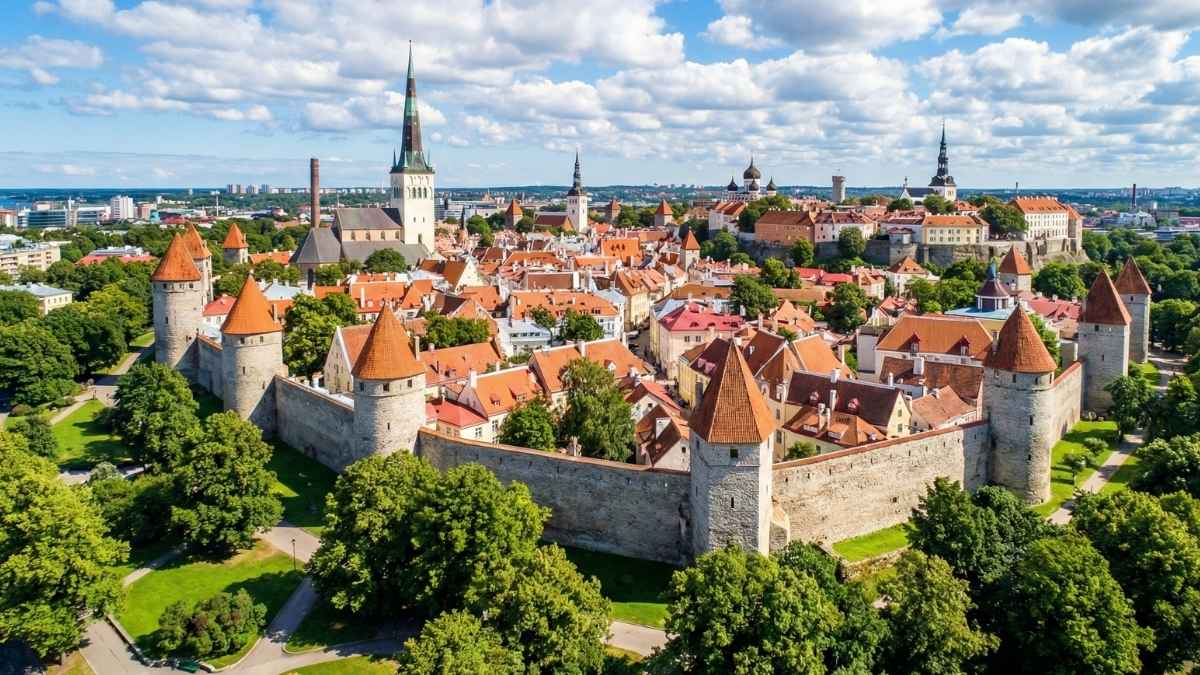
Tallinn’s medieval center feels remarkably untouched, with defensive walls, merchant houses, and spired churches defining the skyline just as they did in the 1400s. The town wasn’t redesigned for modern living—it simply adapted.
Many residents still live in centuries-old buildings where thick walls insulate against cold winters and narrow staircases reflect medieval practicality. Shops and cafés occupy former guild halls, keeping original layouts intact rather than renovating them beyond recognition.
What makes Tallinn stand out is how seamlessly medieval life blends with the present. Locals pass under ancient gates on their way to work, and medieval streets remain essential routes, not decorative backdrops.
Quick facts & planning tips:
- Best months to visit: May–August
- Avoid: Deep winter unless prepared
- Best experience: Walking the town walls
- Architecture: Well-preserved merchant houses
- Atmosphere: Medieval structure with everyday life
9. Óbidos, Portugal

Óbidos feels like a village wrapped in stone, sealed off from time by thick medieval walls. The entire town can be walked in minutes, yet every corner reveals layers of history still very much in use.
Homes here are built directly into the medieval framework—whitewashed walls, wooden shutters, and flower-lined windows resting on foundations laid centuries ago. The narrow streets were designed for foot traffic and carts, and they still function that way today.
What gives Óbidos its timeless quality is scale. Nothing is oversized, nothing rushed. Daily life unfolds slowly inside walls that were never meant to expand, preserving a rhythm that feels distinctly pre-modern.
Quick facts & planning tips:
- Best months to visit: April–June, September
- Avoid: Festival weekends if crowds aren’t your thing
- Best time: Morning or late afternoon
- Town size: Extremely walkable
- Local feel: Small, close-knit community
10. Sighișoara, Romania
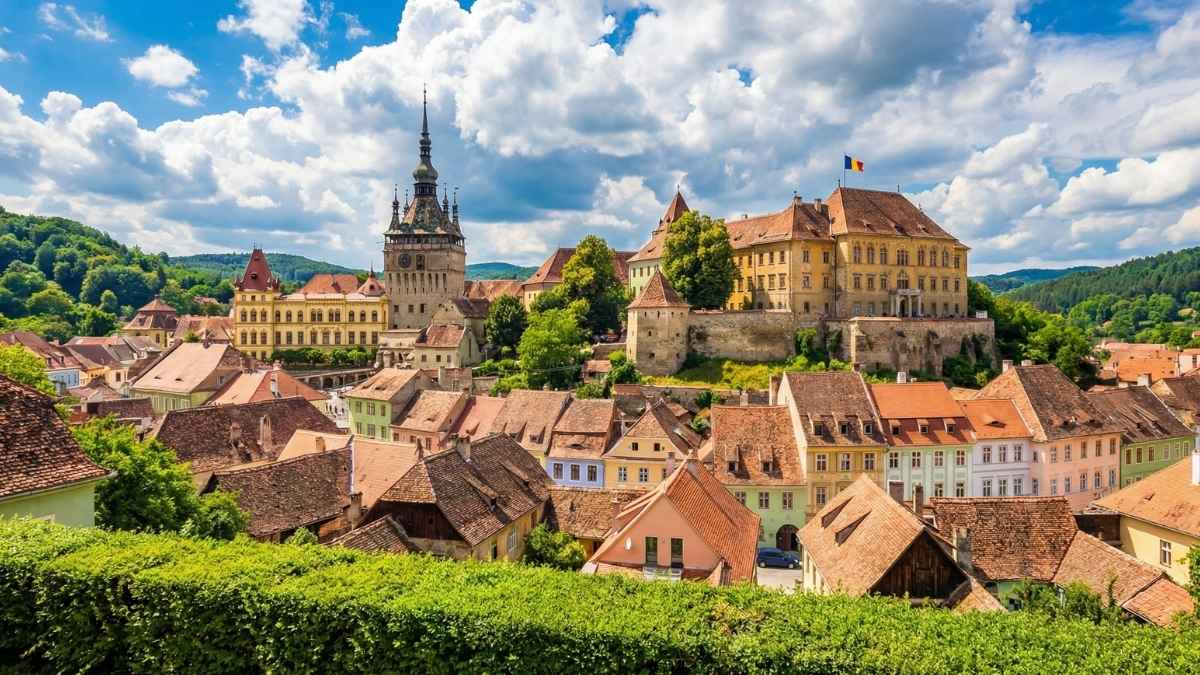
Sighișoara doesn’t polish its medieval character—it wears it openly. Colorful houses lean into sloped streets, towers still mark old guilds, and residents continue to live inside a fortified citadel that has never been abandoned.
The town’s medieval layout remains intact, with winding streets that follow defensive logic rather than convenience. Homes and shops occupy buildings that have evolved gently over centuries instead of being replaced.
What makes Sighișoara special is its unfiltered authenticity. This isn’t a town restored to look medieval—it simply never stopped being medieval. Daily life continues inside walls built for protection, not performance.
Quick facts & planning tips:
- Best months to visit: May–September
- Avoid: Late winter
- Best experience: Walking the citadel at dusk
- Architecture: Original medieval houses
- Local life: Fully integrated within the old town
11. Èze, France
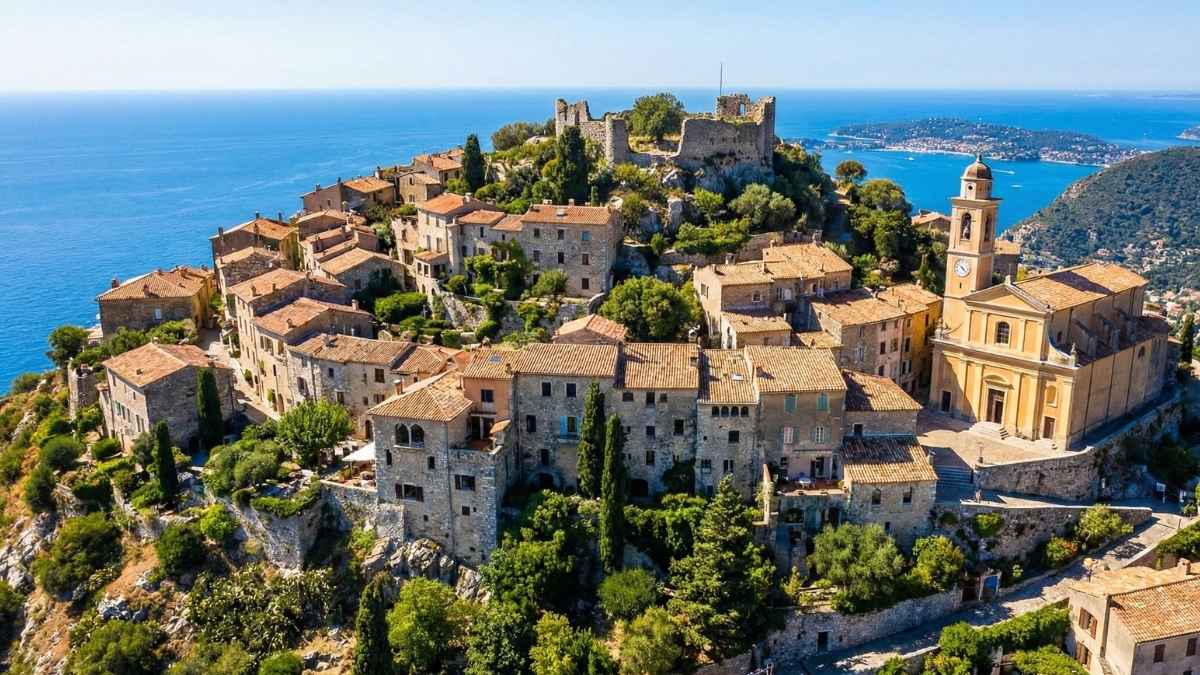
Èze doesn’t unfold gently—it climbs. Perched high above the Mediterranean, this medieval village was built vertically, not for beauty but for survival. Stone homes stack tightly along steep pathways, and residents still navigate staircases that double as streets, just as they did centuries ago.
The town’s medieval character isn’t concentrated in a single landmark; it’s embedded in the structure itself. Narrow passages funnel foot traffic, archways frame sudden views, and buildings remain closely packed to shield against wind and invasion. Daily life here still conforms to medieval spatial logic, not modern convenience.
What keeps Èze feeling timeless is its resistance to expansion. There’s nowhere to grow, nowhere to sprawl. Life remains compact, elevated, and deliberately slow. Even simple routines—carrying groceries, opening shutters, greeting neighbors—happen within a framework designed long before modern living standards existed.
Quick facts & planning tips:
- Best months to visit: April–June, September
- Avoid: Midday summer heat
- Best experience: Early morning village walks
- Terrain: Steep stone stairways
- Living style: Vertical, compact, historically intact
12. Visby, Sweden
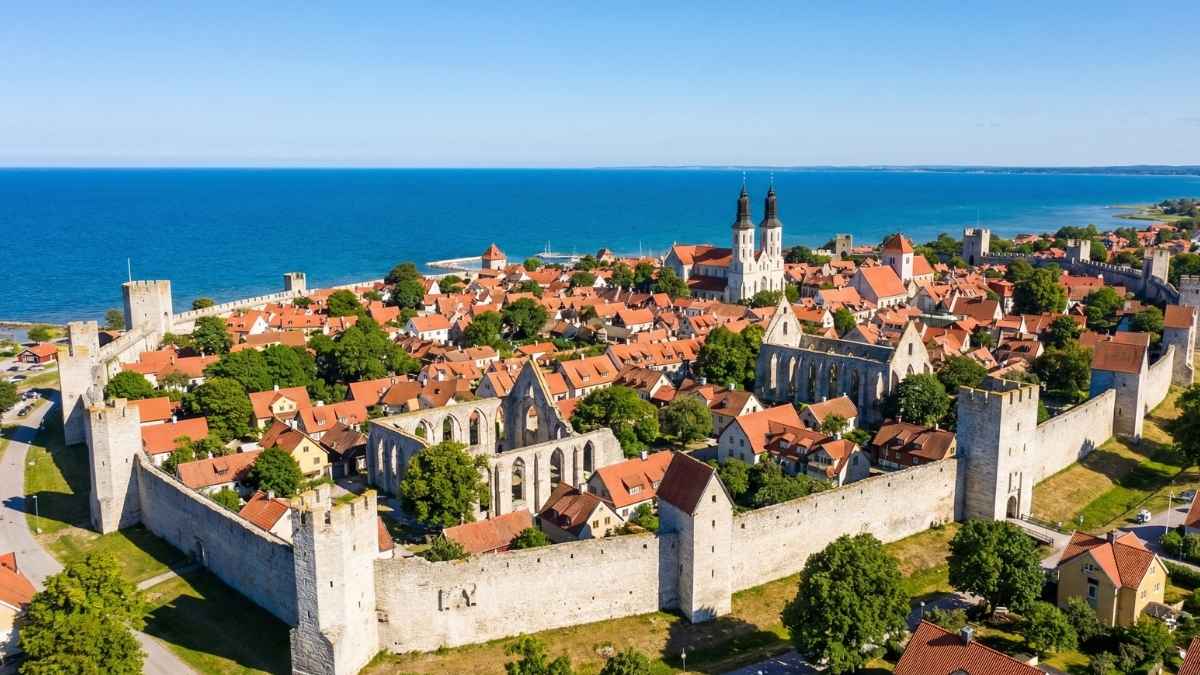
Visby feels different from the moment you arrive. Massive stone walls still encircle the town, enclosing a medieval street grid that remains surprisingly unchanged. Inside, life continues at a calm, deliberate pace, shaped by the same boundaries that defined it in the Middle Ages.
The town’s medieval influence shows in how space is used. Gardens sit inside ancient ruins, homes blend into former churches and warehouses, and streets follow defensive patterns rather than straight lines. Residents don’t just coexist with the past—they adapt to it daily.
Visby’s greatest strength is subtlety. It doesn’t overwhelm with spectacle. Instead, it reveals its age slowly: in the texture of stone walls, the quiet separation from the modern world, and the sense that history here isn’t displayed—it’s simply present.
Quick facts & planning tips:
- Best months to visit: June–August
- Avoid: Off-season if services matter
- Best experience: Walking the town walls
- Atmosphere: Calm, residential, historic
- Local life: Integrated within medieval boundaries