
12 Former US Military Towns Turned Into Retirement Havens (VA Benefits Paradise)


Morning routines hit differently after service ends. Structure fades, noise quiets, and suddenly the question isn’t where to deploy next—but where life actually feels easier.
Across the country, places once built for duty have quietly reinvented themselves into something else entirely: steady, affordable, and deeply familiar to those who wore the uniform. Streets designed for order now suit slower mornings. Systems built for efficiency still work when it matters most.
Add dependable healthcare, communities that understand service without explanation, and benefits that finally stretch far enough—and retirement starts feeling less like an ending and more like a well-earned upgrade worth exploring all the way through.
1. San Diego, California (Liberty Station – Former Naval Training Center)

Liberty Station doesn’t feel like a former military base anymore—and that’s exactly why it works so well for retirement. What used to be the Navy’s main training hub has transformed into a walkable, coastal neighborhood filled with parks, cultural spaces, cafés, and medical facilities. The military DNA is still there, but now it shows up as excellent infrastructure, wide streets, and thoughtful planning, which quietly makes daily life easier.
What truly sets this area apart is unmatched access to VA healthcare. San Diego has one of the strongest VA systems in the country, including the VA San Diego Healthcare System and multiple outpatient clinics. For retirees relying on VA benefits, this alone removes a lot of stress. Add in mild weather year-round, and it’s easy to see why so many military retirees never really leave.
There’s also something reassuring about being surrounded by people who “get it.” Veterans are everywhere—neighbors, volunteers, healthcare staff—so services are efficient, and communities feel grounded. It’s polished without feeling sterile, lively without being loud, and surprisingly calm for a major city.
Helpful details
- Best months to visit: March–May, September–November
- VA healthcare access: Excellent (top-tier facilities)
- Climate: Mild coastal, very few extremes
- Lifestyle: Walkable, cultural, outdoorsy
- Property taxes: Higher than average (California trade-off)
2. Brooks, San Antonio, Texas (Former Brooks Air Force Base)
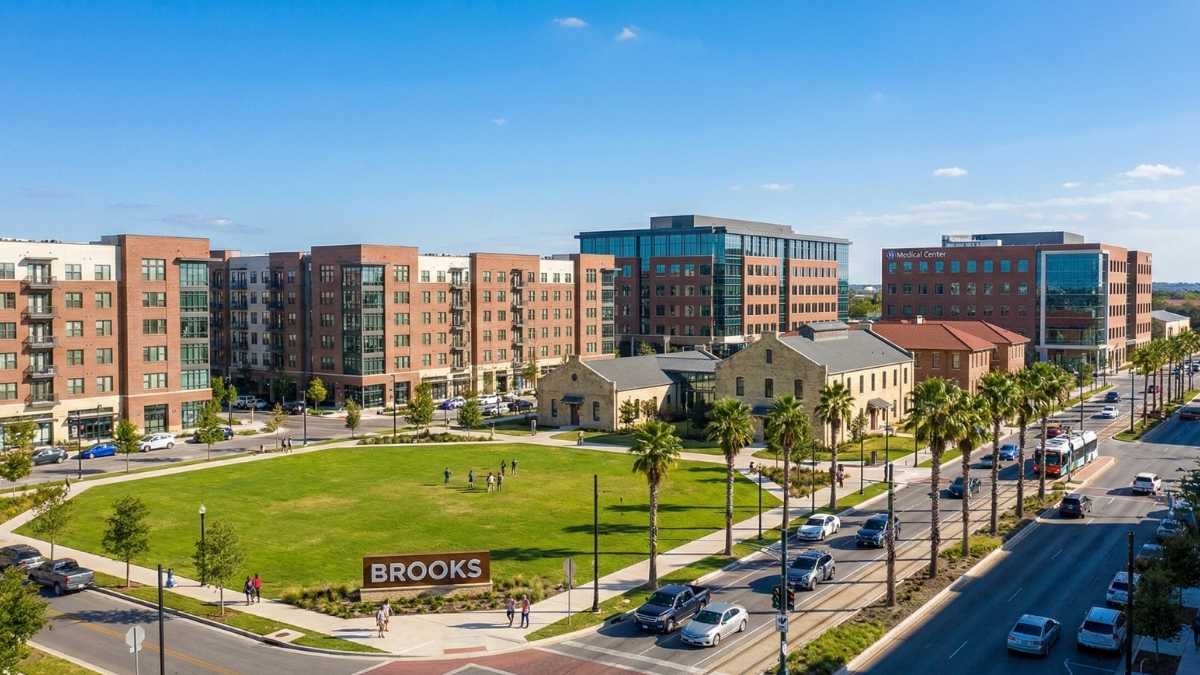
Brooks might be one of the most underrated veteran retirement spots in the country. Once a major Air Force base, it’s now a carefully redeveloped community with affordable housing, green spaces, and modern medical facilities—all wrapped in San Antonio’s famously low cost of living.
San Antonio is a VA benefits powerhouse. The city is home to multiple military installations, one of the largest VA medical centers in the U.S., and a deep network of veteran-specific services. That means shorter wait times, better care coordination, and support programs that actually feel accessible.
What stands out is balance. Life here moves more slowly than in coastal cities but never feels dull. You get culture, food, and history without inflated prices. Many retirees find Brooks especially appealing because it feels purpose-built for long-term living rather than tourism or speculation.
Helpful details
- Best months to visit: October–April
- VA healthcare access: Outstanding
- Climate: Warm, mild winters
- Cost of living: Below the national average
- Veteran population: Very high
3. Fort Ord Area, California (Monterey / Seaside / Marina)

Fort Ord’s transformation is one of the most impressive military-to-civilian success stories in the U.S. What was once a massive Army base is now a mix of quiet coastal towns, university campuses, nature preserves, and thoughtfully reused housing. The pace here is slower, cleaner, and more intentional.
Retirees are drawn to the sense of space and calm. Trails replace training grounds, and former barracks now sit near farmers’ markets and medical offices. While Monterey County isn’t cheap, it offers something rare: coastal living without the chaos of a major metro.
VA access is solid, especially with clinics nearby and larger facilities within reach. Many veterans appreciate that the area feels removed from heavy military presence while still being built on military-grade planning and resilience.
Helpful details
- Best months to visit: April–June, September–October
- VA healthcare access: Good
- Climate: Cool coastal, foggy mornings
- Lifestyle: Nature-focused, quiet, scenic
- Housing: Mid to high range, but stable
4. Colorado Springs, Colorado (Former NORAD & Air Force Communities)
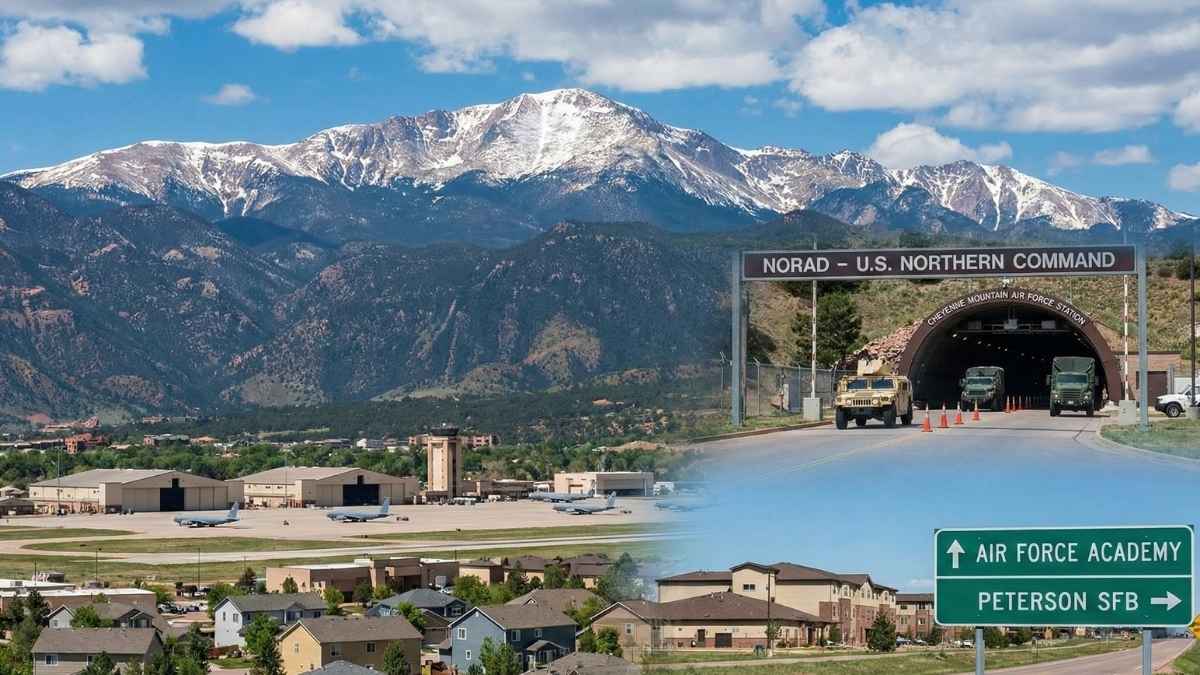
Colorado Springs has quietly become a retirement magnet for veterans who want mountain views without isolation. With deep military roots—from NORAD to Air Force bases—the city has decades of experience supporting service members and retirees.
Healthcare is a major win here. VA services are strong, and the broader medical ecosystem is excellent. What really seals the deal for many retirees is the quality of life: clean air, manageable traffic, and easy access to outdoor activities that don’t require extreme effort.
Despite its growth, Colorado Springs still feels practical. Neighborhoods are orderly, costs remain reasonable compared to other mountain cities, and the veteran presence ensures that benefits, discounts, and services are part of everyday life rather than special exceptions.
Helpful details
- Best months to visit: May–September
- VA healthcare access: Very good
- Climate: Four seasons, sunny, low humidity
- Lifestyle: Active, outdoors, structured
- Taxes: Moderate, retiree-friendly options
5. Fayetteville, North Carolina (Near Fort Liberty)
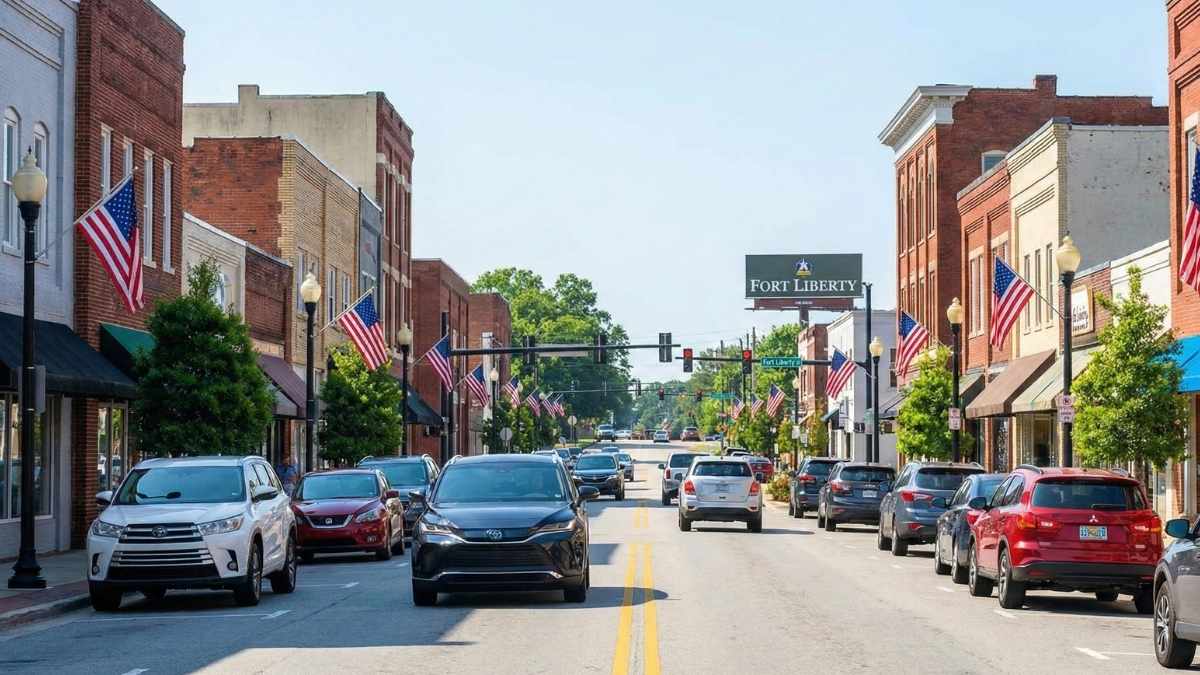
Fayetteville doesn’t try to impress—and that’s part of its appeal. Long associated with Fort Liberty, the city has evolved into a practical, veteran-centered retirement hub where VA benefits are easy to use, and daily life is affordable.
Housing is one of the biggest advantages. Retirees can live comfortably without stretching pensions or benefits, and healthcare access is straightforward thanks to nearby VA facilities. The city understands military life, which translates into smoother services and less friction.
It’s not flashy, but it’s dependable. For retirees who value financial breathing room, community familiarity, and reliable VA access, Fayetteville delivers exactly what it promises—no extras, no pressure.
Helpful details
- Best months to visit: March–May, September–November
- VA healthcare access: Strong
- Climate: Mild winters, humid summers
- Cost of living: Low
- Community vibe: Quiet, veteran-oriented
6. Virginia Beach / Norfolk, Virginia (Redeveloped Naval Communities)
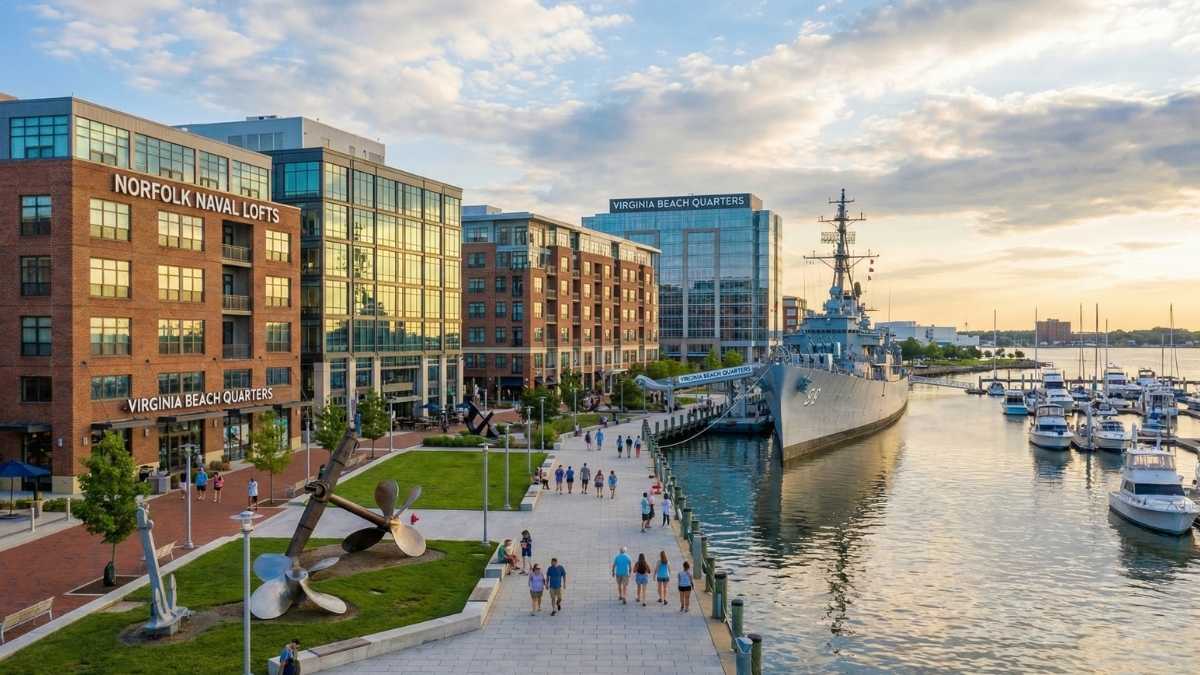
Virginia Beach and Norfolk feel like places that never really stopped being military towns—they just grew into something broader and more livable. Former base housing, naval support zones, and shipyard neighborhoods have quietly transitioned into stable, well-planned retirement communities, many with easy access to water, parks, and healthcare.
The real advantage here is the density of VA and military-related healthcare. The Hampton Roads area has one of the highest concentrations of veterans in the country, which means VA systems are experienced, well-funded, and familiar with long-term retiree needs. That familiarity matters when navigating benefits, appointments, and specialty care.
Life here is steady rather than flashy. You get coastal living without resort-town pricing, strong public services, and a community that understands structure and routine. It’s a comfortable fit for retirees who like order, access, and reliability.
Helpful details
- Best months to visit: May–June, September–October
- VA healthcare access: Excellent
- Climate: Mild winters, humid summers
- Lifestyle: Coastal, suburban, practical
- Veteran presence: Very high
7. Tampa / St. Petersburg, Florida (Redeveloped Military Waterfront Areas)
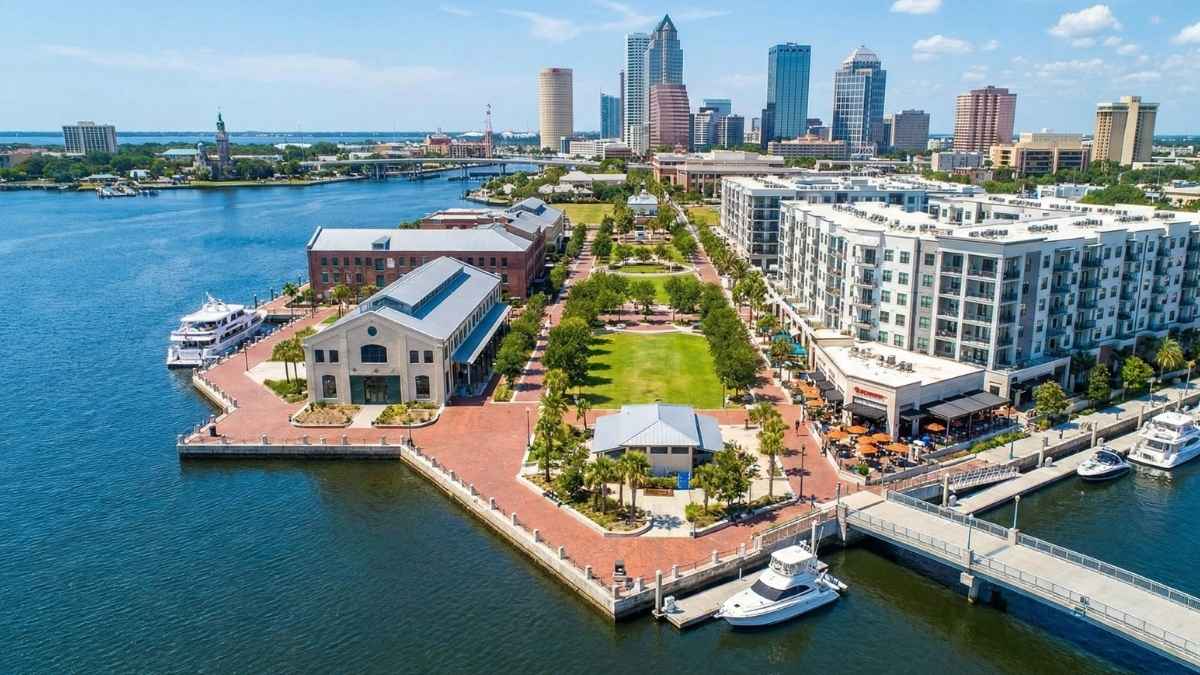
Tampa Bay has mastered the art of reinvention. Former military zones and defense-adjacent neighborhoods along the waterfront have become retirement-friendly districts with modern housing, medical centers, and walkable amenities—without losing their functional roots.
For veterans, Florida’s tax advantages are a major draw. No state income tax, plus generous property tax exemptions for disabled veterans, make monthly finances far easier to manage. VA facilities in the region are strong, and private healthcare options fill in gaps seamlessly.
The lifestyle here feels lighter. Warm weather, flat terrain, and a strong social scene make daily routines easier without pushing constant activity. Many retirees find that Tampa–St. Pete offers energy without pressure, which is exactly what long-term living needs.
Helpful details
- Best months to visit: November–April
- VA healthcare access: Very good
- Climate: Warm, subtropical
- Taxes: Highly retiree-friendly
- Lifestyle: Relaxed, social, coastal
8. Pensacola, Florida (Former Naval Air Station Community)
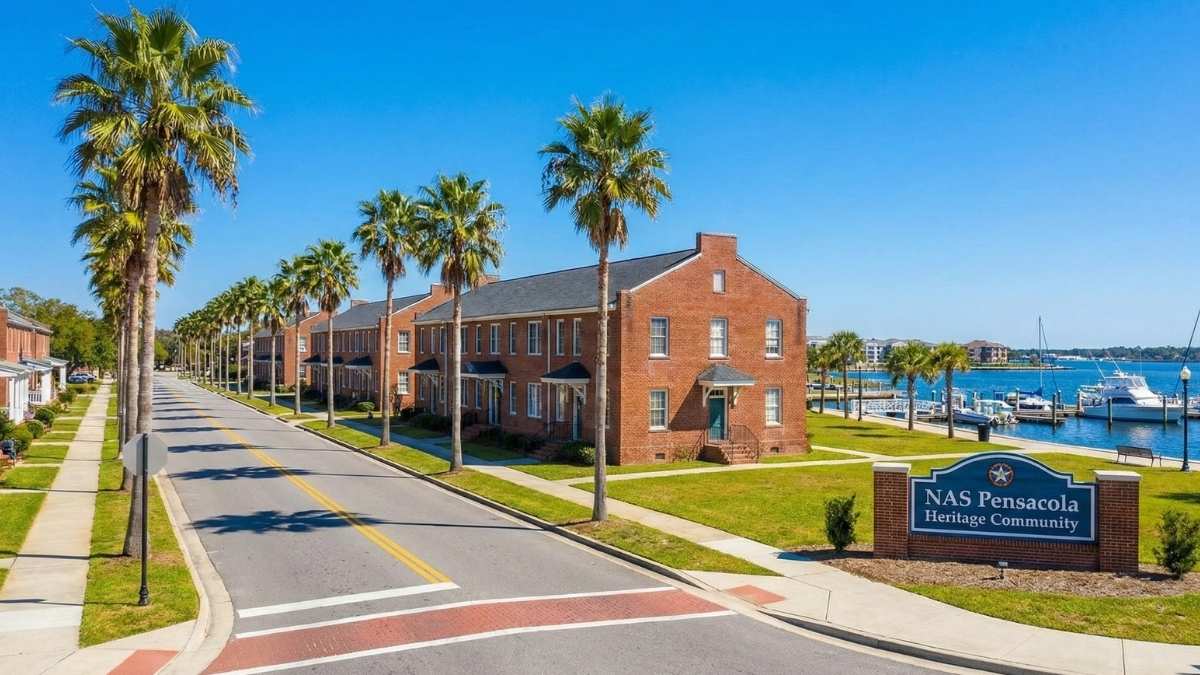
Pensacola still carries its naval roots proudly, but retirement life here is surprisingly calm. Former base neighborhoods and surrounding areas now serve as quiet, affordable residential zones with excellent access to veteran services.
The VA presence is solid, and the community is deeply accustomed to military retirees. That shows up in everyday interactions—local providers, housing markets, and civic services understand veteran needs without explanation or friction.
Pensacola also offers something increasingly rare: coastal living that remains affordable. It’s not a luxury hub, but it’s comfortable, friendly, and financially manageable, which makes it especially appealing for retirees relying on fixed incomes or VA benefits.
Helpful details
- Best months to visit: March–May, October–November
- VA healthcare access: Good
- Climate: Warm, humid summers
- Cost of living: Below the national average
- Community vibe: Quiet, veteran-heavy
9. Abilene, Texas (Dyess Air Force Base Support Community)
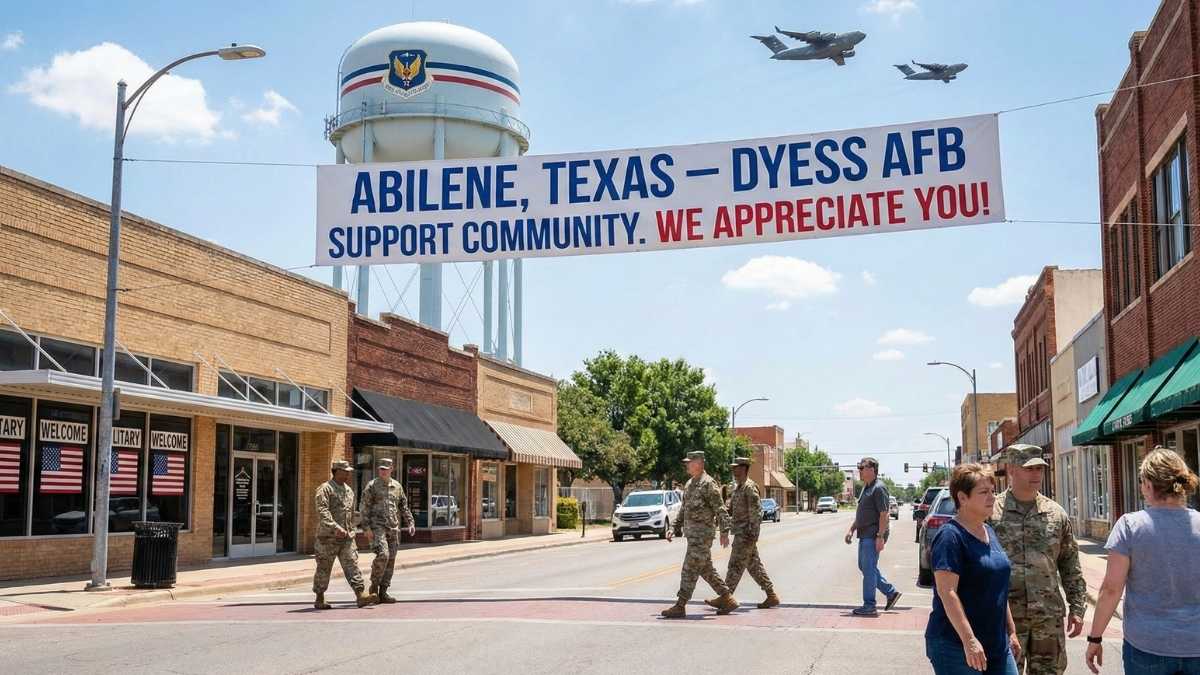
Abilene is a textbook example of a military support town that aged well. Built around Dyess Air Force Base, it has evolved into a low-cost, low-stress retirement option where veteran services remain central to the local economy.
The VA system here is efficient rather than expensive. What it lacks in size, it makes up for in accessibility and familiarity. Many retirees appreciate that appointments are easier to manage and daily errands don’t feel like logistical puzzles.
Abilene’s biggest strength is predictability. Housing is affordable, traffic is minimal, and community life feels grounded. For retirees who value simplicity, routine, and financial comfort, it checks the right boxes.
Helpful details
- Best months to visit: March–May, October–November
- VA healthcare access: Solid
- Climate: Hot summers, mild winters
- Cost of living: Very low
- Lifestyle: Quiet, structured, affordable
10. Richland, Washington (Former WWII Army Community)
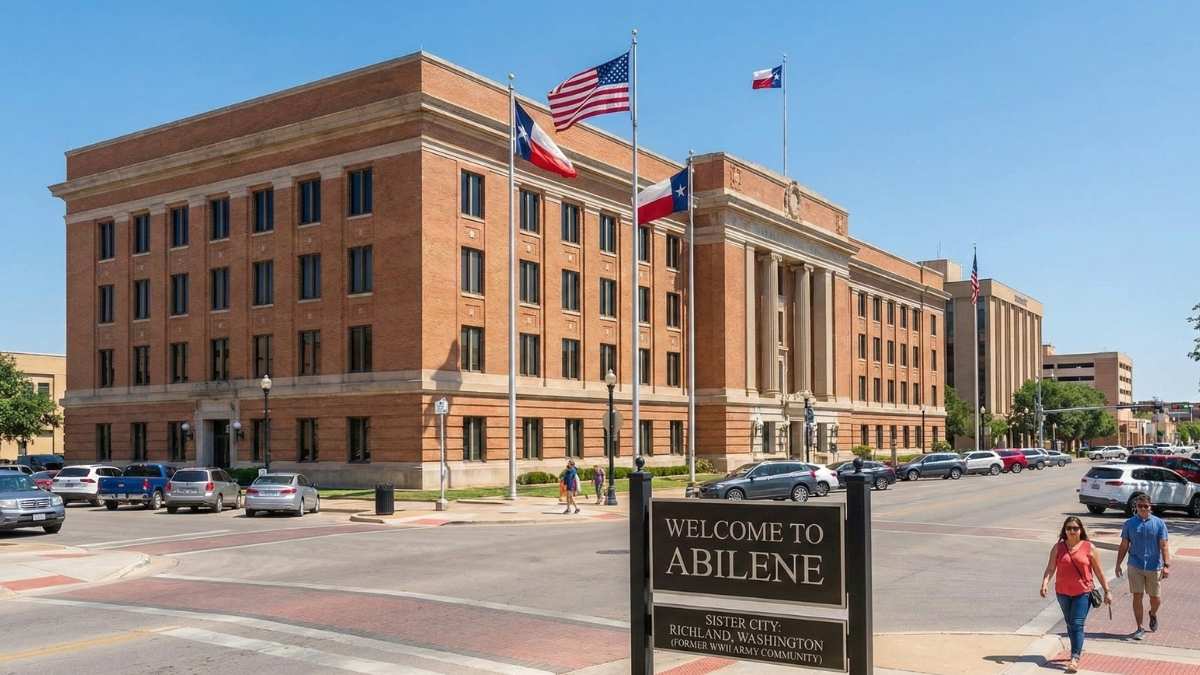
Richland’s military origins go back to World War II, and that legacy still shapes the town’s layout and mindset. Originally built to support the Hanford project, it’s now a clean, orderly community with strong infrastructure and healthcare access.
Retirees are often drawn to the calm environment. Streets are wide, neighborhoods are planned, and services are efficient. VA access is dependable, and the broader medical system in the Tri-Cities area is well-developed for long-term care.
While it doesn’t offer flash or resort energy, Richland appeals to those who value stability, safety, and long-term livability. It’s a place where life feels settled, not rushed.
Helpful details
- Best months to visit: May–September
- VA healthcare access: Good
- Climate: Four seasons, dry summers
- Lifestyle: Quiet, organized, suburban
- Housing: Reasonable and stable
11. Sierra Vista, Arizona (Fort Huachuca Community)
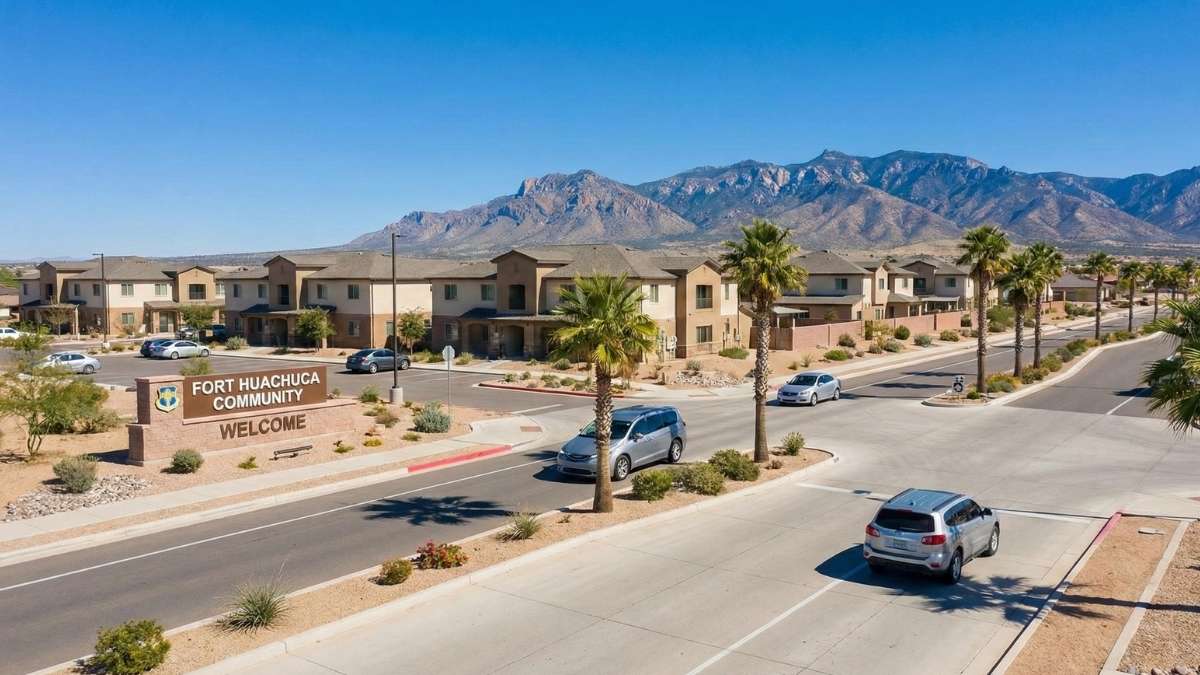
Sierra Vista feels purposeful. Built alongside Fort Huachuca, the town was never meant to be flashy—it was designed to function well, and that mindset still defines daily life. Streets are wide, neighborhoods are calm, and everything from healthcare access to public services runs with quiet efficiency.
Veterans often find comfort here because VA services are tightly integrated into the community. The local VA clinic is reliable, and larger facilities in Tucson are within reach for specialized care. There’s also a strong sense of familiarity—many residents have military backgrounds, which makes interactions smoother and expectations clearer.
The desert setting adds another layer of appeal. The air is dry, the skies are open, and the pace encourages slower routines without isolation. For retirees who value **structure, affordability, and minimal noise—both literal and figurative—**Sierra Vista delivers consistency without feeling stuck.
Helpful details
- Best months to visit: October–April
- VA healthcare access: Good (excellent regional backup)
- Climate: Dry, mild winters
- Cost of living: Low
- Lifestyle: Quiet, practical, desert-oriented
12. St. Marie, Montana (Former Glasgow Air Force Base)

St. Marie is different—and that’s exactly why it earns a place on this list. Once part of Glasgow Air Force Base, this small, repurposed community now offers a no-frills, low-cost retirement option that appeals to veterans who want space, calm, and financial breathing room.
Life here strips things down to essentials. Housing is affordable, neighborhoods are uncrowded, and there’s little pressure to keep up with trends or growth. VA access requires some travel, but many retirees accept that trade-off in exchange for exceptionally low living costs and a deeply quiet environment.
This isn’t a place for everyone, and it doesn’t try to be. But for readers who value independence, self-reliance, and wide-open surroundings—St. Marie offers something increasingly rare: retirement without noise, competition, or urgency.
Helpful details
- Best months to visit: June–September
- VA healthcare access: Limited locally, regional support required
- Climate: Cold winters, mild summers
- Cost of living: Very low
- Lifestyle: Remote, quiet, self-sufficient