7 European Cities Where $50/Day Feels Like $500 (Locals Beg Tourists Not to Come)

Airports have a way of draining wallets before the trip even begins, yet a few corners of Europe still play by different rules. Days stretch longer when coffee costs pocket change, meals arrive oversized, and comfortable apartments don’t require sacrifice.
The shock isn’t just how far a small budget goes—it’s how quickly life starts to feel fuller, slower, and oddly luxurious. Locals notice when outsiders catch on, because these places were never built for bargain hunters chasing trends.
They were built for living well, quietly. Keep reading, because once you see how far $50 a day can really go, settling for less elsewhere becomes a lot harder.
1. Bucharest, Romania
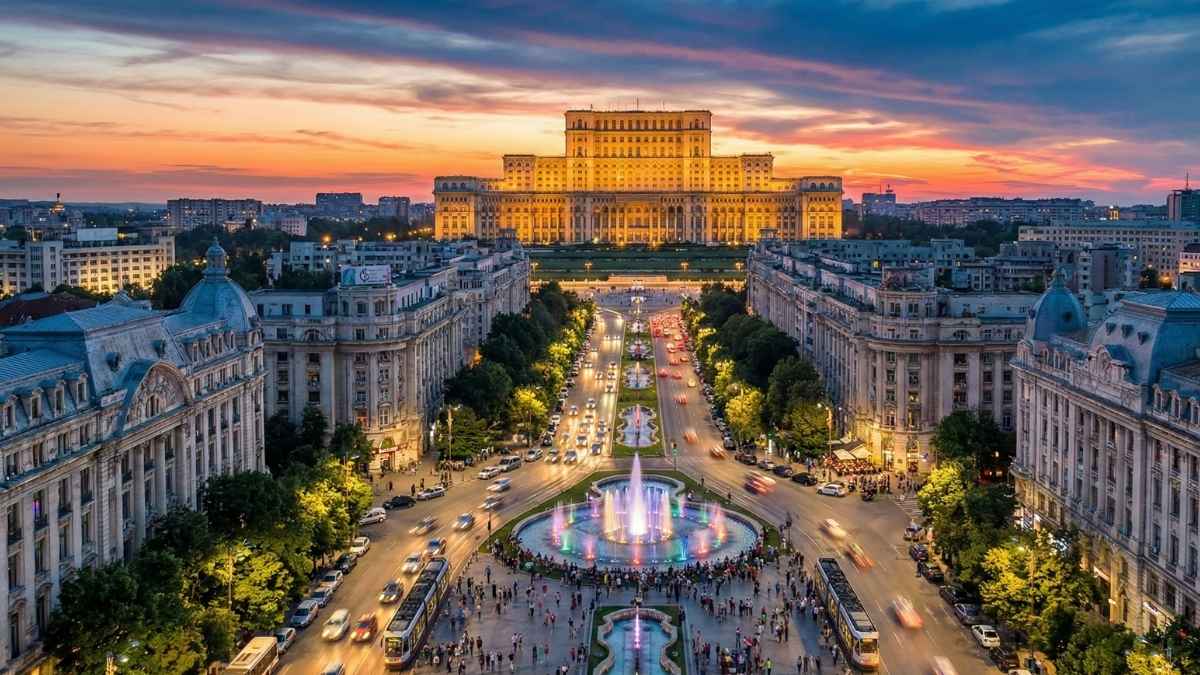
Bucharest has a way of quietly overdelivering. At first glance, it feels like a classic European capital—wide boulevards, historic buildings, cafés spilling onto sidewalks. Then the prices hit, and suddenly, a full sit-down meal costs less than a fast-food combo back home. The city’s energy feels lived-in, not staged for tourists, which is part of why locals tend to groan when it starts trending online.
Daily life here is surprisingly polished for the cost. Stylish coffee shops, coworking spaces, and wine bars feel designed for a higher-income crowd, yet prices stay grounded. Public transport works well, ride-hailing is cheap, and apartments in central neighborhoods are still affordable enough that visitors can live like temporary locals instead of budget travelers.
What really stretches that $50/day is how balanced everything feels. You’re not trading comfort for savings. Museums, nightlife, green parks, and historic neighborhoods all fit neatly into a routine that feels far more expensive than it actually is.
Quick facts & tips:
- Best months to visit: May–June, September
- Average daily spend: $35–$50
- Getting around: Metro + Uber/Bolt are very cheap
- Food scene: Traditional Romanian + modern European fusion
- Vibe: Lively, modern, slightly gritty, very real
2. Sofia, Bulgaria
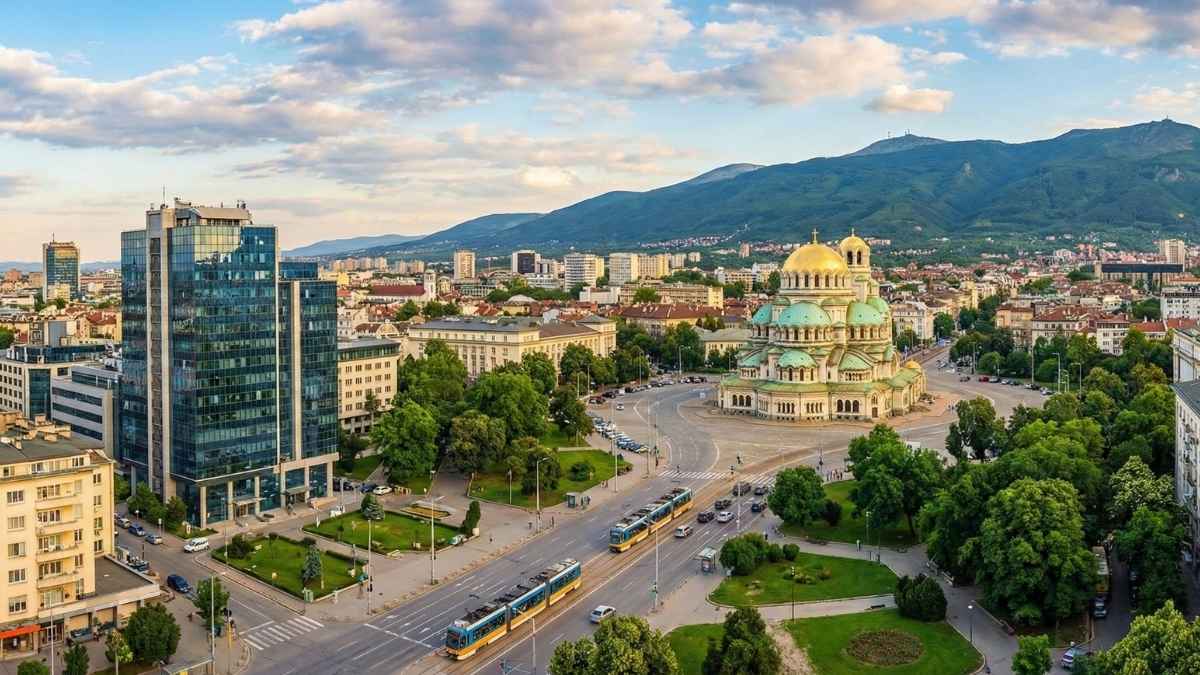
Sofia is one of those cities that doesn’t try to impress—and ends up doing exactly that. Mountains rise behind office buildings, Roman ruins sit next to metro stations, and cafés stay full well into the evening. Prices remain stubbornly low, even as quality continues to rise, which explains why locals aren’t thrilled about increased attention.
What stands out is how much space and calm you get for so little money. Apartments are generous, meals are hearty, and parks are everywhere. A day can start with a mountain hike, shift into city exploration, and end with drinks that barely dent your wallet.
There’s a grounded rhythm to Sofia that makes it easy to stay longer than planned. It’s not flashy, but it’s deeply comfortable. That’s where the “$500 feeling” comes from—not luxury, but ease.
Quick facts & tips:
- Best months to visit: May–July, September
- Average daily spend: $30–$45
- Nature access: Vitosha Mountain is minutes away
- Food scene: Balkan comfort food, bakeries, strong coffee culture
- Vibe: Relaxed, outdoorsy, quietly cool
3. Sarajevo, Bosnia and Herzegovina
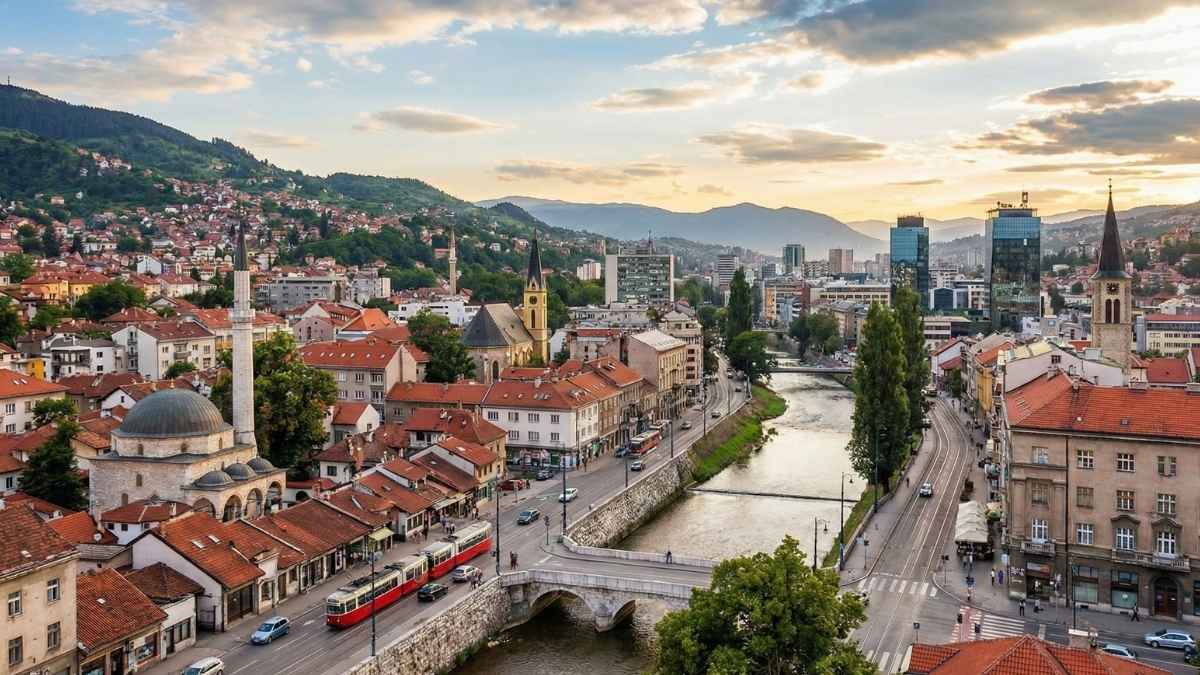
Sarajevo feels layered in a way few European cities do. Ottoman-era streets blend into Austro-Hungarian architecture, and the past is always present without being overwhelming. Despite its depth and beauty, it remains astonishingly affordable—almost confusingly so for first-time visitors.
Meals are filling and flavorful, accommodations are cozy, and coffee culture is practically ceremonial. Sitting for hours over a single cup is normal, expected even. That slower pace stretches your money further while making days feel fuller.
There’s an emotional richness here that adds to the value. You’re not just saving money—you’re gaining perspective. That’s also why locals can be protective of the city; it’s personal, not a playground.
Quick facts & tips:
- Best months to visit: May–June, September
- Average daily spend: $30–$45
- Walkability: Excellent in central areas
- Food scene: Grilled meats, pastries, and deep coffee culture
- Vibe: Reflective, warm, culturally rich
4. Tirana, Albania
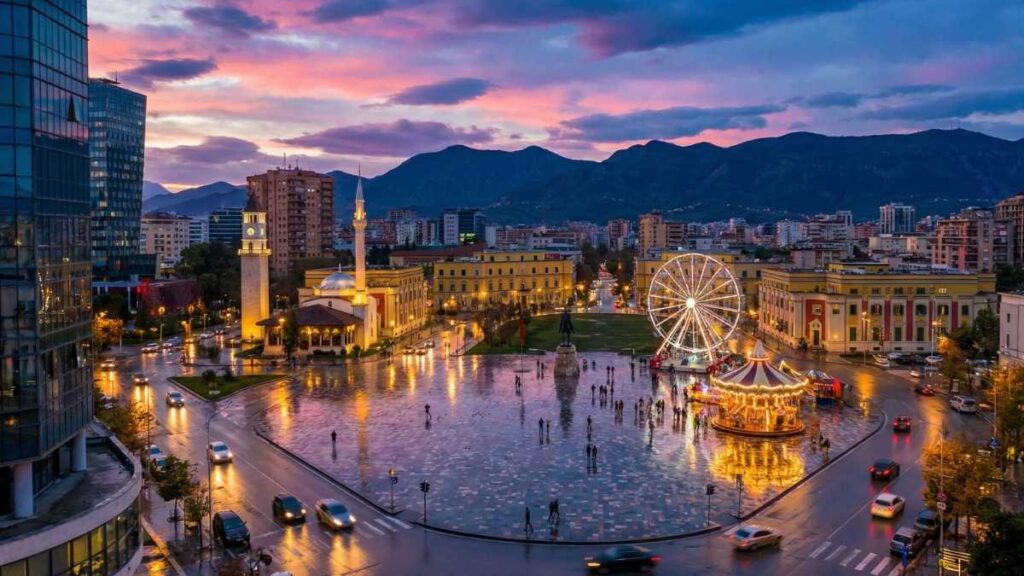
Tirana doesn’t feel like a capital that’s been “discovered” yet—and that’s exactly the point. Colorful buildings, buzzing cafés, and a youthful energy make the city feel alive without being crowded. Prices are still firmly local, not tourist-adjusted, which is becoming rare in Europe.
The café culture is relentless in the best way. Espresso is everywhere, costs next to nothing, and comes with an unspoken invitation to sit and stay. Restaurants serve generous portions, apartments are modern, and nightlife feels spontaneous rather than curated.
What makes Tirana special is momentum. The city feels like it’s moving forward, but hasn’t priced people out yet. That window won’t stay open forever, and locals know it.
Quick facts & tips:
- Best months to visit: April–June, September–October
- Average daily spend: $30–$45
- Coffee prices: Among the cheapest in Europe
- Food scene: Mediterranean-Balkan mix, very fresh
- Vibe: Energetic, social, up-and-coming
5. Skopje, North Macedonia
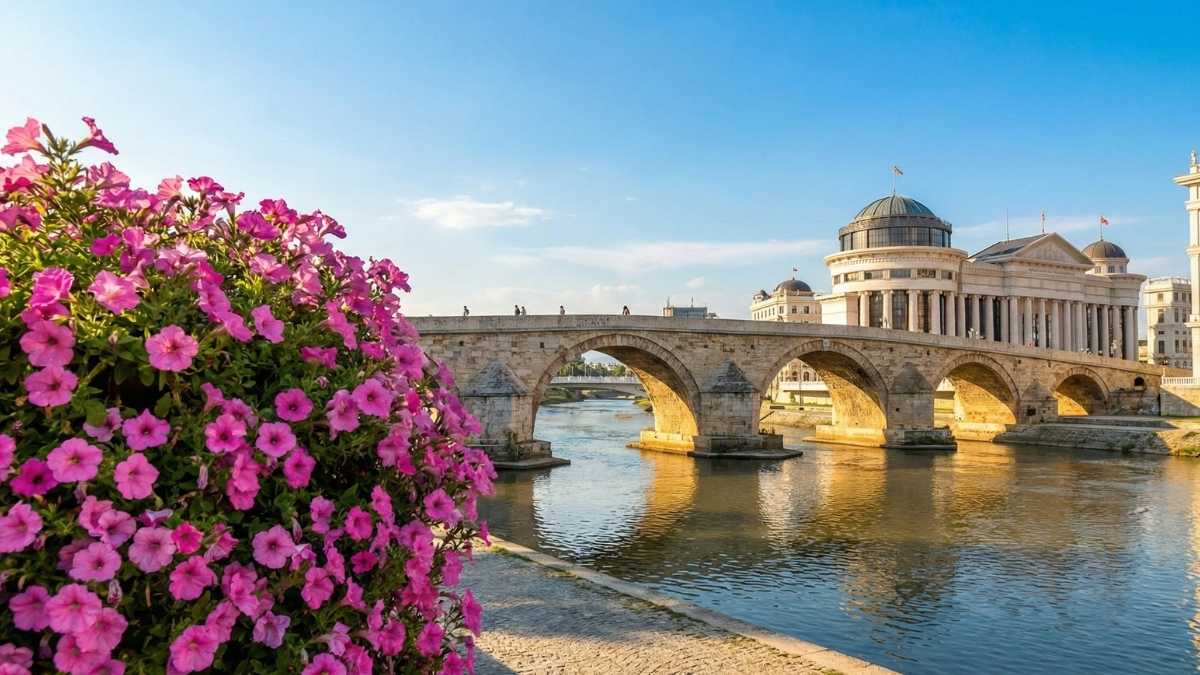
Skopje is one of Europe’s most misunderstood cities—and one of its best value surprises. Beneath the unusual architecture and oversized statues is a city that’s friendly, walkable, and incredibly affordable.
Old Bazaar streets offer food, shopping, and culture at prices that feel frozen in time. Crossing the river takes you from historic lanes to modern cafés in minutes. Daily expenses stay low without sacrificing comfort, making it easy to settle into a routine quickly.
Skopje isn’t trying to sell a polished image. It simply exists, and for travelers who value substance over hype, that’s where the value multiplies.
Quick facts & tips:
- Best months to visit: May–June, September
- Average daily spend: $25–$40
- Getting around: Walkable, cheap taxis
- Food scene: Grills, bakeries, Turkish-influenced dishes
- Vibe: Laid-back, underrated, authentic
6. Plovdiv, Bulgaria
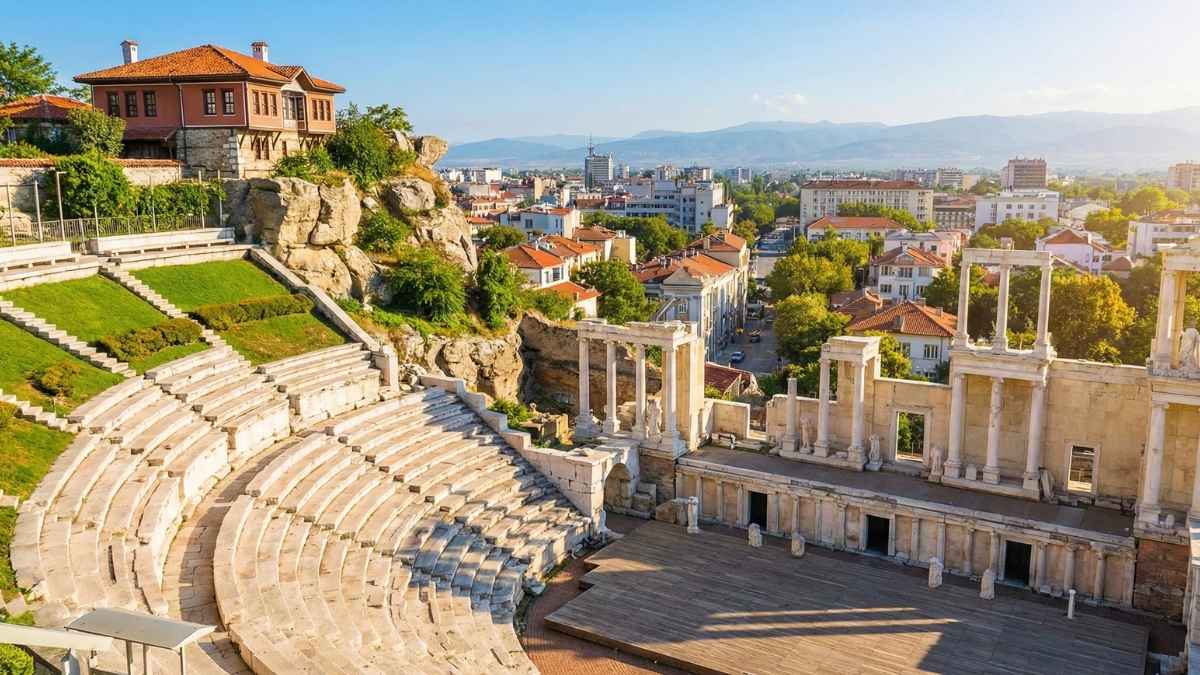
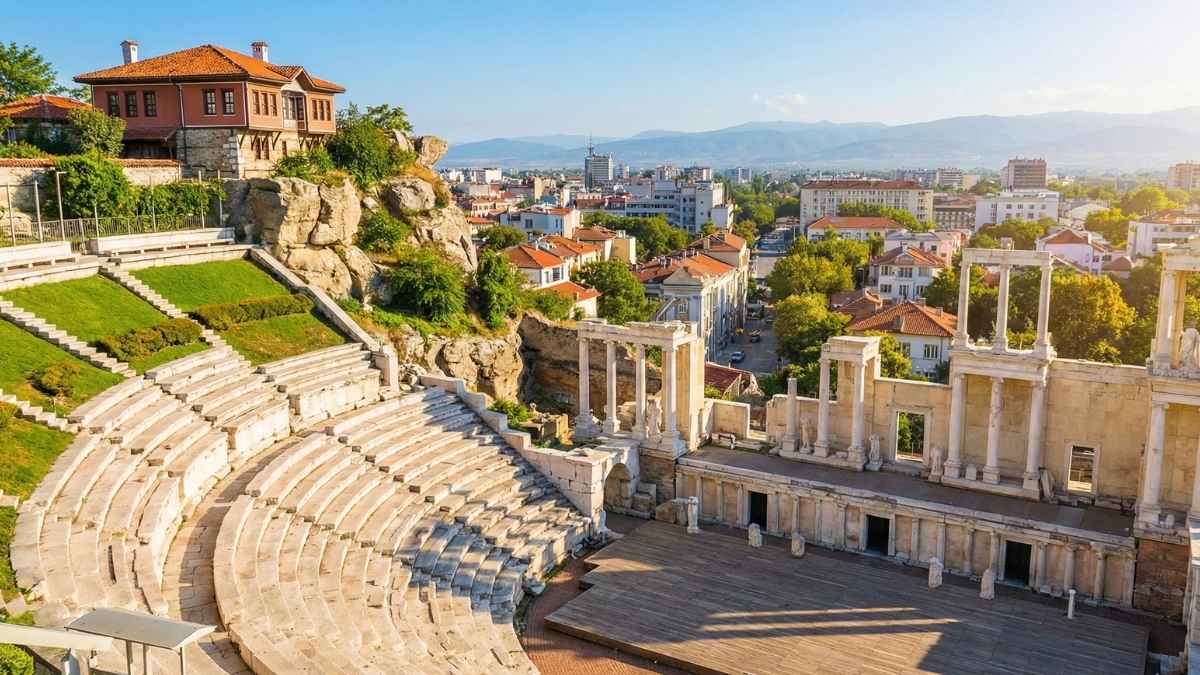
Plovdiv doesn’t announce itself loudly. It draws you in slowly, then keeps surprising you. Cobbled streets wind through one of Europe’s oldest continuously inhabited cities, where Roman ruins sit casually beneath cafés and art galleries. The atmosphere feels curated by history, not tourism boards—and that restraint keeps costs low.
Living here on $50 a day feels almost excessive. A comfortable apartment, long lunches, evening wine, and museum visits all fit easily into the budget. Unlike capital cities, nothing feels rushed. Locals linger, conversations stretch, and the city rewards patience rather than speed.
What sets Plovdiv apart is its creative undercurrent. Artists, students, and remote workers quietly fuel the energy, keeping the city vibrant without tipping it into overexposure. It feels refined but not expensive—a rare balance that’s getting harder to find.
Quick facts & tips:
- Best months to visit: May–June, September
- Average daily spend: $30–$45
- Historic appeal: Roman theater, Old Town hills
- Food scene: Traditional Bulgarian with modern twists
- Vibe: Artistic, relaxed, quietly elegant
7. Belgrade, Serbia
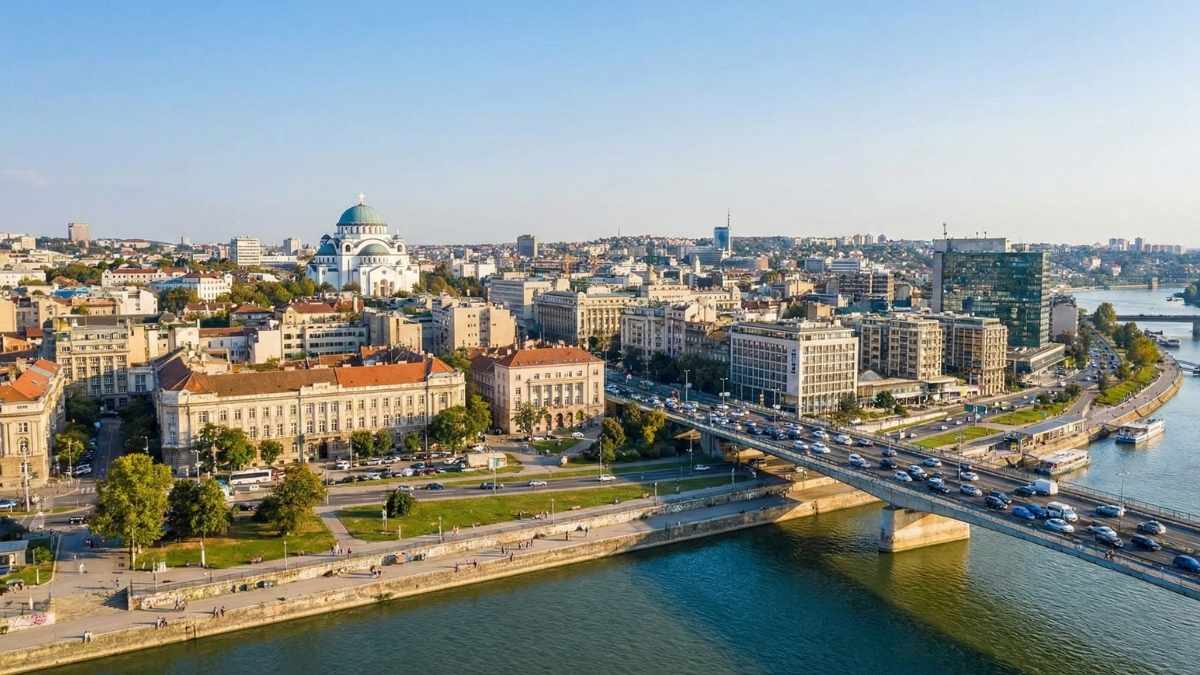
Belgrade operates on its own frequency. The city is bold, unpolished, and unapologetically alive. Days feel casual, almost sleepy, while nights flip the switch entirely. Despite its size and energy, prices remain refreshingly low—especially for food, drinks, and entertainment.
A single day here might include a riverside coffee, a hearty lunch that costs less than a takeaway sandwich elsewhere, and nightlife that doesn’t require budgeting anxiety. The city rewards curiosity, not planning, which makes spending feel natural rather than controlled.
What keeps Belgrade affordable is that it hasn’t reshaped itself to please visitors. It moves for its residents first. That authenticity is exactly why locals aren’t eager for mass tourism—and why $50/day still stretches far beyond expectations.
Quick facts & tips:
- Best months to visit: May–June, September
- Average daily spend: $35–$50
- Nightlife: Legendary and affordable
- Food scene: Hearty Serbian classics, great bakeries
- Vibe: Energetic, raw, intensely social