11 National Parks Where Your Grandparents Could’ve Bought Land (Now Worth Millions)

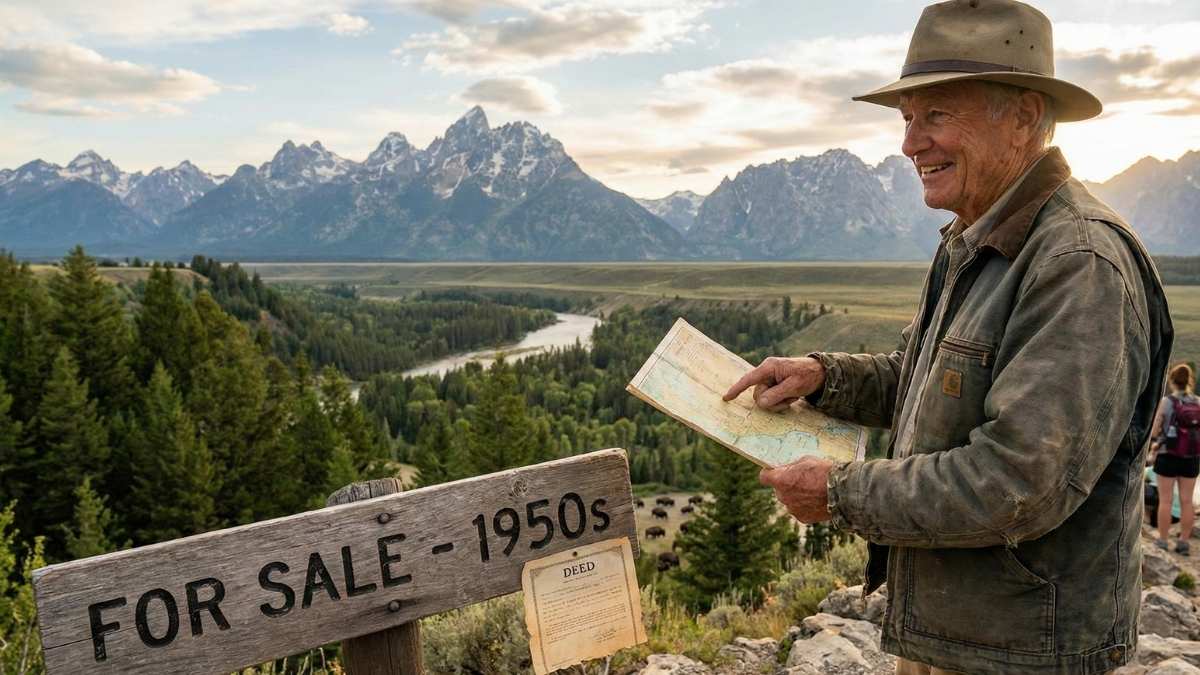
Generations ago, a patch of untouched earth could have been yours for next to nothing. A handful of decisions, a stroke of foresight, and a lifetime of value quietly waiting to bloom.
Today, those same lands have transformed into priceless landscapes, commanding attention not just for their beauty, but for what they represent — opportunity missed, dreams realized elsewhere, and the sheer force of nature’s allure.
Walking through valleys, along rivers, or beneath towering peaks, it’s easy to feel both the passage of time and the extraordinary potential once hidden in plain sight. These are places that whisper stories of what could have been.
1. Grand Teton National Park (Wyoming)
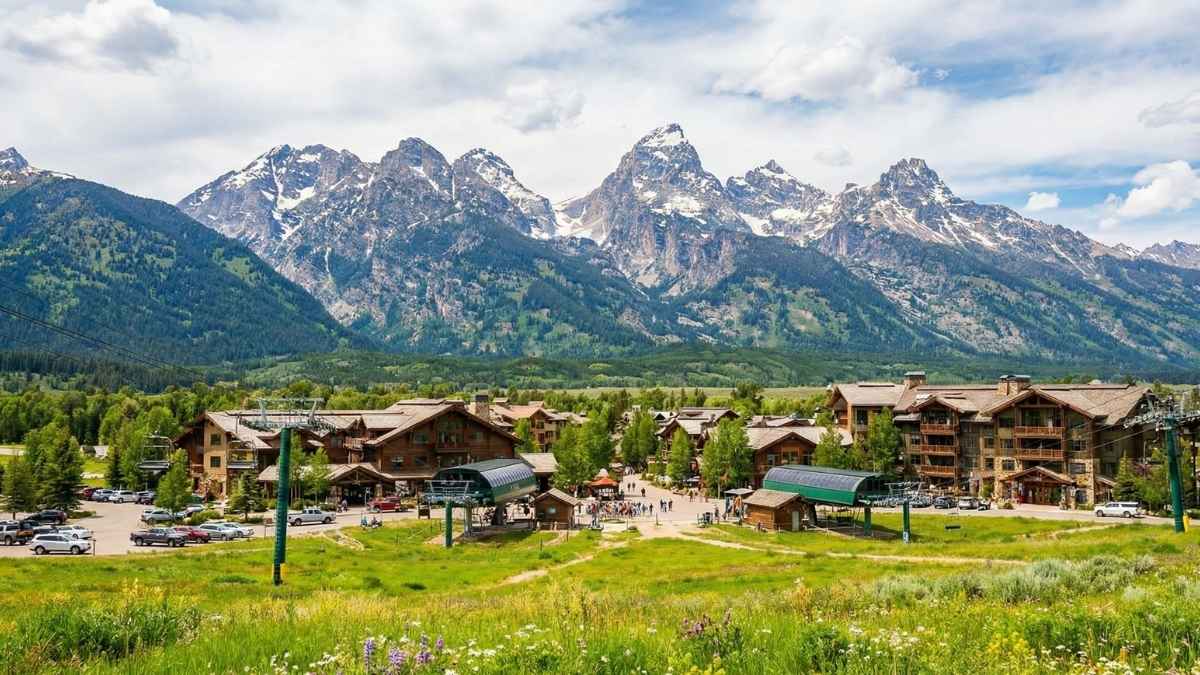
Grand Teton isn’t just another park — it’s the kind of place that makes you stop mid‑walk and just breathe. Set against one of the most dramatic mountain backdrops in the Lower 48, this park is a jewel of jagged peaks, shimmering alpine lakes, and meadows filled with wildlife. It also sits in Teton County, one of the most expensive real estate markets in the U.S., where private land around Jackson Hole often trades for millions and represents some of the highest property values near any national park. Zillow
When you’re driving along Teton Park Road, and the massive silhouettes of the Tetons rise straight up out of the valley floor, it’s hard not to feel humbled. Hiking options range from easy lakeside strolls to intense multi‑day backcountry treks, and every turn feels like a postcard. The park also connects directly to Yellowstone via the John D. Rockefeller Jr. Memorial Parkway, which means you can easily link two giants of the national park system on one trip. Wikipedia
But what really sets Grand Teton apart is how approachable it feels. Despite its sweeping grandeur, many scenic spots — like Jenny Lake or the Snake River Overlook — are just a short walk or drive from the main road. Even if your grandparents didn’t actually buy property here (let’s be honest — land was still scarce in Jackson Hole), imagining the value that land so close to this rugged beauty would have today is almost laughable. Wikipedia
Practical Info
- Best Months to Visit: June–September (warmer weather, most trails accessible)
- Seasonal Highlights: Fall brings elk rutting and stunning aspens; winter is quiet with snowy landscapes
- Crowds: Higher in July–August; quieter shoulder season in late spring & early fall
- Activities: Hiking, fishing, wildlife viewing, boating on Jackson Lake, scenic drives
2. Yellowstone National Park (WY/Mont/Id)
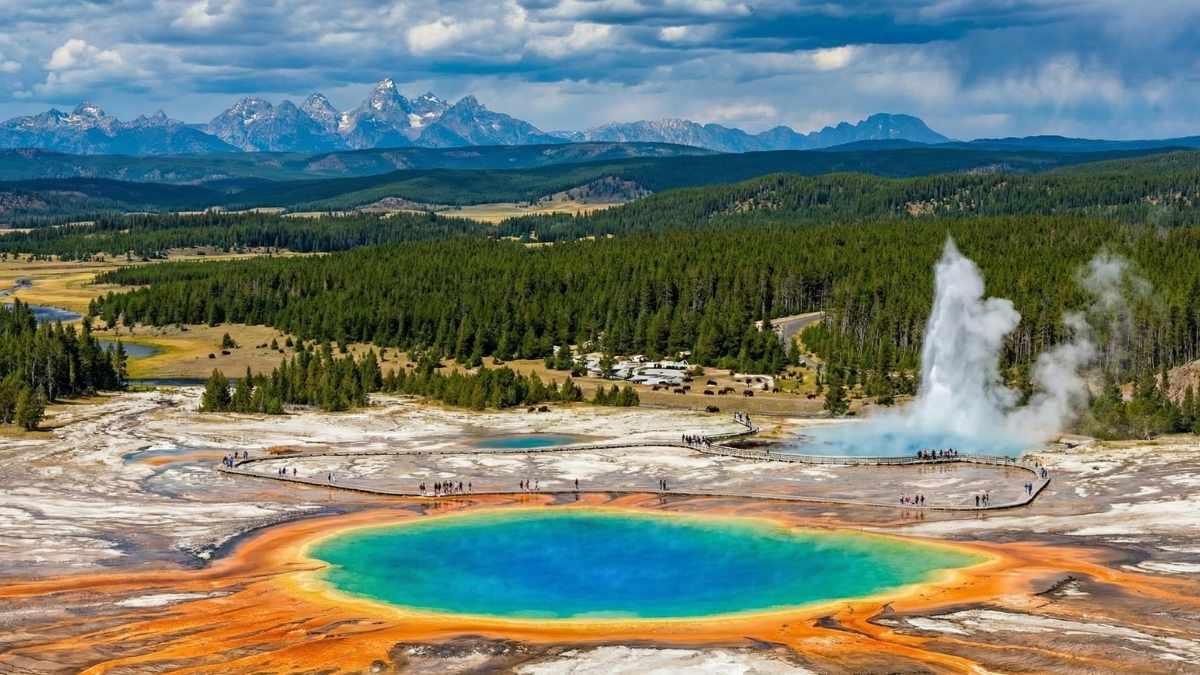
Yellowstone is the original American national park and remains one of the most incredible natural laboratories on the planet. It shows off bubbling geysers (yes, Old Faithful), vibrant thermal pools, boiling mud pots, and vast valleys framed with forests and mountains. Its geological forces are both beautiful and humbling; even scientists are still unraveling Yellowstone’s many mysteries. The Global Statistics
The park’s immense scale makes it unique — you could spend a week exploring and still see something new. Wildlife is everywhere: bison grazing by the roadside, wolves howling at dawn, elk trotting through meadows. Most visitors cluster around the thermal basins and famous formations, but if you venture just a bit farther — say, Lamar Valley at sunrise — you’ll find a quieter, rawer side of Yellowstone that rivals any overhyped overlook. The Global Statistics
Yellowstone’s surrounding towns have grown as well, and real estate near Yellowstone — from gateway communities like West Yellowstone to more distant ranchlands — has seen dramatic increases over the decades. It’s no wonder people look back and think: “If only…” when they consider what land here might be worth today. nexthomenorthwestrealestate.com
Practical Info
- Best Months to Visit: May–September (spring wildlife, summer access)
- Seasonal Notes: Some roads & facilities close in winter; snowcoach tours offer unique views
- Crowds: Peak June–August; shoulder seasons offer calmer experiences
- Activities: Geysers/thermal areas, wildlife watching, hiking, scenic drives
3. Yosemite National Park (California)
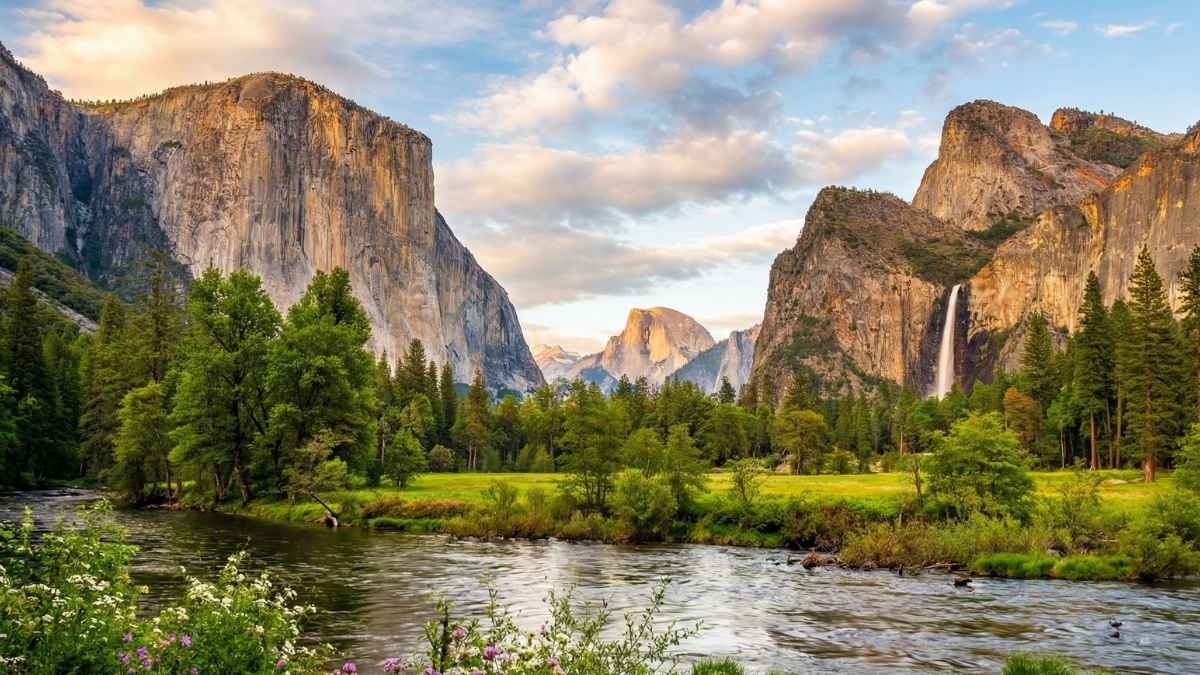
Yosemite is one of those parks that almost everyone has heard of, yet few fully grasp in person until they see it. Its towering granite monoliths, like El Capitan and Half Dome, draw rock climbers from around the world, while waterfalls like Yosemite Falls thunder down cliff faces each spring and early summer. Wikipedia
This park also illustrates how quickly land near a natural treasure can skyrocket in value. Places like Mariposa and the Sierra foothills have seen real estate prices reflect not just local demand, but the cachet of living near a globally beloved landscape. Even today, finding affordable property near Yosemite isn’t easy, and vacation rentals command strong premiums during peak seasons. Realtor
Yosemite is endlessly photogenic, but it’s also deeply experiential. Whether you’re hiking a quiet forest trail, watching the light change on granite at sunset, or listening to the river rush on a spring night, there’s a rhythm here that keeps people coming back. The valley may be the star, but the high country and meadows rival it for serenity and postcard views. Wikipedia
Practical Info
- Best Months to Visit: Late spring–early fall (falls may decline as winter approaches)
- Peak Waterfalls: Spring snowmelt is best for waterfalls
- Crowds: Mid‑summer is busiest; quieter shoulder seasons offer more peace
- Activities: Hiking, climbing, photography, scenic drives, wildlife spotting
4. Zion National Park (Utah)
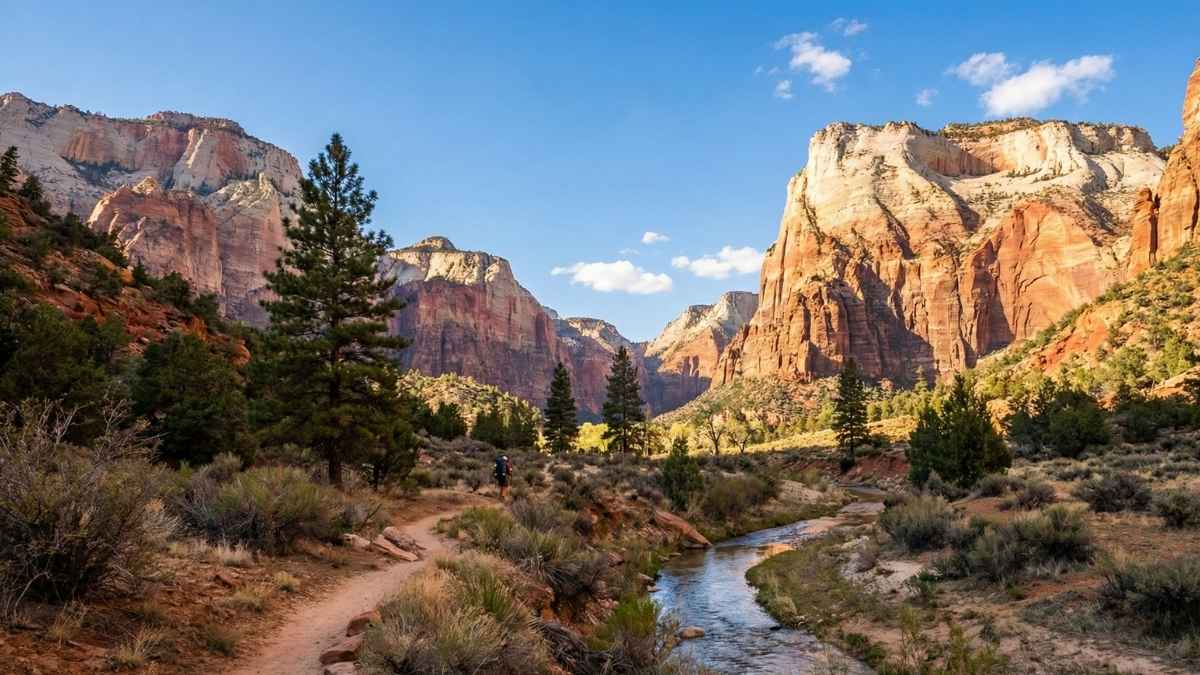
Zion feels like nature’s cathedral. In the high desert of southwestern Utah, sandstone cliffs rise in rich reds and oranges, framing canyons that seem almost sculptural in form. Trails like Angels Landing and The Narrows are legendary for their dramatic views and memorable experiences — and they’re exactly why land just outside the park (especially around Springdale) has become a premium commodity over the years. Wikipedia
The contrast of landscapes at Zion hits you the moment you enter. One minute you’re gazing up at endless sky and vibrant rock walls; the next you’re down in cool, narrow slot canyons carved by the Virgin River. Even short hikes feel epic because every bend reveals something new — a wall streaked with minerals, a hidden oasis, or a bird of prey riding the updrafts. Wikipedia
Zion also shows how a national park doesn’t just preserve nature — it preserves value. That value isn’t just monetary; it’s the experiential kind that keeps people returning year after year, season after season. Real estate developers and vacation rental markets certainly know this too, pushing up land values near the park’s entrances and scenic overlooks. National Parks Conservation Association
Practical Info
- Best Months to Visit: March–May & September–November (milder weather)
- Summer Tips: Very hot; carry lots of water
- Crowds: Peak summer; spring/fall offer vivid contrasts with fewer people
- Activities: Hiking Angels Landing & The Narrows, scenic drives, bird watching
5. Rocky Mountain National Park (Colorado)
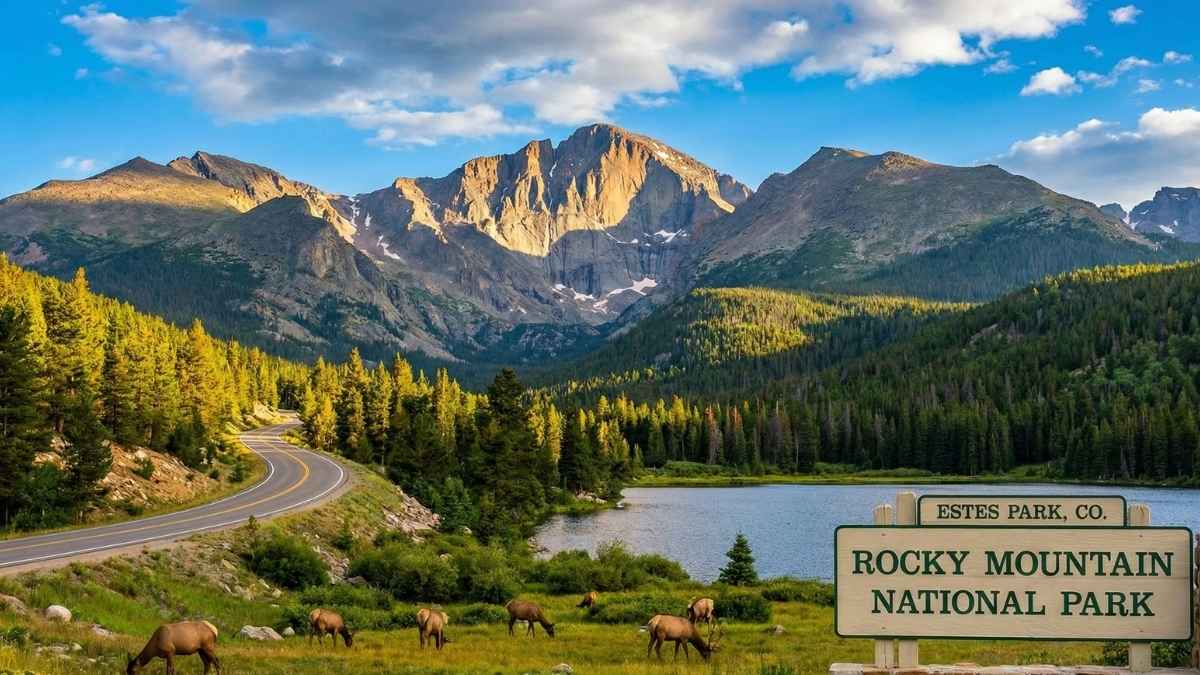
Rocky Mountain National Park lives up to its name — towering peaks, high alpine lakes, and winding roads that take you up to elevations where the air feels thin, and the views feel infinite. The town of Estes Park, at its eastern edge, has grown into a vibrant gateway community with lodges, restaurants, and neighborhoods that reflect the allure of Rocky Mountain living — and the price tags to match. The Global Statistics
Unlike some parks that feel desert‑dry or coastal cool, the Rocky Mountains deliver a blend of forest, tundra, and cliff‑fringed peaks that change with every season. Summer brings wildflowers and cool breezes; fall brings dramatic golden aspens; winter turns the park into a snowy playground. All of it contributes to the value locals and visitors put on land near these vistas. The Global Statistics
On a personal level, something is grounding about watching sunrise light spill over a glacial lake in Rocky Mountains — it’s the kind of moment that makes you understand why people consider owning a slice of this place worthwhile. From backpacking trails to scenic drives on Trail Ridge Road, this park delivers both serenity and spine‑tingling beauty. The Global Statistics
Practical Info
- Best Months to Visit: June–September (summer wildflowers & open roads)
- Crowds: Peak in summer; quieter in spring/fall
- Altitude Tip: Some visitors feel effects at higher elevations — stay hydrated
- Activities: Scenic drives, hiking, wildlife viewing, photography
6. Joshua Tree National Park (California)
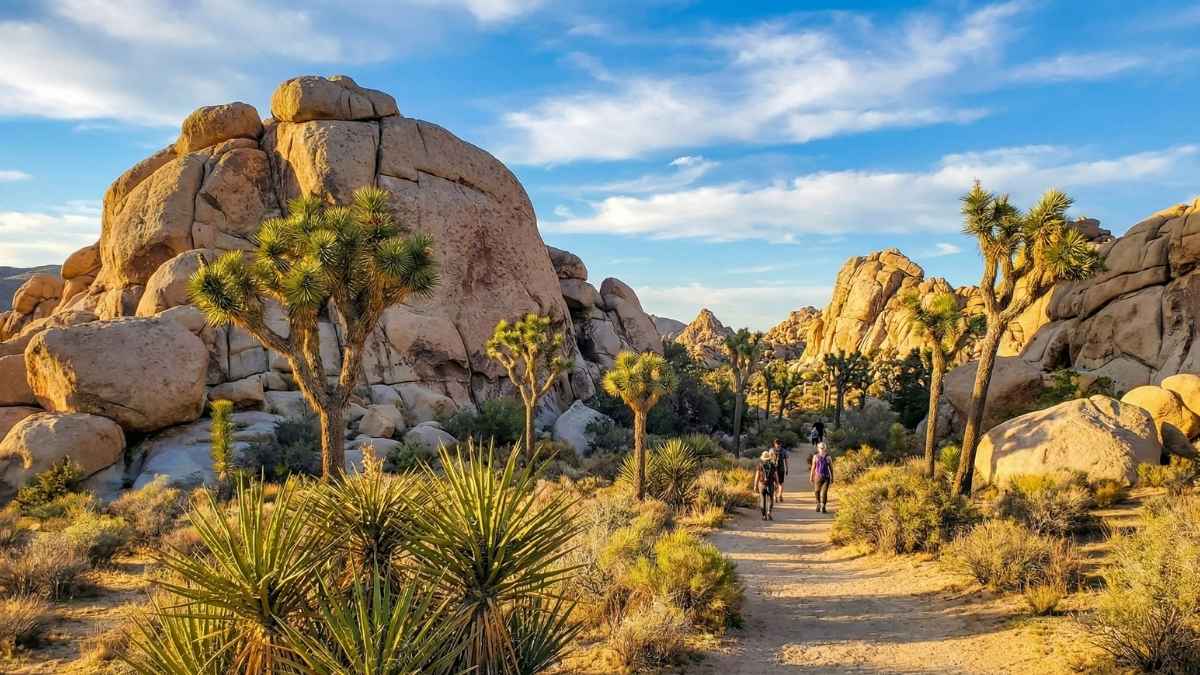
Joshua Tree sits where two deserts converge, and that’s exactly what makes it feel so otherworldly. You go from walking among the iconic, spiky Joshua trees to scrambling over smooth granite boulders that beg to be climbed. This park’s vibe is equal parts serene and surreal — and that stark beauty has made the surrounding desert towns increasingly popular for art galleries, retreats, and weekend getaways. That kind of attention naturally pushes up land values near the park over time. National Park Service
Back when this area was still largely remote, owning land here would’ve been like holding a blank canvas in a city nobody knew yet. Fast‑forward to today, and “Joshua Tree” is a brand unto itself — with plenty of people choosing to buy rural lots or unique desert properties just outside the park boundaries for retirement homes, rentals, or creative spaces. Zillow
One of the coolest things about Joshua Tree is its year‑round access: the park is open 24/7, 365 days a year, so whether you’re up for dawn hikes through Hidden Valley or late‑night stargazing, you’re welcome anytime. National Park Service
Quick Facts
- Best Months to Visit: October–April (cooler, more pleasant temperatures)
- Hot Tip: Summer heat can exceed 100°F — plan early walks and carry water. National Park Service
- Nearby Towns: Joshua Tree, Twentynine Palms, Yucca Valley
- Activities: Hiking, rock climbing, stargazing, photography
7. Great Smoky Mountains National Park (TN/NC)
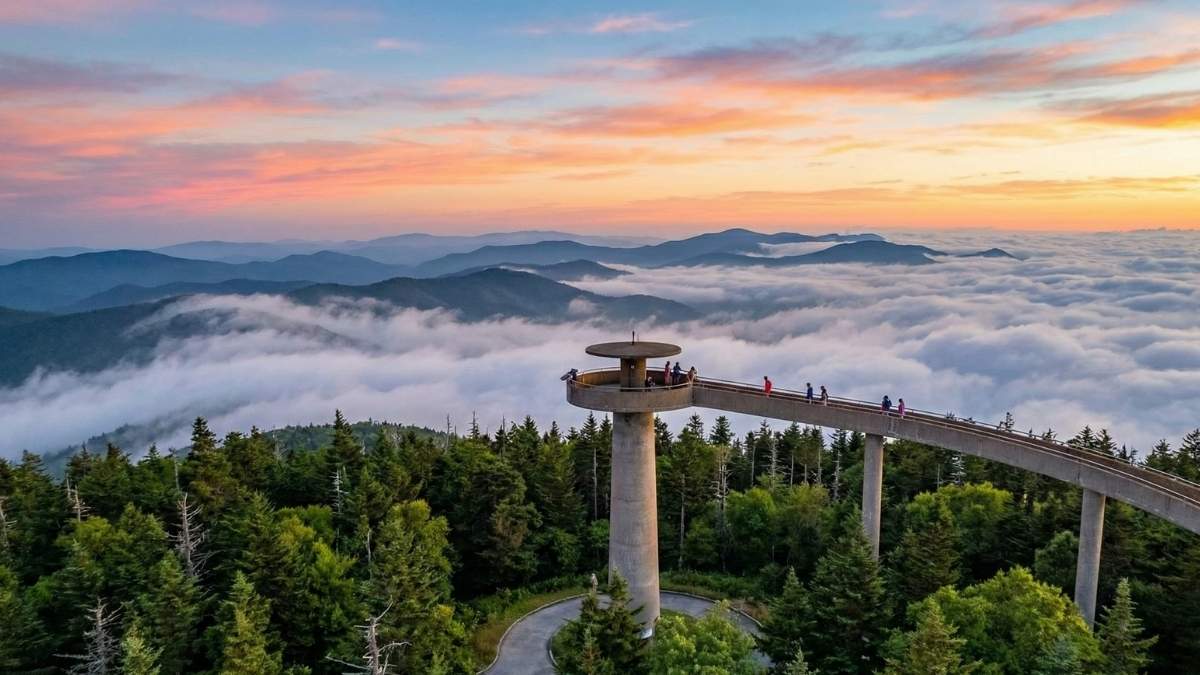
If there’s one park that everyone ends up talking about after a road trip, it’s the Smokies — not just because of the views, but because it feels familiar and timeless, like a landscape you’ve known your whole life. It’s the most visited National Park in the U.S., with crowds so big they rival Yellowstone and the Grand Canyon — and that means the towns around it, like Gatlinburg and Townsend, have boomed both as tourist hubs and real estate markets. Wikipedia
The Smokies are defined by lush forests, rolling ridges, and misty mornings that give the mountains their namesake smoke effect. You’ll find hidden waterfalls, historic Appalachian cabins, and wildlife around nearly every bend. Some of the oldest land settlements in the region were swallowed up by the park in the 1930s, and those old homesteads turned into park boundary lands are now part of an ecosystem that draws millions of visitors each year. Wikipedia
Because the park connects seamlessly into towns with strong tourism economies, land near the Smokies has long been coveted for cabins, investment properties, and mountain retreats — the sort of places that today could be worth multiples of what they once cost. redsign.com
Quick Facts
- Best Months to Visit: May–October (wildflowers, waterfalls, cooler mountain breezes)
- Crowds: Highest in summer & fall foliage season
- Activities: Hiking the Appalachian Trail, waterfalls tours, scenic drives
8. Everglades National Park (Florida)
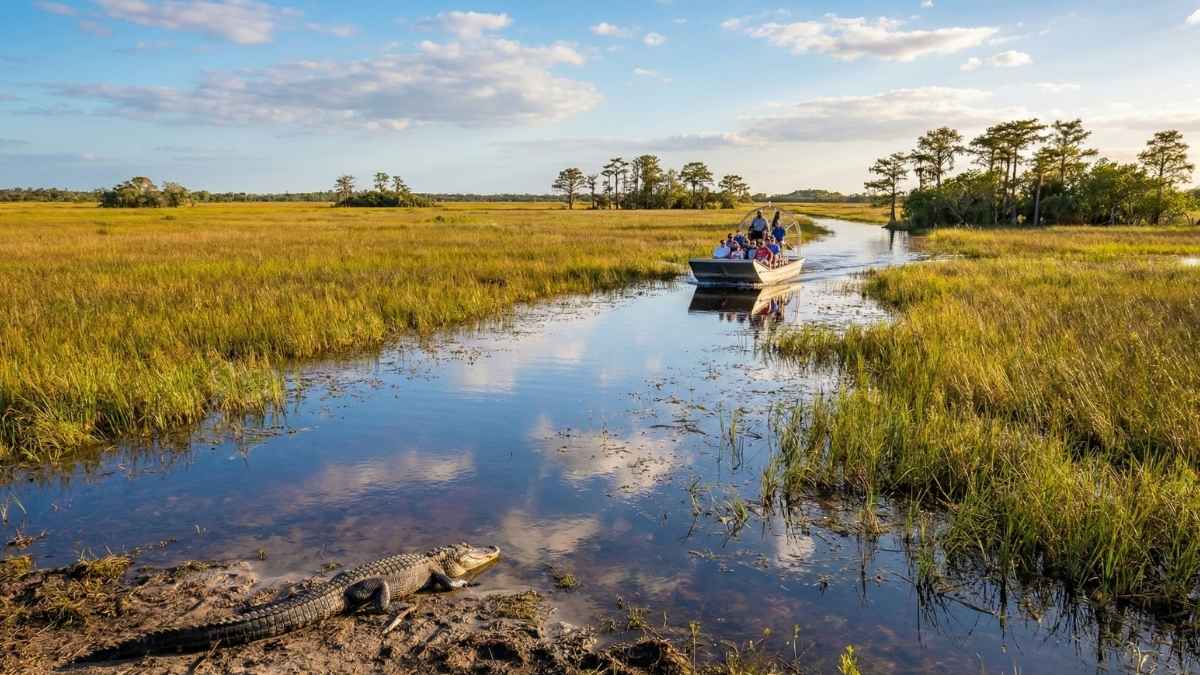
Everglades National Park feels like no other place in America — a vast, slow‑moving river of grass that supports an astonishing array of wildlife. It’s not only one of the largest parks in the lower 48, it also boasts the highest ecosystem service value of any U.S. National Park, thanks to its critical wetlands and biodiversity. MDPI
Unlike many Western parks defined by dramatic peaks and canyons, the Everglades offer surreal beauty in the subtropical spread of sawgrass marshes, mangrove forests, and shallow waters where alligators, manatees, and hundreds of bird species thrive. The park’s scale and ecological importance have helped fuel nearby interest in preserving and developing real estate — especially in Florida’s booming housing market. Wikipedia
Owning land just outside the Everglades decades ago would have meant holding property near one of the most ecologically significant places on Earth. Today, that’s translated into prime real estate markets in towns like Naples, Homestead, and Everglades City — all gateways to wetland wilderness and coastal access. Wikipedia
Quick Facts
- Best Months to Visit: December–April (drier season, fewer mosquitoes)
- Wildlife Highlights: American crocodile, Florida panther, manatees, wading birds
- Activities: Airboat tours, wildlife watching, photography
9. Olympic National Park (Washington)
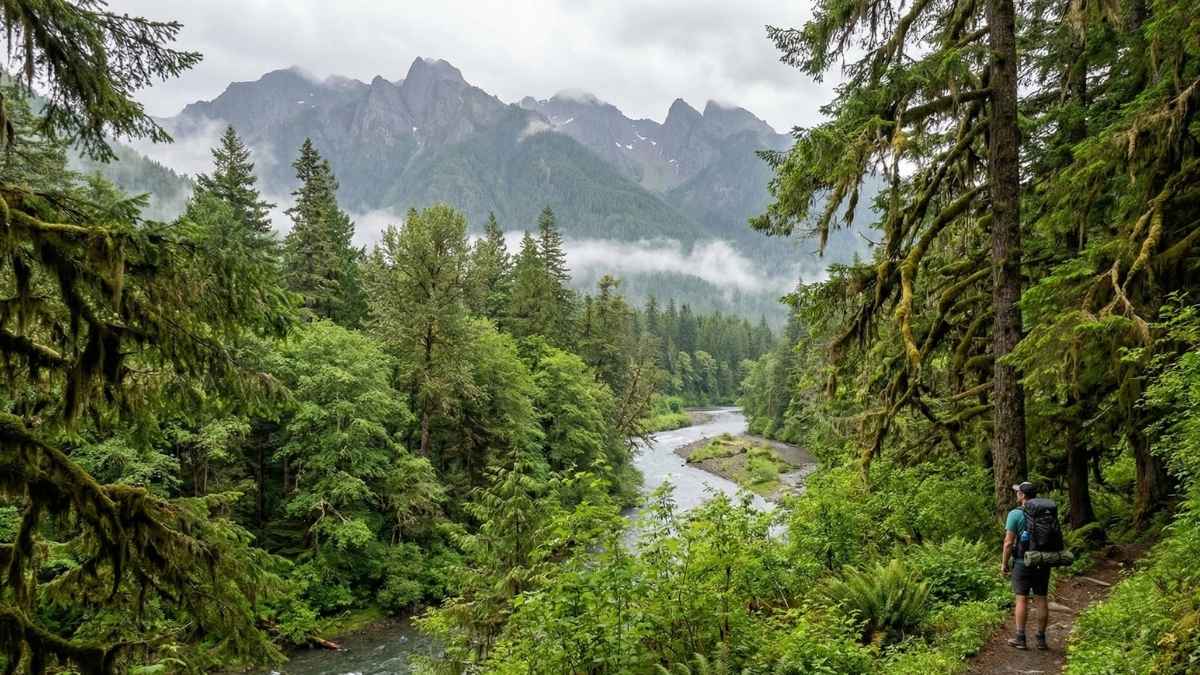
Olympic is a masterclass in variety. Within a single park, you’ll find temperate rainforests, glaciated peaks, and rugged Pacific coastlines — landscapes so diverse it feels like three parks in one. That ecological range has made the surrounding areas attractive for both adventure‑seekers and people looking to live near wild, scenic beauty. parksexpert.com
In the early 20th century, much of the Olympic Peninsula was still frontier country. Owning land there would have meant peace, privacy, and direct access to forests and coastline — the sort of natural capital that today’s buyers clamor for. With nearby towns like Port Angeles and Sequim growing thanks to retirees, remote workers, and outdoor lovers, owning land near this park has grown into a long‑term asset for many. redsign.com
Olympic’s varied ecosystems also make it a delight for all kinds of travelers — from tidepooling at Rialto Beach to hiking through the Hoh Rainforest under ancient moss‑draped trees, every part of this park tells a different story. parksexpert.com
Quick Facts
- Best Months to Visit: June–September (milder weather & open roads)
- Don’t Miss: Hoh Rainforest, Hurricane Ridge views, coastal tide pools
- Activities: Hiking, wildlife viewing, kayaking, beach exploration
10. Grand Canyon National Park (Arizona)
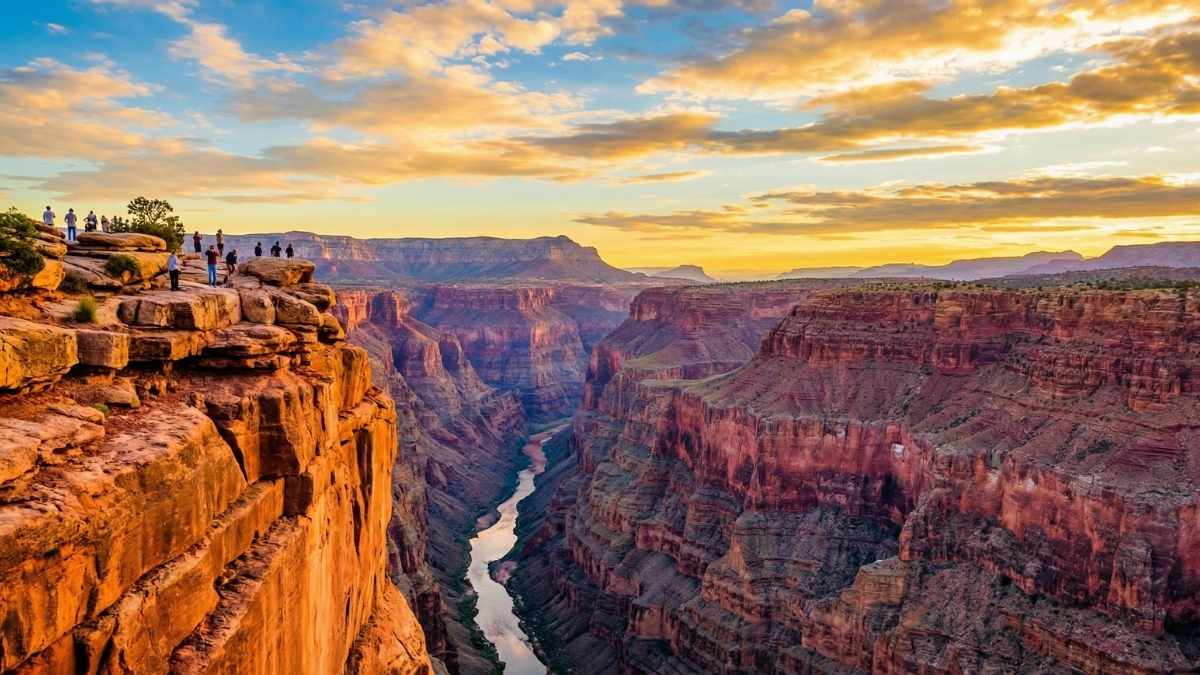
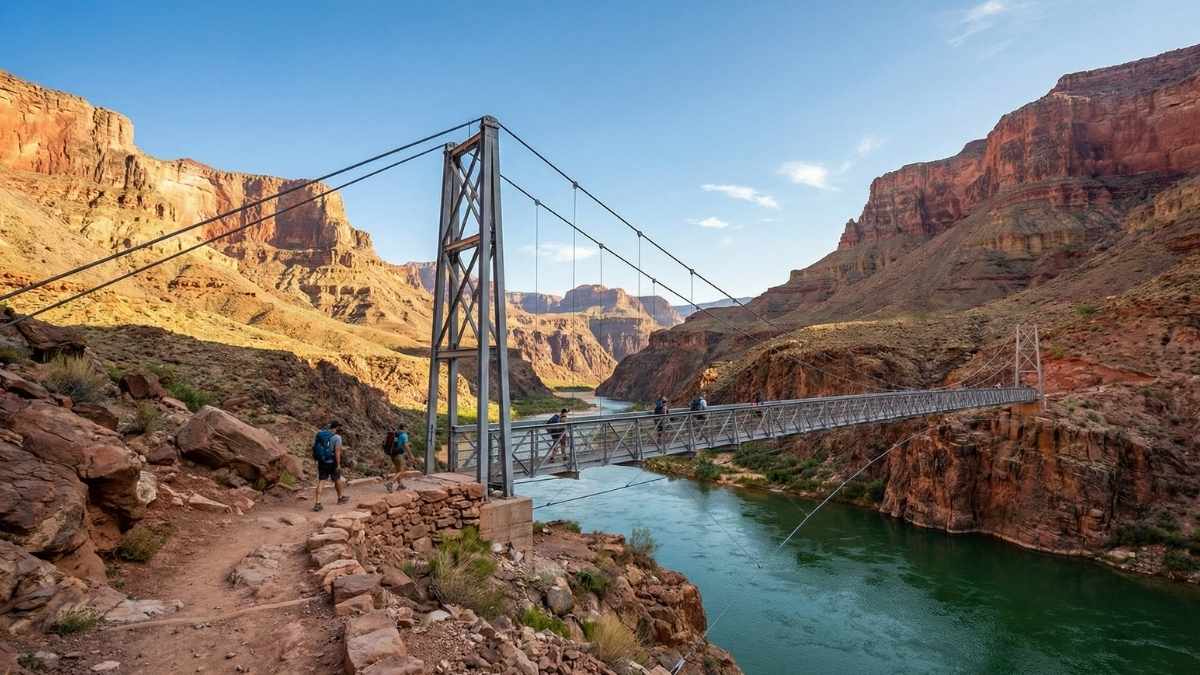
Grand Canyon needs almost no introduction; it’s one of those natural wonders that everybody gets goosebumps over. Its immense scale — carved by the Colorado River over millions of years — has drawn explorers, artists, and travelers for generations. That iconic status also means the lands ringing this geological titan have seen their value climb as tourism and interest in Southwest living grow. MDPI
There’s a reason the South Rim in particular became a hub for lodges, gift shops, and scenic viewpoints: once the railroad opened access in the early 1900s, people came by the thousands. Owning land near the canyon’s edges back then was a dream, but a dream that today would be worth serious money given the park’s pull and the development around gateway towns like Tusayan and Flagstaff. redsign.com
Even if you’ve seen it in photos, being at the canyon’s edge is something else — the way the light plays on the layered rock in the morning or evening is a spectacle that never gets old. parksexpert.com
Quick Facts
- Best Months to Visit: March–May & September–November (cooler temps)
- Crowds: Most packed in summer; quieter in spring/fall
- Activities: Rim hikes, mule rides, river rafting
11. Joshua Tree (Already covered) or Wild Card Addition: Sequoia & Kings Canyon (California)
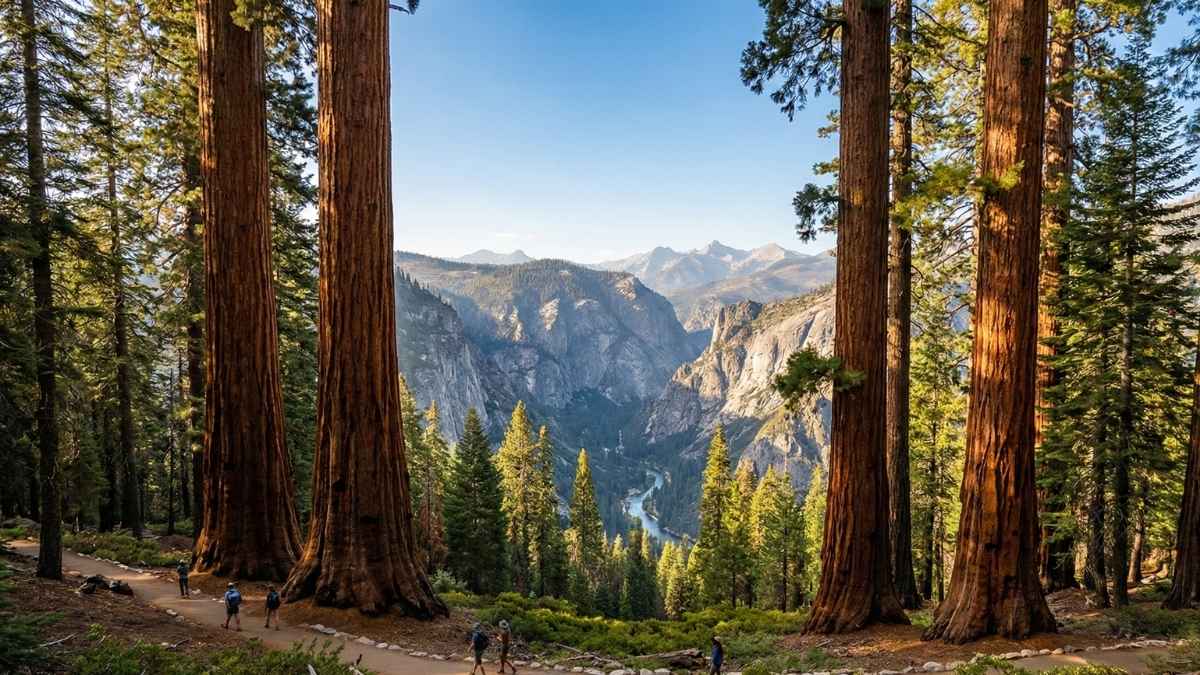
Since we already covered Joshua Tree in #6, let’s give readers a bonus park combo that’s ripe for “could’ve‑been‑worth‑millions” thinking: Sequoia & Kings Canyon. These two adjacent parks protect some of the largest trees on Earth — the giant sequoias — and landscapes that range from deep canyons to rugged alpine peaks. Wikipedia
Back in the early days of California’s park movement, owning forest‑rich land near these ancient giants wasn’t on everyone’s radar — but today, that sense of pristine wilderness has made nearby communities like Three Rivers and Visalia beloved bases for nature lovers. Proximity to these giants, combined with California’s overall real estate trends, adds a different kind of value: heritage, scenery, and economic staying power. redsign.com
There’s something profound about walking among trees that have stood for millennia — and owning property near such awe‑inspiring landmarks feels like owning a piece of the world’s natural legacy. Wikipedia
Quick Facts
- Best Months to Visit: May–September (snow‑free trails)
- Highlights: General Sherman Tree, Kings Canyon scenic drives
- Activities: Forest hikes, camping, wildlife viewing