11 Sunrise Hikes in USA That Change People’s Lives (According to 1,000+ Reviews)

Before alarms go off and headlamps flicker to life, something powerful happens on the trail. Darkness loosens its grip, breath turns visible, and every step feels intentional.
Sunrise hikes aren’t just early mornings—they’re quiet tests of commitment that reward you with moments most people sleep through. Reviews don’t talk only about views; they talk about clarity, perspective, and that strange calm that settles in when the world wakes up below your feet.
These trails have earned their reputation through thousands of voices describing the same thing: a shift. Not dramatic, not loud—just real. Stick around, because each sunrise ahead carries a story worth chasing.
1. Cadillac Mountain — Acadia National Park, Maine
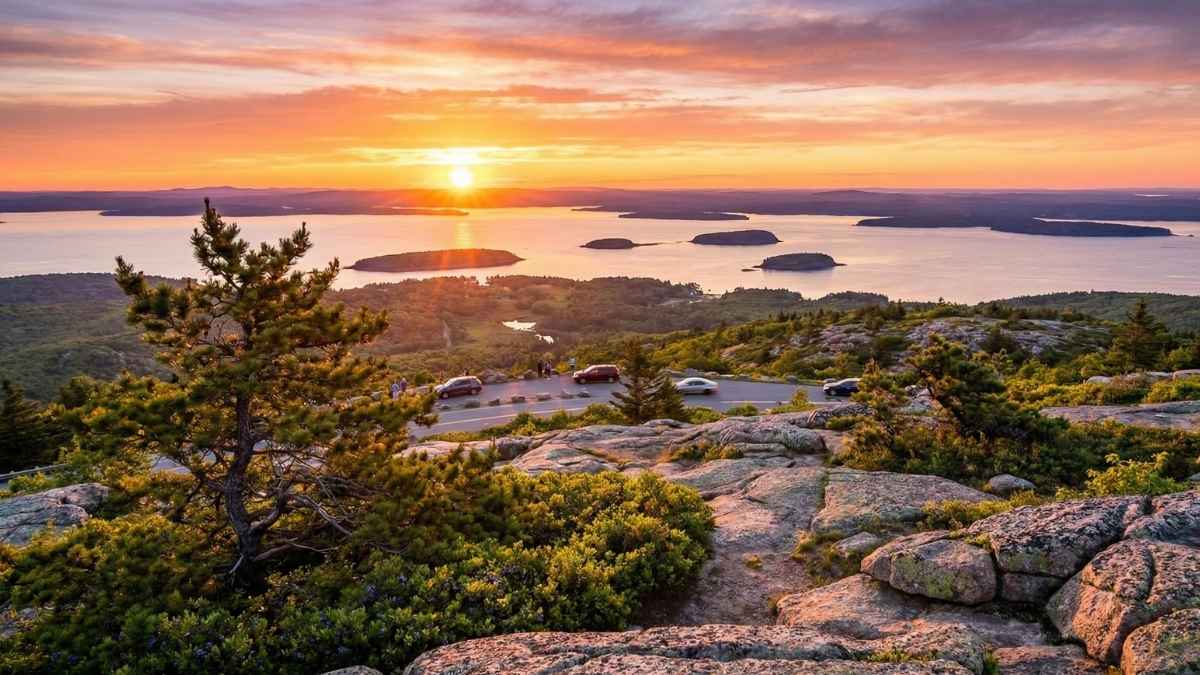
Cadillac Mountain earns its top spot because sunrise here feels deeply personal and oddly humbling. Standing above the Atlantic as the sky slowly ignites, many hikers describe a quiet emotional reset—like the world hitting a pause button just for you. The changing colors reflect off the rocky coastline and distant islands, creating a scene that feels both expansive and intimate.
What truly sets this hike apart is the symbolism. For part of the year, Cadillac Mountain is the first place in the United States to see the sunrise, and that idea resonates strongly with visitors. Reviews often mention a sense of “starting fresh,” even among seasoned travelers who thought they’d seen it all.
The trail itself is manageable, which means people from many walks of life make it to the top. That accessibility, combined with the raw beauty, explains why so many reviewers call this sunrise “life-shifting” rather than just scenic.
Key Information
- Best months: May–October
- Difficulty: Easy to moderate
- Trail length: ~2–4 miles (depending on route)
- Permit required: Yes (seasonal sunrise vehicle reservations)
- Why it stands out: First sunrise, ocean-meets-mountain views
2. Haleakalā Summit — Maui, Hawaii
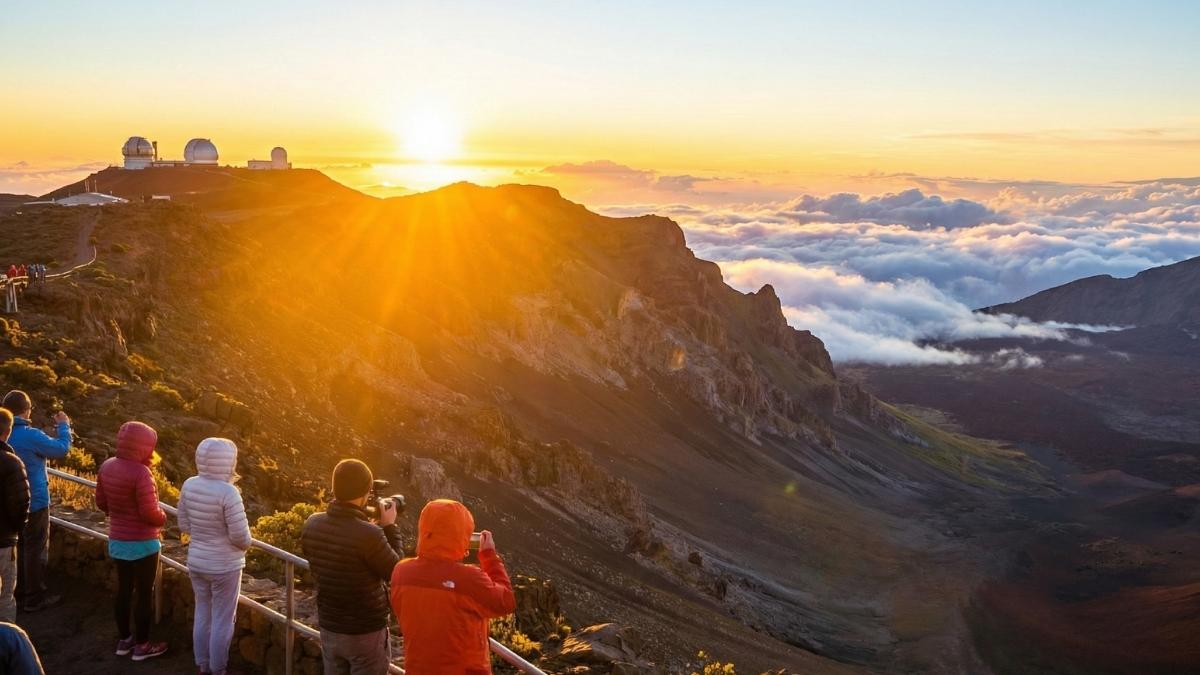
Sunrise at Haleakalā doesn’t feel like Earth—it feels celestial. The climb up through darkness ends above the clouds, where dawn arrives slowly, spilling color across a massive volcanic crater. Many hikers describe the moment as spiritual, not because it tries to be, but because silence and scale take over naturally.
The altitude adds to the intensity. At over 10,000 feet, the air is thin, the temperature is cold, and emotions tend to run high. Reviews frequently mention unexpected tears, not from exhaustion, but from the overwhelming stillness and beauty unfolding below the clouds.
Haleakalā is also deeply rooted in Hawaiian culture, and that layer of meaning adds weight to the experience. Watching the sun rise here feels less like checking off a bucket-list item and more like being invited into something ancient and sacred.
Key Information
- Best months: April–October
- Difficulty: Moderate (altitude is the challenge)
- Trail length: Varies (Summit access + short hikes)
- Permit required: Yes (sunrise reservations)
- Why it stands out: Above-the-clouds sunrise, volcanic landscape
3. South Kaibab Trail to Ooh Aah Point — Grand Canyon, Arizona
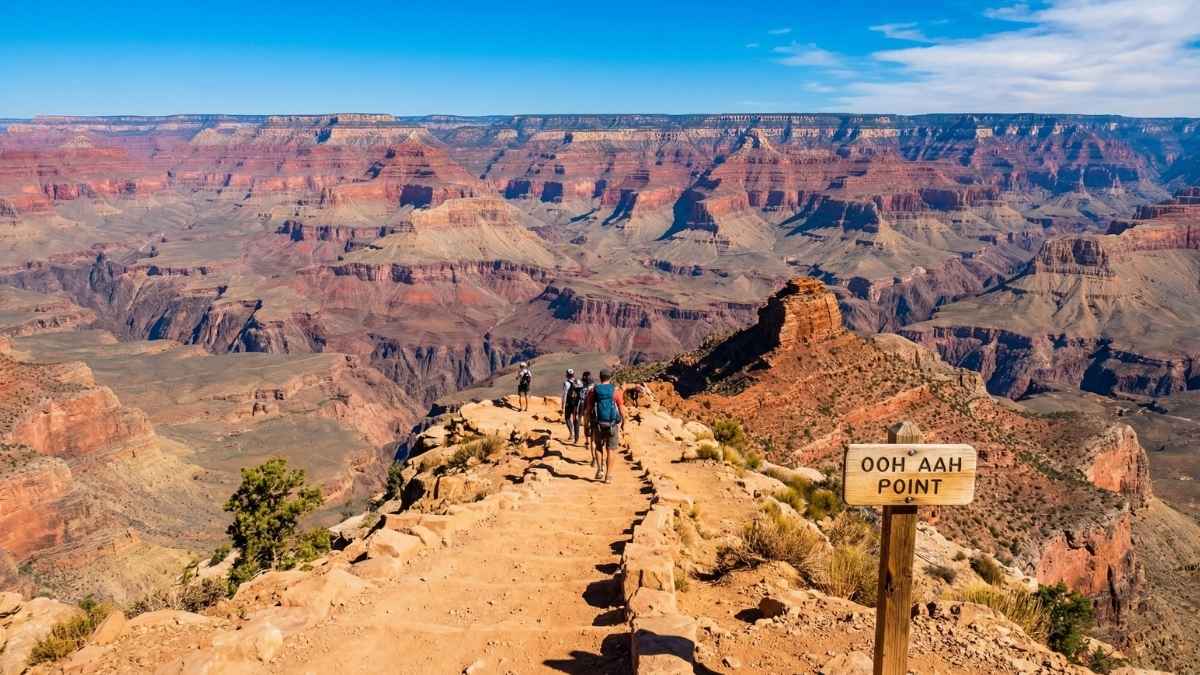
Sunrise in the Grand Canyon isn’t subtle—it’s dramatic. As the sun climbs, layers of rock ignite one by one, revealing depth and scale that photos never capture. Ooh Aah Point earns its name honestly; reviews consistently mention audible gasps when the canyon lights up.
This hike stands out because sunrise transforms the canyon completely. In low light, it feels mysterious and endless. As dawn unfolds, shadows retreat, and the canyon reveals itself in stages, giving hikers the sense of witnessing something alive and evolving.
Unlike rim viewpoints, the South Kaibab Trail pulls you into the canyon early, making the experience more immersive. Many reviewers say this sunrise changed how they see time, scale, and their own place in the world.
Key Information
- Best months: March–May, September–November
- Difficulty: Moderate (steep descent)
- Trail length: ~1.8 miles round trip to Ooh Aah Point
- Permit required: No
- Why it stands out: Color-shifting canyon walls, immersive descent
4. Angels Landing — Zion National Park, Utah
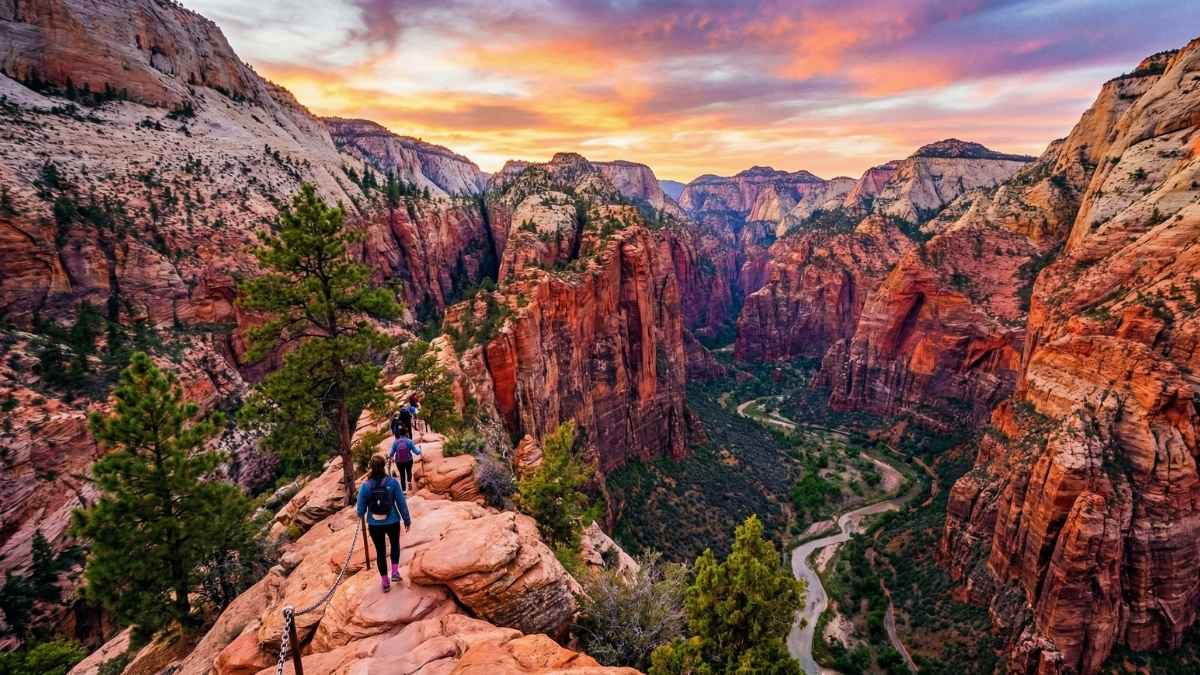
Angels Landing at sunrise feels raw and intense—in the best way. Starting before dawn, hikers move through quiet switchbacks as the canyon slowly wakes up. By the time the sun crests the cliffs, Zion glows in warm reds and golds that feel almost unreal.
What makes this sunrise powerful is the contrast. Fear, excitement, and beauty collide as light pours into the canyon. Many reviews mention how the early hour strips away crowds and distractions, leaving only focus, breath, and the landscape.
Reaching the exposed spine at sunrise adds emotional weight. The reward isn’t just the view—it’s the sense of earning it. For many hikers, this moment becomes a personal milestone rather than just another hike.
Key Information
- Best months: April–May, September–October
- Difficulty: Strenuous
- Trail length: ~5.4 miles round trip
- Permit required: Yes (for final ascent)
- Why it stands out: Dramatic cliffs, adrenaline-meets-sunrise
5. Mesa Arch — Canyonlands National Park, Utah
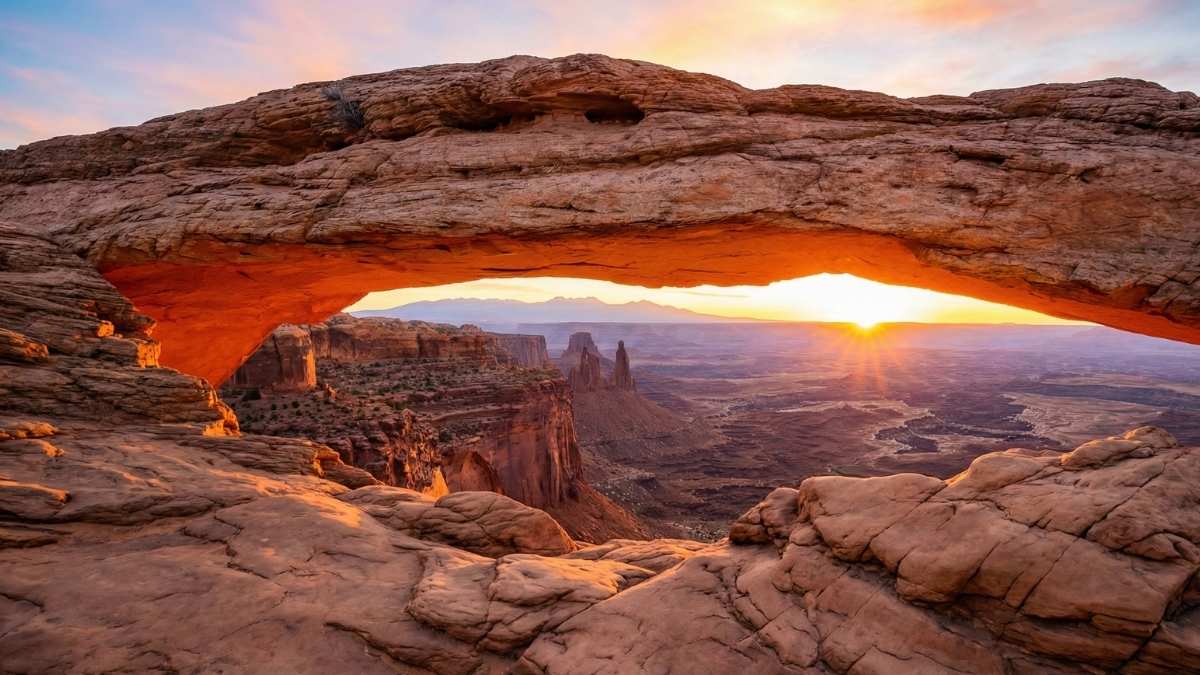
Mesa Arch proves that a short hike can still deliver a profound moment. At sunrise, the arch frames the sun perfectly, spilling golden light across the canyon below. Reviews often describe the experience as brief but unforgettable.
The magic lies in timing. As the first rays hit the underside of the arch, the rock glows bright orange, while the canyon beyond remains soft and shadowed. That contrast creates a visual moment that feels almost designed, yet completely natural.
Because the hike is short, people arrive focused rather than fatigued. Many reviewers mention standing silently, watching the light change second by second, realizing how powerful a single moment can be.
Key Information
- Best months: March–May, September–October
- Difficulty: Easy
- Trail length: ~0.5 miles round trip
- Permit required: No
- Why it stands out: Perfect sunrise framing, high impact with minimal effort
6. Sentinel Dome — Yosemite National Park, California
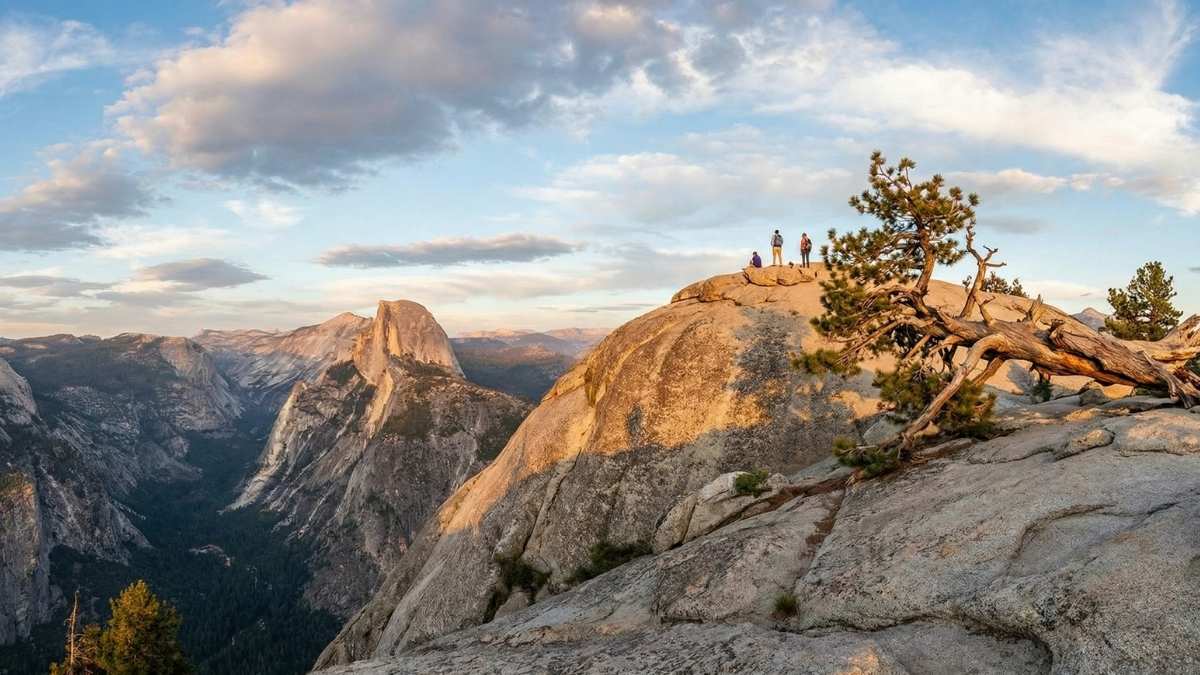
Sentinel Dome delivers one of those rare sunrises where everything feels balanced—granite, light, space, and silence working together effortlessly. As dawn breaks, Yosemite’s icons slowly reveal themselves: Half Dome, El Capitan, and distant peaks emerging from darkness like old friends returning to view.
What resonates most with reviewers is the openness. There are no railings, no barriers, just a broad granite summit that lets you move, sit, and take it all in at your own pace. That freedom creates a sense of calm that many describe as grounding rather than overwhelming.
Because the hike is relatively short, the focus stays on the experience itself. People often mention feeling clear-headed afterward, as if the sunrise reset something internal without demanding too much in return.
Key Information
- Best months: May–October
- Difficulty: Easy to moderate
- Trail length: ~2.2 miles round trip
- Permit required: No
- Why it stands out: 360-degree Yosemite views, peaceful summit
7. Mount Fremont Lookout — Mount Rainier National Park, Washington
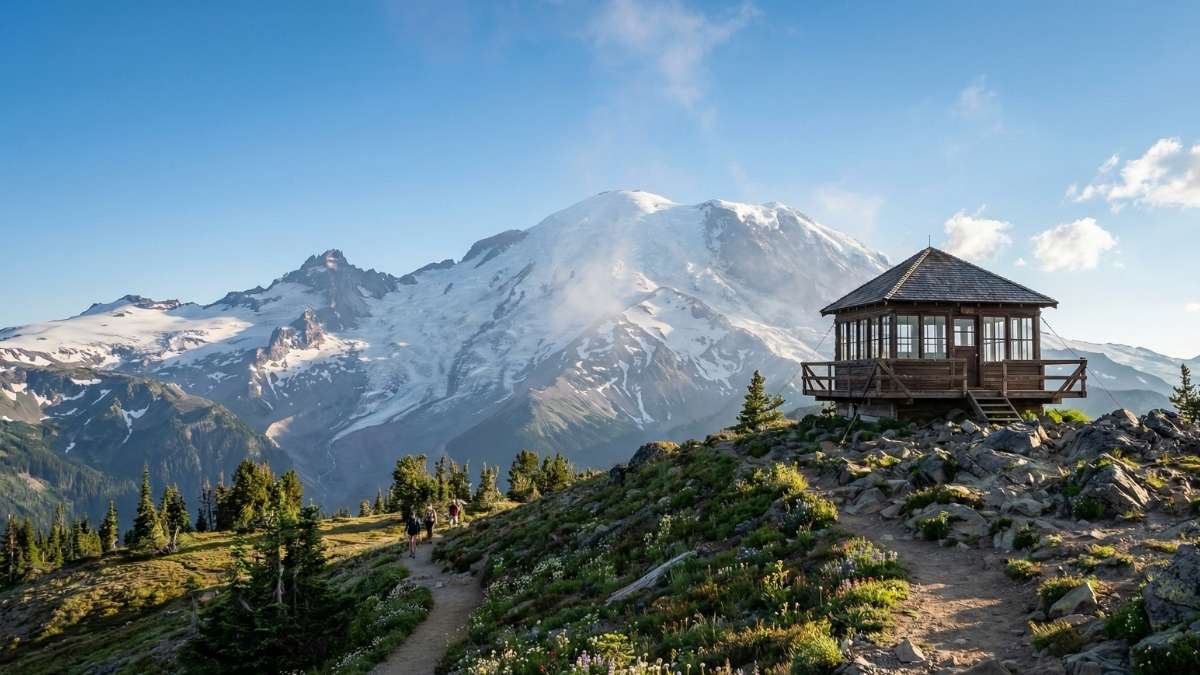
Sunrise from Mount Fremont Lookout feels quietly cinematic. As the sky lightens, Mount Rainier dominates the horizon, massive and still, while layers of ridges and valleys slowly come into focus. Reviewers often mention how the mountain seems to glow rather than reflect light.
The fire lookout at the end adds character and a sense of history. Standing there at dawn, many hikers feel connected not just to the landscape, but to the people who once watched over it. That mix of solitude and legacy gives the sunrise extra emotional weight.
Wildlife sightings aren’t uncommon at this hour, which adds an element of surprise. Several reviews describe the experience as serene but alive—never dull, never rushed.
Key Information
- Best months: July–September
- Difficulty: Moderate
- Trail length: ~5.6 miles round trip
- Permit required: No
- Why it stands out: Iconic Mount Rainier views, lookout sunrise
8. McAfee Knob — Appalachian Trail, Virginia
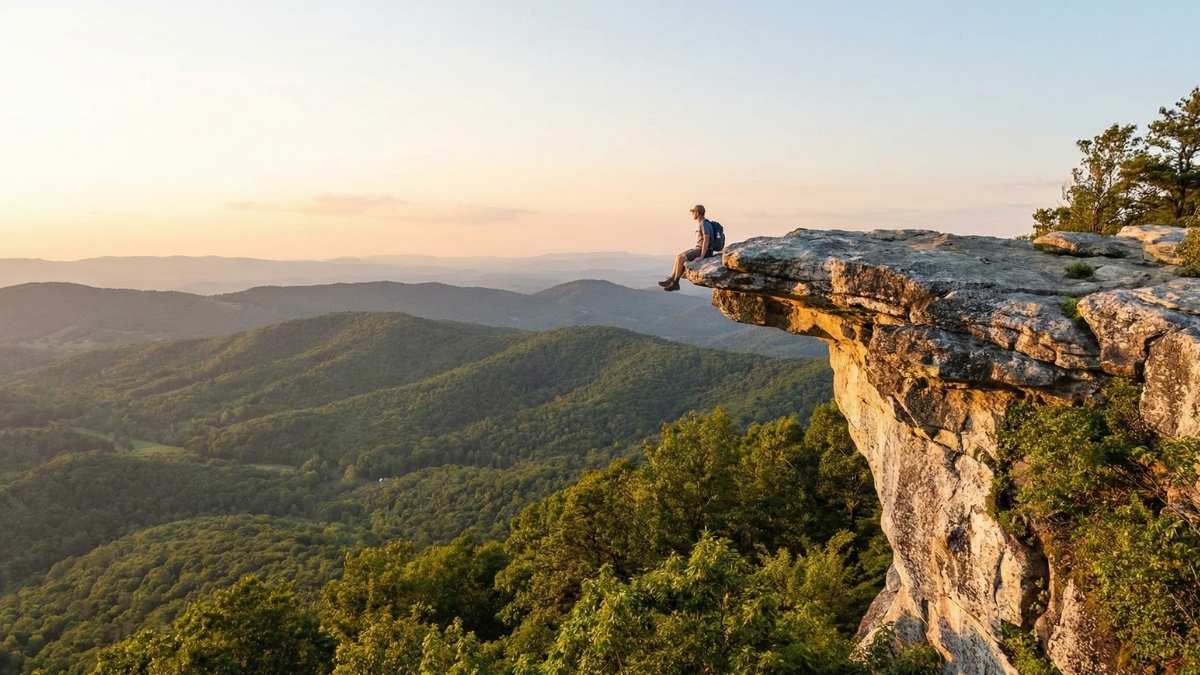
McAfee Knob’s sunrise isn’t about vast landscapes—it’s about connection. Perched above rolling valleys, the famous rock ledge becomes a front-row seat to soft light, low clouds, and quiet moments shared among early risers.
Reviews frequently highlight the emotional simplicity of this hike. There’s no spectacle chasing your attention, just gradual light and gentle movement across the land. That understated beauty often leaves a deeper impression than more dramatic settings.
Because it sits along the Appalachian Trail, the sunrise here carries symbolic meaning. Many hikers describe feeling inspired by the stories of those who’ve walked before them, making the moment feel earned and personal.
Key Information
- Best months: April–June, September–October
- Difficulty: Moderate
- Trail length: ~8.8 miles round trip
- Permit required: No
- Why it stands out: Iconic ledge, Appalachian Trail spirit
9. Horseshoe Bend — Glen Canyon, Arizona
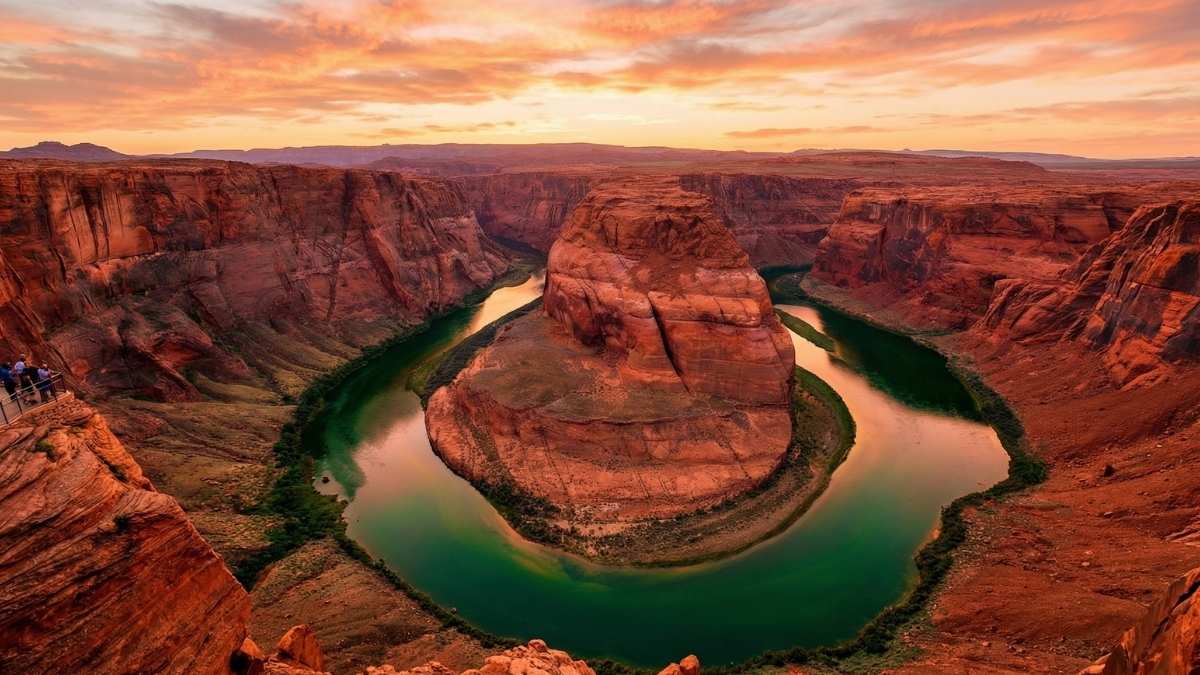
Horseshoe Bend at sunrise is surprisingly intimate for such a famous location. Without the midday crowds, the Colorado River curves quietly below as early light softens the sandstone walls, revealing subtle colors many visitors never see.
What reviewers love most is the calm. The overlook feels less like a tourist stop and more like a quiet moment of observation. As the sun rises, shadows slowly retreat, and the river begins to shimmer, pulling attention downward rather than outward.
The short walk makes it accessible, but the emotional payoff is still strong. Many people mention lingering longer than expected, simply watching the light change and the canyon breathe.
Key Information
- Best months: March–May, September–November
- Difficulty: Easy
- Trail length: ~1.5 miles round trip
- Permit required: No
- Why it stands out: Quiet canyon curves, crowd-free dawn
10. Taft Point — Yosemite National Park, California
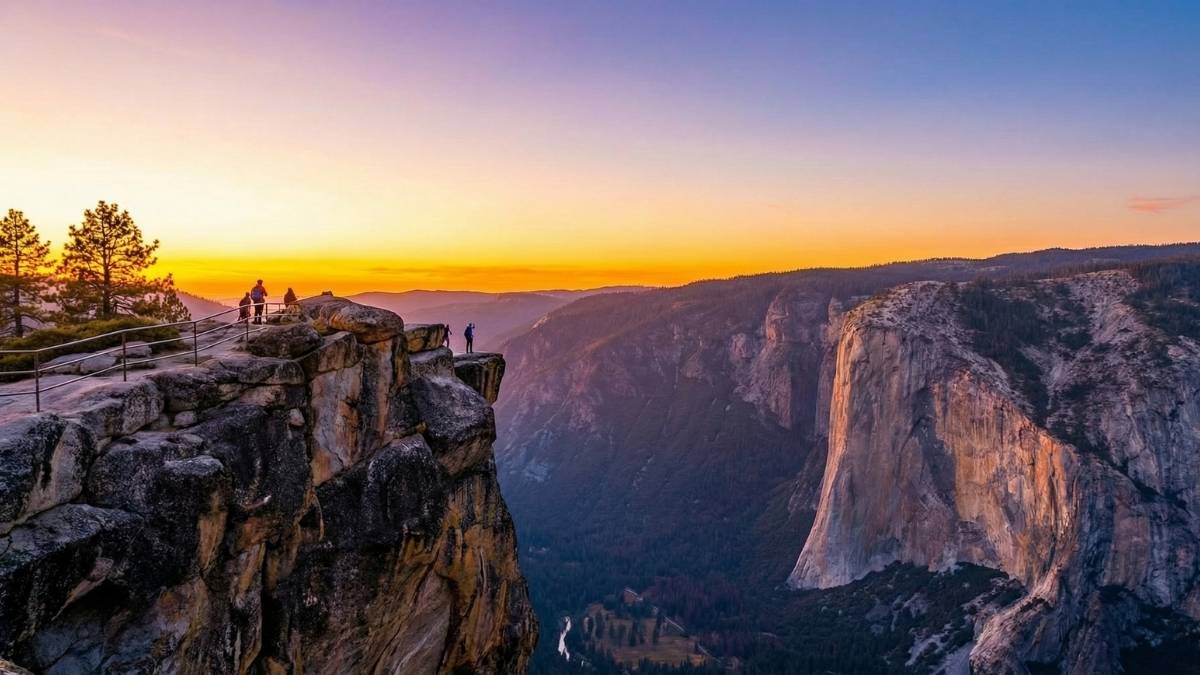
Taft Point offers a sunrise that feels bold and exposed. Standing at the edge of sheer cliffs, the valley opens beneath you as first light spills across Yosemite’s granite walls. Reviewers often describe a mix of awe and alertness that sharpens every sense.
Unlike more famous Yosemite viewpoints, Taft Point feels raw. There are no railings, no distractions—just open space and depth. That vulnerability heightens the emotional impact of the sunrise, making it feel more visceral than scenic.
Many hikers say this sunrise lingers with them long after leaving the park, not because it was comfortable, but because it demanded presence and attention.
Key Information
- Best months: May–October
- Difficulty: Moderate
- Trail length: ~2.2 miles round trip
- Permit required: No
- Why it stands out: Sheer cliff edges, dramatic valley views
11. Clingmans Dome — Great Smoky Mountains National Park, Tennessee / North Carolina
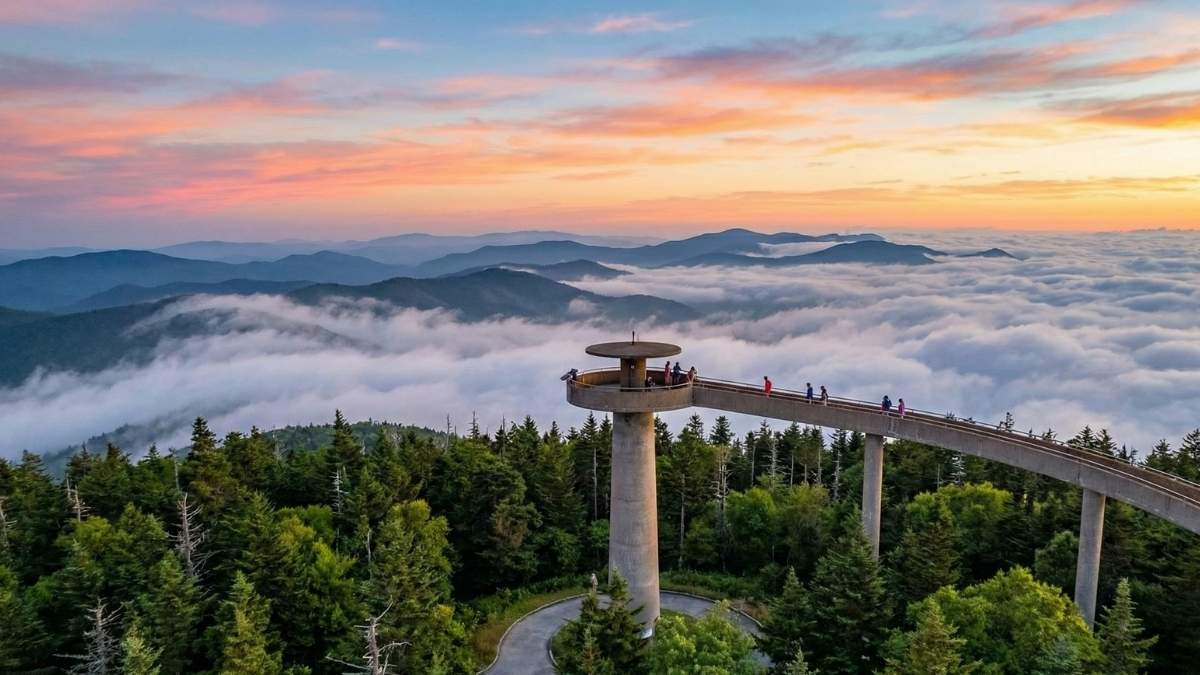
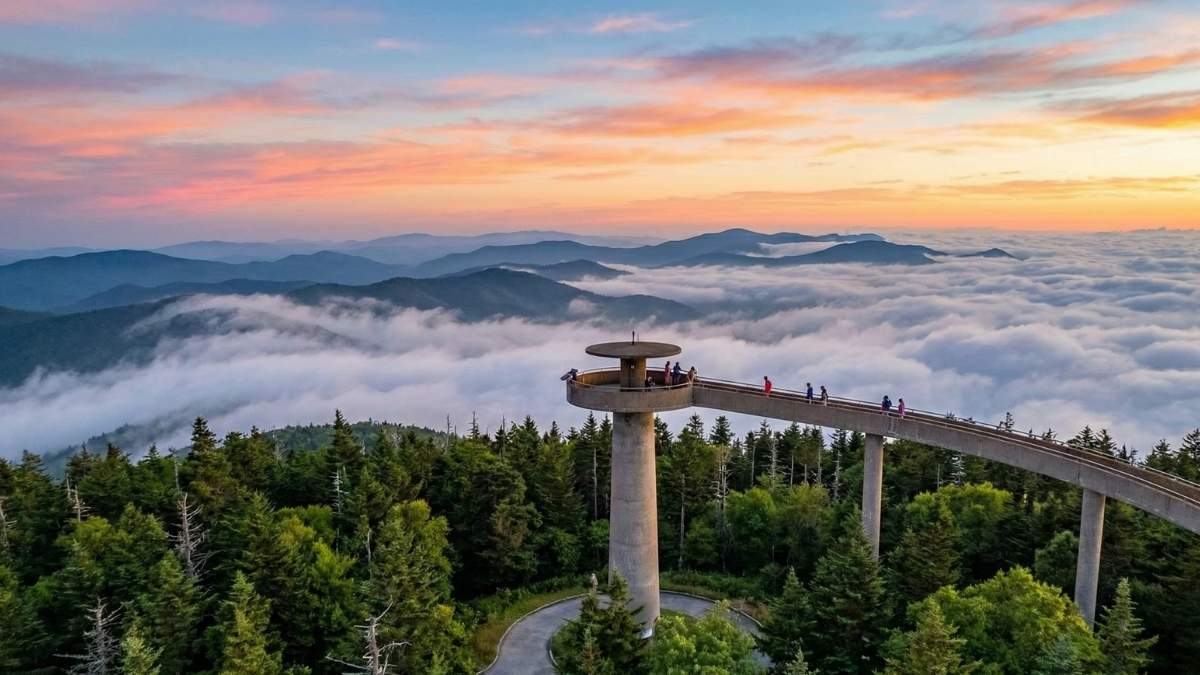
Clingmans Dome greets sunrise with layers—layers of mountains, mist, and shifting light that seem to stretch endlessly. As dawn arrives, ridgelines fade in and out of view, creating a rolling sea of silhouettes.
What makes this sunrise memorable is its softness. Reviews often mention how the light doesn’t burst onto the scene but slowly settles in, giving the moment a peaceful, reflective tone. Fog drifting through the valleys adds a dreamlike quality.
The paved path to the observation tower makes this sunrise accessible to many, which only adds to its emotional appeal. People from all backgrounds share the same quiet moment, watching the mountains wake up together.
Key Information
- Best months: June–October
- Difficulty: Easy
- Trail length: ~1 mile round trip
- Permit required: No
- Why it stands out: Misty mountain layers, gentle sunrise mood