
The Motivation Died: 12 Physical Reasons You Can’t Make Yourself Exercise Anymore (And How to Revive It)


Look, we need to have a serious talk about the word “lazy.”
I know the feeling. You’re sitting on the couch, staring at your running shoes by the door. You want to put them on. Intellectually, you know you should. You know you’ll feel better if you do. But there is this invisible, heavy blanket weighing you down. And because you can’t just “snap out of it,” you start the shame spiral. You tell yourself you’ve lost your discipline. You tell yourself you’re weak.
But here’s the thing—and I need you to really hear this—laziness is almost never just a character flaw.
In the world of neurobiology, what we call “laziness” is usually a biological error code. It’s your body pulling the emergency brake because it thinks something is wrong. When your physiology is fighting you—whether it’s your mitochondria sputtering out, your dopamine receptors going offline, or your hormones screaming for a timeout—no amount of “grib” or “willpower” is going to override it.
This isn’t about letting you off the hook. It’s about looking under the hood so we can actually fix the car instead of just yelling at the driver. We’re going to look at 12 deeply physical reasons why your motivation died, backed by the latest science, and exactly how to get it back.
The Engine & The Spark
1. The Dopamine Drought
Dopamine isn’t just pleasure; it’s the starter fluid for motivation. It makes the effort feel “worth it.”
The Problem? We live in a “Cheap Dopamine” Economy (TikTok, Sugar).
2. Mitochondria Leak
If dopamine is the spark, mitochondria are the engine. They function on a “use it or lose it” basis.
Dysfunctional mitochondria produce exhaust (oxidative stress). Exercise stops feeling like a challenge and starts feeling like a threat.
3. “Sickness Behavior”
An ancient survival program triggered by inflammation. Chronic stress or bad food releases Cytokines.
Motivation isn’t magic; it’s chemistry. Specifically, it’s the interplay between your brain’s reward system (the spark) and your cells’ energy production (the engine). When these go down, “wanting” to exercise physically disappears.
1. The Dopamine Drought (Your Starter Fluid is Empty)
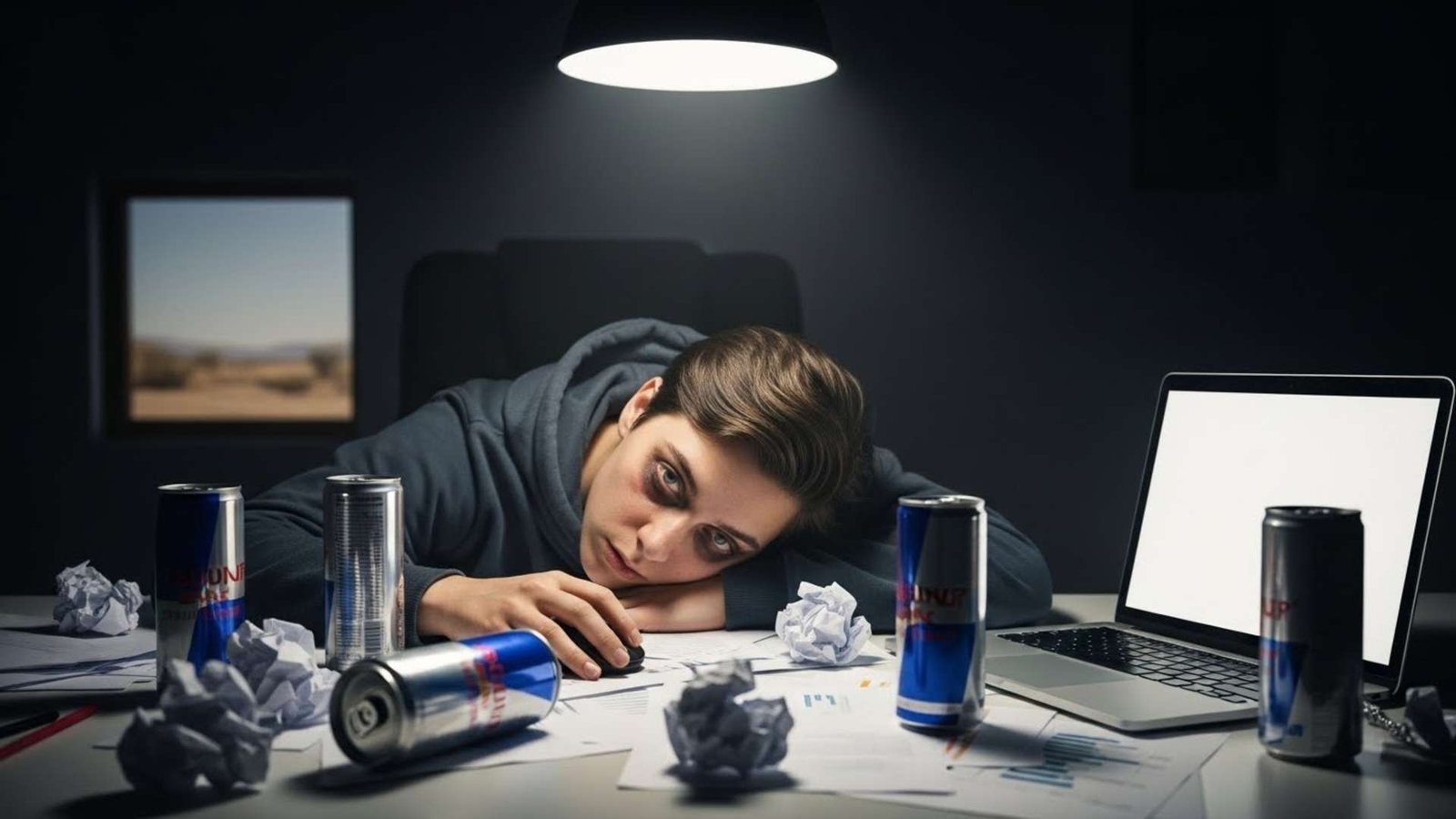
We often think of dopamine as the “pleasure” chemical, but Dr. Andrew Huberman, a neurobiologist at Stanford, clarifies that dopamine is actually the molecule of craving and motivation. It’s what allows you to perceive that the effort you’re about to put in is worth the reward you’ll get.
The Problem: We are living in a “cheap dopamine” economy.
Between TikTok, processed sugar, and 24/7 notifications, we are flooding our brains with unearned dopamine hits. To protect itself from this flood, your brain actually removes dopamine receptors (a process called downregulation).
Think of it like building up a tolerance to caffeine. Suddenly, the subtle, delayed dopamine release you’d get from a workout doesn’t even register. Your brain looks at the effort of a 3-mile run and says, “Nah, too expensive. I can get that same chemical hit by scrolling for 15 seconds.” You aren’t lazy; you are chemically desensitized.
2. Your Mitochondria Are Leaking

If dopamine is the spark, mitochondria are the engine. These tiny organelles in your cells turn food into energy (ATP). But here is the scary stat: mitochondria function on a “use it or lose it” basis.
If you’ve been sedentary, stressed, or aging (which we all are), your mitochondria can become dysfunctional. They start producing less energy and more exhaust (oxidative stress). Leading researchers like Dr. Iñigo San Millán have found that in this state, your body can’t clear lactate efficiently.
The result? Exercise doesn’t feel like a “good challenge”; it feels like a threat. You hit a wall of fatigue almost instantly because your cells are literally suffocating on a metabolic level. It’s not that you won’t push through; biologically, you can’t.
3. The “Sickness Behavior” Protocol (Inflammation)

Ever notice how when you have the flu, all you want to do is lie in a dark room? That’s not a choice; it’s an ancient survival program called “Sickness Behavior,” triggered by inflammatory molecules called cytokines.
Here’s the kicker: You don’t need a virus to trigger this. Chronic stress, processed foods, and lack of sleep trigger the exact same cytokines (like IL-6 and TNF-alpha). These cytokines cross the blood-brain barrier and hijack your dopamine pathways, telling your brain, “We are sick. Conserve energy. Do not move”.
Dr. Rhonda Patrick notes that this inflammation-driven apathy is often misdiagnosed as depression or laziness. It’s your immune system putting you on bed rest without your permission.
The Silent Saboteurs
The Sleep Debt Collector
You can’t cheat sleep. Adenosine builds up in your brain creating “sleep pressure.”
The Gut-Brain Disconnect
Your gut talks to your brain via the Vagus Nerve.
Specific microbes trigger dopamine during exercise. Wipe them out (antibiotics, bad diet) and the “runner’s high” stops happening.
The Hormonal Hijack
Your hormones are the Operating System. If the OS is glitchy, the apps won’t run.
- Thyroid: The Idle Speed. Low levels feel like moving through molasses.
- Insulin: The Fuel Block. Cells starve even after eating.
The Cycle Saboteur
Luteal Phase Drag: The week before your period, progesterone spikes. Body temp rises, heart rate rises.
Sometimes the call is coming from inside the house—or more specifically, from your gut, your sleep cycle, or your medicine cabinet.
4. The Sleep Debt Collector (Adenosine)

You can’t cheat sleep. When you’re awake, a chemical called adenosine builds up in your brain. It creates “sleep pressure.” Sleep is the only thing that clears it.
If you’re chronically getting 6 hours instead of 8, you have a residual build-up of adenosine. And here’s the trap: Caffeine doesn’t clear adenosine; it just masks it. It blocks the receptor so you don’t feel the fatigue, but the chemical debt is still piling up underneath. When the caffeine wears off, the crash is brutal. You’re trying to exercise with a brain that is chemically signalling for a shutdown.
The Stat: About 57% of men and 40% of women are carrying significant sleep debt. You aren’t lazy; you’re operating on a flat battery.
5. The Gut-Brain Disconnect

This one blew my mind. Your gut bacteria actually talk to your brain via the vagus nerve. Recent studies in Nature (2022) showed that specific gut microbes are responsible for triggering dopamine release during exercise. If you wipe out those good bacteria (antibiotics, bad diet), the “runner’s high” literally stops happening.
If your gut is a mess, you do the work but never get the chemical reward. No wonder you don’t want to do it again.
6. The Hormonal Hijack

Your hormones are the operating system. If the OS is glitchy, the apps (exercise) won’t run.
- Thyroid (The Idle Speed): Hypothyroidism affects up to 10-12% of the population (mostly women). Low thyroid means low ATP. It feels like moving through molasses.
- Insulin Resistance (The Fuel Block): If you are insulin resistant (which nearly half of adults are), your cells are starving for fuel even if you just ate. This causes “brain fog” and a heavy fatigue that makes the gym feel impossible.
7. The Cycle Saboteur (For the Ladies)

Guys, you can skip this paragraph, but ladies—this is huge. Your physiology is not the same every week of the month.
The Luteal Phase Drag: In the week before your period (Luteal Phase), progesterone spikes. This raises your body temperature and resting heart rate. Dr. Stacy Sims points out that this makes everything feel harder. Your body is working overtime just to maintain baseline. Pushing for a PR here is fighting your own biology.
Also, check your Iron. Iron deficiency is rampant in female athletes (up to 50%!). Without iron, your red blood cells can’t carry oxygen. You aren’t unfit; you are literally suffocating your muscles.
The External Blocks (Environment & Habits)

8. The Nutrient Void
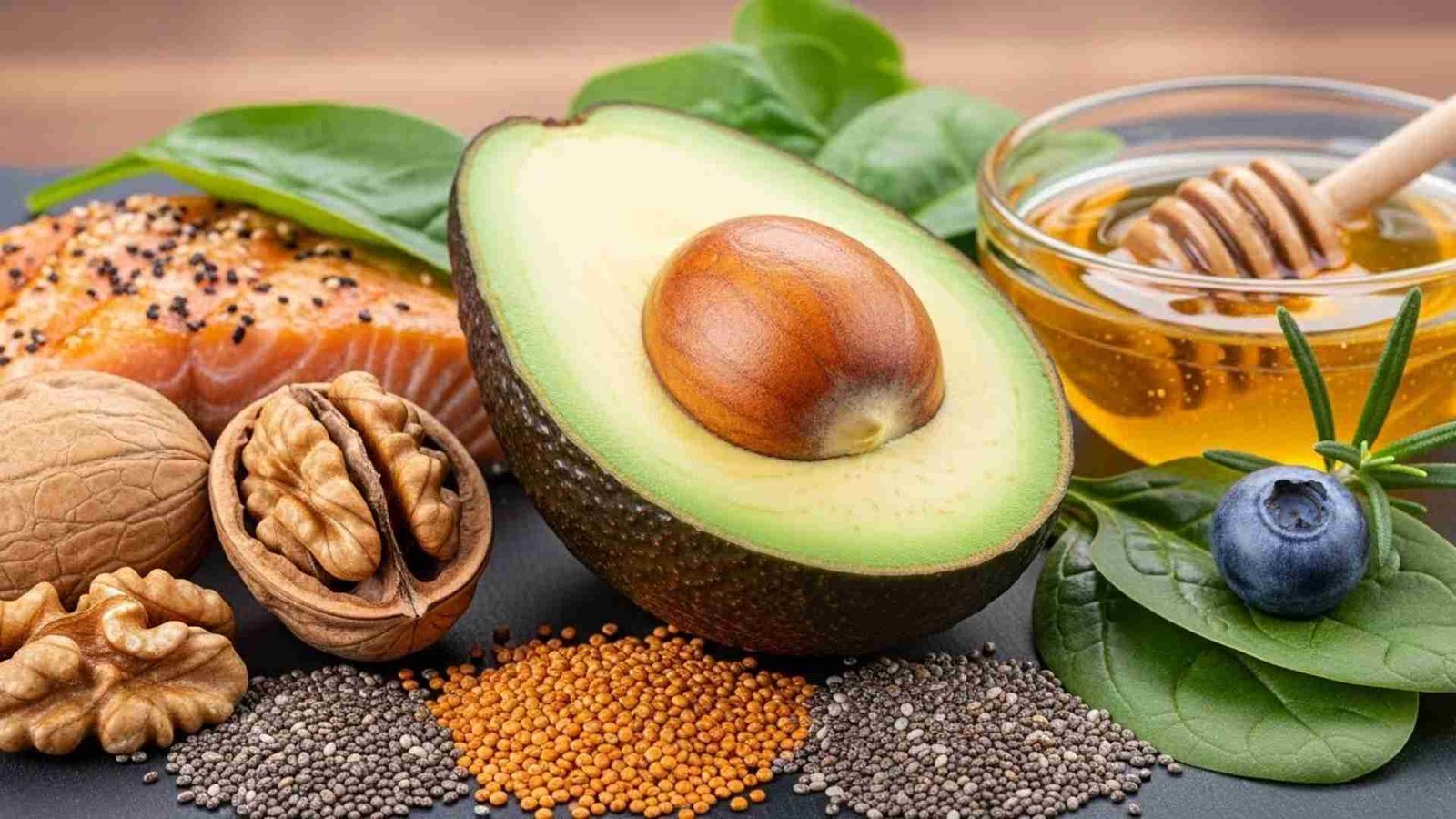
You can’t build a house without bricks. If you’re missing these three, your energy crashes:
- Vitamin D: Low levels = muscle weakness. Period.
- Magnesium: Required for ATP to work. Stress burns through magnesium like wildfire.
- Vitamin B12: Essential for nerves. Low levels feel like a deep, neurological sluggishness.
9. The Medicine Cabinet Trap
We take meds to feel better, but some have side effects that directly kill exercise drive.
- SSRIs: Vital for depression, but for some (20-90% depending on the study), they can cause “emotional blunting” or apathy. You don’t feel sad, but you don’t feel motivated either.
- Antihistamines: Crazy new research suggests they might blunt the blood flow response to exercise, making recovery harder.
- Beta-Blockers: They put a “ceiling” on your heart rate. You try to run, but your heart physically can’t pump fast enough to meet the demand.
10. The “Central Governor” Theory
Dr. Tim Noakes proposed this brilliant idea: Your brain is a “governor.” It limits your muscles before you actually get hurt. If you are stressed or anxious, your Central Governor becomes a helicopter parent. It screams “STOP!” way too early. You feel exhausted, but physically, your muscles are fine. It’s a brain-based safety illusion.
11. Overtraining (The “Tired but Wired” Trap)
High performers, this is you. You didn’t lose motivation; you burned out the system. This is called Relative Energy Deficiency in Sport (RED-S).
Table: Are You “Lazy” or Overtrained?
| Symptom | “Laziness” | Overtraining (Sympathetic) | Overtraining (Parasympathetic) |
| Resting Heart Rate | Normal | High (Pounding chest) | Unusually Low |
| Sleep | Normal (or too much) | Insomnia / Can’t wind down | Sleeping a lot but unrefreshed |
| Mood | Bored / Apathetic | Irritable / Anxious | Depressed / Numb |
| Exercise Feeling | “I just don’t want to” | “I want to, but I feel weak” | “I physically cannot move” |
12. Decision Fatigue (Glutamate Overload)

New research from 2022 showed that intense cognitive work (like a hard day at the office) causes a toxic build-up of glutamate in the prefrontal cortex. To protect your brain, your body shuts down executive function.
You aren’t “weak” for skipping the gym after work. Your brain is chemically congested and physically cannot make another hard decision.
Tools to Jumpstart the Engine
Sometimes, knowing the science isn’t enough. You need the right physical tools to bridge the gap between “knowing” and “doing.” Based on the physiological blocks we’ve discussed—circadian disruption, poor recovery, and inflammation—I’ve curated a short list of tools that can act as a jumpstart for your system. These aren’t just gadgets; they are practical interventions to help you hack your biology back to baseline.
1. Verilux HappyLight Luxe

If you can’t get outside for that critical 15 minutes of morning sunlight (Protocol A), this is your backup plan. It delivers 10,000 lux of full-spectrum light, mimicking the sun to trigger your cortisol awakening response and clear the adenosine fog. It’s essentially “liquid energy” for your eyes without the caffeine jitters.
2. Micro Ingredients Magnesium Glycinate

We talked about how stress and exercise burn through magnesium (Reason #8). Glycinate is the specific form you want because it absorbs easily and promotes deep relaxation without upsetting your stomach. Think of this as the “off switch” for your sympathetic nervous system, helping you get the restorative sleep needed to repair your mitochondria.
3. ProsourceFit Acupressure Mat and Pillow Set

This looks like a torture device, but it’s actually a “Central Governor” reset button. Lying on these thousands of tiny points triggers a flood of endorphins and increases blood flow to the back muscles. It forces your nervous system out of “fight or flight” and into “rest and digest,” making it perfect for combating the physical tension of stress (Reason #10).
4. Philips SmartSleep Wake-up Light

Waking up to a blaring alarm spikes your cortisol in a panic, starting your day in a stress state. This light simulates a natural sunrise, gradually brightening your room over 30 minutes. It gently pulls you out of sleep cycles so you wake up feeling biologically alert rather than groggy and resentful. It’s a game-changer for fixing circadian misalignment (Reason #4).
5. The Complete Anti-Inflammatory Diet for Beginners

Since inflammation is a major driver of “Sickness Behavior” and apathy (Reason #3), getting your diet right is non-negotiable. You don’t need a PhD in nutrition; you just need simple recipes that lower your cytokine load. This book is a practical guide to eating in a way that signals “safety” to your immune system, bringing your energy back online.